Jiangsu
Nanjing, Yangzhou and Suzhou form the strongest first route through Jiangsu. The sequence gives each stop a different job: national and dynastic history in Nanjing, Grand Canal culture and slower garden days in Yangzhou, then classical gardens and water-town choices in Suzhou. Fast rail keeps transfers short, but popular museums and gardens still reward a slower schedule.
Choose your region
- Classic west-to-east route: Nanjing–Yangzhou–Suzhou in 7–8 days.
- Lake and garden extension: Wuxi between Yangzhou and Suzhou for Taihu scenery and seasonal blossom parks.
- Compact heritage stop: Zhenjiang pairs naturally with Nanjing or Yangzhou.
- Northern Jiangsu: Xuzhou is a separate history-and-food gateway, especially useful when arriving from northern China.
How many days
With four days, choose Nanjing and one other city. Seven days allow two or three nights in Nanjing, two in Yangzhou and two in Suzhou. Add Wuxi with one or two more nights. A water town is best used as a deliberate Suzhou-area day or overnight, not as a hurried stop between luggage moves.
Cities and bases
Nanjing needs separate clusters for the old city, Purple Mountain and major museums. Yangzhou is compact, but Slender West Lake, the Grand Canal Museum and the historic gardens should not share one overloaded day. In Suzhou, stay near a metro line outside the most congested pedestrian lanes; the gardens are close on a map but entry slots and crowds slow the day.
Routes through the province
Seven-day first route
- Arrive in Nanjing and walk the city-wall or Qinhuai area.
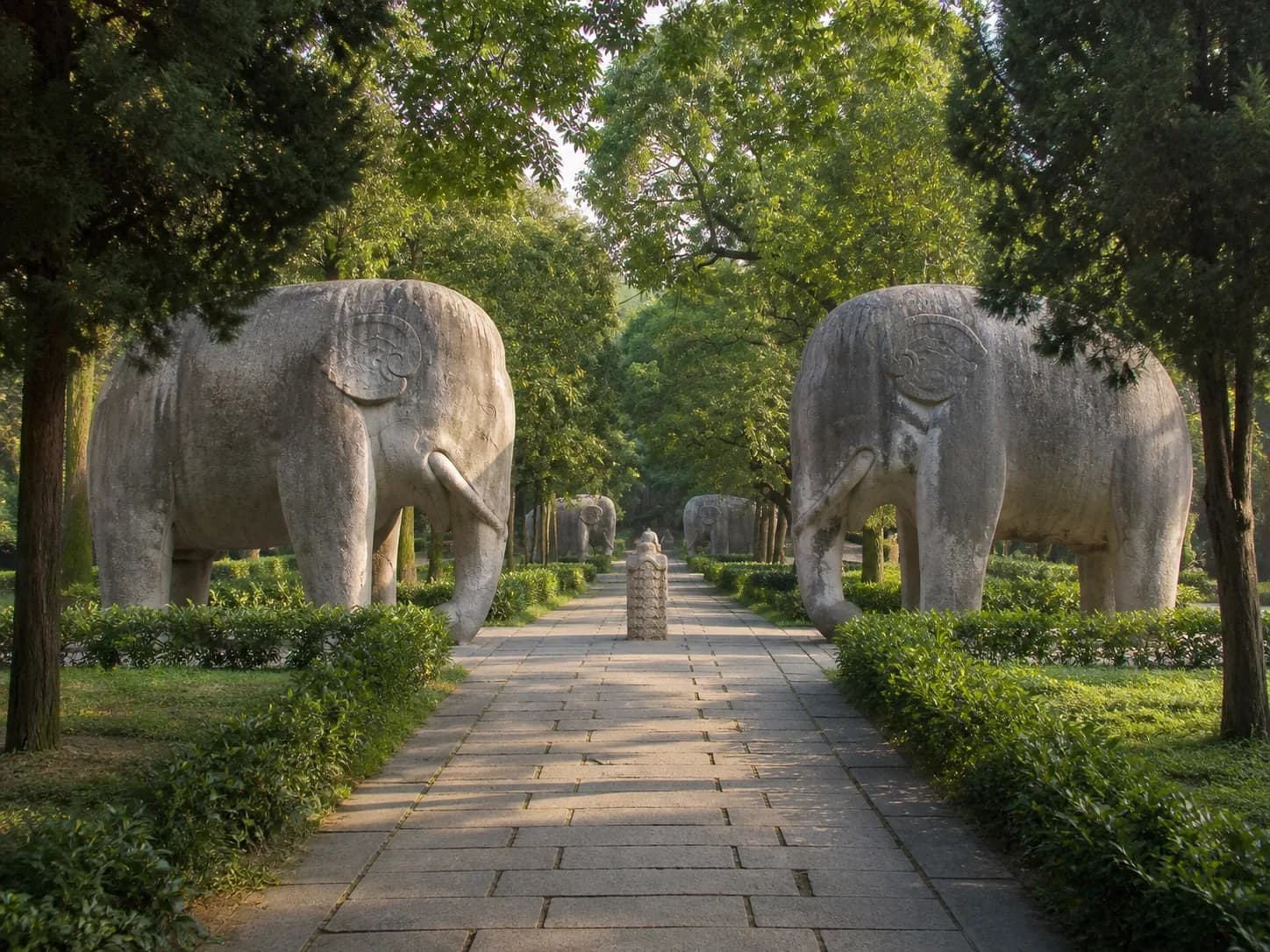
- Give Purple Mountain its own day.
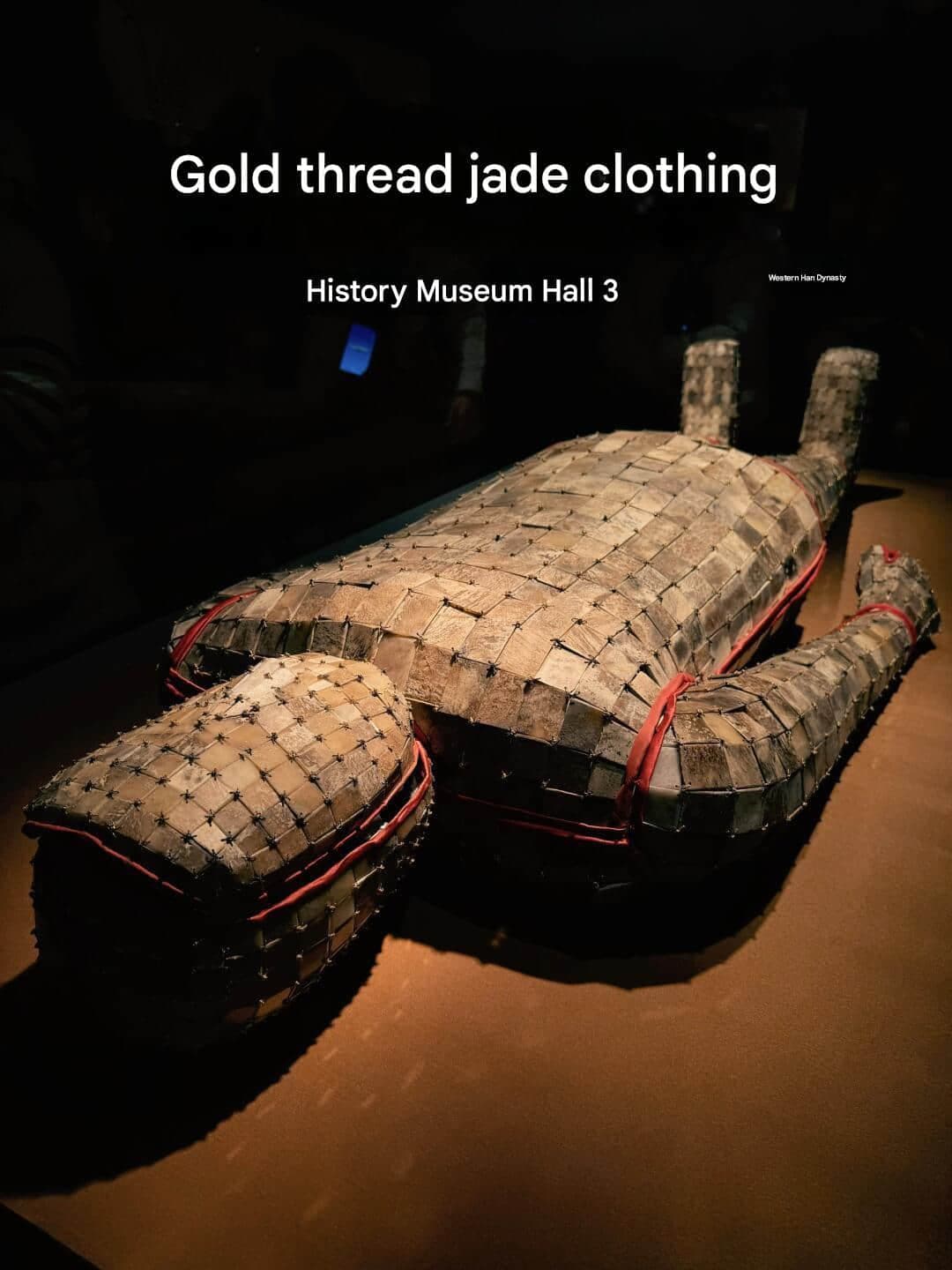
- Choose Nanjing Museum and a modern-history site, then travel to Yangzhou.
- Visit Slender West Lake and one classical garden.
- Reserve the Grand Canal Museum, then continue to Suzhou.
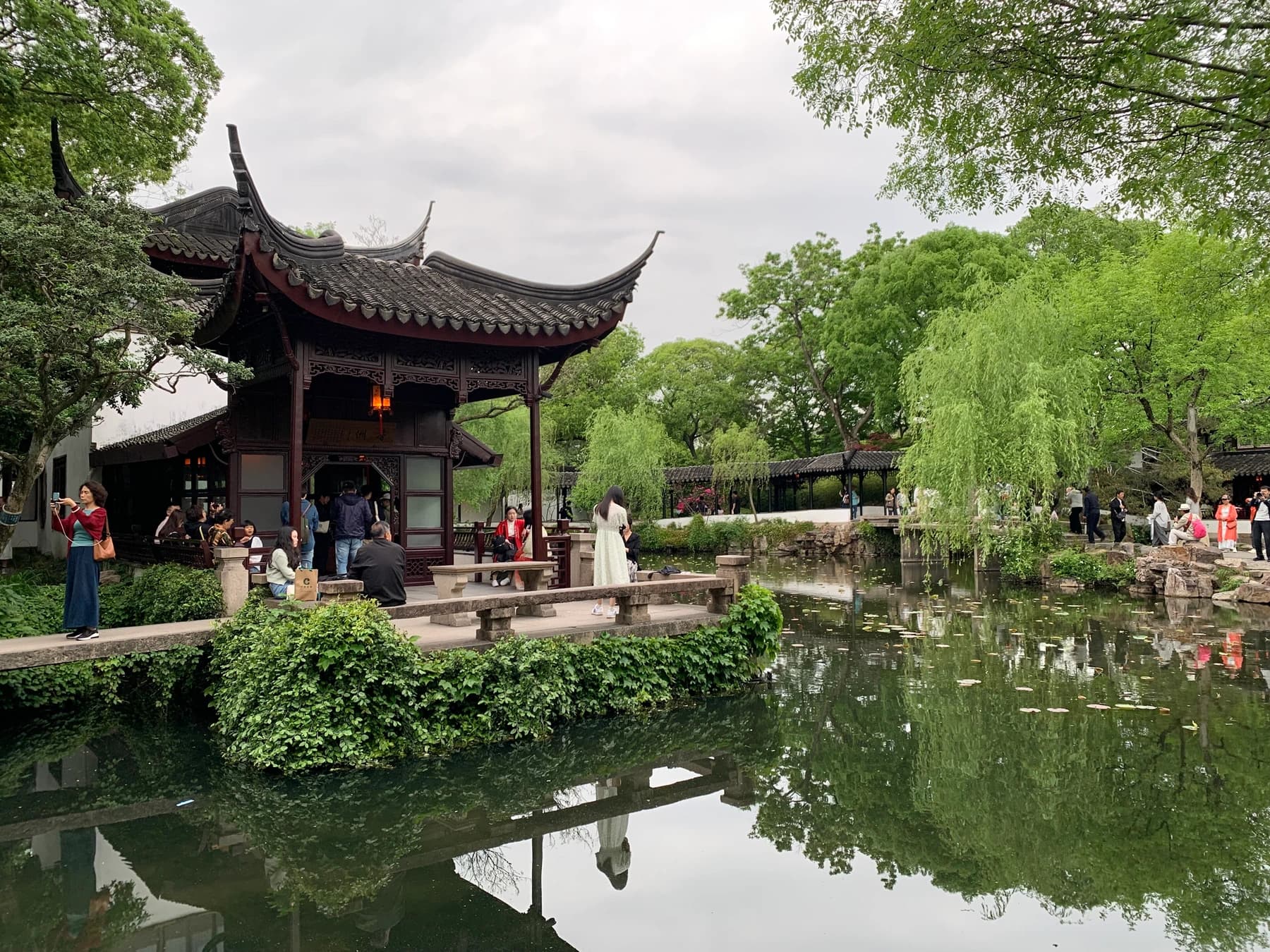
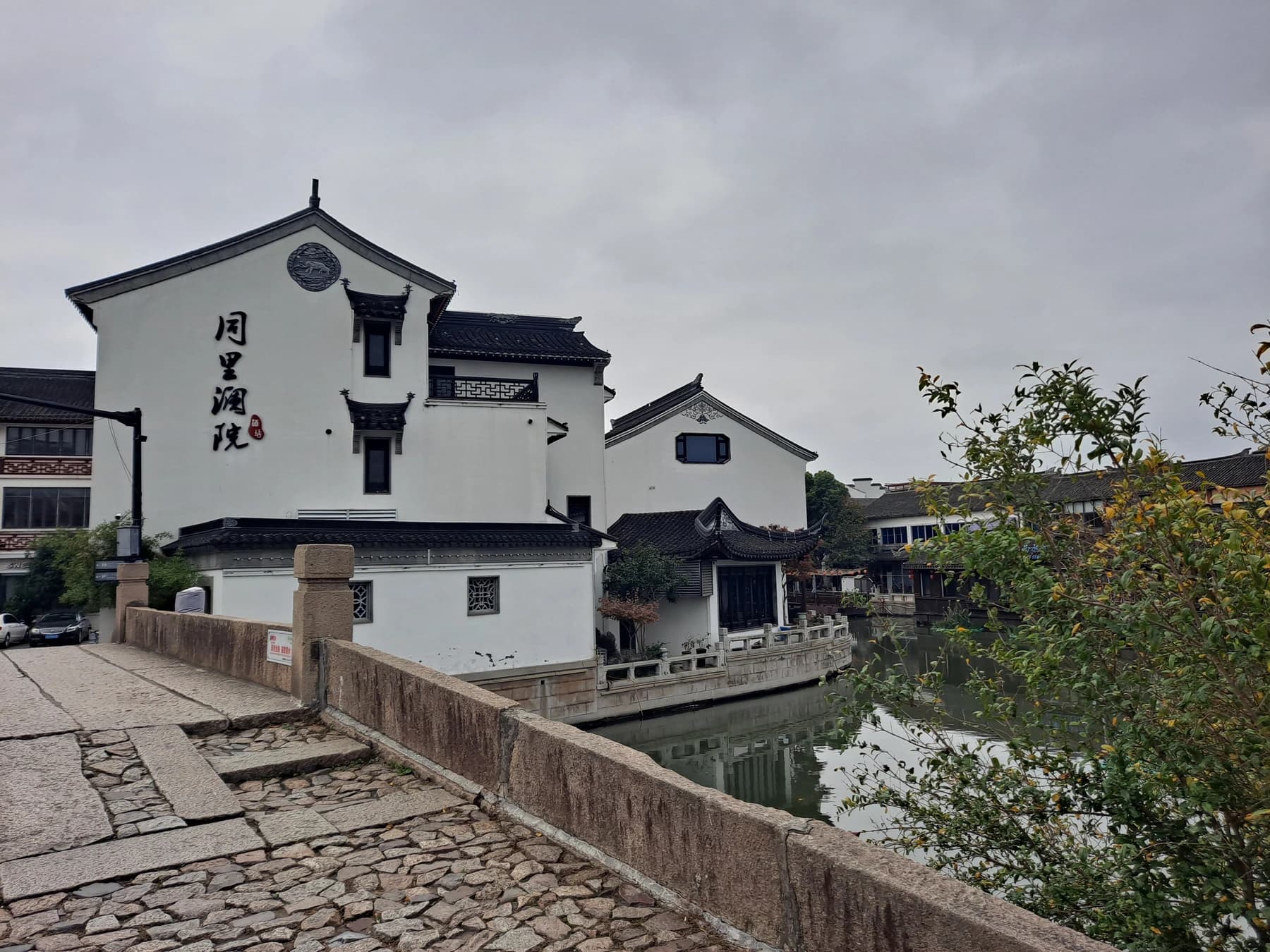
- Pair one major garden with Suzhou Museum and a nearby canal street.
- Choose a second garden, Tiger Hill or a water-town excursion.
Do not collect every famous garden. Compare one imperial-scale landscape, one scholar's garden and one living canal neighborhood; repetition drops quickly when the trip becomes a photo checklist.
When to visit
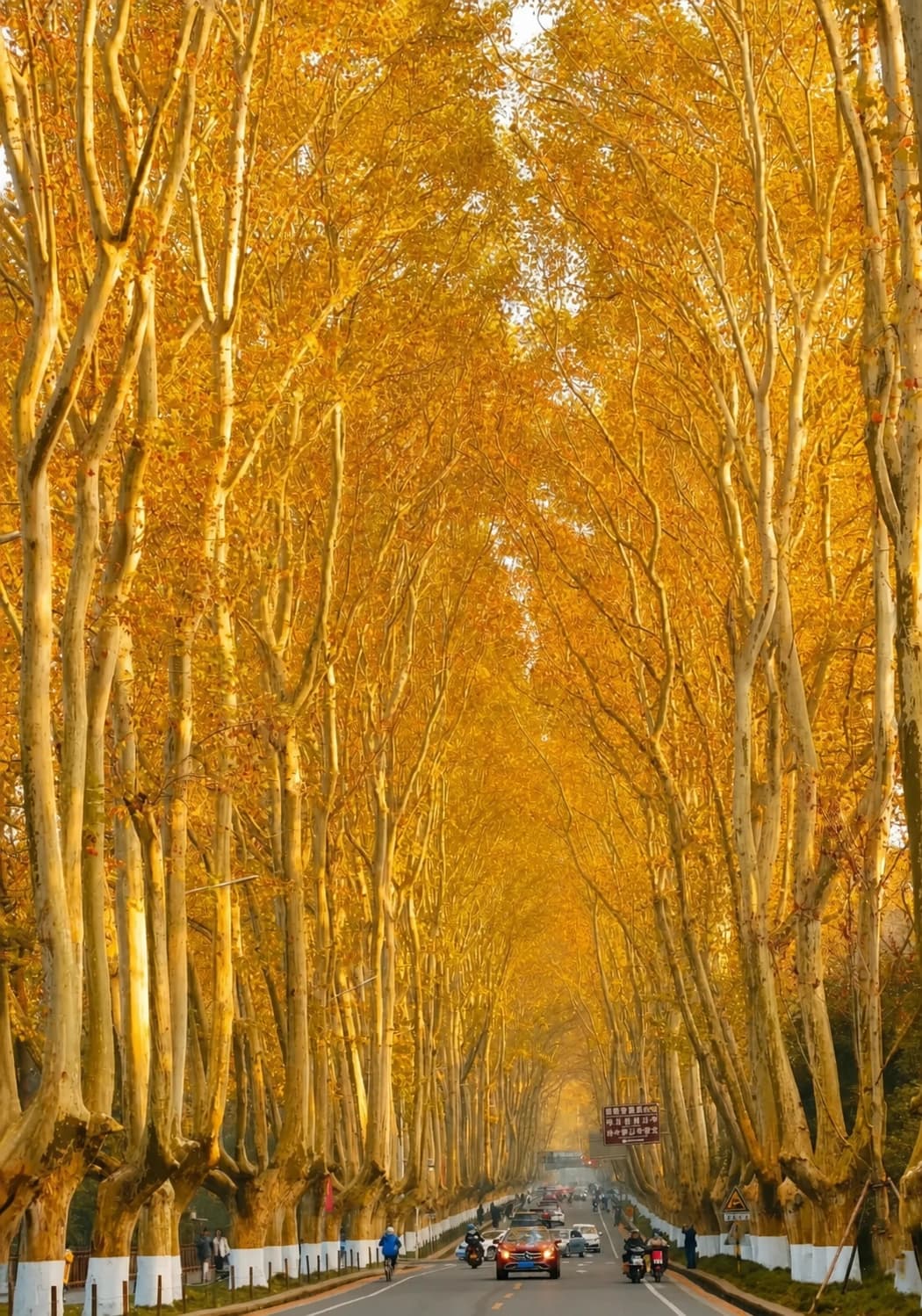
Spring and autumn are the easiest seasons for walking and also the busiest. Plum and cherry blossom dates vary each year and create large peaks at Wuxi and Nanjing. Summer is hot, humid and rainy; use museums and midday breaks. Winter is quieter but often damp and cold indoors.
Getting there and around
Nanjing and nearby Shanghai are the most practical international gateways. Rail connects every city in this route, but check the full station name: Suzhou, Suzhou North and other suburban stations are not interchangeable. Yangzhou's attractions are less metro-dependent, so taxis and buses often complete the final leg.
Where to stay
Choose two-night bases instead of changing hotels every day. In Nanjing, a central metro interchange makes the dispersed clusters manageable. In Yangzhou, the Wenchang Pavilion area balances the old city and transport. In Suzhou, prioritize metro access and a short ride to the historic core over a room inside a crowded pedestrian street.
What to book first
Reserve limited-entry museums, the most important Suzhou garden, holiday trains and seasonal Wuxi attractions first. Then book hotels near the correct rail line. Recheck closure days and reservation windows before fixing the daily order.
Compare Jiangsu hotels on Trip.com and check China train tickets.