Pingjiang Road Suzhou
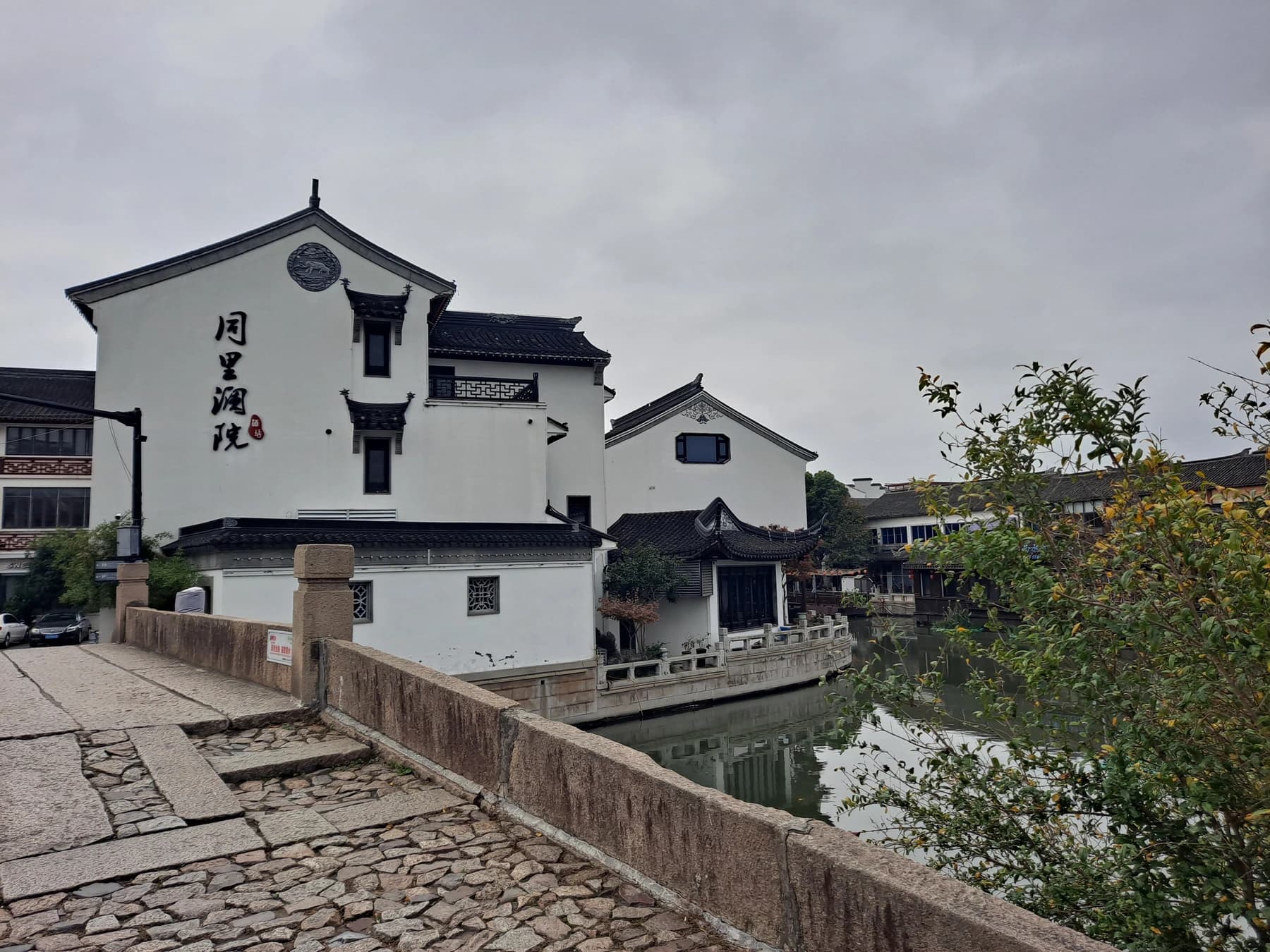
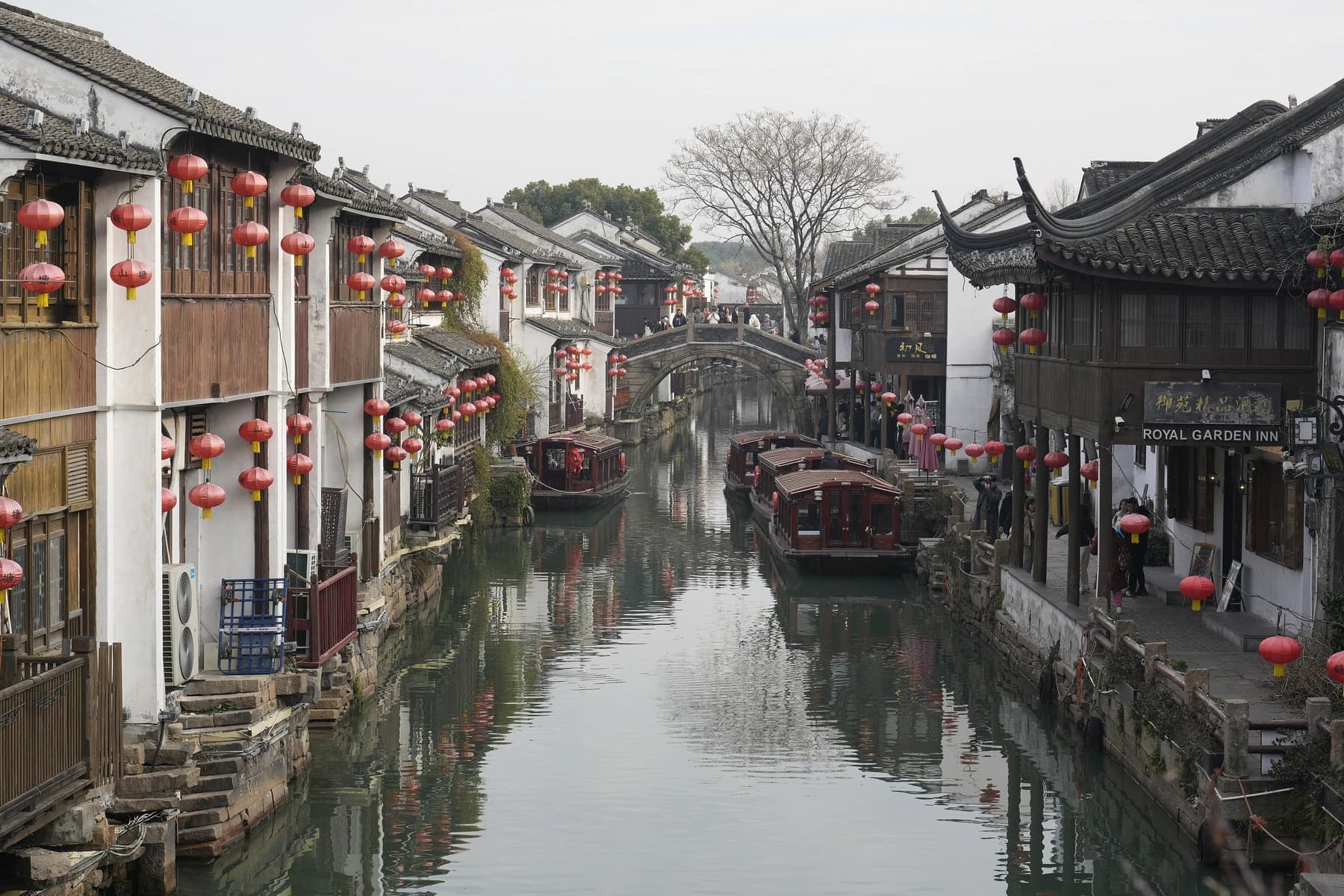
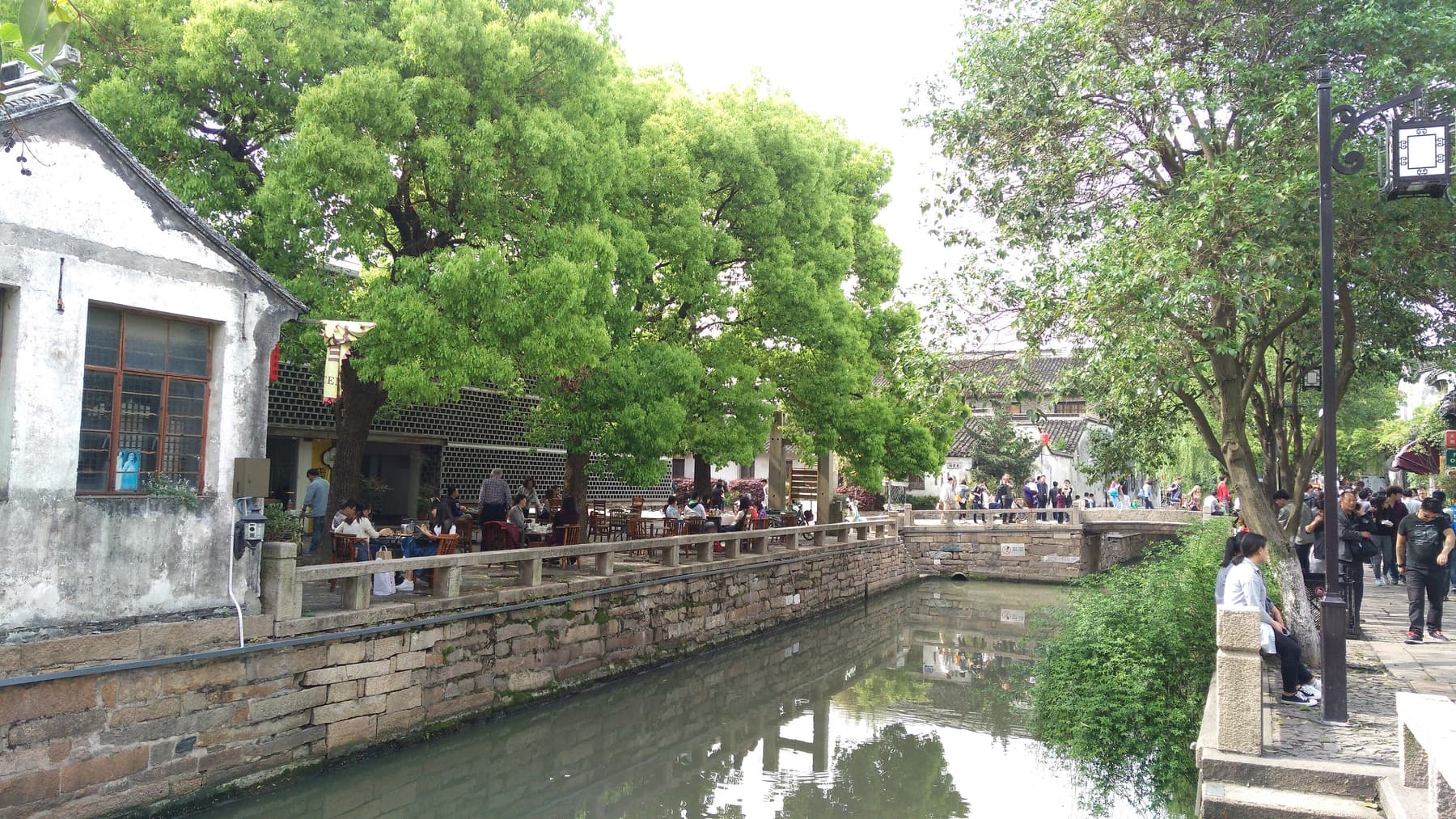
Pingjiang works because water and lane still run together through a residential district. The official heritage area is larger than one café-lined strip, and thousands of people still live within it. Walk the main canal once, but take two side lanes to understand the urban structure.
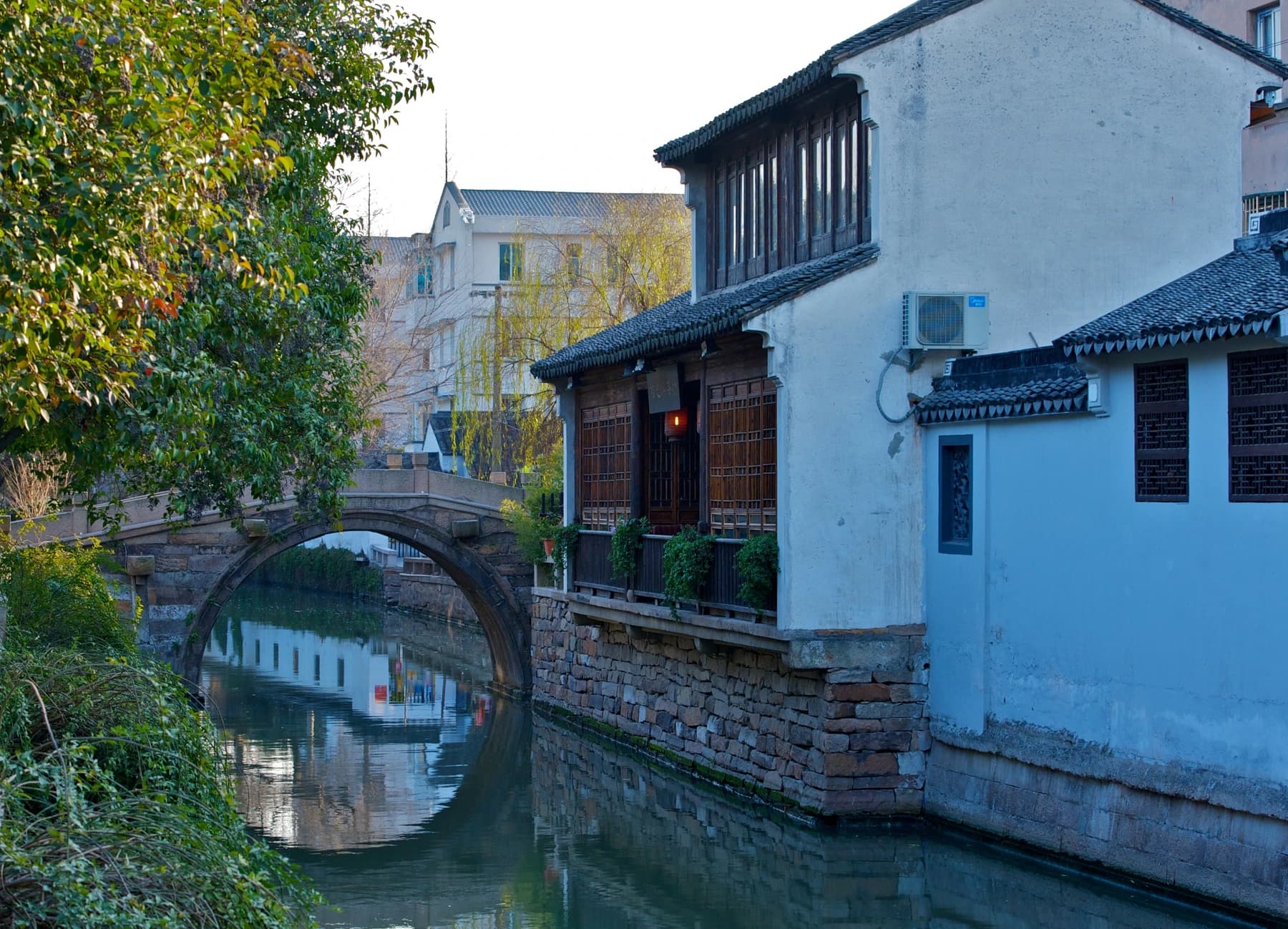
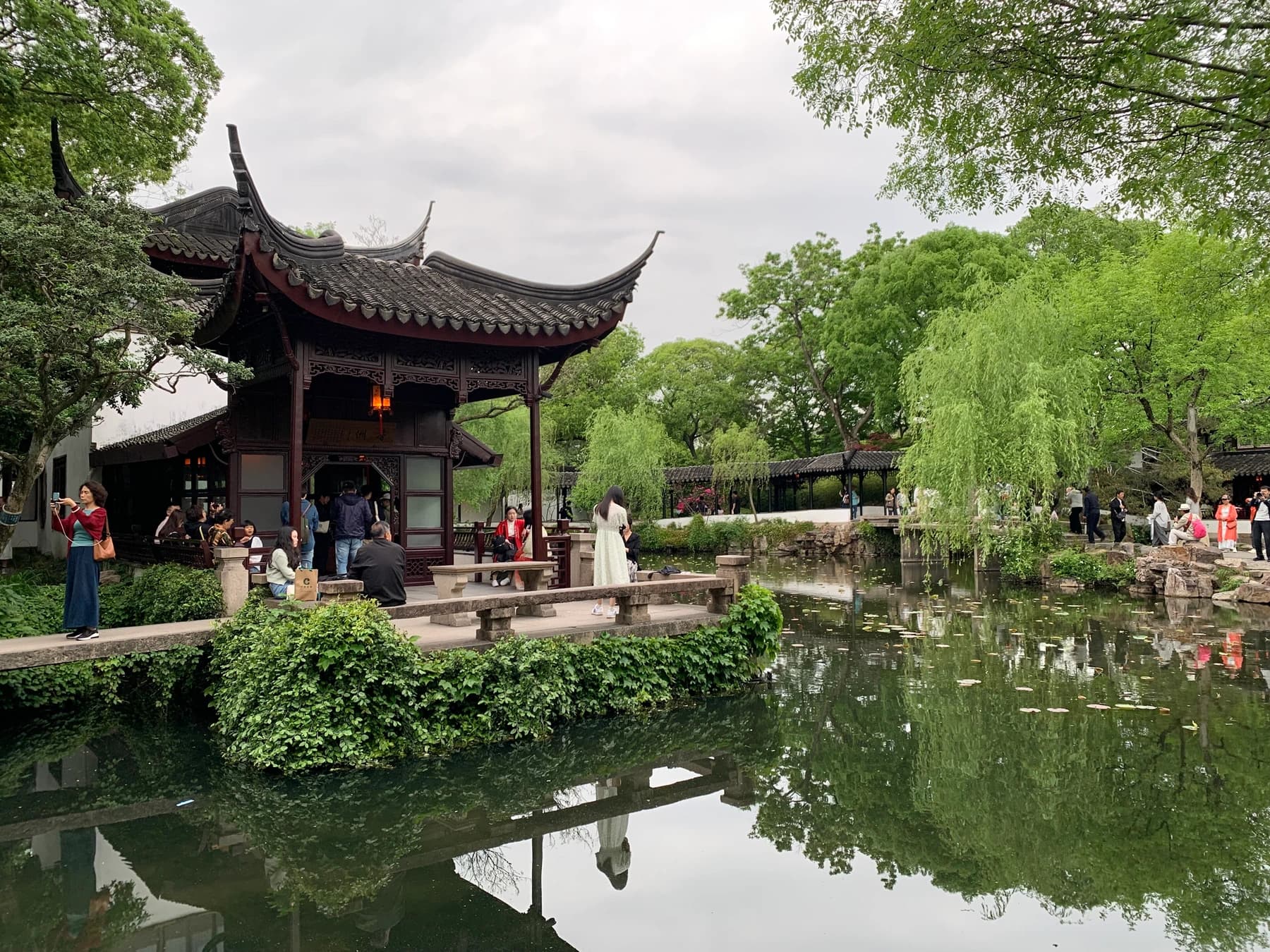
Photo: kevinmcgill from Den Bosch, Netherlands · Source · CC BY-SA 2.0
A 90-minute north-to-south walk
Begin near the northern part of Pingjiang after Suzhou Museum, then follow the water south toward Ganjiang Road. Cross when a bridge changes the perspective, and make short detours into one east and one west lane. The point is to see the “double chessboard” of canals and streets, not to photograph every bridge.
The museum-to-Pingjiang transfer is about 0.7 km / 10 minutes on foot. Start in the morning for quieter water and working neighbourhood rhythms. Evening adds light and performance atmosphere but also queues, costume photography and a stronger commercial layer.
Boat or walk?
A short boat ride changes eye level and can be useful if the current route, wait and price are clear. It does not replace the walk: boats cannot show how side alleys, doorways and bridges connect. Verify the operating wharf and end point before boarding rather than assuming a loop.
The outdoor street-and-canal route is free and has no single attraction closing time. Heritage interiors, storytelling venues, boats, teahouses and performances keep separate hours and prices. When a platform sells a “Pingjiang ticket,” identify that exact inclusion; walking the district never requires a generic admission product.
Food and resident etiquette
Choose one snack or tea stop with a focused menu and visible turnover. A long queue may reflect social-media popularity rather than quality. Keep residential entrances, narrow bridge landings and delivery paths open; do not stage photographs inside private thresholds.
For Suzhou-style noodles or pastries, order a small first portion and judge freshness before joining another viral queue. For a teahouse or storytelling venue, confirm minimum spend, performance language, seating and duration. The most expensive table is not automatically the clearest cultural experience, especially if conversation or phones dominate the room.
Rain, heat and crowd fallback
Light rain can sharpen the canal atmosphere, but stone bridges, waterside edges and polished paving become slippery. In heavy rain, do not assume the whole walk is protected: cafés and shops are not a continuous public arcade. Shorten the route to one canal segment and one side lane, then move to a reserved indoor site.
If the central stretch is saturated, leave the queue rather than waiting for a “must-have” photo. The district's value lies in repeated canal–lane relationships, so another bridge can teach the same spatial idea with less conflict. At night, keep phone and camera use away from the unguarded water edge.
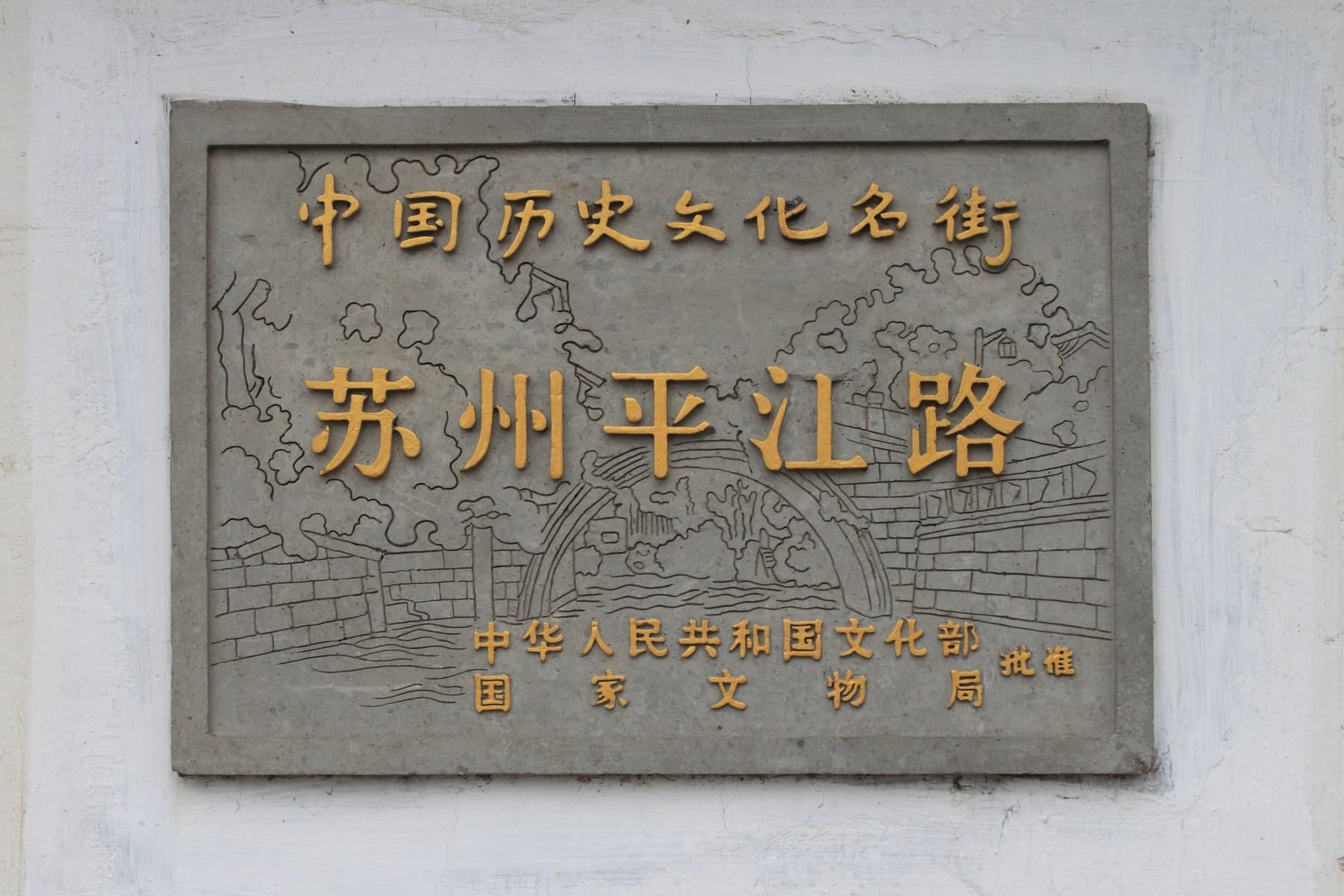
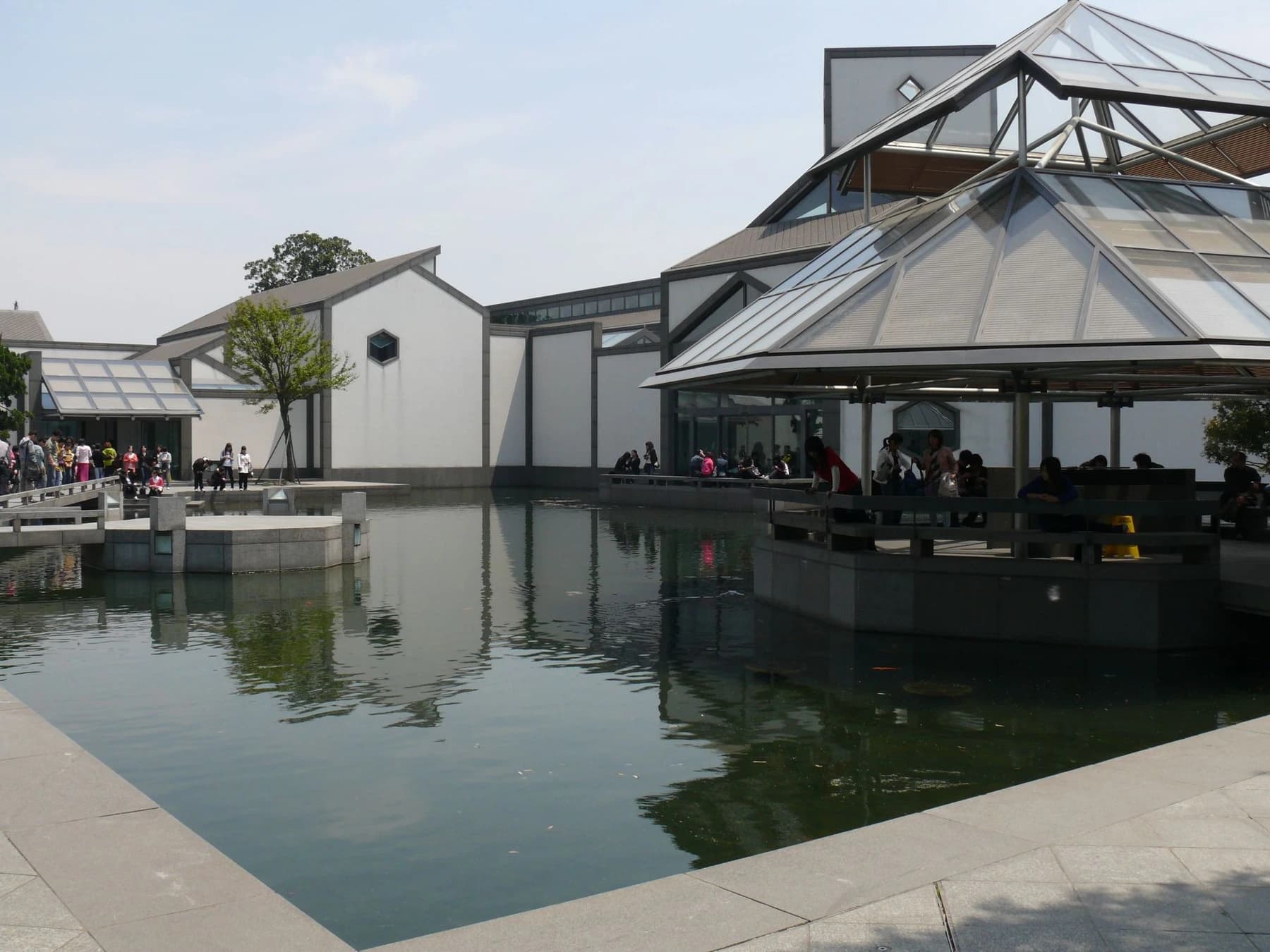
Photo: User:Zhangzhugang · Source · CC BY-SA 3.0
If you already plan Shantang at night, keep Pingjiang as a daylight heritage walk. The two districts then perform different jobs instead of repeating the same souvenir experience.
Use Ganjiang Road or another vehicle-accessible edge for pickup. Cars cannot solve the last metres inside a narrow heritage lane, and a pin placed on the canal may create cancellations. Save the Chinese destination and a screenshot of the chosen road edge before the phone signal becomes crowded at night.