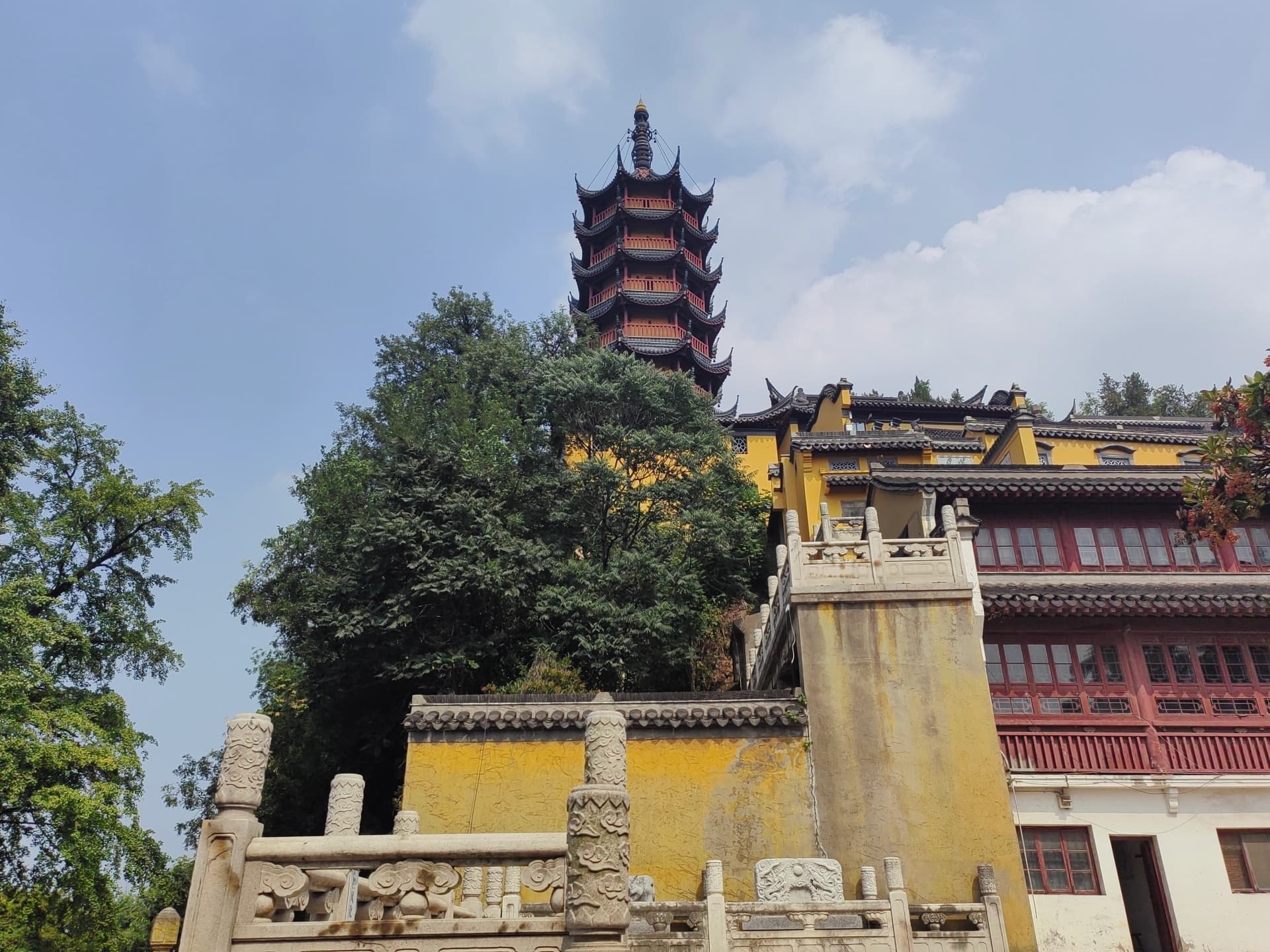
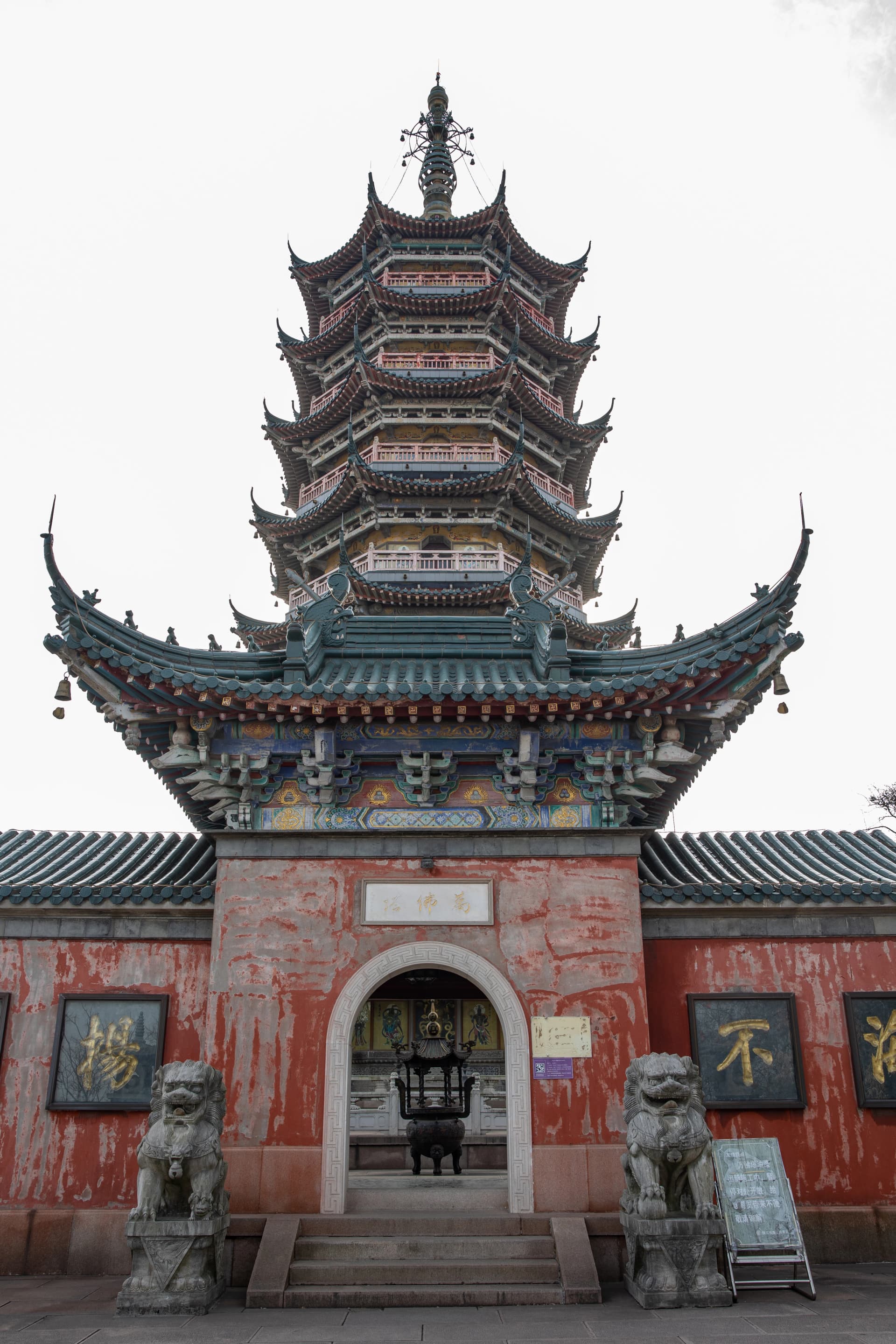
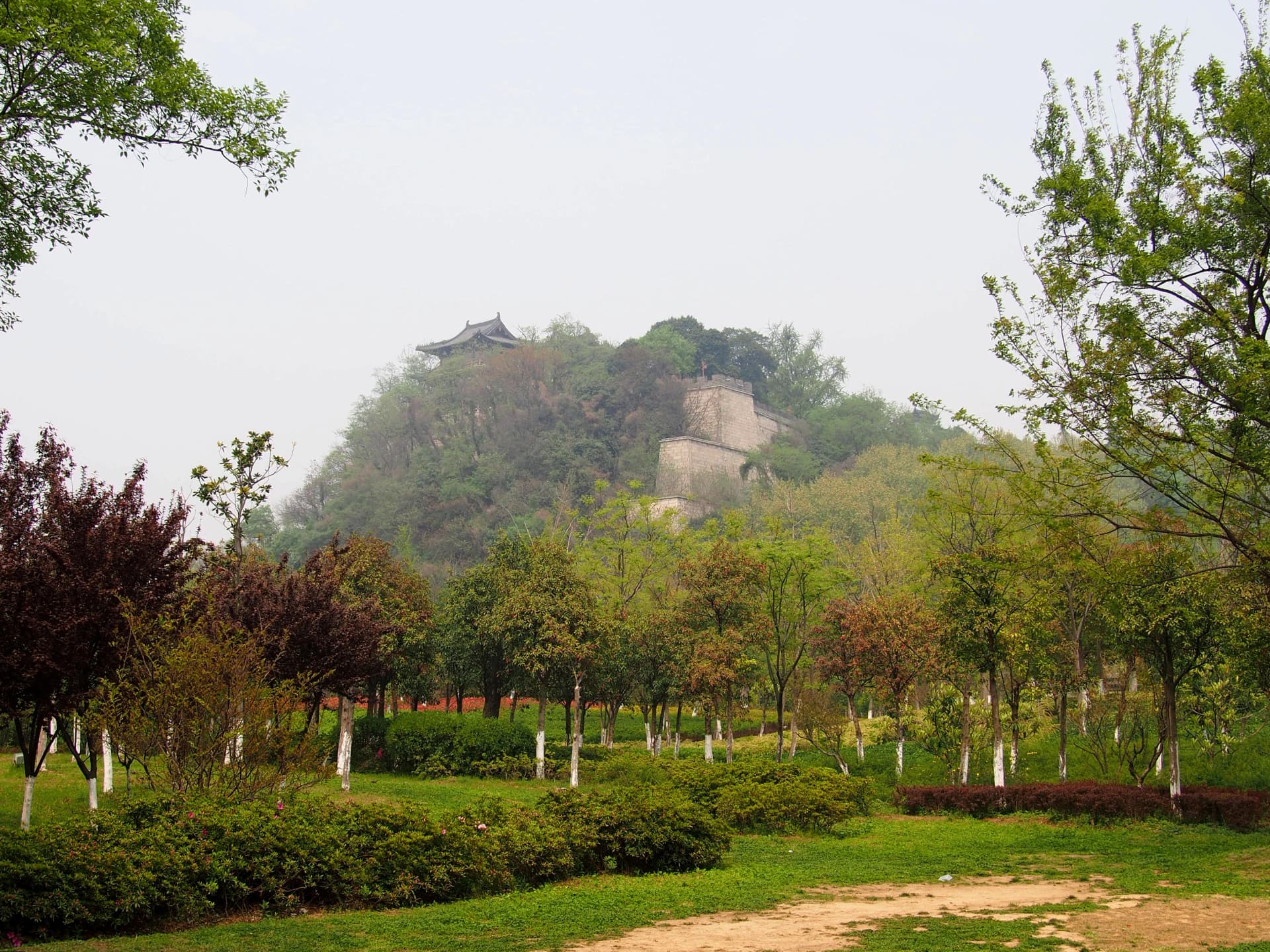
Xijin Ferry and Zhenjiang Museum
This is Zhenjiang's best history sequence without a mountain ticket. Xijin Ferry preserves the layered road and built fabric of an old river crossing; a few minutes away, Zhenjiang Museum turns port geography, regional craft and modern history into objects and galleries. The former British consulate buildings make the treaty-port layer visible in architecture.
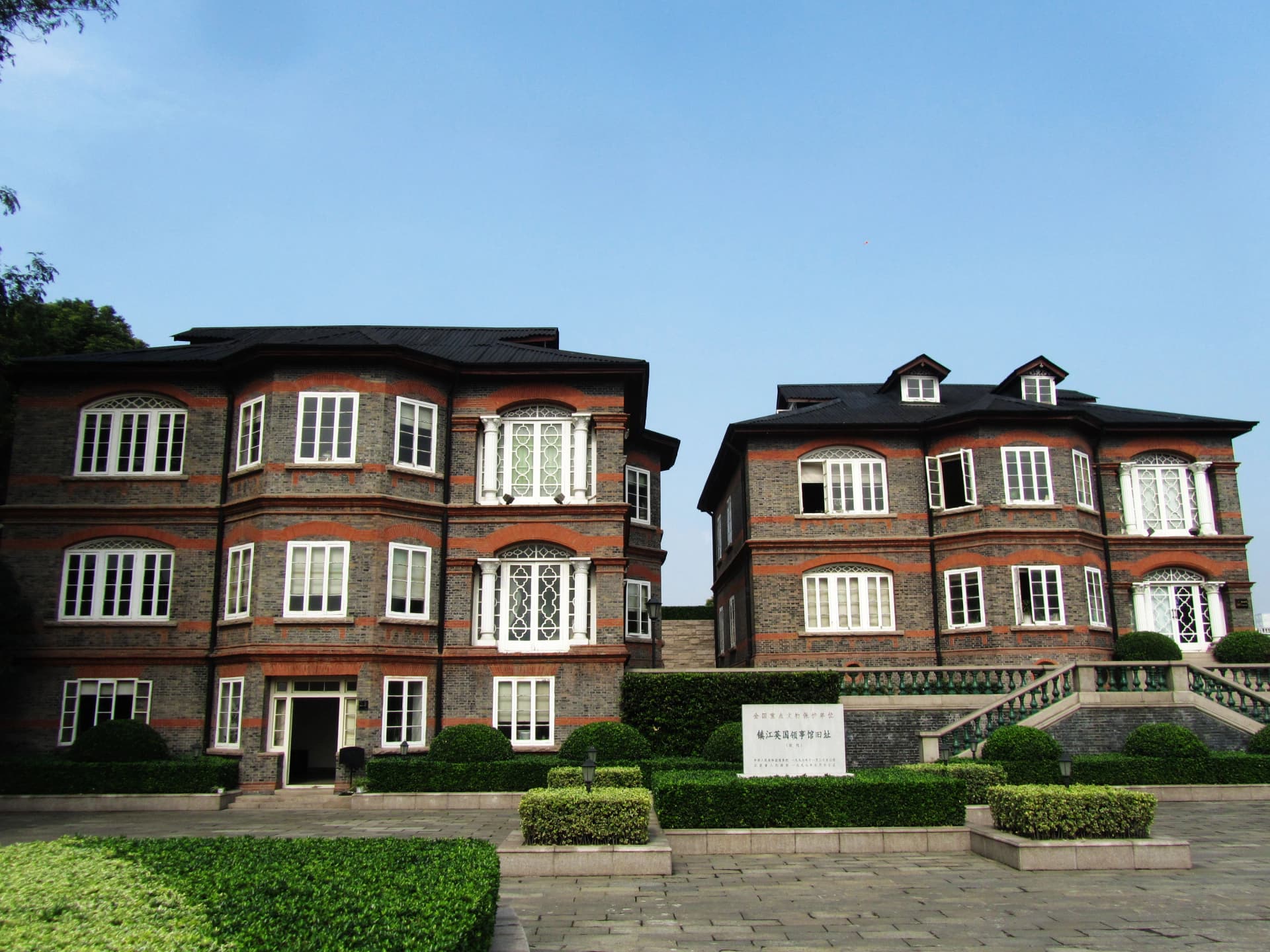
Photo: 猫猫的日记本 · Source · CC BY-SA 3.0
The image shows the former-consulate side of the product, not Xijin's public street or proof that paid interiors are open.
Read old-port history through street and museum
Start outdoors so the museum has a physical context. Xijin's rising stone route, old gateways and changing relationship to the river show how a crossing became a district. At the museum, select objects and modern-history displays that explain trade, administration, craft and conflict rather than trying to complete every hall.
The name Xijin Ferry is historical. It does not mean a passenger ferry currently departs from the old street.
Walk Xijin Ferry as public fabric
Route to the Xijin Old Street visitor service centre on AMap. Walk the public lanes first, looking for changes in paving, slope, gate form and building scale. Shops and evening activity change; the durable value is the street structure and port setting.
The street itself is a free public layer. Indoor sites such as Guanyin Cave, Yuntai Pavilion and the Lifesaving Society have separate tickets and opening. The operator stated that the Lifesaving Society would be closed for upgrading from 13 July through the end of September 2026; verify its reopening before adding it.
Three details that make the old street worth slowing down for
Use these as looking stops along the signed public lanes, rather than a checklist of paid interiors:
- “A Thousand Years at a Glance” (一眼看千年): look down into the archaeological display to see successive road surfaces. It makes the street's long use visible beneath the paving you are walking on.
- Zhaoguan Stone Pagoda (昭关石塔): notice how the stone tower spans the lane. The passage beneath it connects the religious monument to the ordinary movement of travellers through the old port.
- Fifty-Three Slopes (五十三坡): pause on the stepped street to compare the gradient, gateways and surrounding rooflines. This is a good place to understand the hillside setting without committing to the longer climb to Yuntai Pavilion.
The district's official introduction identifies these heritage features. Leave the Yuntai climb as an optional extension after deciding how much museum time you want.
If you arrive in the afternoon, visit the museum before its last-entry cutoff, then return to the public street for a meal and evening atmosphere. If you arrive early, the short street introduction followed by the museum works well. Either way, a bowl of local guogai mian noodles can provide a natural break; choose a nearby shop with a clearly displayed menu and a queue that fits your remaining time.
Choose free and paid museum layers
AMap's dated model placed the Xijin and museum visitor centres only 0.5 km / 7 minutes on foot apart. At the museum, separate three contracts:
- the ordinary collection and modern-history halls, normally free;
- temporary exhibitions, whose rooms and dates change;
- the former British consulate compound, a distinct paid layer.
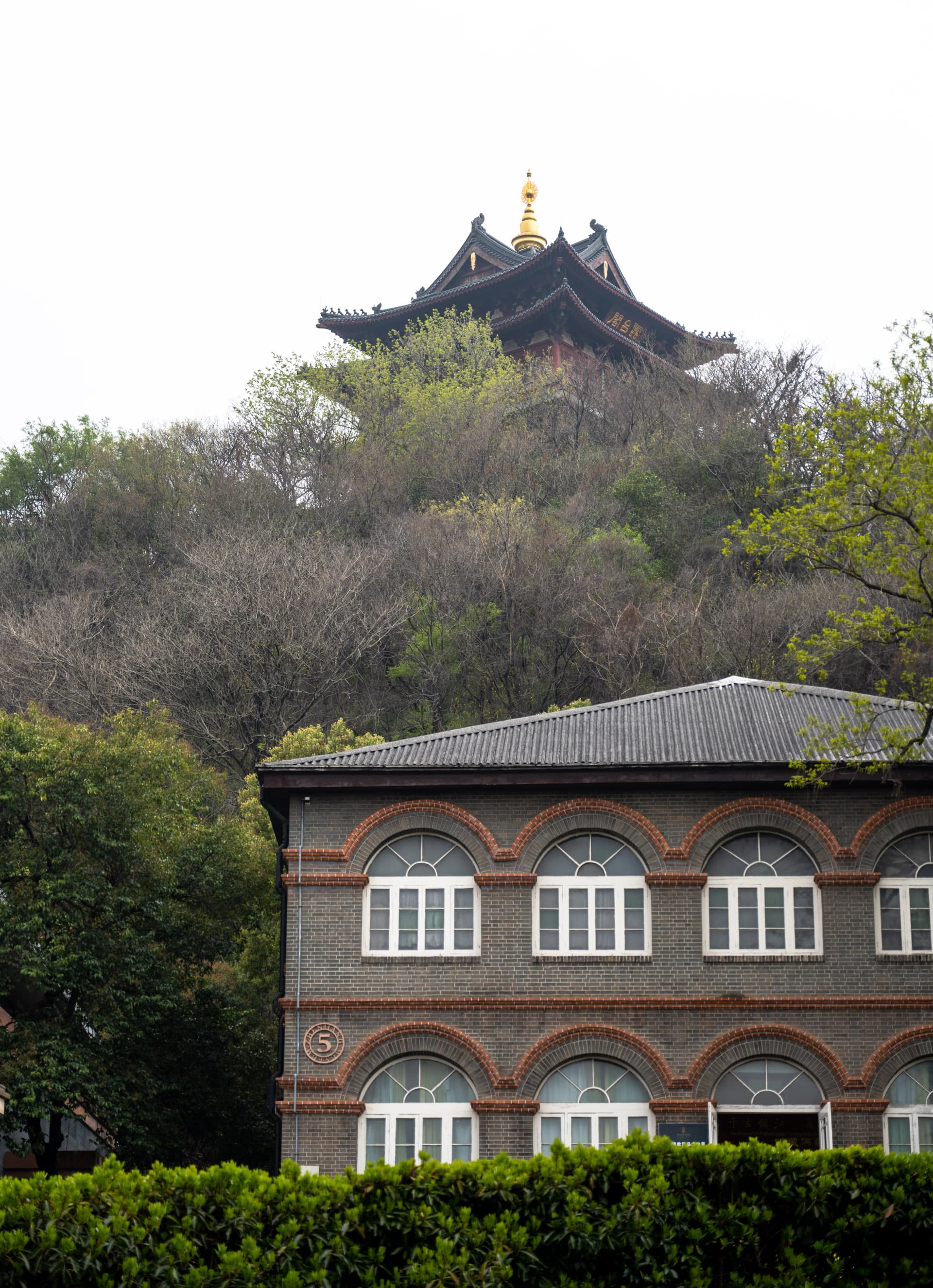
Photo: Cjsy2026 · Source · CC BY-SA 4.0
The museum's current official baseline checked on 25 August 2026 was Tuesday–Sunday 09:00–17:00, with Monday closure. Its own pages differed between 16:00 and 16:30 for last entry, so use 16:00 as the conservative planning cutoff and recheck special or extended hours.
Former-consulate architecture
The former British consulate reopened after a short weather closure on 11 August 2026. Its buildings are worth choosing when colonial-era architecture and the treaty-port history matter, but admission is separate from the museum's free halls.
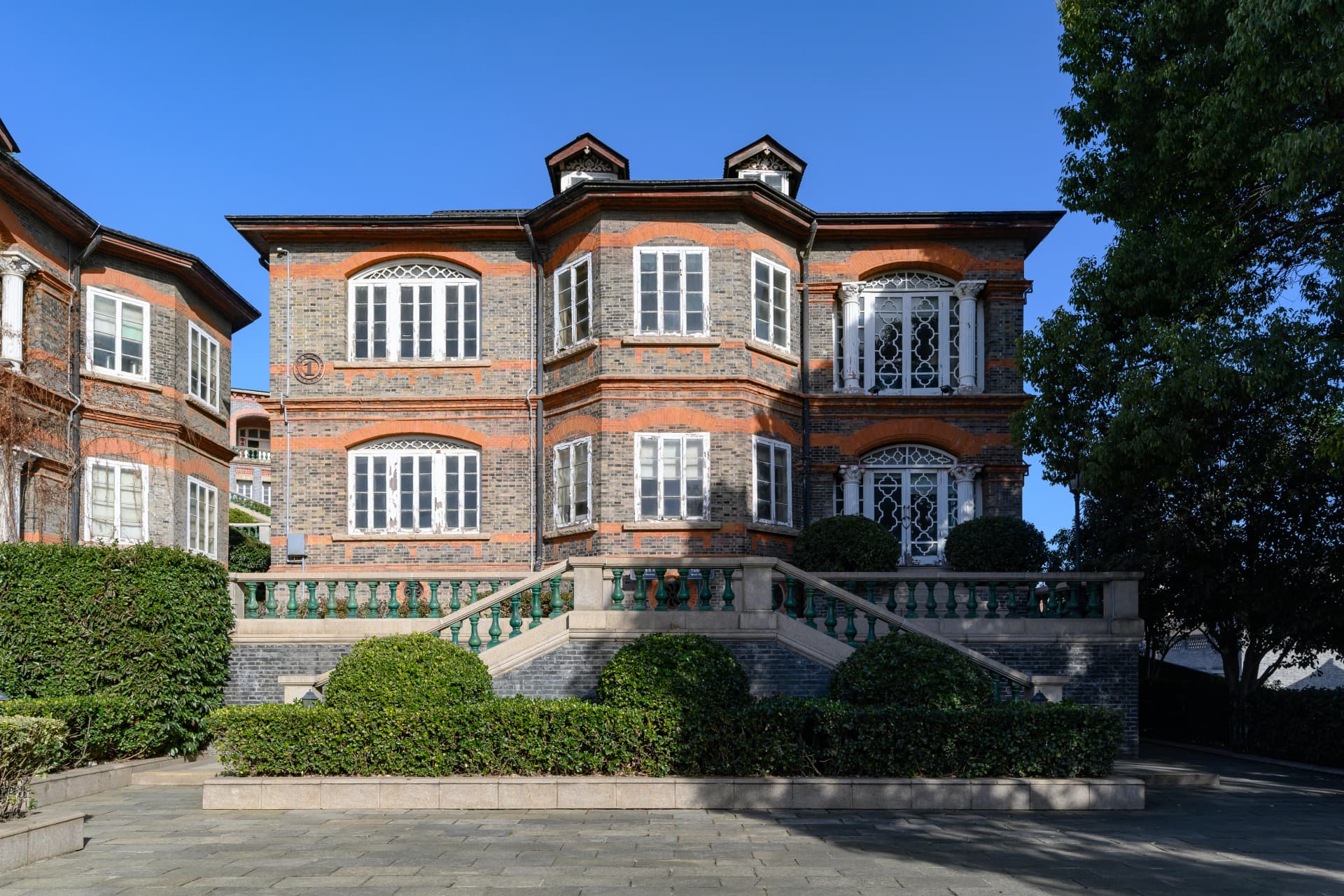
Photo: ScareCriterion12 · Source · CC BY-SA 4.0
The official 2026 holiday baseline listed CNY 20 full admission for the compound. Confirm the current price, open buildings and last entry rather than assuming every photographed structure is accessible.
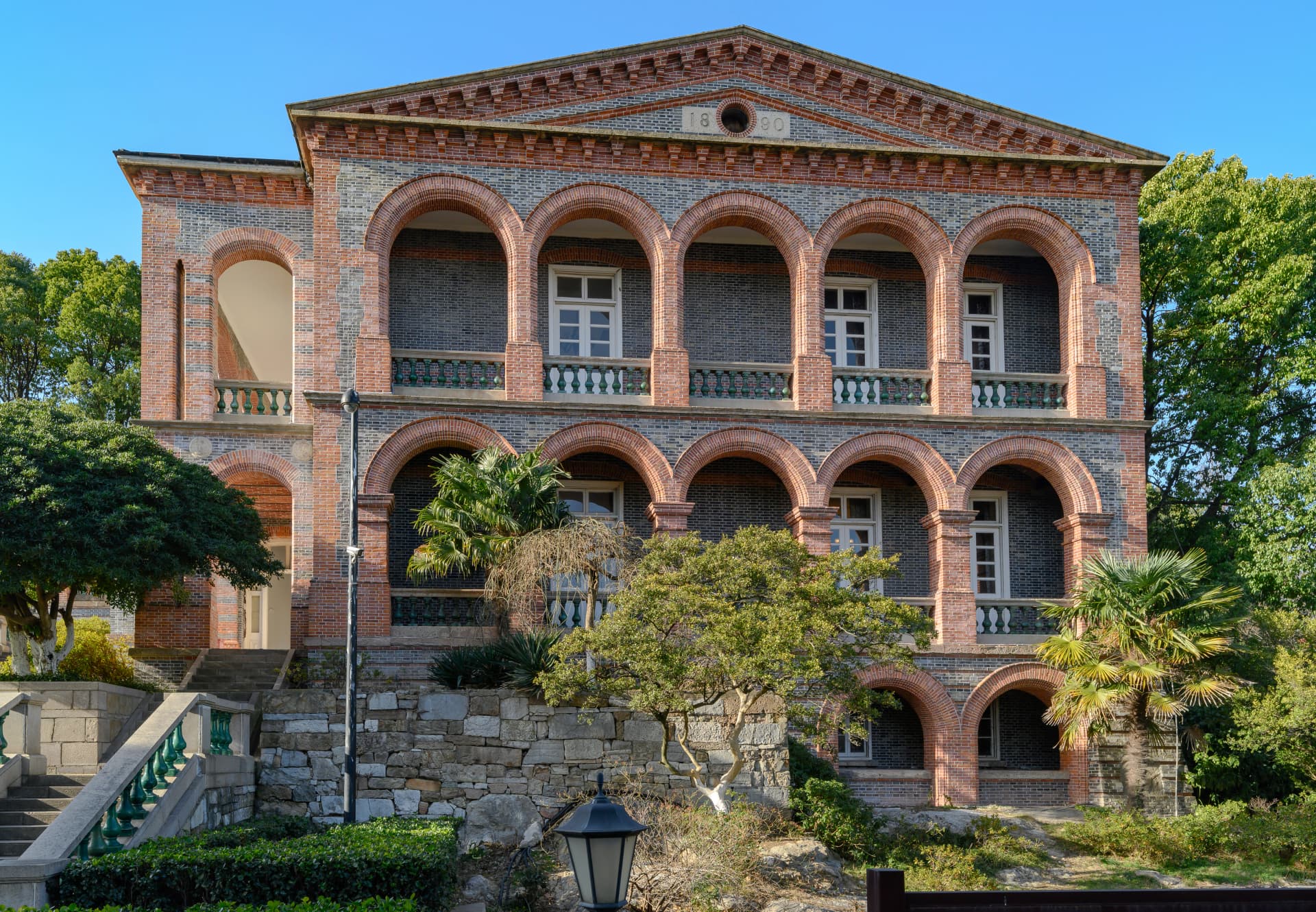
Photo: ScareCriterion12 · Source · CC BY-SA 4.0
Add Pearl S. Buck only with time
Pearl S. Buck's former residence is a separate literary stop about 2.0 km / 27 minutes on foot from the museum in the dated AMap model. Add it after the museum only if its Tuesday–Sunday opening window and your pace still work. Ordinary admission was free in the 2026 official holiday workflow, with on-site document registration.
Access, opening and return
For the museum's free halls, the 2026 official workflow allowed overseas visitors or visitors without a supported local credential to register with staff in the main hall. Confirm the ordinary-day process and carry the original passport. The ordinary collection halls and the paid former-consulate compound have different entry arrangements; confirm which part you want to visit.
Zhenjiang Station was about 2.7 km / 9 minutes by car or 2.7 km / 36 minutes on foot from the Xijin visitor centre in the dated model. Continue to Jinshan only when the ticket window and your energy still fit; otherwise, this history corridor is already a coherent half day.