Master of the Nets Garden
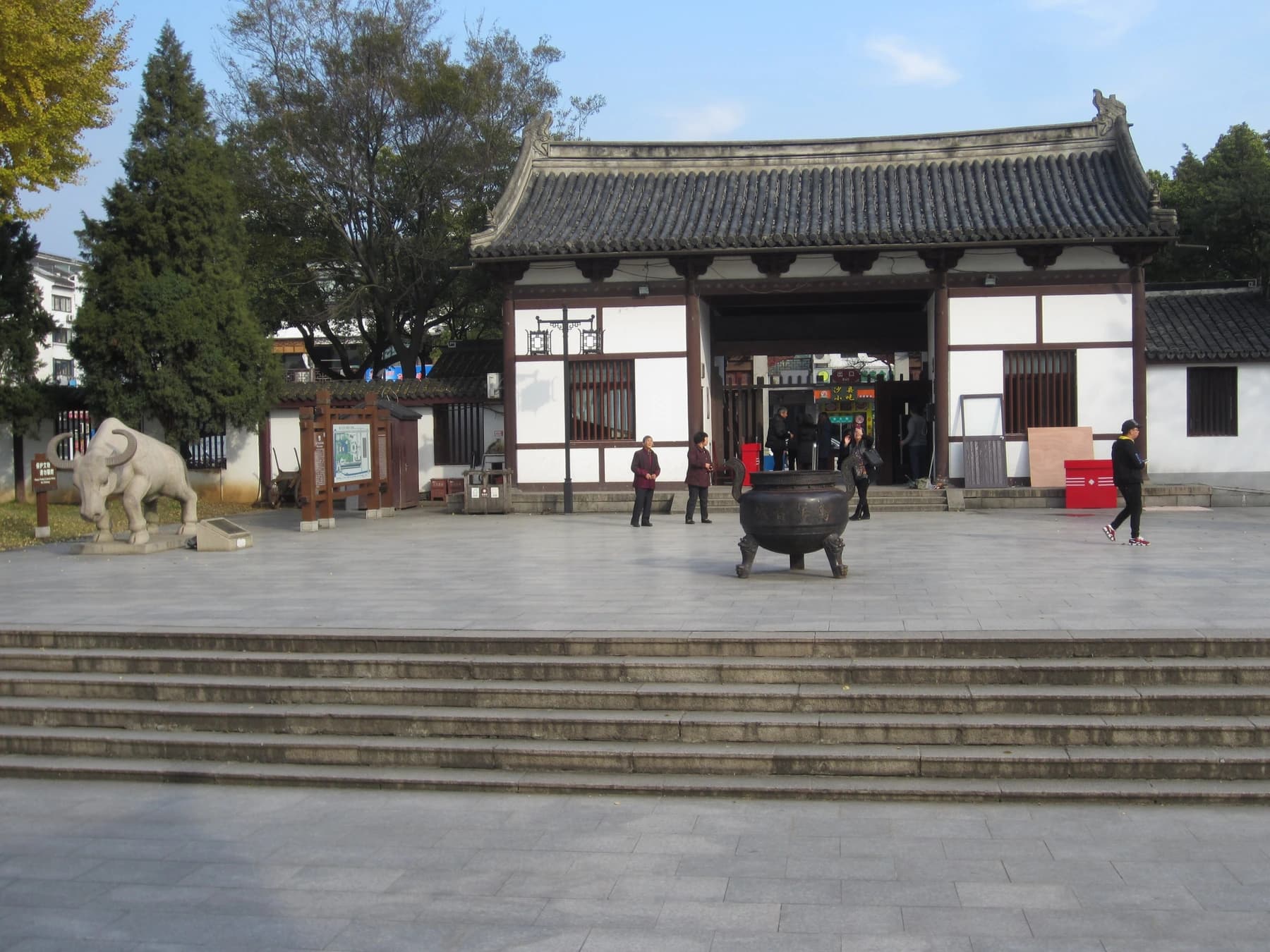
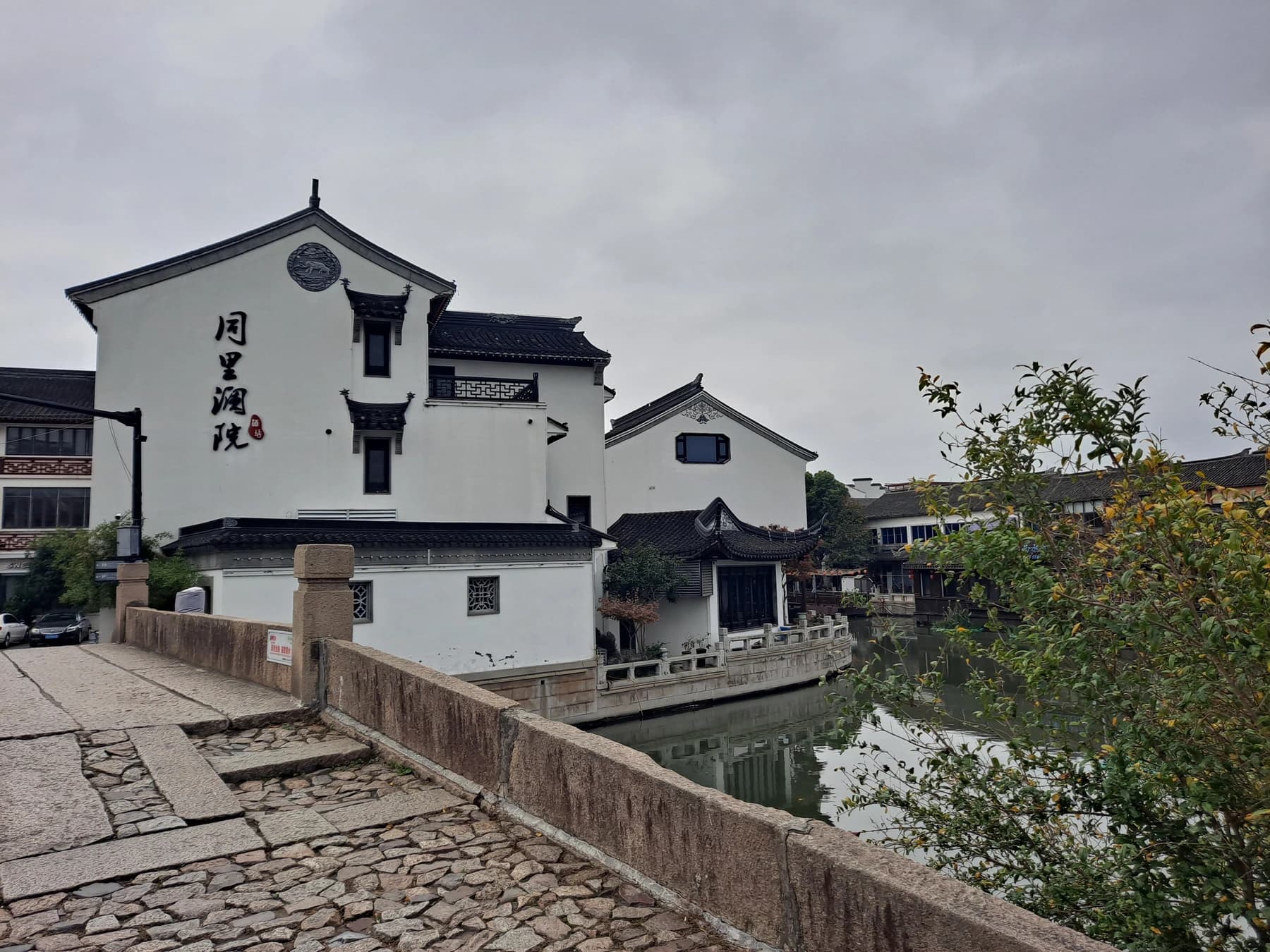
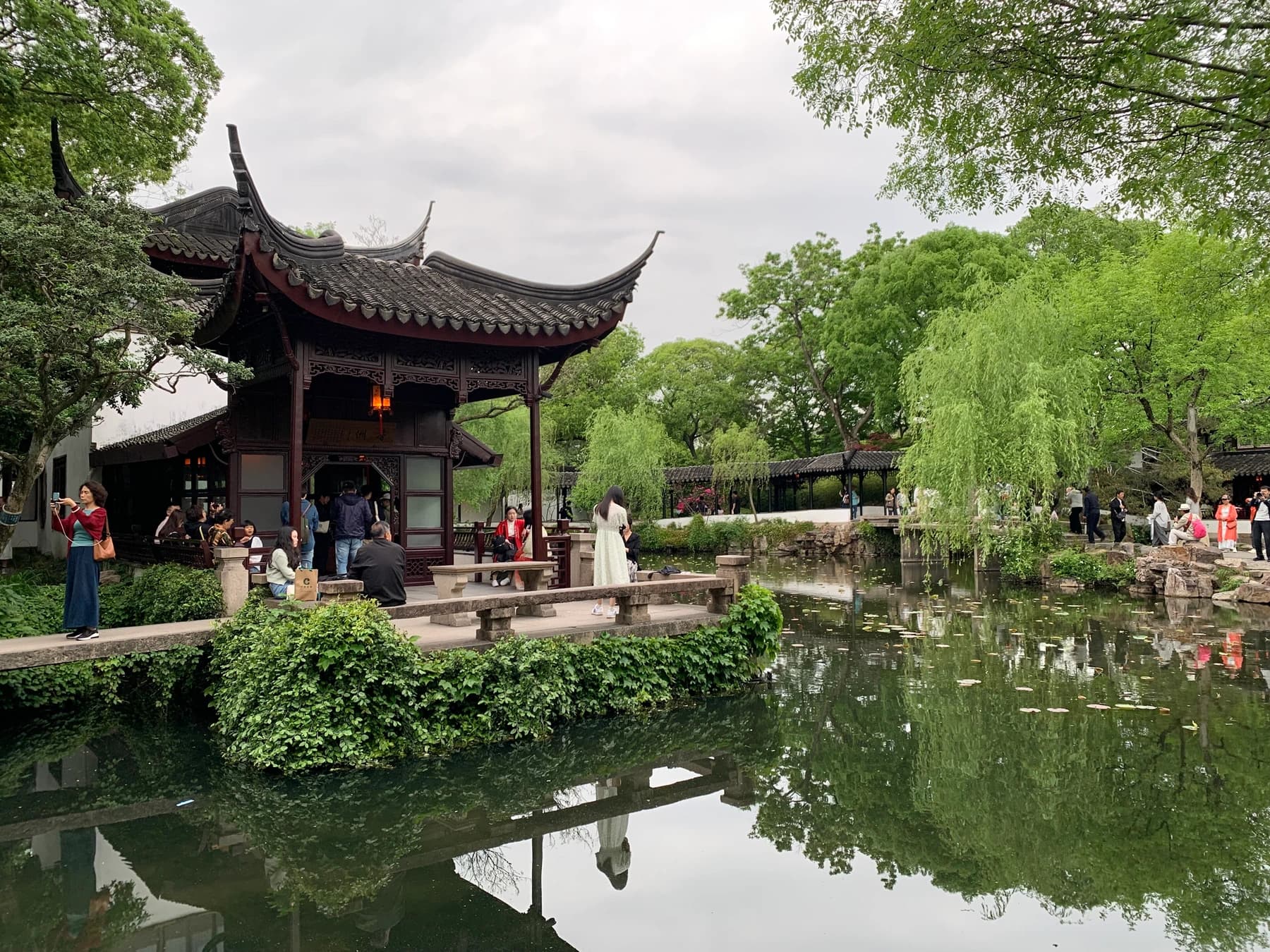
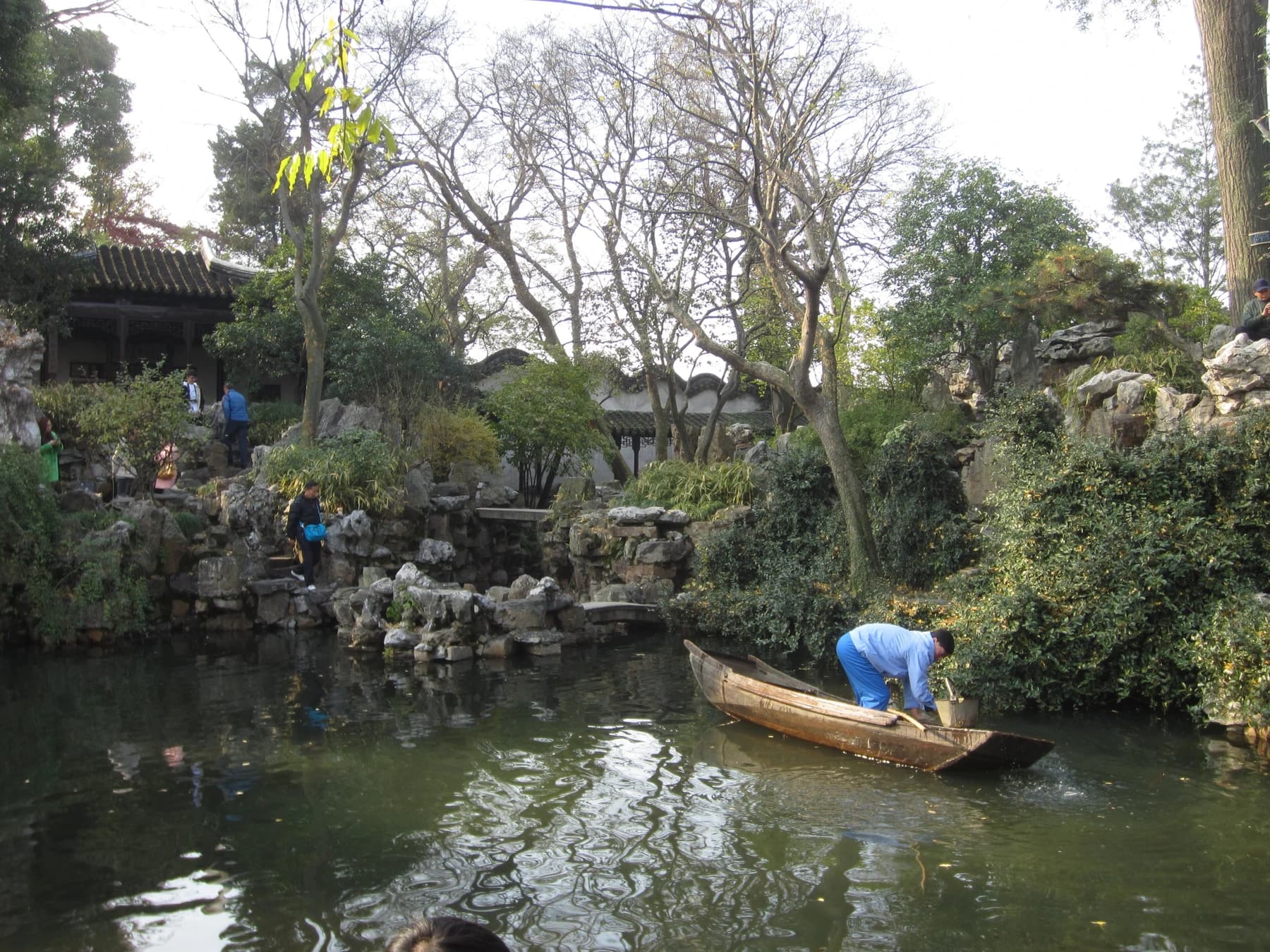
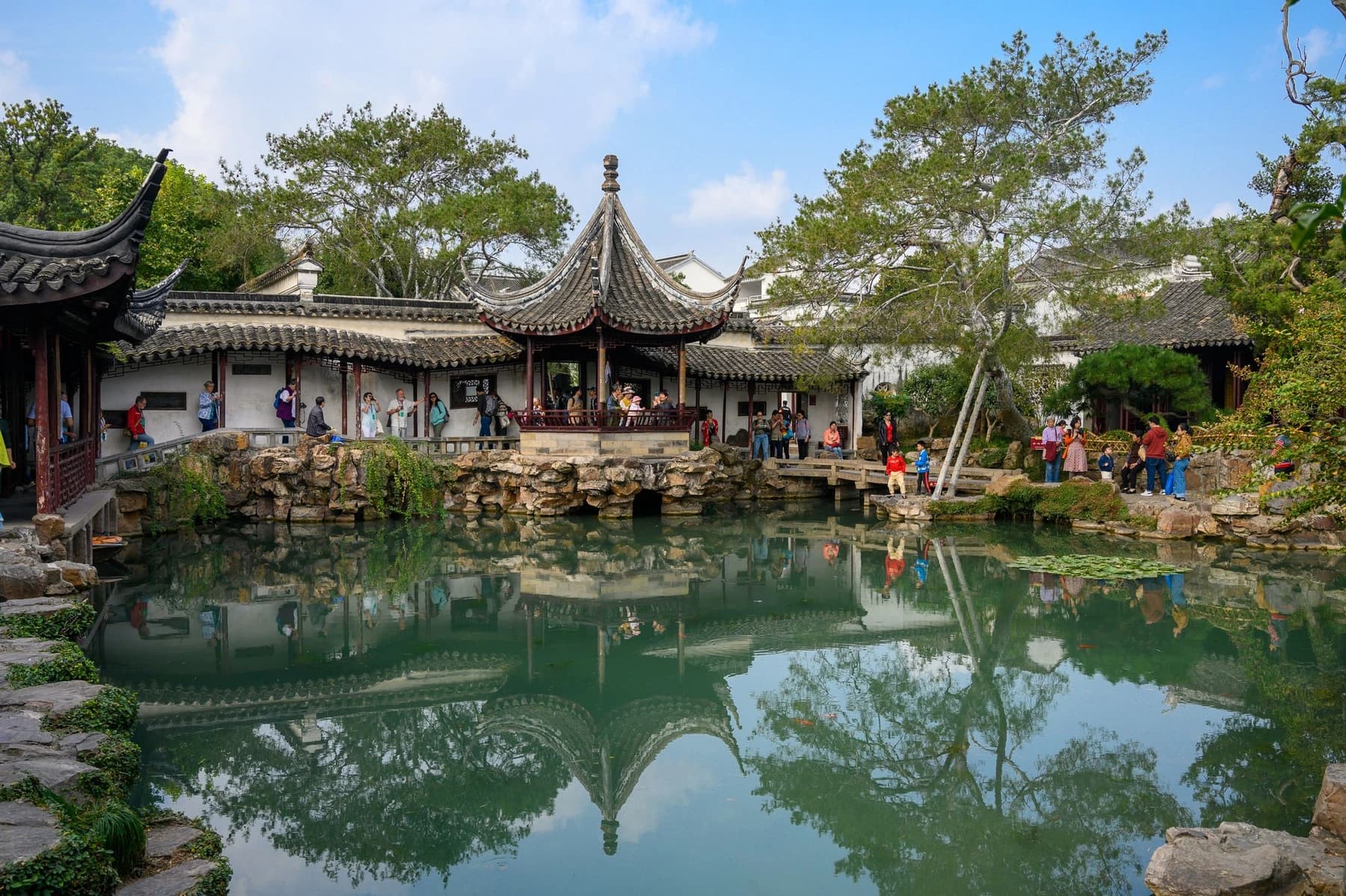
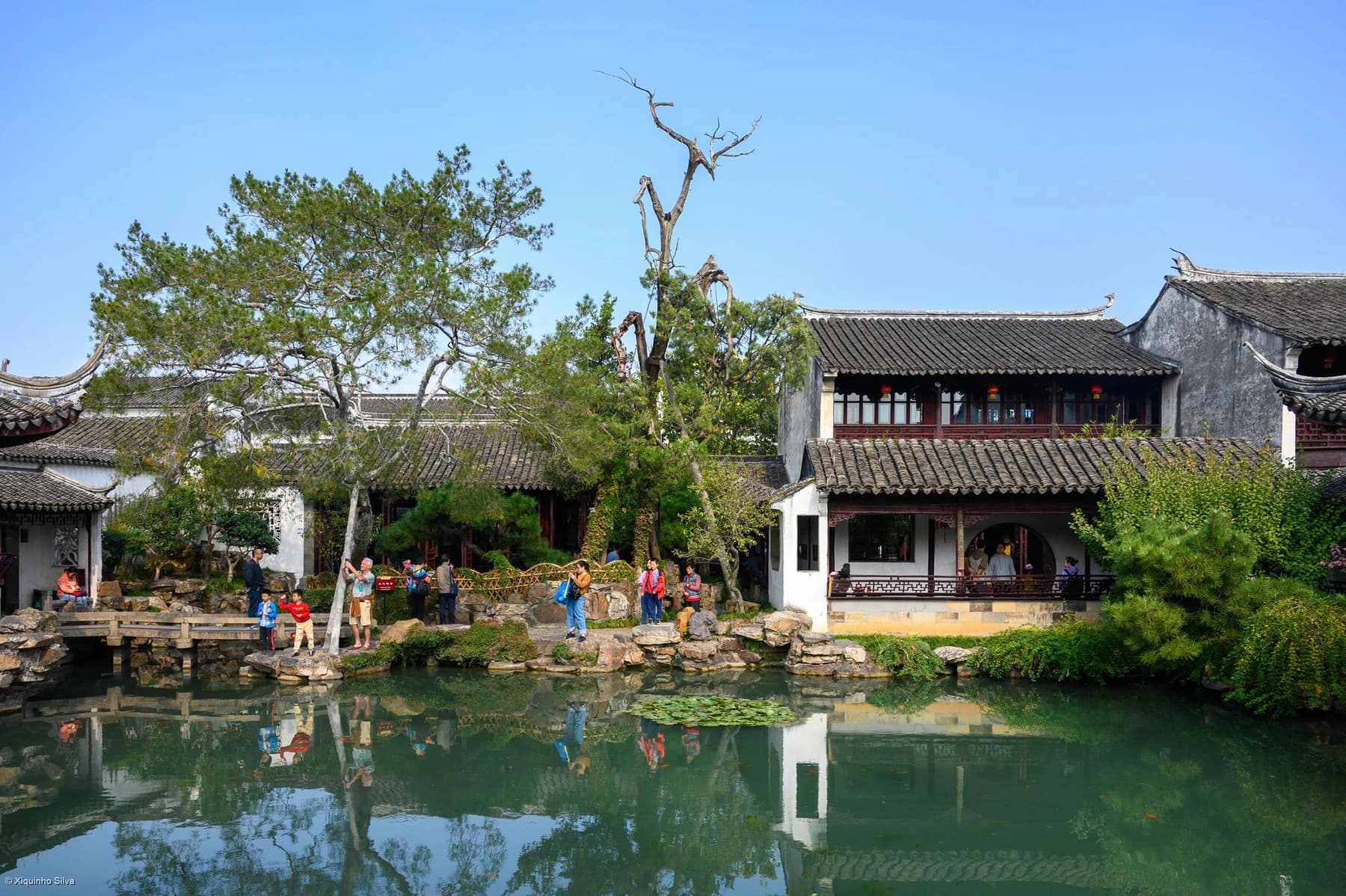
This is the best second garden for many visitors. Its physical scale is compact, yet carefully placed buildings, rockwork and windows repeatedly enlarge the central pond. Come after a large garden and compare how much landscape can be implied within a small residential plot.
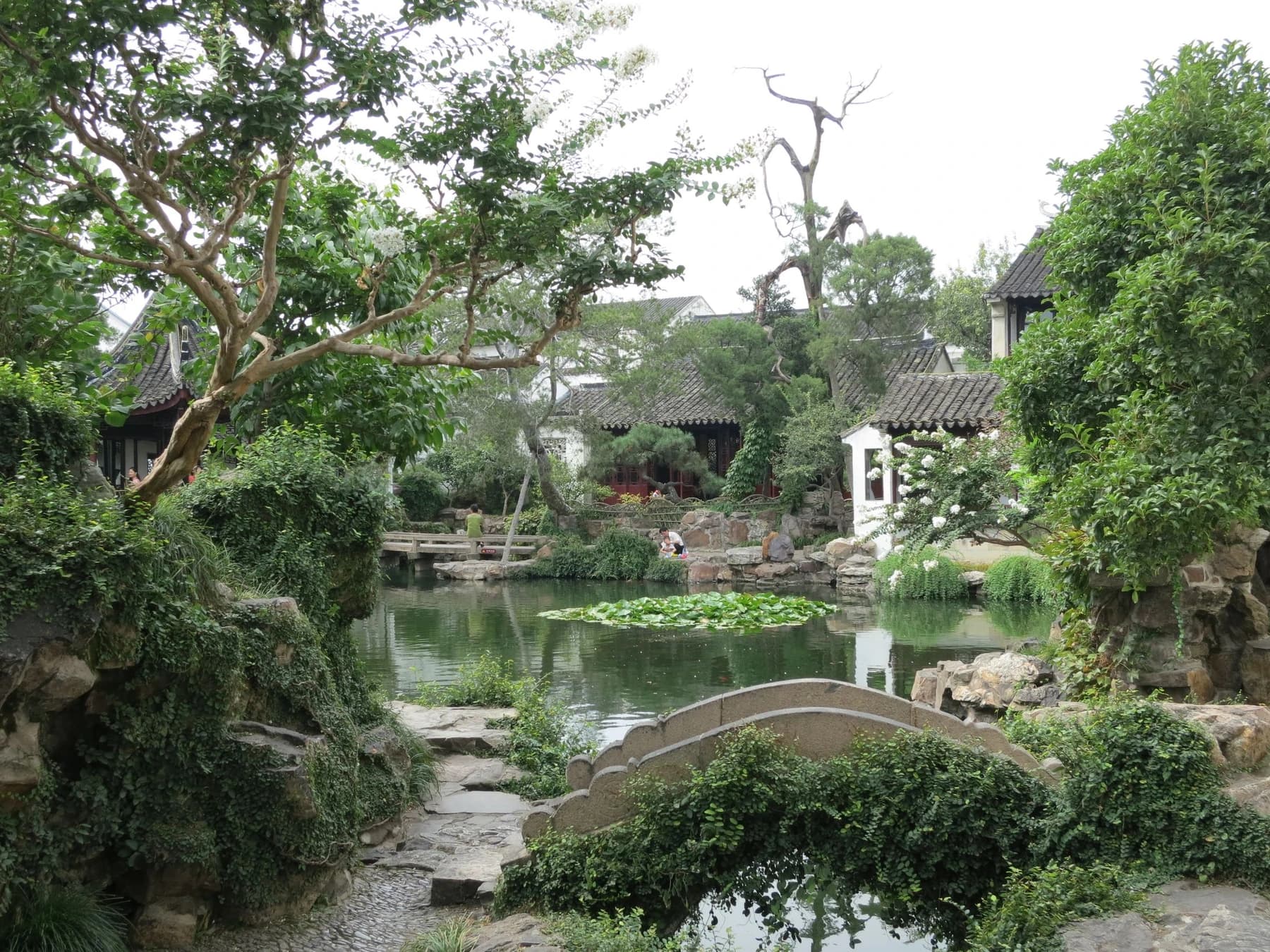
Photo: Christian Gänshirt · Source · CC BY-SA 4.0
A 60–90 minute sequence
Move through the residential rooms toward the central water court, then circle slowly rather than cutting straight across. Revisit the same pond from at least three positions. Notice how a tiny bridge, one tree or a roofline changes apparent distance.
The garden's name and historical layers invite a romantic story of withdrawal, but the present experience is also shaped by restoration, visitor circulation and performance use. Read plaques where useful; do not assume every visible furnishing has remained unchanged in place for centuries.
Try a three-view comparison
At the residential approach, notice the contrast between a darker passage and the open water beyond it. Beside the pond, choose a pavilion view; then look at the same water through a doorway or window farther along. Compare what each frame hides as well as what it reveals. This gives the small garden a purpose beyond collecting photographs.
Two visitor accounts describe different ways through the rooms and pond circuit. Use the open route on the day rather than trying to reproduce every turn. If a doorway is crowded, move on and compare another frame; do not hold up the passage for an empty photograph.
Day visit or night performance?
These are separate products. Daylight is better for spatial design, rock texture and quiet comparison. A night program can add music, opera or other performance in multiple rooms, but schedule, language support and inclusion change. Buy it only after checking the current official program—not because a daytime ticket description mentions night tours.
Summer extensions and severe-weather suspensions are live operational decisions. Use the official Suzhou Gardens notice, carry the booked passport when real-name admission applies and do not rely on a screenshot of last season's time.
Checked August 18, 2026, daytime admission is CNY 40 in peak season (April–May and July–October) and CNY 30 in low season. The official daytime baseline is 07:30–17:30, last entry 17:00, from March through October; 07:30–17:00, last entry 16:30, in winter. The separately ticketed Night Garden generally runs during Spring Festival and March–November, with a published baseline of 18:55–22:20 and last entry 21:35, but only the current program can confirm performance dates and content.
Who should choose—or skip—it
Choose this garden if you enjoy architecture, quiet visual comparison or have already seen a broad water garden. It is also a good choice when a smaller footprint is preferable, although thresholds, steps and narrow passages still limit fully step-free movement. Ask staff for the current accessible route rather than assuming “small” means barrier-free.
Skip it when the trip has only one garden slot and you want the canonical expansive Suzhou image; use the Humble Administrator's Garden instead. Also skip the separate night product if performance language, timing or seat/standing format is unclear. A focused daylight visit is complete on its own.
If buying the night product, ask whether the route uses fixed rooms or timed groups, whether seating is guaranteed, what happens in rain and whether daytime admission is included. Exact performance times belong in the live program, not in an undated guide; the stable decision is that the night visit is a performance circuit, not merely the same garden under lights.
Pair the garden with Panmen: the verified vehicle leg is about 2.3 km / 8 minutes. This keeps the day in south Suzhou and avoids repeating the northeast garden cluster.