Panmen Gate Suzhou
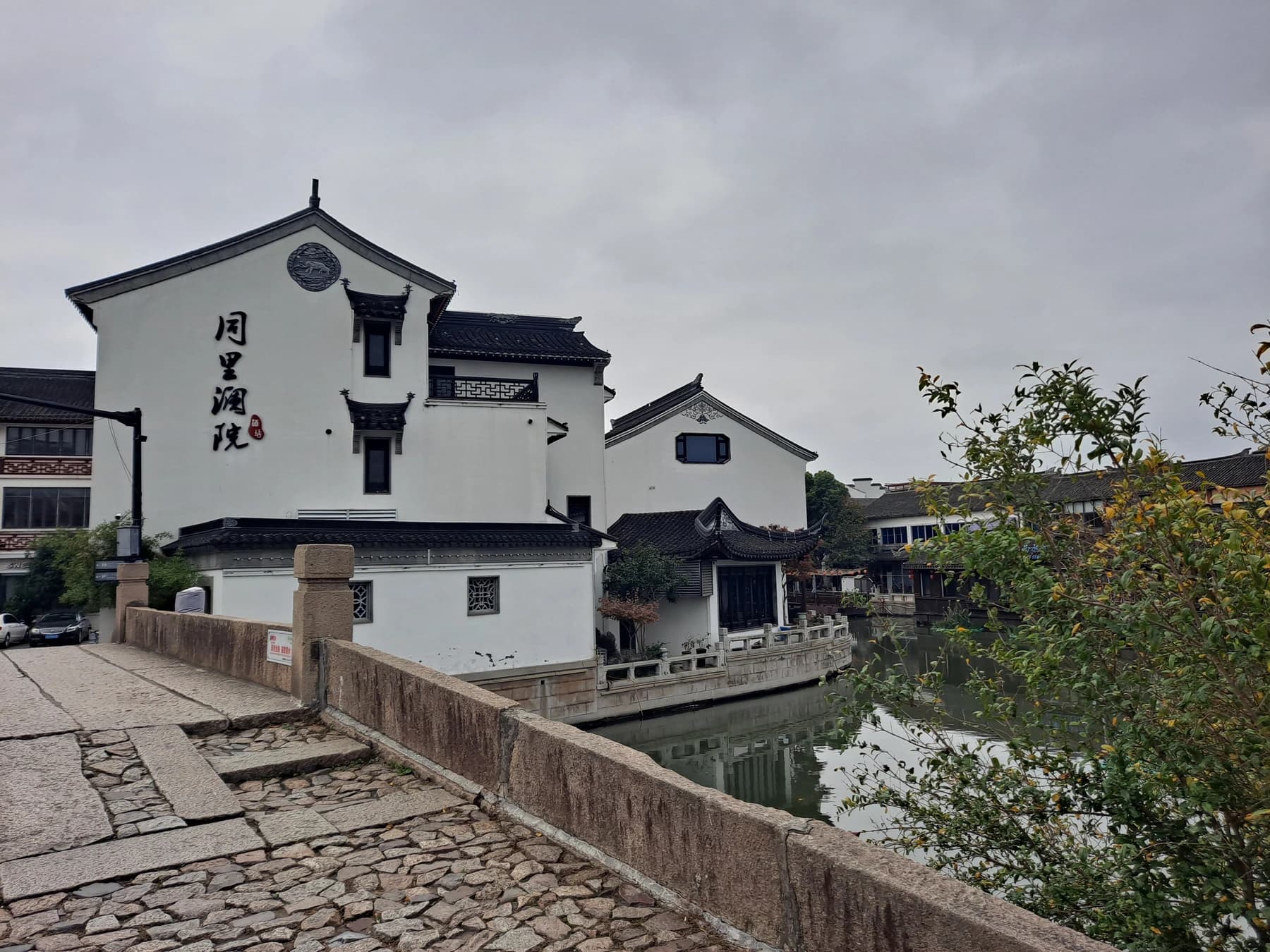
Panmen is more useful than another shopping street when you want to understand how Suzhou's walls, waterways and the Grand Canal fit together. Its core is the combined land-and-water gate system, viewed with Wumen Bridge and Ruiguang Pagoda as a larger defensive and ritual landscape.
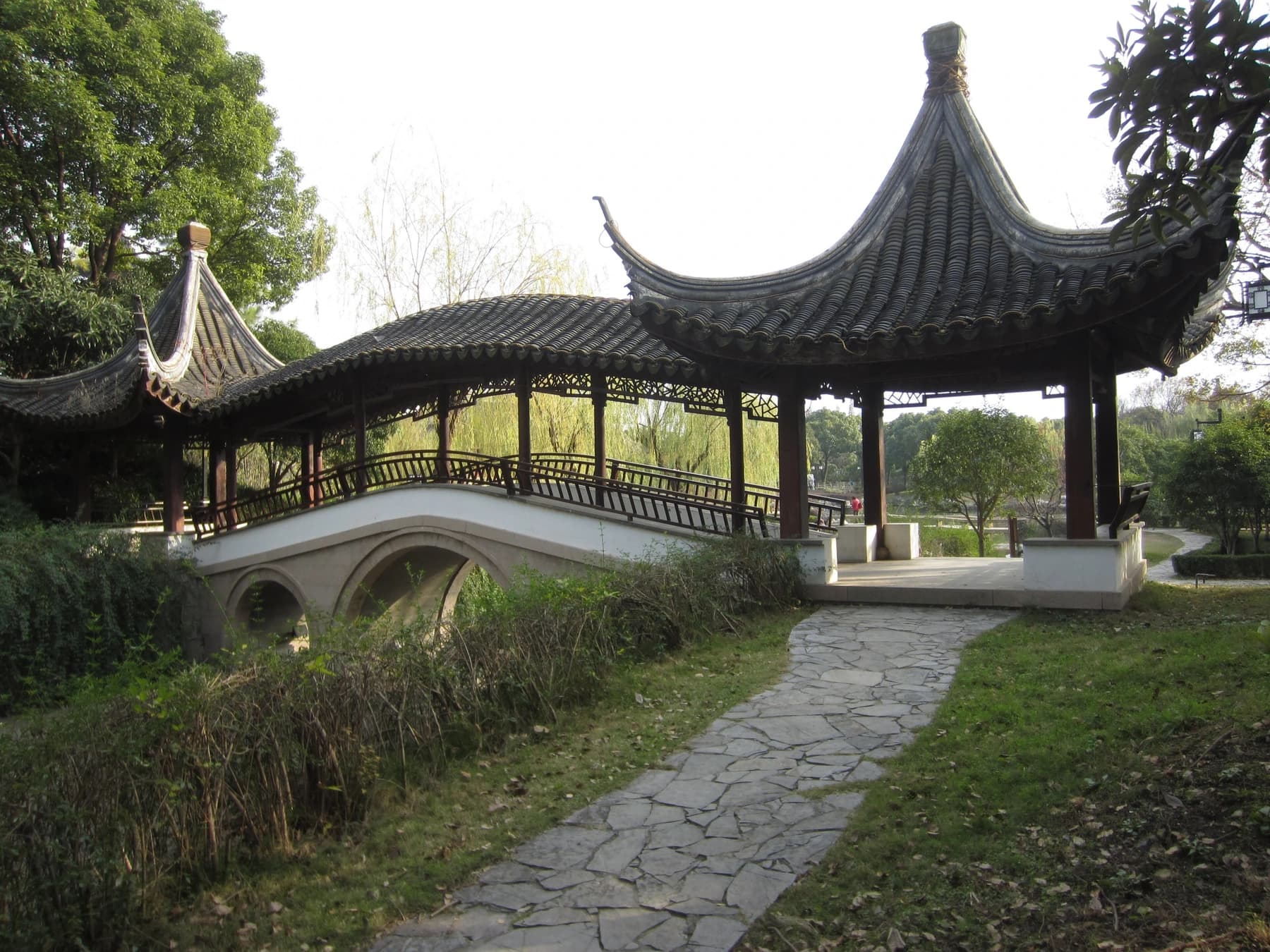
Photo: Another Believer · Source · CC BY-SA 4.0
A 75–120 minute route
Begin with the land gate and wall-level view, then move toward the water gate so boat passage and control become legible. Continue to the Wumen Bridge viewpoint and Ruiguang Pagoda landscape. Treat any tower or interior access as conditional: controlled areas, restoration and event routes can change.
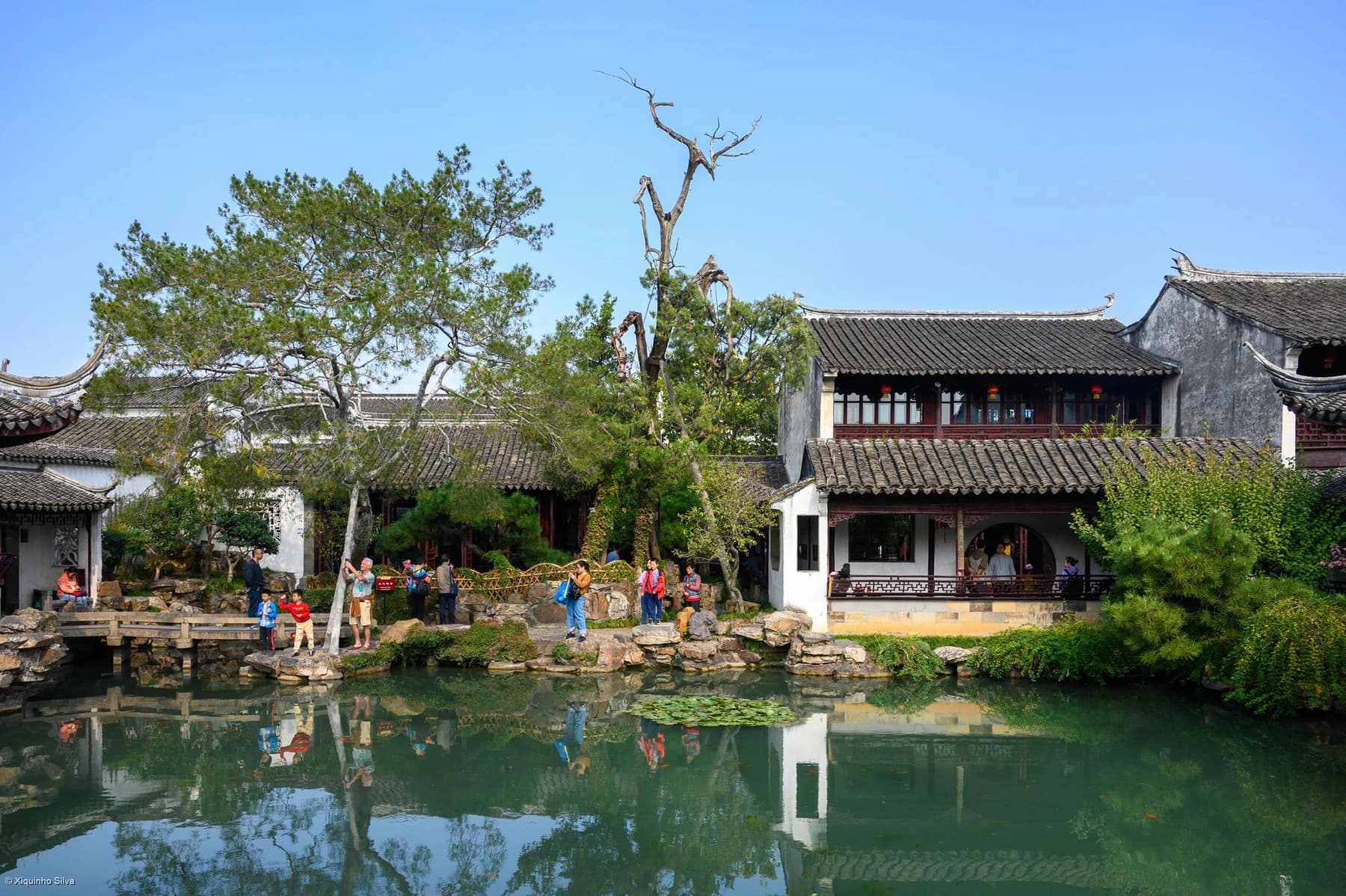
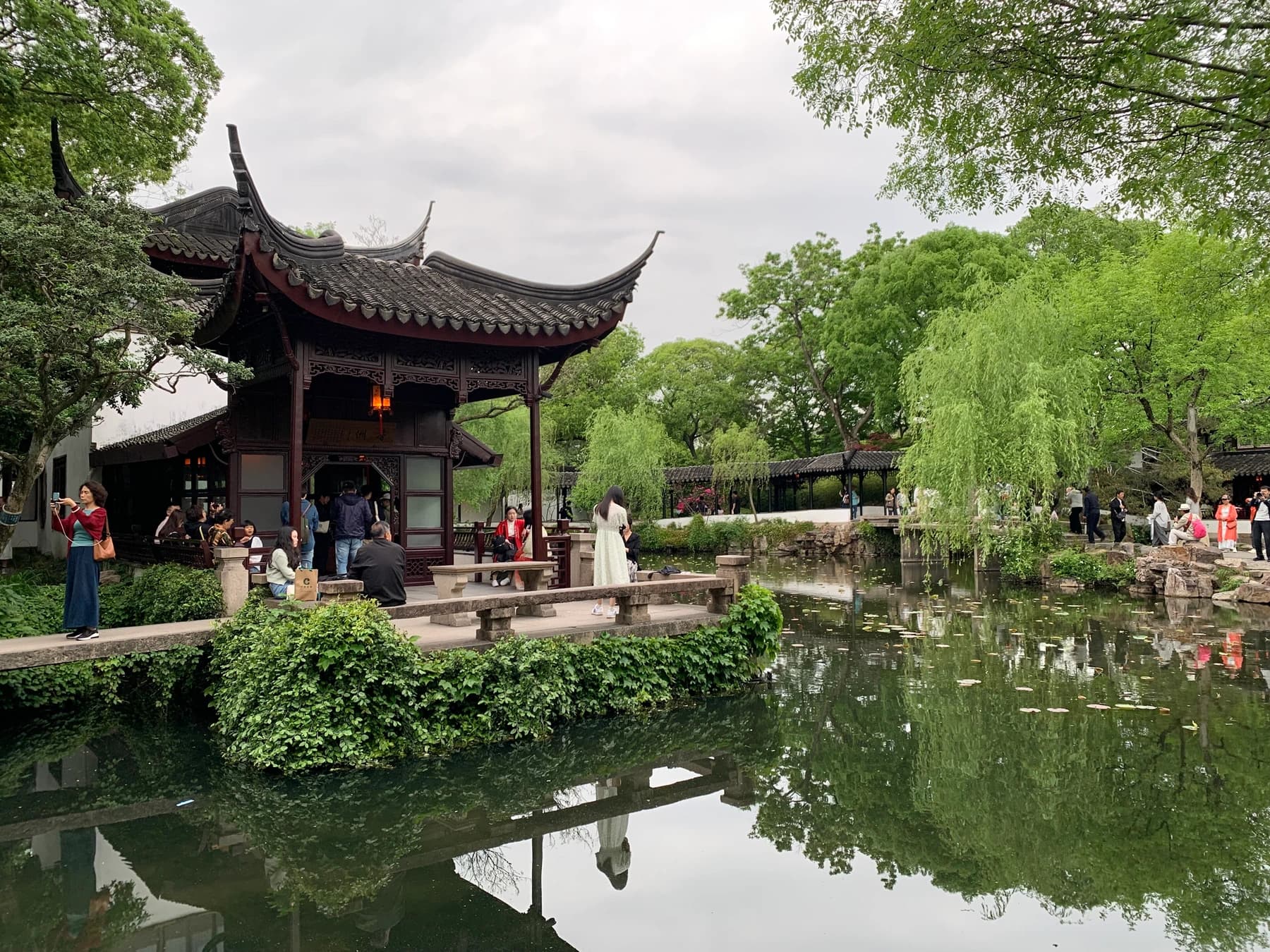
The modern scenic area includes landscaped ponds, paths and reconstructed presentation. That does not erase the historic system, but visitors should distinguish surviving fabric, restoration and contemporary garden-making rather than calling the entire park ancient.
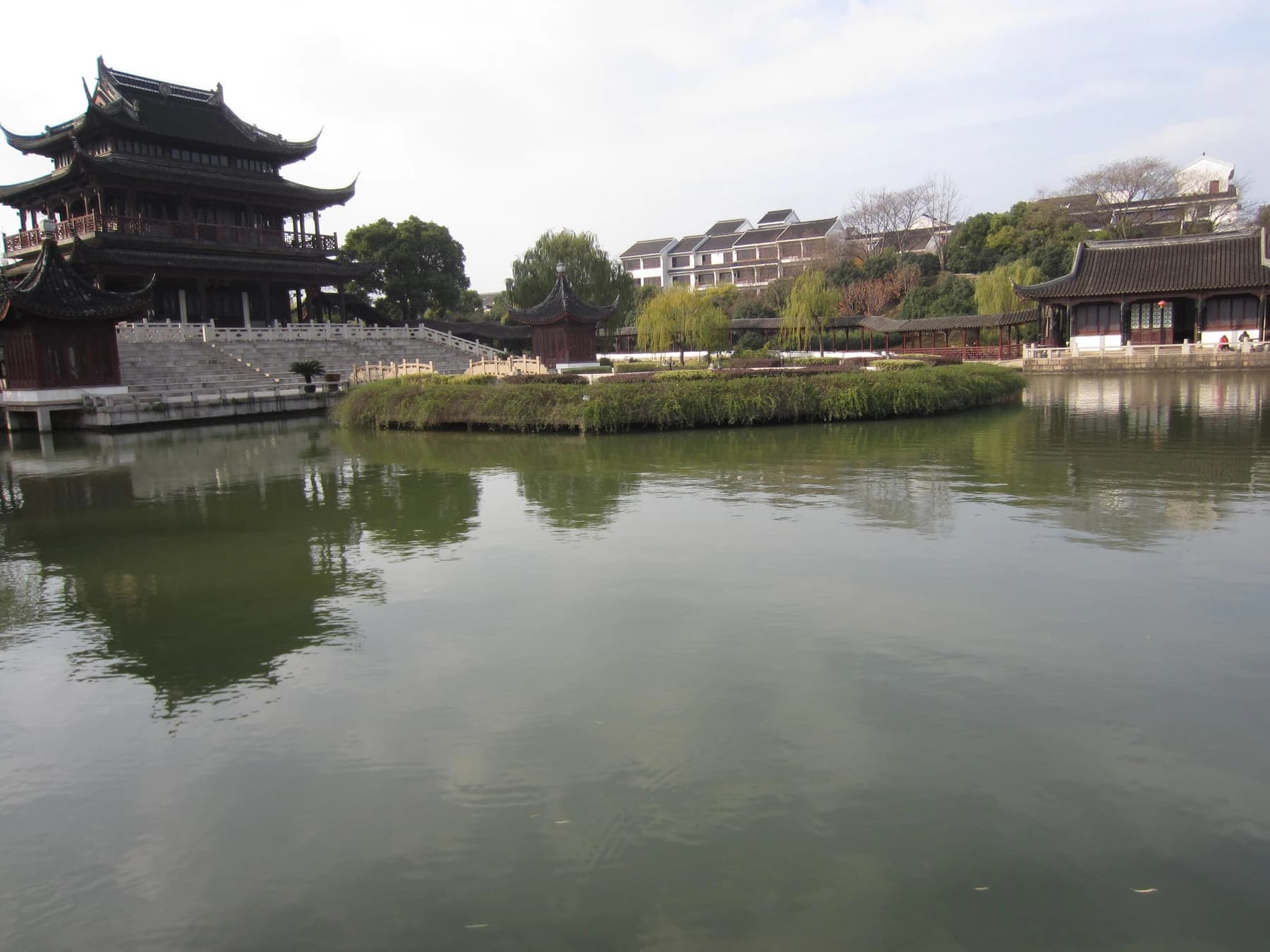
Photo: Another Believer · Source · CC BY-SA 4.0
When it earns a place
Choose Panmen when city walls, infrastructure or the Grand Canal interest you. Skip it on a two-day garden-first trip. It pairs naturally with the Master of the Nets Garden: the verified vehicle leg is about 2.3 km / 8 minutes, while walking roughly 2.2 km adds 30 minutes and may not be pleasant in summer heat.
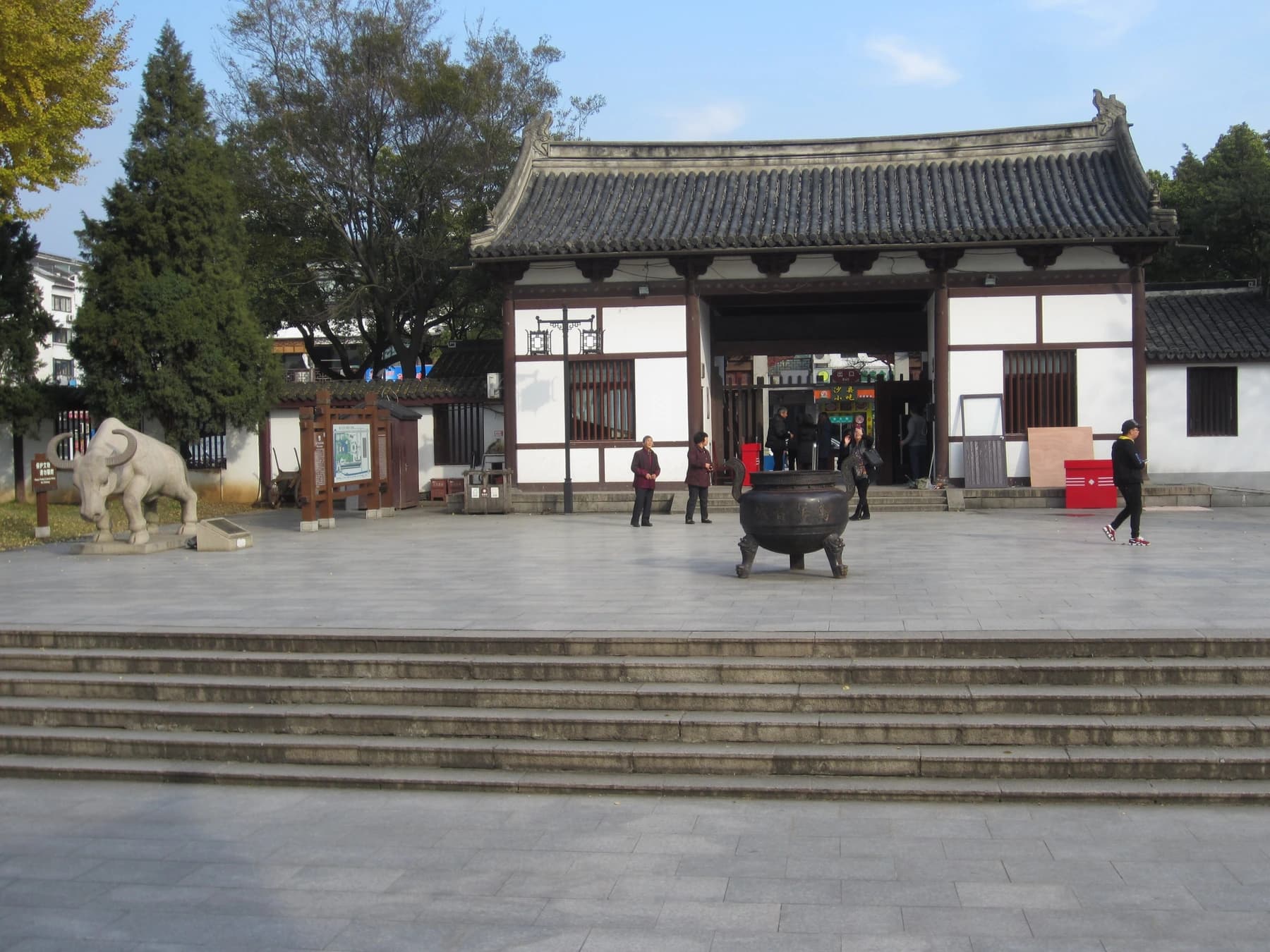
Photo: Another Believer · Source · CC BY-SA 4.0
Recheck admission, evening lighting and weather closures through the official scenic-area notice. The best exterior relationship between bridge, gate and canal depends on daylight and visibility; a night show is optional, not the historical core.
Checked against current listings on August 18, 2026, the scenic area baseline is 08:30–21:00. Day admission is commonly listed at CNY 40; evening event products can cost more and have their own inclusions. Ruiguang Pagoda interior access is narrower—currently listed 08:30–16:00—and should never be inferred from the park's later closing time. Confirm whether any boat, tower or performance is included before paying.
Viewpoints, mobility and interpretation
The wall-level route provides the clearest overview but involves steps. Visitors avoiding stairs can still read much of the system from the water-gate and bridge approaches; ask staff which sections are currently step-free. Do not lean over unguarded masonry or treat closed ramparts as a challenge—the defensive architecture is understandable without entering every structure.
Use the canal flow to orient yourself: boats needed a controlled water passage while people and goods also crossed the land gate. Wumen Bridge then reveals how circulation continued beyond the wall. This infrastructure-first reading is more durable than a performance timetable and explains why Panmen belongs in a Suzhou itinerary even for travellers who have already seen several ornamental gardens.
The existing gate fabric, later restoration and 1980s reconstruction are not the same historical layer. Read the signs at the wall and tower rather than calling every visible structure a Spring-and-Autumn-period original. This distinction makes the visit more credible and turns restoration into part of the story instead of a disappointment.