Nanjing Museum
Nanjing Museum is not one gallery with a few side rooms. It is a six-hall campus covering Jiangsu archaeology, fine art, special exhibitions, Republican-era urban life, digital interpretation and living heritage. That scale is exciting, but it creates the museum's main planning mistake: visitors try to “complete” all six and stop absorbing anything halfway through.
For a first visit, reserve with the document you will carry, begin in the History Hall, then add only two halls that match your interests. Two hours gives you a coherent foundation; three to four hours is enough for a satisfying first visit without turning the afternoon into an endurance test.
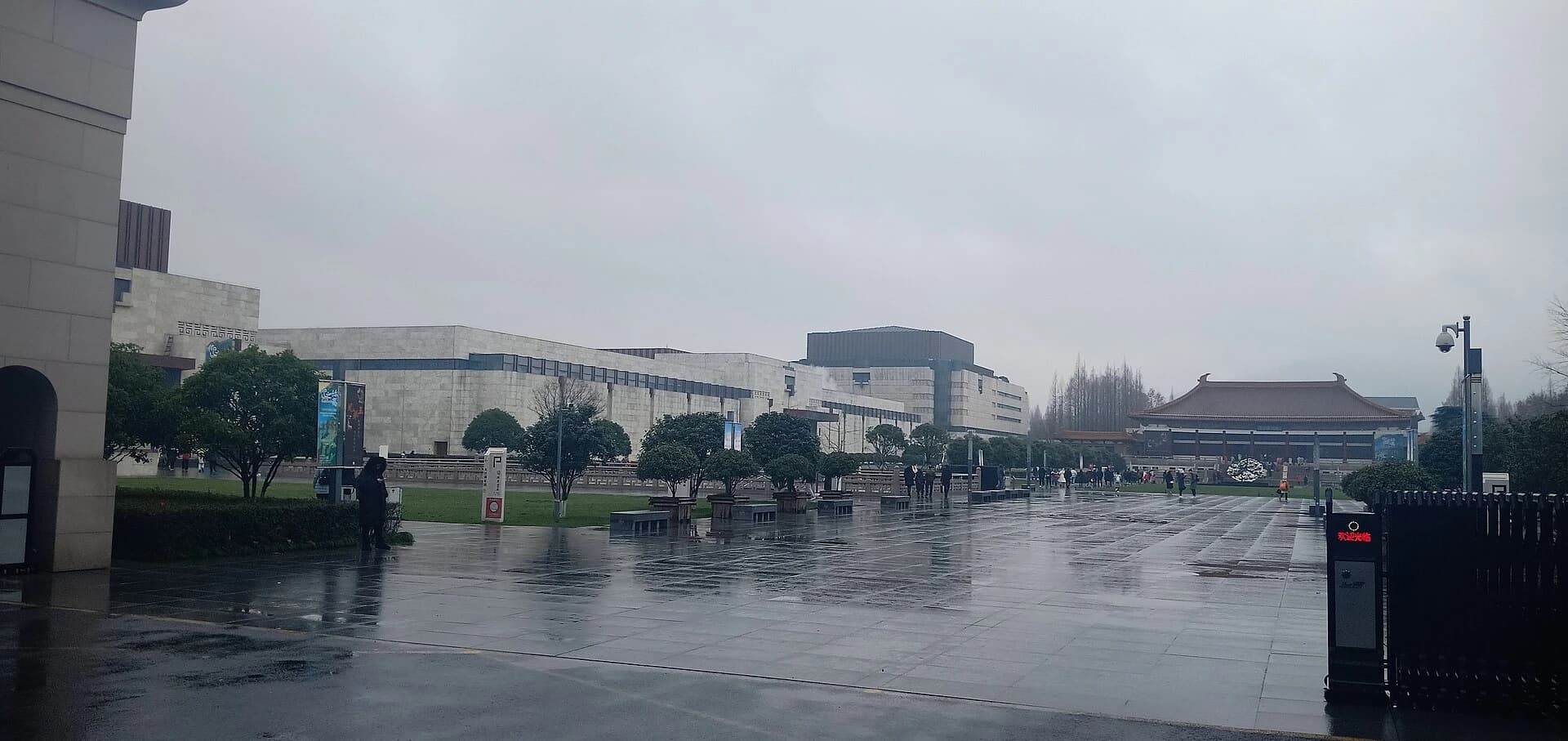
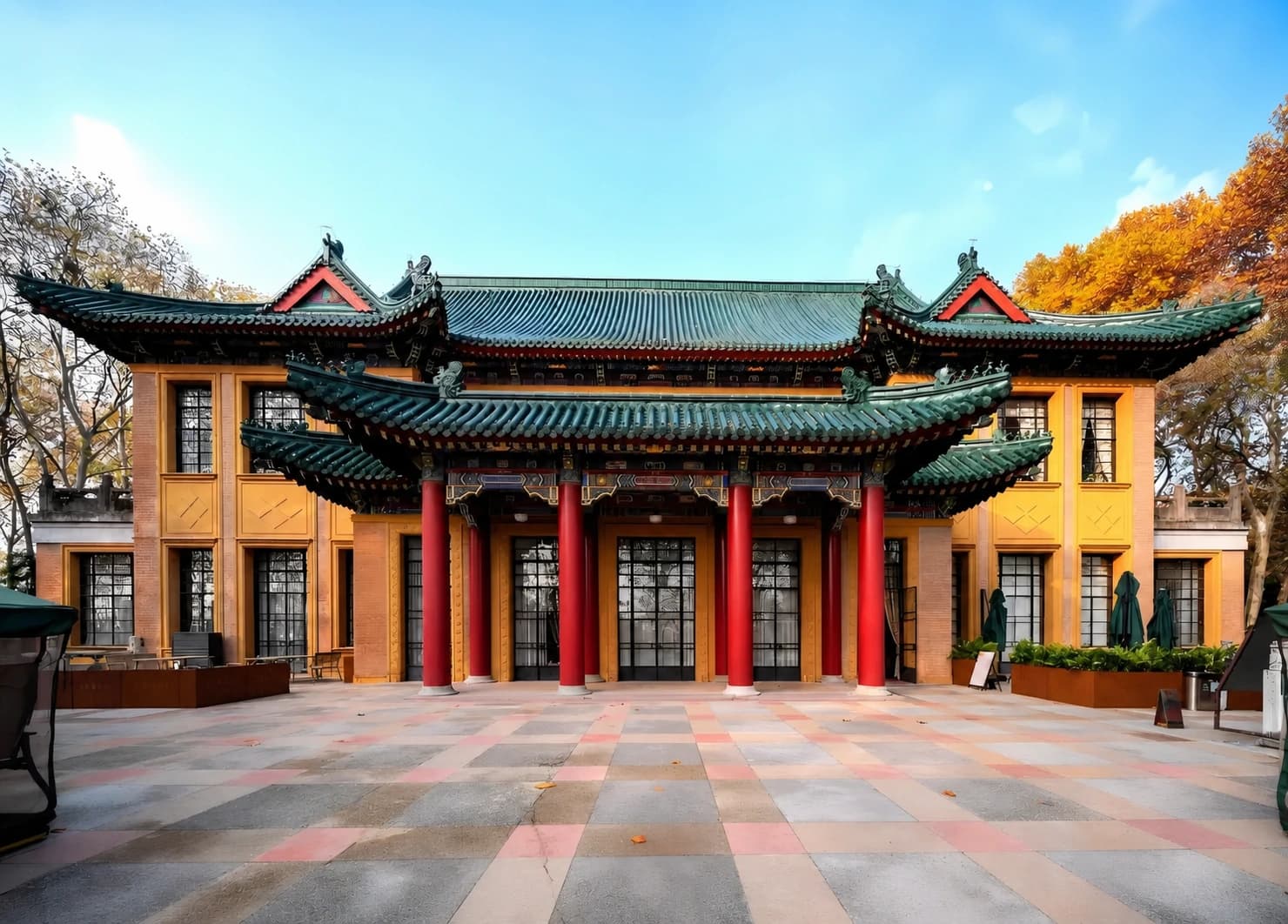
Exterior photograph by Yisu FANG, used under CC BY-SA 4.0.
Reservation Rules for Foreign Visitors
Admission to the permanent and collection-based exhibitions is free, but every visitor needs a real-name reservation. The official system currently releases places at 18:00 each day for dates up to seven days ahead, excluding the current day. Morning admission is 09:00–13:00 and afternoon admission is 12:00–16:00; arriving after your booked entry window can mean refusal.
The standard booking channel is the museum's official WeChat mini-program. Foreign passport holders must make their own reservation, bring the original passport used for booking, and show both the document and successful reservation at the green-channel service window for manual verification. Screenshots are useful backup, but they do not replace the original document.
Opening hours are 09:00–17:00, with ticket checking ending at 16:00. The museum normally closes on Monday, while statutory holidays and school-vacation arrangements may be announced separately. Recheck the official visitor notice before a holiday visit.
The Best First-Visit Route
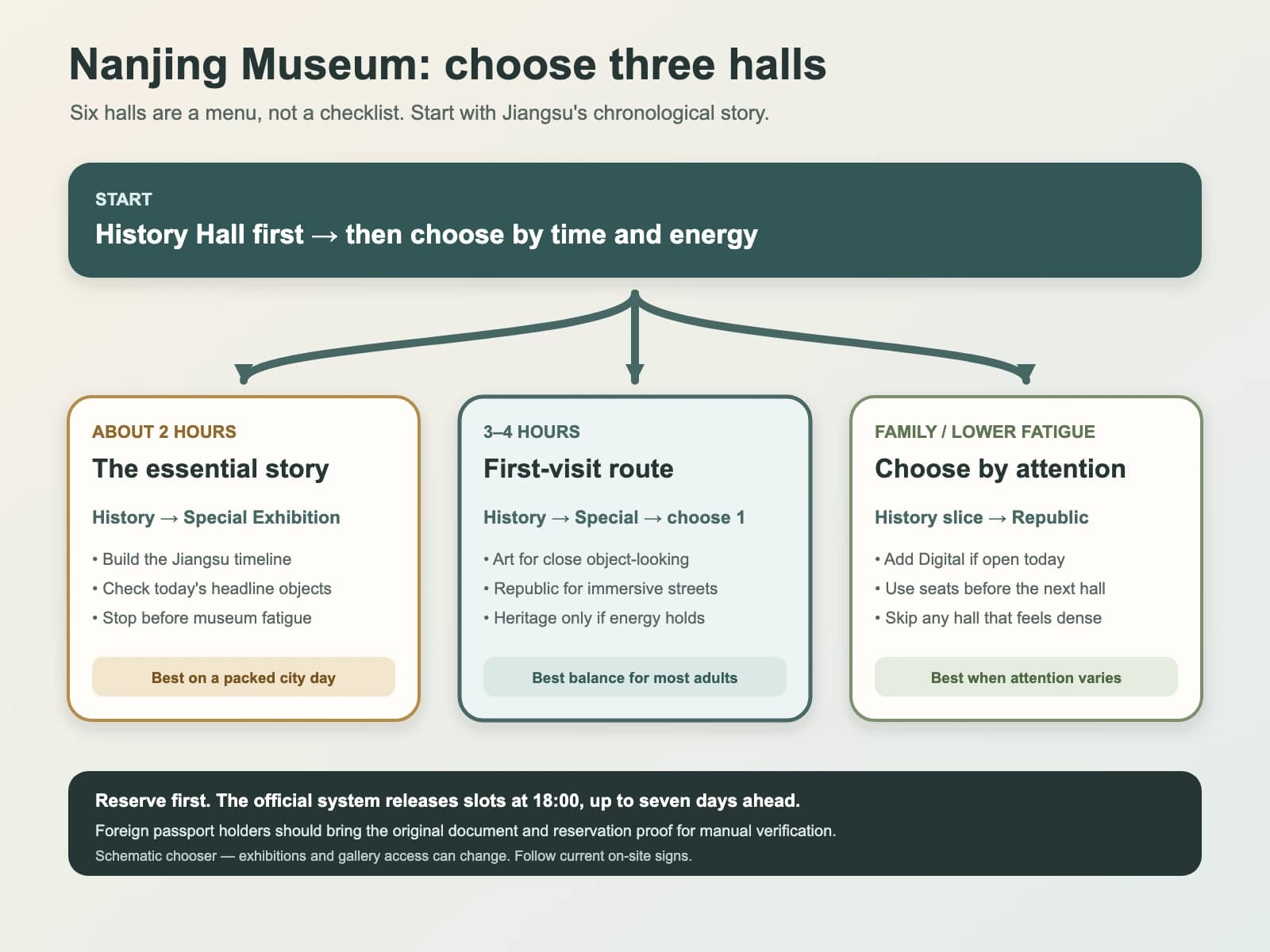
Two hours: History + Special Exhibition
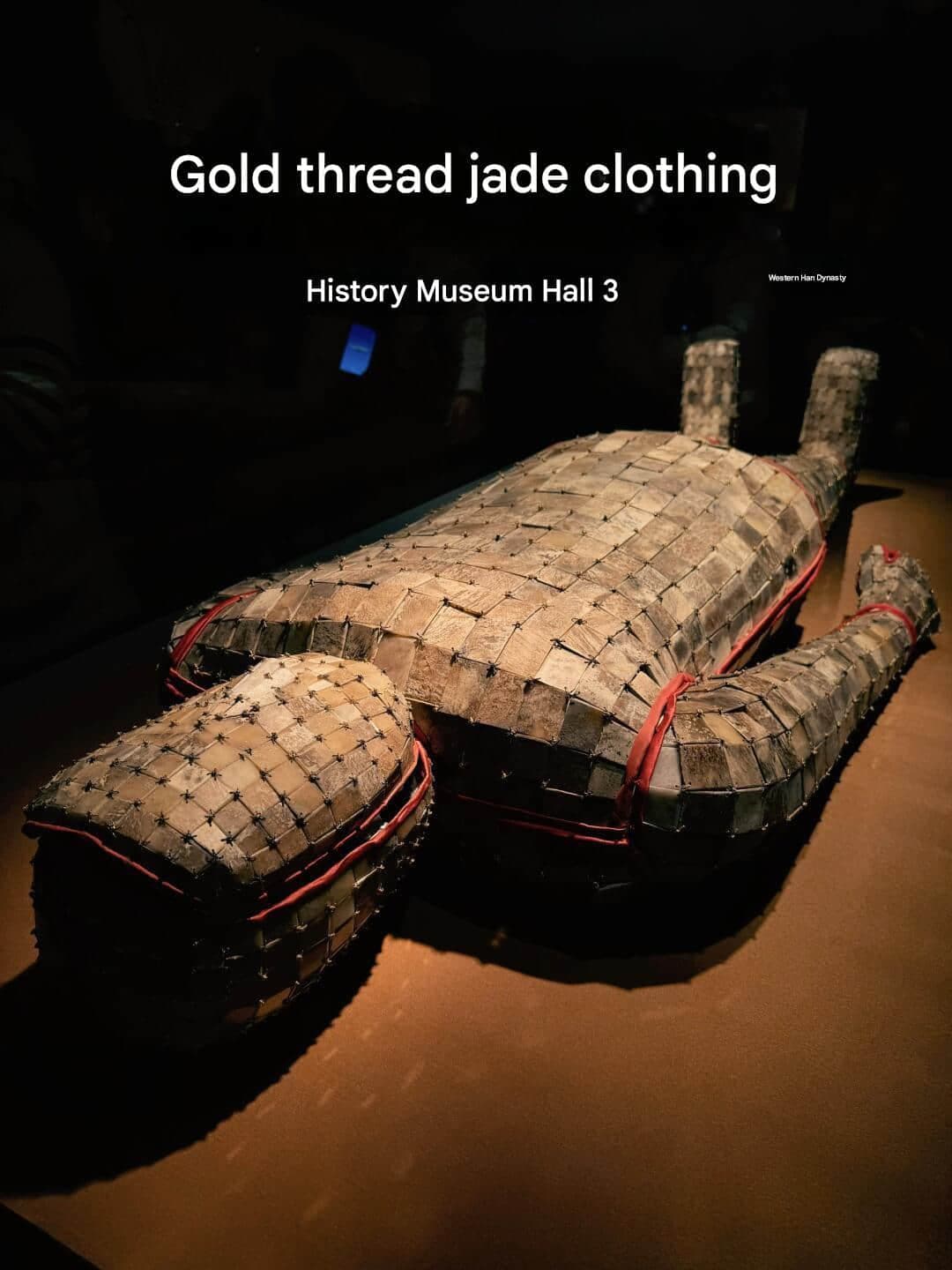
Start in the History Hall and follow Jiangsu's story chronologically. Spend more time on objects that explain how the lower Yangtze region changed—settlement, burial, craft, trade and political centers—rather than photographing every famous label. Continue to the Special Exhibition Hall and check what is actually on view that day. Temporary rotations mean no online “must-see” list is permanent.
Three to four hours: add Art or Republic of China
After History and Special Exhibition, choose one:
- Art Hall if you enjoy slow looking, brushwork, sculpture and individual makers.
- Republic of China Hall if an immersive reconstructed street will help you connect Nanjing's twentieth-century history to everyday life.
Add the Intangible Cultural Heritage Hall only if it is open and your attention still feels fresh. The Digital Hall can work well for families, but access and installations can change; decide from the day's signs rather than building the whole visit around it.
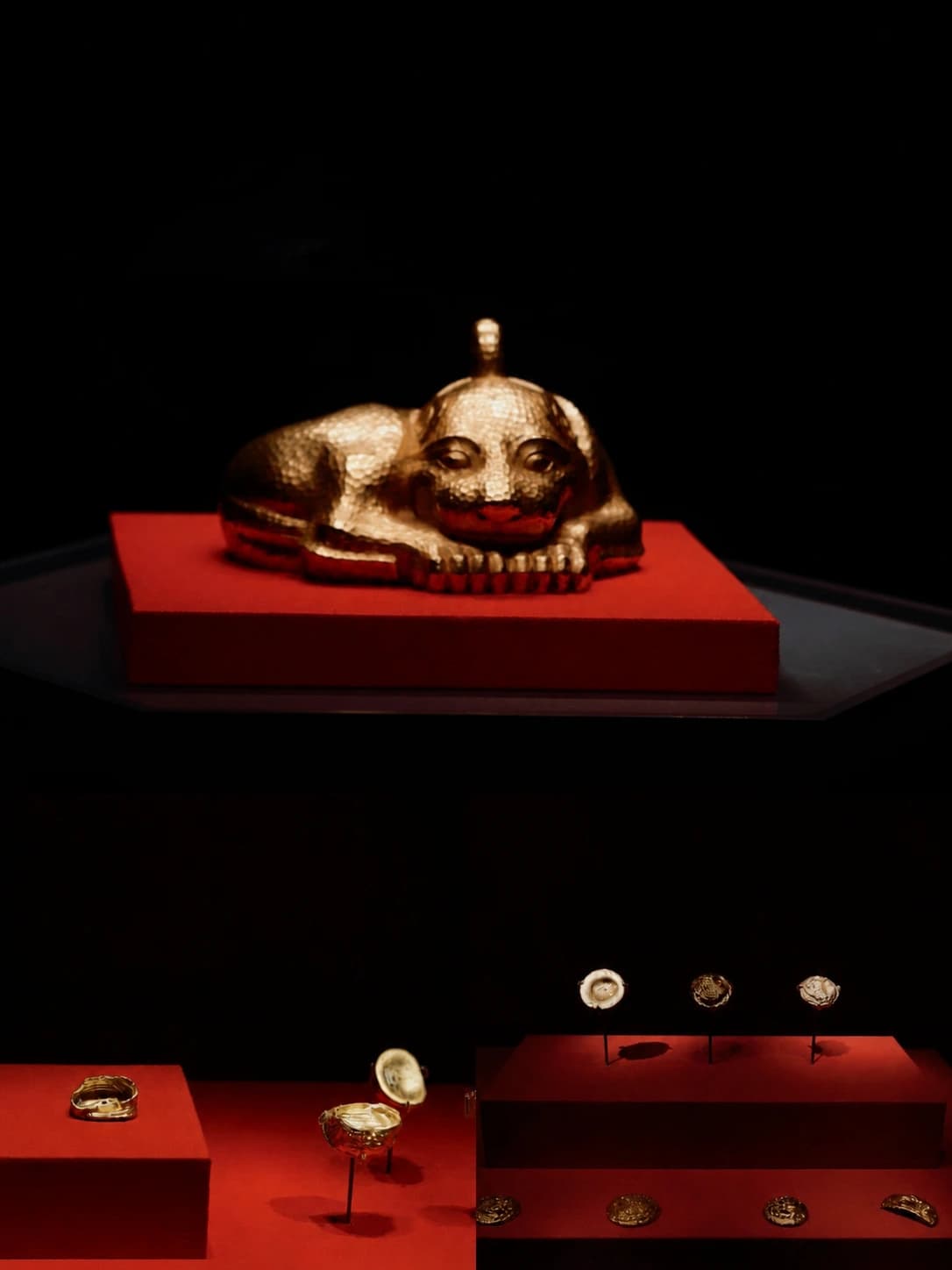
A Distinctive Lens: Read Jiangsu Through Materials
The museum becomes more memorable when you follow materials instead of dynasties alone. Look for the shift from clay and bronze to lacquer, jade, silk, painting and modern manufactured objects. Ask three questions: Who could obtain this material? What skill turned it into status or ritual? What part of ordinary life is missing from the surviving object?
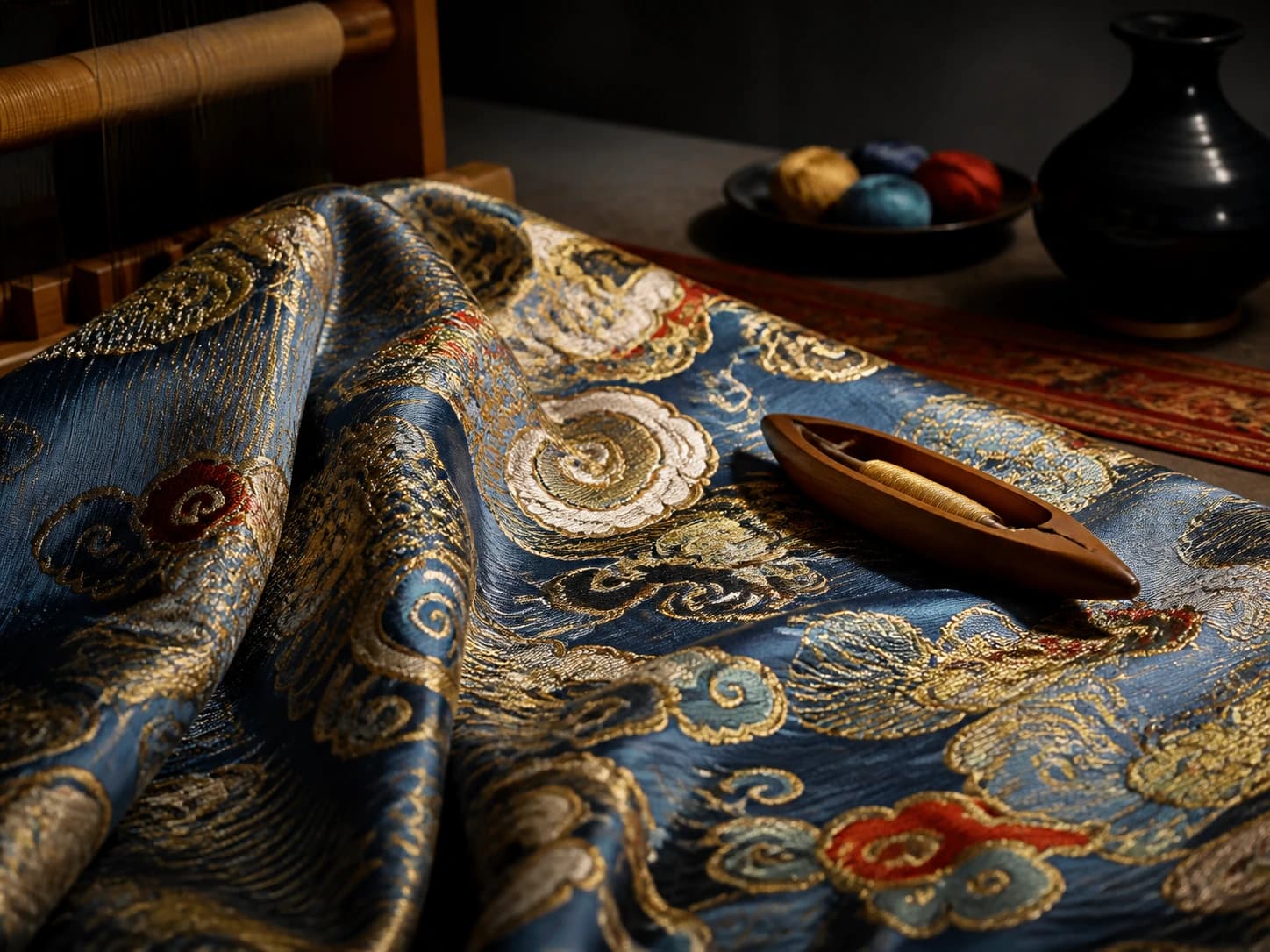
Nanjing's Yunjin cloud brocade is a useful extension of that method. Its dense colored silk and metallic threads communicate rank, patience and loom knowledge. Do not assume the exact textile or a live demonstration will be present on your date; treat it as a city craft to recognize when the current heritage displays include weaving.
What to Bring—and Leave Behind
Large luggage can be stored to the right of the main gate. Professional camera equipment, tripods, monopods and selfie sticks are prohibited, as are flash and commercial photography gear. Food is not allowed in the galleries. Pack light, wear quiet comfortable shoes and save a phone battery screenshot of the booking.
The museum's most common failures are avoidable:
- Booking with one document and bringing another.
- Arriving after the selected entry window.
- Starting in the visually playful halls and reaching History already tired.
- Carrying a tripod or oversized bag to security.
- Treating a famous object seen online as guaranteed to be on display.
Food, Nearby Pairings and Where to Stay
Do not spend your museum time hunting for a destination restaurant inside the complex. Eat a simple breakfast before arrival and plan a proper meal after leaving. For local flavor, look for a well-reviewed neighborhood shop serving duck-blood vermicelli soup, beef potstickers or a light bowl of noodles; check the current menu, hygiene and queue instead of following a single viral shop name.
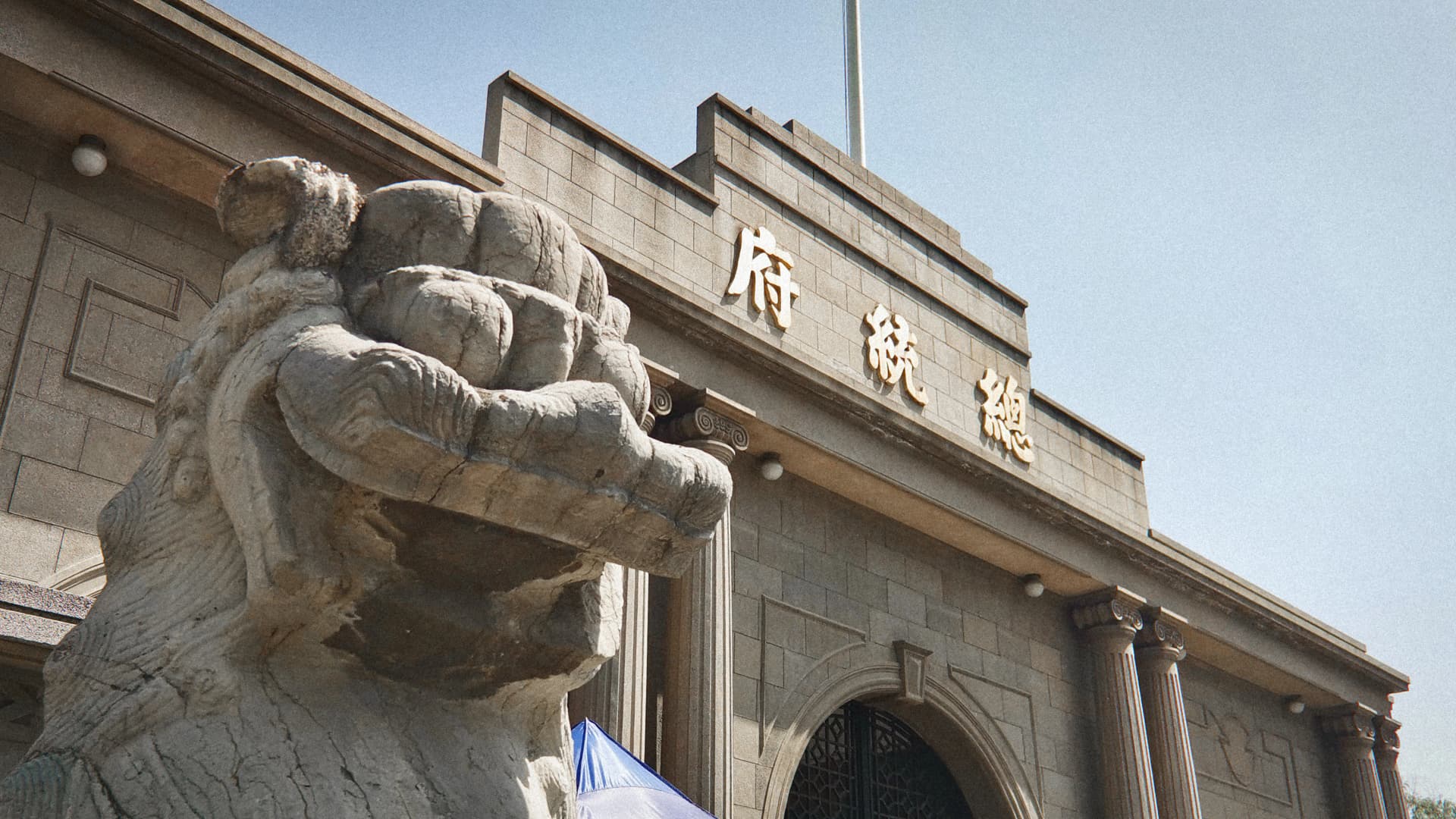
The most efficient pairing is the Presidential Palace, about 3.5 km away, followed by Xinjiekou for dinner. Amap's current model estimates roughly 12 minutes by car from the museum to the palace, then about a 1 km / 14-minute walk from the palace to central Xinjiekou. Traffic, security exits and pickup points add time.
Choose a hotel in Xinjiekou if this is one part of a broader Nanjing trip: Lines 1 and 2 make it convenient for the museum, old city and onward stations. The museum itself is not a reason to change hotels for one night. Compare Nanjing hotels on Trip.com, then verify the nearest metro exit rather than relying on the district label alone.
Quick Plan
- Time: 2 hours for essentials; 3–4 hours for a first visit.
- Cost: Free reservation; separately operated temporary events may charge.
- Hours: 09:00–17:00, last ticket check 16:00; normally closed Monday.
- Metro: Line 2 to Minggugong; follow current exit signs and allow for the campus entrance.
- Coordinates: 32.040802, 118.825064 (GCJ-02).
- Best strategy: Reserve at release time, bring the original passport, and choose three halls.