Xuzhou
Xuzhou is one of eastern China's most rewarding archaeology cities. Royal tombs cut into rock, ranks of Han terracotta figures, jade burial objects and carved narrative stones turn an ancient kingdom into something you can see from several angles. The pleasure comes from comparing those layers—not racing through every site in one day.
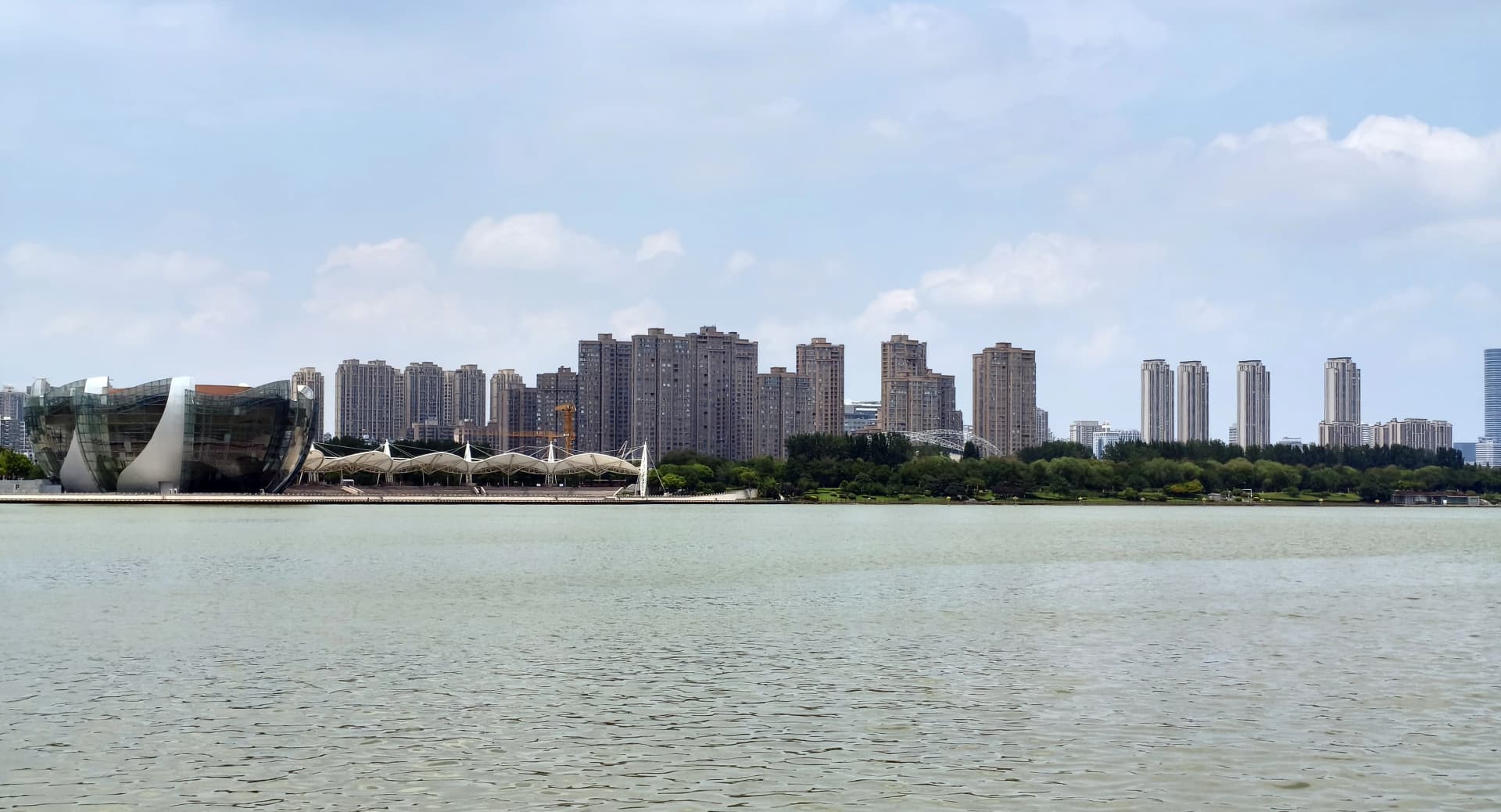
Photo: 祝鱼贵 · Source · CC BY-SA 4.0
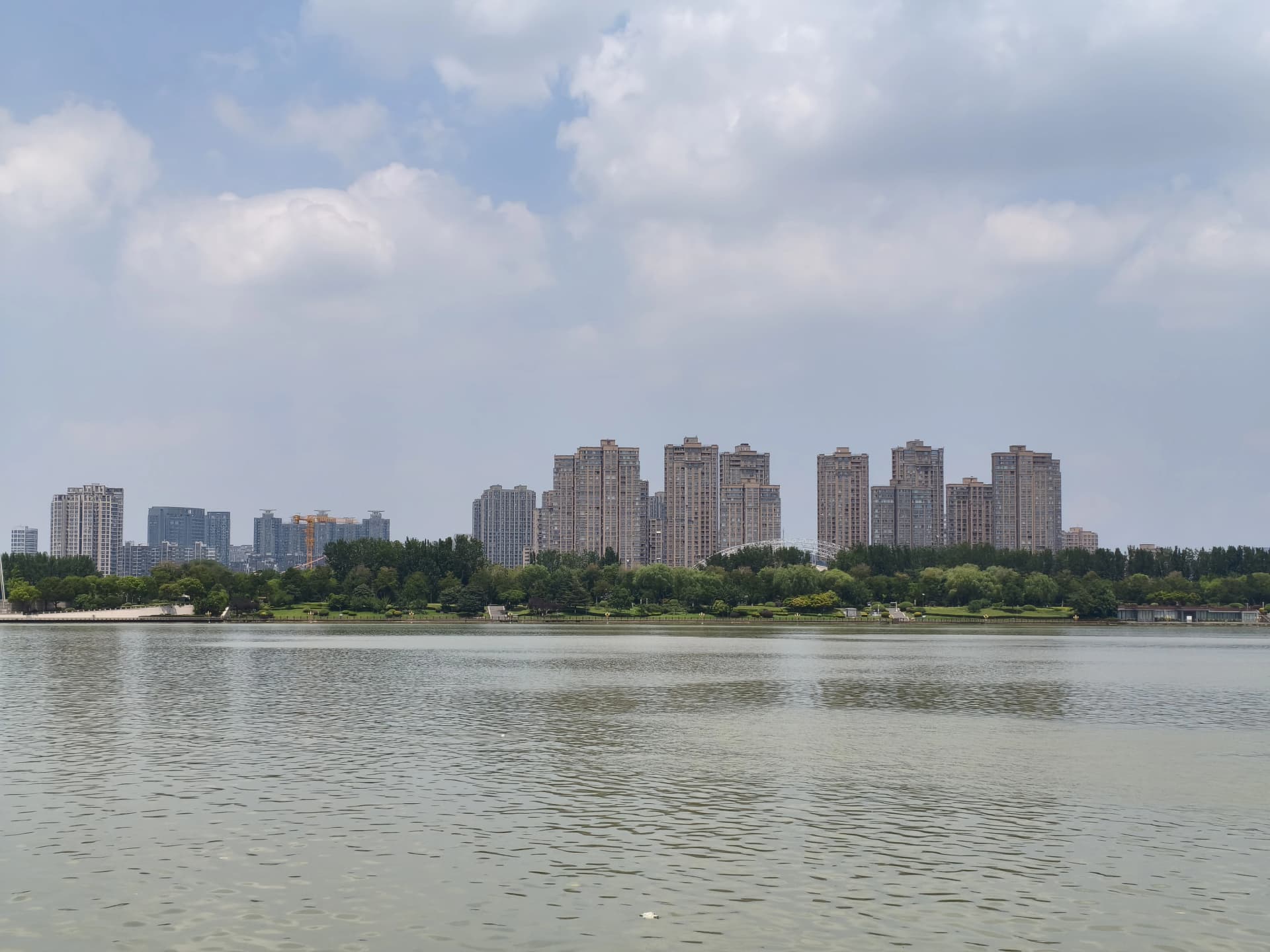
This panorama shows Xuzhou's city-and-lake relationship; it is not a view of the compact historic-street area.
A complete three-day Xuzhou route
Keep Han Culture Scenic Area, the central museum-and-lake sequence and Guishan as separate outings. Finish an old-city day by walking from Huilongwo to Hubushan when the lanes and historic residences are open.
Choose the trip shape
| Trip shape | Best for | Strongest plan |
|---|---|---|
| One full day | A focused introduction | Xuzhou Museum and the central historic layer, or Han Culture Scenic Area alone |
| Two days / one night | Best first visit | Han Culture archaeological day → museum, Han Stone Art Museum and lake edge |
| Three days / two nights | A second tomb and a slower city rhythm | Add Guishan as its own half day, with weather and transfer margin |
Stay centrally around the Pengcheng–Hubushan or Xuzhou Station side for the easiest first visit. Compare Xuzhou hotels on Trip.com, checking the exact map pin, international-guest policy, luggage storage and cancellation terms for the property you choose.
Day 1: one managed archaeological product
The Han Culture Scenic Area is the clearest site-led introduction. Lion Mountain Chu King's Tomb preserves the original royal-burial setting; the Han terracotta-warrior material adds a military and funerary layer. Treat other halls and experiences as optional after checking what is open and included in your ticket.
Allow a substantial half day. The area is 5.8 km / about 15 minutes by car from the Xuzhou Museum visitor centre in an AMap road model checked on 21 August 2026. That distance is why it works better as one deliberate product than as another stop on a central walking checklist.
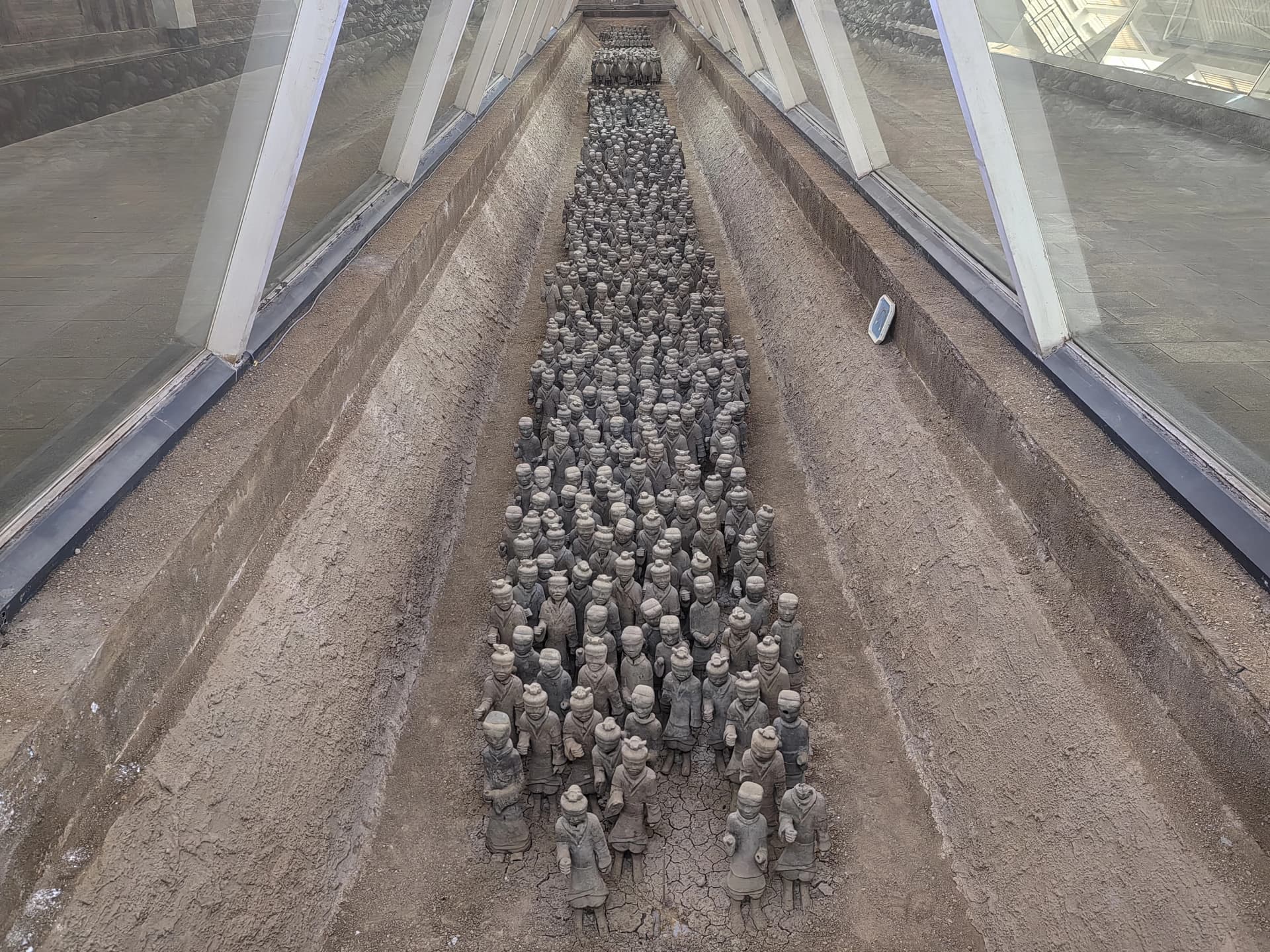
Photo: Yumeto · Source · CC BY-SA 4.0
Day 2: objects first, then choose lake or old city
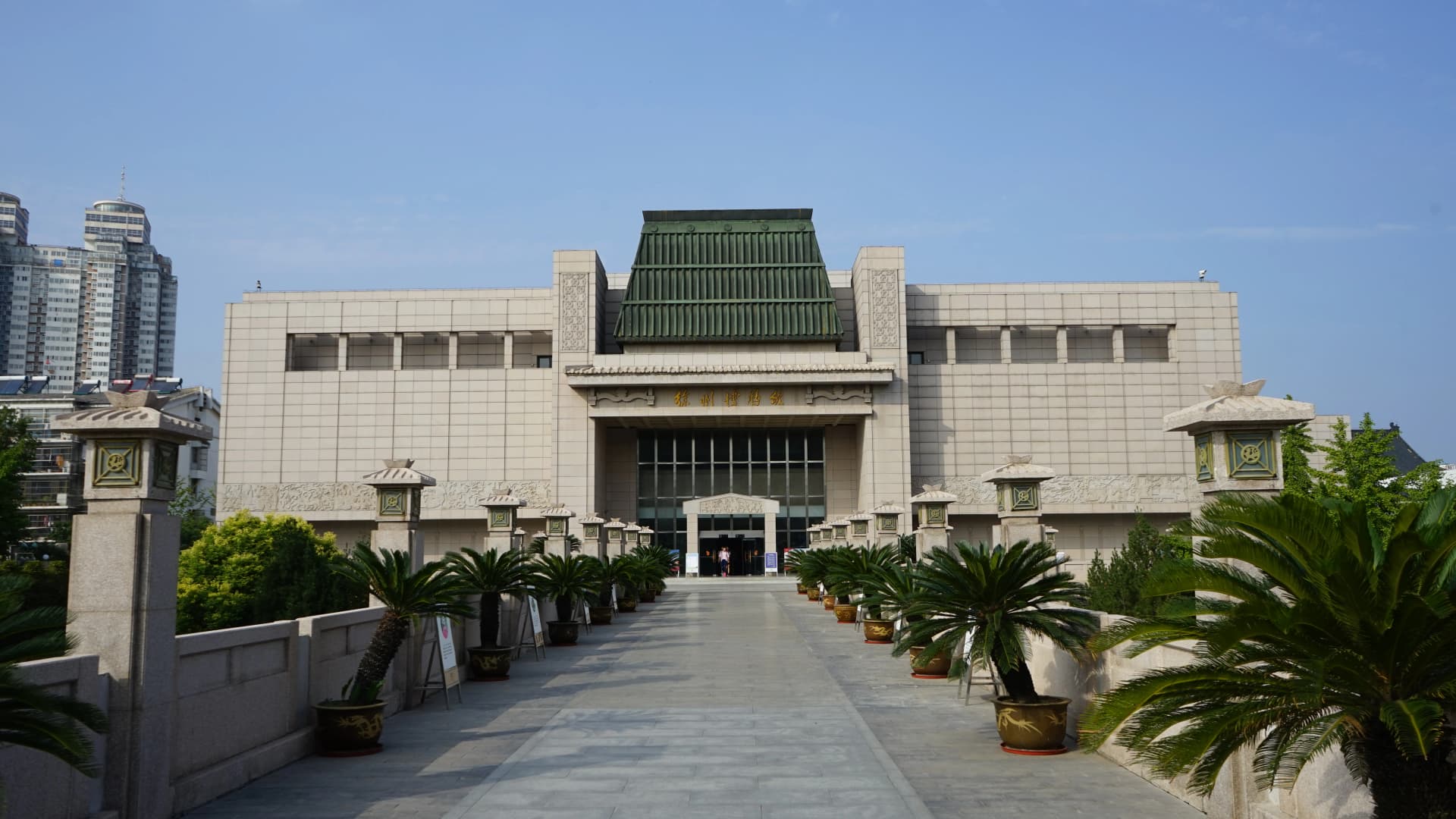
Xuzhou Museum is free and gives the best chronological frame for the tombs, jade and local history. Reserve through the museum's official system; no third party is authorised to sell ordinary reservations or on-site guiding.
Afterward, choose one of two easy continuations:
- Walk 1.5 km / about 21 minutes to the Han Stone Art Museum and Yunlong Lake for specialised carved-stone interpretation and a flexible lake-edge finish.
- Walk 1.3 km / about 18 minutes to Huilongwo, then another 0.6 km / about 9 minutes toward Hubushan for historic urban fabric. Current shops, interiors and performances should be treated as discoveries, not guaranteed fixtures.
Day 3 choice: Guishan is a different tomb
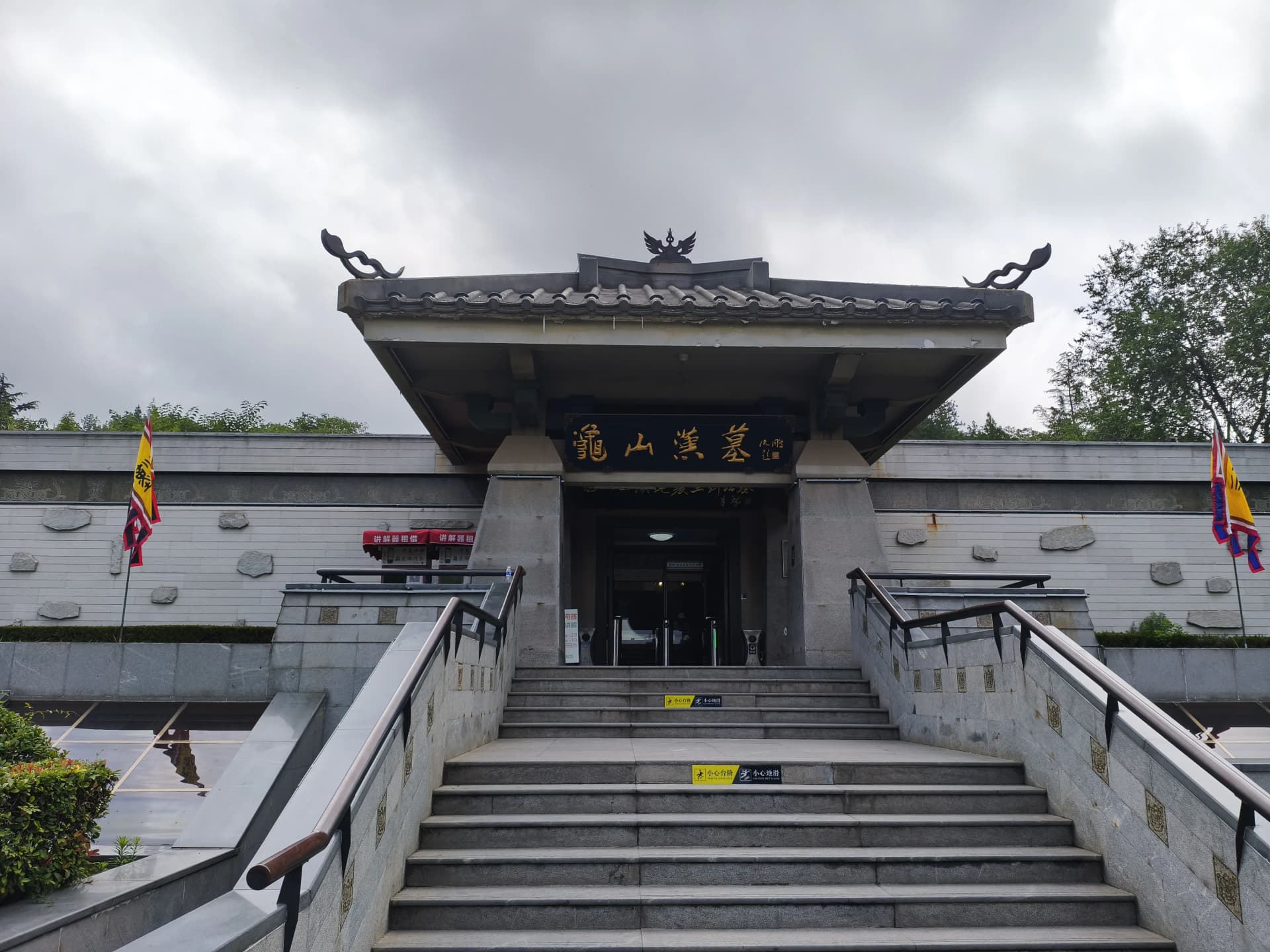
Guishan Han Tomb is not an extension of Lion Mountain. Its long parallel corridors and cliff-cut engineering create a distinct underground experience. AMap placed its visitor centre 10 km / about 25 minutes by car from Xuzhou Museum and 21.9 km / about 27 minutes from Han Culture Scenic Area in the same dated model.
Make the tomb the anchor, then add the Imperial Edict Museum or Dianshi Garden only when the live ticket and opening notice name them clearly. This preserves time for interpretation and avoids turning two separate royal-tomb sites into a rushed cross-city transfer.
Arrival and booking order
Xuzhou Station and the adjoining central coach area are the closer city arrivals. Xuzhou East Station is a separate eastern high-speed-rail arrival; AMap estimated 14.9 km / about 25 minutes by car from there to Xuzhou Museum. The airport is much farther south-east. These are dated road models, not traffic guarantees or public-transport schedules.
Book the train to the correct Xuzhou station, then your hotel, then the two paid tomb products. Keep the museum reservation in its official channel and recheck passports, selected ticket inclusions, temporary closures and underground access close to the visit.
Illustrated guides
Xuzhou is strongest over two or three days: one archaeological site, one interpretation-led central day and one optional second tomb.