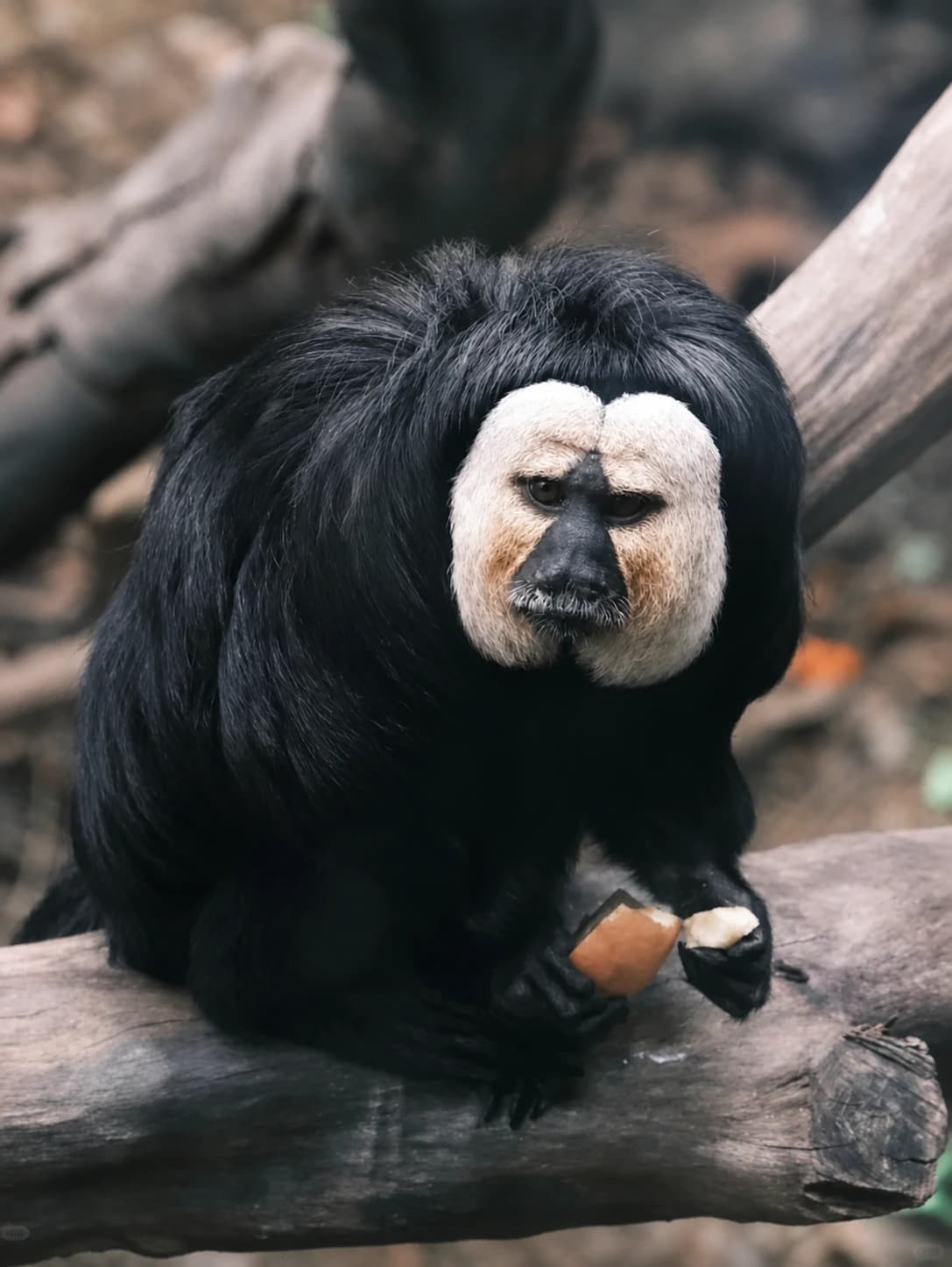
Hongshan Forest Zoo
Hongshan Forest Zoo is a forested, hillside zoo close to Nanjing Railway Station. Its official site lists about 30 habitats with more than 3,500 animals from over 270 species. The visit works best as a route through several landscape zones, not as a rush between a list of “celebrity” animals.
Plan the visit around a gate
The zoo's entrances and southern habitats have changed substantially since older maps were published. As of September 2026, North, South and East gates can operate for both entry and exit, but temporary crowd controls can still alter the pattern. Open the official live zoo map on the day rather than relying on a saved static plan.
- North Gate is easiest from Metro Line 1 at Hongshan Zoo station. It suits a shorter visit centred on the giant panda habitat and the northern forest exhibits.
- South Gate is reached from Nanjing Railway Station on Lines 1 and 3 through the pedestrian passage. It is the best start for a one-way full visit because Ode to Africa and other newer southern habitats come first.
- East Gate is useful for buses and a flexible exit. Current local guidance says there is no dedicated parking at the gate, so it is a poor default for drivers.
The terrain crosses several wooded hills. Even an efficient route includes slopes and repeated walking between habitats, so allow four to six hours for a useful first visit and longer if you want nearly every zone.
Tickets and entry
The government-set standard adult admission is CNY 70. Holiday capacity limits, discounts, document rules and daily operating times can change. The zoo's official WeChat mini-program is the primary place to check current admission; recent public guidance has used an 08:30 opening and a 16:30 ticket cutoff, but confirm the closing time for your exact date.
Check current Hongshan Forest Zoo tickets on Trip.com, then verify the selected date, passport name, admission category and cancellation terms. A recent international visitor reported that a passport did not work in one Chinese online flow and successfully bought a physical ticket at the staffed South Gate counter. Treat that as a practical fallback, not a guaranteed policy: bring the original passport and leave time for manual help.
Best full route: South Gate to North Gate
This one-way structure reduces backtracking and follows the broad geography used by recent visitors. Exact paths may shift during construction or crowd control.
- Begin with the southern habitats. From South Gate, prioritise Ode to Africa, then choose Kangaroo Corner or Lemur's Place if they matter to you. Do not try to complete every small habitat before moving north.
- Cross the central cluster. Continue toward the Asian primates, Gondwanaland, the koala habitat, Asian elephants and Gaoligong. These are close enough to form one decision block, but the hillside paths still take time.
- Choose a northern animal cluster. Continue through tiger, Chinese feline, Feline Planet, wolf and native-wildlife areas according to the live map. Skip one branch if energy is fading.
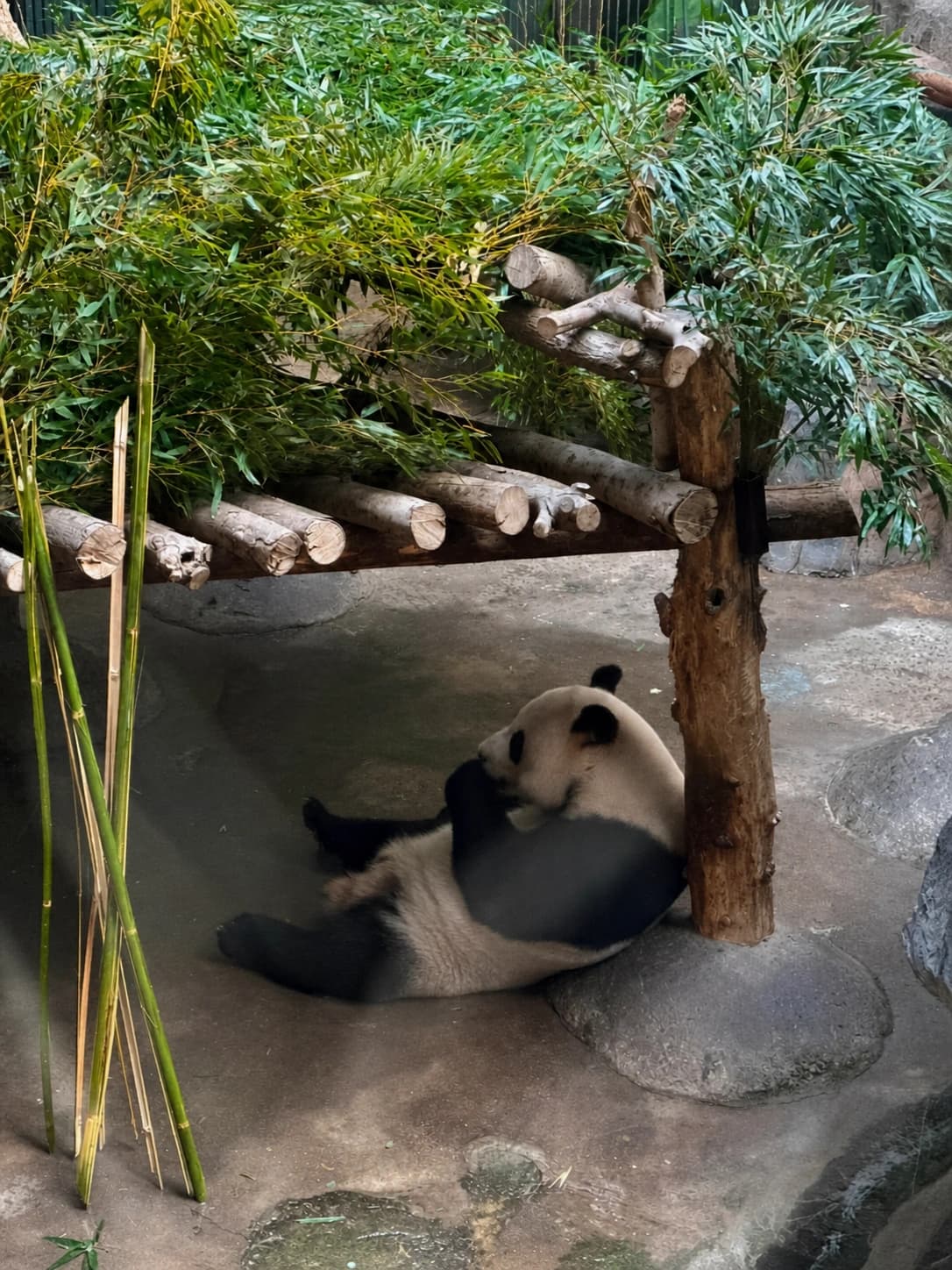
- Finish with the giant panda habitat and North Gate. This leaves the panda stop near the exit instead of forcing a return across the zoo. North Gate also gives the simplest Metro Line 1 departure.
Shorter and easier versions
Three to four hours from North Gate
See the giant panda habitat first, then choose one additional northern cluster and one central priority such as Gaoligong, Gondwanaland or the koala habitat. Return to North Gate instead of attempting the entire south zone. This is more satisfying than covering many enclosures at a walking pace that leaves no time to observe behaviour.
A lower-pressure family visit
Start at South Gate, choose two southern habitats and two central habitats, then decide at the central service area whether to continue north. Sightseeing vehicles and self-drive mobility options are adjusted with live crowds, so treat them as optional help rather than the foundation of the itinerary. Ask staff about the current boarding point, route and accessibility before paying.
How to see animals well
Do not build the day around feeding or weighing times copied from social media. Husbandry schedules change, and an animal may remain indoors or out of view even when a session is expected. Arrive early for cooler conditions, pause quietly at each habitat and read the current keeper board before deciding whether to wait.
The zoo is most interesting when you notice habitat design and animal choice. The official description emphasises welfare, conservation and spaces that let animals use different levels, shelters and outdoor areas. A resting animal is not a failed stop. Move on and return later only when the route makes sense.
Food, weather and walking
Use the central service and food area as the main rest point instead of carrying a rigid minute-by-minute schedule. Bring water, wear shoes suited to hills and keep a rain layer in the warmer months. In summer, place exposed southern habitats earlier and save shaded forest sections for midday. After heavy rain, allow extra time on slopes.
Weekdays and opening time are usually calmer, but animal visibility still depends on weather and individual behaviour. On weekends and holidays, reserve first, arrive with one or two must-see zones, and accept that queues may make a full-coverage route unrealistic.