Jiaoshan Scenic Area
Jiaoshan is the most layered of Zhenjiang's three famous hills. The river crossing changes the mood before the visit even begins; on the island, a Buddhist temple, one of China's important stele traditions, cliff inscriptions and nineteenth-century batteries create a route where landscape and recorded history constantly meet.
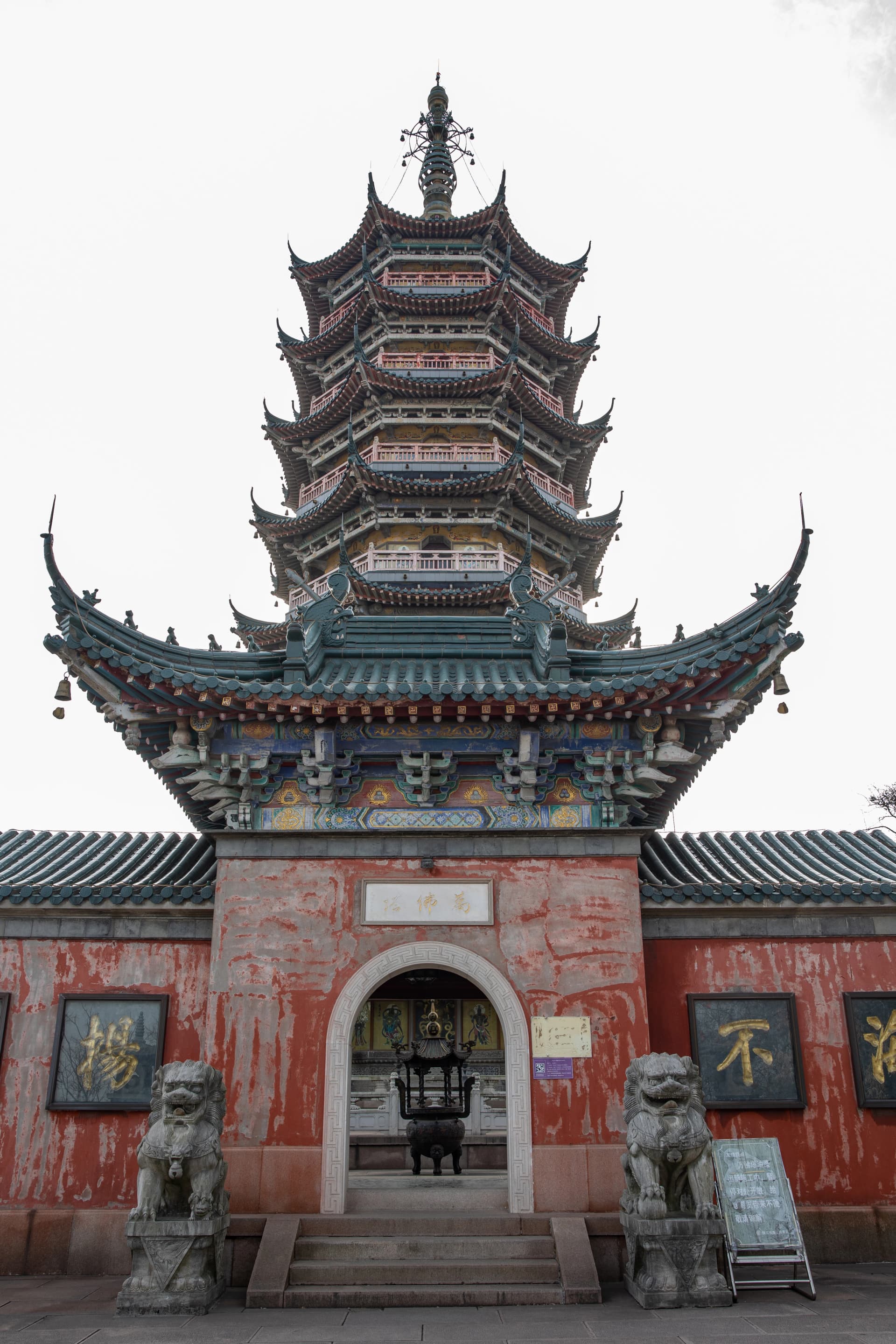
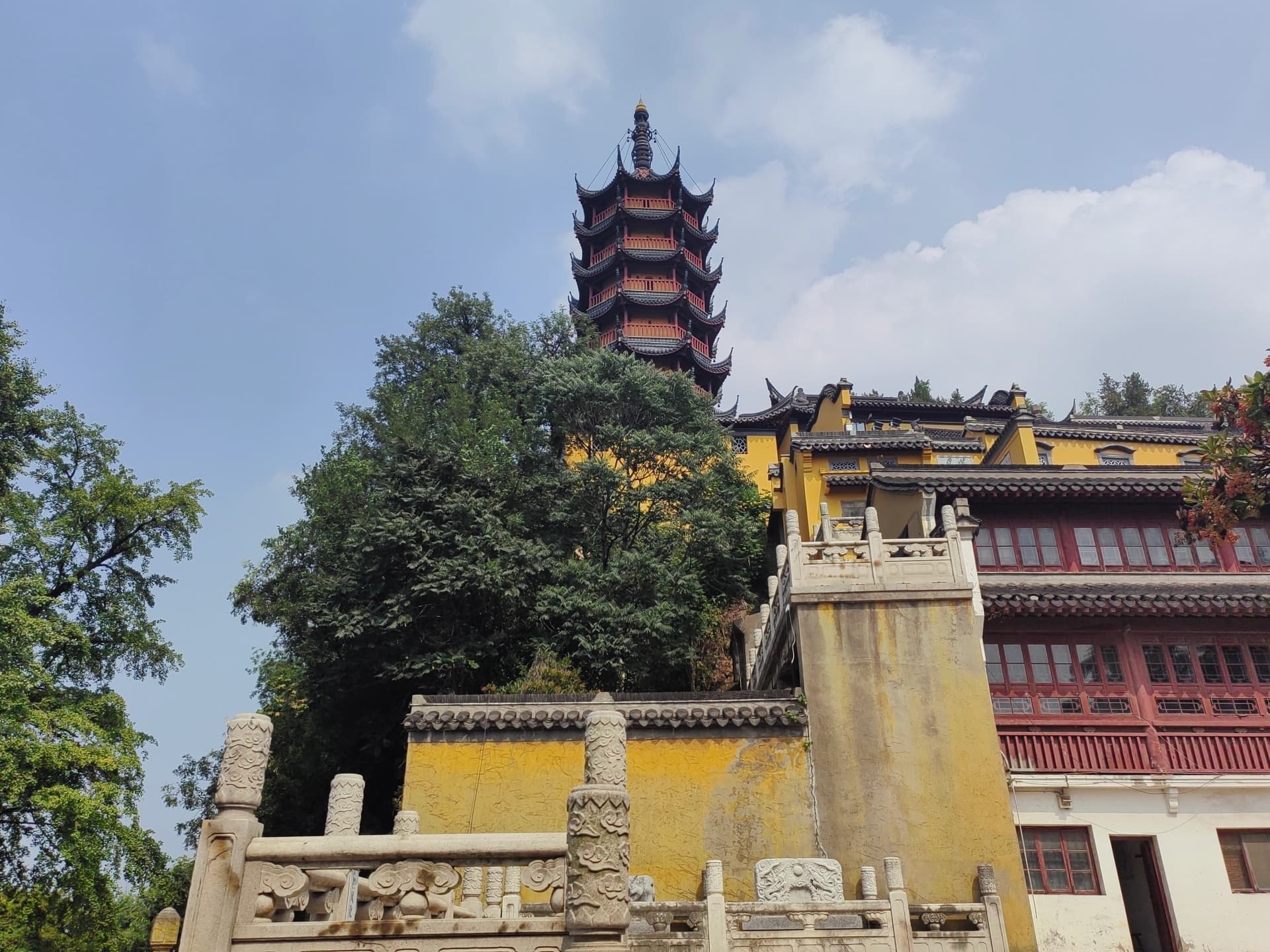
Photo: Cjsy2026 · Source · CC BY-SA 4.0
Island landscape, inscriptions and fortifications
The strongest reason to choose Jiaoshan is not simply another temple hill. Beilin and the cliff-inscription tradition give it unusual depth for travellers interested in calligraphy, while the batteries turn the river from scenery into strategic geography. Wanfo Pagoda supplies the higher landscape reward when the open route and your energy permit.
Secure the crossing and return first
Jiaoshan's south-side arrival normally depends on a water crossing, but wind, water level and operational decisions can change the day's gate. Before leaving your base, confirm:
- the open land-side gate and boarding point;
- whether the chosen admission includes the required crossing;
- the last practical return, not merely the final advertised movement;
- the fallback when the south crossing is suspended.
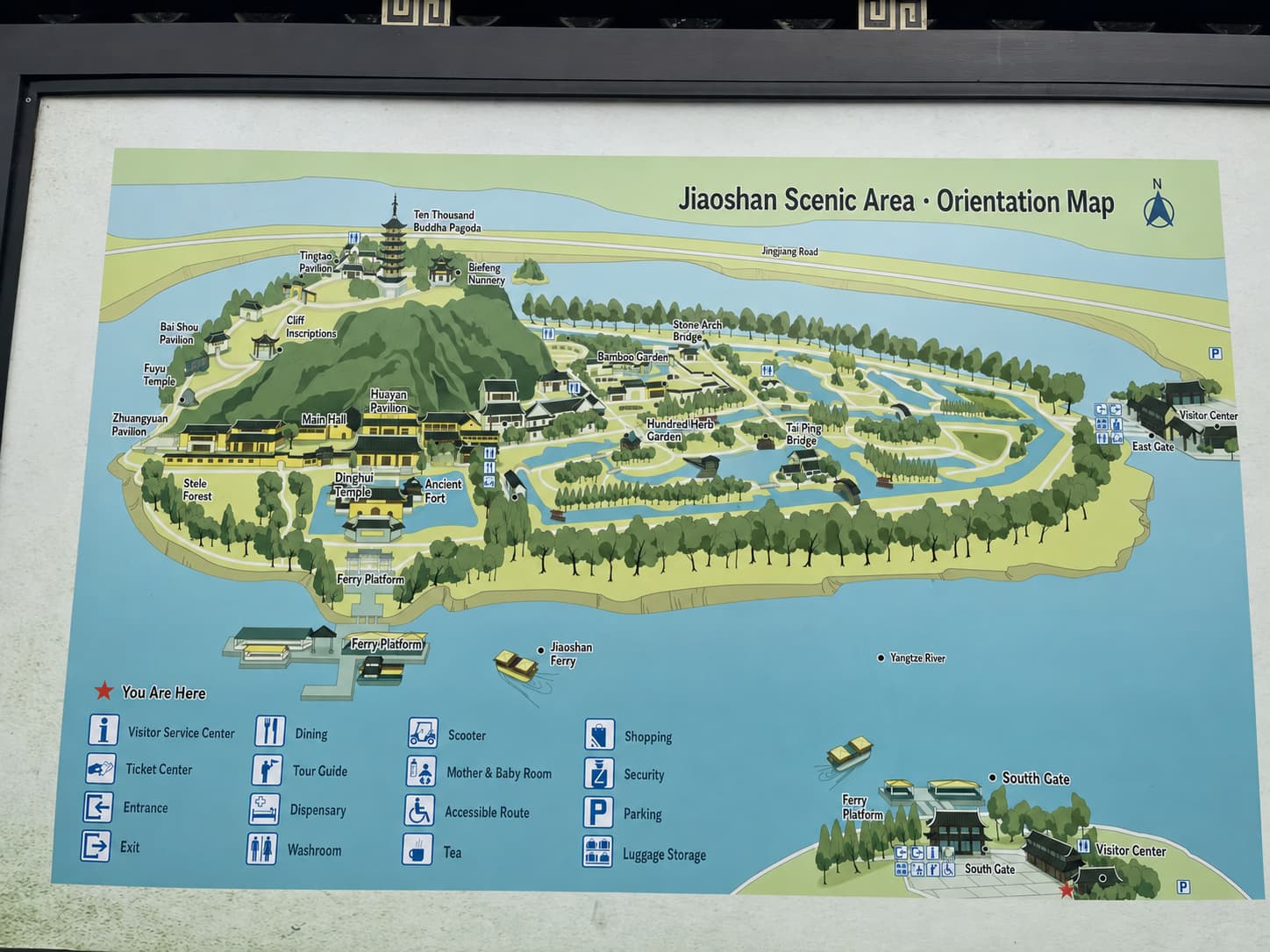
AMap resolved separate south- and east-side visitor centres but did not route across the water. Do not treat the road between those land nodes as permission to change gates after entry.
Build the island sequence
Choose a route depth after arrival:
| Depth | Core | Add when time and access work |
|---|---|---|
| Focused | Dinghui Temple → Beilin → selected cliff-inscription layer | Short river-edge continuation |
| Fuller | Temple and inscriptions → historic batteries → higher pagoda branch | Slower landscape loop and interpretation pauses |
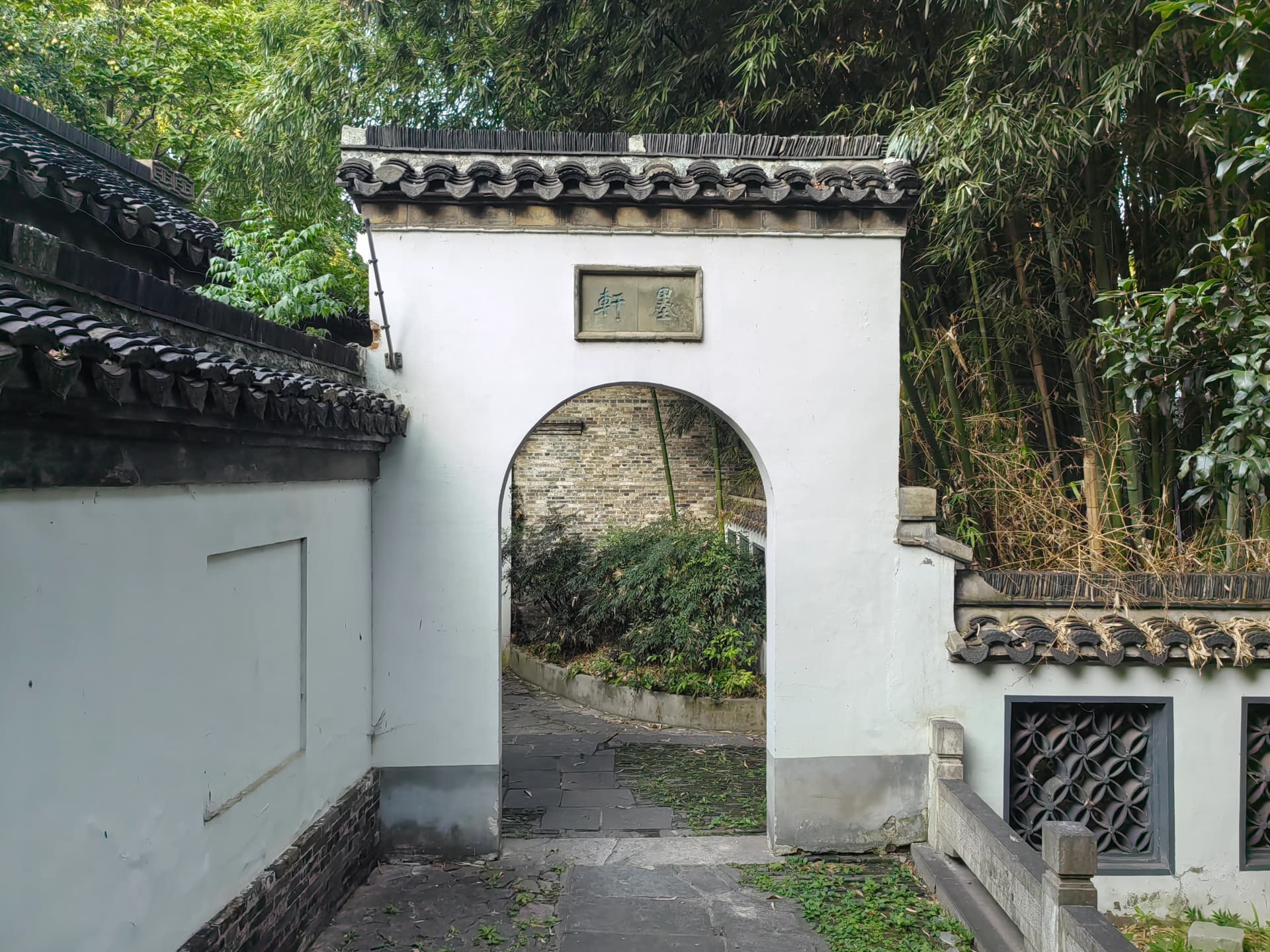
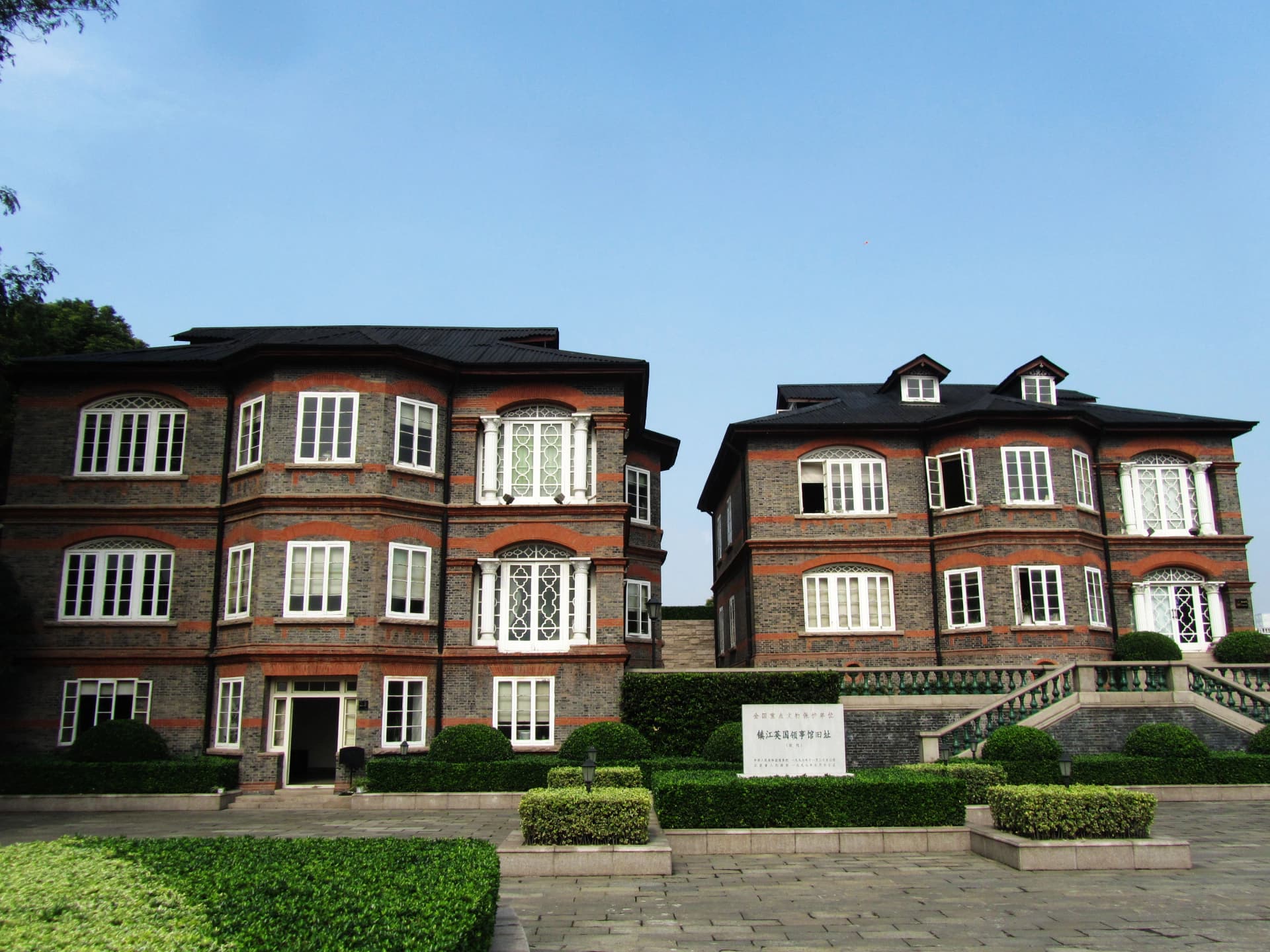
Photo: Yumeto · Source · CC BY-SA 4.0
The focused product protects Jiaoshan's distinctive value without turning the visit into a climb checklist. Use the fuller route only when the return margin remains comfortable.
Beilin and cliff-inscription focus
Slow down at Beilin. Instead of trying to decode every stone, choose a few inscriptions and compare script, scale, surface and placement. The Yihe Ming tradition is the interpretive anchor, connecting calligraphic history to the island's cliffs and the long movement of texts between original setting, fragments and curated display.
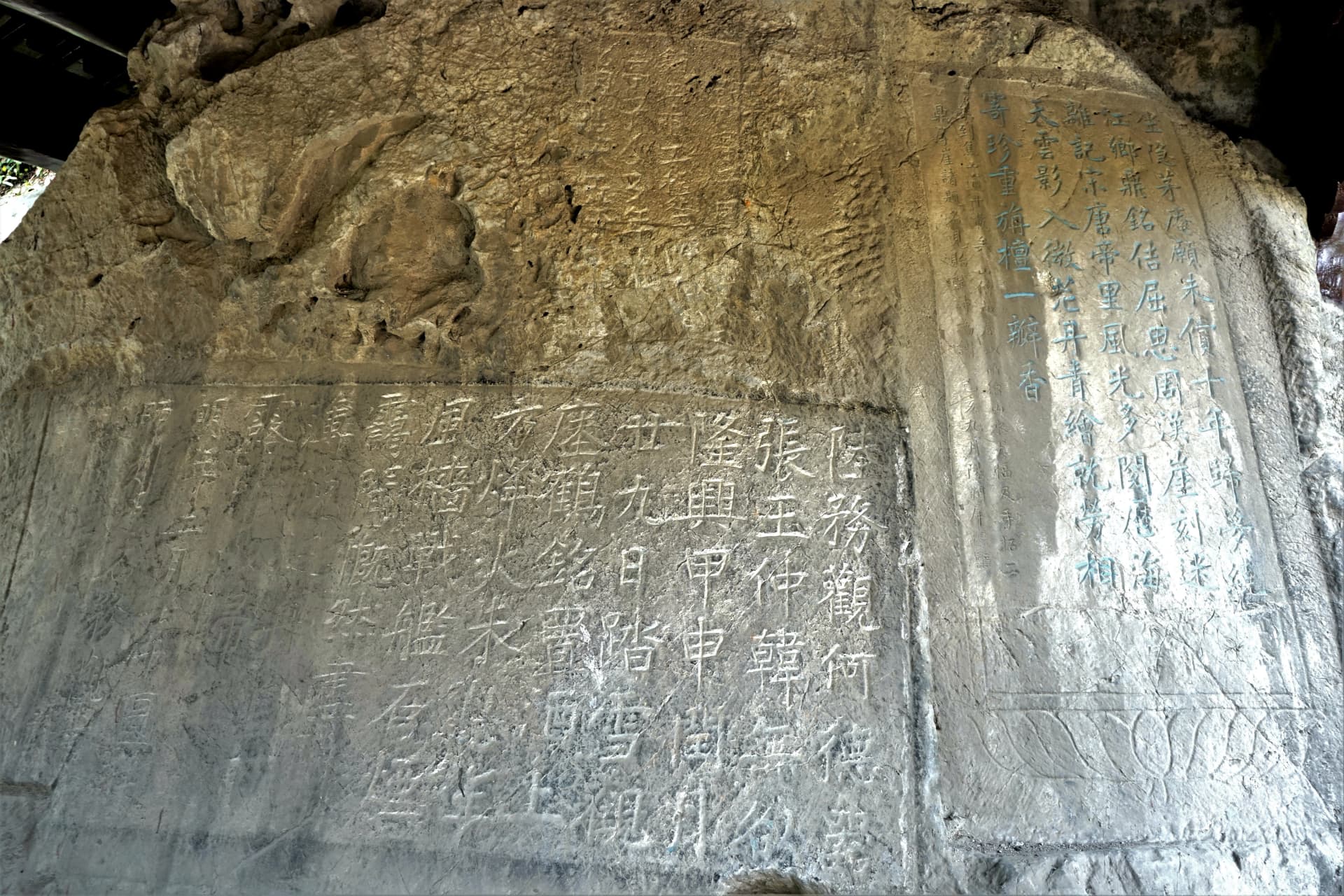
Photo: Cangminzho · Source · CC BY-SA 4.0
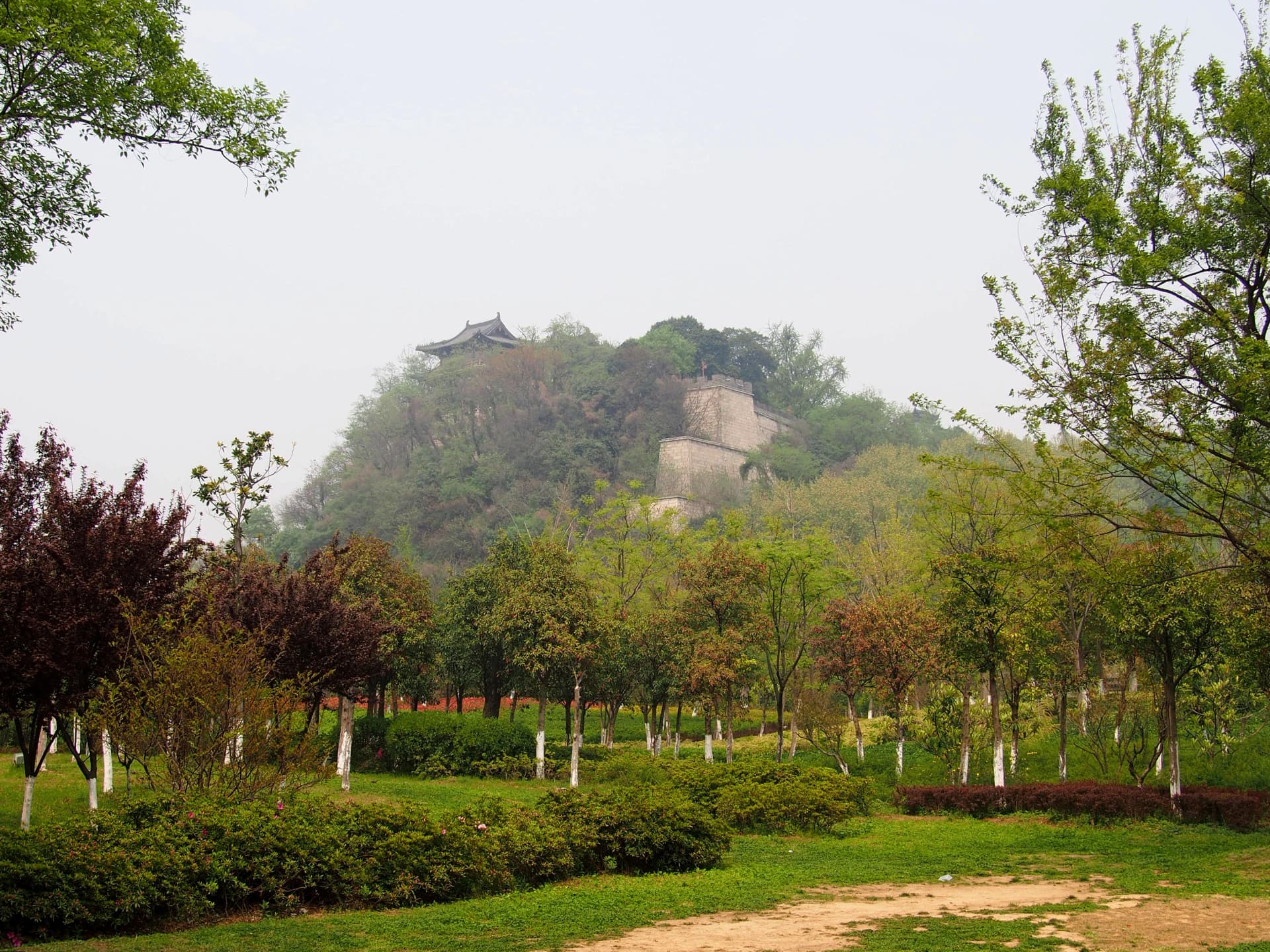
The batteries add another reading of the site. Their position makes sense only when you look back to the Yangtze approach and imagine defence rather than a decorative ruin.
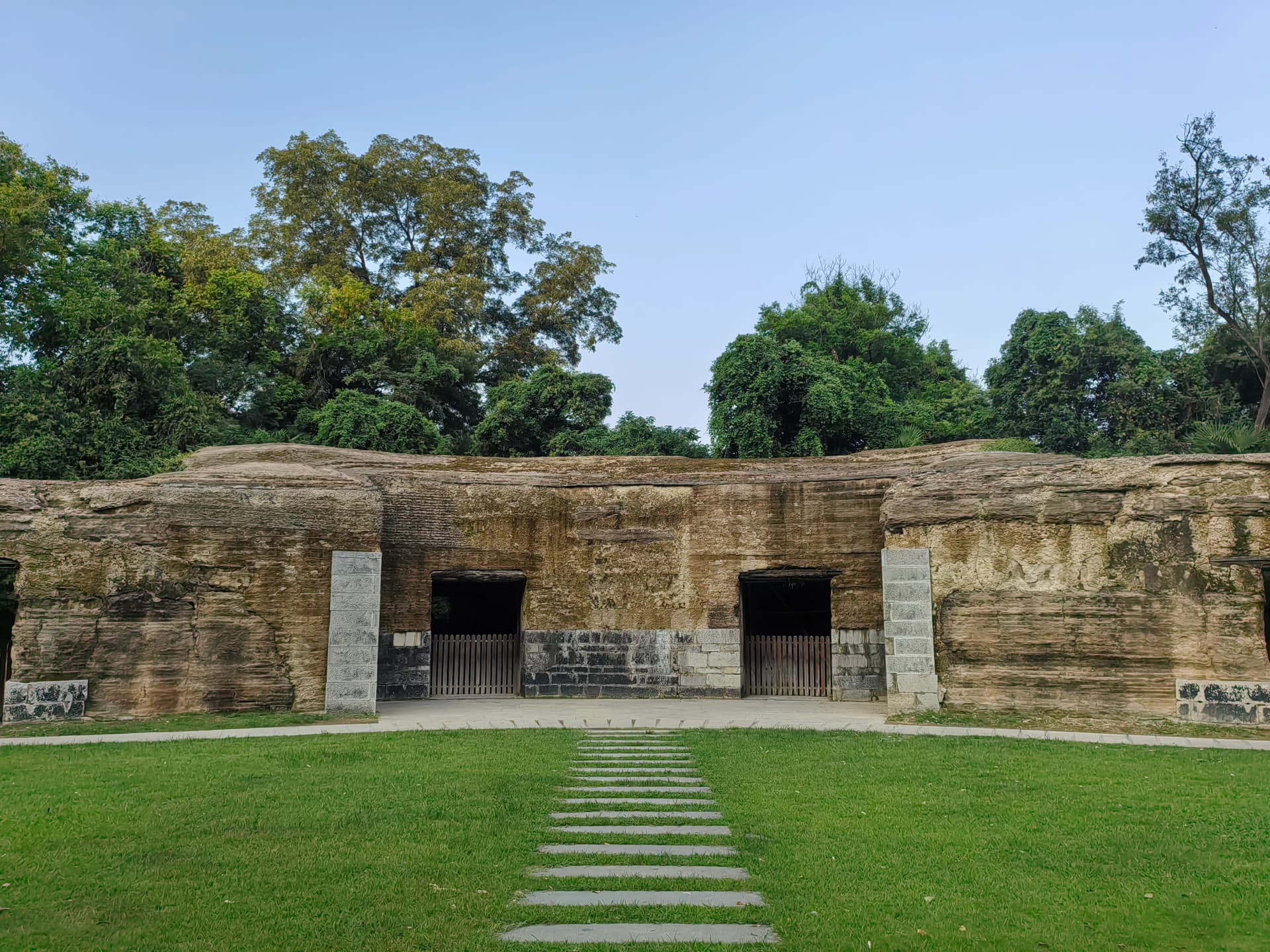
Photo: Yumeto · Source · CC BY-SA 4.0
Ferry, weather and water-level gate
There is no safe evergreen ferry timetable. Local 2026 notices show that strong wind can stop the crossing while the scenic area redirects visitors to a land-side gate. Check the official scenic notice on the morning of travel and leave an independent return buffer.
Boats within the scenic area, a shuttle between gates and a particular island route are not guaranteed parts of admission. If the crossing is the highlight, do not place Jiaoshan immediately before a fixed train.
Tickets and passport
Check current Jiaoshan admission and ferry options on Trip.com. The attraction shelf identifies Jiaoshan but does not prove that every resource includes a round-trip crossing. Read the exact inclusion, date, gate, cancellation, accepted document and redemption method.
The public supplier surface did not close a dependable foreign-passport workflow. Carry the original passport and confirm staffed redemption before payment. If the resource cannot name the crossing clearly, use the current official channel or ask the scenic area before booking.
The dated AMap model placed Zhenjiang Station about 7.3 km / 19 minutes by car from the south visitor centre and Beigushan about 5.1 km / 14 minutes by car away. Those are land-side planning snapshots, not ferry or taxi guarantees.
English route maps
Use these diagrams to compare routes, zones, floors, and visit order. Operating routes can change, so follow current signs and staff instructions on the day.