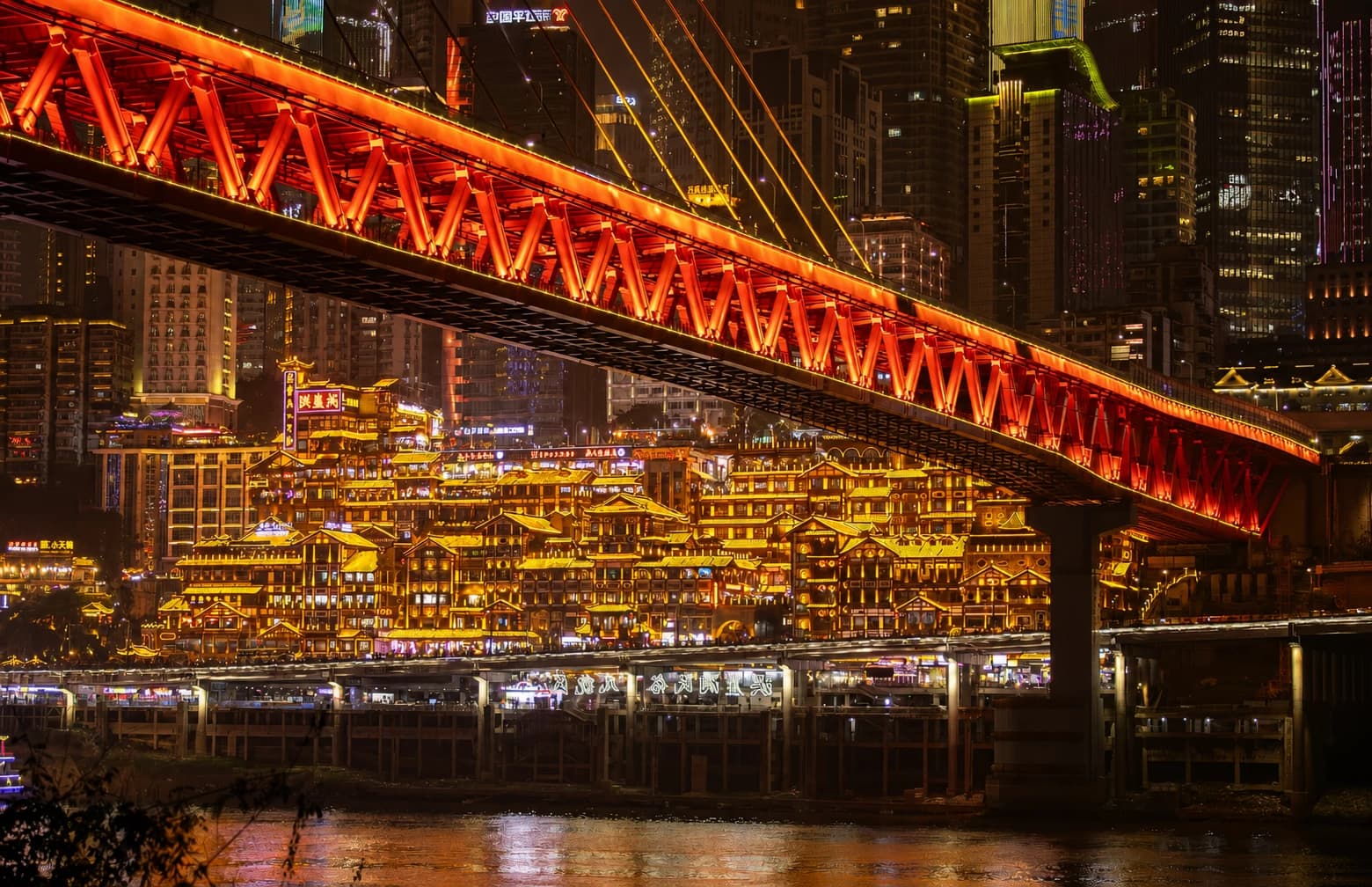
Chongqing
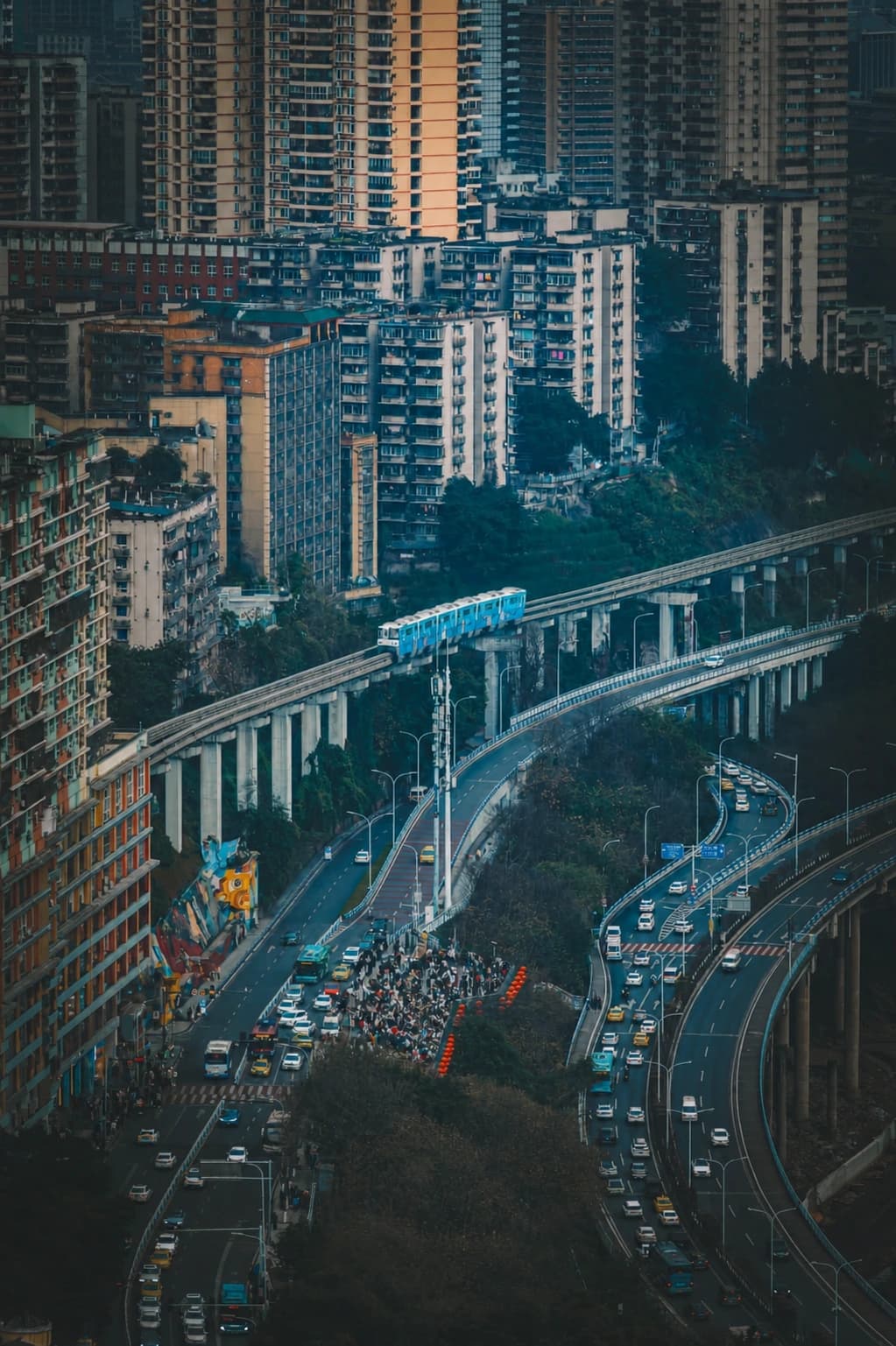
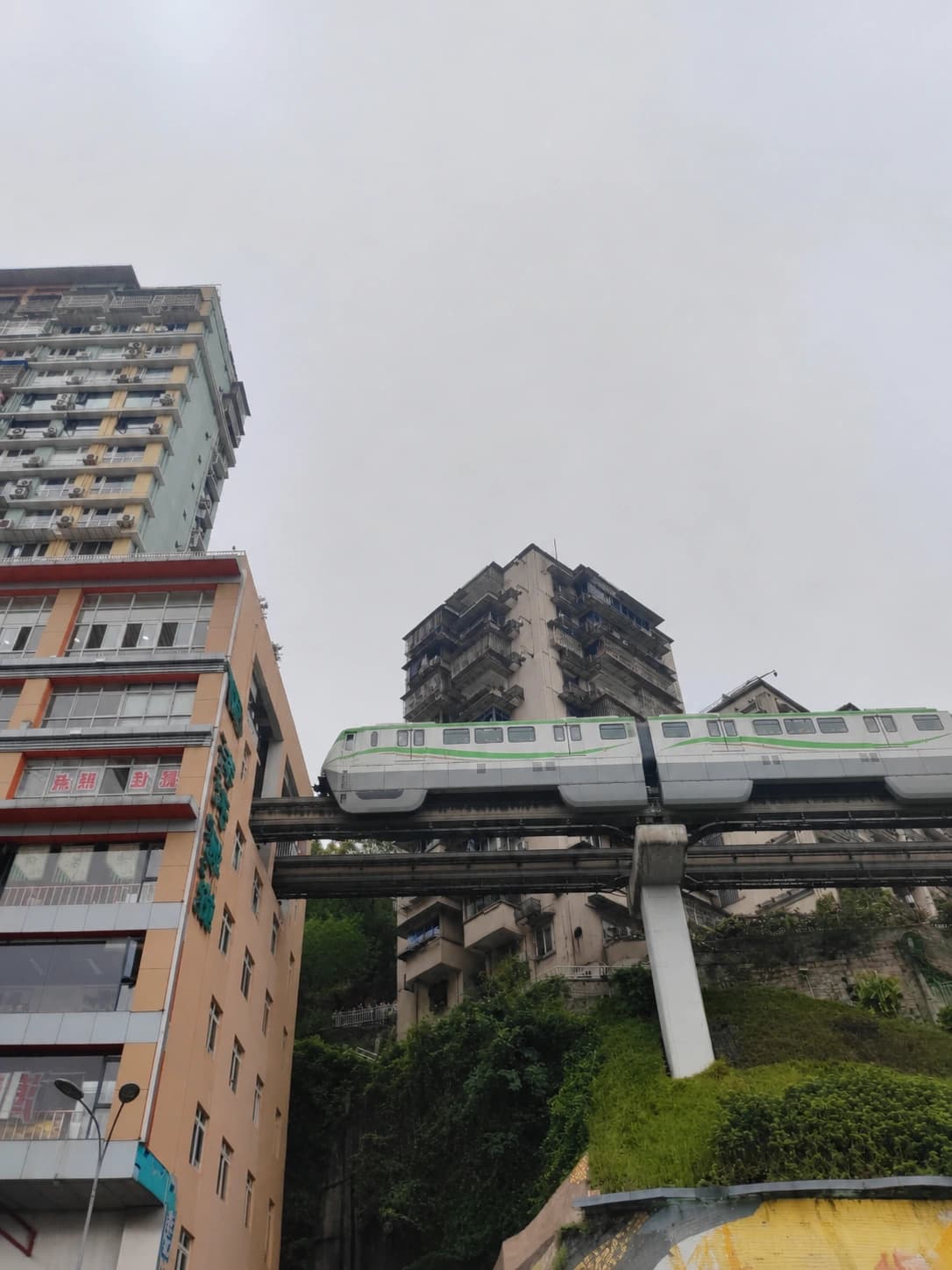
Chongqing rewards travelers who stop thinking in flat-city distances. A place that looks 600 metres away may sit several escalators, staircases or road levels above you; two addresses can share a map pin while their usable entrances face different streets. The city's real character lives in that compression: monorails meet apartment blocks, guild halls sit below towers, and river views appear between ordinary lanes.
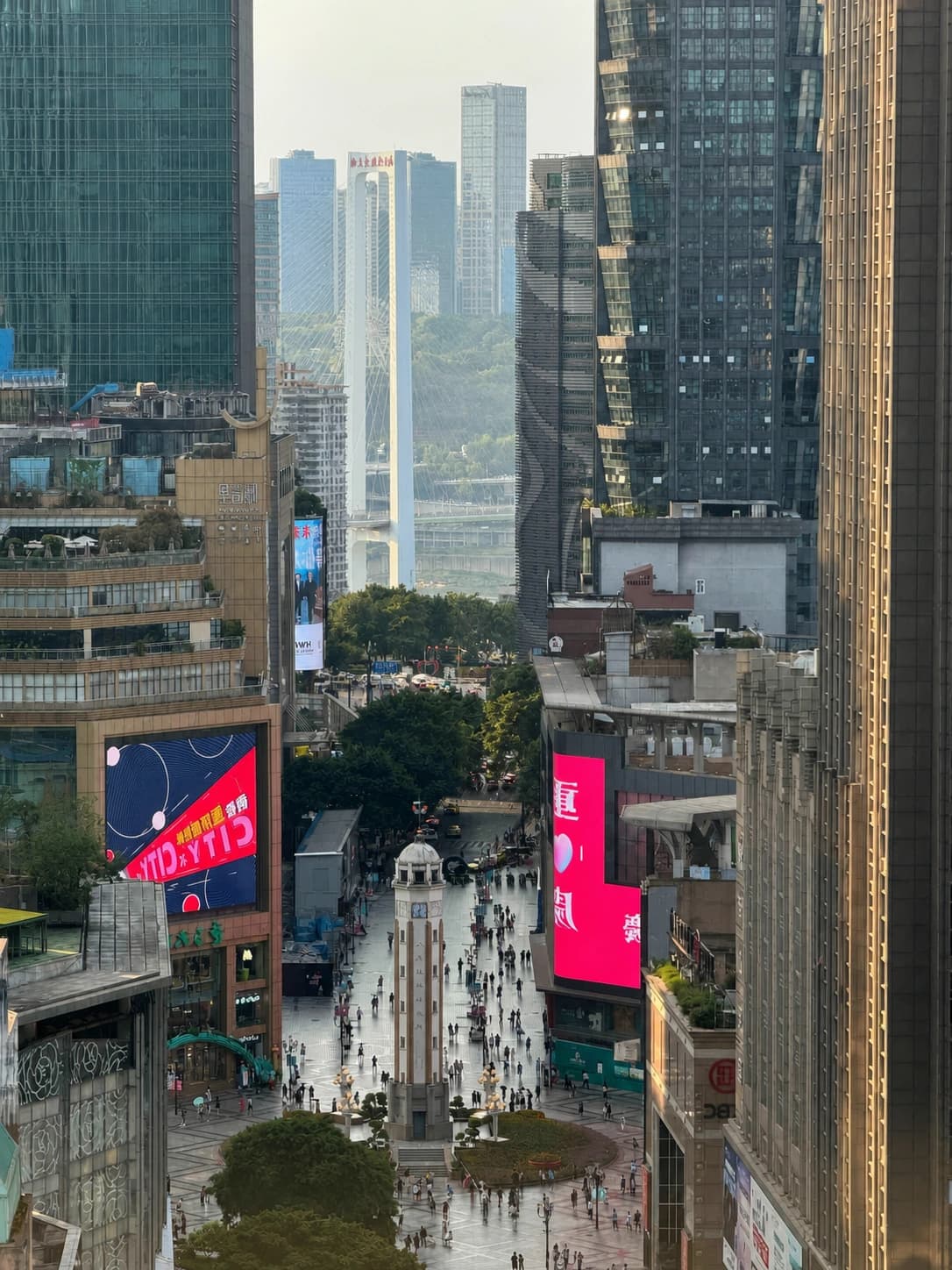
For a first visit, choose one geographic cluster per half-day. Keep the high-performing classics—Hongya Cave, Jiefangbei, Liziba, Chongqing Zoo and the Yangtze River Cableway—but connect them in an order that respects the hills.
Which Route Should You Choose?
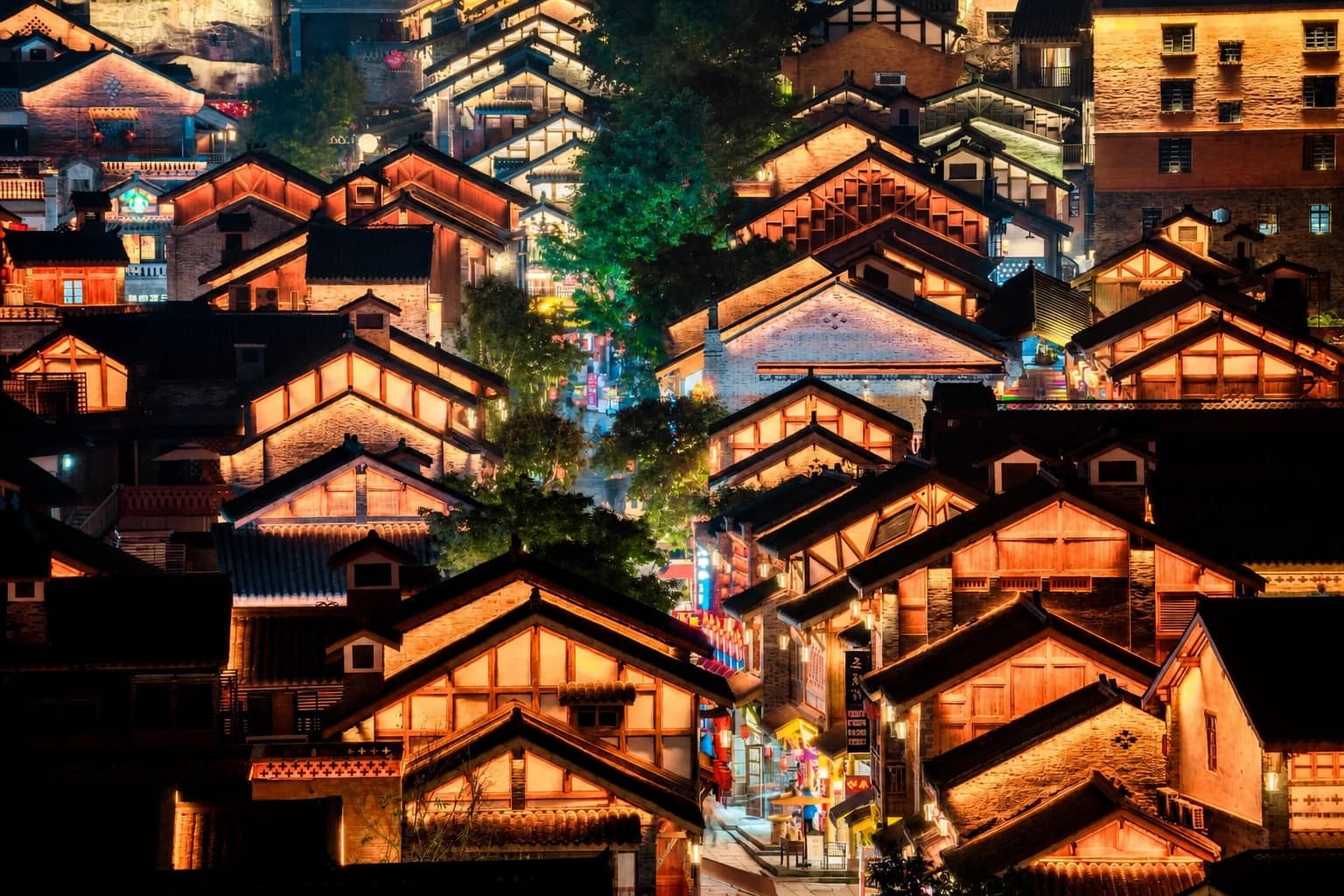
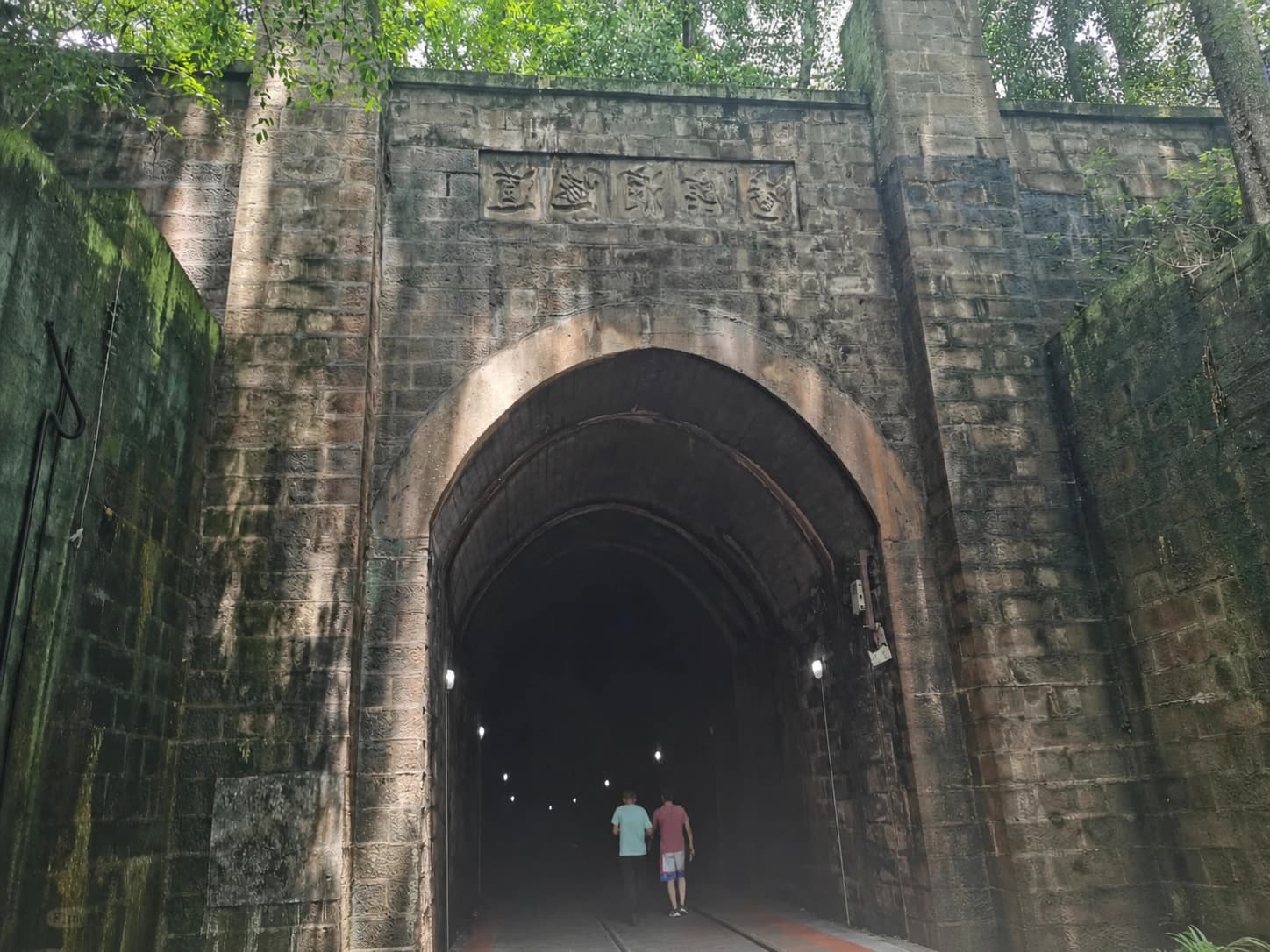
- Choose the terrain-smart 3-day route for a first trip. It covers 13 classics in three coherent clusters and includes a cableway-closure fallback.
- Choose the 2-day route if your priority is a fast central-city overview and you accept long, active days.
- Choose the 4-day route when you want more recovery time between slopes and night views.
- Choose the 5-day route for deeper neighborhood coverage; do not compress it merely to collect more pins.
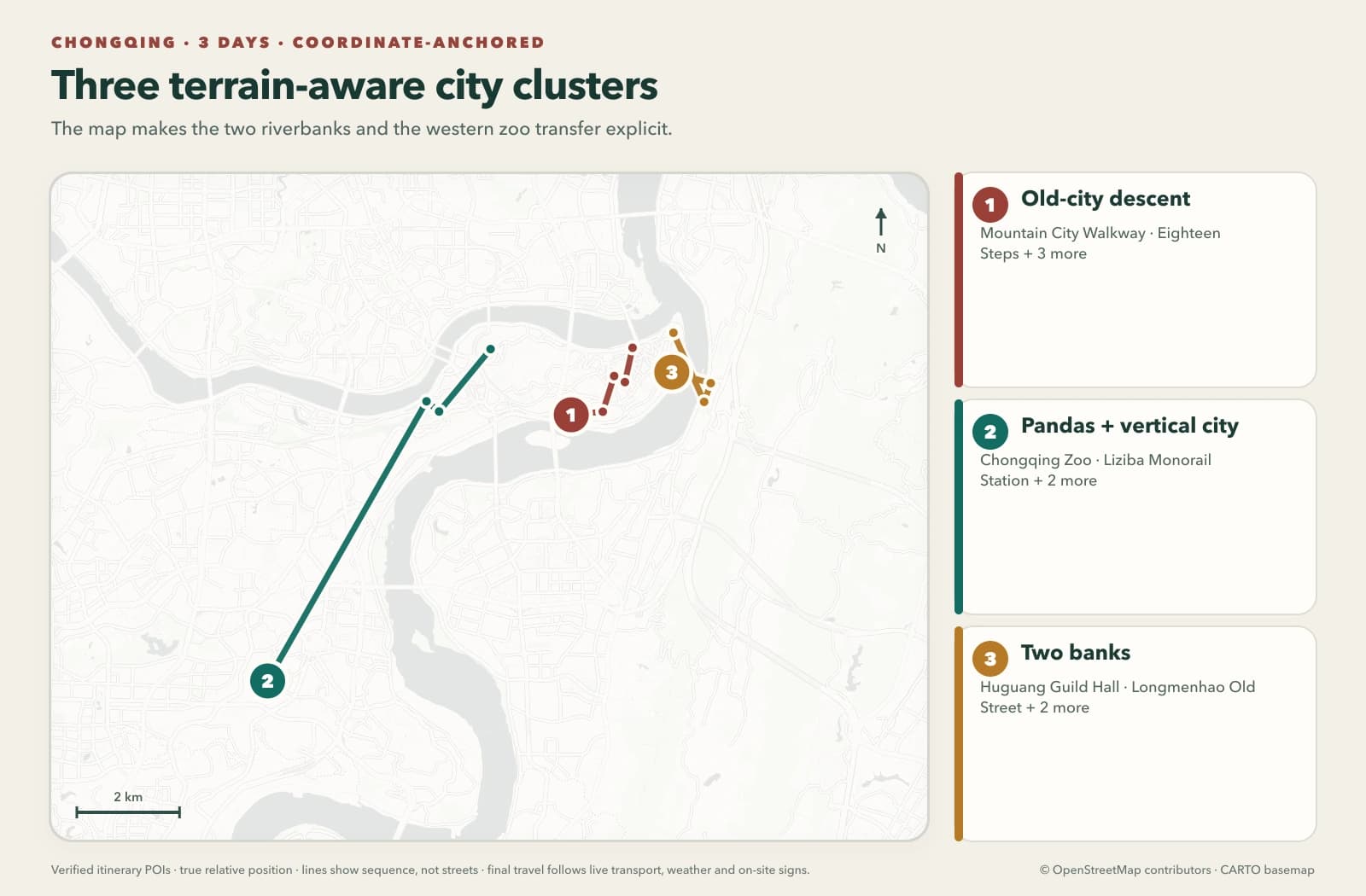
The route diagram is not to scale. Its walking and driving times are planning estimates, not live traffic, and the short climb from Liziba to Eling is deliberately marked as strenuous. In heat, rain or with limited mobility, take a ride uphill and save your walking for the places where the street itself is the experience.
Book the Fragile Pieces First
Most public streets and viewpoints do not require elaborate planning. Two stops do:
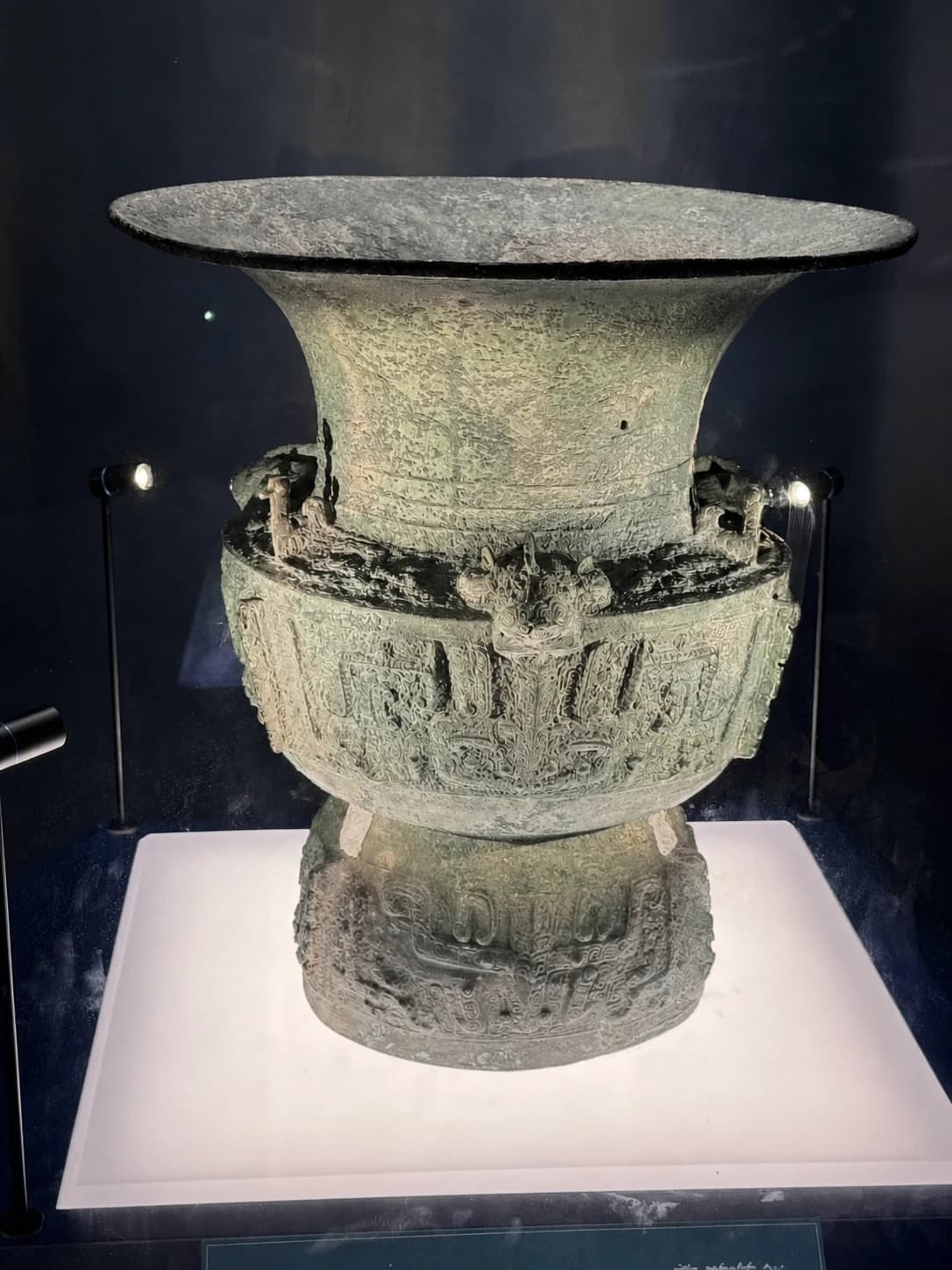
- Three Gorges Museum: check the museum's current official calendar and reservation channel before departure, then carry the original passport used for the booking. Do not rely on unofficial “priority entry” bundles. If it is closed or sold out, use the People's Auditorium exterior and public square as the same-area fallback.
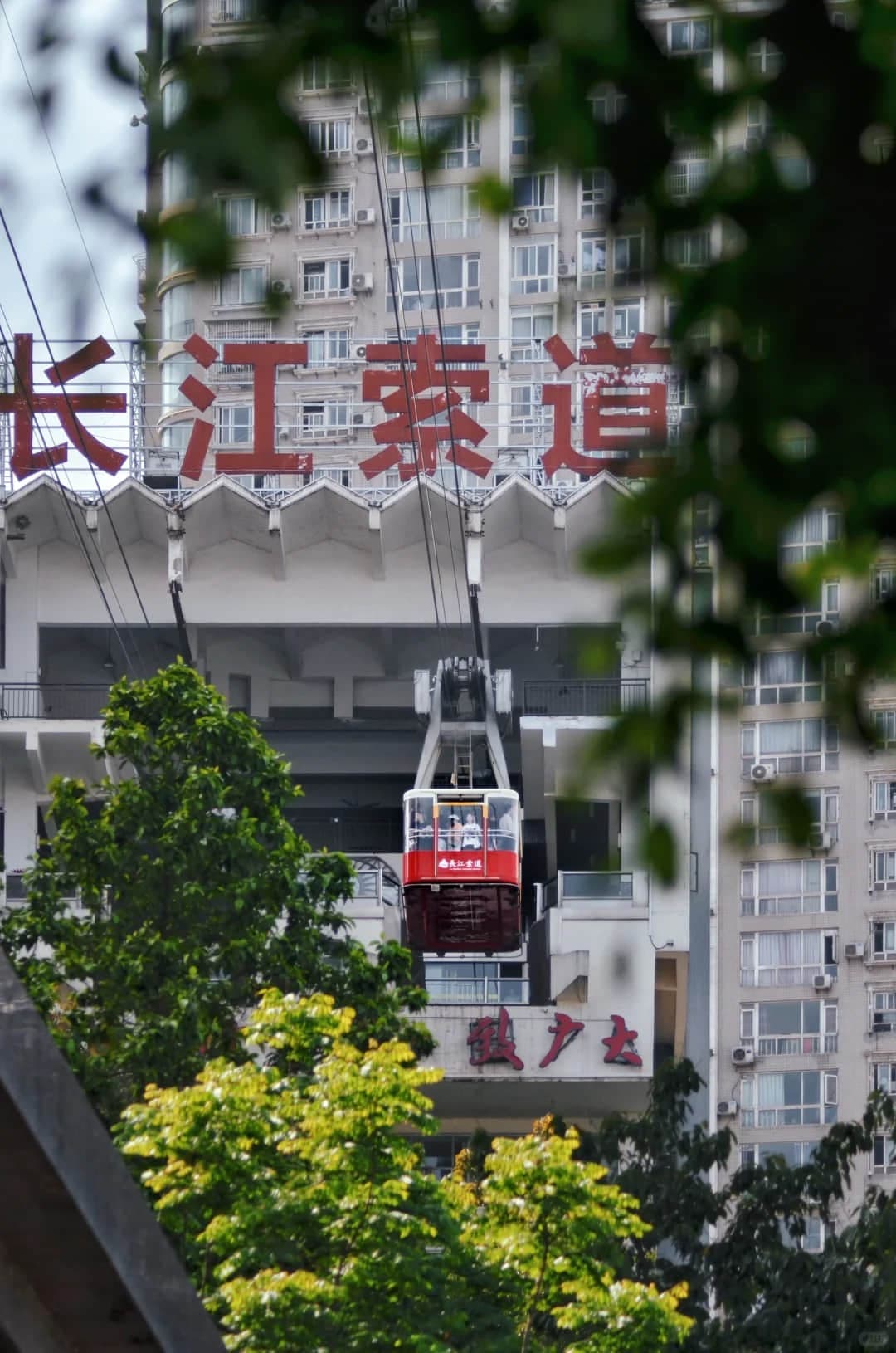
- Yangtze River Cableway: maintenance and operating controls can interrupt service. Check the current notice and inventory on the day; Chongqing's government has published short maintenance closures before. The south-to-north ride fits the 3-day route, but metro or taxi preserves the same route when service is unavailable. Check the current Trip.com cableway listing after verifying the live operating notice.
Do not hard-code your evening around a supposed Hongya Cave lighting time. Arrive around dusk, see the complex before and after dark, and keep the exterior river view as the priority if interior crowd controls make circulation slow.
How to Read the “8D City” Without Chasing Photo Pins
The useful question is not “Where is the most viral angle?” but “What made this building solution necessary?”
- At Liziba, watch how public transport, housing and a steep riverbank occupy one vertical slice.
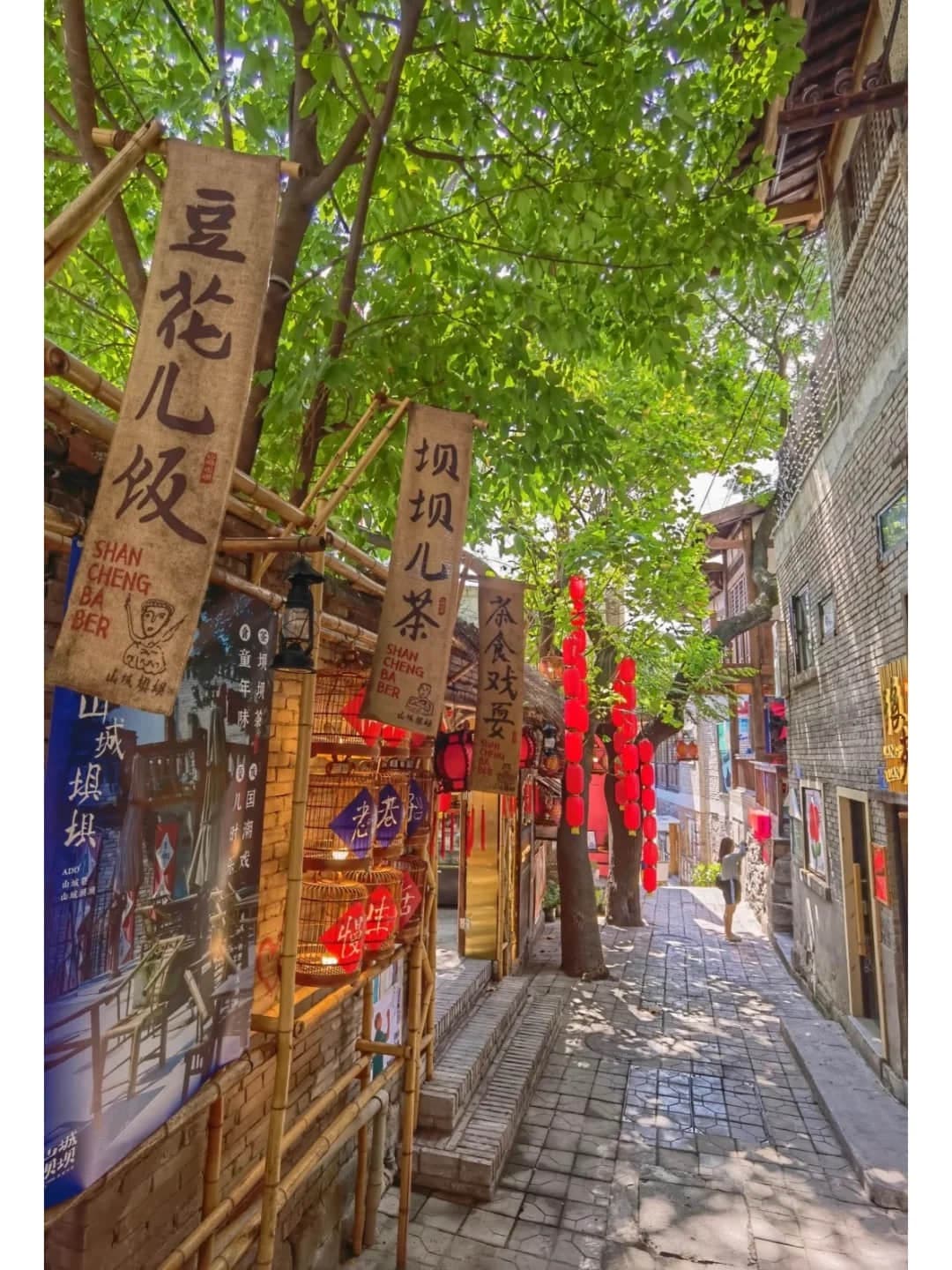
- At Mountain City Walkway, notice retaining walls, stair streets and entrances that serve different elevations.
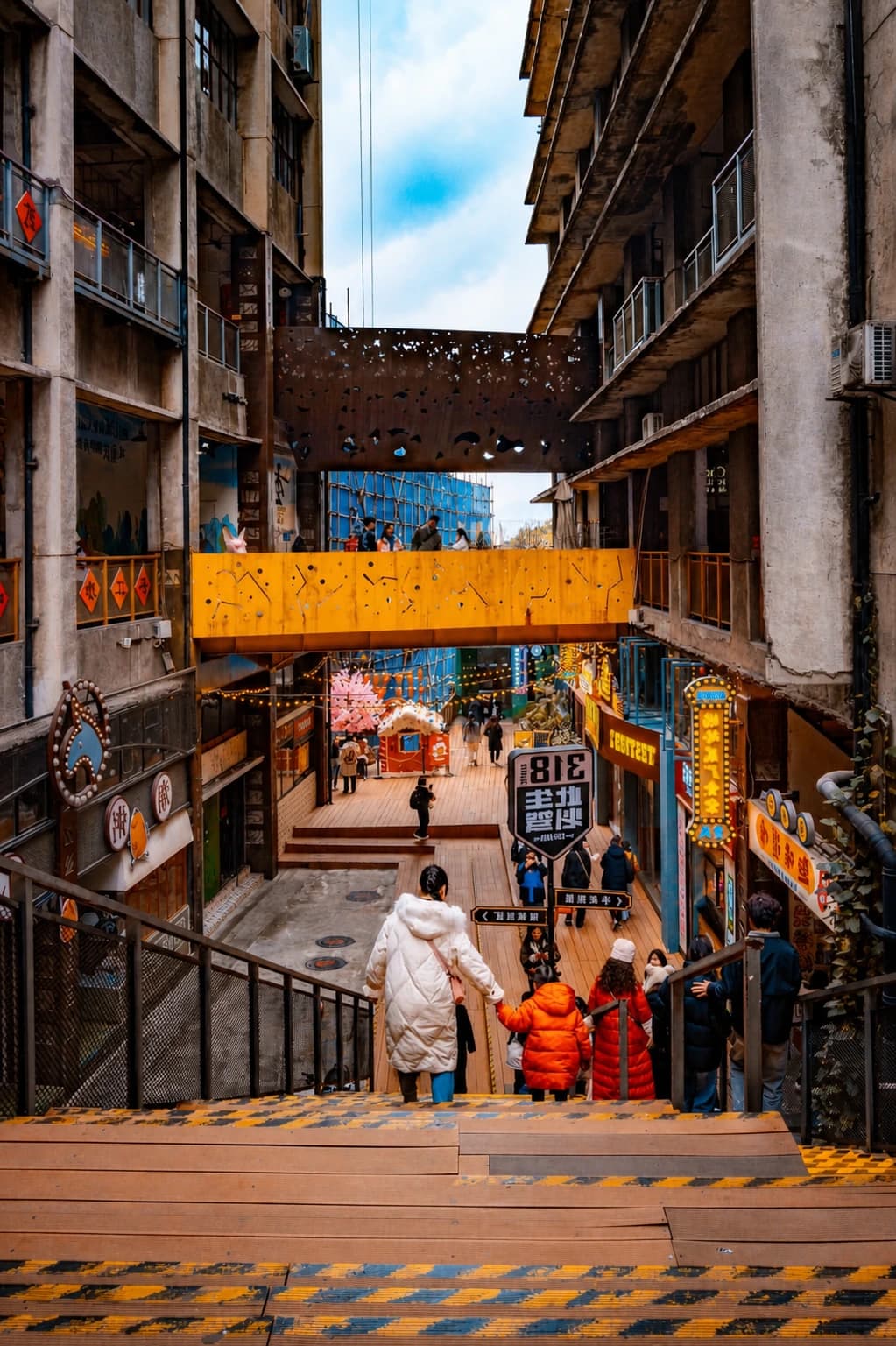
- At Eling Factory, compare reused industrial frames with the modern skyline; individual studios may change, but the structure remains the story.
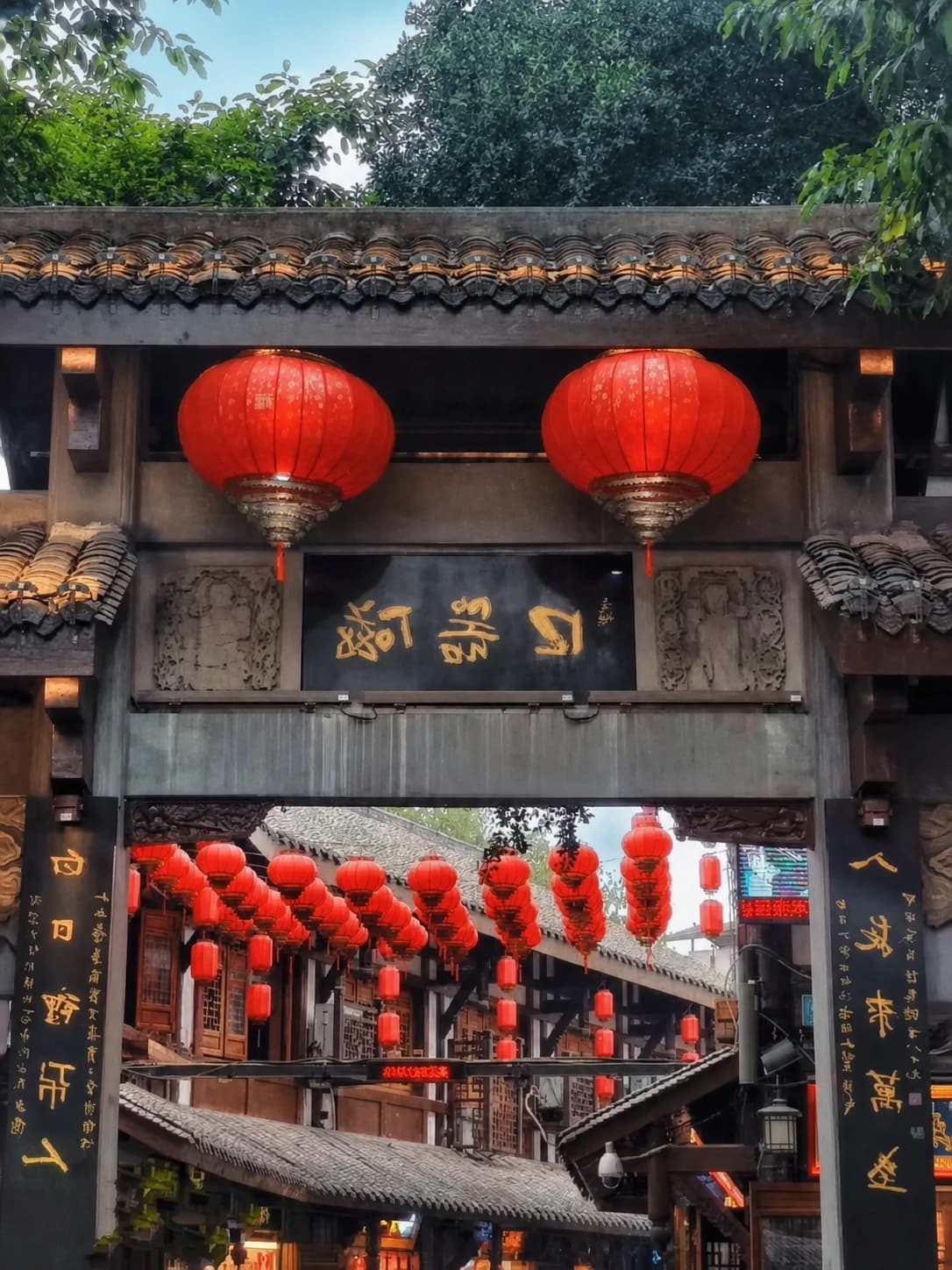
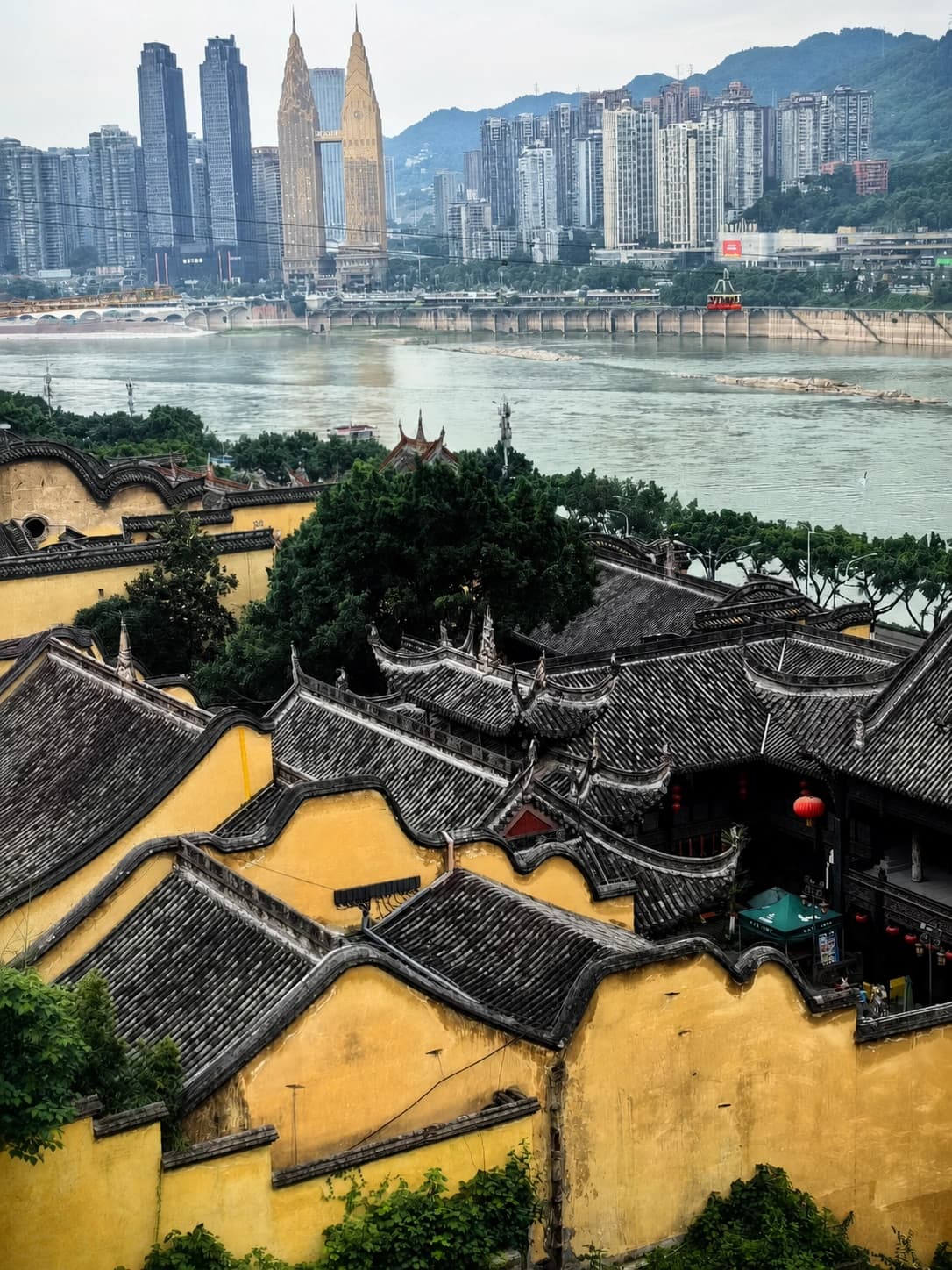
- At Huguang Guild Hall, read carved timber and courtyards as evidence of merchant and migration networks.
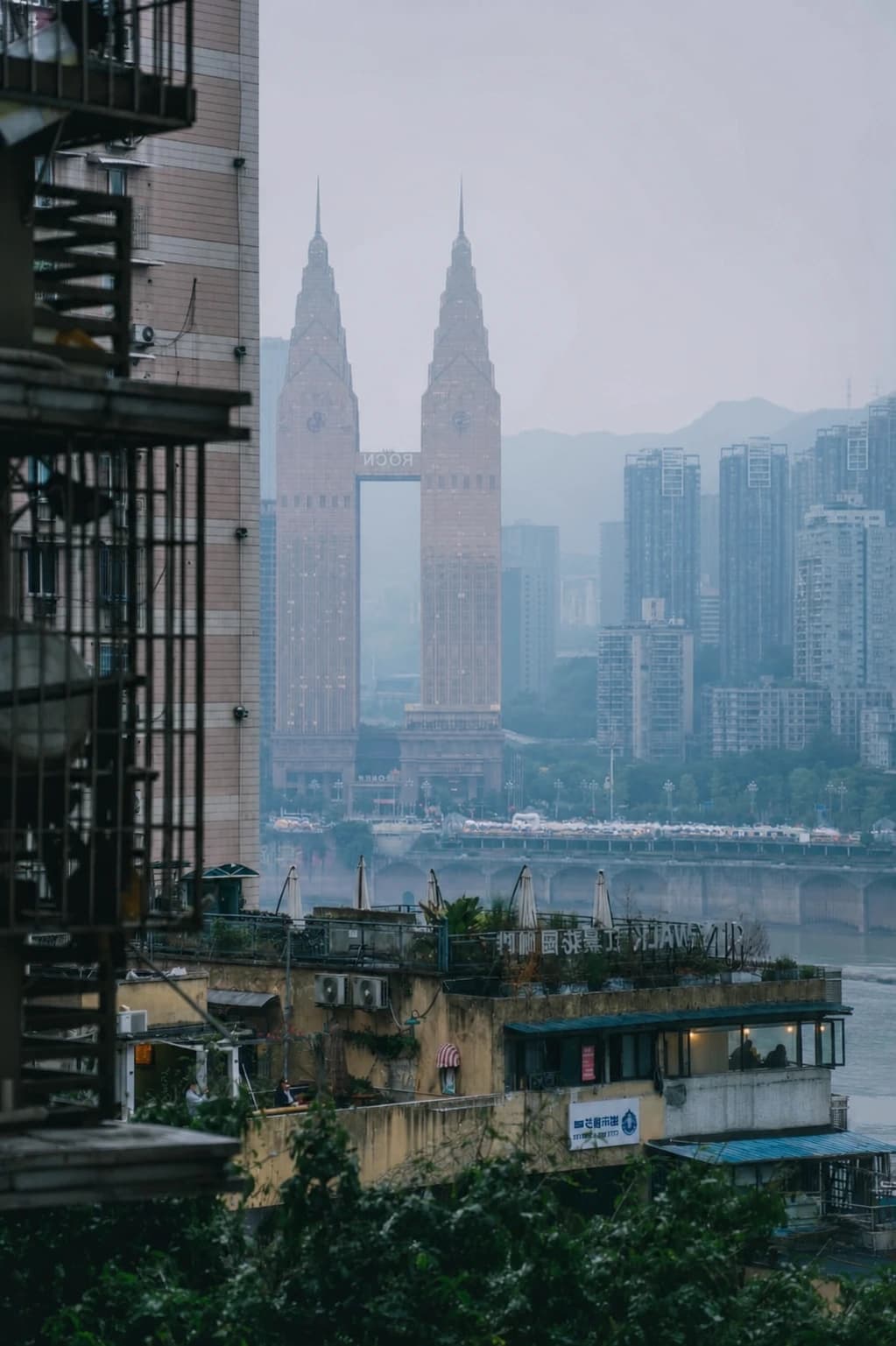
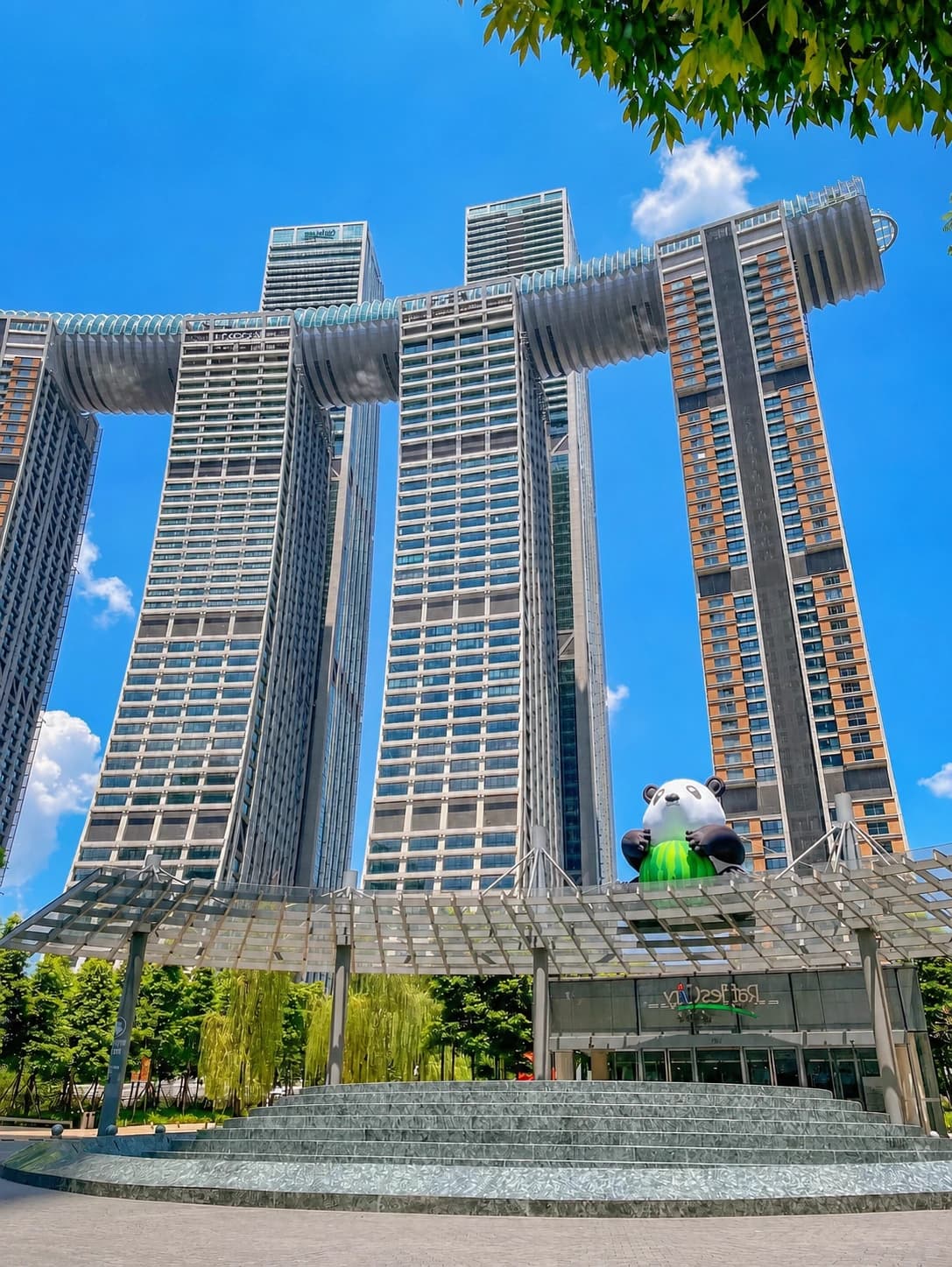
- At Raffles City, step back toward the confluence before looking up. The complex makes more sense as an urban gateway between two rivers than as an indoor shopping stop.
What to Eat—and How to Choose
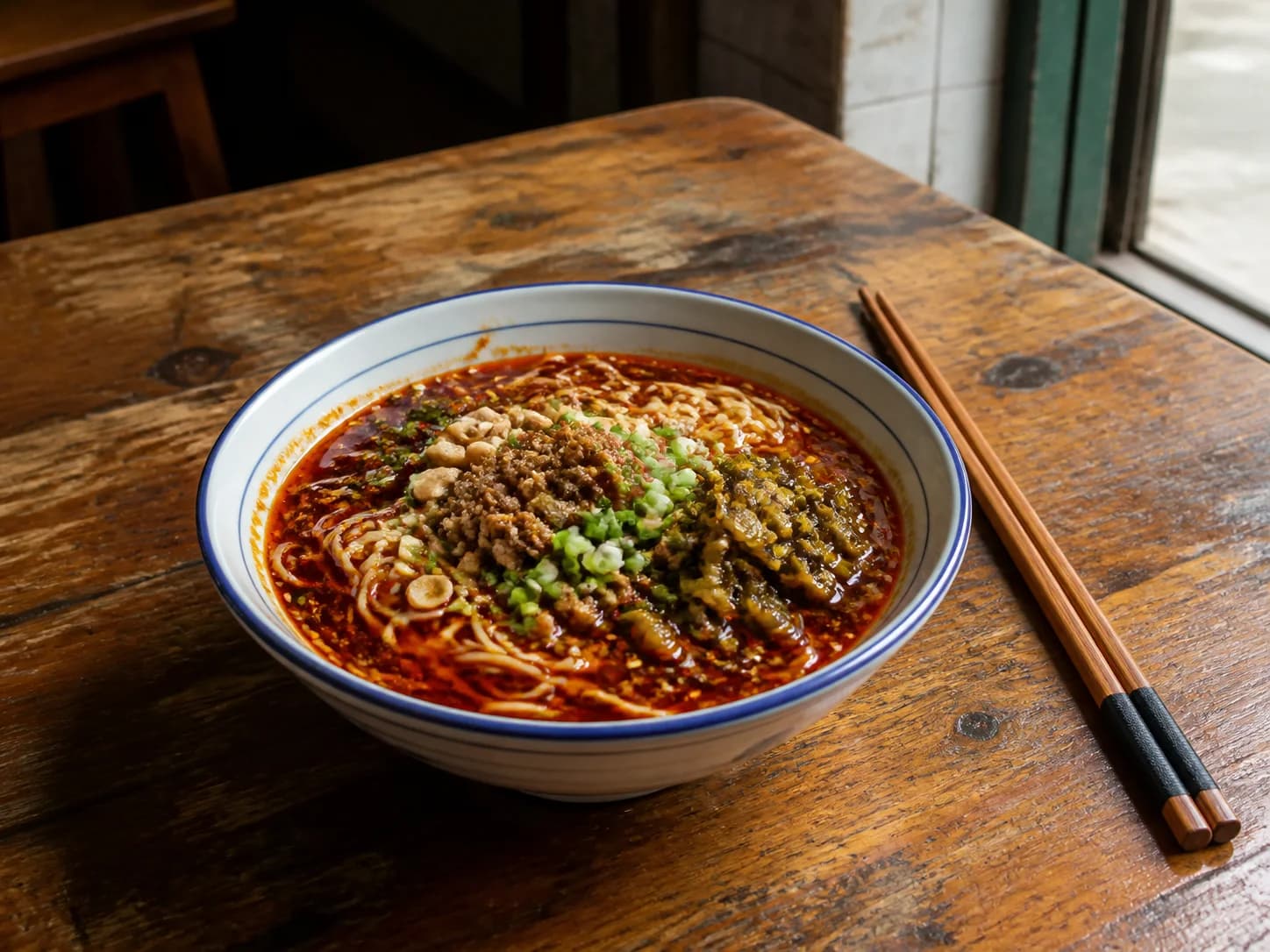
Chongqing xiaomian for breakfast
Small noodle shops are often a better breakfast choice than a famous destination restaurant. Look for a short menu, visible turnover and bowls cooked to order. A useful request is wei la (微辣, mildly spicy), but remember that “mild” remains relative. Taste before adding more chili oil.
Hot pot as an evening commitment
Hot pot is a meal, not a snack between attractions. Choose it after the walking portion of the day, allow ventilation and recovery time, and order a divided pot if your group has different spice tolerances. Start with vegetables, tofu, meat or familiar cuts before committing to tripe and duck intestine. A busy local dining street near your hotel is often more practical than crossing the city for one branch whose queue, address or reputation may change.
Bayi Food Street as a sampler
Use Bayi for one freshly cooked item, not five rich dishes in succession. This keeps the stop useful while leaving room for a proper dinner. Avoid choosing a stall solely from a static social-media recommendation; current queue, hygiene, turnover and whether the food is cooked in front of you matter more.
Where to Stay
Jiefangbei: best for a first visit
Stay here if you want walkable evenings, dense metro coverage and easy returns after Hongya Cave. The trade-off is crowding, more tourist-facing restaurants and hotels whose vehicle entrance may sit on a different level from the pedestrian entrance. Ask the hotel for the Chinese address and exact drop-off level.
Daping or Shapingba: better value and west-side access
These areas suit repeat visitors, longer stays or travelers prioritizing the zoo and western districts. You gain more everyday dining and often better room value, but lose the convenience of stepping out into the classic Yuzhong nightscape.
Nanbin Road or Shangxinjie: river views and a quieter evening
Choose the south bank for skyline views, Longmenhao access and a calmer base. Confirm the walking gradient between the hotel and metro: “near the station” can still mean a steep final approach. This base is less efficient if most of your plans are west of central Yuzhong.
Near Chongqing North or West station: only for an early train
Station-area hotels solve a transport problem, not the sightseeing day. Use one for a very early departure or late arrival; otherwise stay in a district where you will actually spend the evening. Compare current Chongqing hotels on Trip.com, checking the precise branch, entrance level and nearest metro exit before booking.
Getting Around Without Losing Energy
- Use the metro for cross-city movement and taxis or ride-hailing for short uphill connections.
- Save a Chinese screenshot of each destination and map location; English names can return the wrong branch or entrance.
- Do not trust a walking route that ignores stairs, closed passages or elevation. Ask whether the destination is above or below your current road.
- Carry light rain protection and shoes with grip. Wet paving changes an easy downhill walk into a tiring one.
- In summer, place exposed bridges and hillside lanes early or late, then use museums and malls as midday shelter.
- At night, arrange a clear pickup point on a named road rather than asking a driver to find you inside a multi-level complex.
Trending Attractions in Chongqing
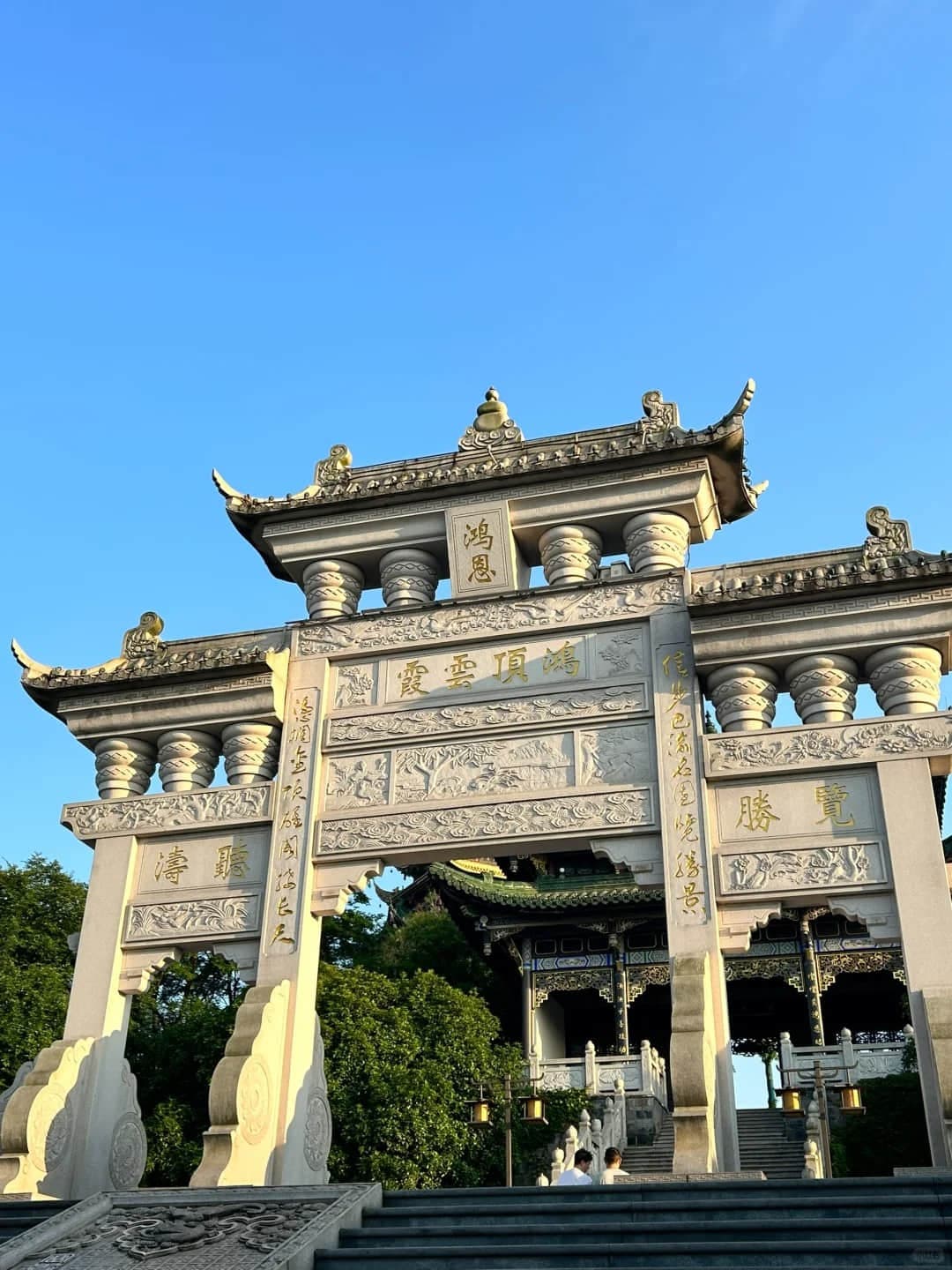
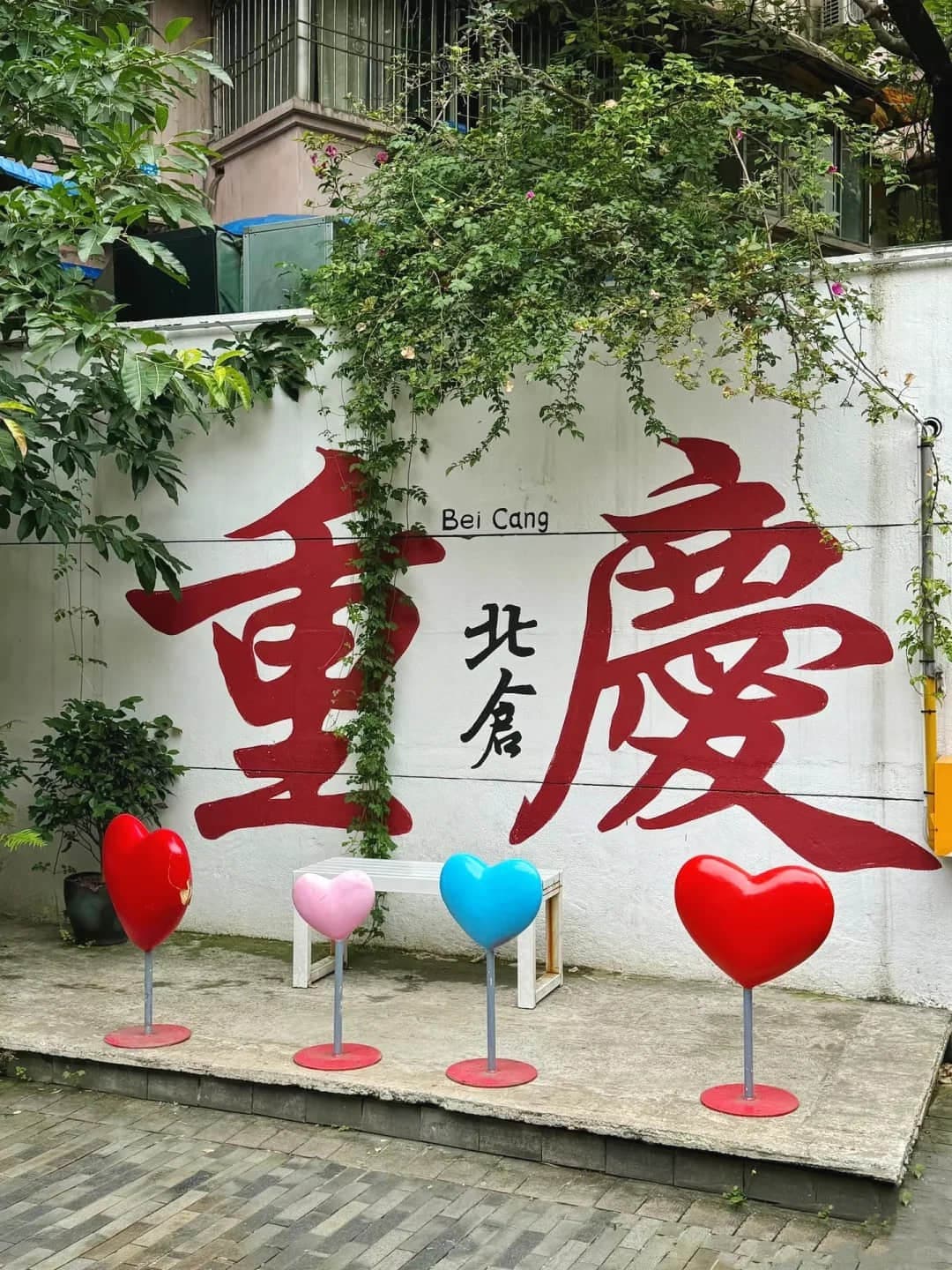
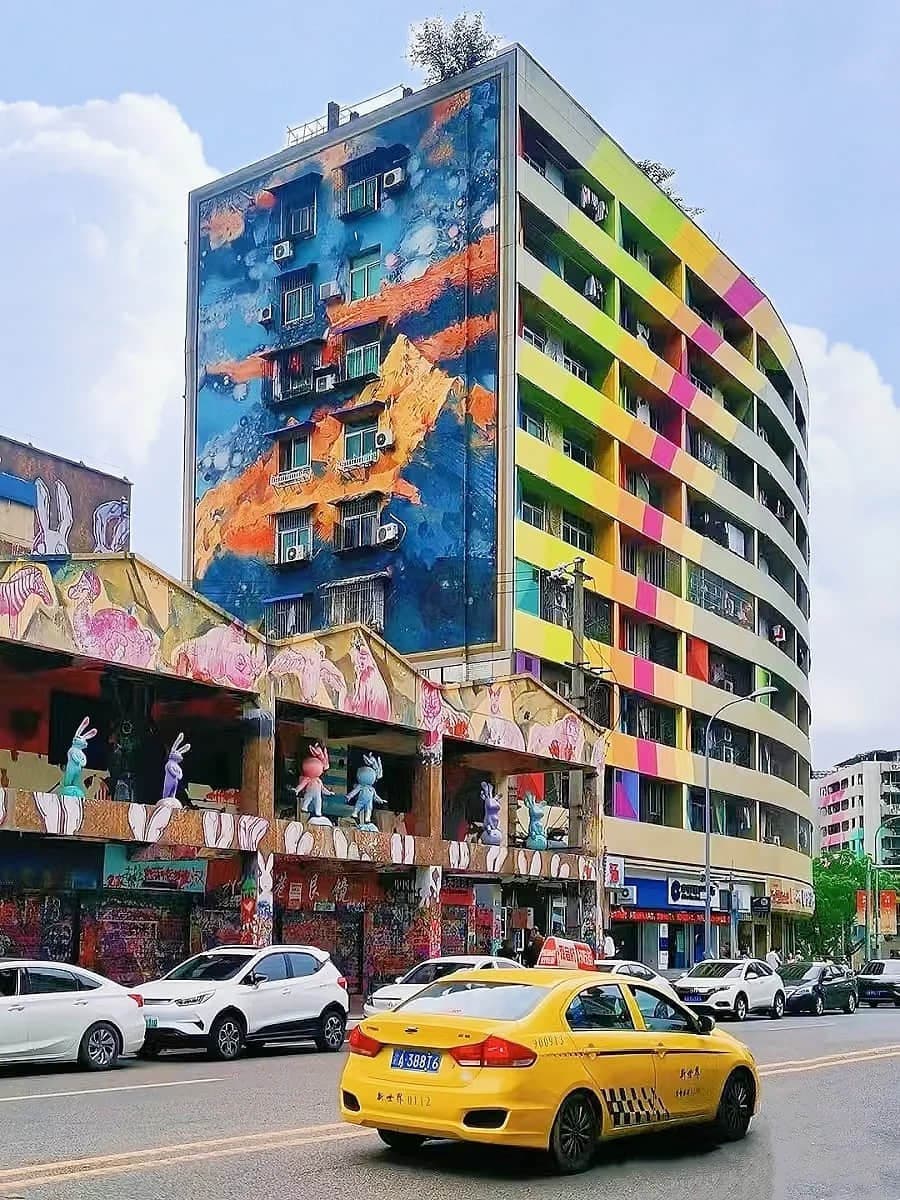
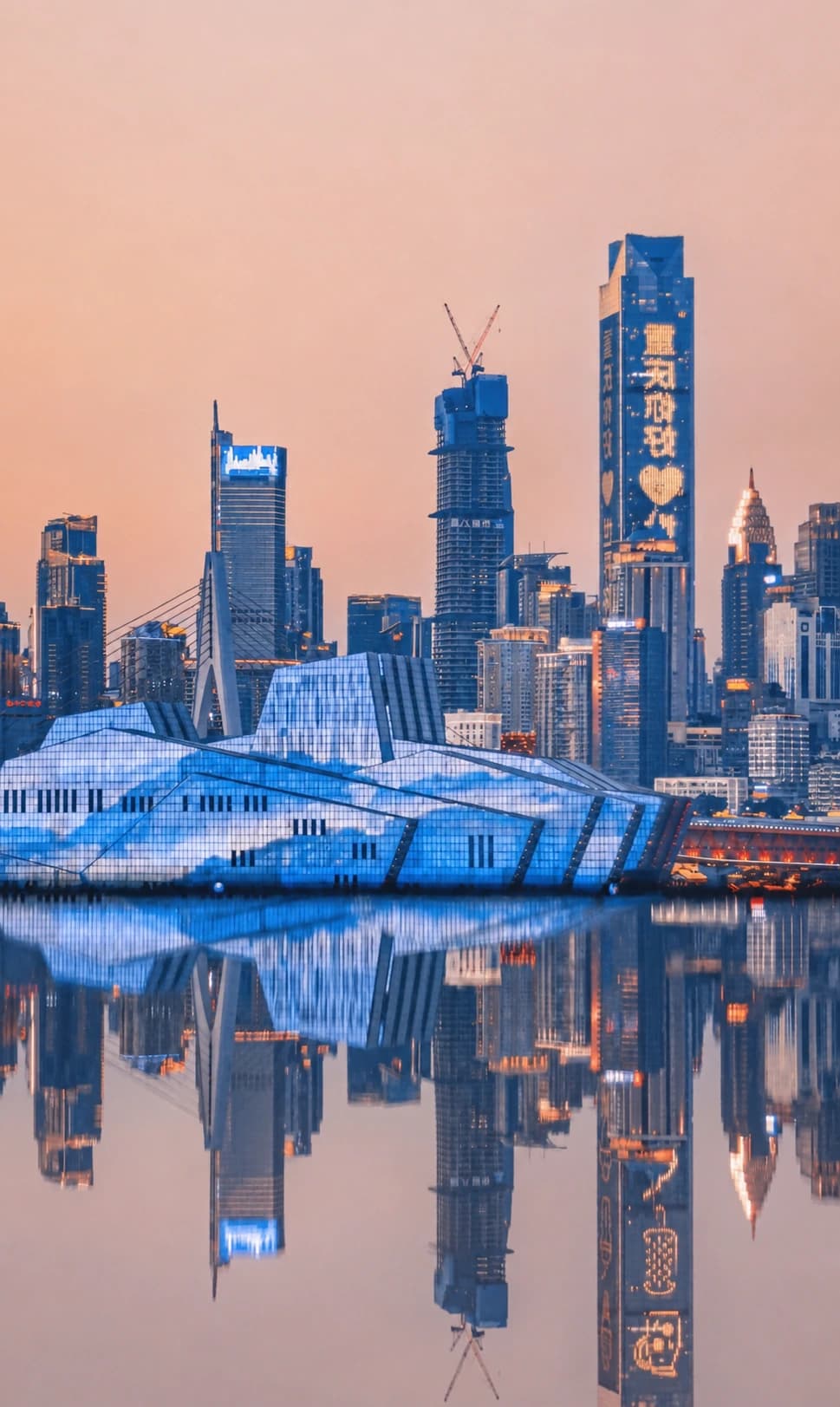
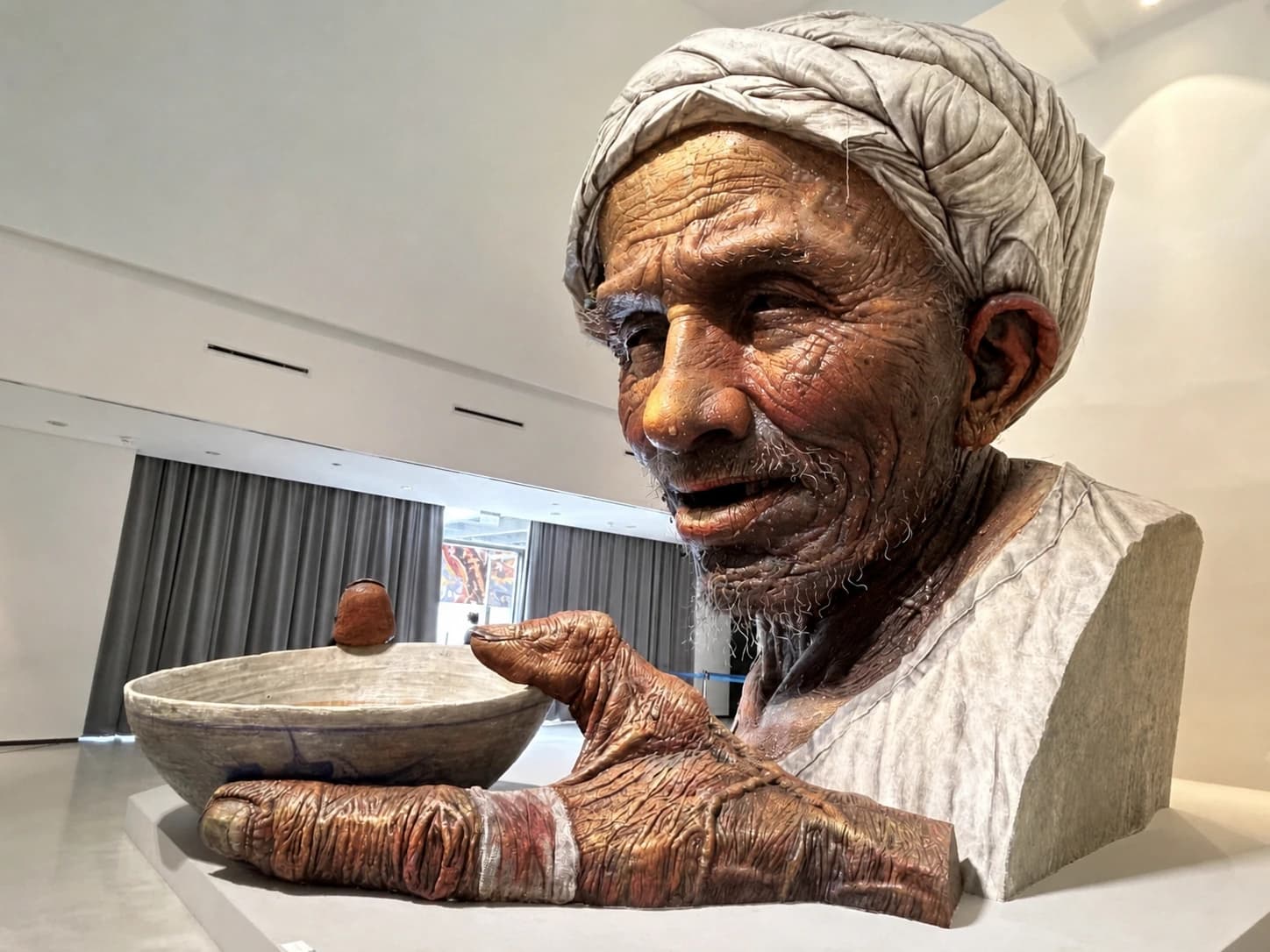
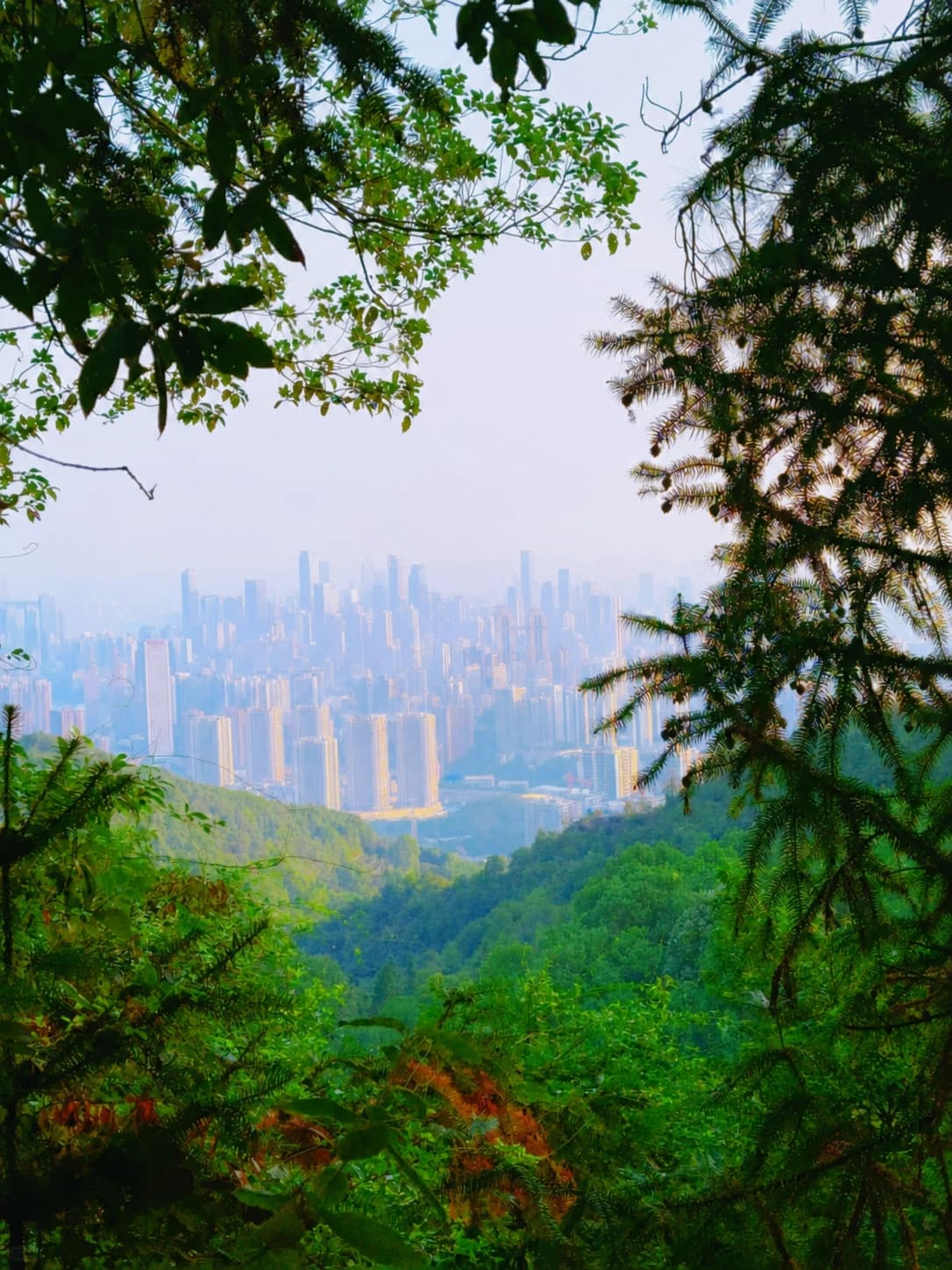
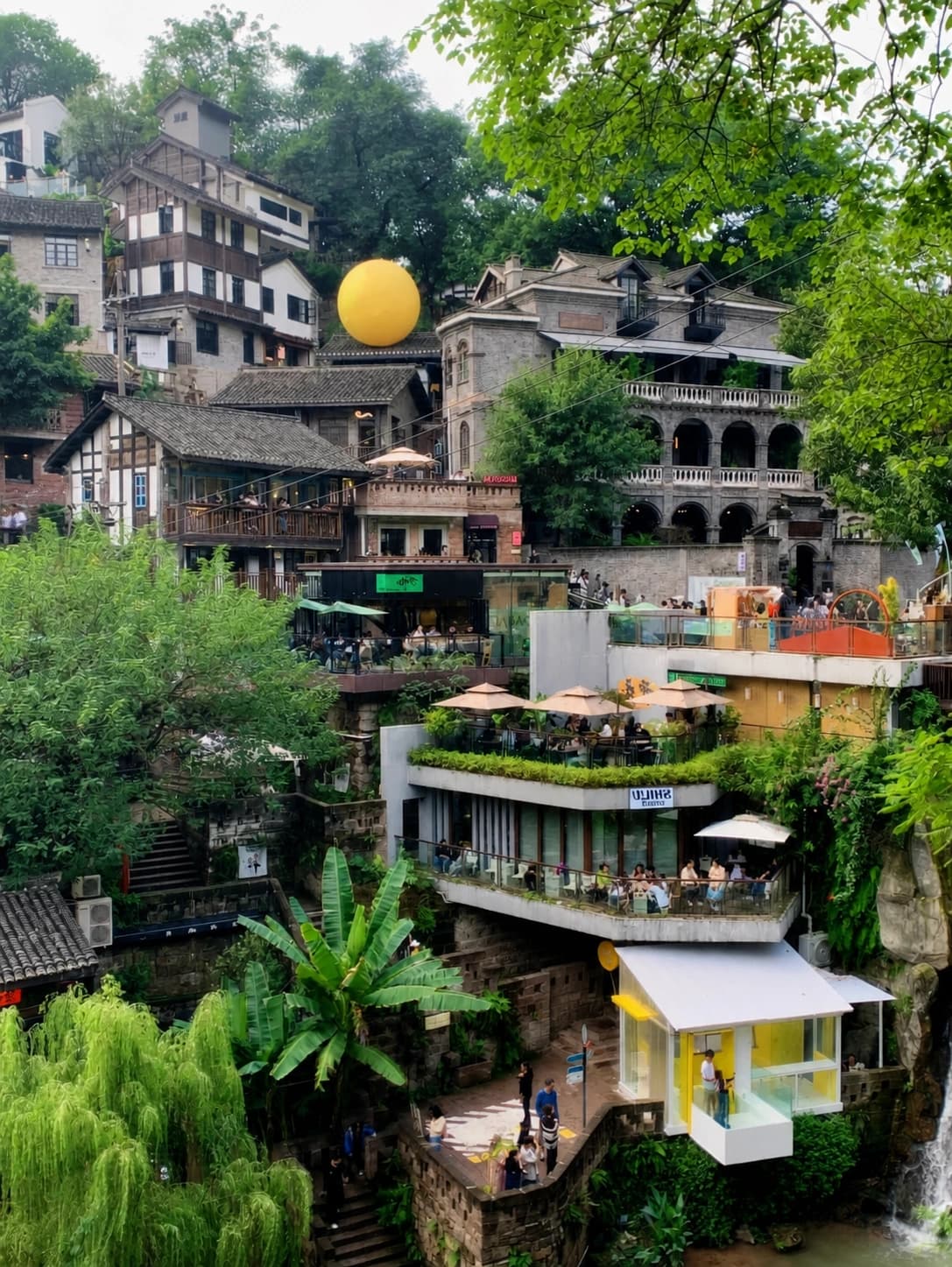
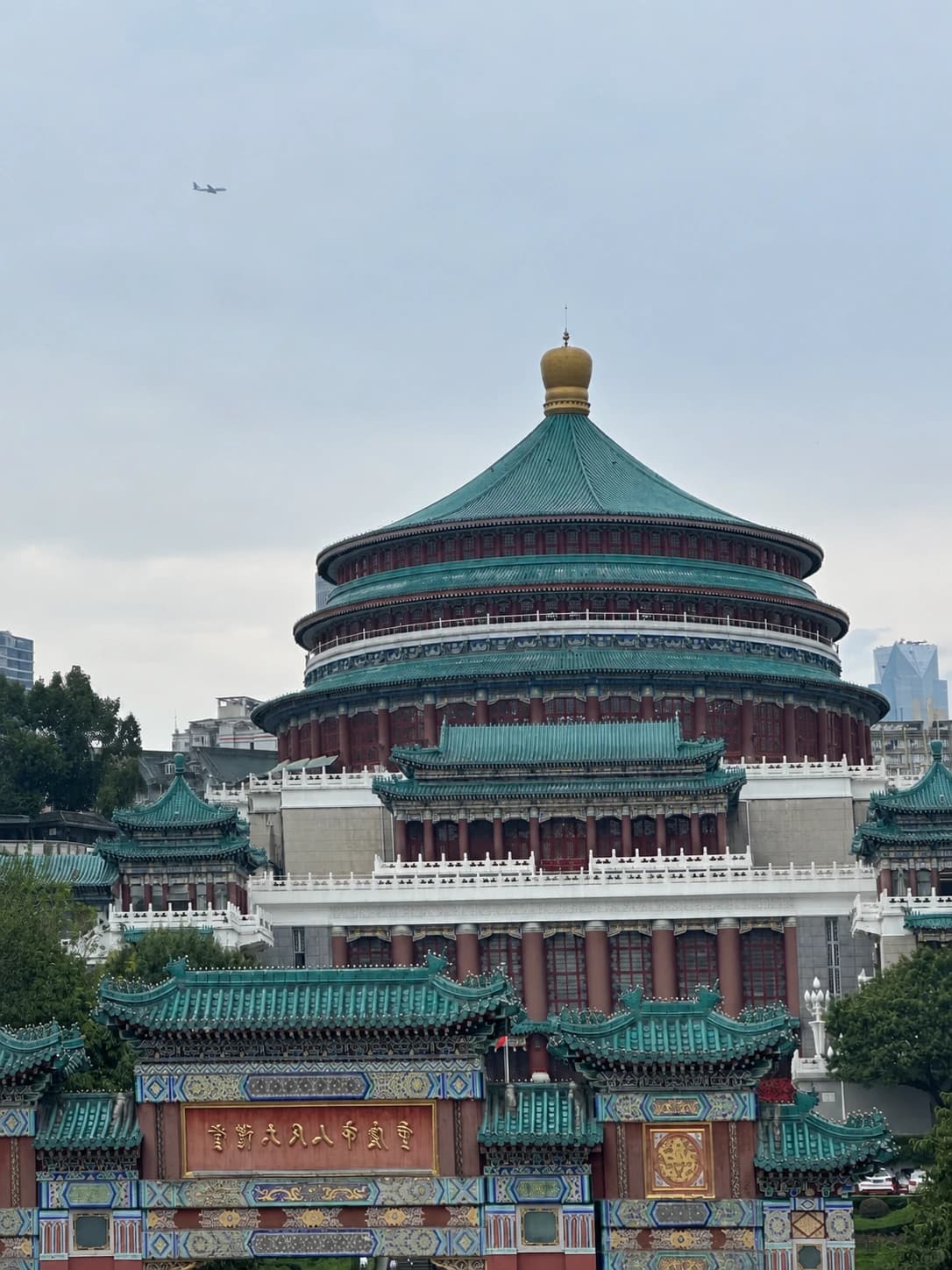
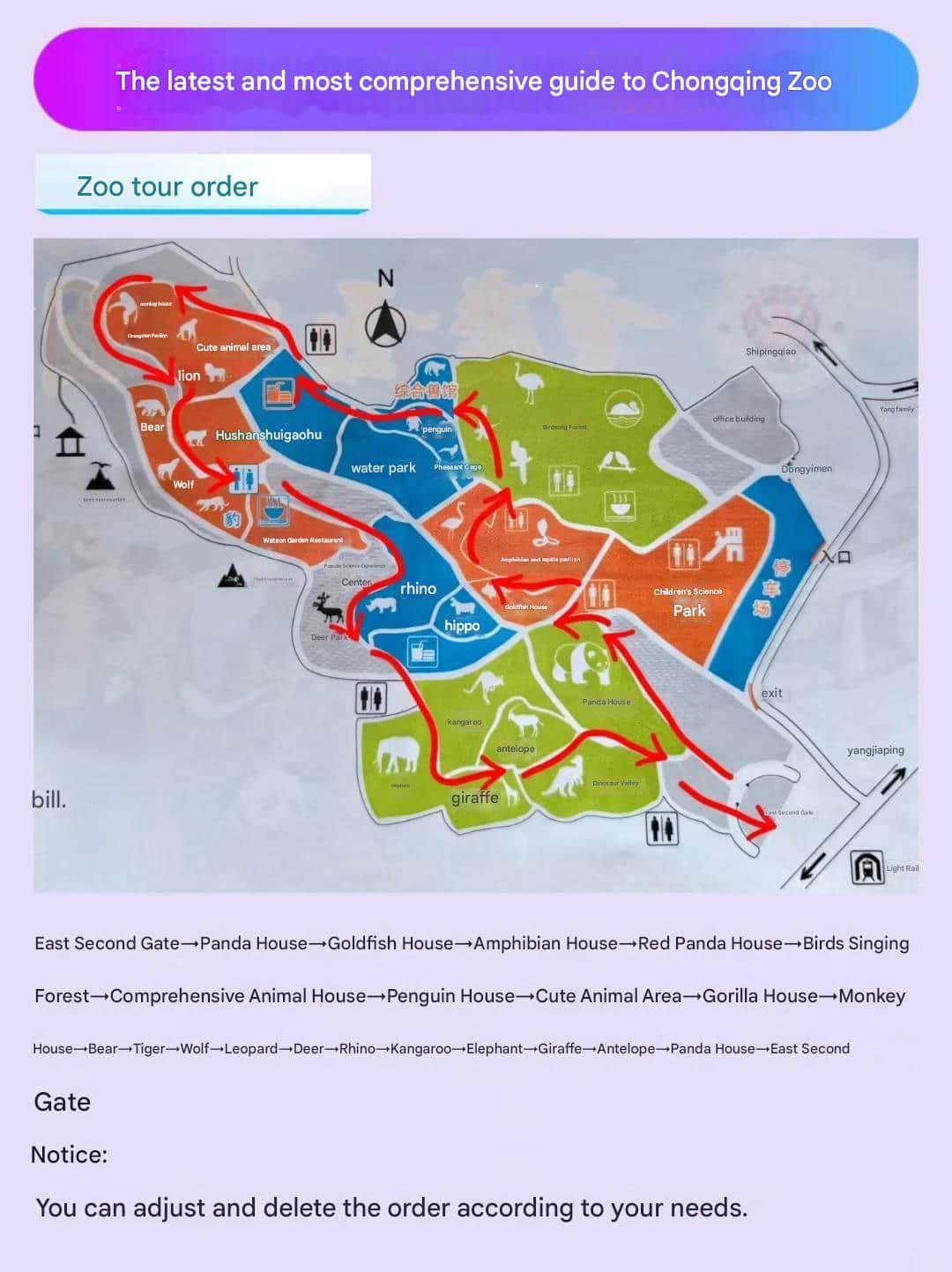
Choose one regional extension
Add Wulong for karst bridges, a fissure gorge, plateau weather and Furong Cave. It works best with one night because the railway station, Fairy Mountain Tourist Center and individual scenic areas require separate transfers.
Add Dazu for one of China's most important rock-carving ensembles. Begin with the museum and Baodingshan; add Beishan only when the current opening notice, daylight and transport all align.
Build a Distinctive Extra Half-Day
If the three-day classics are already covered, add one themed layer rather than another random landmark:
- Migration and river trade: Huguang Guild Hall → Dongshuimen Bridge → Longmenhao.
- Vertical urbanism: Liziba → uphill transfer → Eling Factory → city-view finish.
- Old-city construction: Mountain City Walkway → Eighteen Steps → Jiefangbei, reading walls, stairs and changing street levels.
- Food mechanics: breakfast xiaomian, a market or food-street sampler, then hot pot only after sightseeing is finished.
These chapters create a more memorable trip because each one explains why Chongqing looks and functions differently—not merely which famous image to reproduce.