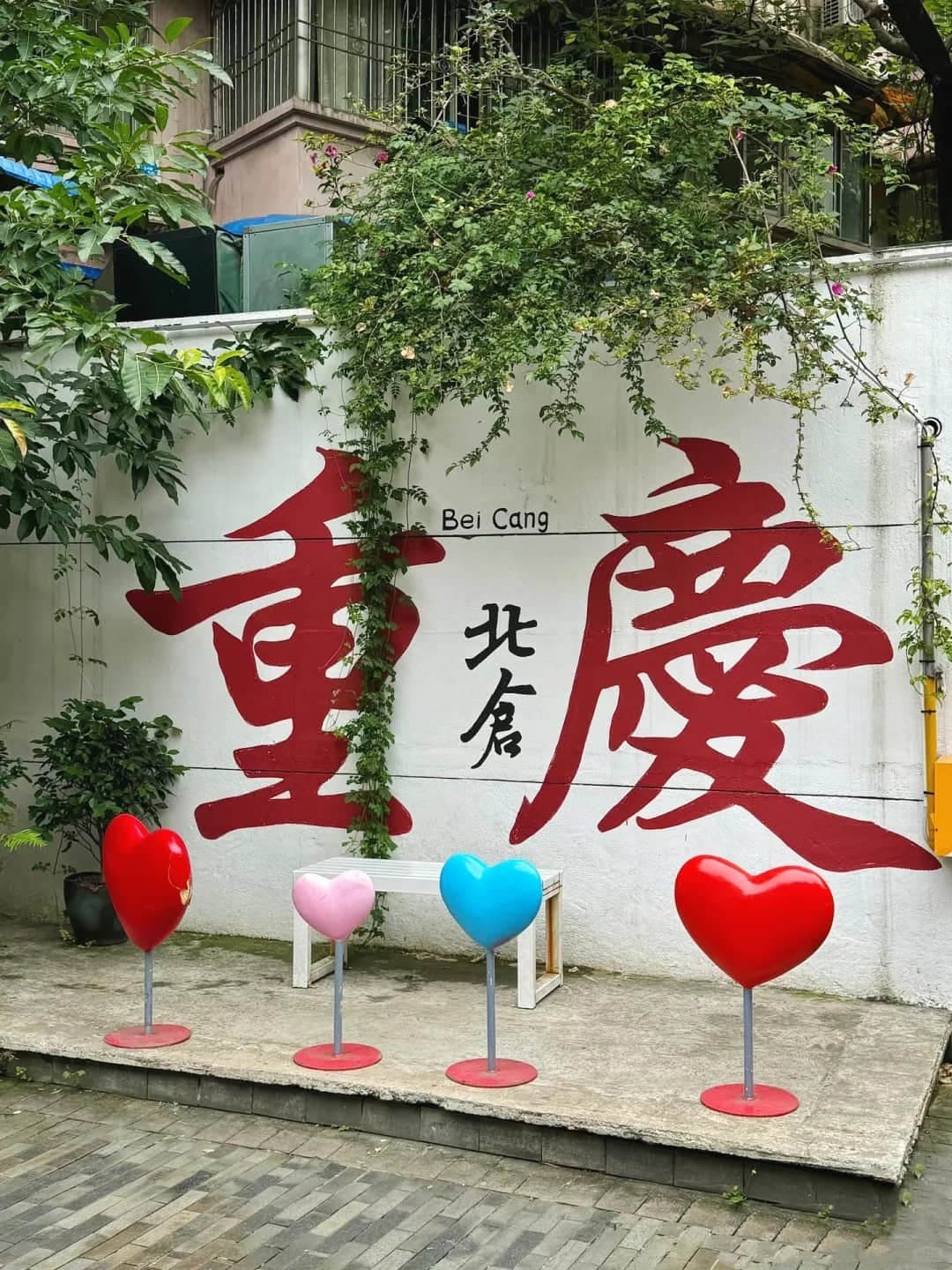
Huguang Guild Hall Chongqing
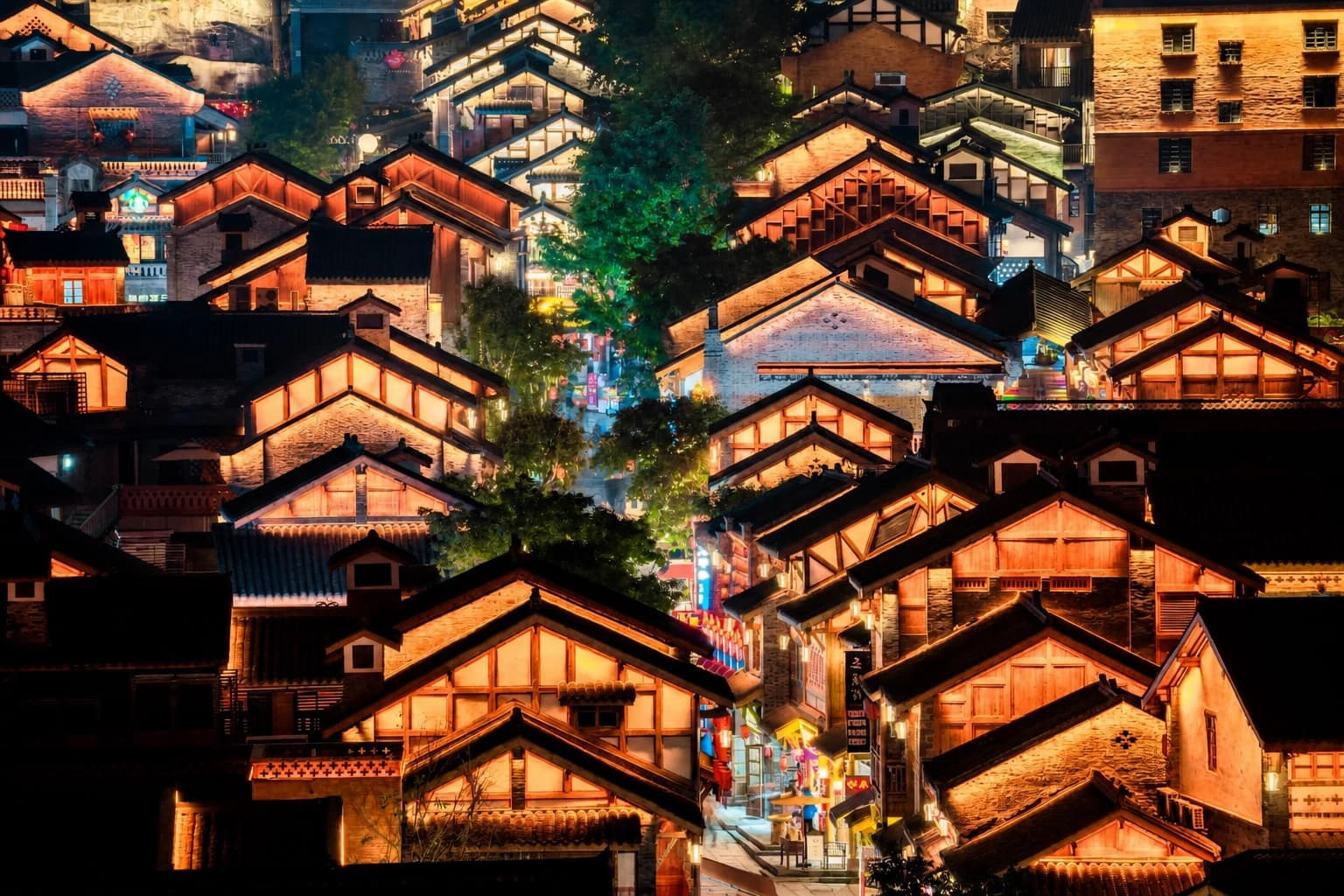
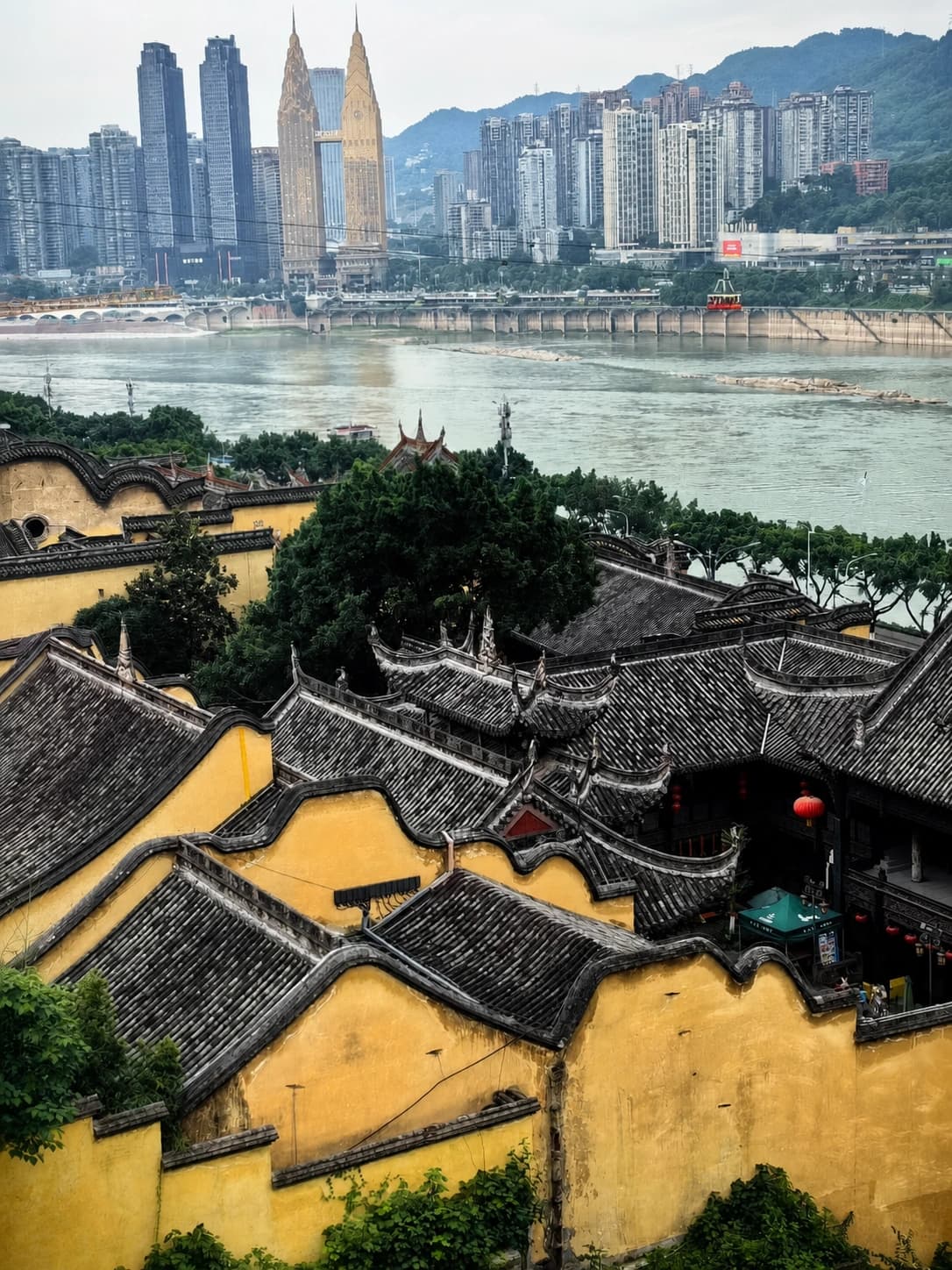
Huguang Guild Hall (湖广会馆, Húguǎng Huìguǎn) is a restored complex of Qing-era meeting halls, courtyards and opera stages near the Yangtze River. Its museum explains Huguang Fills Sichuan, the major migration movement that reshaped Chongqing and Sichuan after periods of war and population loss. It is one of central Chongqing's best stops for architecture and social history.
Tickets and Hours
As checked in September 2026, the current operating baseline is:
- Opening hours: 09:00–18:00
- Last ticket sale and entry: 17:00
- Standard admission: around CNY 32
- Information phone: 023-63914697 or 023-63930287
The ticket price, concessions and temporary closures can change. Bring your passport and confirm the live terms at the official counter or recognised booking channel. Performances, costume experiences and special exhibitions are not automatically included in ordinary admission.
Getting There
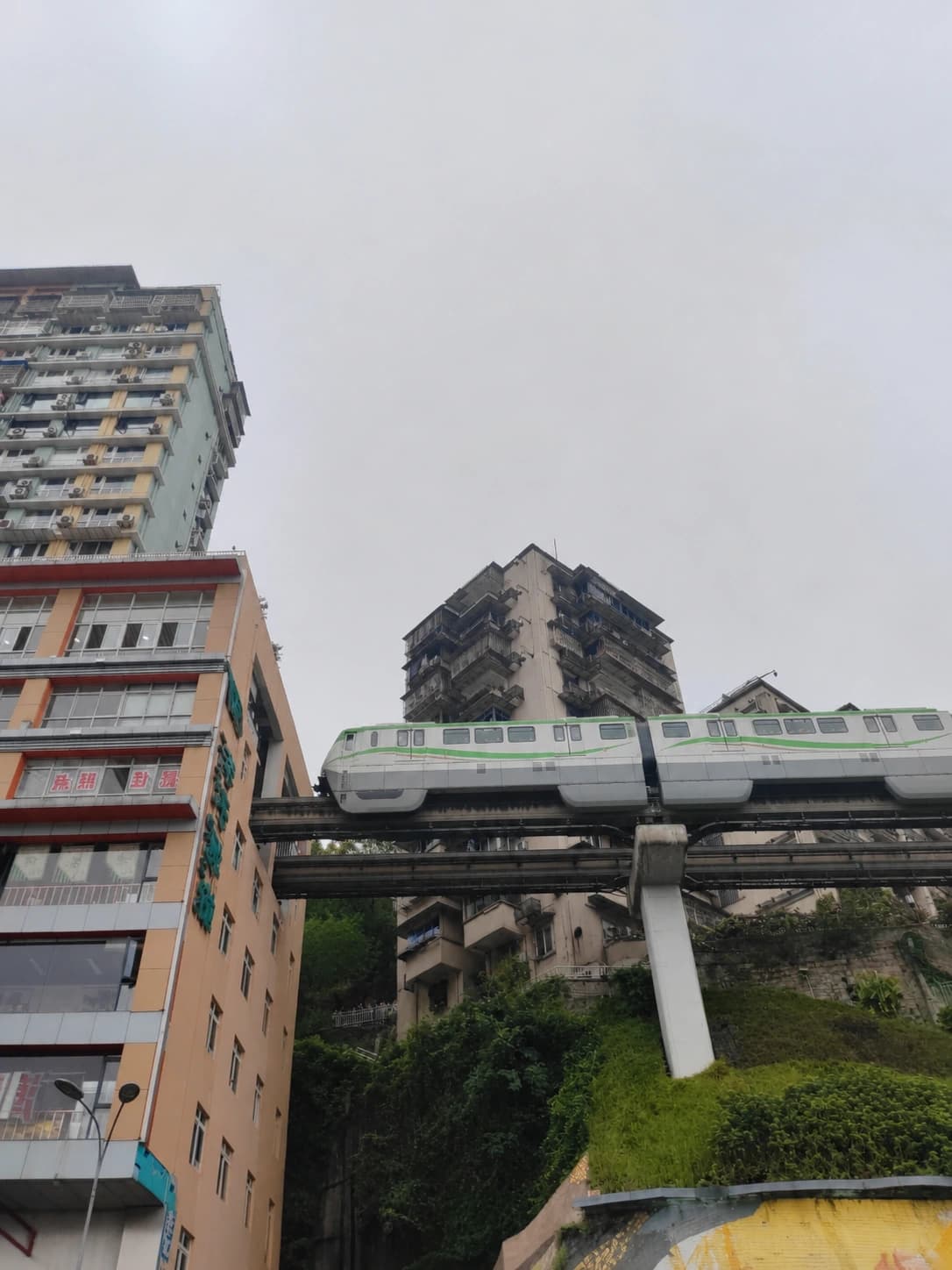
Take Metro Line 1 or 6 to Xiaoshizi Station, Exit 8. From the exit, use the bridge lift and signed pedestrian approach; the ticket office is roughly 500 m away, about 7 minutes on foot. Chongqing's stacked roads can make a nearby map pin look inaccessible, so follow attraction signs instead of descending through an unmarked lane.
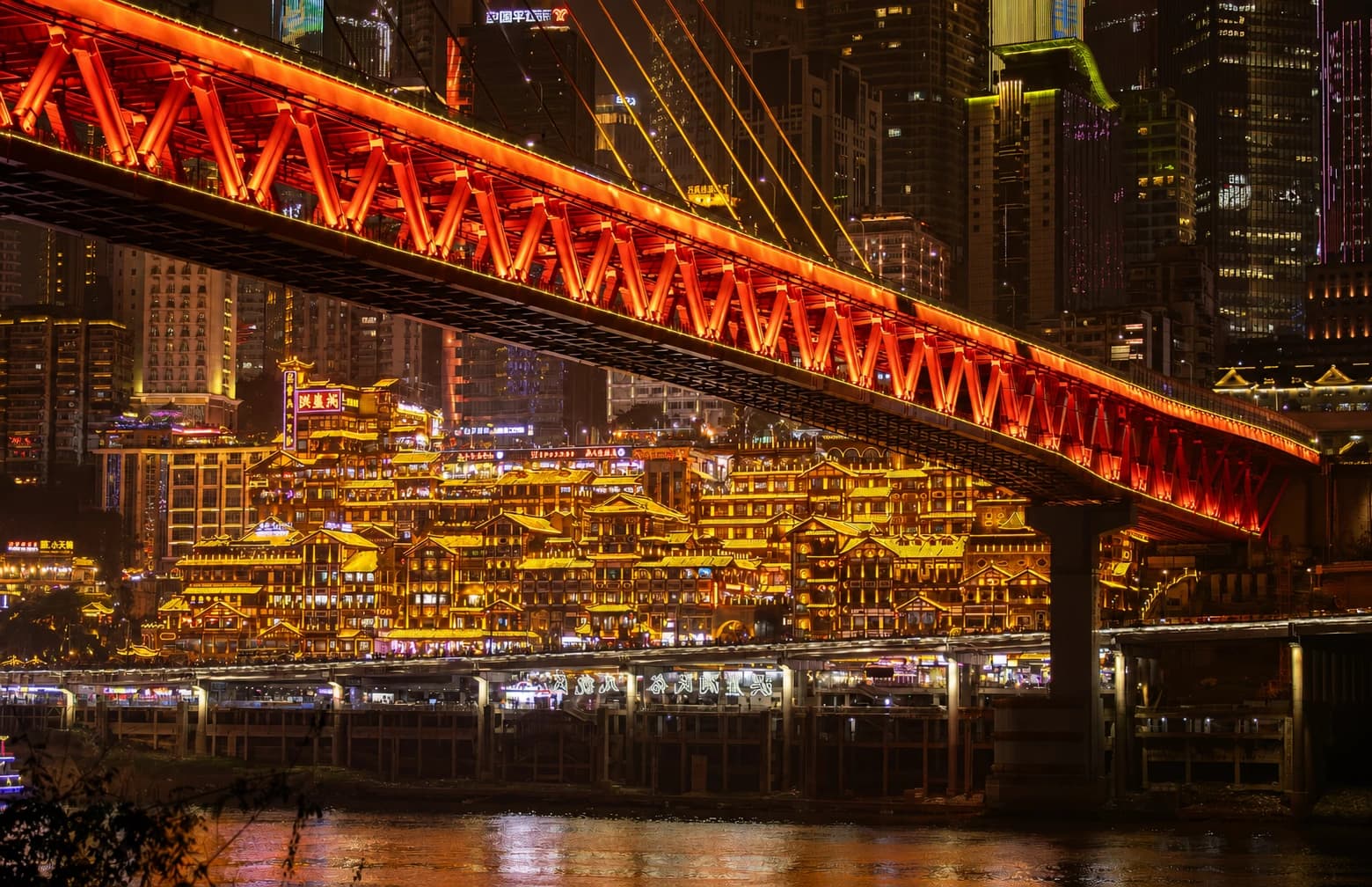
The complex sits below Dongshuimen Bridge at No. 1 Bajiao Garden, Changbin Road, Yuzhong District. Metro is preferable to driving because access roads and pickup points are awkward during busy periods.
Follow This Route Inside
Allow 1.5–2.5 hours. A useful sequence is:
- Huguang Fills Sichuan Migration Museum: begin with the maps, documents and reconstructed scenes. This context explains why migrants from several regions built separate halls in Chongqing.
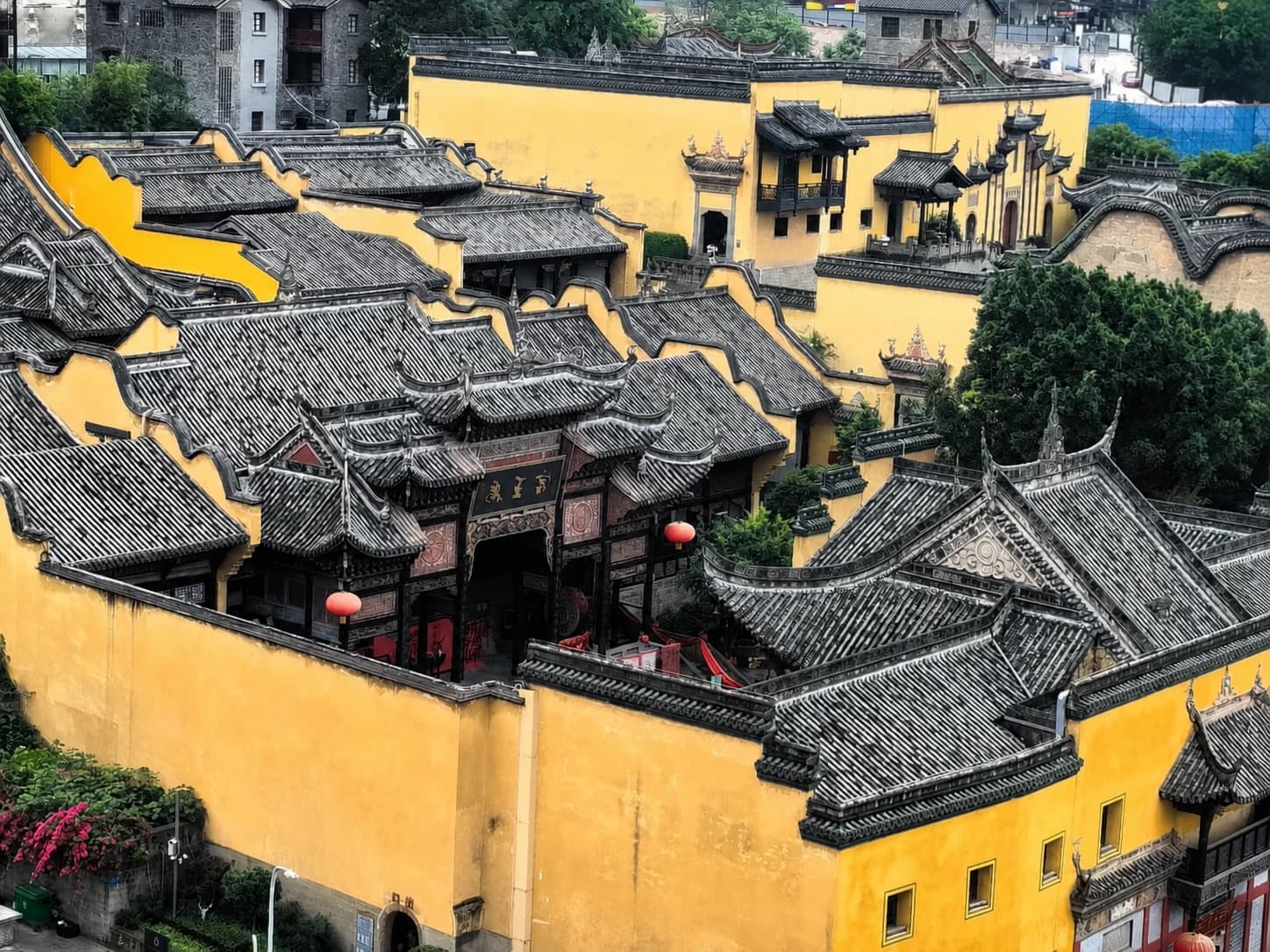
- Yu Wang Palace (禹王宫): look at the courtyard, opera stage and carving details. The hall reflects the importance of Yu the Great to migrants from Huguang.
- Guangdong Assembly Hall (广东公所): compare its courtyard and stage with the earlier buildings rather than treating every hall as identical.
- Qi'an Assembly Hall (齐安公所): finish with another richly carved theatre space associated with migrants from Huangzhou, then take the signed river-facing exit or viewpoint.
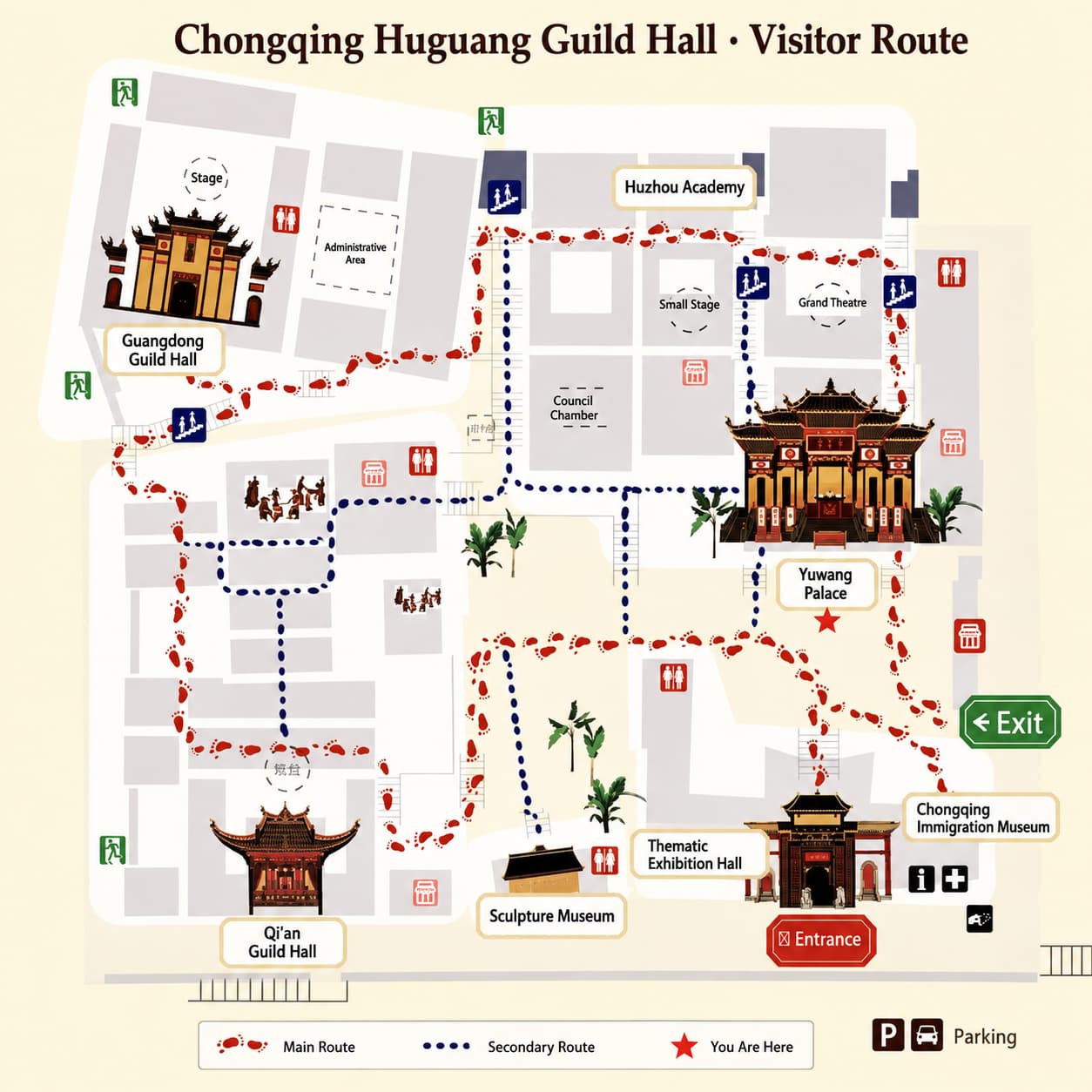
Room access may change when conservation work, rehearsals or events are underway. Let signs on the day override an online route.
What to Notice
The complex is valuable not only for its yellow walls and tiled roofs but for the way migrant associations operated. Guild halls gave newcomers a place to worship, trade, meet people from their home region and stage performances. Look closely at the wooden and stone reliefs around the theatres: animals, figures and story scenes turn the buildings themselves into historical evidence.
An advertised opera or immersive performance can be a worthwhile addition, but schedules and separate-ticket rules are volatile. Ask at the entrance before arranging the rest of your day around one. The courtyards and museum remain worthwhile without a show.
Photography and Accessibility
Morning usually brings softer light and fewer tour groups. Courtyard doorways, layered roofs and theatre stages are stronger subjects than posed photos in narrow circulation routes. Flash, tripods or costume photography may be restricted in individual rooms; follow staff instructions and do not touch the carvings.
The site includes thresholds, stone steps and uneven historic surfaces. Some modern access routes exist, but a completely step-free circuit should not be assumed. Travellers with mobility needs should call ahead and ask which halls are reachable that day.
Nearby Stops and Booking
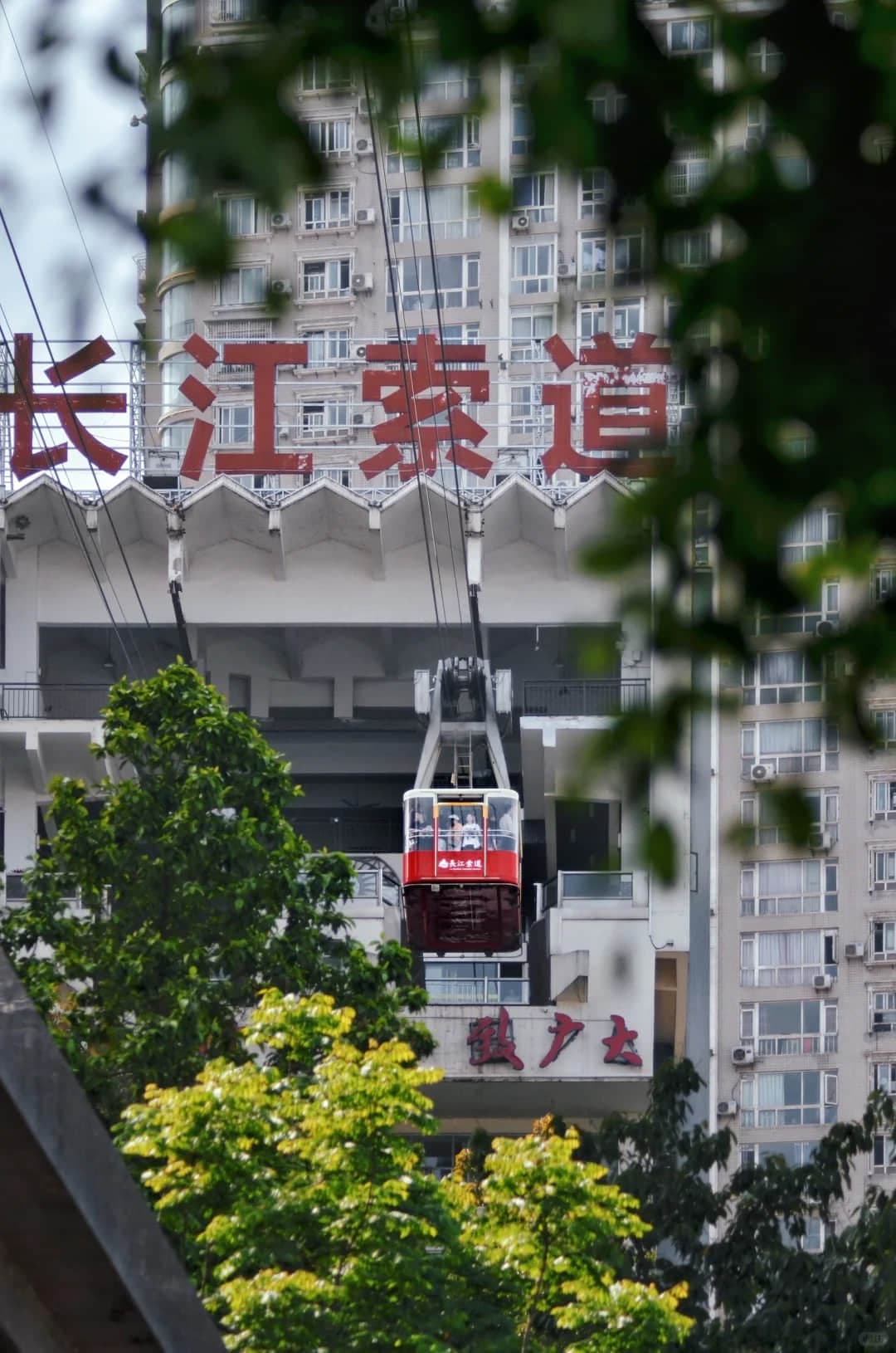
Pair the hall with the Yangtze River Cableway or Longmenhao Old Street if you are continuing across the river. Hongya Cave and Jiefangbei fit better later in the day.
Independent entry is straightforward. If you want transport and an English-speaking guide, compare the Trip.com private day tour that explicitly lists Huguang Guild Hall, Mountain City Trail, Shibati and Hongya Cave. Check the selected date's pickup, guide language, walking load and included admissions before paying; public attraction tickets are otherwise separate.