China shopping guide: buy for difference, not only for price
Shopping in China is most rewarding when you buy something with a clear reason to be here: a mainland release from a Chinese technology brand, a well-fitted piece from a local fashion label, tea you have tasted and understood, or ceramics connected to the place that made them. The weak plan is to arrive with an empty suitcase and assume everything made in China must be cheaper, authentic and easy to service abroad.
The strongest current interest from international visitors falls into five groups: consumer technology, Chinese fashion and accessories, designer toys and pop-culture goods, tea and packaged food, and regional craft. Each needs a different buying test. A camera requires a region-and-warranty check; a bag needs material and return terms; tea needs origin, harvest and price by weight; porcelain needs maker, intended use and safe packing.
Use this guide to decide what deserves suitcase space, which city gives the purchase useful context, and what evidence to keep from counter to customs. For the full refund procedure, use the dedicated shopping and departure tax-refund guide.
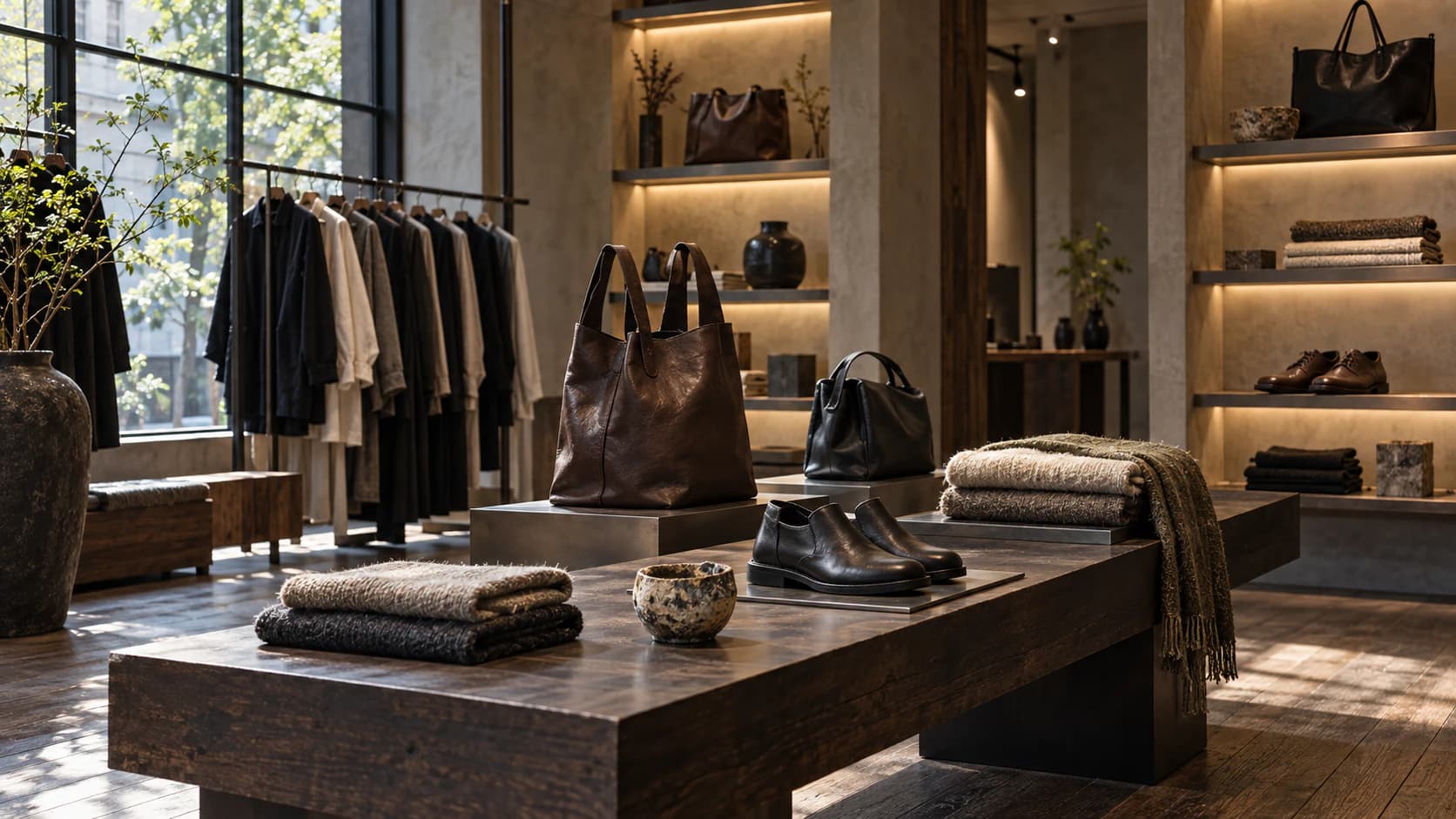
The quick decision
Prioritize a purchase when at least two of these are true:
- the exact model, color, collaboration or design is difficult to buy at home;
- you can handle and compare it in person rather than trusting promotional photographs;
- the mainland price remains attractive after card fees, refund costs, baggage and possible import duty;
- the store can document authenticity, model, materials, return terms and warranty;
- the object connects to a region you are already visiting.
Walk away when the decision depends on “same factory,” “export quality,” “today only,” an uncheckable celebrity story, or a saving that disappears once overseas service and customs are included. China offers outstanding manufacturing and design; neither phrase proves the individual item in front of you.
What is actually worth buying
| Category | Strong reason to buy in China | Decide before paying | Best-fit places |
|---|---|---|---|
| Cameras and compact tech | Earlier access to some mainland releases, wide in-person selection and tax-refund potential at participating stores | Exact regional model, language, app, warranty, included battery and airline rules | Shenzhen, Shanghai, Beijing |
| Chinese fashion and bags | Local design, mainland-only colors and a chance to test fit and material | Fiber or leather description, size conversion, care, return window and stock condition | Shanghai, Beijing, Chengdu |
| Sportswear and outdoor clothing | Strong Chinese brands, broad ranges and climate-specific products | Fit, fill/fabric specification, care label, return terms and whether the price beats home-market promotions | Shanghai, Beijing, Chengdu, Chongqing |
| Designer toys and licensed merchandise | China-only launches, large flagships and strong local IP ecosystems | Official channel, sealed condition, return policy and whether a blind box is still desirable without the rare figure | Shanghai, Beijing, major-city malls |
| Tea | Tasting, regional origin and access to specialist sellers | Tea name, origin, harvest season, grade, net weight, storage and price per 50 g | Hangzhou, Fujian, Yunnan, Beijing, Chengdu |
| Ceramics and studio craft | Direct comparison of clay, glaze, firing and maker practice | Maker, material, food-contact use, flaws, replacement terms, packing and shipping | Jingdezhen, Dehua, Yixing |
| Silk, embroidery and paper goods | Regional techniques and useful lightweight gifts | Fiber content, handmade versus machine-made elements, dimensions, colorfastness and care | Suzhou, Hangzhou, Xuancheng |
| Packaged snacks and condiments | Regional flavors and easy low-cost gifts | Ingredient/allergen label, sealed commercial packaging, expiry and destination-country import rules | Every city; choose local specialties |
Technology: buy the exact model, not the brand story
DJI (大疆), Insta360 (影石), Huawei (华为), Xiaomi (小米), Anker (安克) and other Chinese technology brands create real shopping interest. The buying opportunity is still model-specific. A mainland phone can differ in cellular bands, eSIM support, bundled software, account region, app availability or warranty from the version sold in your country. A drone adds registration and flight-law questions at home. A power bank adds aviation checks before it leaves China.
At an official or authorized counter, ask to see the sealed box label and the actual regional model code. Before activation, confirm:
- interface languages and required mobile app;
- cellular bands, eSIM or physical-SIM configuration when relevant;
- plug, input voltage and included cable;
- whether activation binds the product to a mainland account or service region;
- where ordinary warranty repair can be performed;
- the battery's watt-hour rating and airline acceptance;
- whether the exact unit qualifies for departure tax refund.
Do not treat “global brand” as “global warranty.” DJI's ordinary warranty guidance, for example, states that product versions differ by region and standard warranty service is regional; selected products with an eligible DJI Care Refresh plan have separate international-service terms. Confirm the exact product and service plan before using the saving in your calculation.
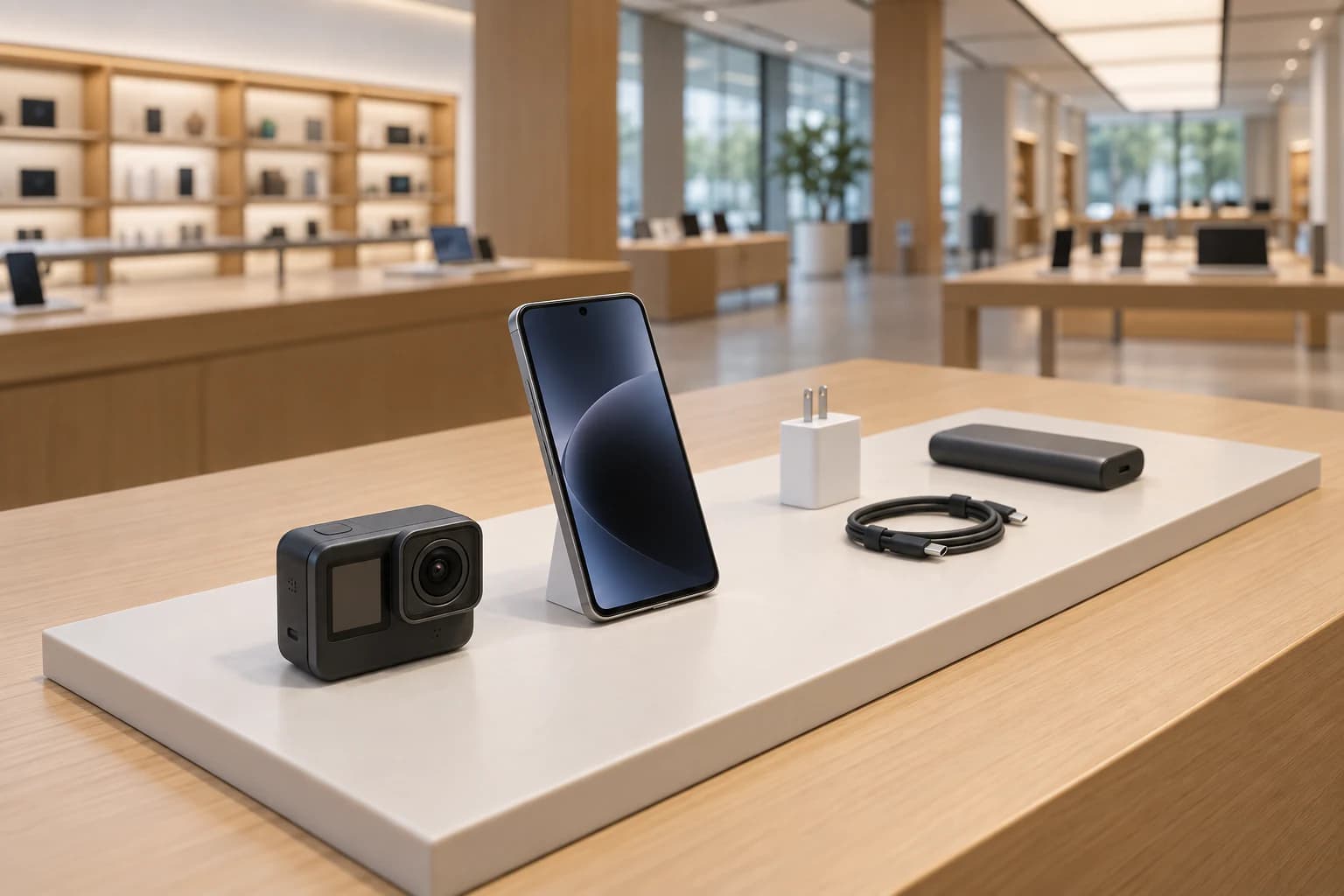
If your itinerary includes another flight inside mainland China, inspect a power bank before buying it. Since June 28, 2025, domestic flights have rejected power banks with no clear CCC (3C) mark, an unclear mark, or a recalled model or batch. Power banks and spare lithium batteries belong in cabin baggage, with terminals protected; airline approval may be needed above 100 Wh. Your airline and destination-country rules still control the final journey.
Fashion, footwear and bags: fit is more valuable than a logo
Chinese labels now cover technical sportswear, quiet leather goods, streetwear, footwear and fragrance-led lifestyle retail. Current overseas attention to brands such as Songmont (山下有松), Anta (安踏), Li-Ning (李宁), Bosideng (波司登), PANE and To Summer (观夏) makes them useful starting points, not automatic recommendations.
Try the exact item. Size labels do not convert consistently between brands, and a store's “oversized” fit may already be reflected in its measurements. For outerwear, check shell composition, insulation type and fill information rather than judging warmth by thickness. For bags, inspect the base, corners, handle attachment, zipper, lining and whether the material description is written on the product or receipt. For fragrance and cosmetics, check the ingredient label, volume and expiry or period-after-opening information; an attractive China-only scent is still a poor buy if it triggers a known sensitivity.
Travelers considering a commissioned suit, shirt, dress or qipao should use the Shanghai custom tailoring guide for service definitions, fitting time, fabric evidence, written terms and aftercare.
Ask whether the displayed item is the unit you will receive. If it is floor stock, inspect it again under neutral light. Photograph the care label and keep the packaging only when you genuinely need it for return, warranty or safe transport.
Designer toys and pop culture: buy the character, not the resale chart
Pop Mart (泡泡玛特) has become an international shopping stop rather than a niche souvenir store, and licensed game, animation and museum merchandise can be much broader in China than overseas. Buy through an official shop, official vending machine or clearly authorized retailer. Check seals before leaving the counter.
A blind box is entertainment, not an investment. Decide whether you like the ordinary figures in the series before buying for the possibility of a secret version. Do not use a social-media resale price as evidence of authenticity or future value. For a high-priced collectible, ask for the product code, purchase record and written condition; inspect paint, joints, accessories and packaging while a remedy is still practical.
Tea and packaged food: make the seller describe the product
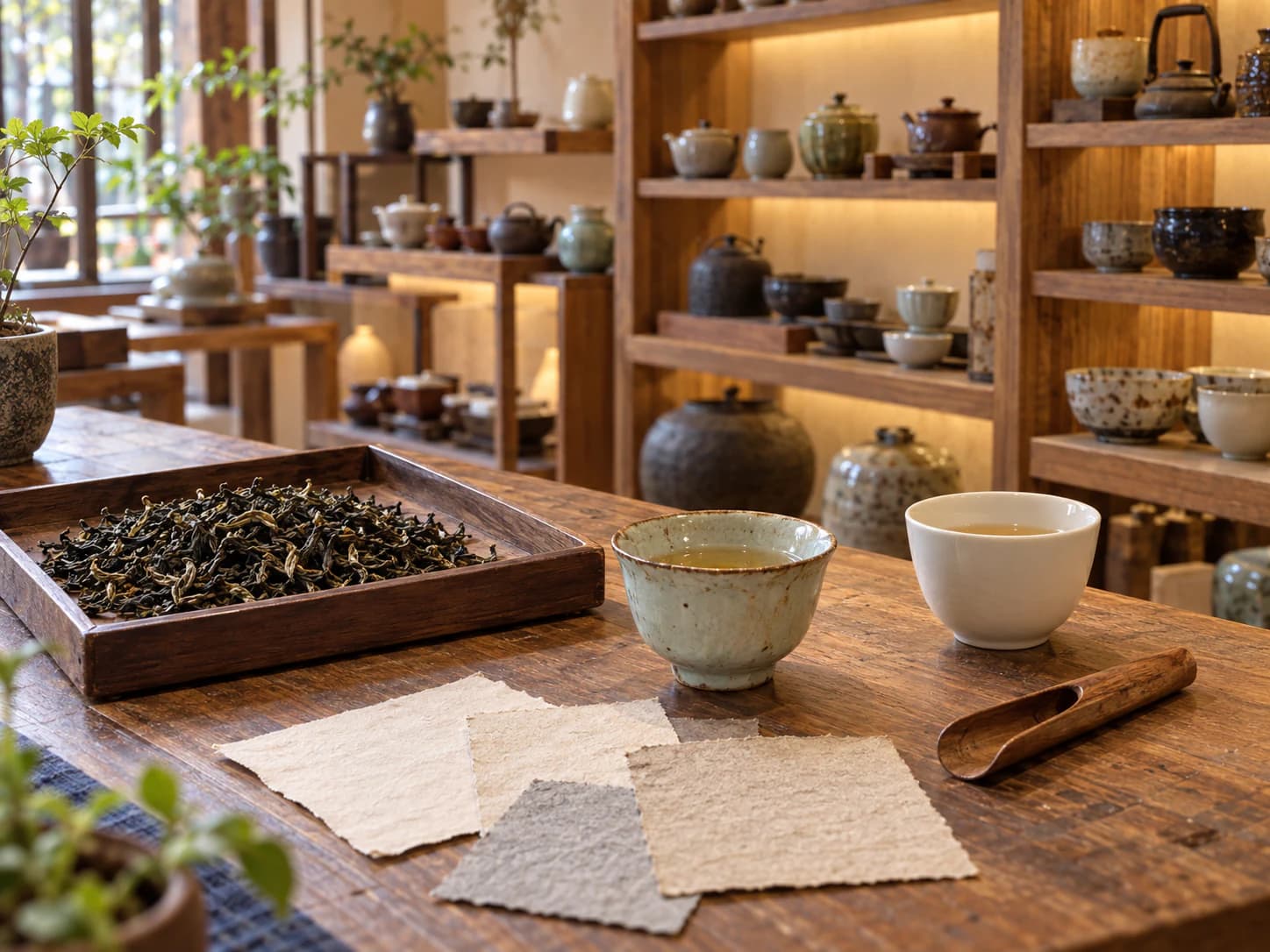
“Chinese tea” is too broad a shopping category. Start with a style you enjoyed during the trip, then ask for the Chinese name, origin, harvest, grade and price by weight. Useful examples to recognize include Longjing (龙井), jasmine tea (茉莉花茶), rock tea (岩茶), Dianhong (滇红), pu'er (普洱) and white tea (白茶). These names still cover huge differences in origin and quality.
Taste before buying when possible. Compare the dry leaf, brewed aroma, bitterness, aftertaste and how the same leaves handle another infusion. Ask the shop to write the net weight and price per 50 grams (每50克), not only the price of a decorative box. A harvest year, mountain or “ancient tree” claim needs traceable packaging and a seller you trust; a dramatic story is not proof.
Choose factory-sealed snacks and condiments with a readable ingredient list and expiry date. Meat, fresh produce, seeds, dairy, medicinal ingredients and animal-derived products can trigger destination-country restrictions even when China permits the sale. Check the country where you will clear customs, including any transit country, before buying food as a gift.
Ceramics, silk and craft: ask how it was made
Regional craft earns suitcase space when the place helps you understand the object. In Jingdezhen, compare a studio or maker market with a design-led district instead of assuming every blue-and-white cup is local or handmade. Ask who made the piece, which clay and firing were used, whether the glaze is intended for food contact, and whether a visible irregularity is part of the process or a discounted second. The city's Sculpture Porcelain Factory and Taoxichuan serve different buying purposes.
For silk in Suzhou or Hangzhou, use the sewn fiber-content label and written receipt. “Silk feel,” “silk style” and a burn demonstration are not substitutes for a declared composition. For embroidery or paper craft, ask which stages were done by hand, how long the work took, the maker or workshop name, and how to store it. Pay for the object and workmanship you can identify, not an unsupported heritage label.
Match the city to the purchase
Shanghai: the easiest first Chinese-brand edit
Shanghai is the strongest all-round choice for a visitor who wants Chinese fashion, bags, fragrance, designer toys and official technology counters in one trip. Huaihai Middle Road and the West Nanjing Road–Zhangyuan area work as broad orientation zones, but do not turn the day into a race between viral storefronts. Pick one anchor purchase, one comparison stop and one meal or architecture break.
Shanghai is especially useful when you want to compare Chinese design with international retail in the same afternoon. The trade-off is queue pressure at fashionable flagships and a real chance that the product costs roughly the same as it does during a promotion at home. Compare the exact SKU rather than assuming a mainland discount.
Beijing: cultural design, books, tea and flagship retail
Beijing suits museum design, stationery, publishing, tea and Chinese fashion alongside major official brand stores. Museum merchandise is most meaningful after the collection that inspired it; do not enter a timed attraction only to reach a shop. For tea, a calm tasting with transparent weight and origin is more useful than a tour-led demonstration followed by a high-pressure sale.
Use shopping as one part of a district day. The Central Axis route and hutong routes give the cultural structure; a retail stop should fit the route rather than replace it.
Shenzhen: technology with the highest verification burden
Shenzhen is the logical city for product launches, official technology flagships, repair questions and a deeper view of the electronics ecosystem. It is also where “factory price” can become an expensive distraction.
Use an official flagship or named authorized dealer for a complete consumer device unless you can independently identify parts, versions and fair prices. Huaqiangbei (华强北) is valuable for specialists seeking components, accessories or market insight. A first-time visitor buying an expensive phone, camera or drone should not rely on an unlabeled counter, verbal warranty or a sealed box that cannot be tested.
Hangzhou, Suzhou and Jingdezhen: let origin narrow the choice
Hangzhou gives tea and silk a regional frame. Suzhou is stronger for silk and embroidery when a seller can identify material and process. Jingdezhen is the specialist ceramics trip, with enough variety to compare utility ware, small studio work and design-led pieces.
Do not add all three only for shopping. Choose the city already compatible with your route, then spend time comparing within one category. The knowledge gained during a tasting, museum visit or workshop often protects the purchase better than another market.
Chengdu and Chongqing: local style, tea culture and food gifts
Chengdu works for independent fashion, lifestyle goods and tea-related purchases. Chongqing adds local design, packaged spice and hotpot products. Both are better when shopping follows neighborhood time rather than a generic mall day: browse after a teahouse or meal, then choose a sealed, clearly labeled product you can legally bring home.
Yiwu and wholesale markets: fascinating, but not automatically useful
Yiwu International Trade Market is a working wholesale system. It rewards a buyer who knows the product family, quantity, specification and shipping plan. It is not a guaranteed bargain for one souvenir, and a sample price does not prove retail availability, export compliance or after-sales support. Visit for trade curiosity or a defined sourcing task, not because “wholesale” sounds cheaper.
Buyers with a defined product brief can continue to the Yiwu first-time buyer guide for MOQ, sample, landed-cost, payment, inspection and shipping decisions.
For export sourcing across many suppliers in one category, the Canton Fair first-time visitor guide explains phase selection, official buyer badges, comparable quotations, samples and post-fair due diligence. It is a professional trade workflow, not a retail shopping day.
Choose the buying channel
Official or authorized physical store
Best for expensive technology, skincare, cosmetics, branded fashion, collectibles and anything needing activation or warranty. You can inspect the item, ask for tax-refund paperwork and leave with a merchant identity and receipt. Confirm whether the shop is brand-operated or an authorized dealer; a polished mall counter can still be a separate retailer with its own return rules.
Department store or established mall
Best for comparing several brands with a service desk and a clearer complaint path. Ask whether refund paperwork is issued by the individual shop or a centralized mall counter. Do not assume every tenant participates merely because the mall advertises tax refunds.
Specialist market or maker market
Best for ceramics, textiles, stationery, components and small-batch design when you can compare materials and ask precise questions. Keep each seller's receipt separate. Market reputation does not authenticate every stall, and cash or personal-account payment weakens your evidence if the item differs from the promise.
Online order to a hotel
An official Tmall (天猫) or JD (京东) flagship can solve color and stock problems, but it introduces delivery, address, identity and return friction. Confirm that the hotel accepts parcels under your exact reservation name and will hold them until arrival. Leave at least two full working days to inspect and resolve the order before changing city.
Do not assume an ordinary online purchase qualifies for departure refund. China began online-store refund pilots in 2026, but only specifically participating sellers and flows count. Confirm eligibility before ordering; a domestic electronic invoice alone is not a departure-refund record.
The five-minute authenticity and recourse check
Before payment, save a compact evidence set:
- storefront or official-counter name and exact address;
- exact model, size, color, material and serial number when relevant;
- displayed price, promotion conditions and final amount;
- merchant receipt or invoice, with the seller's registered name;
- written return, exchange and warranty terms;
- photographs of the sealed box, labels and the item's condition;
- tax-refund application or electronic record when applicable;
- payment record tied to the same merchant.
Open a brand's official website yourself to check the store or serial process. Do not trust a QR code merely because it says “verify authenticity”; a copied label can send you to a copied page. For a high-value product, ask staff to write the promised feature or service on the order instead of relying on a translated conversation.
Offline shops do not automatically owe a seven-day change-of-mind return. China's statutory seven-day no-reason rule mainly covers distance sales such as online, TV, telephone and mail order, with exceptions. A defective or misdescribed item has stronger remedies, but a preference change depends on the store's stated policy. Get that policy before activation, alteration, hygiene-seal removal or customization.
If a material promise fails, return first to the merchant or platform with a specific remedy: replacement, repair, missing accessory, price adjustment or refund. Keep the Chinese registered merchant name, address, invoice, order, chat and photographs. The National 12315 process is the formal market-regulation complaint route; it is far easier to use with a precise seller and evidence than with only a shopping-center nickname.
Chinese sentences worth showing at the counter
| What you need | Chinese to show |
|---|---|
| Is this a brand-operated store or an authorized dealer? | 这是品牌直营店还是授权经销商? |
| Please write the exact model, color and serial number on the invoice. | 请在发票上写明具体型号、颜色和序列号。 |
| Does this exact model support international warranty service in ___? | 这个具体型号支持全球联保吗?可以在___保修吗? |
| May I power it on and test it before leaving? | 离店前可以开机验货吗? |
| What are the return and exchange conditions? Please write them on the receipt. | 退换货条件是什么?请写在小票上。 |
| Is this a departure tax-refund store, and does this item qualify? | 这是离境退税商店吗?这件商品可以退税吗? |
| Please issue the sales invoice and departure tax-refund application. | 请开具销售发票和离境退税申请单。 |
| What is the material or fiber composition? | 材质/纤维成分是什么? |
| What is the tea origin, harvest season, grade and price per 50 grams? | 这款茶的产地、采摘季节、等级和每50克价格是多少? |
| Is this glaze intended for food contact? How should it be packed? | 这个釉面可以接触食品吗?应该怎么包装? |
Replace the blank in the warranty sentence with your country in Chinese or English. Ask staff to answer against the exact product label, not only the model family.
Price comparison: calculate the landed value
Make one comparison in your home currency:
China final price − confirmed net refund + card/FX fee + extra baggage or shipping + home-country duty/tax + adapter or service cost
Compare that total with an authorized home-market seller offering the same regional version and warranty. Do not include a refund until the store confirms eligibility and you are willing to complete the departure steps. Do not value a warranty at zero: one international repair shipment can erase the saving.
Keep mobile payment ready through the Alipay guide or WeChat Pay guide, but carry a physical international card for expensive purchases, hotel deposits and instant-refund preauthorization. The card that pays and the card used as a refund guarantee may have different acceptance rules; ask before the transaction is processed.
Departure tax refund: the compact 2026 workflow
The refund applies only at participating stores and to eligible goods. As of September 2026, the general purchase threshold is RMB 200 for one overseas visitor at the same store on the same day. The goods generally must leave China within 90 days of purchase, and the traveler must meet the rule limiting the relevant stay to no more than 183 consecutive days.
At the store:
- show the passport or accepted travel document you will use to depart;
- confirm the shop and exact item participate before paying;
- obtain the correct sales invoice and departure-refund application or electronic record;
- check your name, document number, purchase amount and goods;
- keep the goods available and follow any unused/unconsumed condition.
At the departure port, follow the tax-refund and customs signs before checking any bag containing refund goods. From July 1, 2026, applications with refund sales below RMB 10,000 can be selected for physical inspection, while applications at RMB 10,000 or above remain subject to item-by-item inspection. Random inspection does not mean you can leave the goods inaccessible.
Headline refund rates can be 11% or 8% depending on the goods' VAT treatment; the amount paid to you is lower after the refund agency's fee. Treat the store or system calculation as the applicable figure instead of promising yourself a flat discount.
“Refund upon purchase” (即买即退) provides an advance at a participating store after an agreement and credit-card preauthorization. You still must leave within the permitted period and complete the departure process or the advance can be recovered. In 2026, the instant-refund departure period was standardized at 28 days, and from September 1 participating services can complete eligible cross-region cases at a different departure location through online review. Confirm that the store, refund agent and intended port support your exact transaction.
Use the full China departure tax-refund guide for documents, port sequence and current official links.
Pack for inspection, breakage and the flight
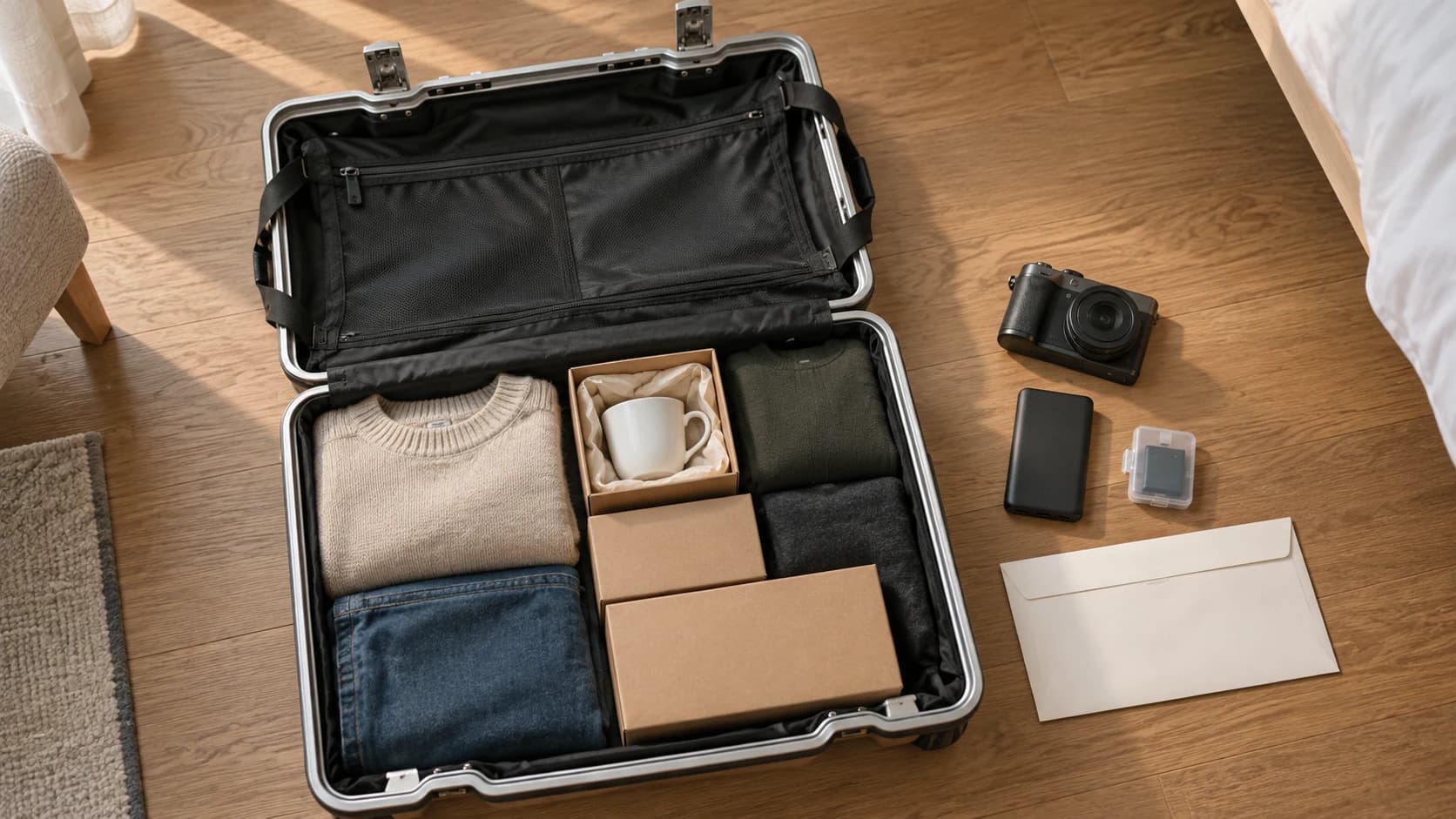
Build three layers instead of one overfilled suitcase:
- Carry-on: power banks, spare lithium batteries, valuable compact electronics, documents and any refund goods staff may need to inspect before bag drop.
- Protected checked layer: clothing around boxed ceramics, sealed liquids within airline allowances, and sturdy retail packaging where it genuinely protects the product.
- Document layer: invoices, refund records, warranty cards, serial photographs and customs declarations available offline.
Remove batteries from any bag that may be gate-checked. Protect spare terminals and check the airline's quantity and watt-hour rules. Do not travel with a swollen, damaged or recalled battery.
Modern replicas and post-1949 craft are generally treated as ordinary articles by Chinese customs, while genuine cultural relics can require export approval. If an object is sold as antique, excavated, old, rare or culturally protected, do not rely on the seller's reassurance: request lawful export documentation or leave it. The same caution applies to wildlife materials and traditional medicines containing restricted ingredients.
China's departure rules are only half the journey. Your destination controls duty-free allowance, import tax, food, plant, animal, medicine, knife, radio, drone and counterfeit rules. “For personal use” also does not cover a suitcase intended for resale. Save the home-country customs page before buying any high-value or regulated item.
A better shopping day
The useful sequence is simple:
- Before the trip: list three categories, home prices and non-negotiable compatibility or material requirements.
- First visit: handle, fit or taste; photograph exact models and written prices; buy nothing under pressure.
- Comparison: check one second authorized seller or official online price, then calculate landed value.
- Purchase: inspect the actual unit, record promises, pay the merchant and collect every document.
- Same day: test allowed functions without breaching tax-refund or hygiene conditions; return immediately if something is wrong.
- Before the last night: pack, back up electronic receipts and locate the departure-port refund process.
- At the port: allow additional time, complete customs/refund before bag drop when required, then keep settlement records.
One good bag, camera, tea or cup with a clear origin will usually outlast a suitcase filled from a “must-buy” list. The goal is not to prove that China is cheap. It is to leave with objects whose design, use and story still make sense after the trend and the holiday are over.