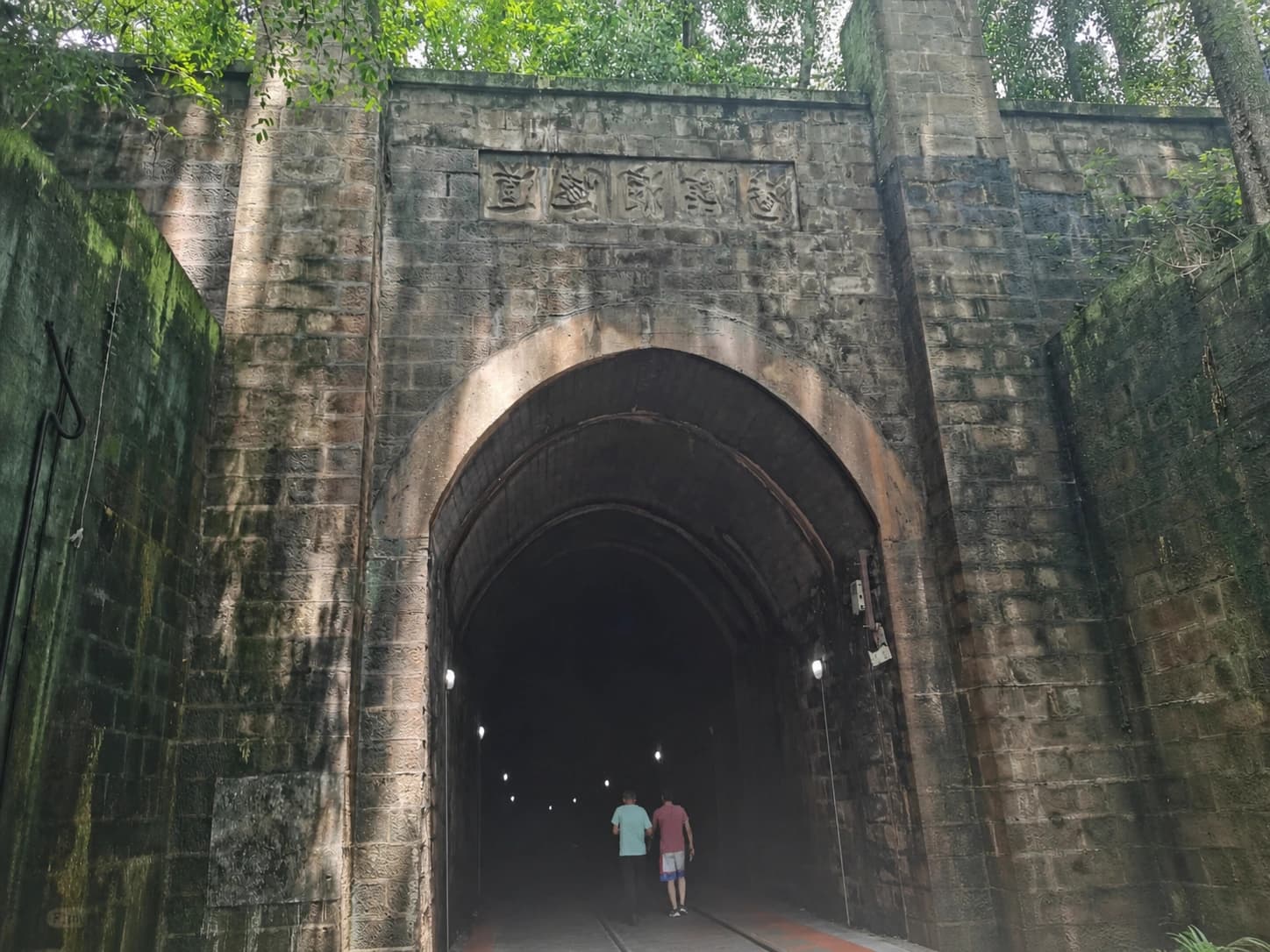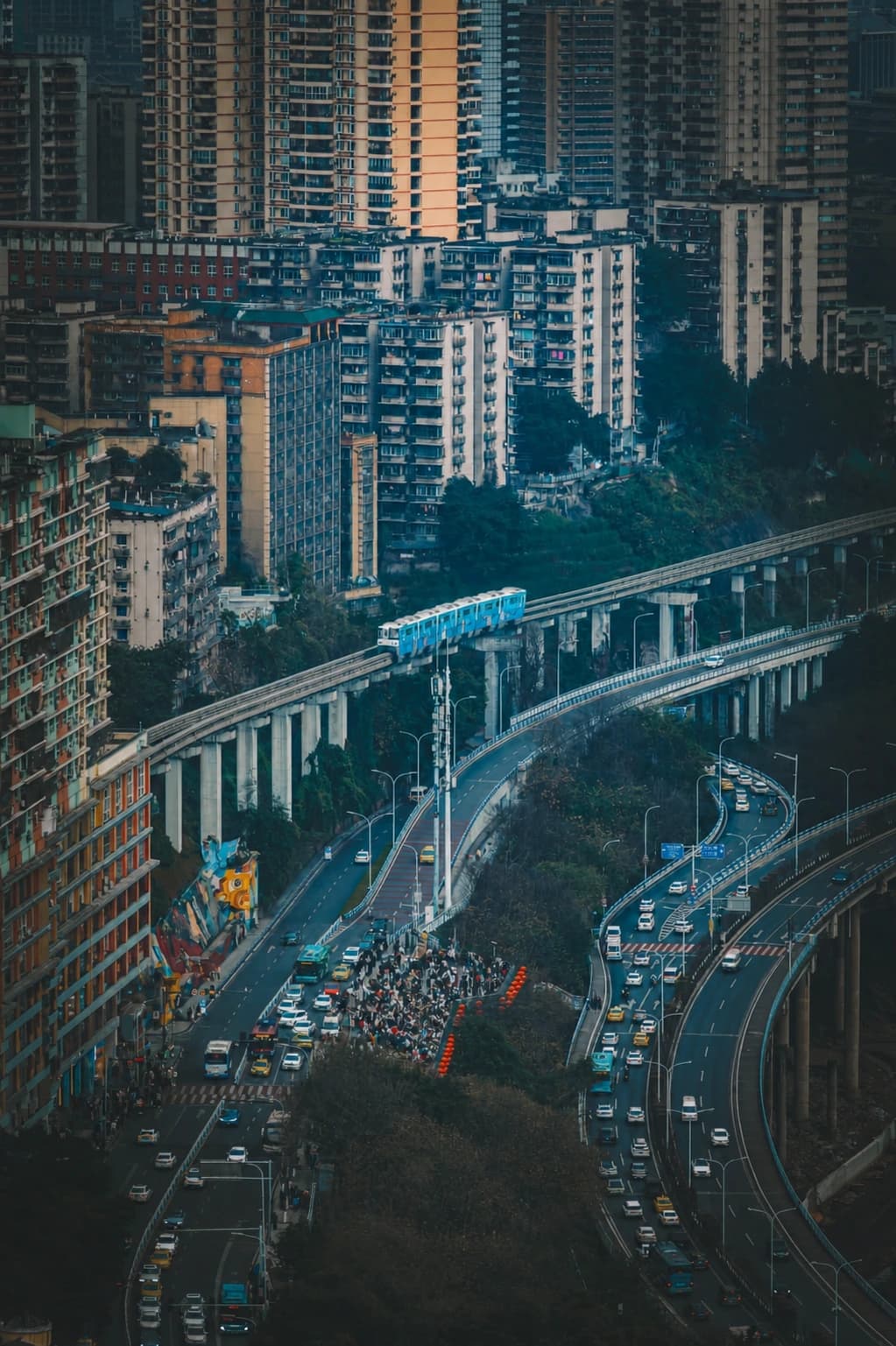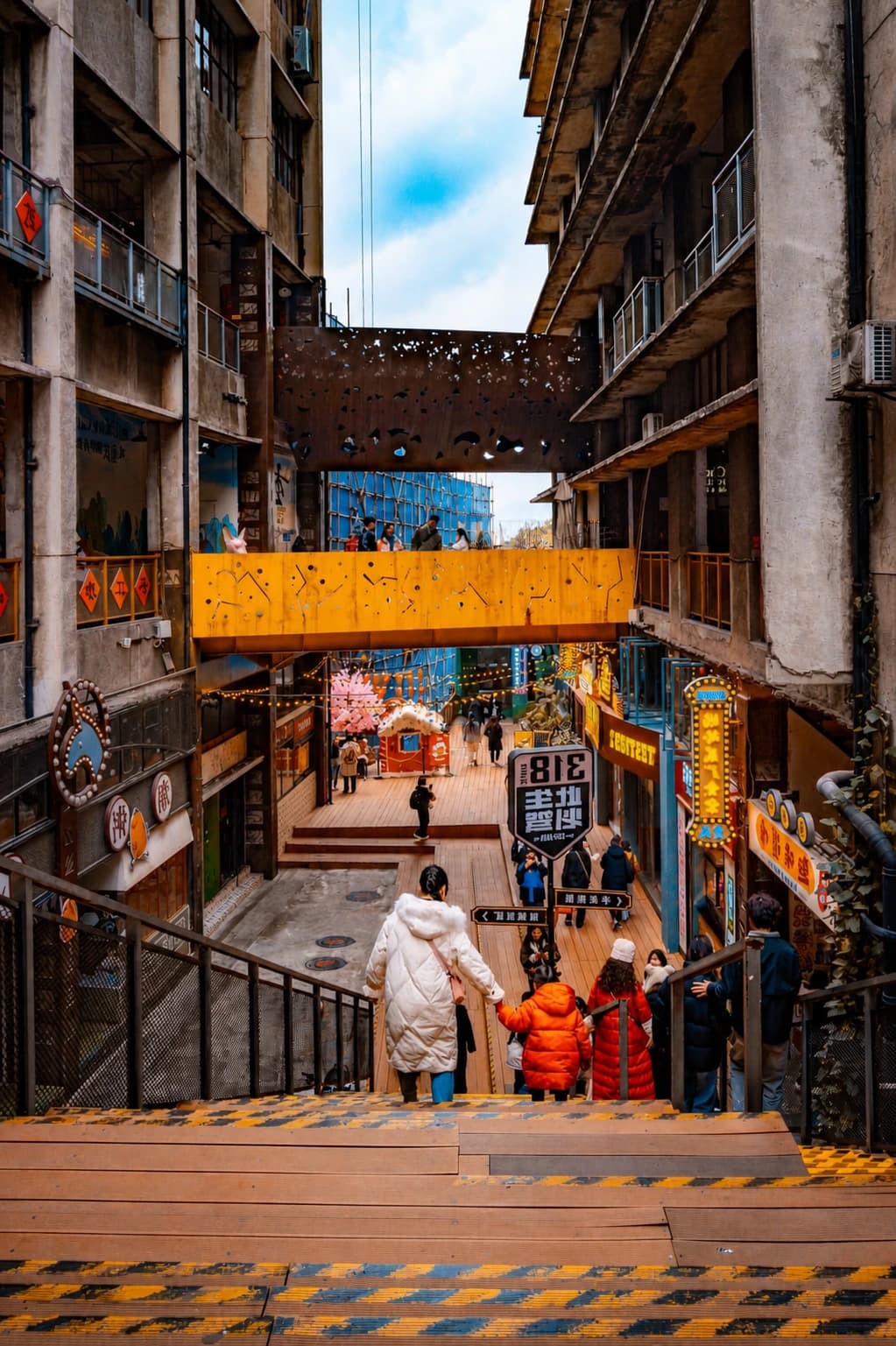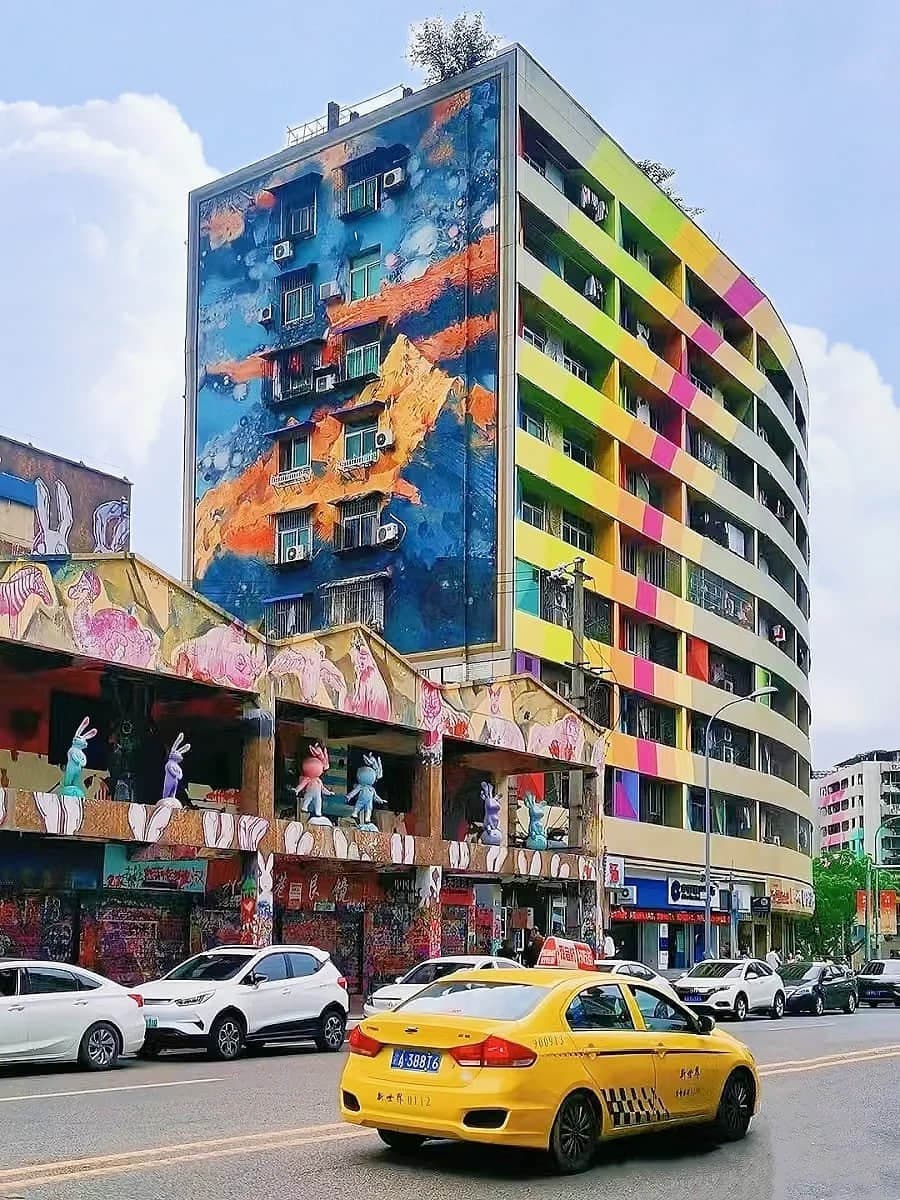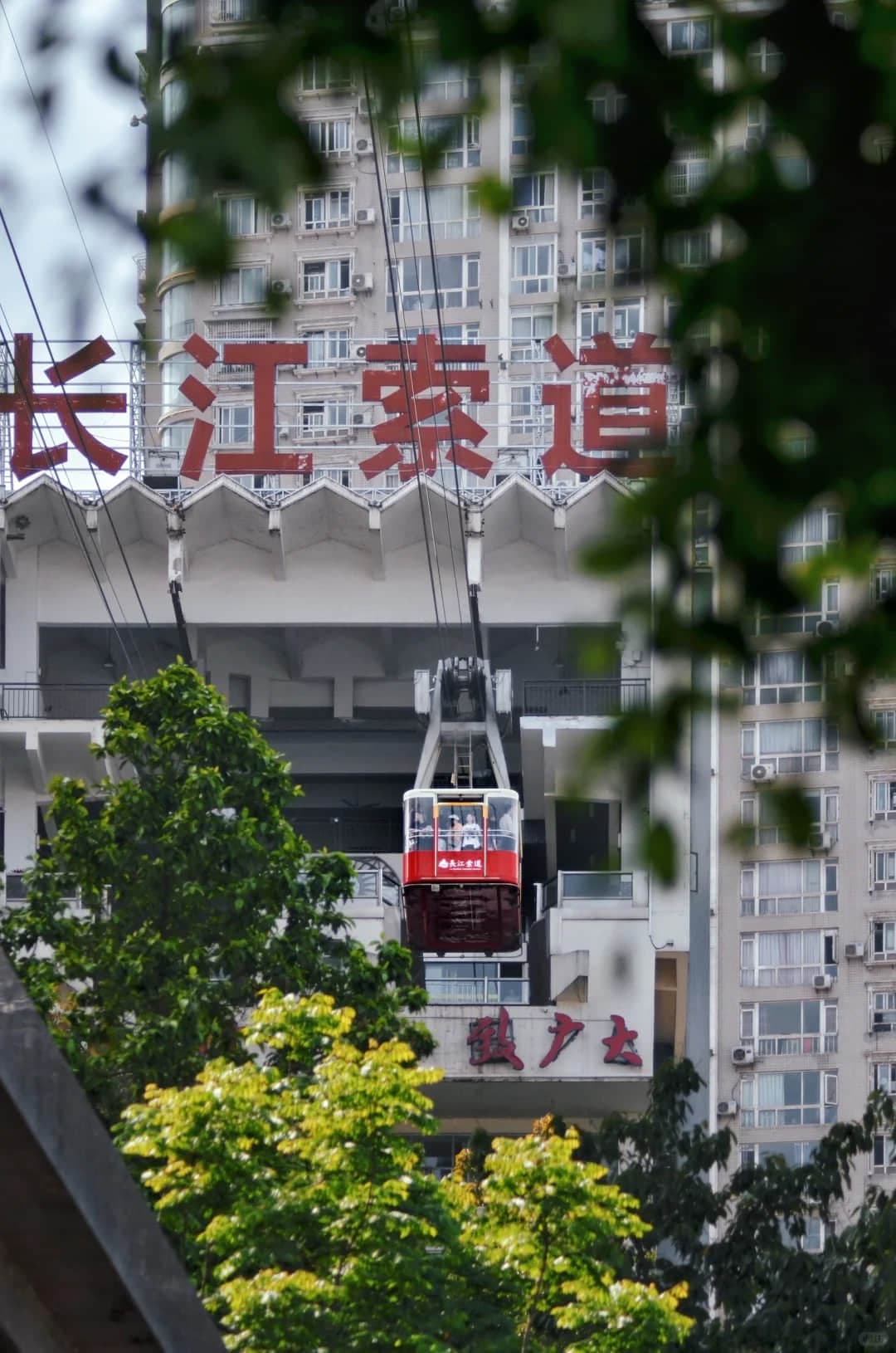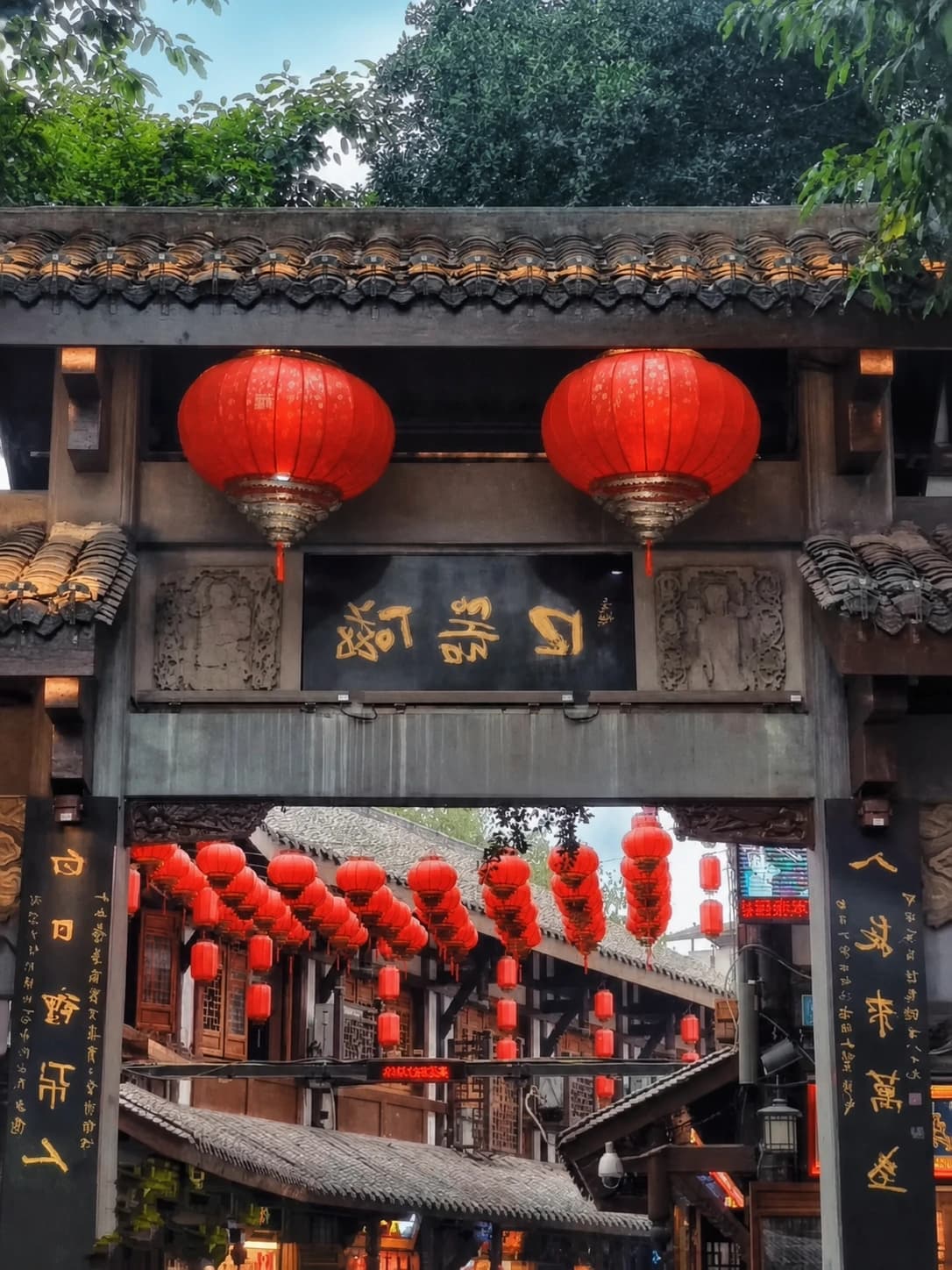
Ciqikou Ancient Town
Ciqikou (磁器口古镇) is a historic riverside district whose lanes once connected a Jialing River port with the surrounding city. Today its central street is heavily commercial, but side lanes, Baolun Temple and the river-facing end still make a useful 2–3 hour walk when visited with realistic expectations.
The public streets are free and normally do not require one scenic-area ticket or reservation. Museums, temples, performances and other interiors may set separate admission, opening and booking rules. Temporary holiday crowd controls can also change entrances; follow the latest official notice rather than a social-media claim that every visitor must reserve.
Getting there
Take Metro Line 1 to Ciqikou Station, Exit 1. AMap's checked walk from Exit 1 to the visitor centre is about 0.4 km / 5 minutes. Save the visitor-centre pin instead of navigating to a generic district label.
Train-station and airport routes depend on the network operating that day. Use a live map from your actual terminal; old instructions that describe a direct Line 1 trip from Chongqing North are no longer reliable.
A 2–3 hour route
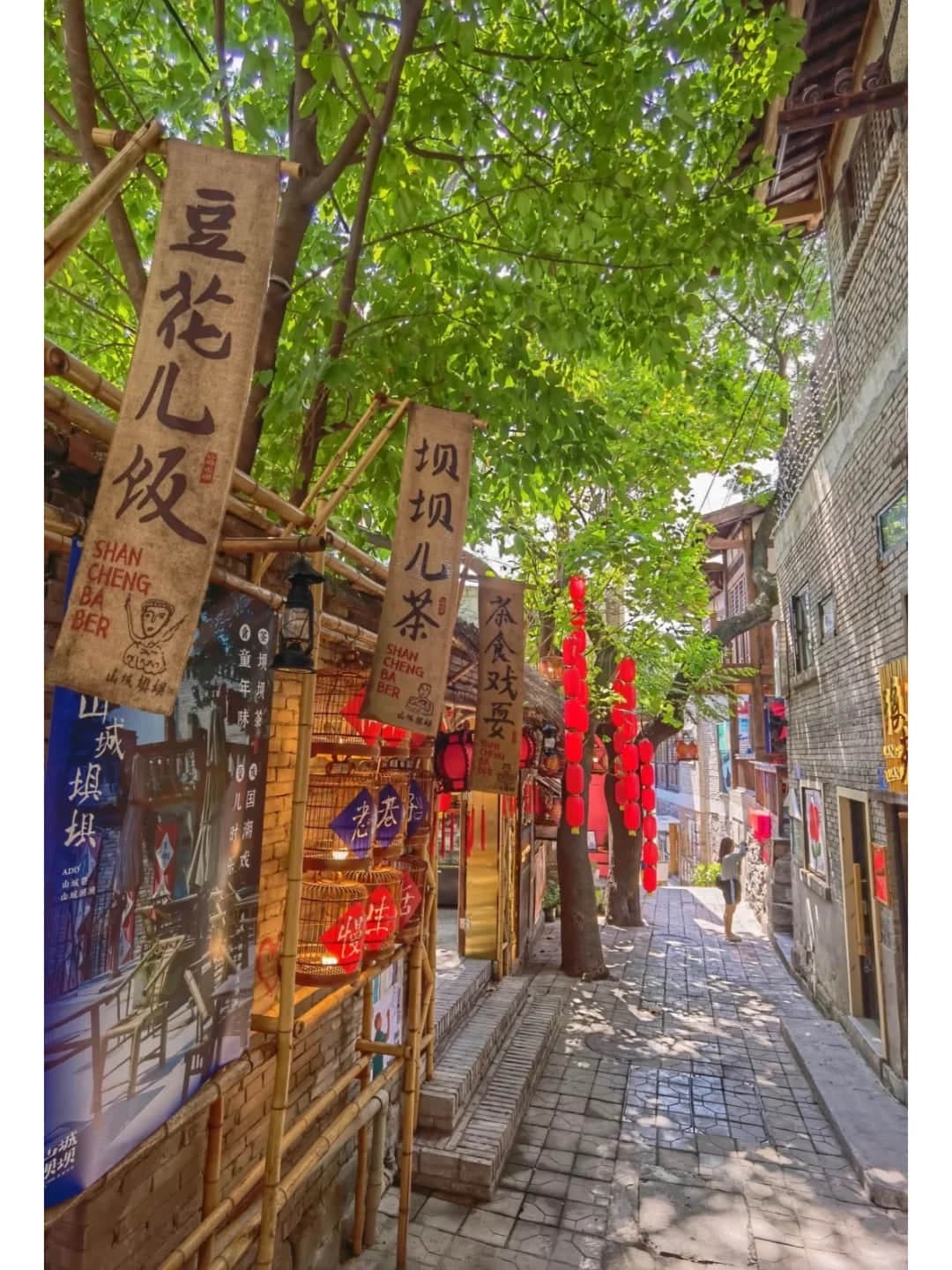
- Begin on a backstreet rather than rushing into the main queue. Use the visitor map to locate a parallel lane and observe the district's topography before joining the commercial core.
- Pass through the main stone-paved street. Choose one food stop with a visible menu and turnover. Vendor names, “original shop” claims and package prices change too quickly to be route anchors.
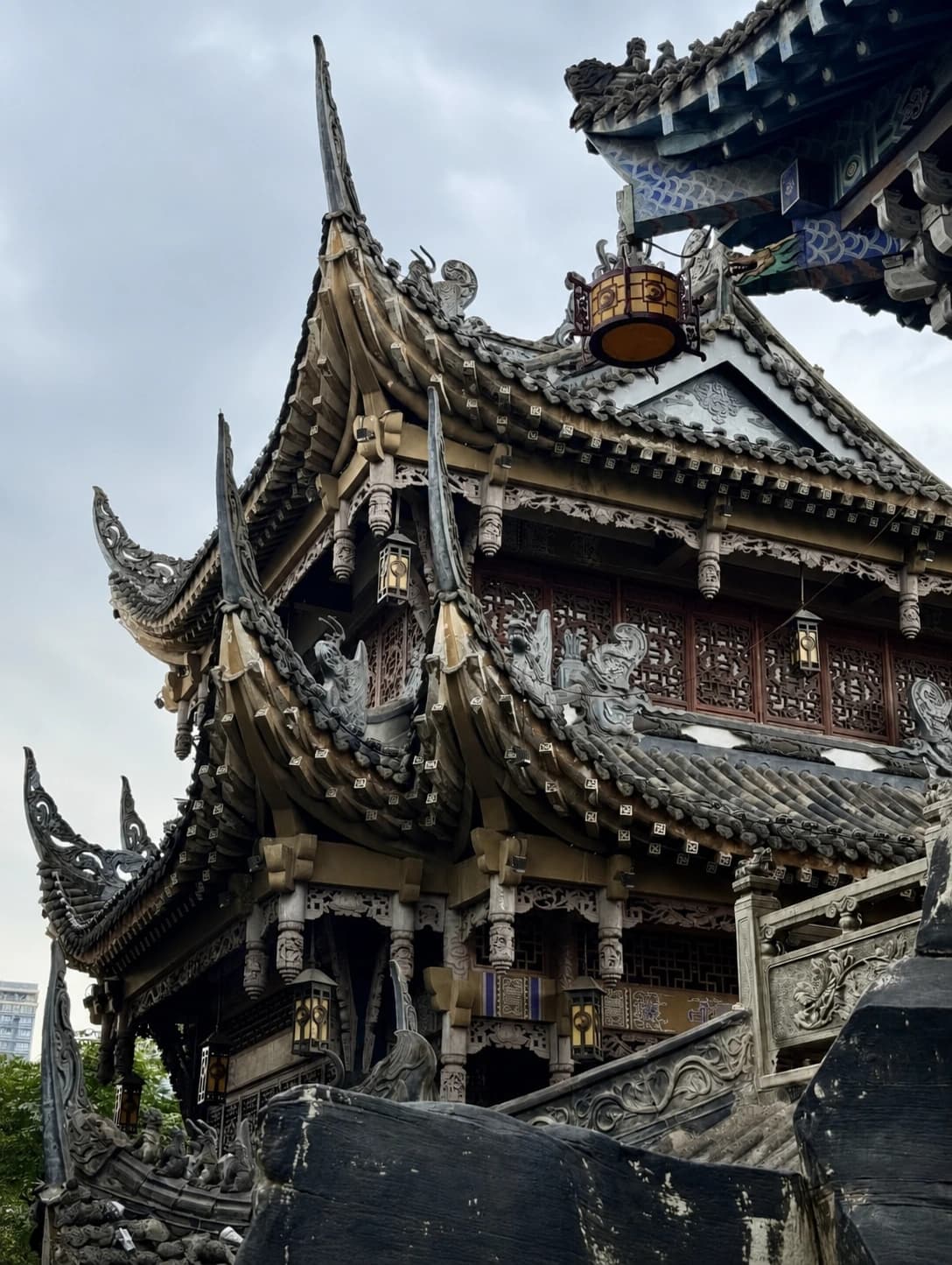
- Turn toward Baolun Temple (宝轮寺). Check the current door notice for admission and photography rules. This remains an active religious space: keep voices low, give worshippers priority and do not assign a guaranteed blessing to a particular hall.
- Continue toward Yinglong Gate (迎龙门) and the riverside approach. This final section makes the old port geography legible. Stay behind barriers and leave the waterside if staff close it for weather or river conditions.
- Return through one side lane. This gives a different view without stretching the visit into a repetitive half-day of shopping.
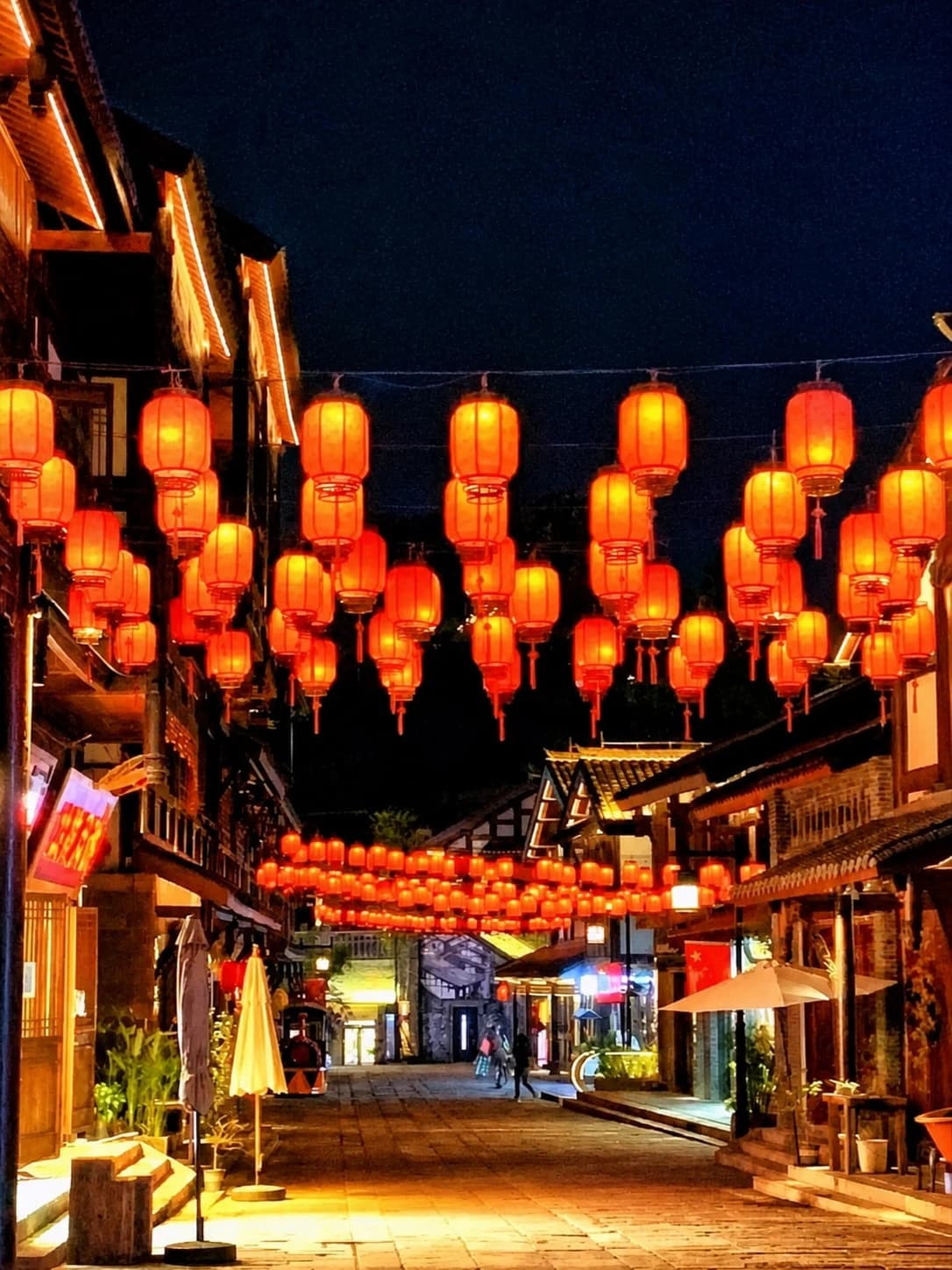
The August 2026 municipal introduction confirms the relationship among the pedestrian street, backstreet, wharf and renewed night landscape. It does not make every reconstructed façade an untouched historic building or guarantee an evening event.
How to read the district
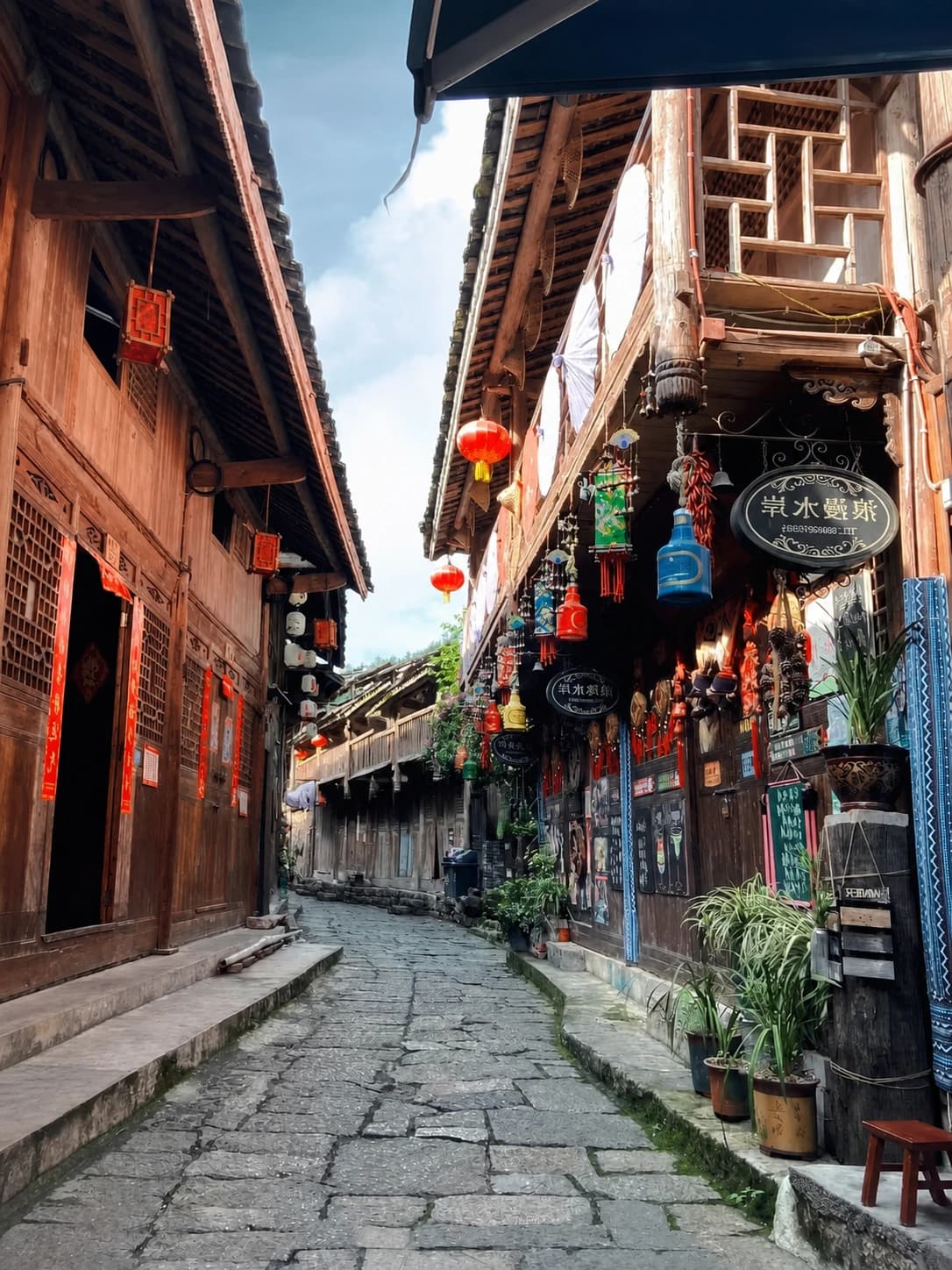
Ciqikou grew through river trade and later became associated with porcelain commerce. What visitors see now is a mix of surviving street form, religious and port memory, restored buildings and modern retail. Avoid treating every timber shopfront as an original Ming- or Qing-dynasty structure.
Baolun Temple offers the clearest change of pace from the shopping street. At the river, focus on the relationship between slope, lane and former landing place. Do not assume that a sightseeing ferry operates just because an old post mentions one; use only a currently signed and staffed service.
Timing and crowd strategy
- Weekday morning: easiest for architecture and quieter side lanes, though some businesses may not yet be open.
- Late afternoon: useful for combining daylight with the renewed evening atmosphere; lighting time varies by season and operations.
- Weekends and holidays: expect stop-and-go movement in the central lane. Keep bags closed and move to a side lane rather than fighting one dense queue.
- Rain: stone paving and stairs become slippery. Shoes with grip matter more than completing the full route.
Food, shopping and neighborhood etiquette
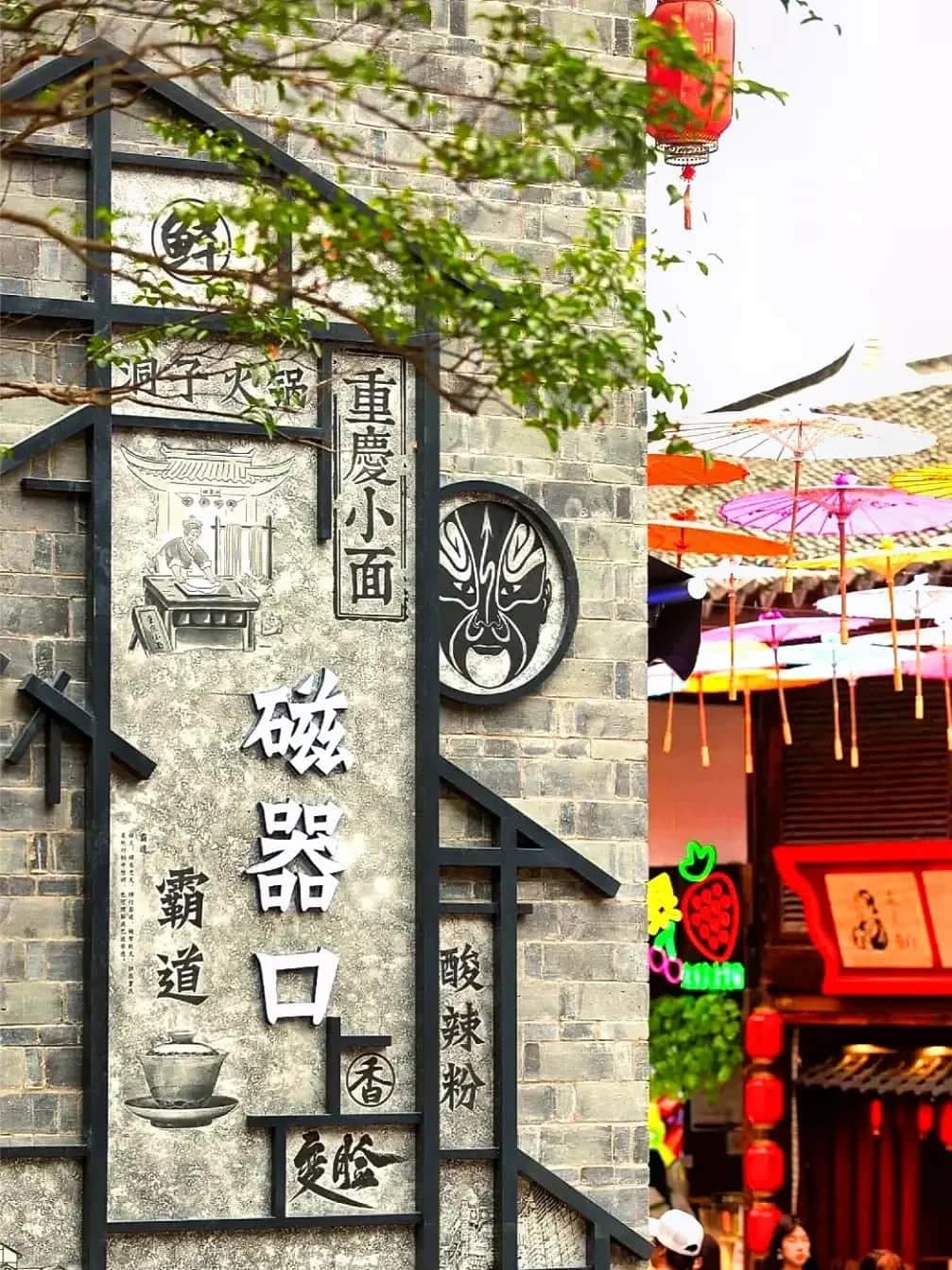
Try one Chongqing snack because it appeals to you, not because a stall claims exclusivity. Check weights, packaged quantity and total price before paying; vacuum-packed products may not be suitable for every flight or destination's import rules.
Some quieter lanes still serve residents. Do not photograph people at close range without consent, block doorways or enter unsigned passages. The most satisfying visit balances one lively street with one quieter lane and the river—there is no need to buy your way through every attraction.