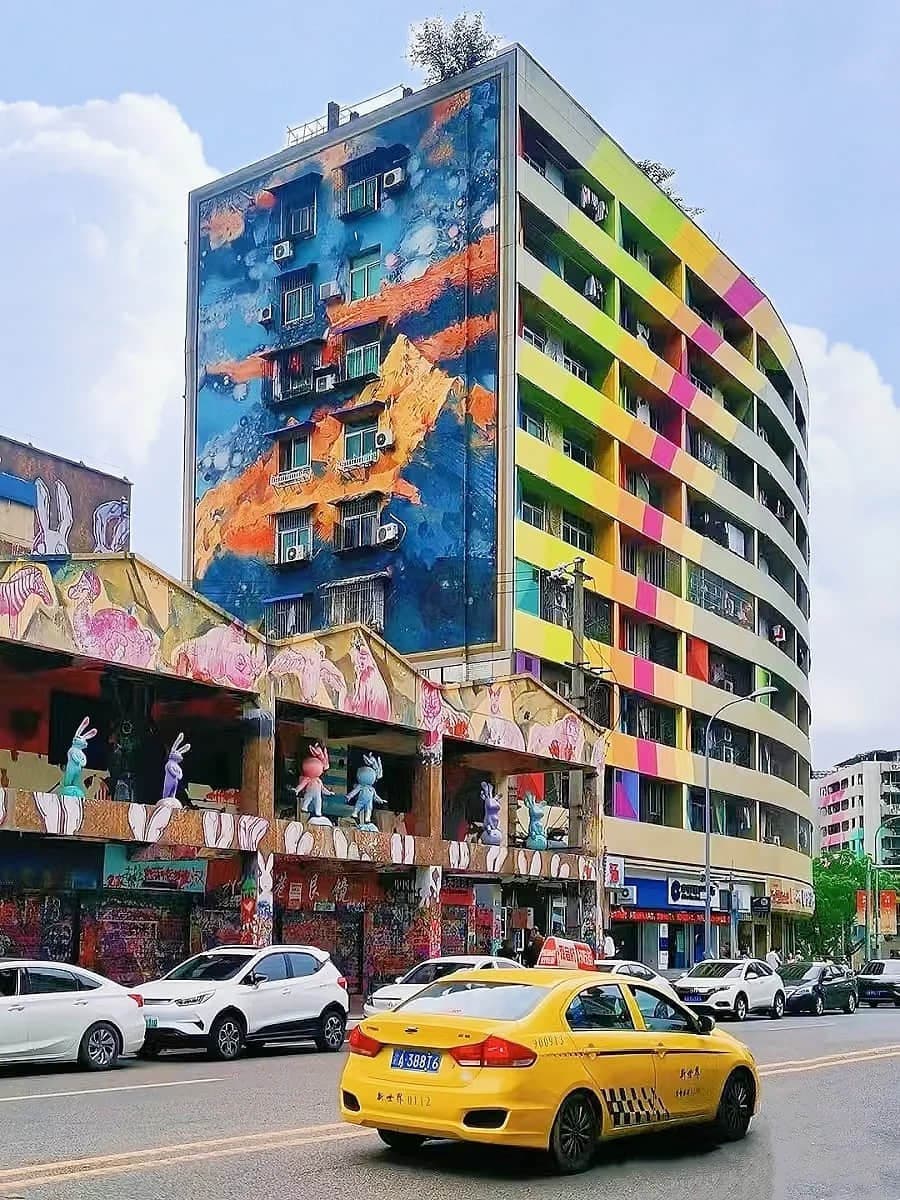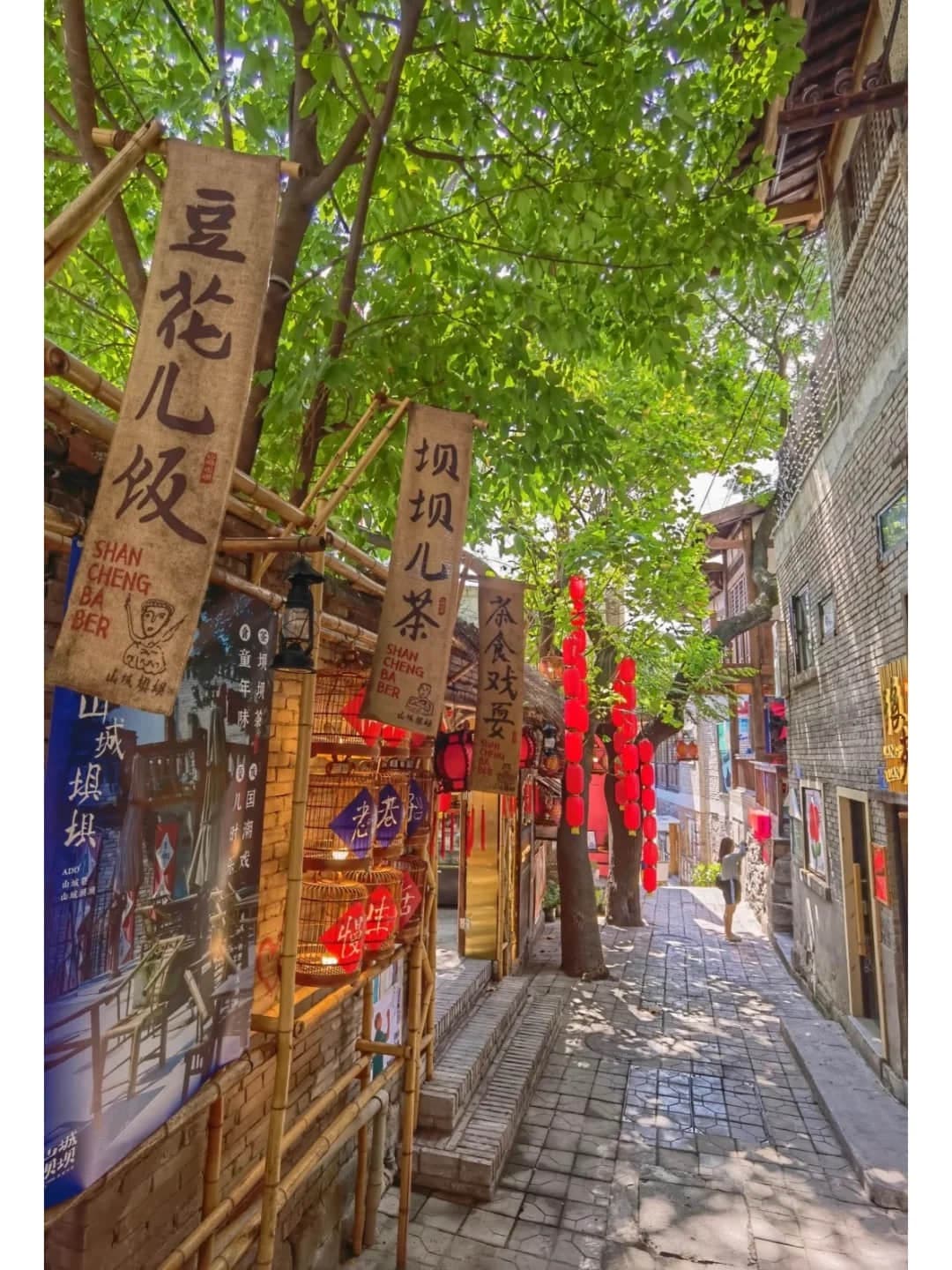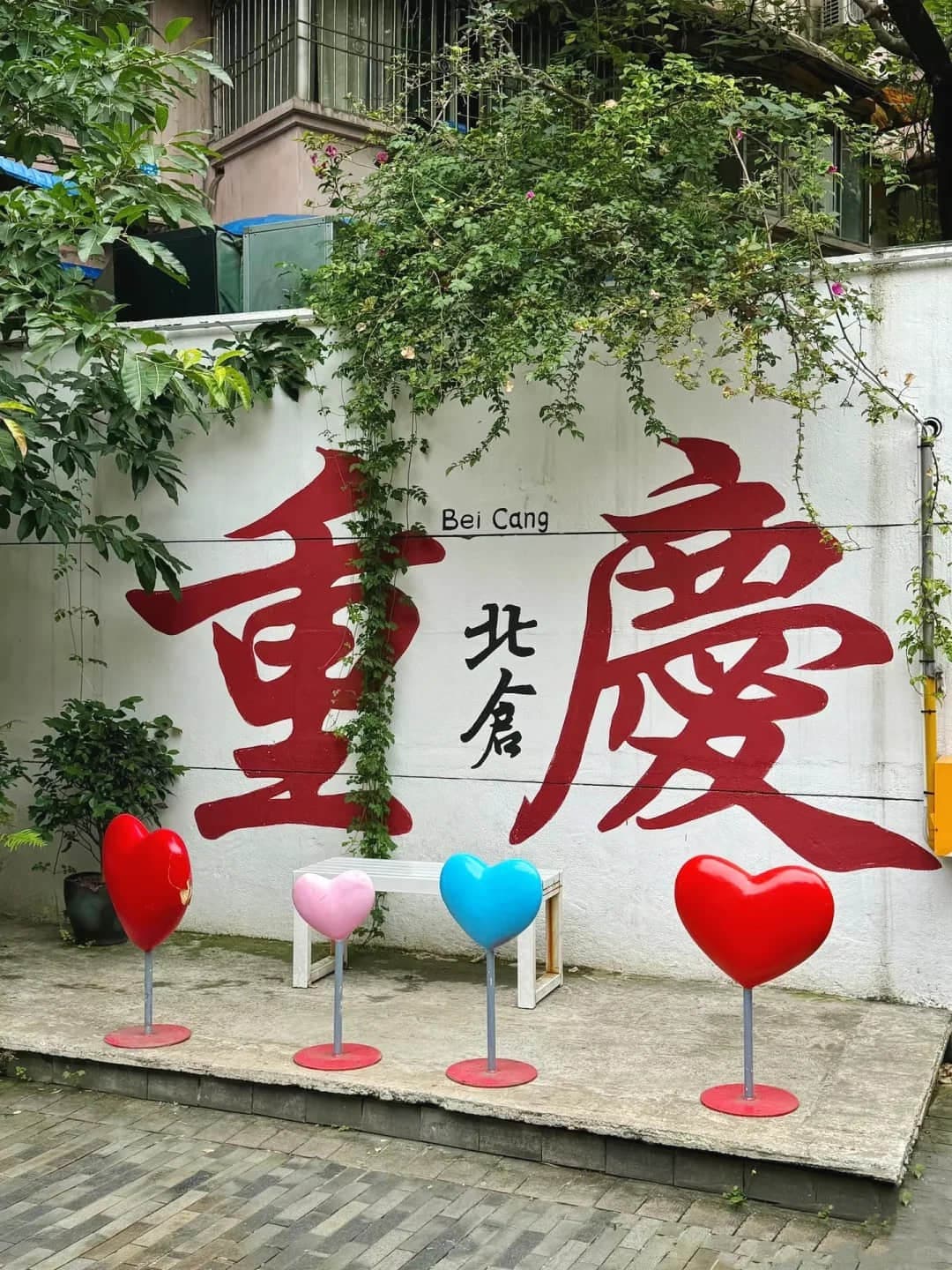
Beicang Cultural Creative Park
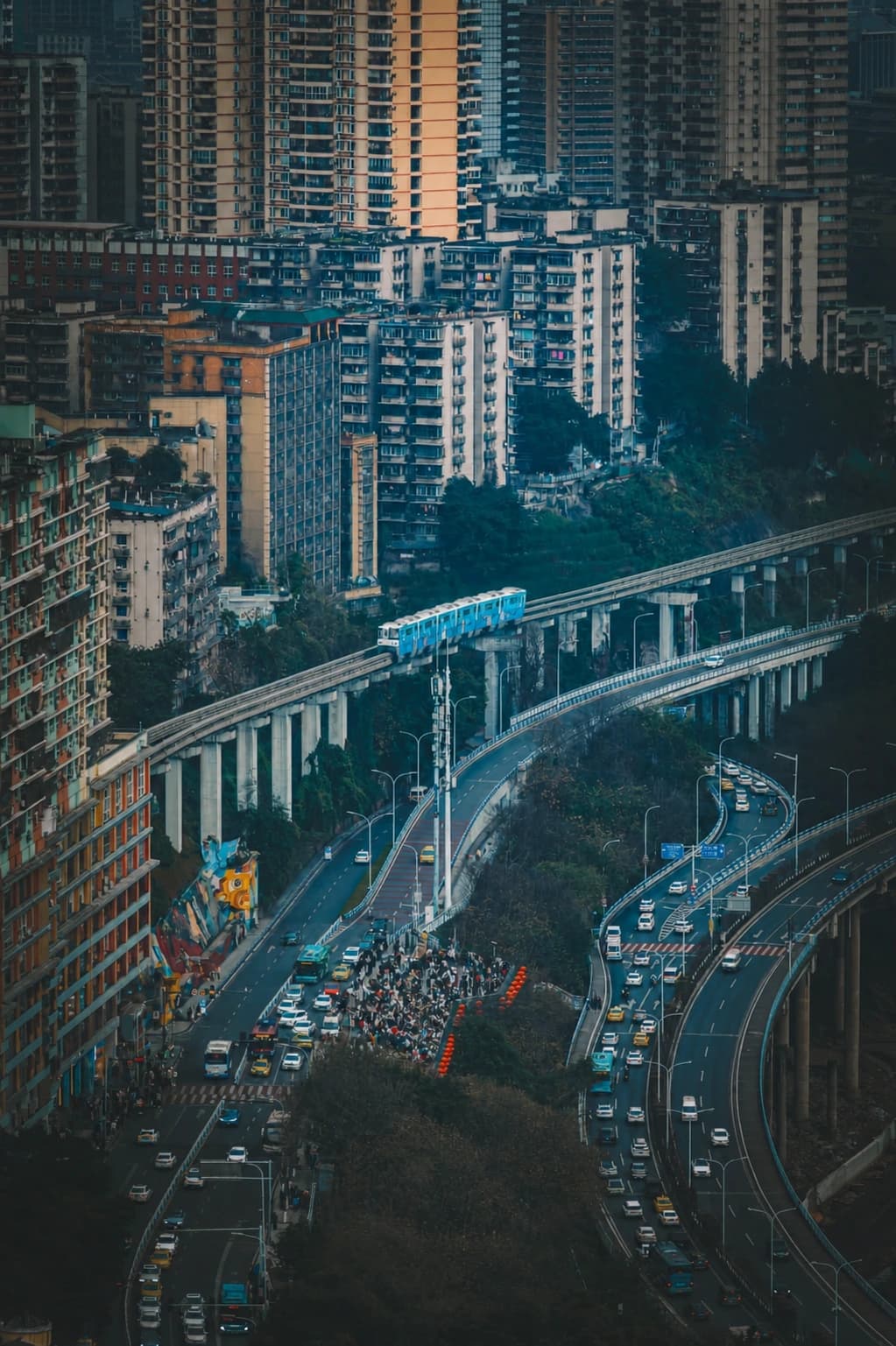
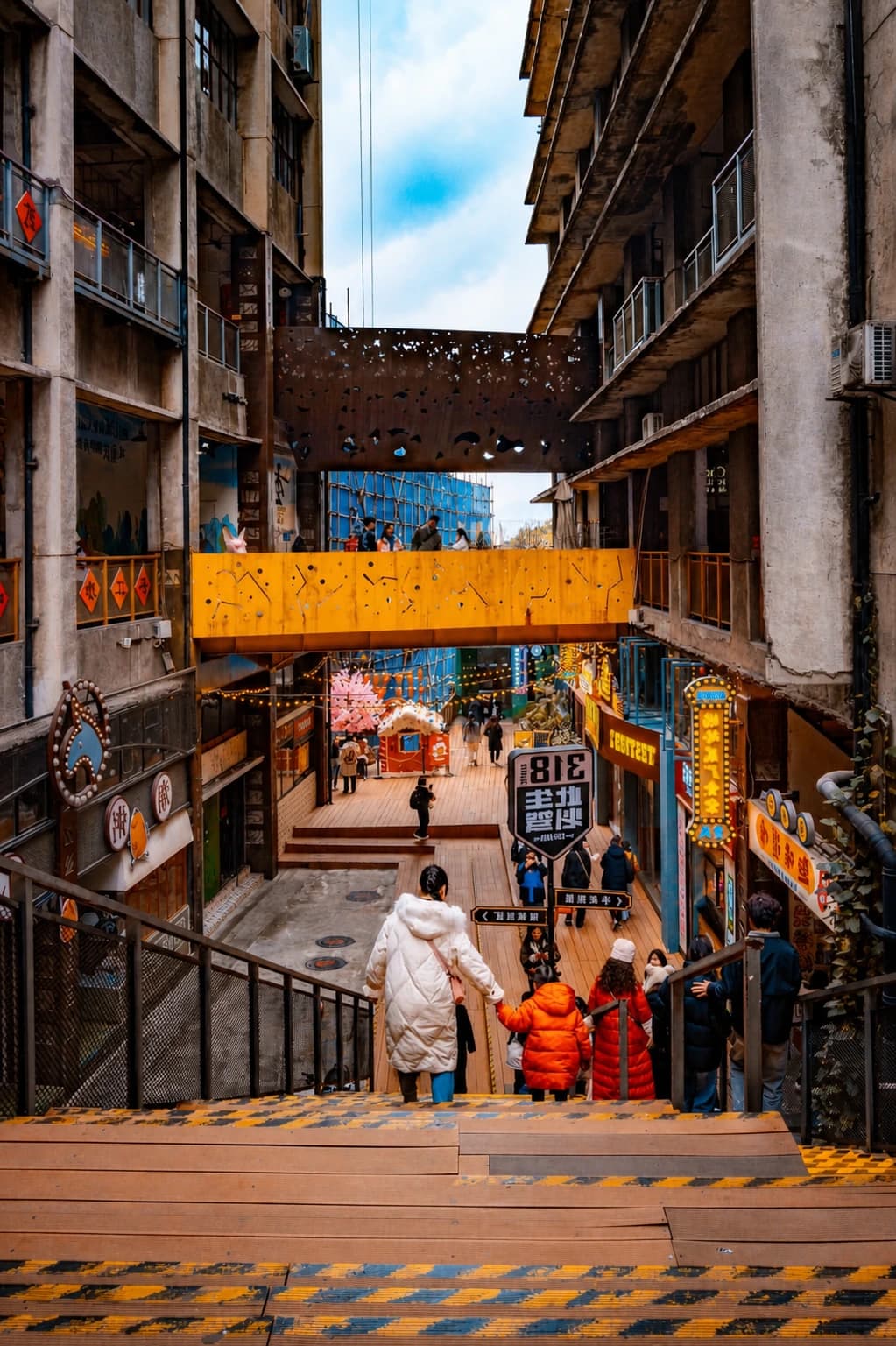
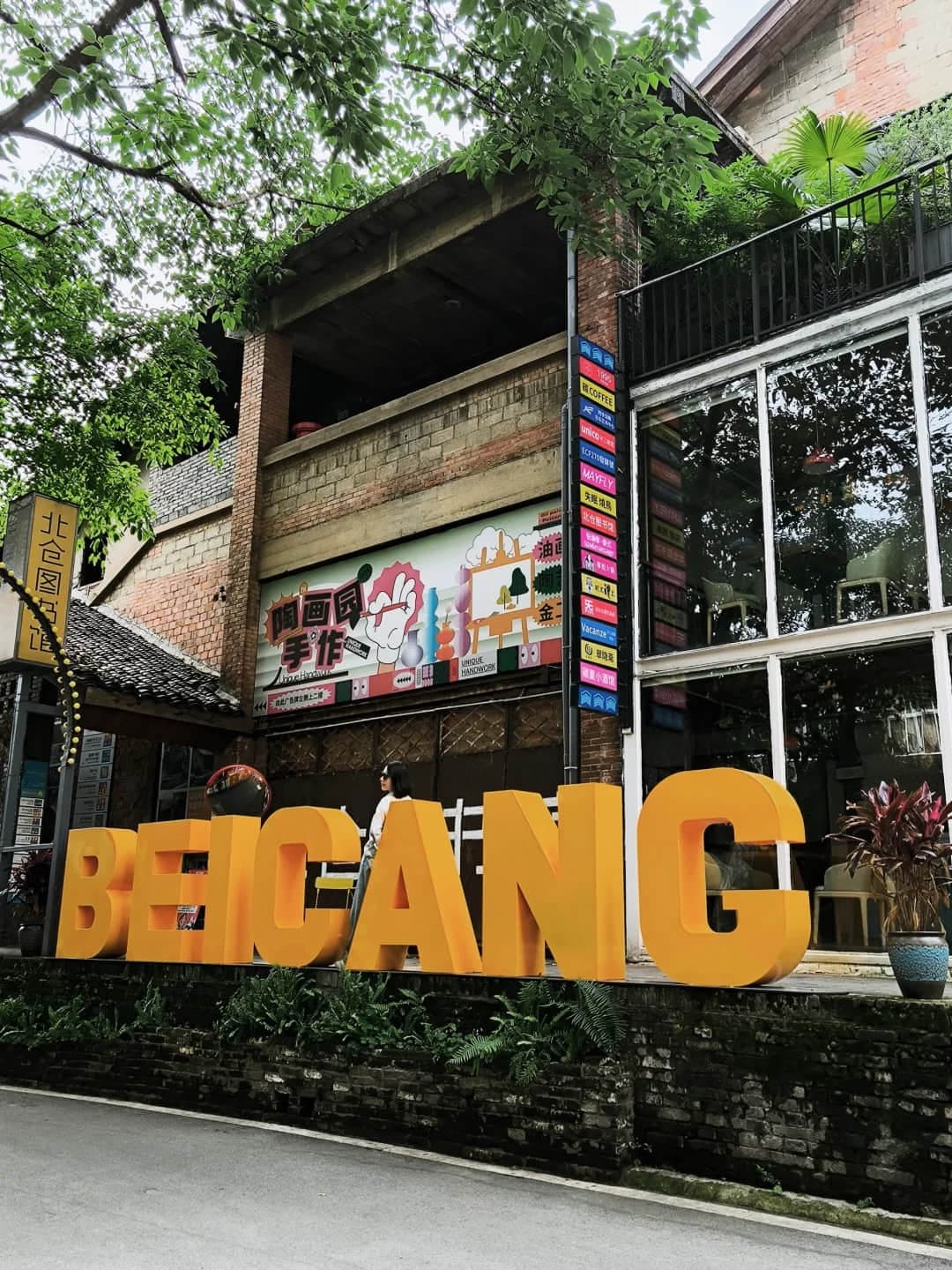
Beicang (北仓文创街区) is a compact warehouse conversion and lane district behind Guanyinqiao's commercial core. Its appeal is the transition between reused industrial buildings, older residential streets and changing independent businesses—not a checklist of famous shops. It is free to walk and works best as a 60–90 minute stop, or about two hours if you add Beicangli and a café.
The district is not frozen in one design. A May 2026 municipal renewal update describes Beicang and Beicangli within a wider 2.2 km back-lane renewal, so construction screens, shopfronts and photo installations can change between visits.
A simple route that fits the site
- Approach from Guanyinqiao. From Guanyinqiao Station Exit 6A, AMap's checked walking route to Beicang is about 0.7 km / 10 minutes. Keep the Beicang pin open through the mall-and-lane approaches.
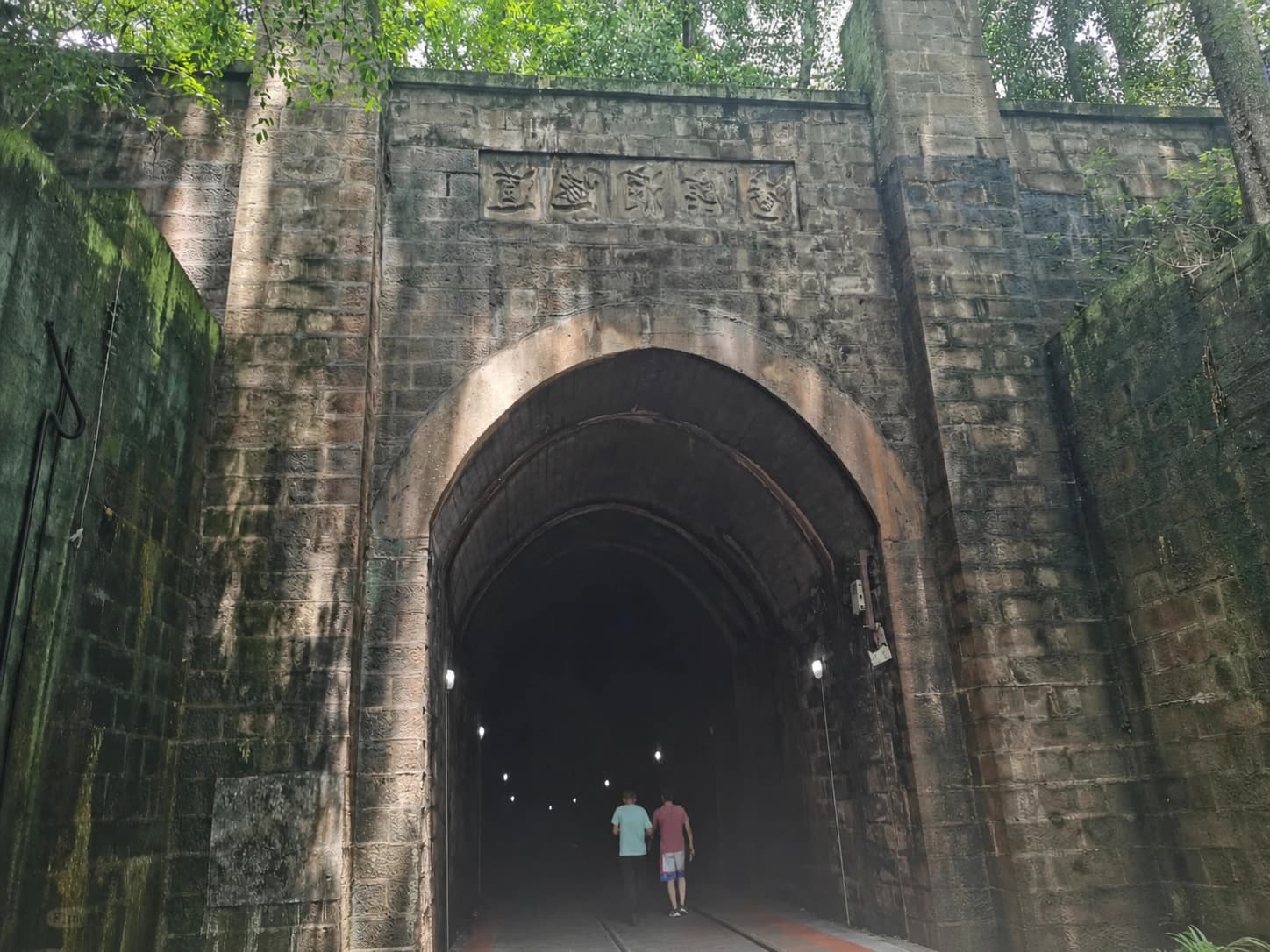
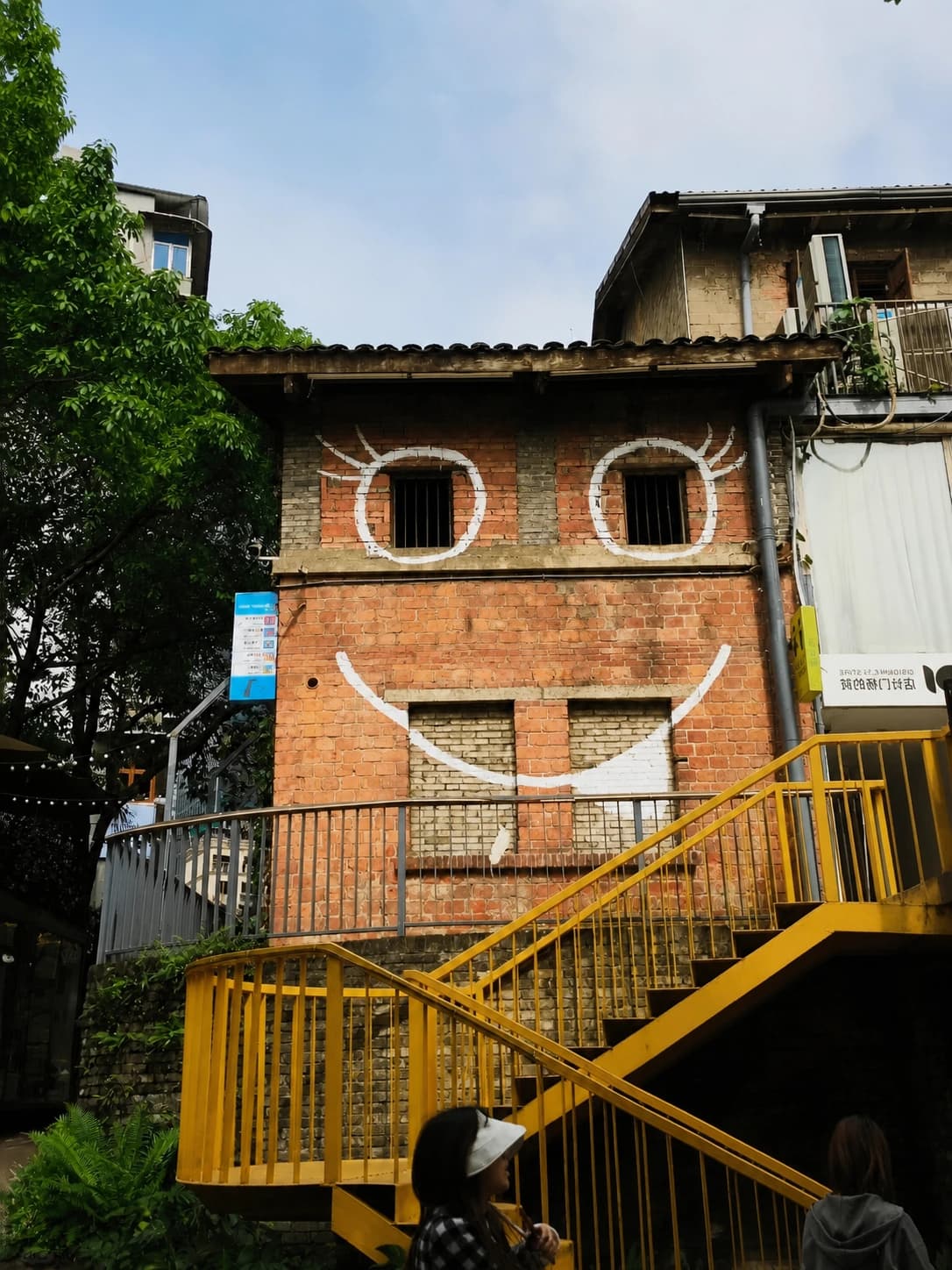
- Read the warehouse conversion. Look for retained walls, structural bays, stairs and the way new uses sit inside older fabric. These features outlast any viral tenant list.
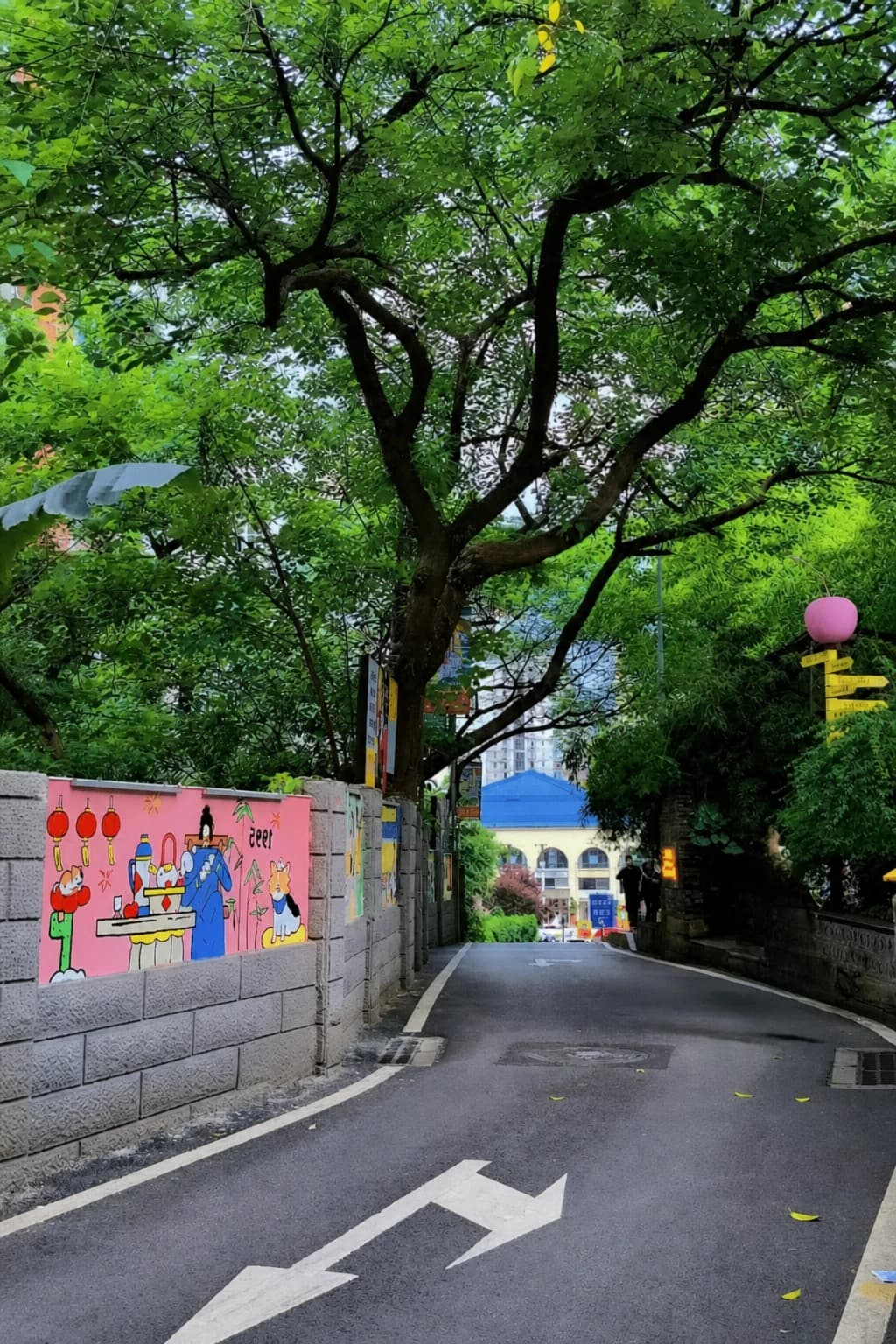
- Continue into Beicangli and the back lanes. The surrounding neighborhood is part of the experience, but it remains a lived-in area. Stay on public lanes and do not treat residential doorways as photo sets.
- Finish in Guanyinqiao. Return for the area's much broader food and shopping choice rather than waiting for one specific Beicang venue to open.
What is actually open?
There is no reliable single opening time for the whole district. The public outdoor lanes are free and generally accessible, while the library, galleries, cafés, workshops and event spaces set their own hours. Recent visitors commonly find more businesses operating from late morning onward, but a posted door notice is stronger evidence than an old online schedule.
Treat Beicang Library as a conditional interior: check access, quiet-reading rules and event notices at the door. Do the same for exhibitions and markets. A public street does not make every room public.
When to visit
- Late morning: best chance of finding interiors open, with a calmer street atmosphere on working days.
- Late afternoon to early evening: stronger street atmosphere and an easy transition to dinner in Guanyinqiao.
- Rainy days: the outdoor portion becomes much less rewarding; choose the district only if a confirmed indoor event interests you.
- Weekends and holidays: narrow lanes can fill quickly. Keep moving through pinch points instead of stopping a group for photographs.
Practical boundaries
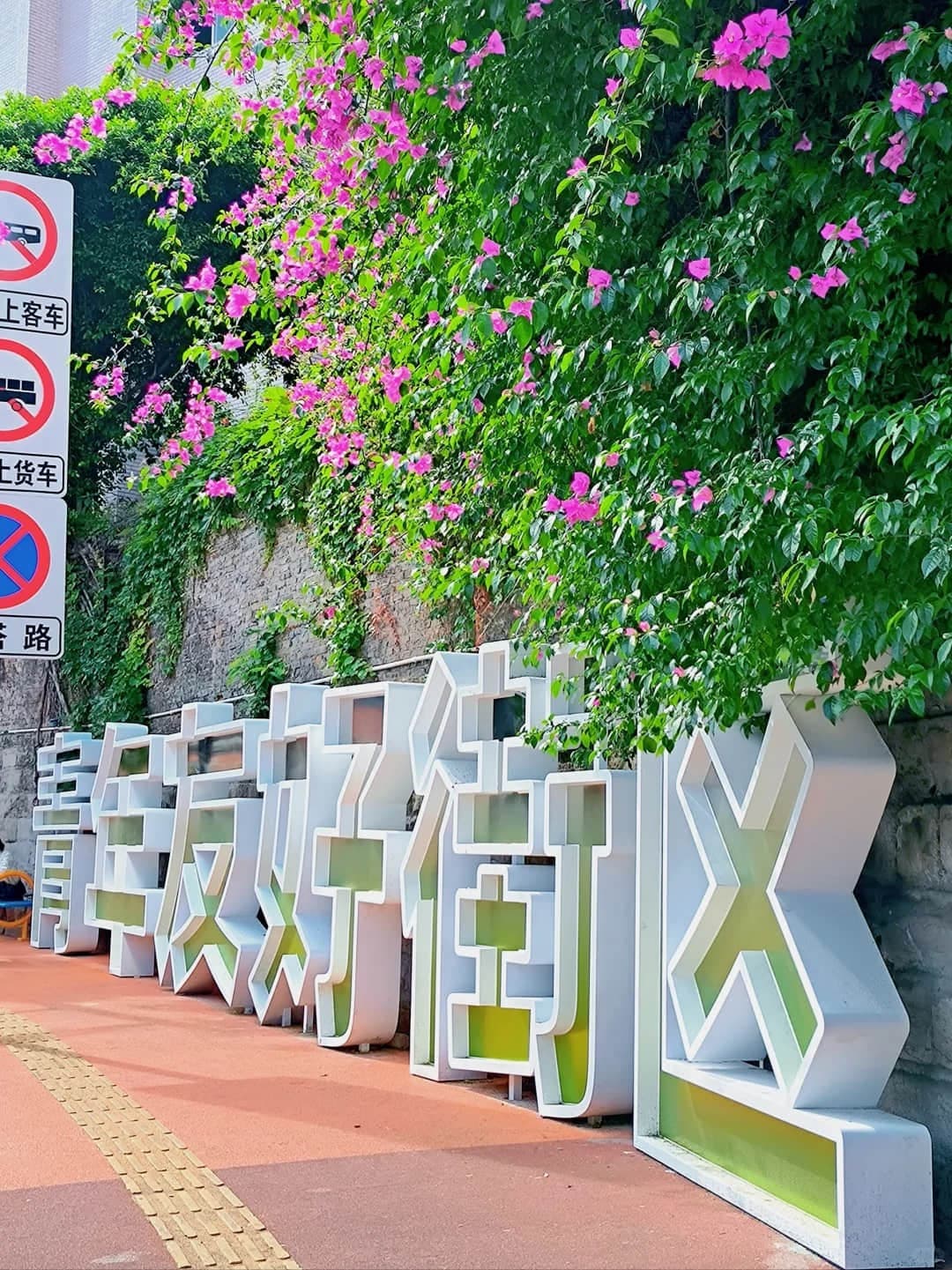
- Save the Chinese name 北仓文创街区; searching only for “warehouse” can return the wrong place.
- The route includes slopes, steps and uneven neighborhood surfaces. Ask individual venues about accessible entry; the district as a whole is not a controlled step-free facility.
- Residents, delivery riders and e-bikes share some lanes. Walk at the edge, look before stepping backward for a photo and keep entrances clear.
- Choose food by visible turnover, current menus and posted prices. Shop and café names change too quickly to justify a permanent must-visit list.
Best pairing
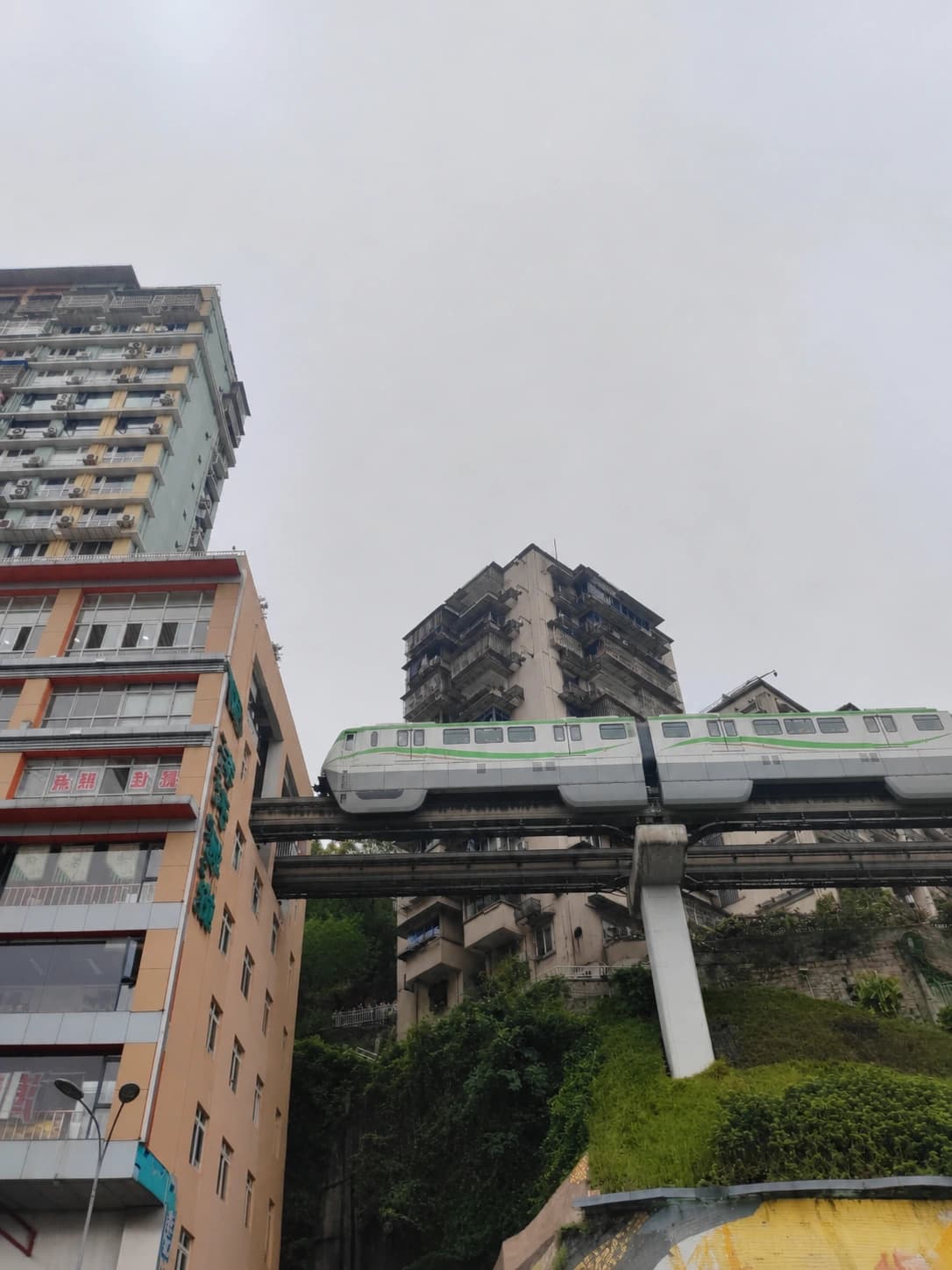
Pair Beicang with Guanyinqiao food and shopping or another Jiangbei stop. It is a weak fit for a tightly packed old-city route around Jiefangbei and Hongya Cave: river crossings and Chongqing's vertical transfers make that combination slower than a flat map suggests.