Eighteen Steps Chongqing
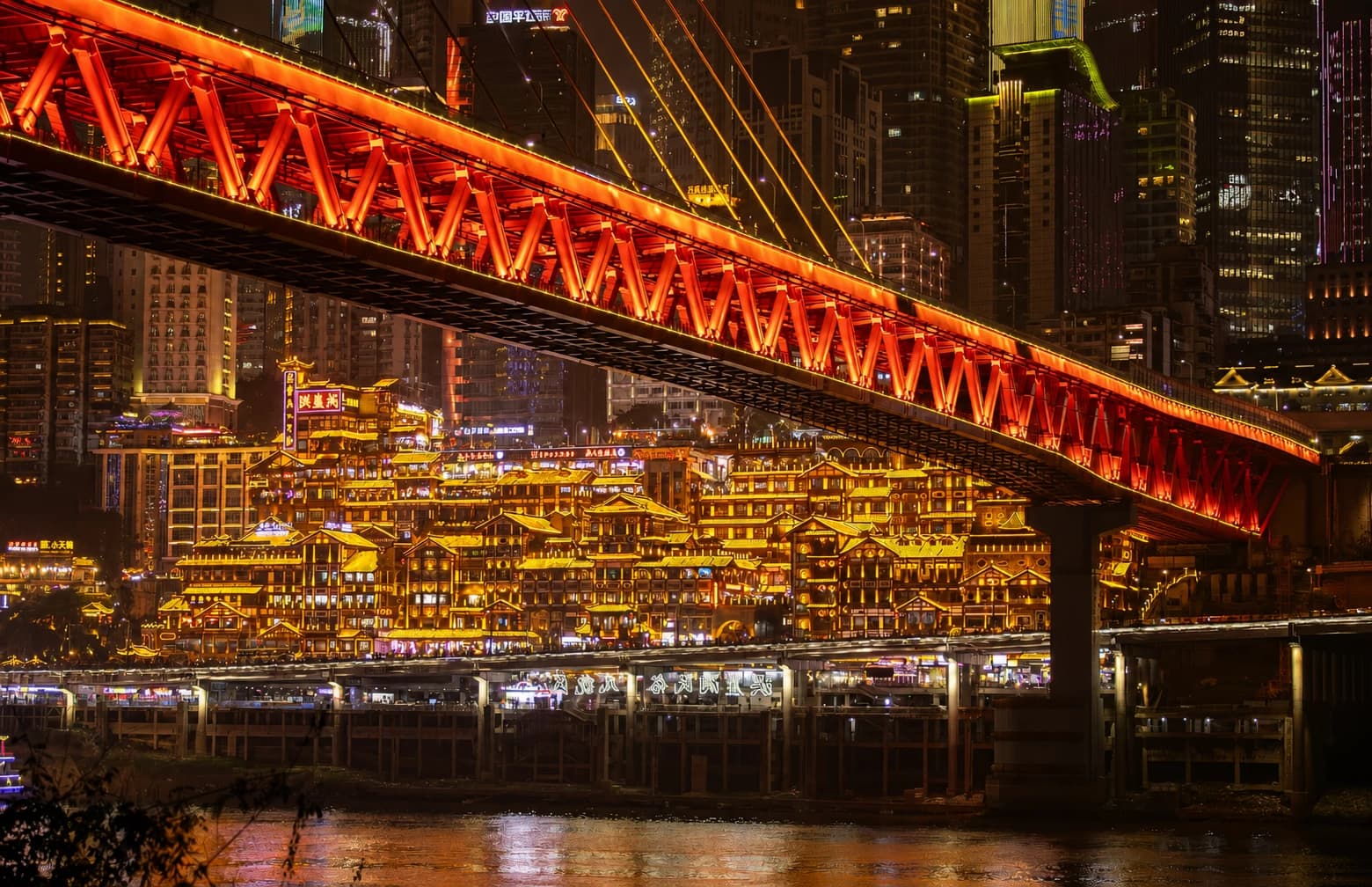
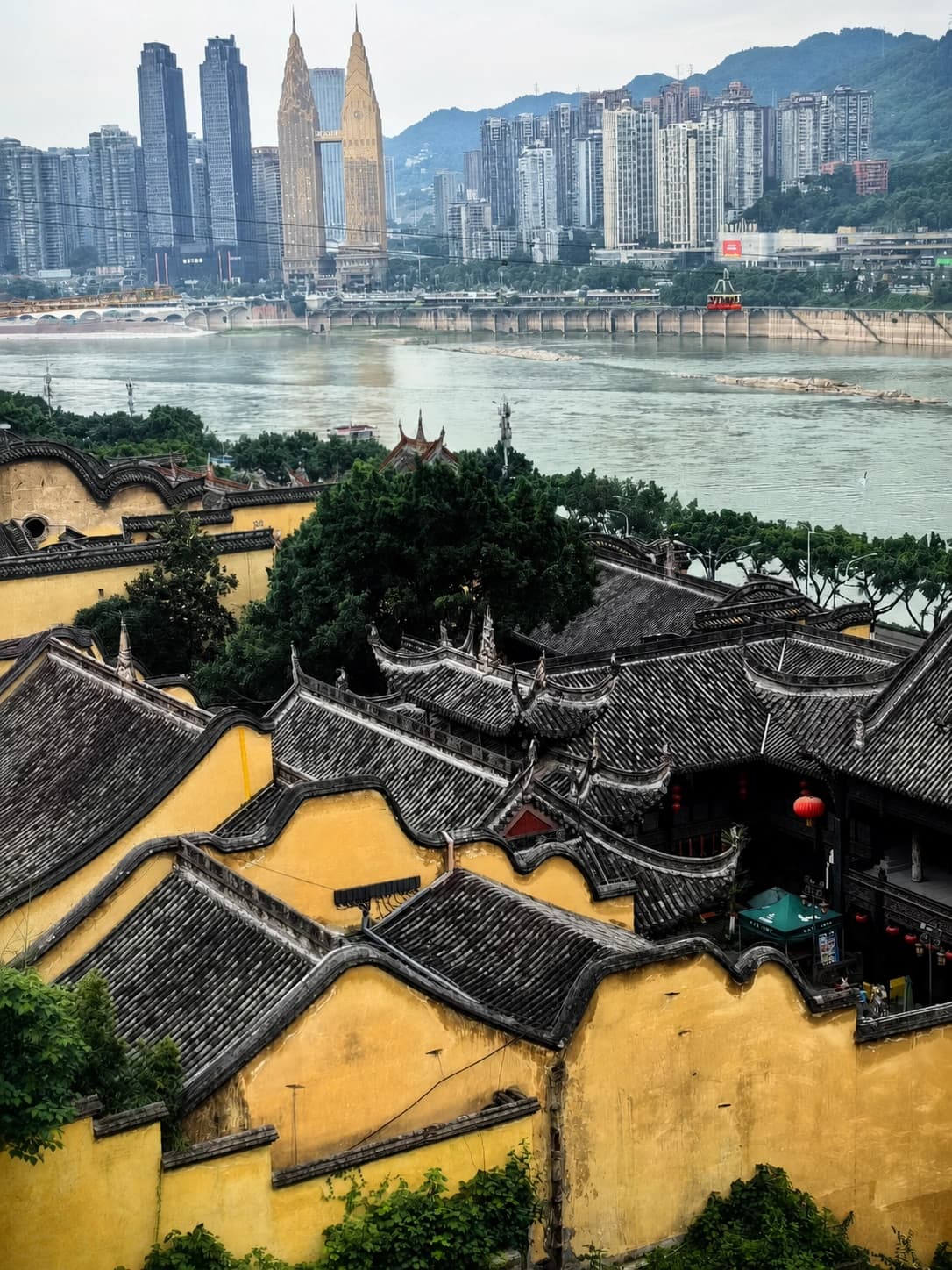
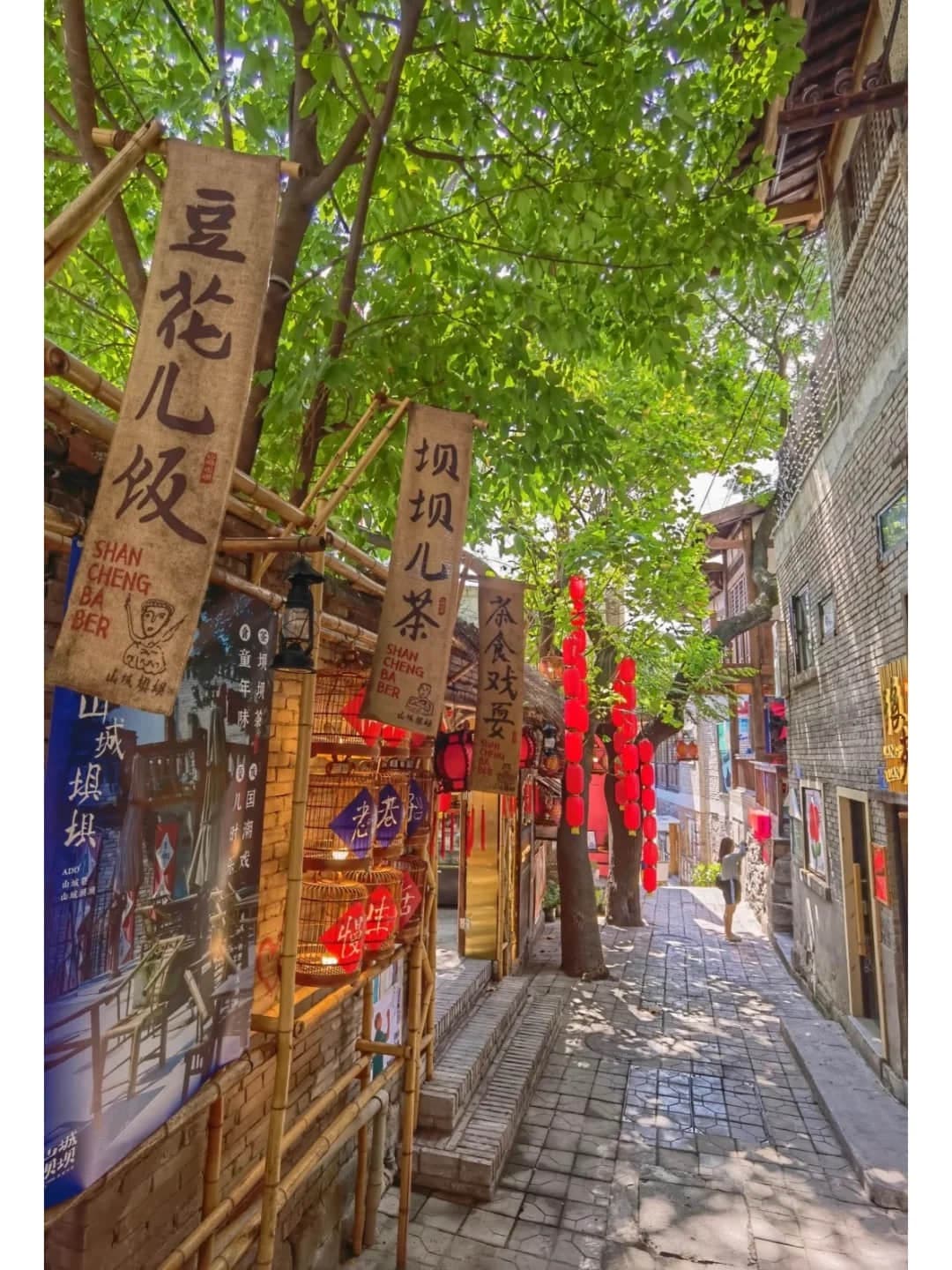
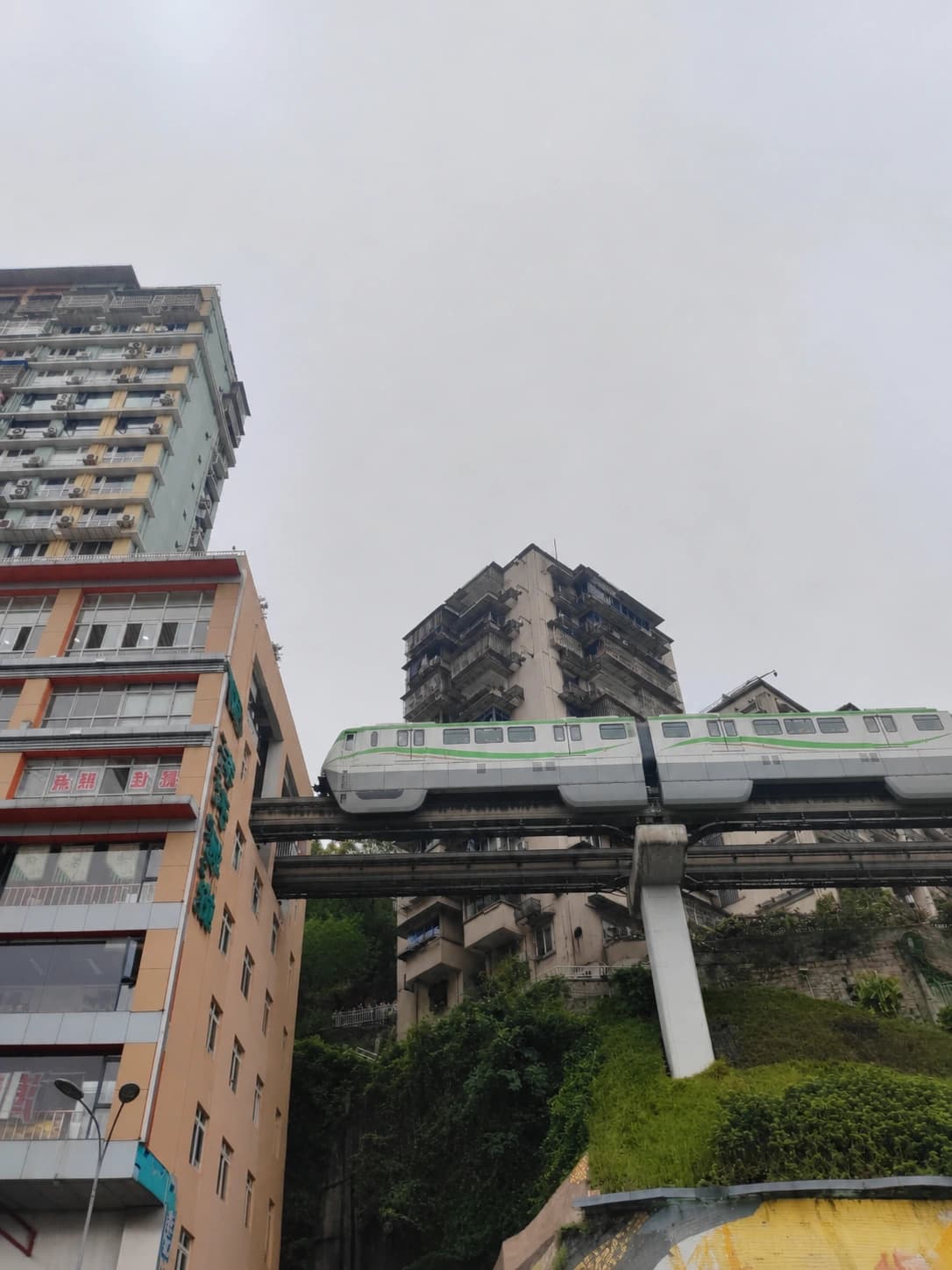
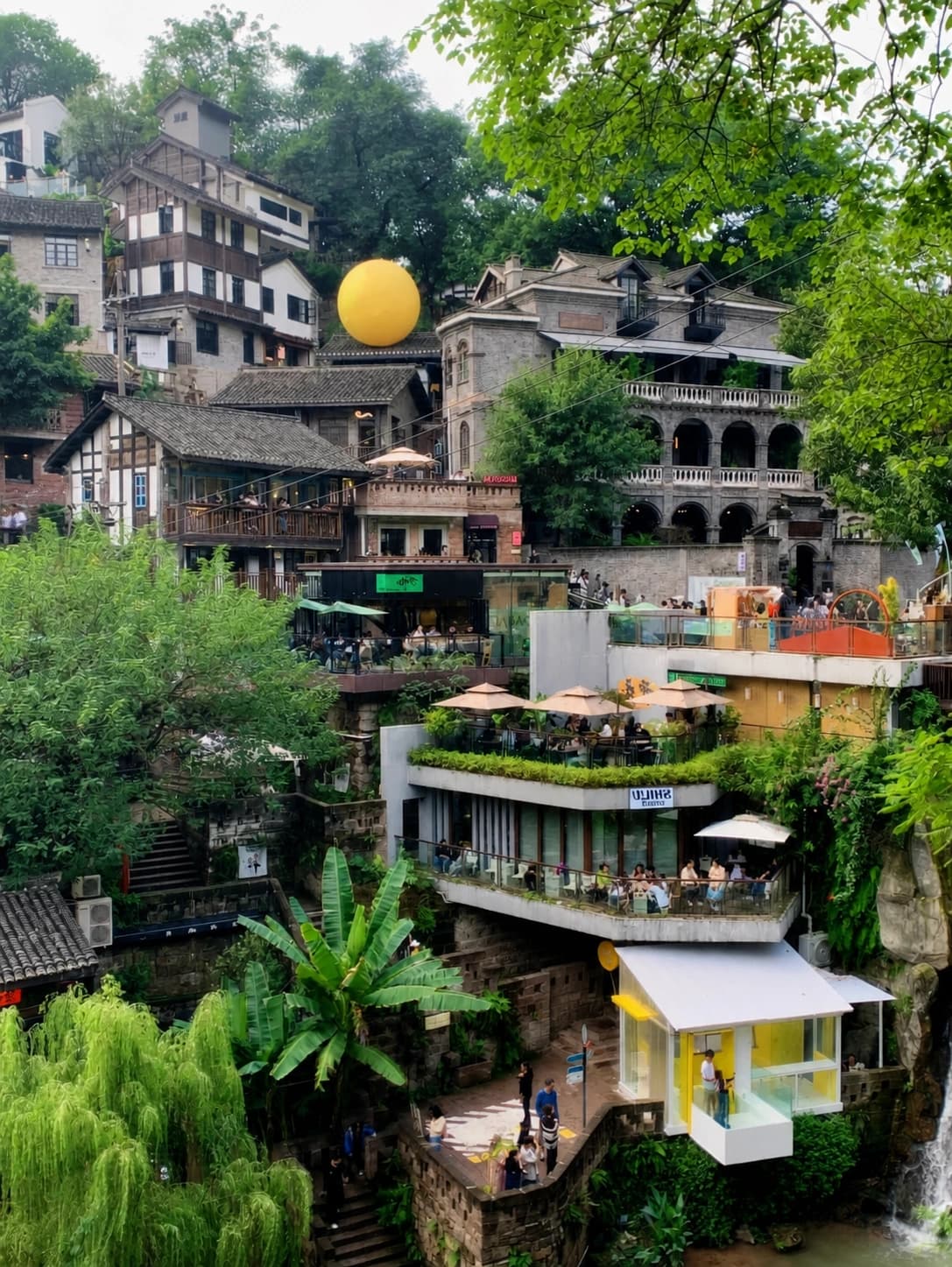
Eighteen Steps (十八梯, Shíbātī) occupies the steep connection between upper-city Jiaochangkou and lower streets in Yuzhong. It is valuable for understanding Chongqing's vertical urban form, but visitors should know what they are seeing: surviving place memory and a small number of protected structures sit inside a substantially renewed commercial district.
A January 2026 Chongqing culture and tourism report says all five sections are now open and identifies one air-raid memorial site, one heritage residence, six historic buildings and more than 50 reconstructed traditional-style buildings. That boundary is more honest than describing every façade as ancient.
Start at Jiaochangkou Exit 11
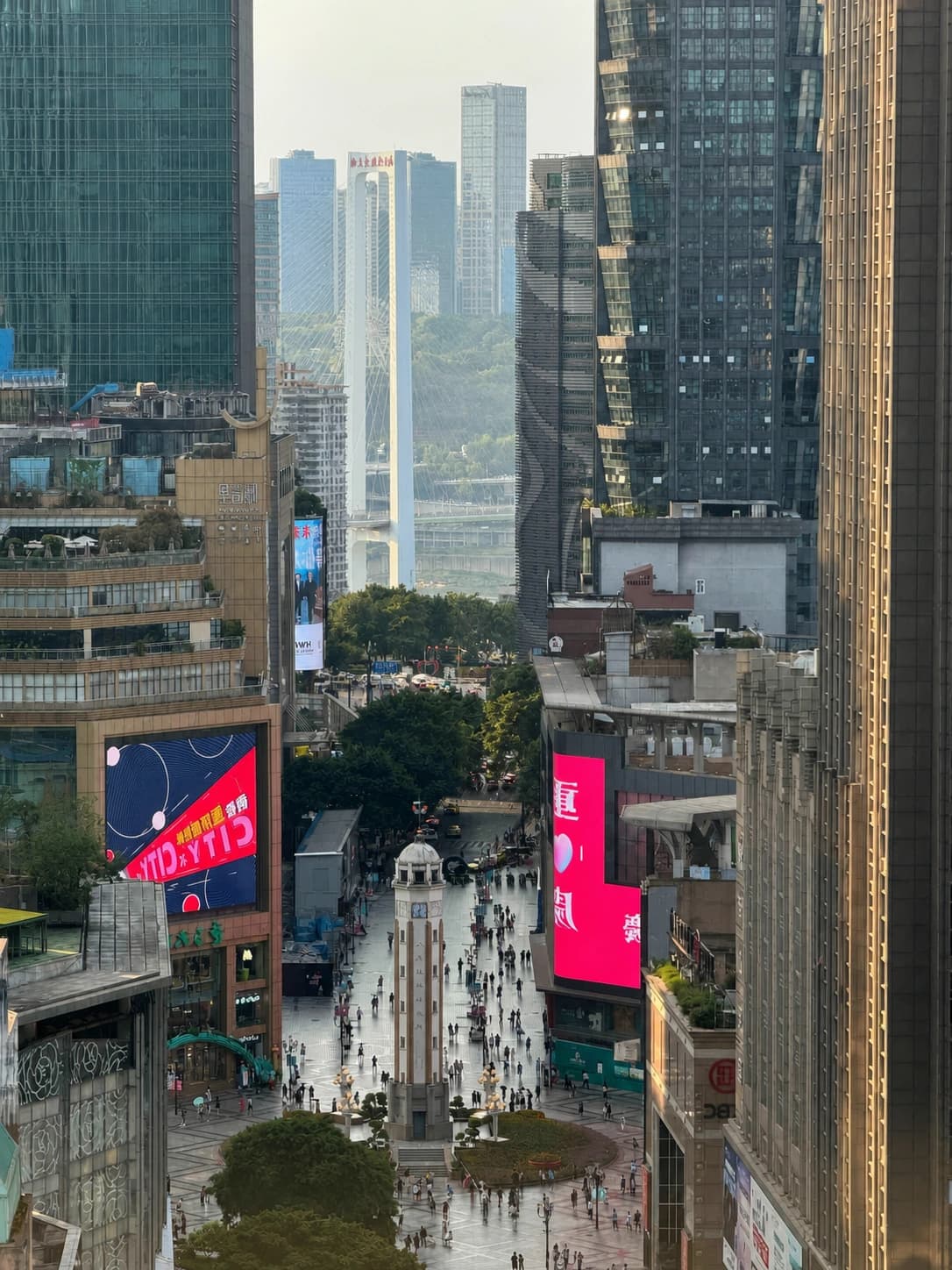
Take Metro Line 1 or 2 to Jiaochangkou Station, Exit 11. The exit is beside Jiaochangkou City Balcony; AMap places the two points only a short street crossing apart. This is the clearest top entrance and lets gravity work in your favor.
Do not rely on old instructions for Exits 3 or 4, long bus lists or a generic “No. 1 Zhongxing Road” pin. Station access and pedestrian controls can change during holidays; follow current signs to Exit 11 and the City Balcony.
A focused two-hour route
- Jiaochangkou City Balcony: orient yourself above the district before descending. Identify the main stair axis and your likely lower exit.
- Mountain City Memory Museum (山城记忆馆): enter only if the current door notice shows it open and the exhibition interests you. It provides useful context but is not required to walk the district.
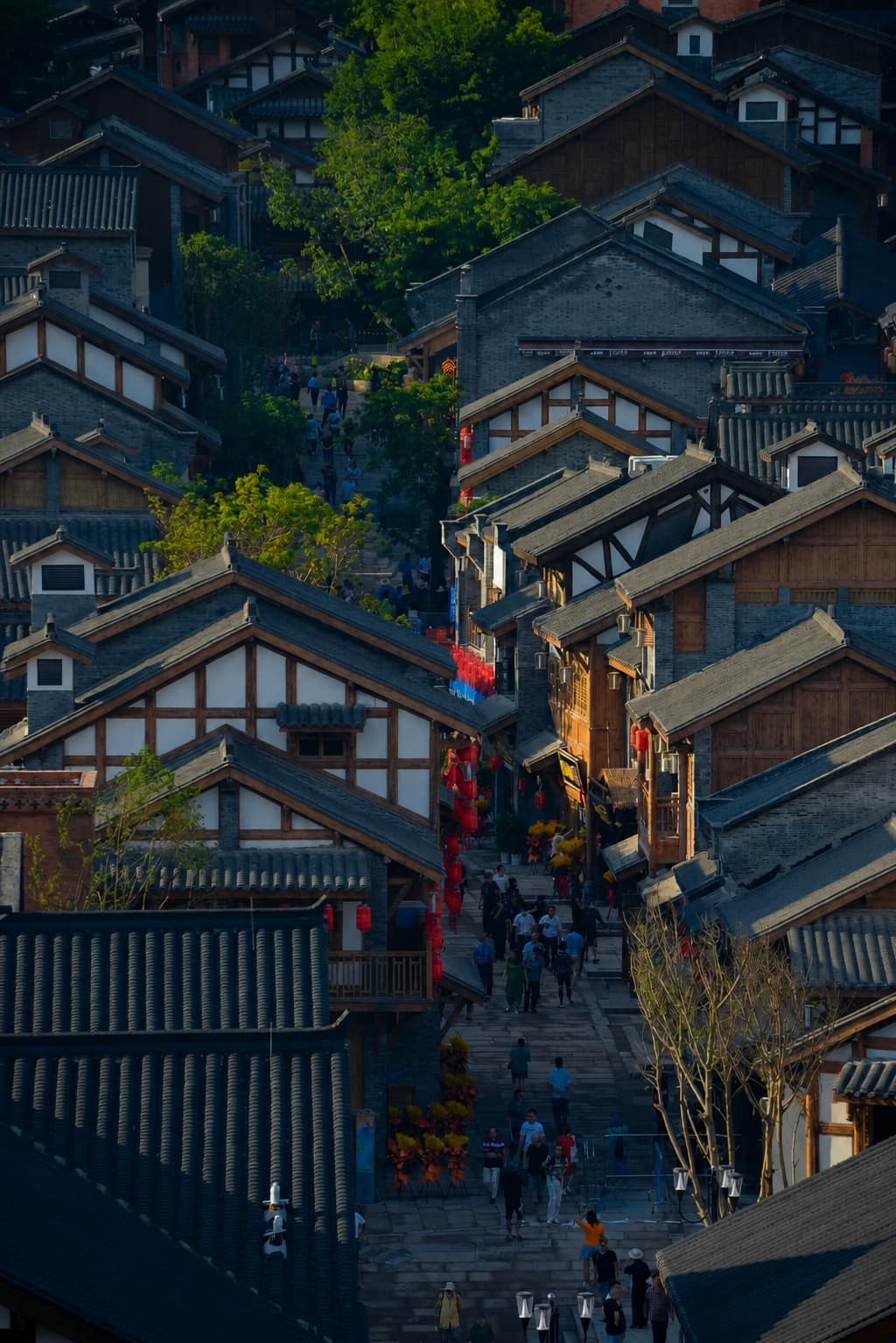
- Main steps and Ancient Well area: slow down for the changes in level, retaining walls and lane connections. Treat name-origin stories as local traditions unless the site interpretation supports a specific version.
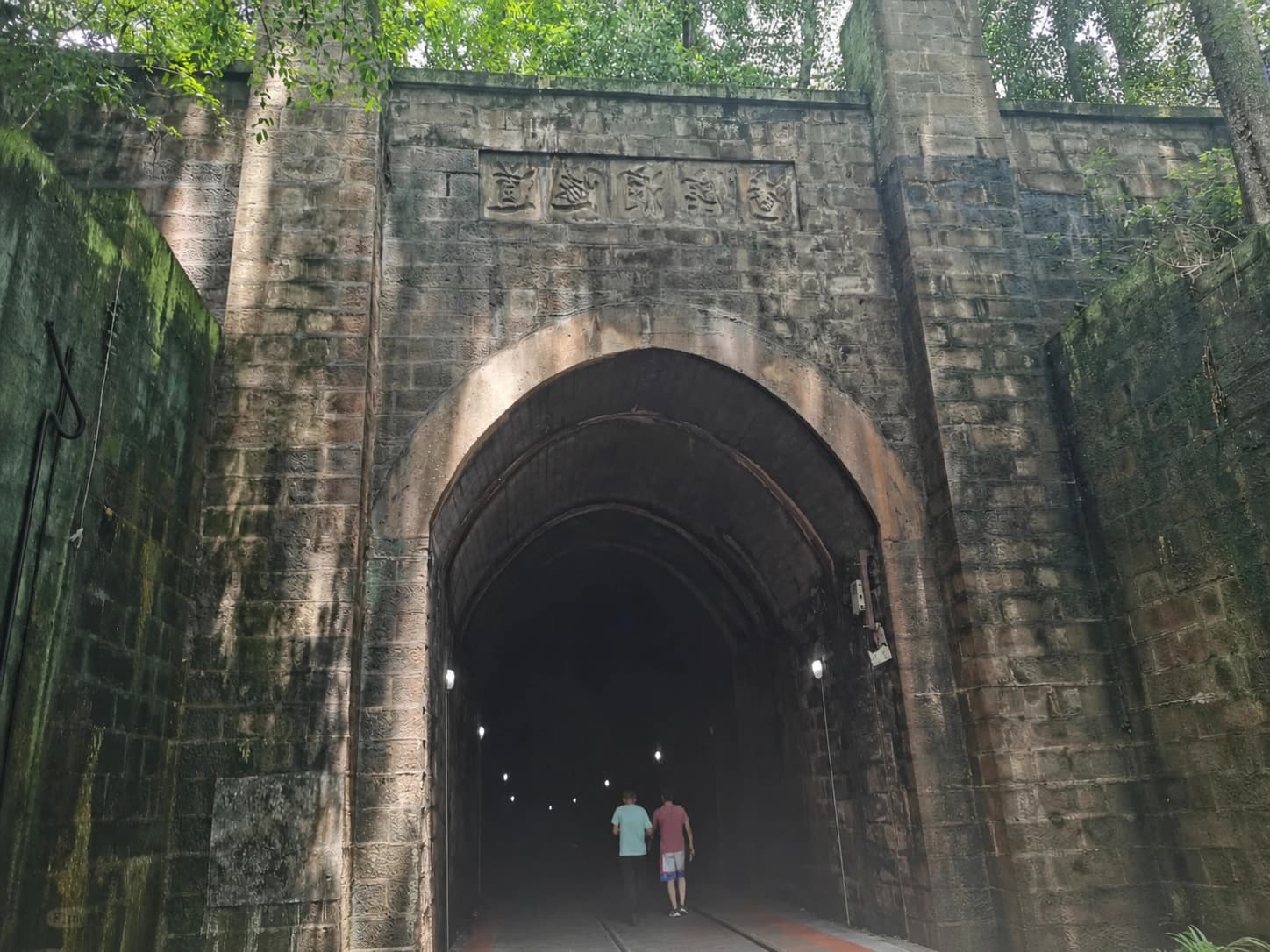
- Eighteen Steps Air Raid Tunnel site (十八梯大隧道遗址): this is the district's most serious historic layer. Read the wartime interpretation respectfully; it is not simply an atmospheric tunnel photo stop.
- Side lanes and lower exit: add one signed lane such as the Shanguo area, then finish downhill. Avoid turning into unsigned residential or construction passages.
Allow about two hours for the outdoor route and one interior. Add another hour only for a meal, performance or a second exhibition with confirmed opening.
Admission and opening-time boundaries
The public district is free and normally needs no reservation. Shops, exhibitions, performances and memorial interiors operate separately. Trip's current visitor listing, checked in September 2026, gives 8:30–20:30 for the Mountain City Memory Museum and air-raid tunnel exhibition, but treat this as an operational baseline—not a permanent official promise. Recheck the day before or call the listed district contact, 023-63256762.
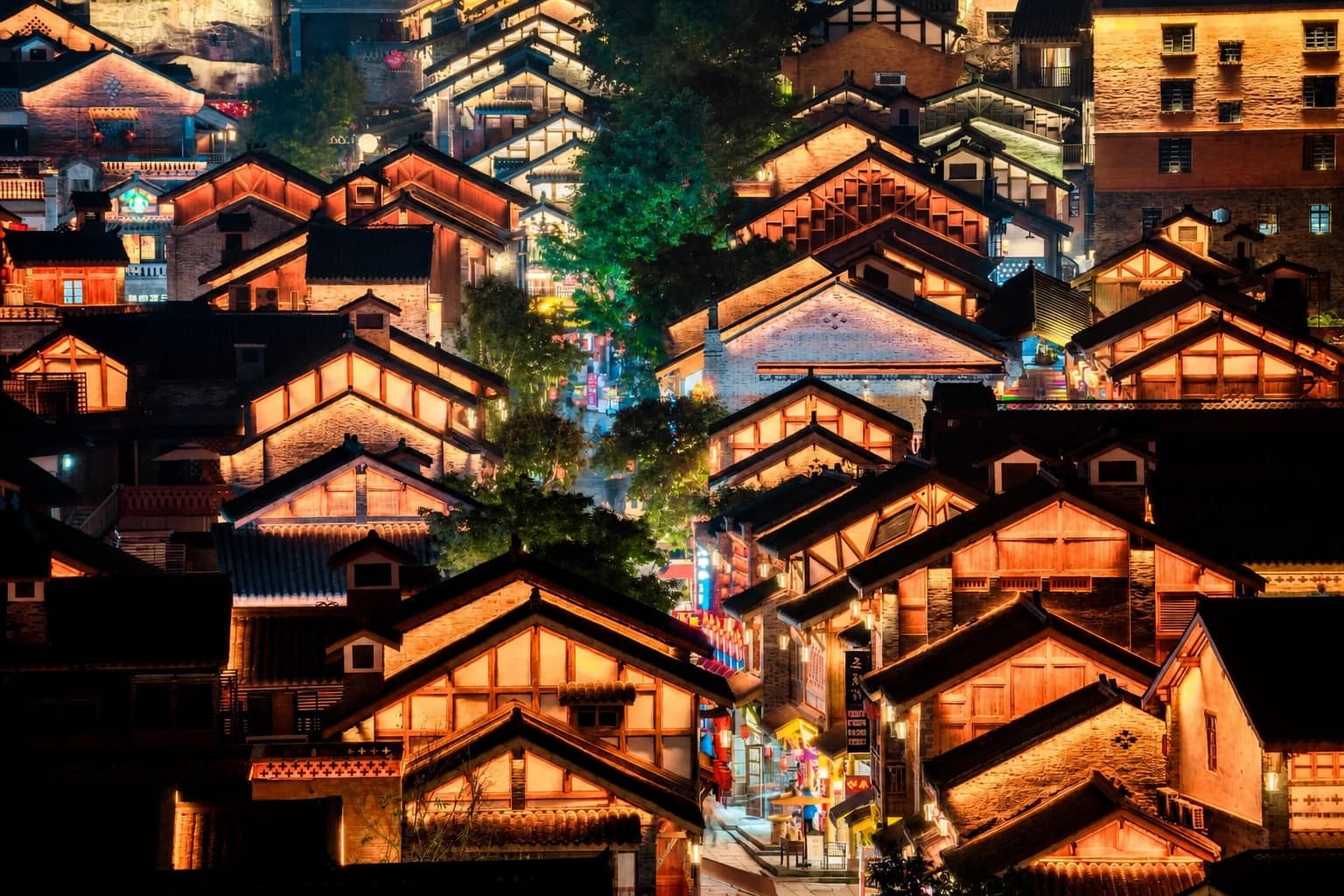
Public outdoor lanes may remain accessible beyond interior hours, but crowd control, maintenance and events can close individual connections. Decorative lighting time also changes with season and operations; do not build a timed evening transfer around one old post.
Terrain and accessibility
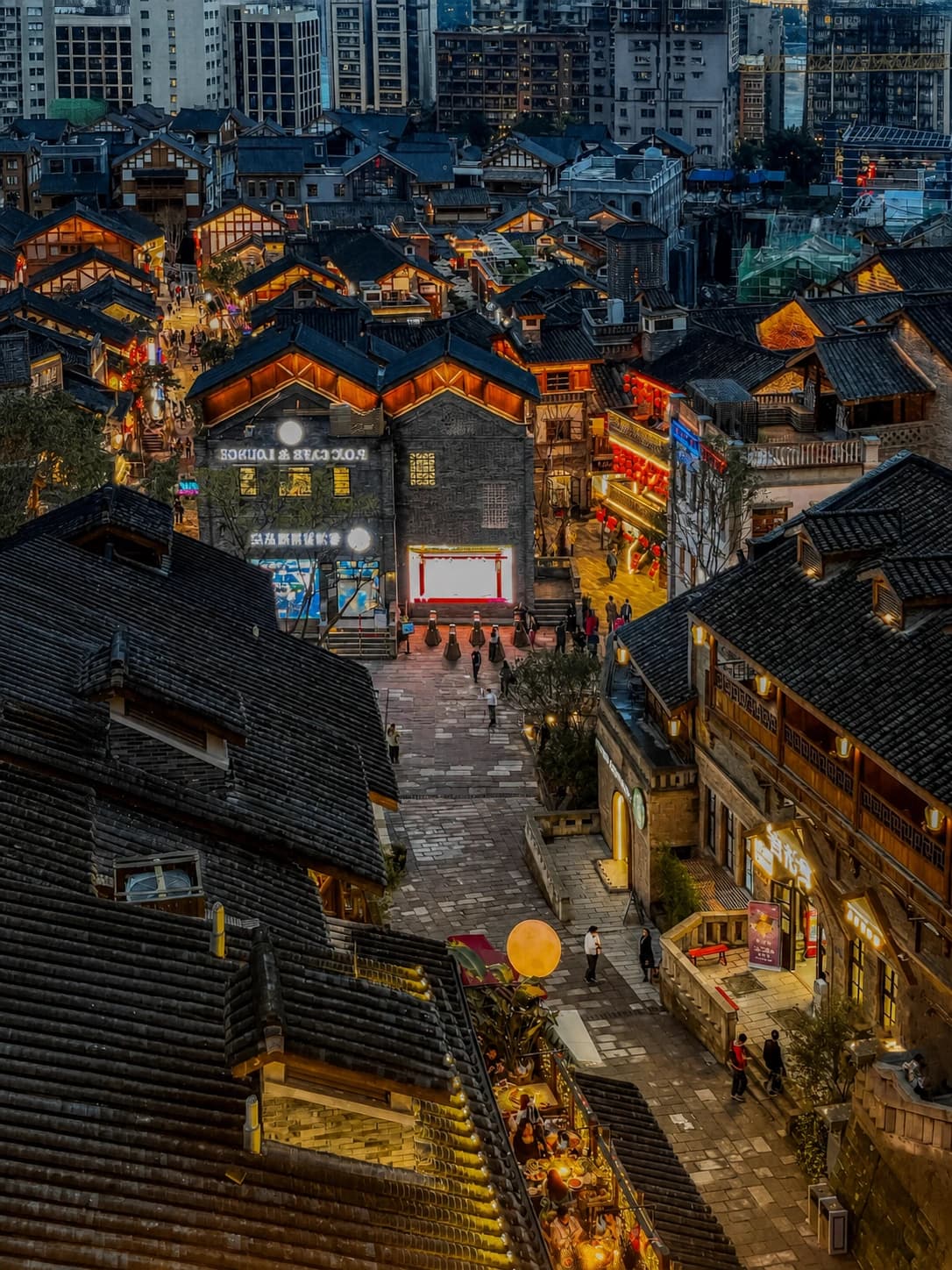
The top-to-bottom route reduces climbing; it does not remove steep grades, steps or long walking. Elevators and escalators can provide relief in parts of the renewed district, but they do not guarantee a continuous step-free route or remain in service at all hours.
- Wear shoes with grip; stone and smooth paving become slippery in rain.
- Keep one hand free on stairs and avoid stopping at landings used by through traffic.
- Visitors needing step-free access should ask the service point for the current lift route before descending.
- Reject any “shortcut” through an unsigned building, worksite or narrow residential passage, even if a social-media route promises fewer stairs.
What is worth your time
The strongest reason to visit is the sequence: upper-city balcony, steep lanes, documented wartime memory and the contrast between retained traces and modern reconstruction. Food and retail are optional. Choose venues by current menu, posted prices and visible opening rather than a permanent list of hotpot brands, craft shops or show times.
For a calmer visit, arrive on a weekday morning. For lights and atmosphere, enter in late afternoon so you see the district in daylight first. On major holidays, dense stair traffic can erase the experience; shorten the route or choose another evening.
Pairing the walk
The upper entrance is close enough to combine with Jiaochangkou and Jiefangbei. If continuing toward another lower-city attraction, verify the actual pedestrian route after you exit; Chongqing's elevation can turn a nearby map label into another climb.