Yunnan
Yunnan is too large and varied for a single checklist. The familiar first-trip route climbs gradually from Kunming to Dali, Lijiang and Shangri-La. It works because the cities form a clear northbound sequence and each stop has a different purpose: gateway city, lake basin, Naxi old towns and highland Tibetan culture.
Western Tengchong, tropical Xishuangbanna, and the historic towns and rice terraces of Honghe belong to separate journeys. Adding one of them to the classic route usually requires a flight, a long transfer or several extra days.
Choose your region
- Classic northwest Yunnan: Kunming, Dali, Lijiang and Shangri-La. Best for a first visit with 7–10 days.
- Dali and western Yunnan: Dali plus Tengchong. Choose this for Heshun, geothermal landscapes and borderland history; allow 6–8 days.
- Southern Yunnan: base yourself in Jinghong for Xishuangbanna's gardens, Dai culture and rainforest excursions. It is a focused 3–5 day trip, not a quick add-on.
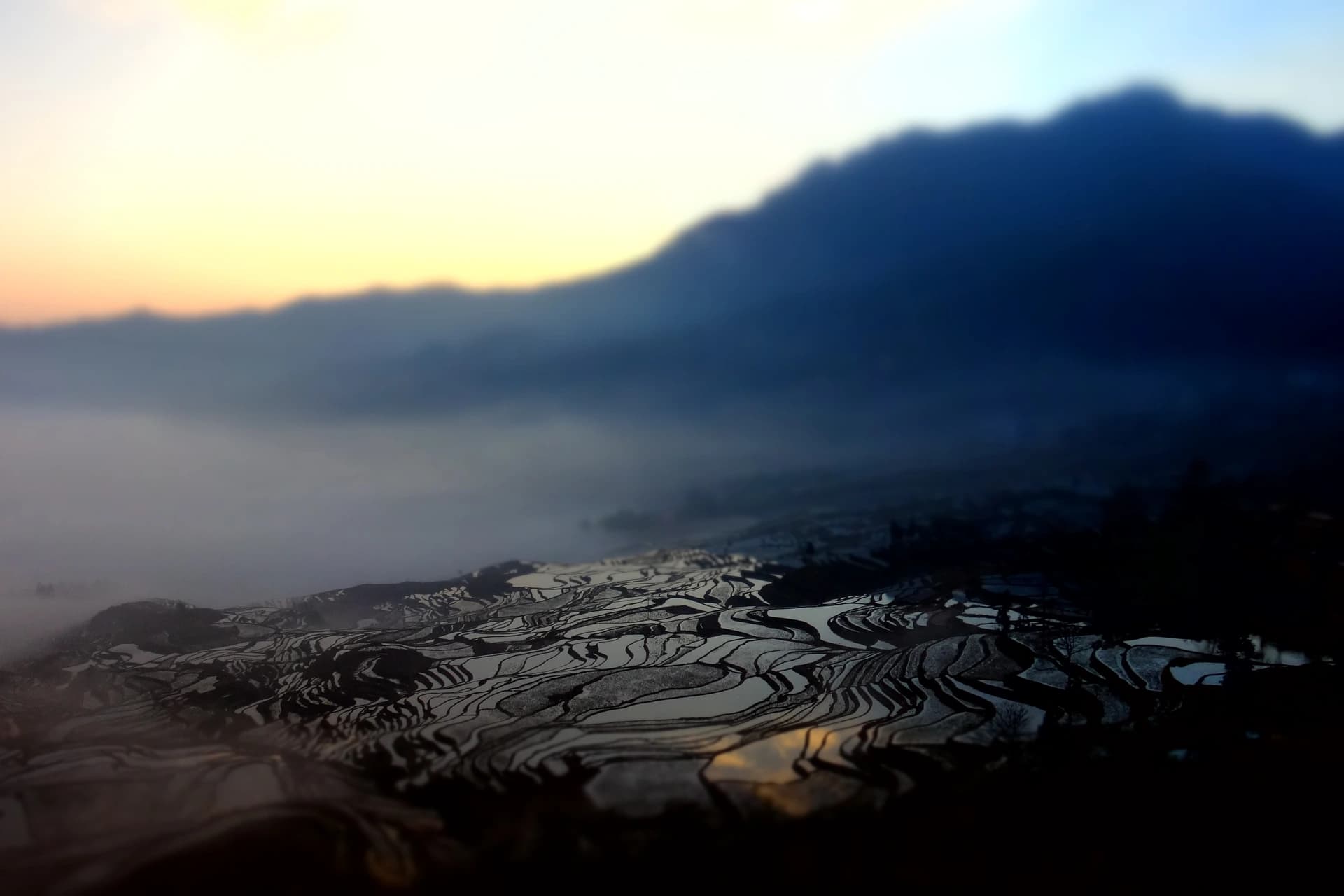
- Southeast Yunnan: Kunming, Jianshui and Yuanyang, with Mengzi or Mile if time allows. Choose this for architecture, railway history and working rice terraces.
How many days
With five days, choose Kunming plus Dali, or Dali plus Lijiang. Seven days is the practical minimum for Kunming, Dali, Lijiang and Shangri-La: use Kunming mainly as the arrival gateway, then give the other three bases about two nights each. With ten days, add a real Kunming day and slow the route rather than collecting more old towns.
For two weeks, keep the classic northwest route and add only one distinct extension. Tengchong fits a western journey; Xishuangbanna is easier as a flight-linked southern chapter; Honghe needs its own southeast loop. Similar-looking distances on a map can hide mountain roads and slow transfers.
Cities and bases
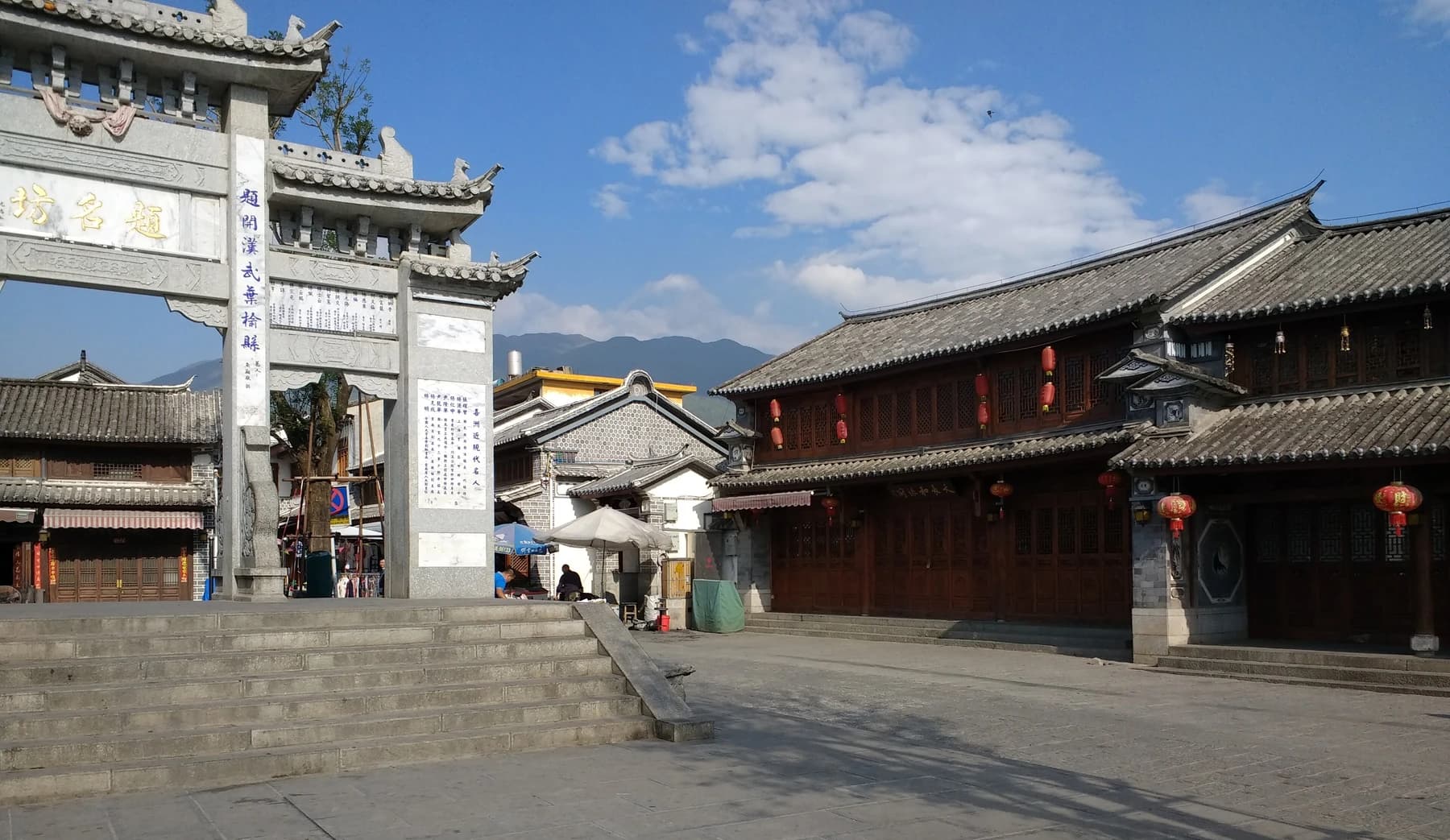
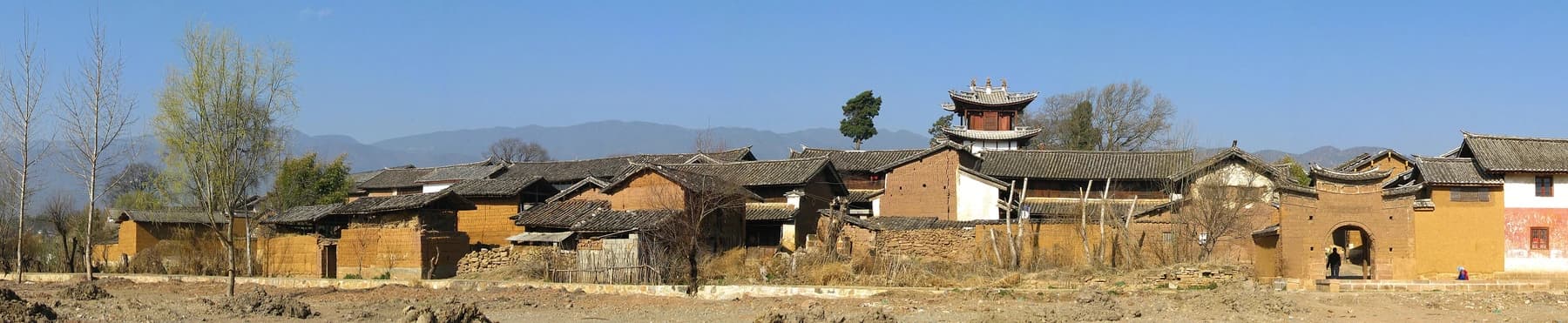
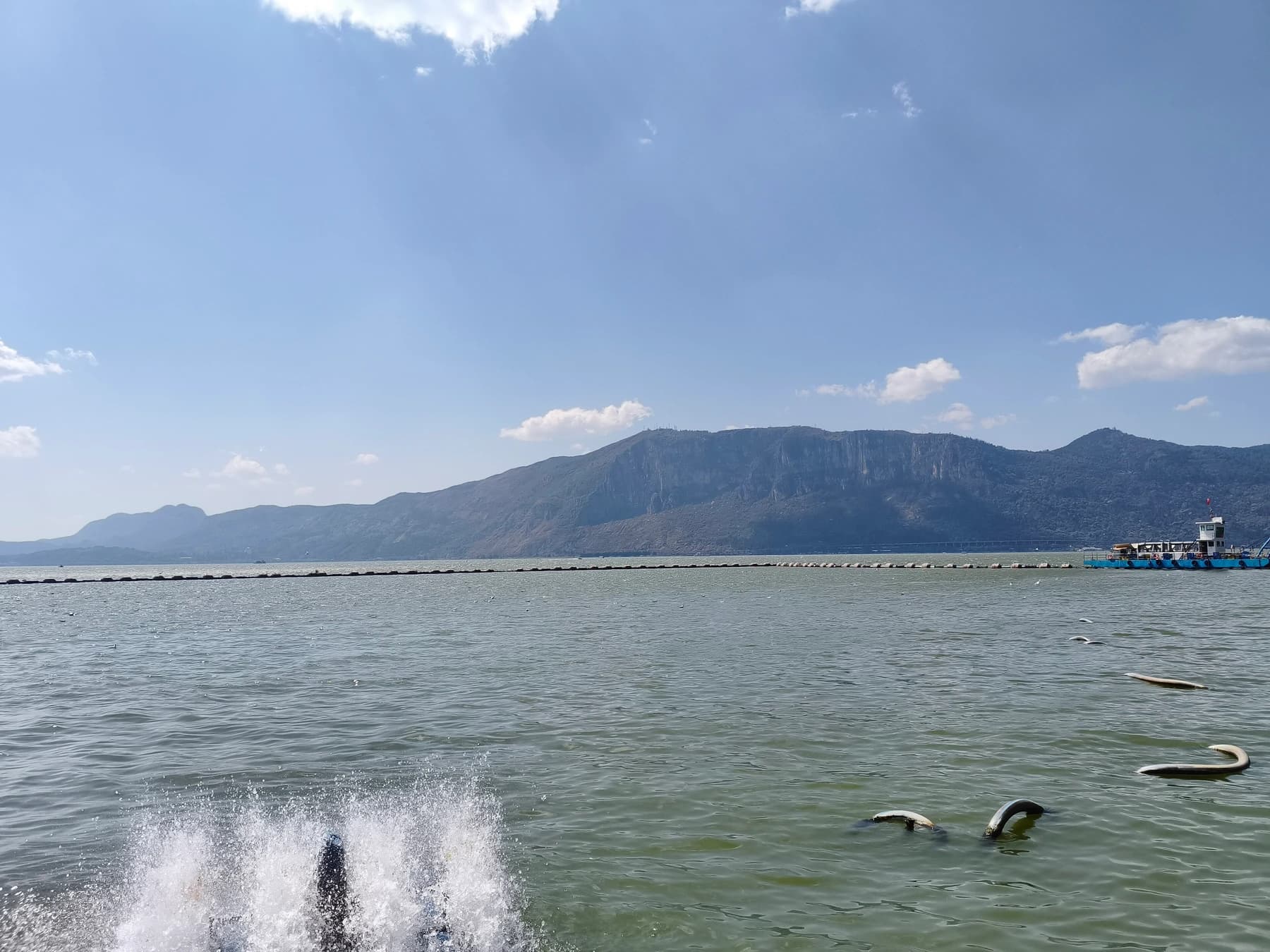
Kunming is the main air and rail gateway and a worthwhile city in its own right. Dali Old Town is useful for Cangshan and the west side of the Erhai basin, while Xiaguan is better for transport. Lijiang works best when Dayan, Shuhe and Baisha are treated as different places instead of three interchangeable old-town stops. Shangri-La needs a calm first afternoon because of its elevation.
In the outer regions, use Heshun or Tengchong city for western Yunnan, Jinghong for Xishuangbanna, and at least two bases for Honghe: Jianshui for heritage and Yuanyang for the terraces. One hotel cannot cover an entire prefecture efficiently.
Routes through the province
Seven-day first route
- Arrive in Kunming and keep the first evening flexible.
- Travel to Dali; explore the old town and the Cangshan side of the basin.
- Choose one Erhai shore rather than racing around the whole lake.
- Travel to Lijiang; use the afternoon for one old-town area.
- Reserve a full day for Jade Dragon Snow Mountain or a slower Lijiang-area day.
- Continue to Shangri-La and acclimatize in Dukezong.
- Pair Sumtseling Monastery with a nearby landscape, then depart or add another night.
If your return flight is from Kunming, protect the final connection with a buffer. An open-jaw trip that arrives in Kunming and leaves from Lijiang or Shangri-La can save a full backtrack when schedules and fares work.
When to visit
Yunnan has several climates at once. Spring and autumn usually make the classic route easiest, but mountain weather can change quickly. Summer brings greener landscapes and heavier rain; allow margin for road and outdoor plans. Winter can be bright and dry in lower cities while Shangri-La and high mountain areas are cold.
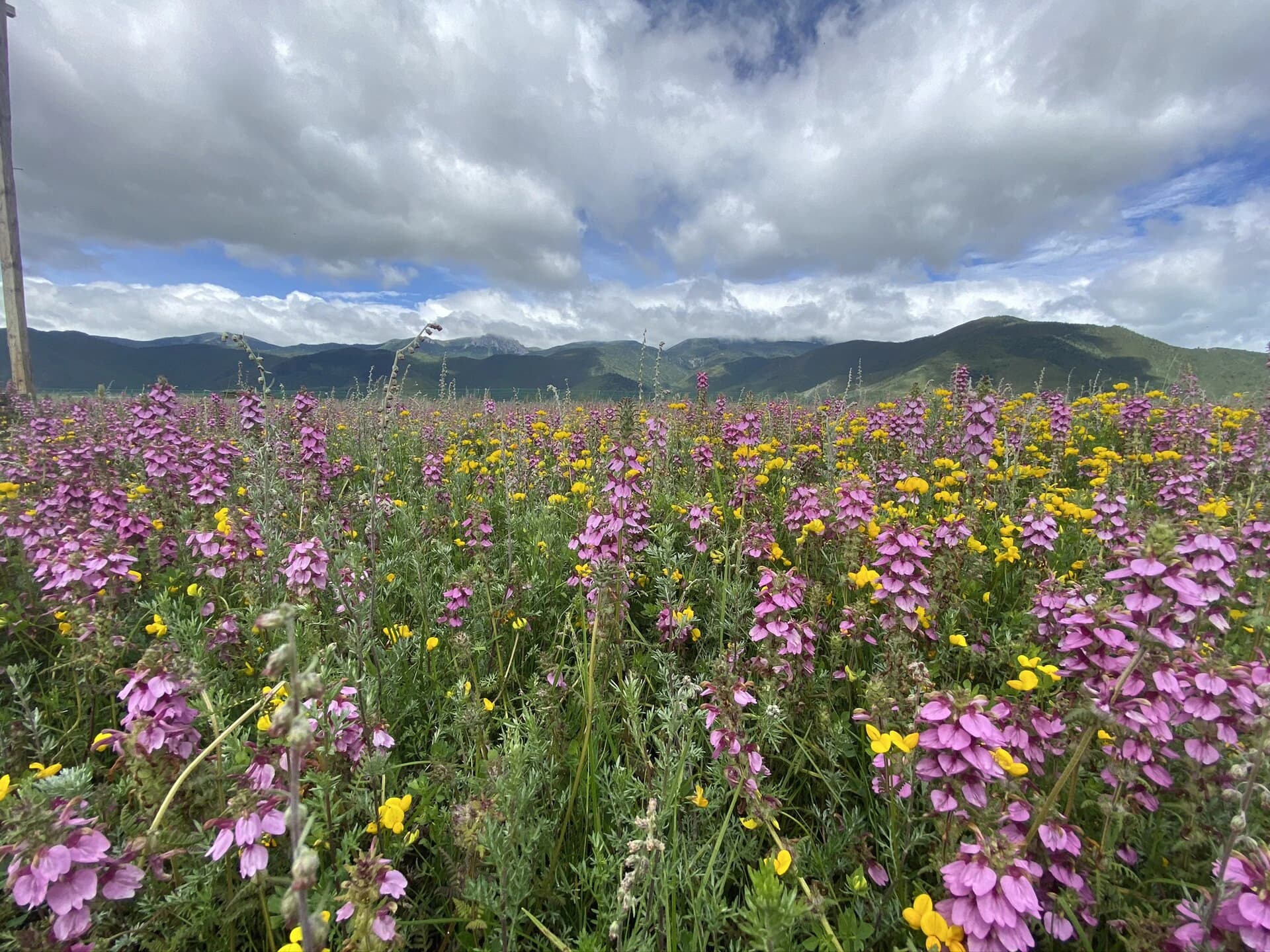
Rice-terrace reflections, flower fields, snow views and tropical conditions are seasonal rather than guaranteed. Choose the region for the month instead of assuming one forecast describes the whole province.
Getting there and around
Kunming is the most flexible gateway. Rail links make the Kunming–Dali–Lijiang–Shangri-La corridor practical without a private car. Confirm the full station name before booking, especially in large prefectures where a station may sit far from the old town or scenic area.
Use a driver, bus or organized excursion only for the final rural section that rail does not solve. For Erhai, Honghe terraces and remote mountain areas, agree on the pickup point and return time before leaving. Avoid building a same-day flight or train connection after a weather-dependent mountain excursion.
Where to stay
Stay two nights per major base whenever possible. Choose the old-town edge rather than the pedestrian core if you have large luggage: vehicles may not reach the hotel door. In Dali, decide between atmosphere near the old town and transport convenience in Xiaguan. In Lijiang and Shangri-La, check whether the walk from the vehicle drop-off includes stone lanes or stairs.
What to book first
Book the long-distance rail or flights and the hardest-to-replace mountain day first. Then reserve hotels close to the correct station or departure zone. Check current entry, cableway and weather notices for Jade Dragon Snow Mountain, Cangshan and other protected landscapes shortly before the visit.
Compare Yunnan hotels on Trip.com, check China train tickets, and use flexible bookings when your route includes highland or weather-sensitive days.