Zhoucheng Tie-Dye Village
Zhoucheng is closely associated with Bai tie-dye and remains an active village, not an open-air craft museum. The most useful visit follows one piece from tying through repeated dyeing, oxidation, untying and drying, while distinguishing a local workshop from a resale-only shop.
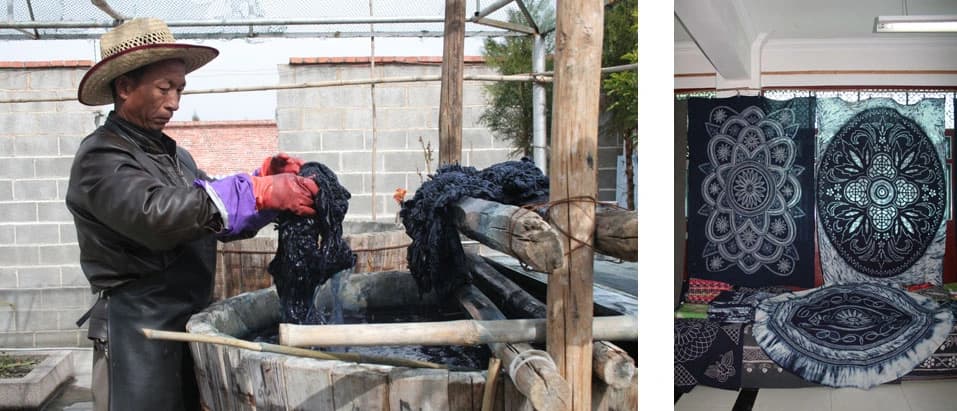
Choose before sitting down
Ask four questions before paying for an experience:
- Which stages will you perform yourself?
- Is dyeing included or only tying a prepared pattern?
- How long must the fabric dry, and can it be collected the same day?
- Is the finished piece made in this workshop or sourced elsewhere?
A short visitor class can still be worthwhile, but it should be sold honestly. Natural indigo, modern dyes, hand tying, printed outlines and pre-made goods are different production choices rather than one universal definition of “authentic.”
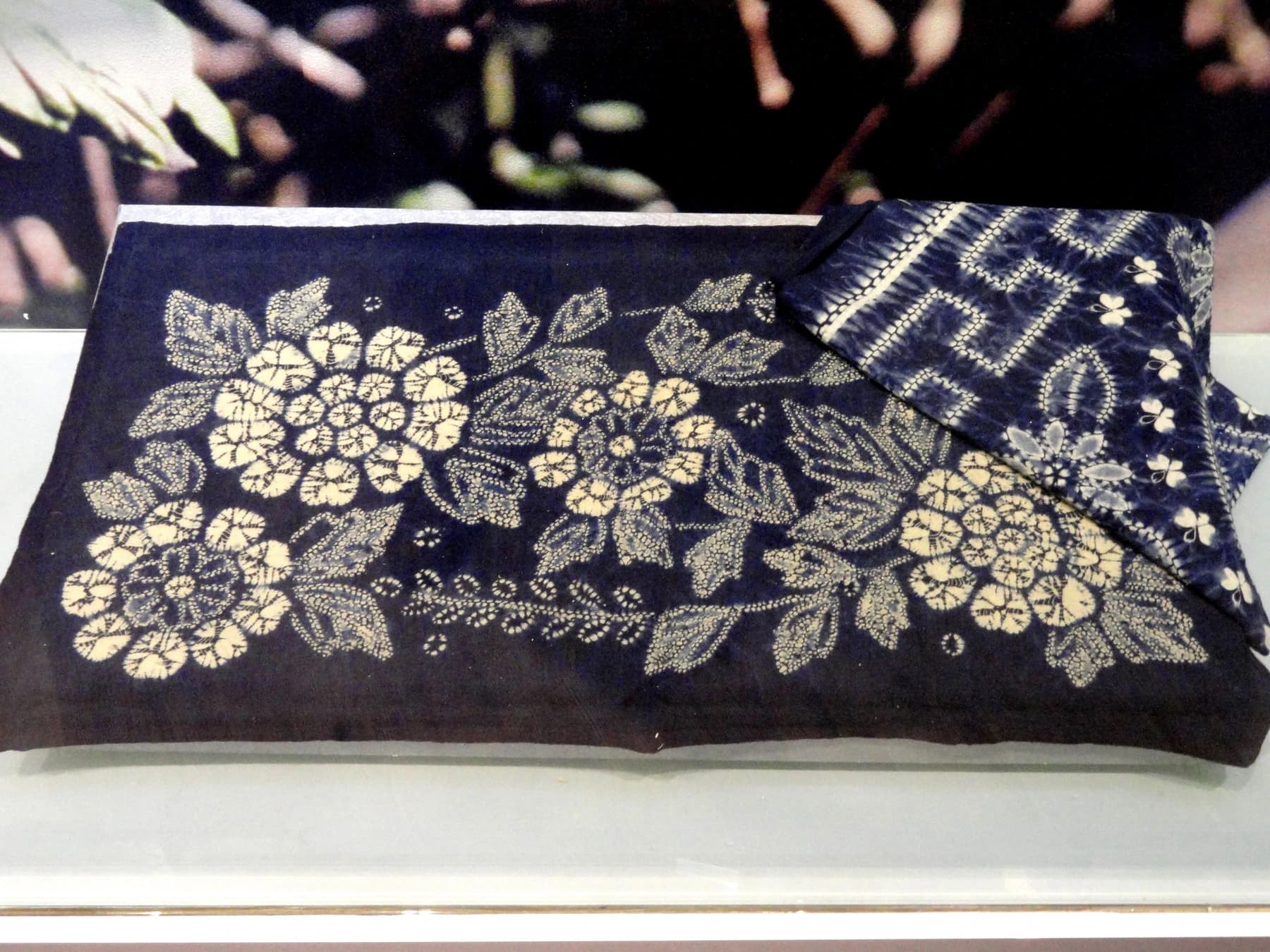
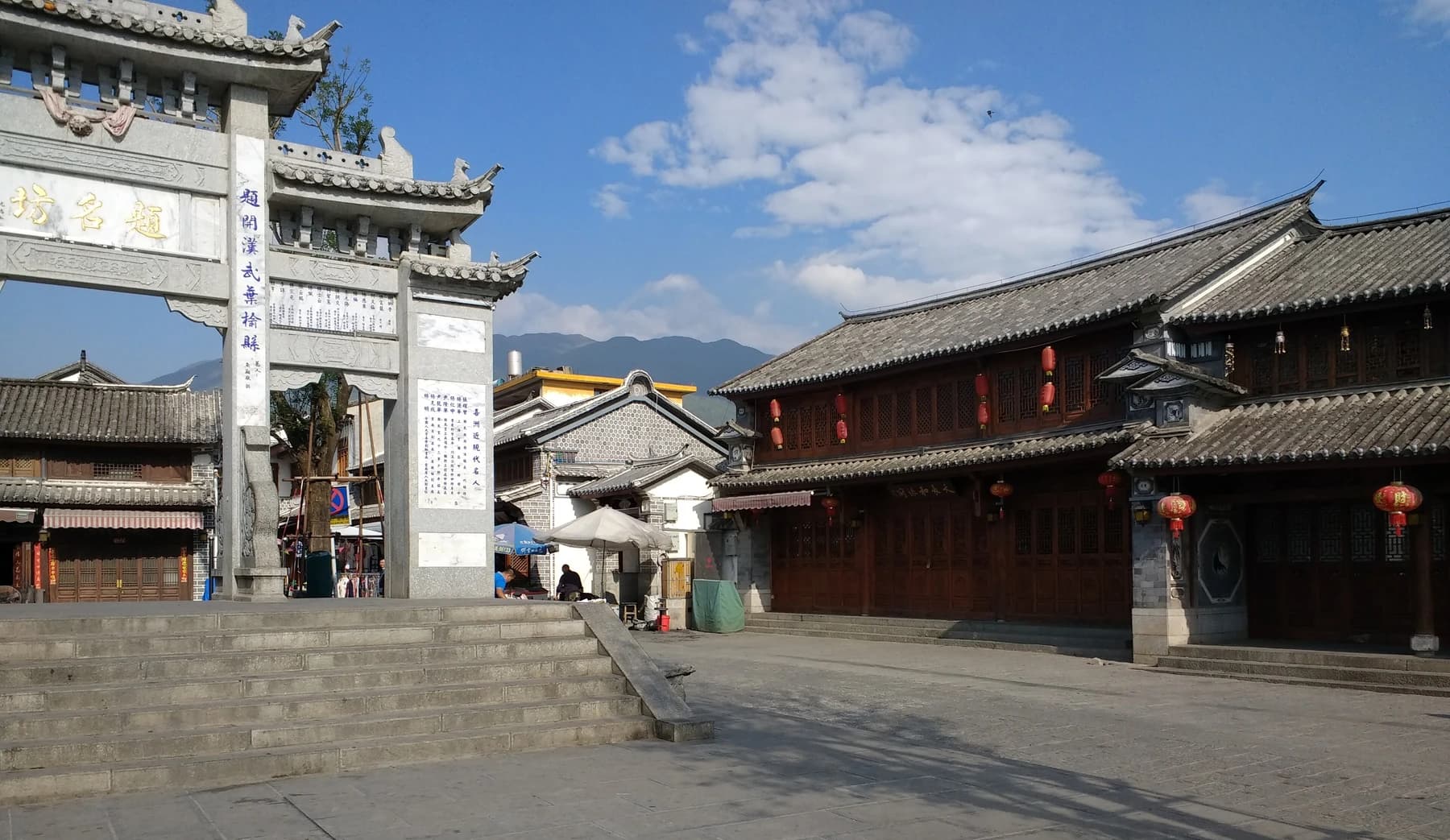
Photo: Daderot · Source · Public domain
Buy with practical checks
Inspect both sides, edges, seams and color consistency. Ask whether loose indigo may rub or bleed, how the item should be washed and whether dimensions are before or after shrinkage. Do not assume every blue-and-white product is handmade locally just because it is sold in Zhoucheng.
The Dali prefecture government identifies Zhoucheng as a major center of Bai tie-dye and documents multi-generation craft transmission. That heritage does not grant visitors access to private homes. Enter only workshops that clearly receive the public, ask before photographing makers and do not stage people without consent.
Pair it with Xizhou
From the verified Xizhou map location to Zhoucheng, Amap estimates roughly 6.3 km / 14 minutes by car. Allow 90 minutes to two hours for one workshop and a short public-lane walk. Confirm the return vehicle before the class begins.
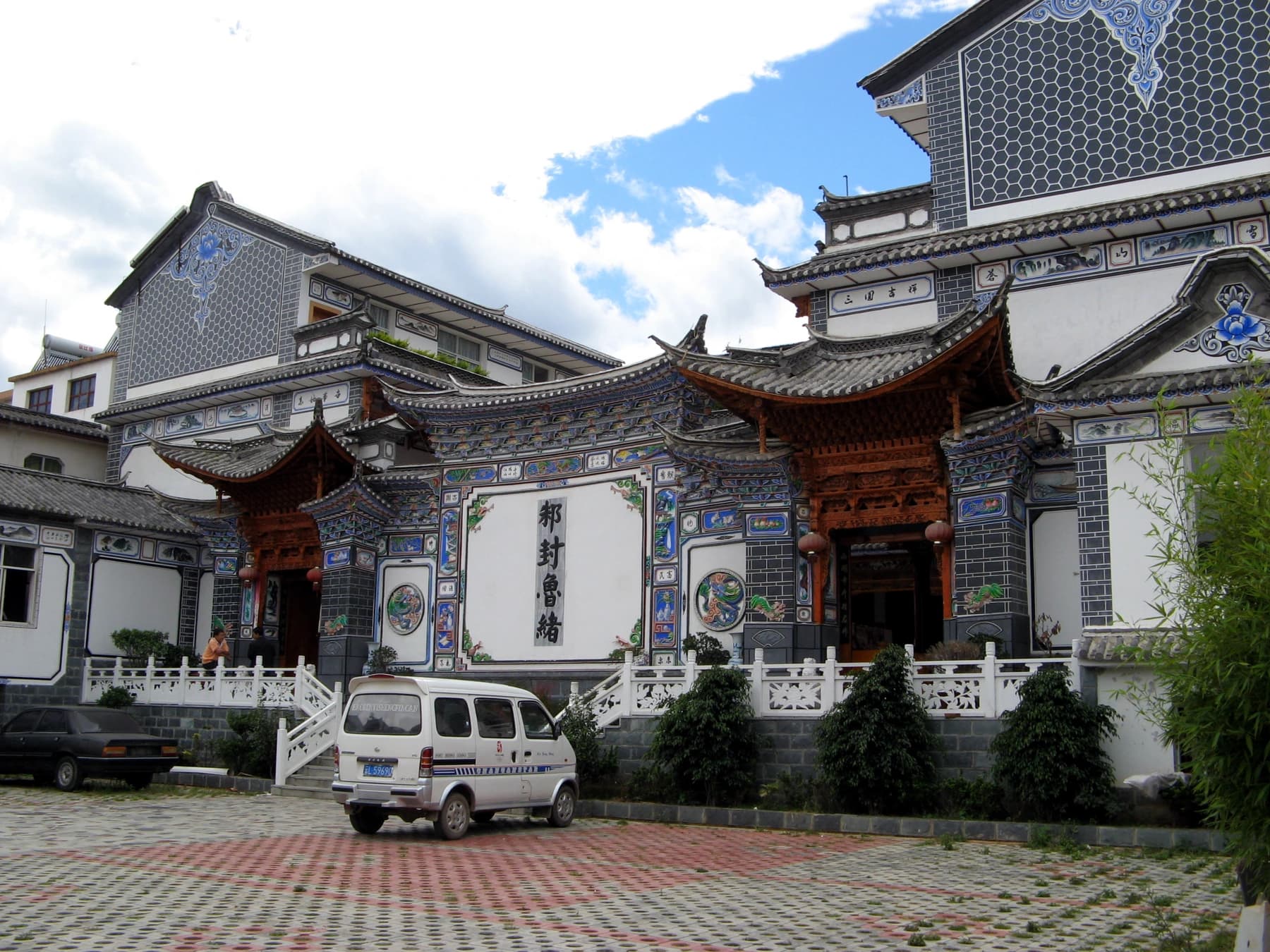
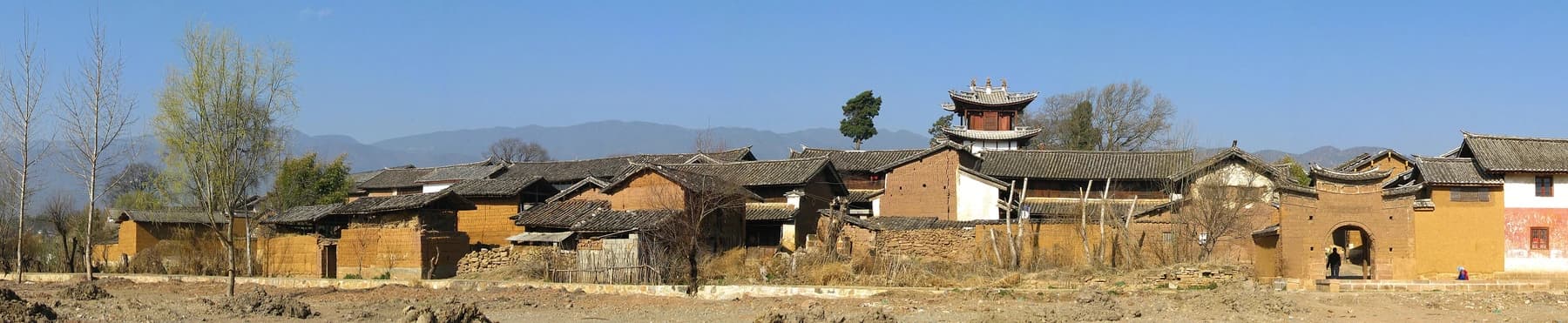
Photo: G41rn8 · Source · CC BY-SA 4.0
If no workshop will explain its process or pricing, skip the activity rather than paying for an opaque demonstration. The goal is to understand and support a craft, not merely collect an indigo photograph.
Before booking, also confirm total duration, group size, language, apron or gloves, staining risk, remake policy and finished dimensions. A ten-minute tying demonstration and a multi-bath dye process are different products. For an expensive piece, ask who tied and dyed it, fibre, dye type, number of baths and workshop identity. Do not add Zhoucheng to a fast Erhai circuit unless the class and return transport are confirmed; craft time cannot be compressed to a driver's photo-stop schedule.
Indigo work can stain hands, clothing and mobility equipment. Wear washable layers, keep bags off wet work surfaces and ask for a seated or low-strain task before paying if standing, gripping or repeated tying is difficult.