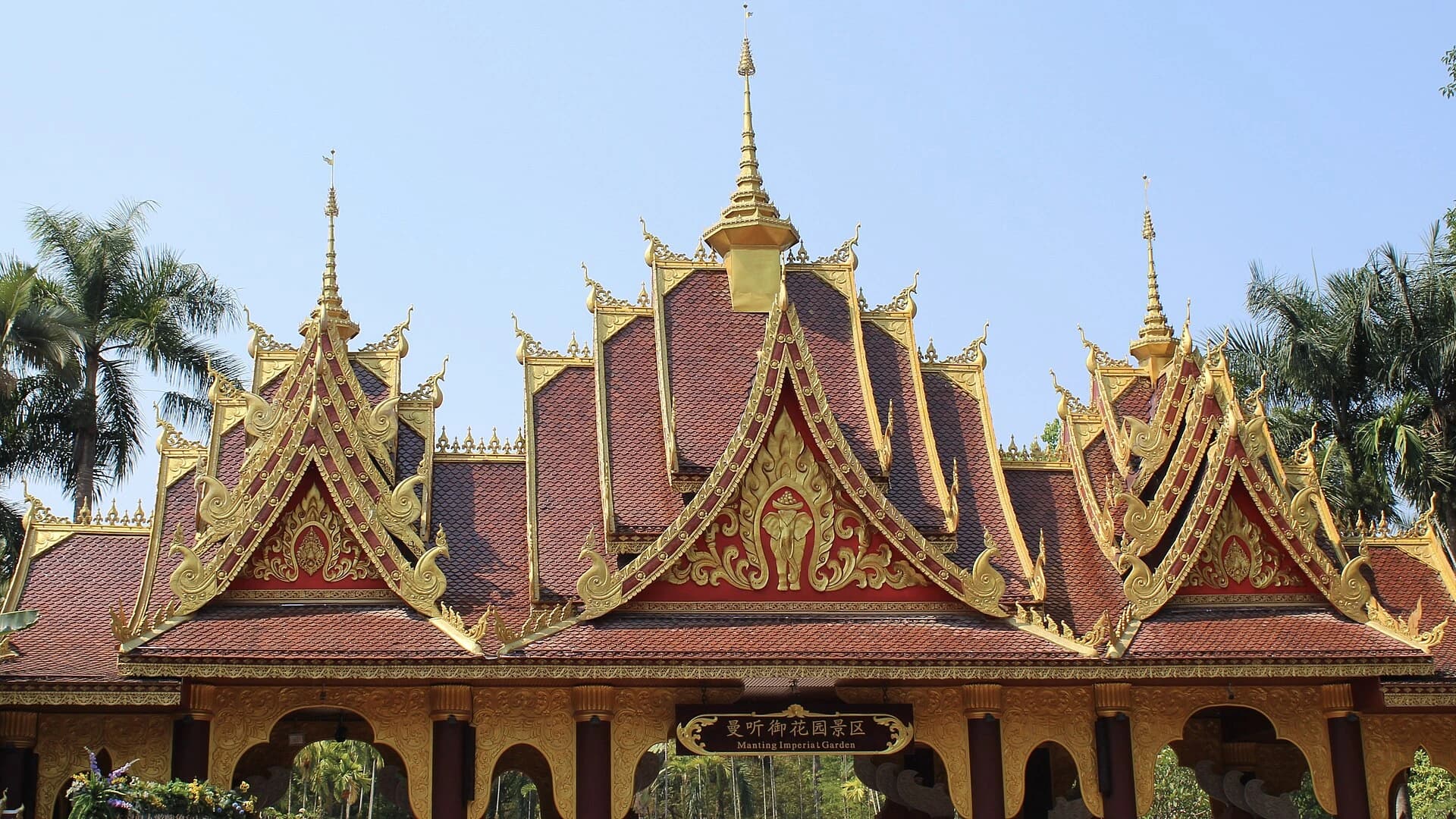
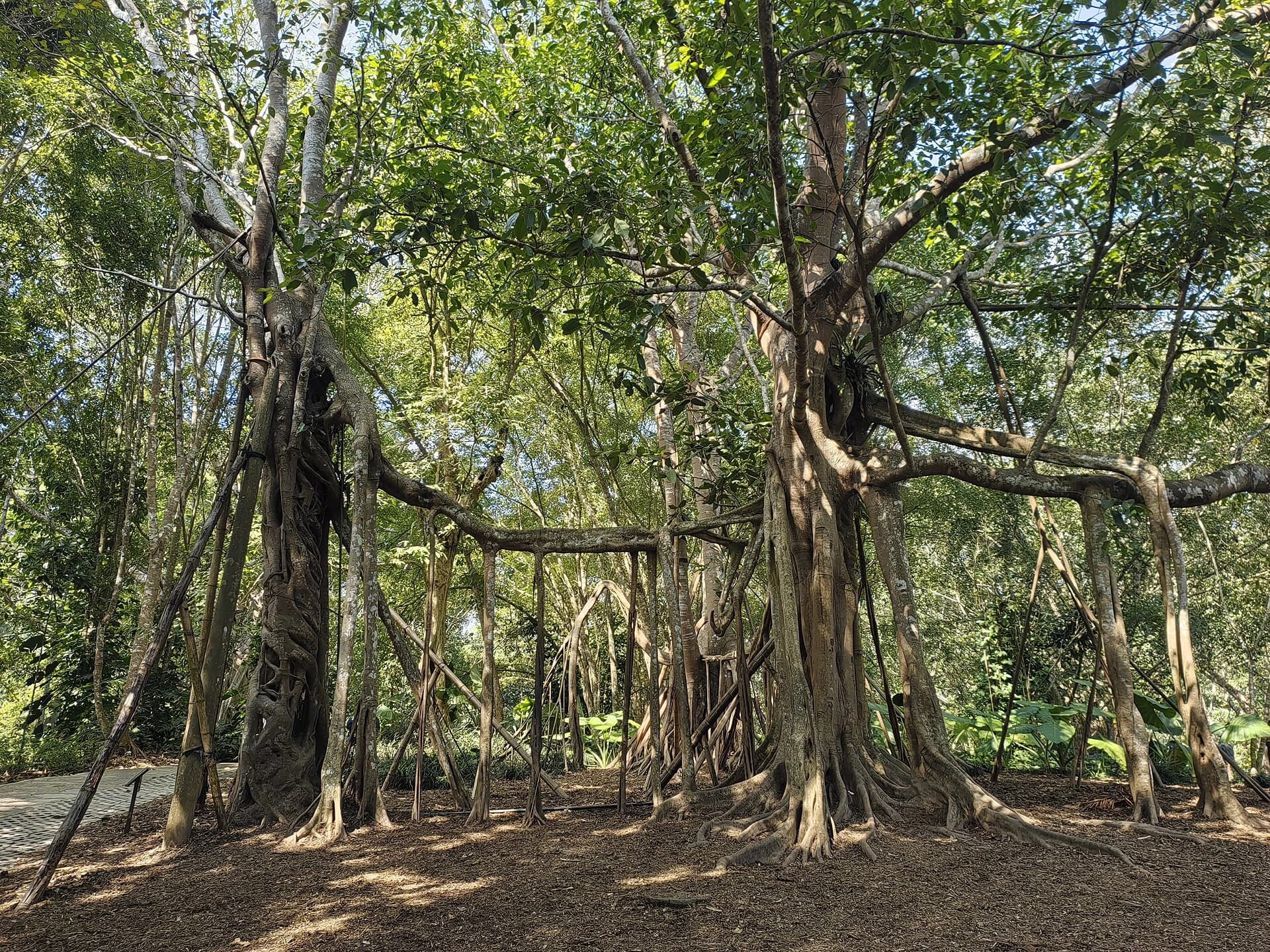
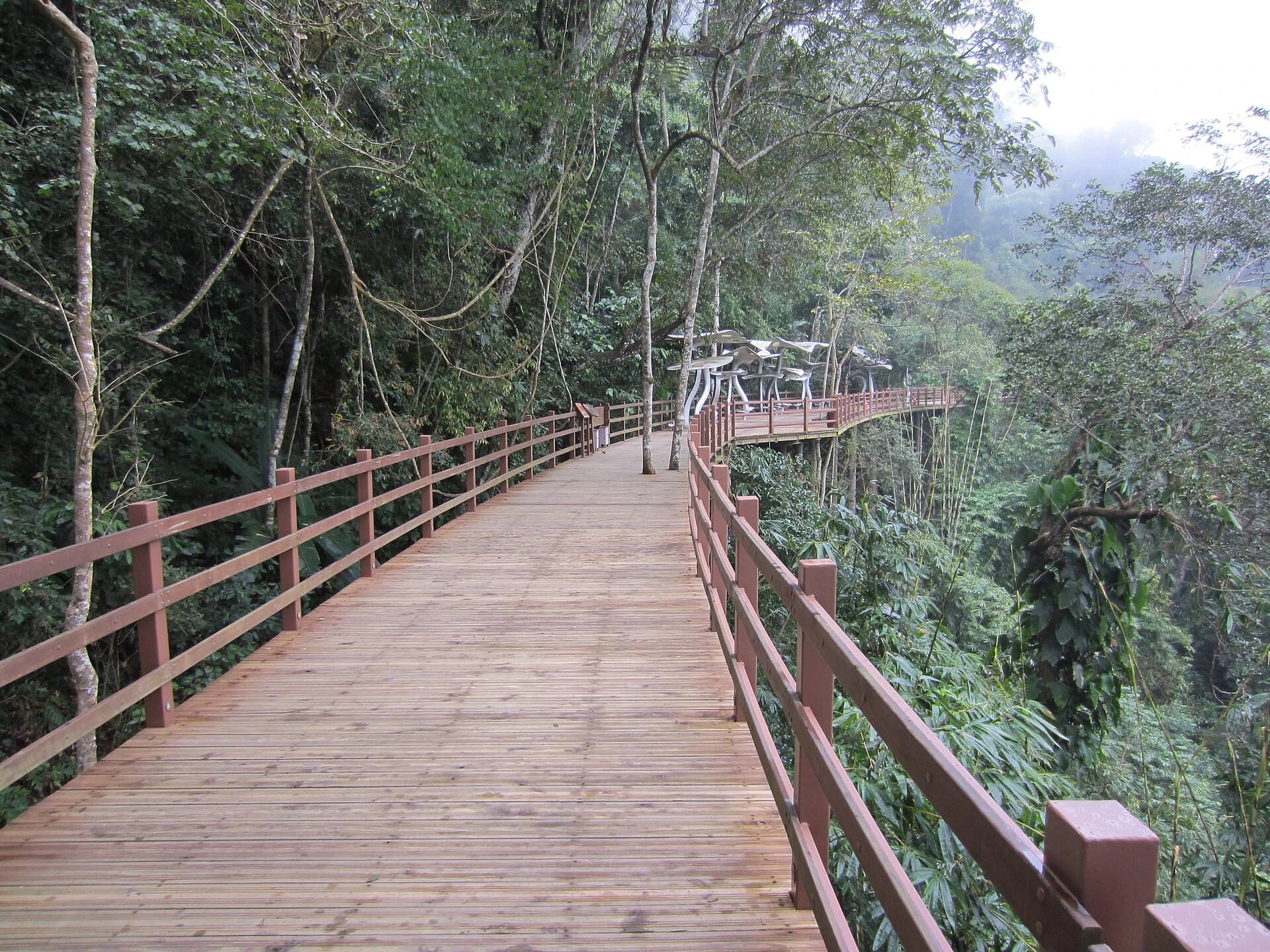
Xishuangbanna Dai Garden
Xishuangbanna Dai Garden at Ganlanba offers a full outward day of raised-house architecture, village lanes, Theravada Buddhist temples, local food and an optional water-splashing session. It is most rewarding when you explore how the inhabited villages and religious landscape work together, then decide whether the commercial water activity adds to your day.
Build the visit around the villages
- Go if village layout, stilt-house architecture and Buddhist landscape genuinely interest you.
- Go conditionally for water play only after checking the current water, crowd, changing and return conditions.
- Choose another outward day if village architecture and religious context are not priorities after the botanical garden.
Visitor reports repeatedly say the journey feels weak when water play is the only valued activity. They also report conflicting positive and negative experiences of the communal pool, separate charges, lockers/changing areas and congested return. These are signals to verify, not laboratory proof about water quality.
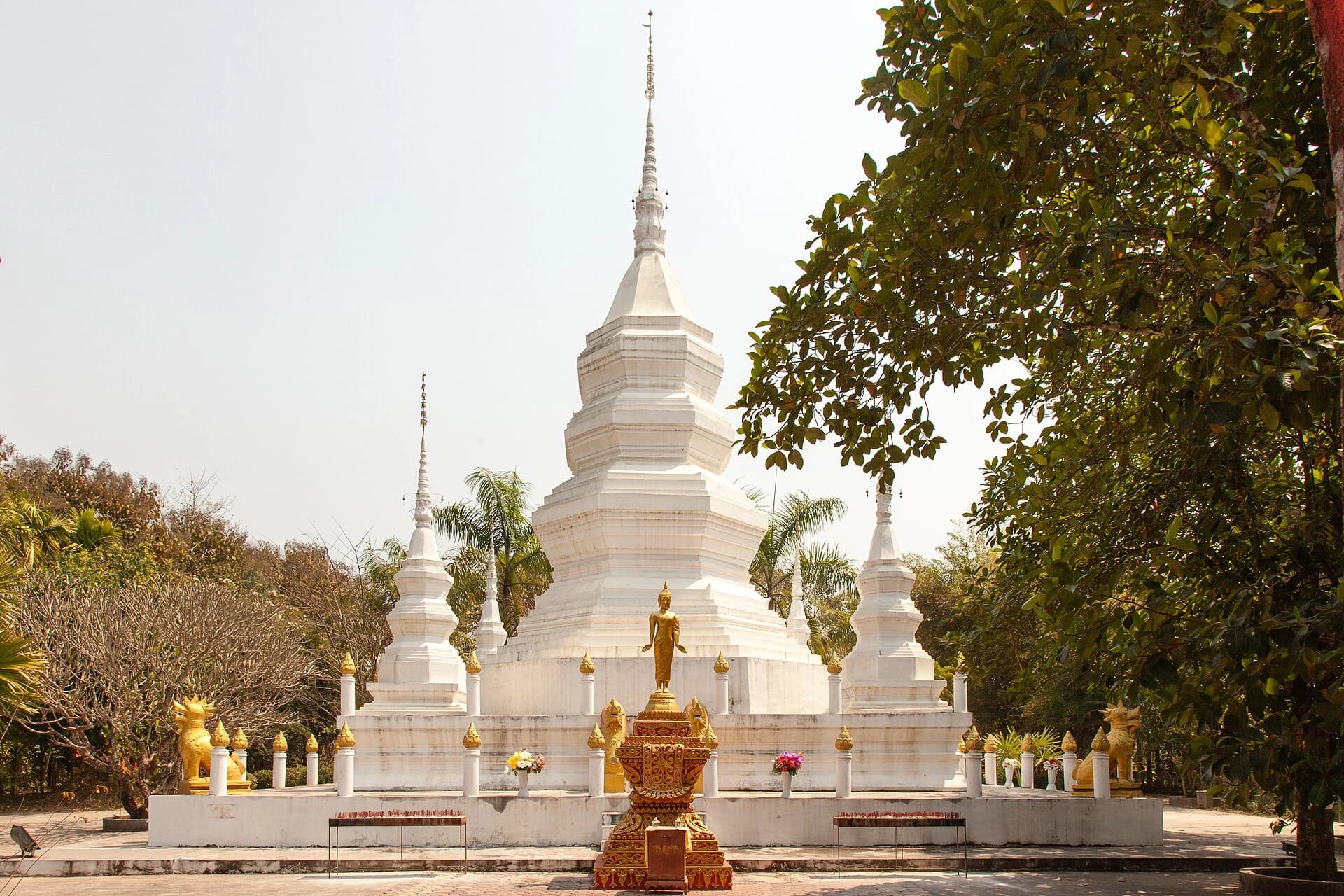
Photo: Chlukoe · Source · CC BY-SA 4.0
Add the products that suit your day
Ask the official operator to name what is included:
- scenic admission;
- internal sightseeing vehicle and number of rides;
- performance or reserved seating;
- water-play entry and equipment;
- locker, shower and changing access;
- direct coach or independent return.
Do not negotiate an unofficial ticket outside the gate or buy a vague “all included” package. The product menus visible on resellers vary widely and do not prove current passport handling or operations.
Visit homes and temples respectfully
People live here. A residential lane is not permission to enter a house, photograph residents at close range or reposition household objects. Enter only when a resident or clearly authorised community programme invites you, understand whether a purchase is expected and ask before photographing.
Temples require modest dress, quiet behaviour and current photography signs. Do not copy rituals for a video, photograph worshippers without permission or call ordinary homes “primitive.”
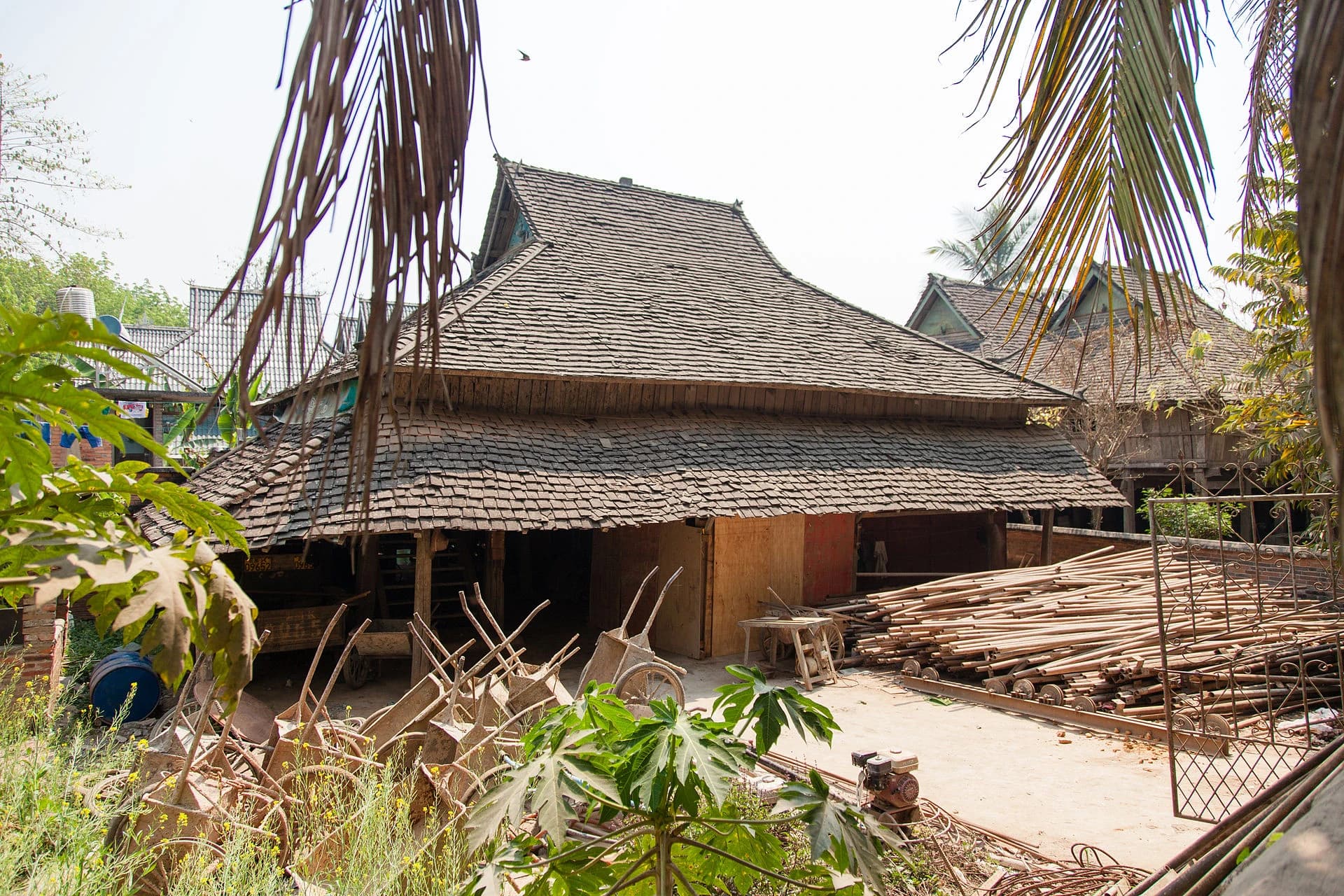
Photo: Chlukoe · Source · CC BY-SA 4.0
Water play is optional
Before joining, inspect the current facility and ask about water source/treatment, session capacity, eye/face guidance, storage, showers and wet-clothing transport. Do not join when management cannot answer basic hygiene and crowd questions. Keep water out of your mouth and stop if the environment feels unsafe; seek professional medical care for symptoms rather than following social-media medication advice.
The festival of Dai New Year is a living religious and community tradition. A daily commercial session can be enjoyable, but it is not the whole festival and should not be represented as an authentic community ritual by default.
Transport and pairing
Amap models Gaozhuang to Dai Garden at about 25 km/29 minutes by car without live traffic. Its bus result took about 1.5 hours and involved more than 2 km of walking. Confirm the current direct transport and last return before entering.
The botanical garden is farther east and each deserves its own time. Combining them is possible only with a verified vehicle and deliberate cuts; it is not the default first-trip plan.