Ganden Sumtseling Monastery
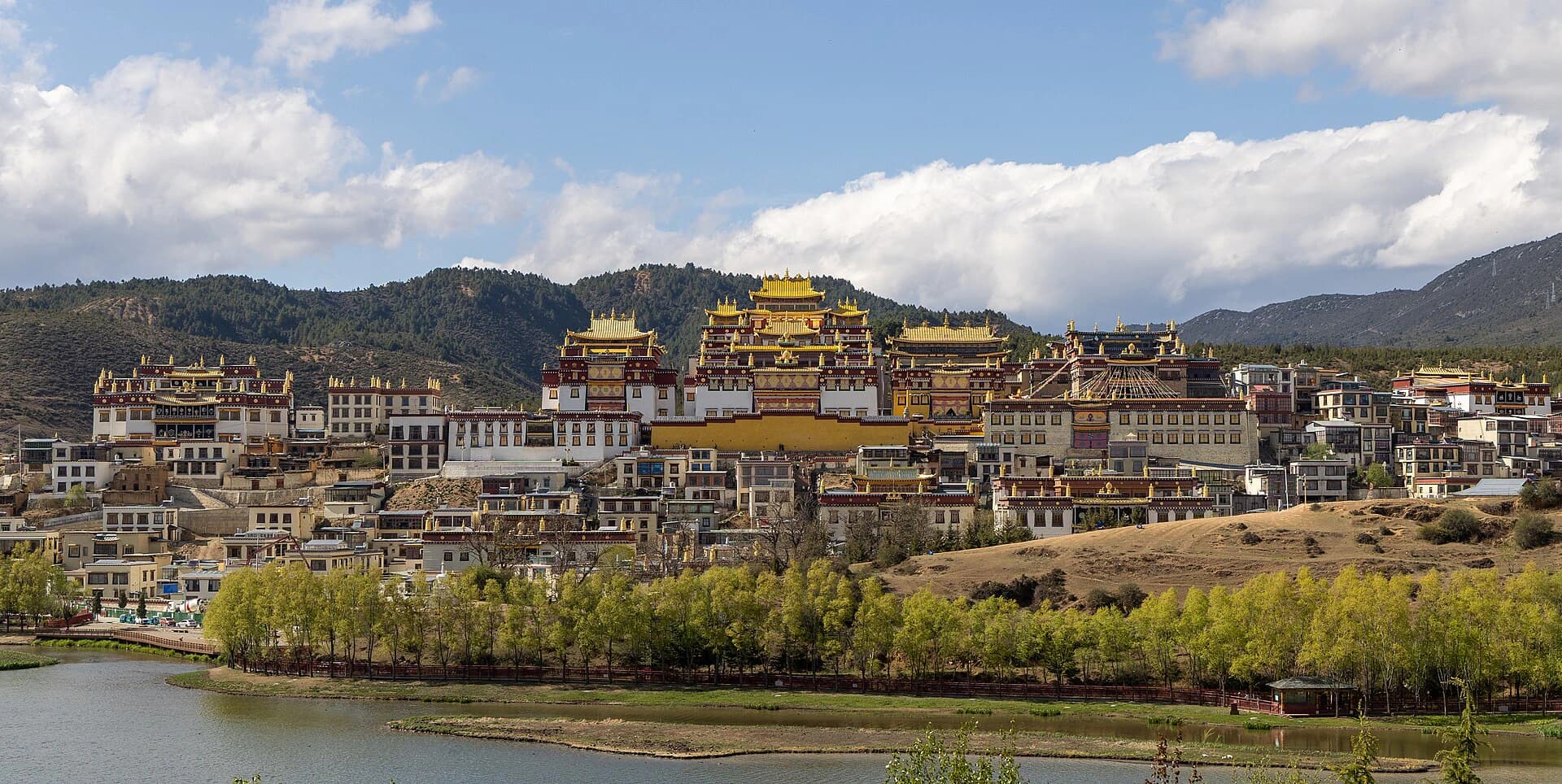
Ganden Sumtseling—often labelled Songzanlin—is Shangri-La's essential living-monastery visit. Its layered halls, Tibetan Buddhist art and highland setting reveal a religious world that the old town alone cannot explain. Allow two to three hours, enter through the official visitor centre and move slowly enough to notice how the courtyards, stairs and surrounding settlement fit together.
What makes the visit worthwhile
Visitor reports are strongly divided. Some value the architecture and religious context; others describe photography pitches, shops, incense or donation solicitations as commercial. Both can be true. The useful boundary is simple: official admission and required internal transport are the visitor product; photography, interpretation, incense, donations and shopping are optional unless the operator clearly states otherwise.
If the interior is not part of your plan, enjoy the monastery's setting only from a signed public viewpoint. Online “back entrances” and ticket-avoidance routes can cross restricted or residential land.
Enter through the official system
Use the Songzanlin Scenic Area visitor centre, not the monastery name alone in a map search. Amap planning data puts it about 4.8 km by road from Dukezong, roughly 13 minutes without live traffic; the public-bus result included more than 700 metres of walking, so a licensed taxi can be the clearer choice.
The official booking form uses real-name document fields and says members of one order must enter together. It does not clearly document an identical passport workflow or guarantee today's product and price. Test the official form early; if a passport is not accepted, use the published operator contact or buy at the official visitor centre rather than entering false ID data.
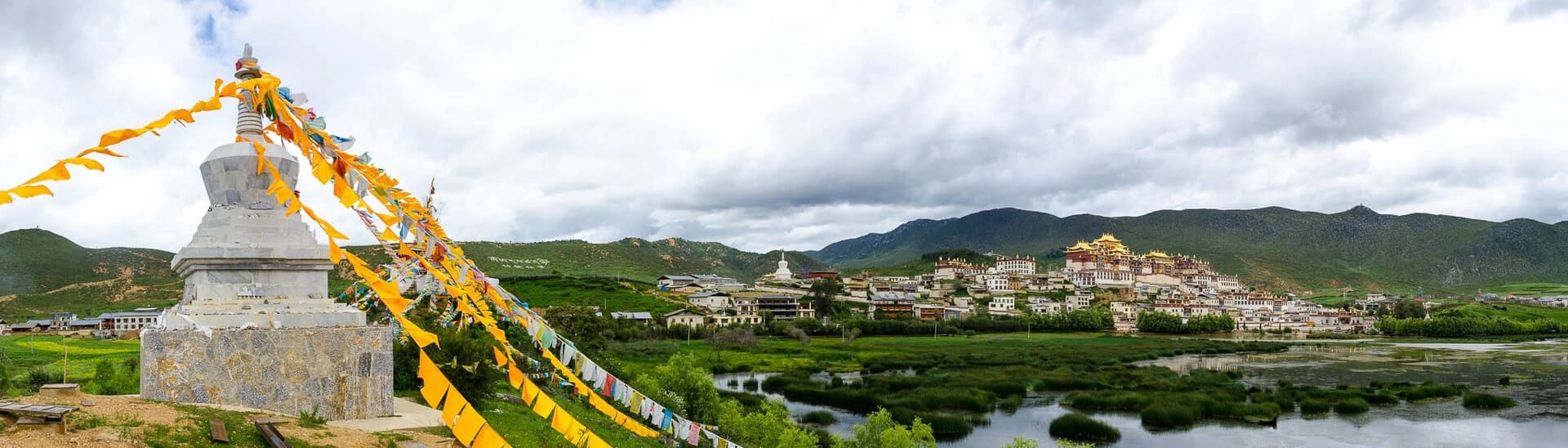
Photo: Luca Casartelli · Source · CC BY-SA 2.0
A monastery-first route, with an optional lake finish
1. Take in the whole complex before climbing. After the official transfer, pause in the public arrival area to see how the halls rise above the surrounding buildings. Then use the signed stair route at your own pace. Stop on a landing where you can stand clear of people passing, rather than blocking the steps for photographs.
2. Give the open main halls most of your attention. At the upper level, follow the posted visitor circuit. Compare the scale of the assembly space, the arrangement of devotional images and the decoration around doors and walls. Let your eyes adjust in darker interiors. Use permitted interpretation to understand what you are seeing; there is no need to take part in a ritual or buy an additional service to make the visit meaningful. Do not assume every hall uses the same entrance and exit.
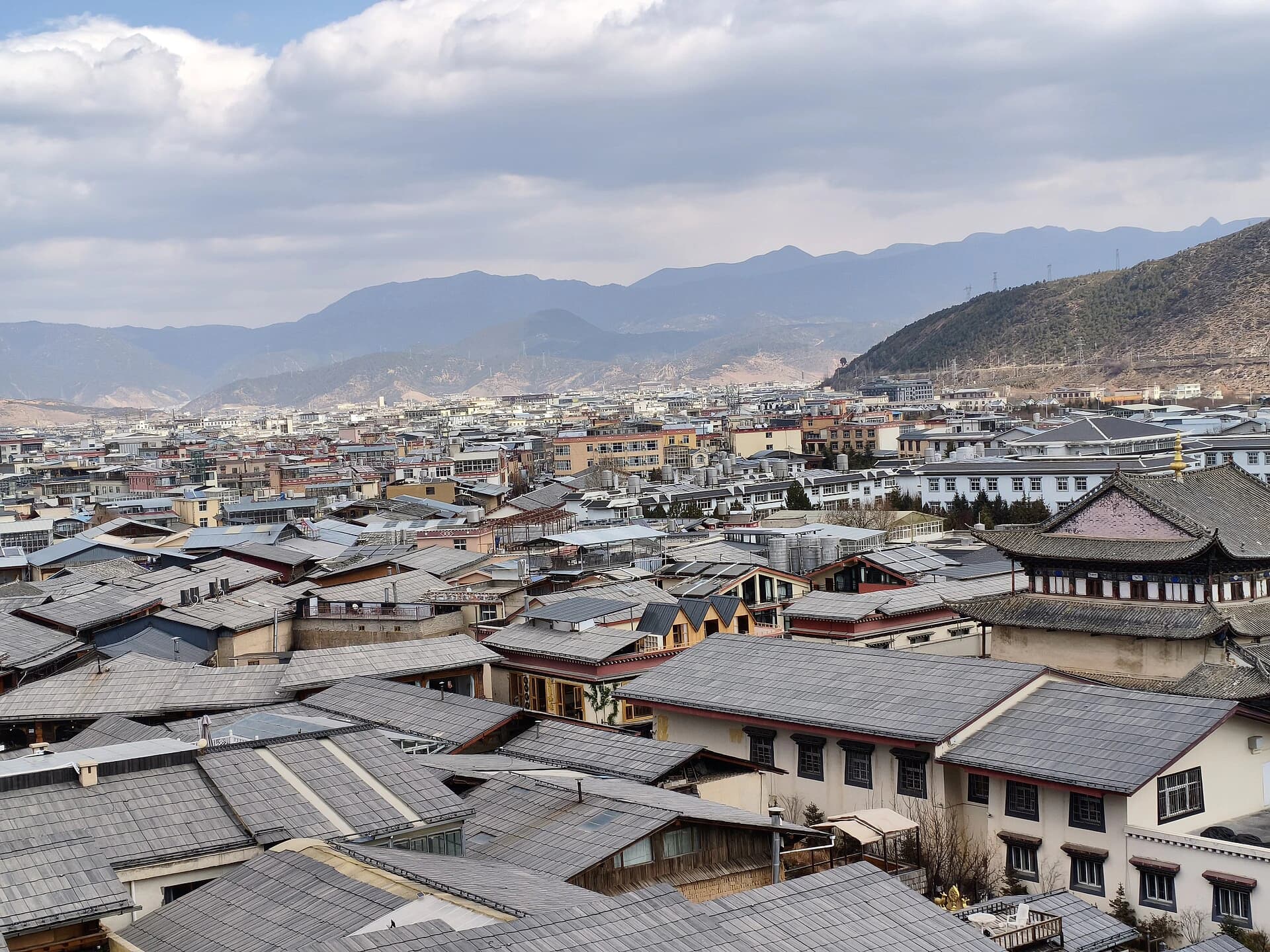
3. Look back at the setting before descending. If an upper public terrace is open, use it to connect the monastery buildings with the lake and settlement below. A higher floor is optional, not a required final stop. Descend by the current visitor route; the smaller buildings and lanes around the halls include working and residential spaces, so an attractive doorway is not an invitation to enter.
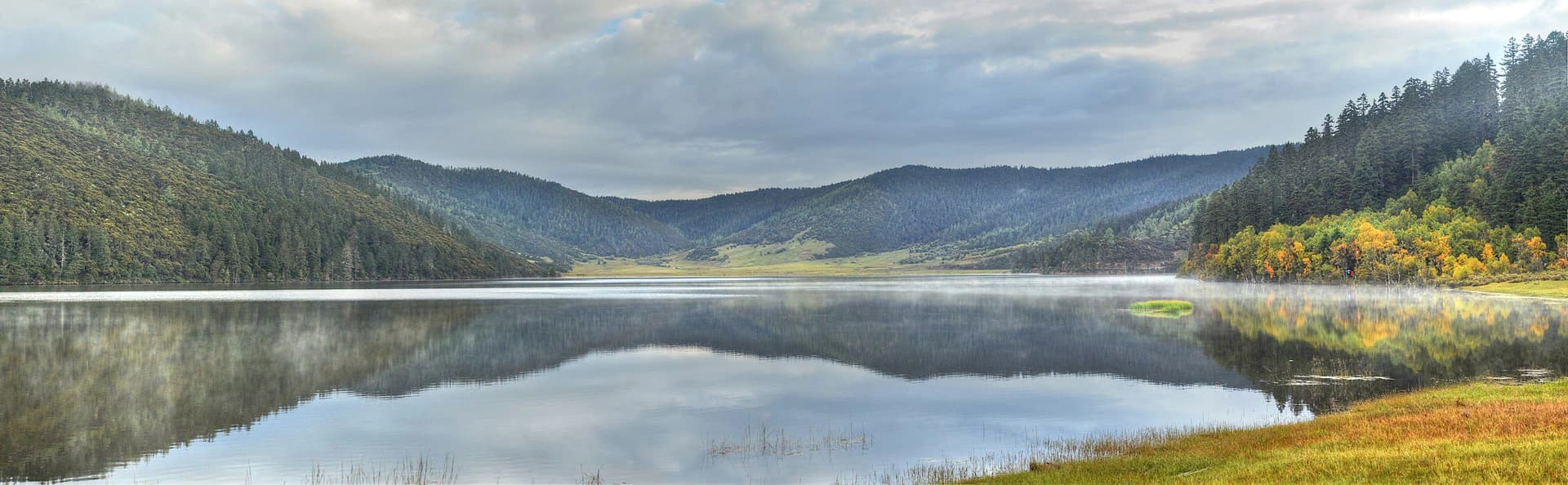
4. Add Lamuyangcuo Lake (拉姆央措湖) only with time and energy left. Visitors describe finishing on the lakeside boardwalk, where changing angles reveal the monastery's overall form. One combined monastery-and-lake visit took more than three hours, so leave extra time beyond a brief temple circuit. You do not need to complete a full lake loop: use an open section, pause at a designated viewpoint and return while your onward transport is still available. Reflections depend on wind and light; do not leave the boardwalk to pursue a photograph.
A respectful visit
- Dress modestly and keep your voice low.
- Follow current signs for clockwise movement and photography; rules can differ by hall.
- Never photograph worshippers at close range without permission.
- Do not interrupt chanting, copy a ritual for a picture or touch religious objects.
- Treat incense, blessings, explanations and donations as voluntary unless a clearly displayed official rule says otherwise.
Stairs and altitude are part of the visit. Pace the climb, use rest points and do not treat the upper hall as a mandatory summit. Weather, ceremonies or conservation work can close individual spaces.
See the monastery in its highland setting
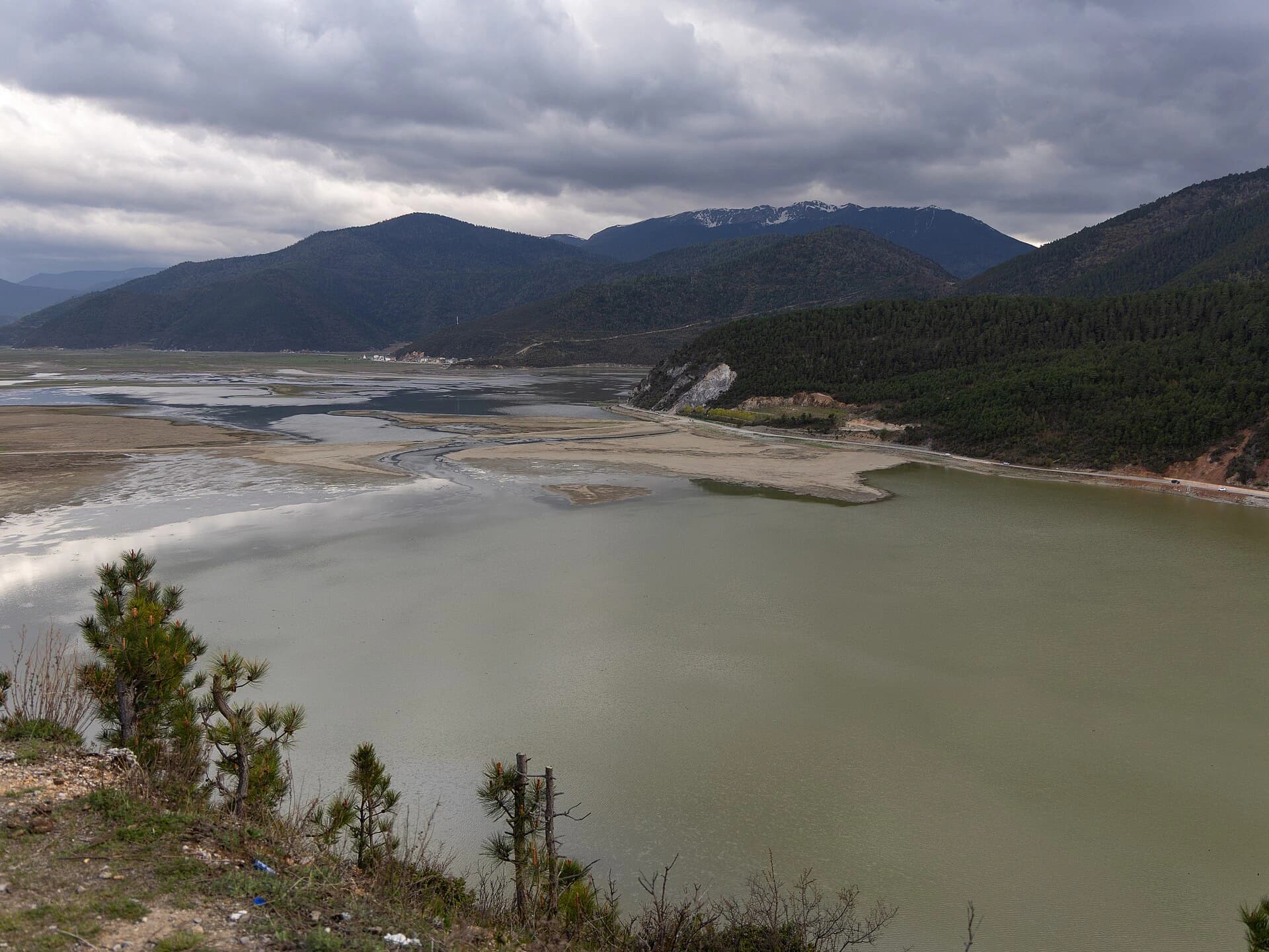
An exterior viewpoint can be a legitimate alternative when it is on a signed public road or authorised viewing area. It is not permission to cross fields, wetland edges, walls or residential land. The panoramic relationship between monastery, settlement and water is more informative than an unauthorised close-up.
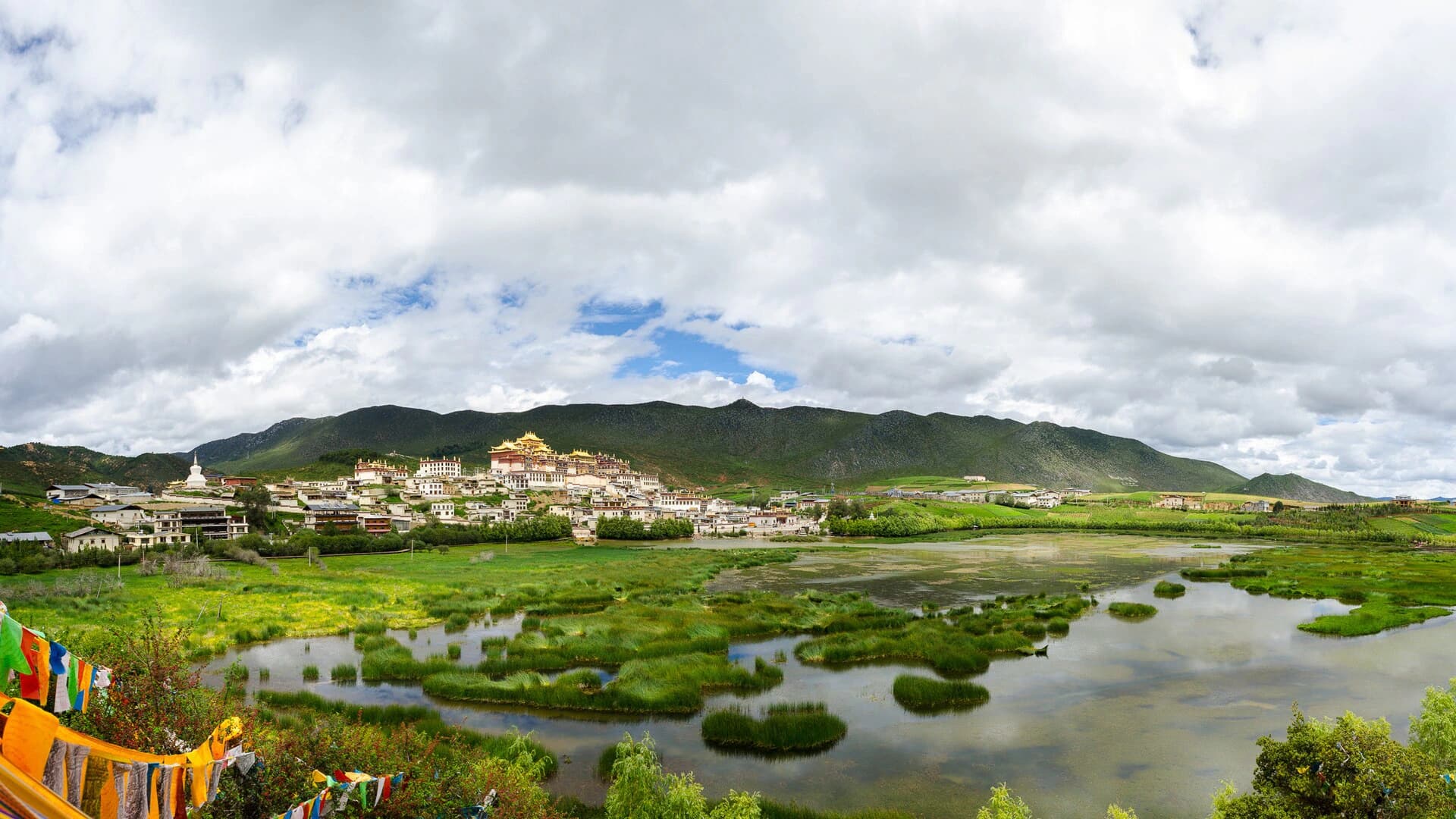
Photo: Luca Casartelli · Source · CC BY-SA 3.0
Combine it with Napa Lake
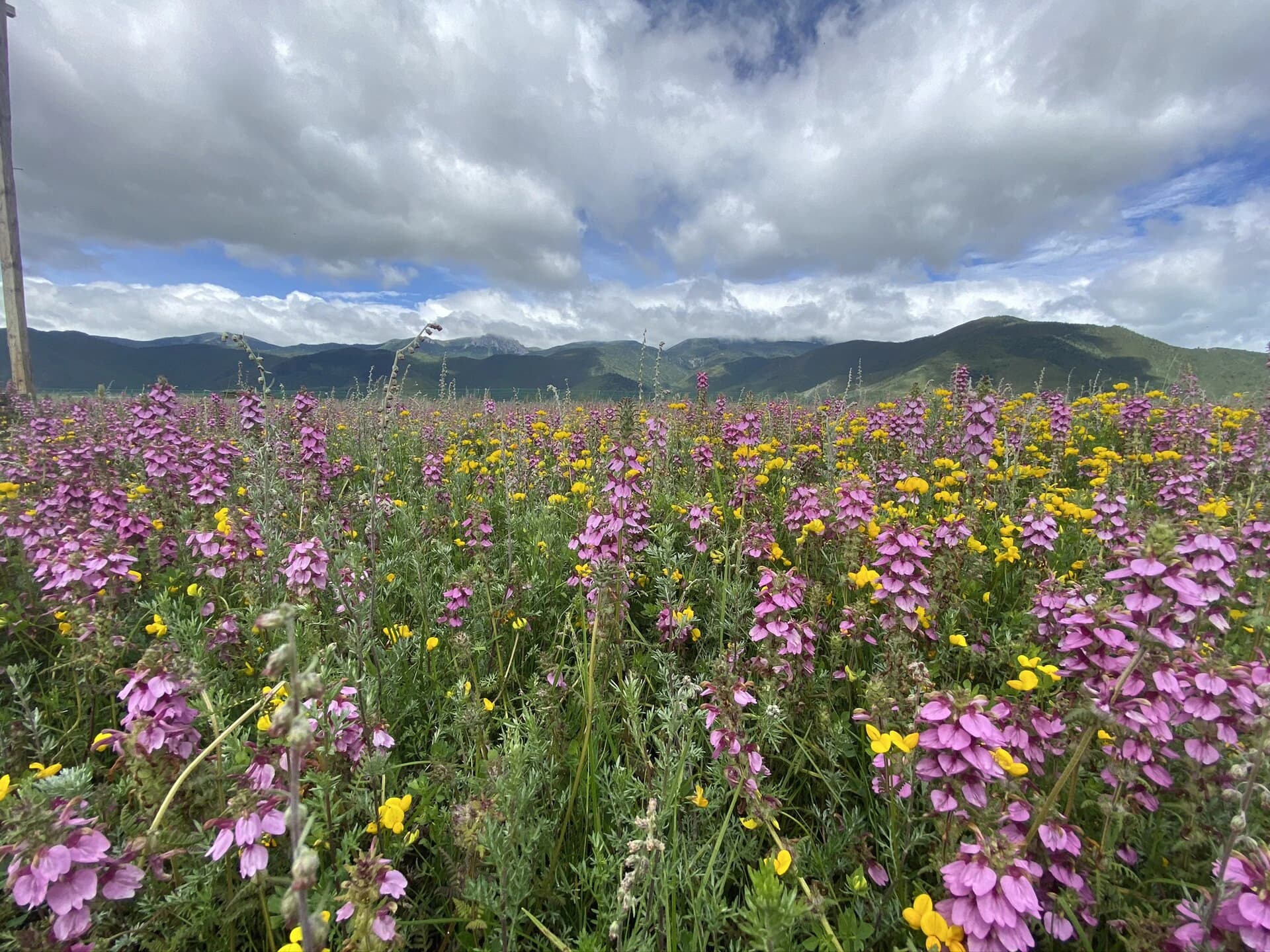
Visit the monastery first, then decide whether current weather and wetland conditions justify Napa Lake. They are geographically compatible but not one admission or one operator. Keep enough time to return before evening rather than turning the wetland road into a rushed photo circuit.