Mengzi Railway History
Mengzi adds a thoughtful urban chapter to a Honghe journey: Nanhu brings together open-port history, wartime education and an easy food stop, while Bisezhai extends the story into the architecture and infrastructure of the Yunnan–Vietnam railway. Start with the compact centre, then add the outward station when its history and yellow railway buildings appeal.
Build the day from Nanhu outward
- Choose Mengzi for Nanhu, the Southwest Associated University story, railway/customs history and an ordinary city-food stop.
- Add Bisezhai if historic railway architecture matters to you and you can arrange the return.
- Keep the day around Nanhu if the Bisezhai extension would be only for a costume photograph; the outward site is strongest with railway or architecture interest and a confirmed return.
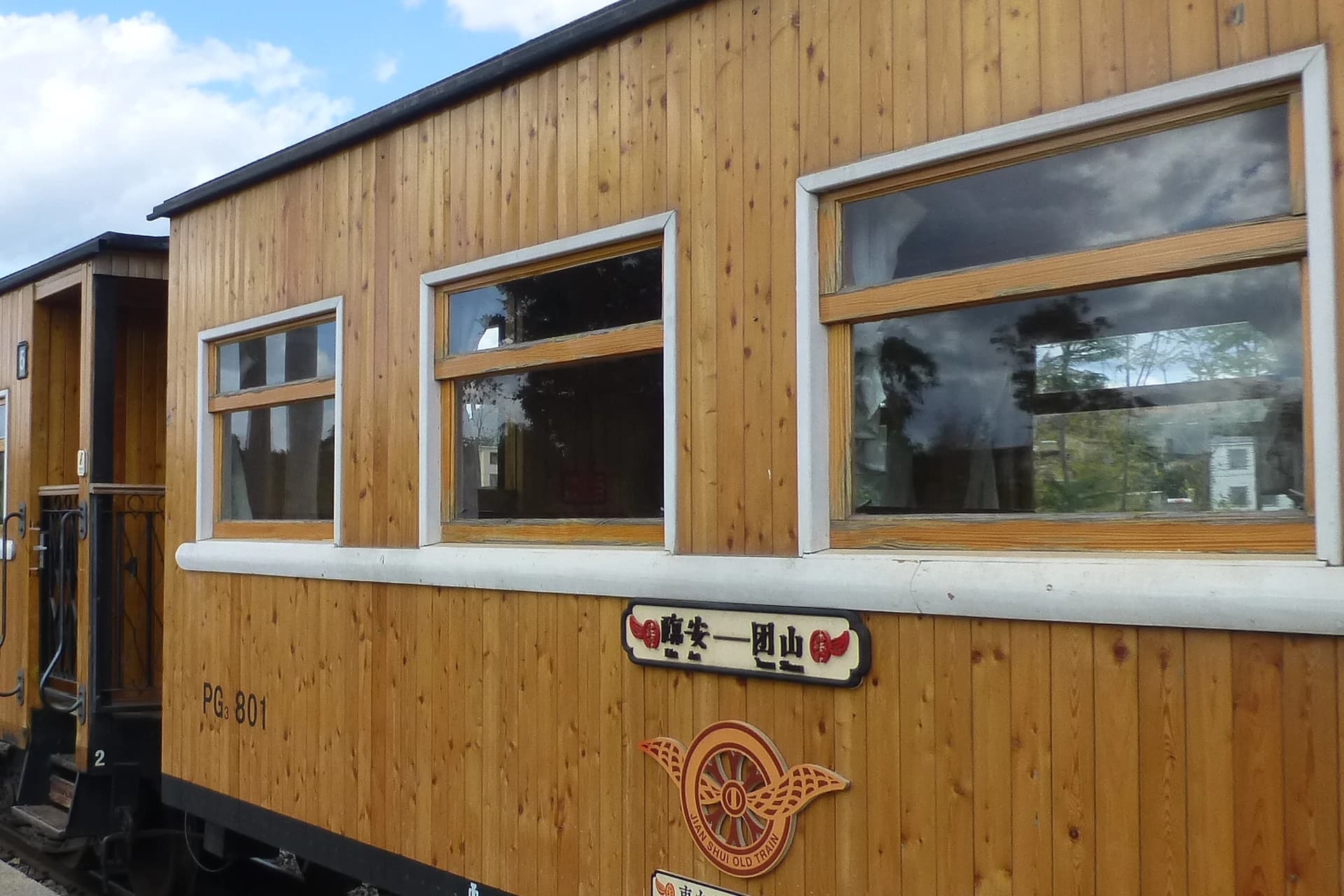
- Do not expect a train ride. The city government says Bisezhai no longer handles normal train service; in March 2024 a tourist train was still a proposed project.
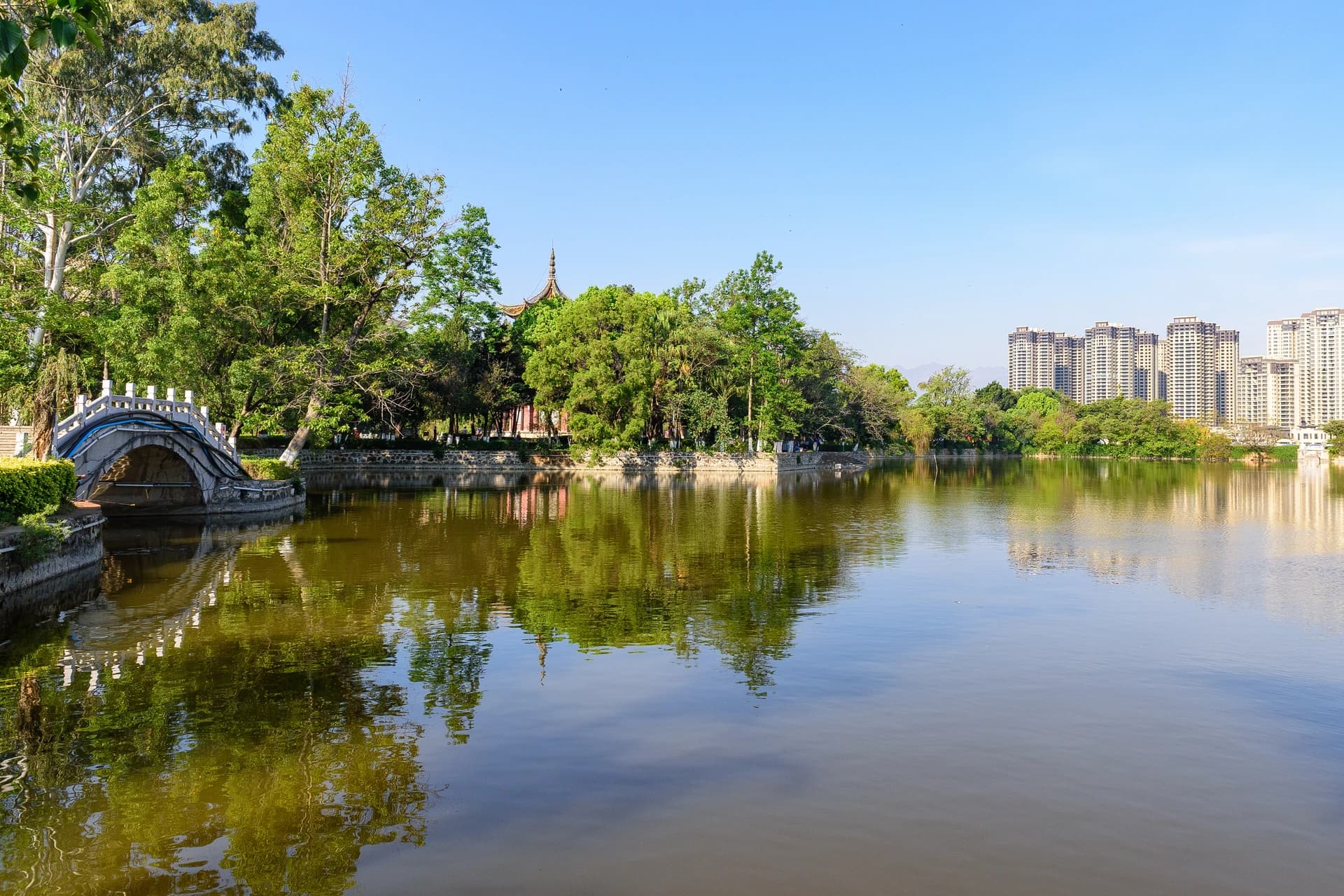
Photo: N509FZ · Source · CC BY-SA 4.0
Start with the Nanhu history cluster
Nanhu Park anchors the old urban centre. The lake's engineered history predates modern tourism, and the surrounding streets connect the former customs/open-port story with sites associated with the Southwest Associated University's wartime branch in Mengzi.
Use the Southwest Associated University Mengzi memorial entrance as a current map reference, then follow official signs to whichever rooms are open. Protect museum reading time; check opening days and passport registration instead of assuming every historic building shares one schedule.
Food belongs naturally in this city stop, but choose an established, busy shop with clear ordering and hygiene rather than treating one viral bowl of crossing-the-bridge noodles as the only authentic version.
Add Bisezhai for the railway story
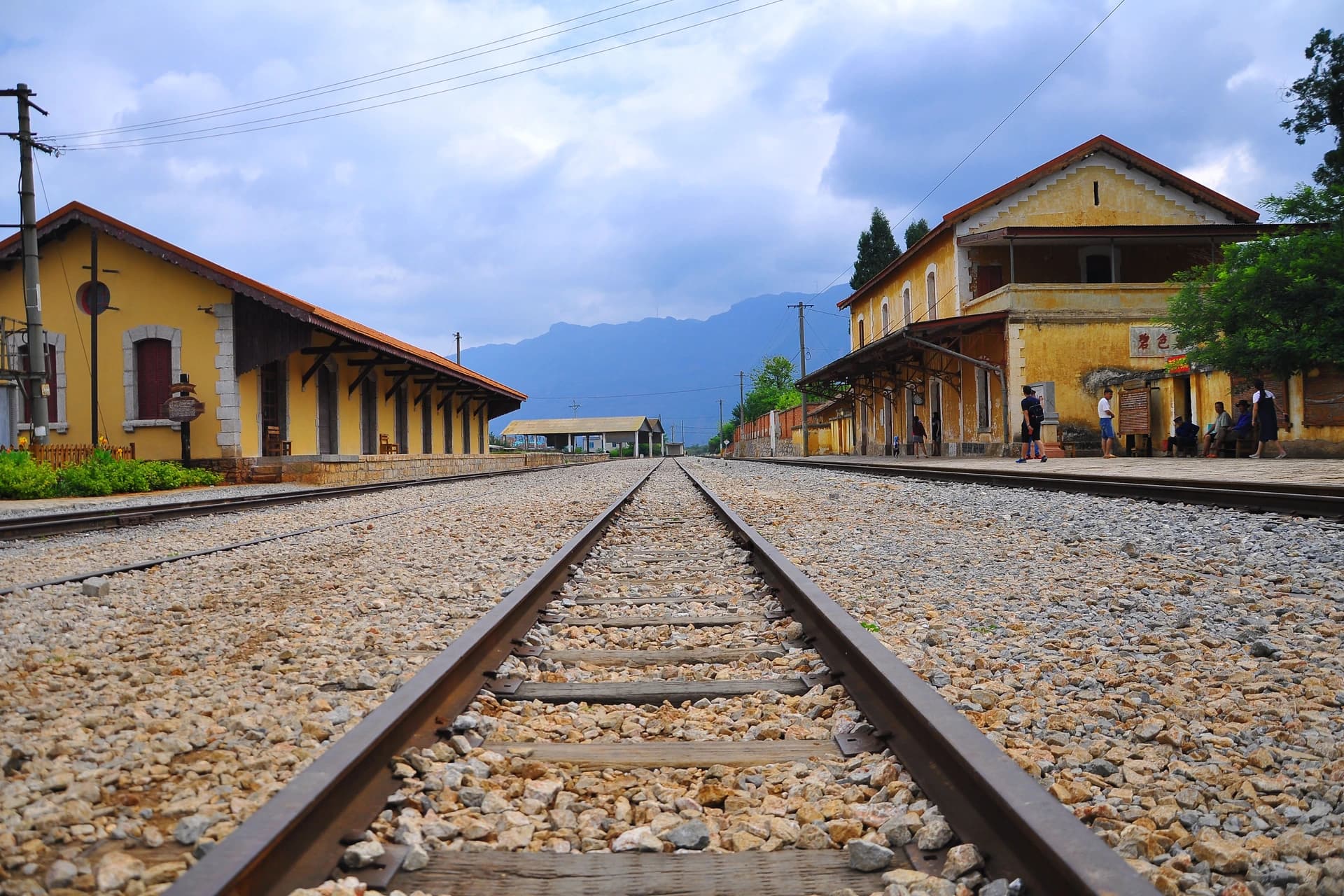
Bisezhai developed as an important station on the Yunnan–Vietnam railway. The official city history explains its connections to Kunming and Haiphong and the unequal colonial context in which the railway was constructed. Read the station as transport, commercial and political history—not simply a yellow-wall film set.
Before leaving Nanhu, confirm:
- current public opening and any internal exhibition schedule;
- the exact drop-off and whether a scenic vehicle is operating;
- a driver's confirmed pickup time or another dependable return;
- rain/sun protection and water;
- which buildings and track areas are public.
Amap models Nanhu to Bisezhai at about 12.1 km/17 minutes by car without live traffic. That road distance explains why a city-centre ride may not accept the return request. Do not wait until the site closes to look for transport.
Choose the correct railway station
Honghe Railway Station and Mengzi Railway Station are different places and may serve different train patterns. Amap models Honghe station to Nanhu at about 18.5 km/29 minutes by car; Mengzi station sits on another side of the city. Search and book the complete station name, then show the Chinese characters to the driver.
A short rail-based stop can work when luggage storage, exact arrival station and Bisezhai return are solved in advance. Otherwise, stay one night around Nanhu and avoid building the day around a fragile same-day connection.
Railway and memorial conduct
- Stay behind barriers and off all tracks unless a signed crossing is open.
- Never stage portraits on rails or climb rolling stock, signals, water towers or roofs.
- Do not describe colonial extraction as romantic European decoration without its historical context.
- Keep voices low in wartime education memorial rooms and follow photography signs.
- Ask before photographing workers, residents or costume renters.
- Treat movie connections as a secondary layer, not the site's historical meaning.