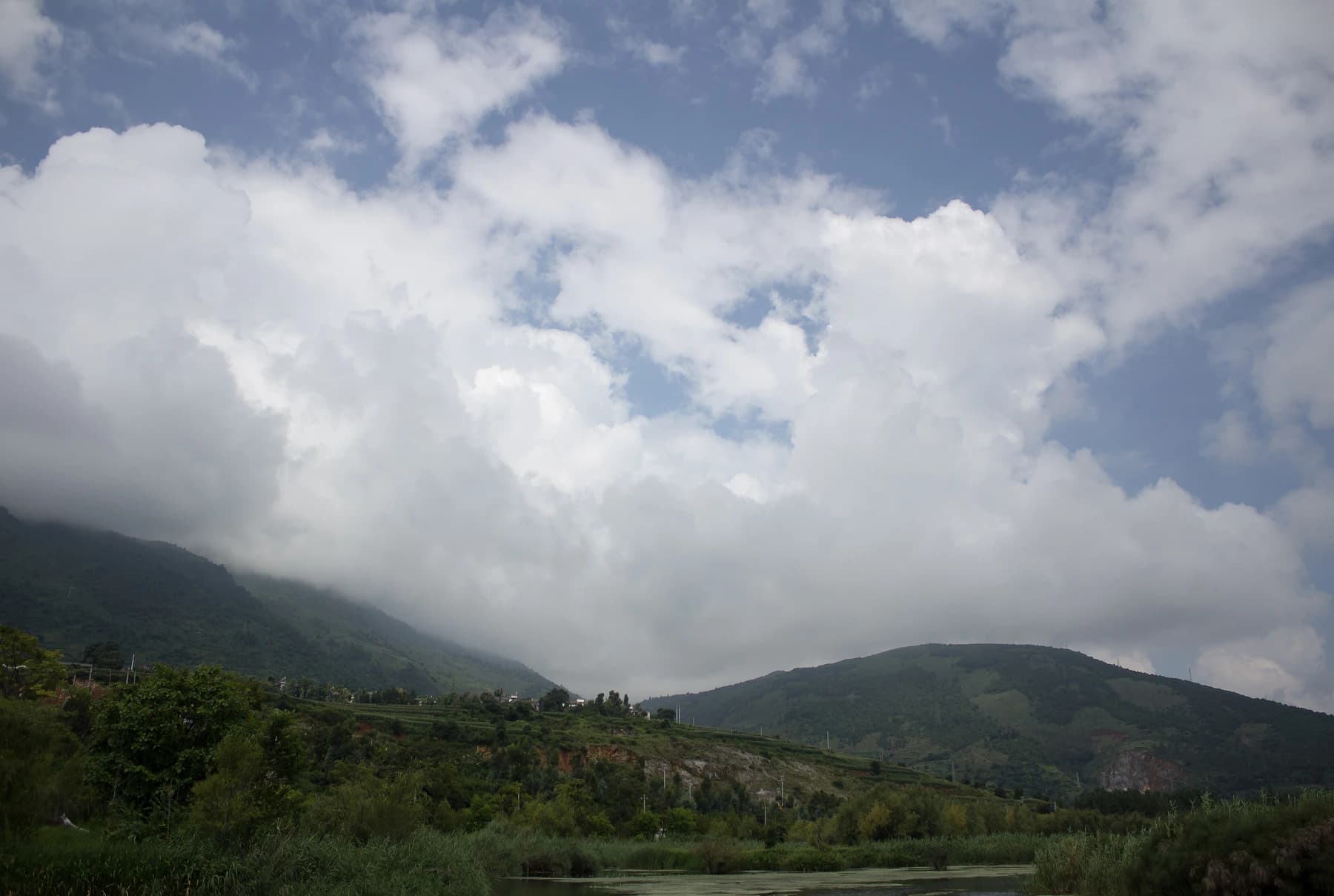
Dali Old Town
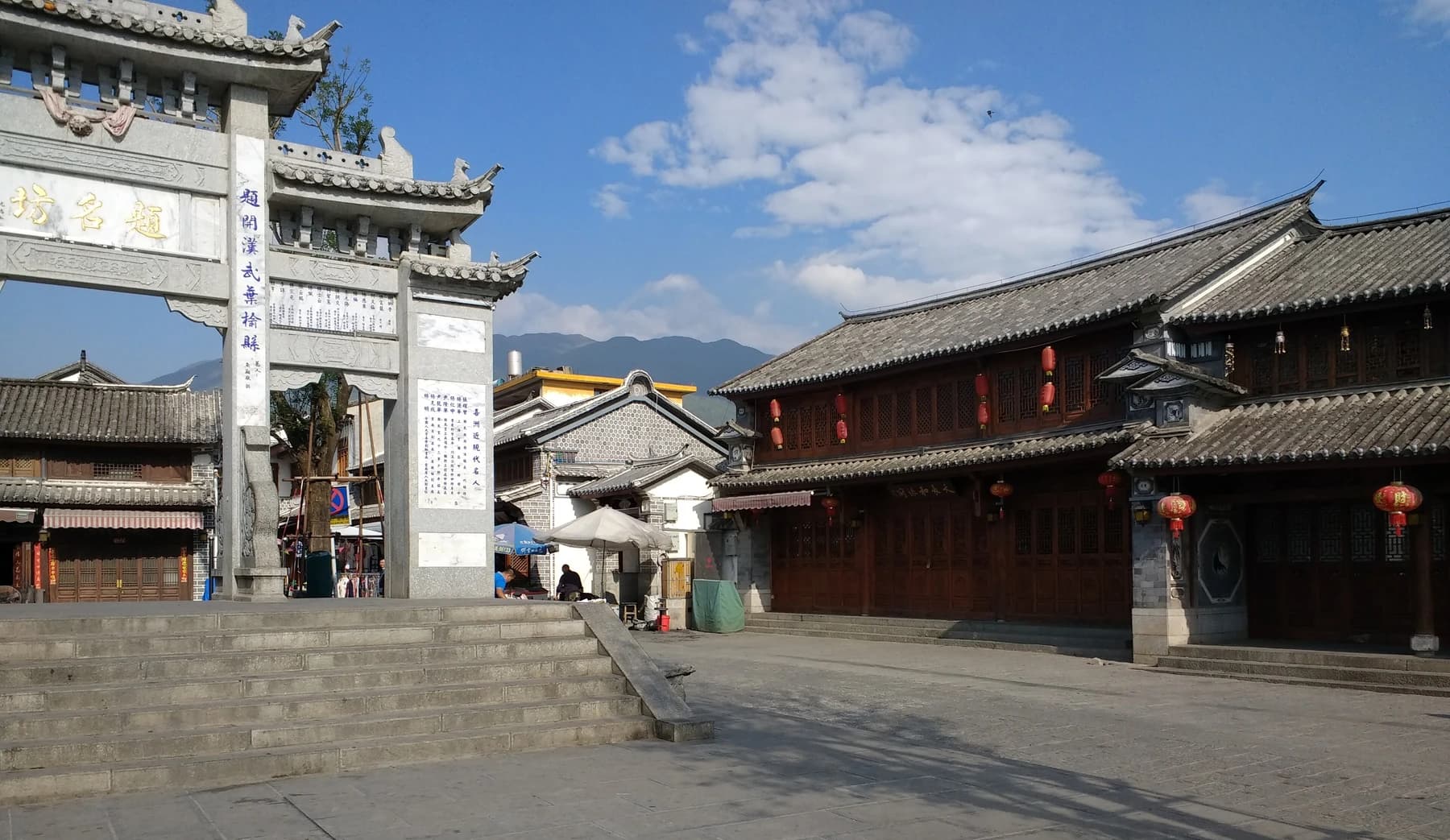
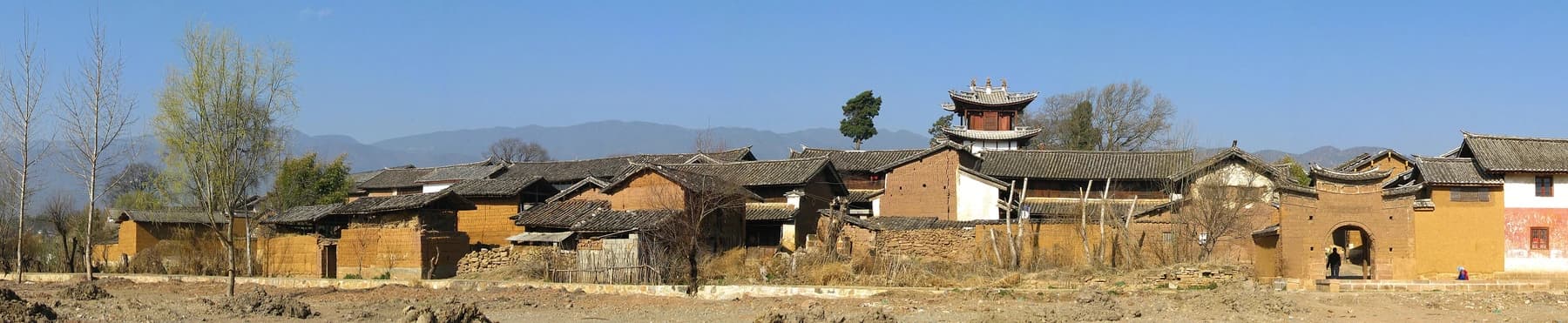
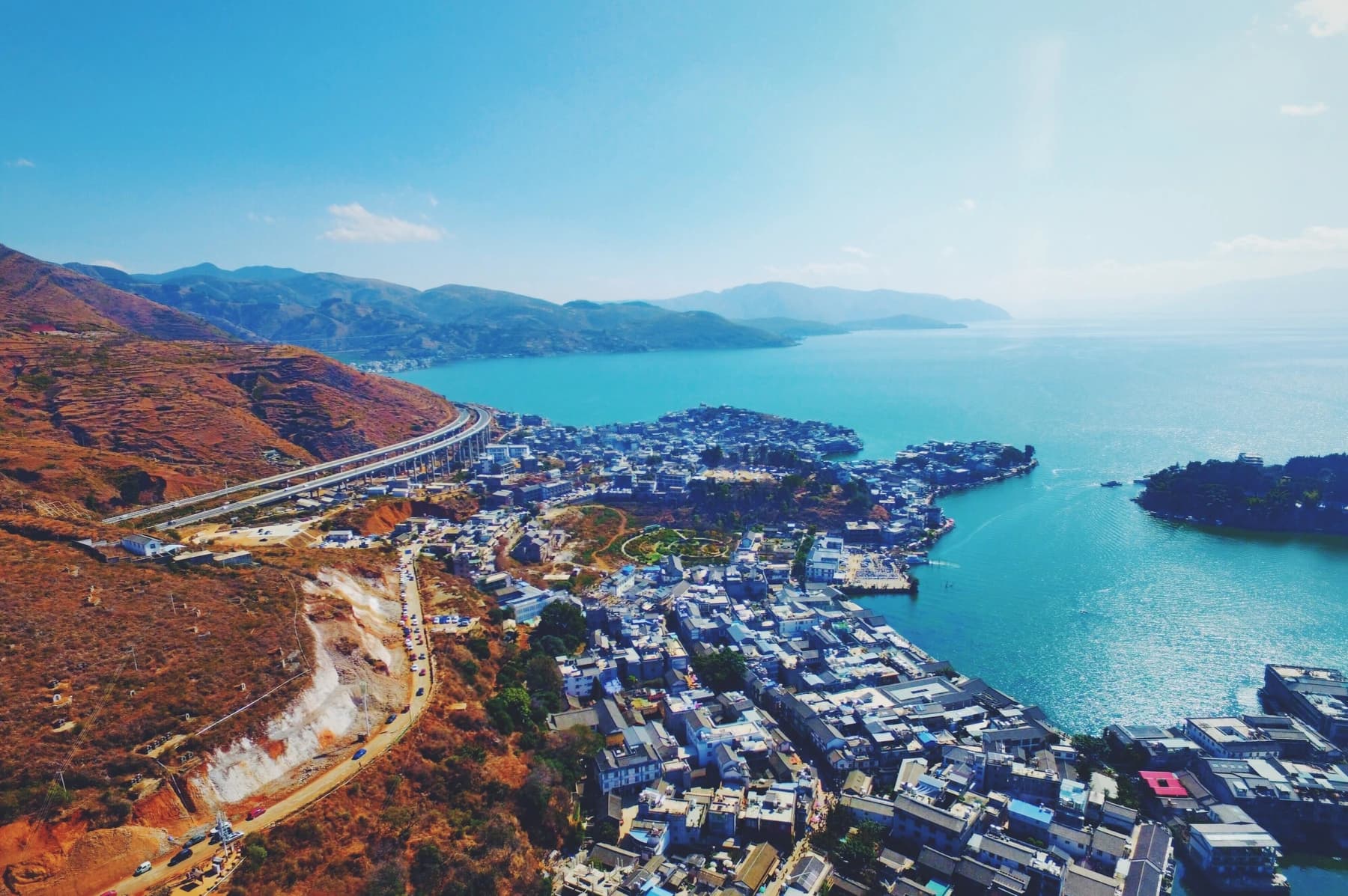
Dali Old Town is a living historic district at the foot of Cangshan, not a single preserved monument. Its main streets carry restaurants, bars and souvenir businesses, while quieter lanes still contain homes, schools, religious spaces and ordinary services. A useful first walk compares these layers instead of treating every old-looking façade as original.

Photo: CEphoto, Uwe Aranas · Source · CC BY-SA 3.0
A two- to three-hour route
Begin at a clearly identified city gate and use the north–south and east–west street grid for orientation. Walk one main commercial street early, then turn into two or three side lanes where building scale and courtyard entrances are easier to read. Add an active temple or church only when current public access is explicit.
The old town is strongest in the morning, before tour groups and evening businesses dominate the central lanes. Return after dark only if you want the modern entertainment layer. “Foreigner Street” is a historical tourism label, not a guarantee that it is the most rewarding street for an international visitor.
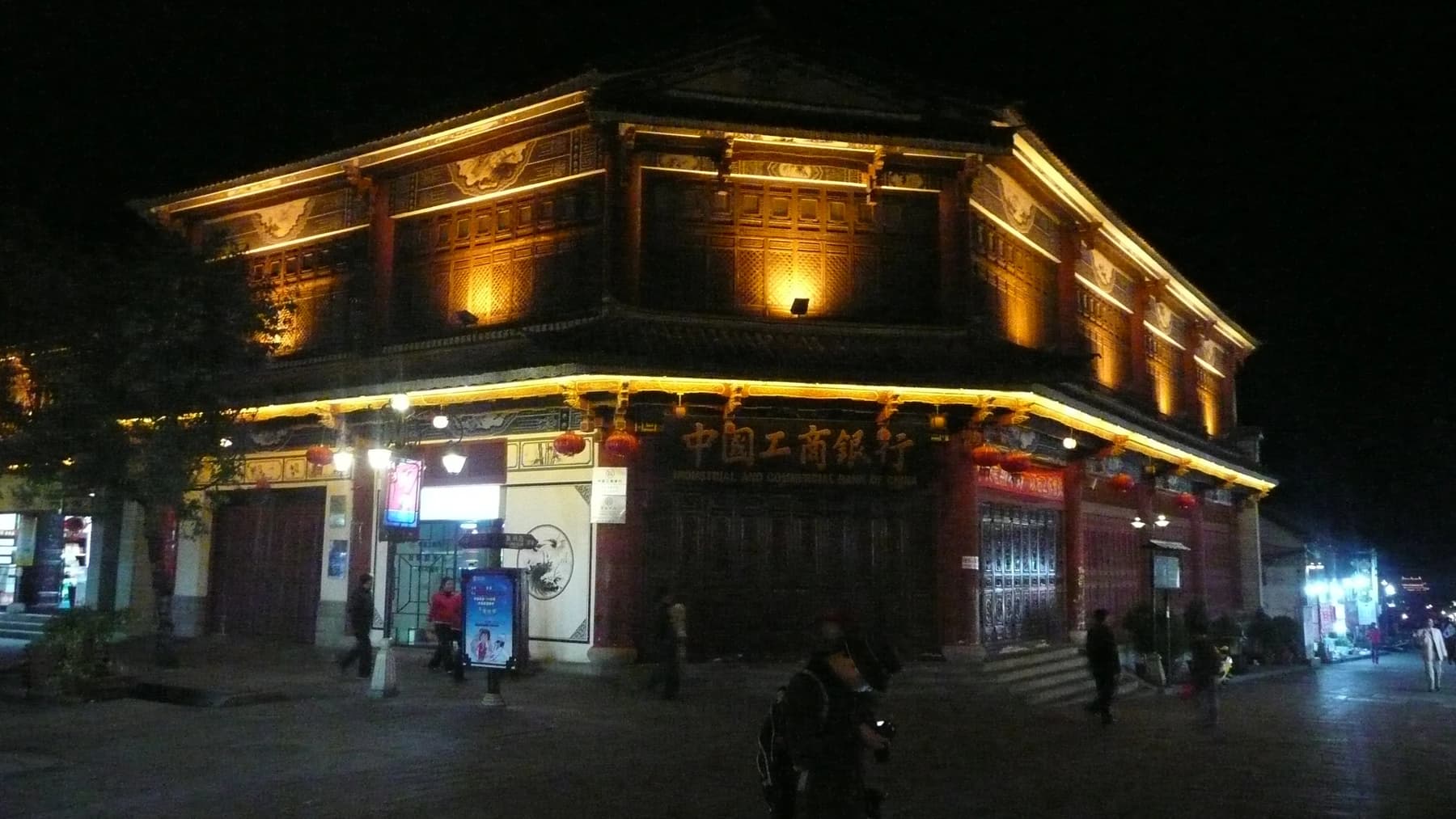
Photo: Brücke-Osteuropa · Source · Public domain
Respect the active town
Stay out of private courtyards unless they operate as clearly public venues. Do not block doorways, photograph residents at close range or fly a drone over dense housing. The protected core restricts ordinary motor vehicles and unauthorized electric vehicles in pedestrian streets; use current parking and pickup points outside the controlled lanes.
Food prices and portion units vary sharply between main streets and residential edges. Confirm whether mushrooms, fish or market foods are priced per portion, jin or kilogram. Never eat wild mushrooms based only on a vendor's verbal assurance; choose established restaurants following current food-safety guidance.
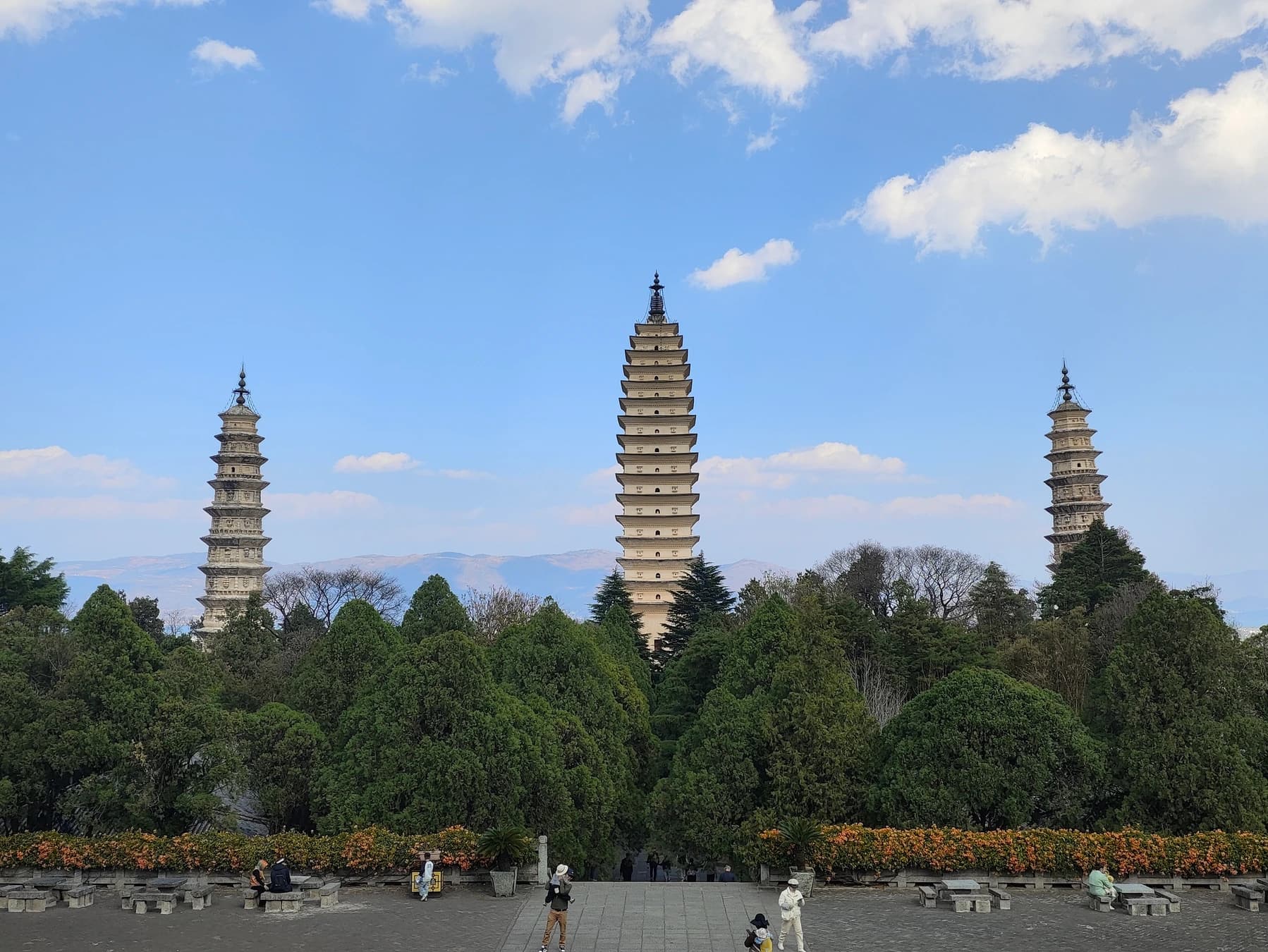
Walk to the Three Pagodas
From the verified Dali Old Town map location to the Three Pagodas, Amap estimates about 1.1 km / 15 minutes on foot or 2.7 km / 11 minutes by car. Walking is efficient in mild weather, but the final usable entrance and ticket center may not match the closest map pin.

Photo: chensiyuan · Source · CC BY-SA 4.0
Stay in or near the old town for easy access to the Three Pagodas and Cangshan. Stay in Xiaguan instead when railway, airport or modern-city transport matters more; “Dali Station” is not inside Dali Old Town.
The public grid is free to enter, while temples, towers, exhibitions and performances may keep independent tickets and hours. Travelers with limited mobility should choose one gate and a compact central loop: stone paving, drainage channels, thresholds and crowded evening lanes can make a theoretically short crossing slow. If you have only one visit, morning offers more historical legibility; evening is a second, commercial experience rather than a replacement.