Cangshan Mountain
Cangshan is a protected mountain range, not a free-form hiking backdrop. Cableways reach different elevations and trail systems, and wind, cloud, lightning, snow, wildfire prevention or maintenance can change operation with little notice. A responsible visit begins by choosing one officially open entrance and ends when its signed route ends.
A practical first route
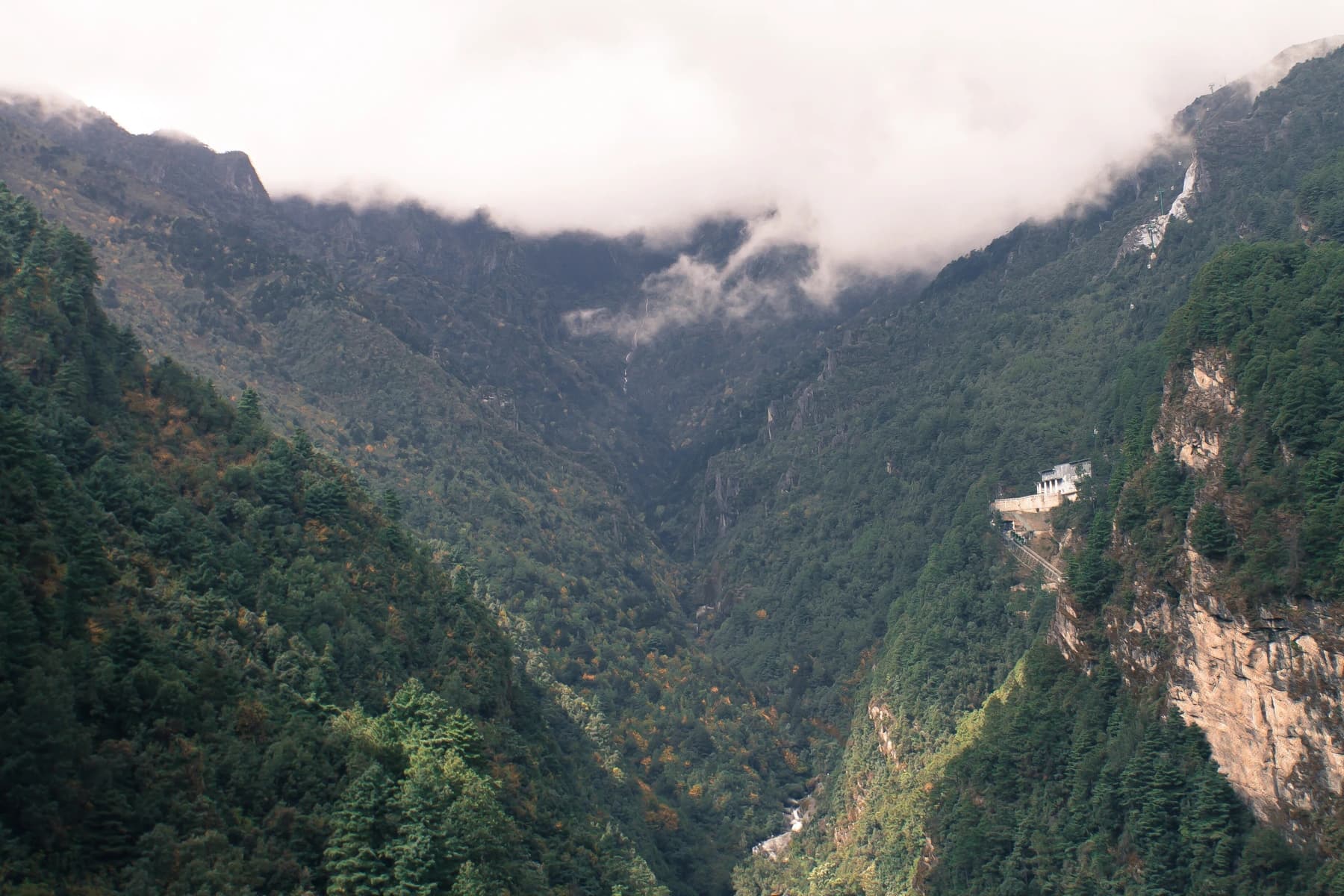
The verified itinerary uses the Gantong Cableway area as a conservative first-visit anchor. From Dali Old Town, Amap estimates about 9.8 km / 28 minutes by car to the verified scenic map location. Confirm the actual ticket office and pickup point because the road-access parking area and upper cableway coordinate are not interchangeable.
Check the live package before paying: cableway direction, scenic-area admission, shuttle, operating section, last return and weather refund rules. A 2025 government price decision set the Gantong Cableway at CNY 65 one way and CNY 100 return, but displayed current pricing takes priority over this dated baseline.
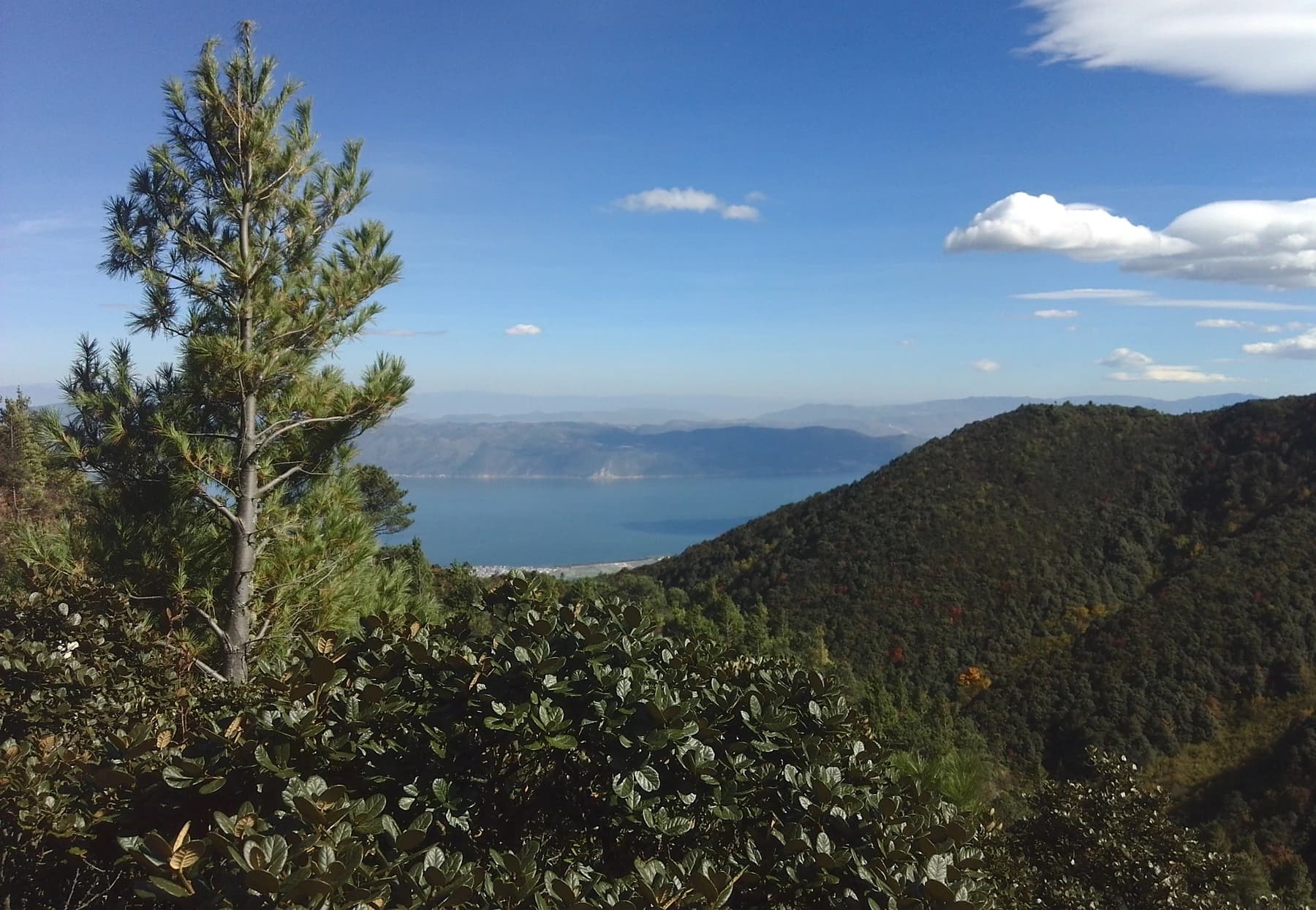
Photo: Toni Wöhrl · Source · CC BY-SA 4.0
Match the cableway to the day you want
Gantong: a shorter mountain walk. After the upper station, use the current signs for the Qingbi Stream (清碧溪) area and the open start of the Jade Belt trail. Spend time looking at the water, rock and forest rather than automatically committing to a long traverse. Decide how far to continue only after checking the return walk and descent queue. In poor visibility, this can become a forest visit rather than a wide Erhai panorama.
Ximatan: prioritize the upper scenic area. This is a different cableway journey, with a middle station and an upper section whose operation depends on conditions. If the upper section is your reason for going, check its status before buying. The signed upper boardwalk itself takes time and effort; combining it with a full Jade Belt walk should not be the default first-visit plan.
A traverse between cableways: a separate, longer outing. Visitor accounts describe multi-kilometre walks linking the Jade Belt trail with other cableway stations, including Zhonghe. They also describe additional steps between the trail and stations. Do not read “contour path” as a step-free connection. Confirm every connecting section, your descent ticket and the last service before setting out; otherwise choose an out-and-back on the open route served by your original cableway.
Keep the lower temples separate from the upper walk
Gantong Temple (感通寺) and Jizhao Nunnery (寂照庵) are not destinations reached simply by riding to the upper cableway station. One visitor who wanted the temples spent much of the day in mountain queues and reached the lower temple area after closing. If those are your priority, ask for their current public approach and visit them first rather than buying a mountain journey to save walking. The nunnery approach can still involve uphill walking.
Never create an unofficial workaround
Dali's current protected-area notice prohibits entry into the core zone and tourism in the buffer zone. In open experimental-zone attractions, visitors must follow management rules. Do not cross barriers, follow “wild trail” posts, collect mushrooms, enter streams, camp, climb rock or organize an unofficial exploration route.
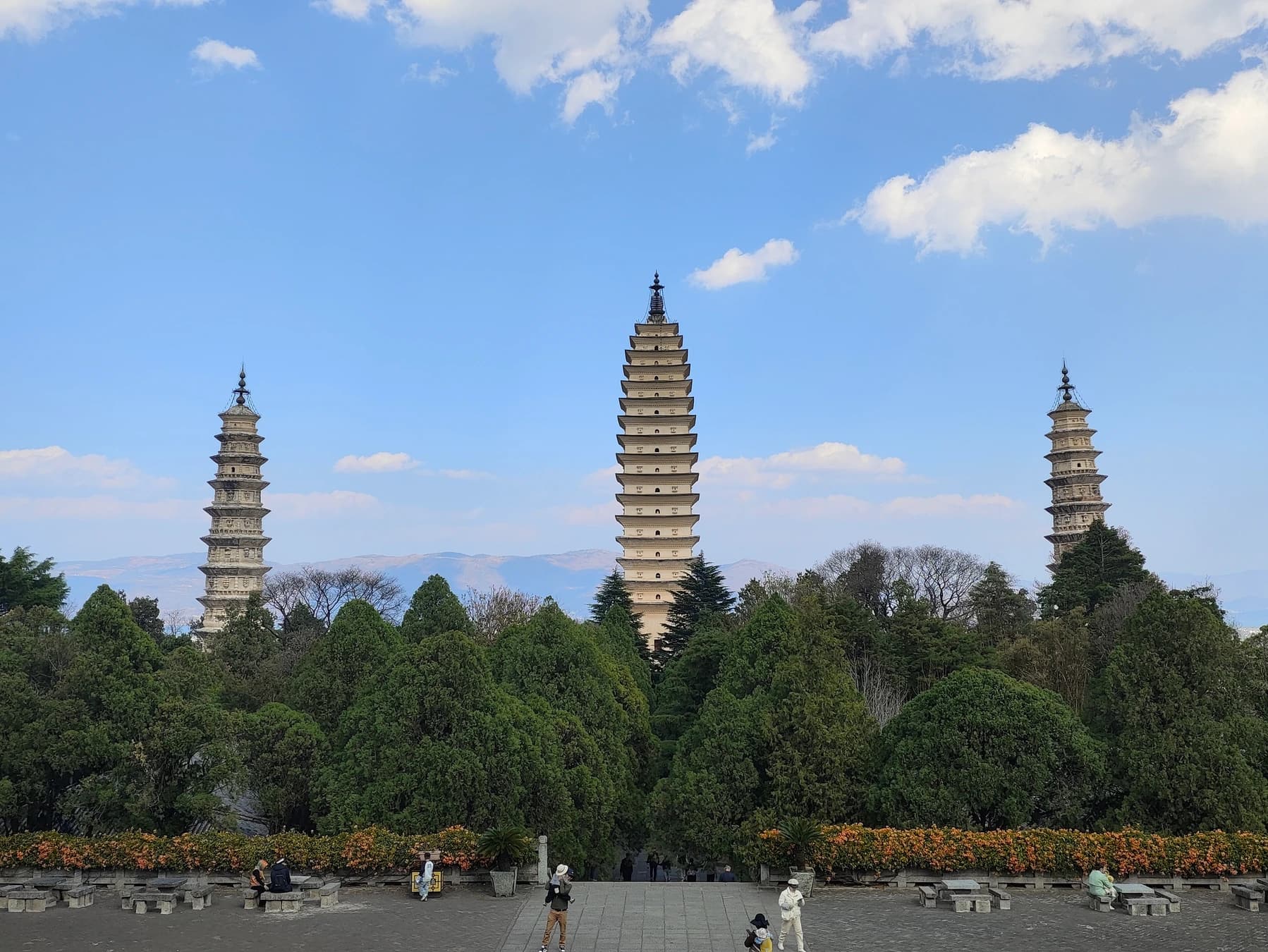
If a cableway or trail closes, switch to the Three Pagodas, Dali Old Town or a legal low-elevation lake route. A closure is a safety and conservation decision, not a queue to bypass.
Mountain conditions
Temperature and wind can differ sharply from Dali Old Town. Carry a warm layer, rain protection, water, sun protection and offline information for the signed return route. High elevation can worsen headache or breathlessness; descend and seek help rather than forcing a viewpoint.
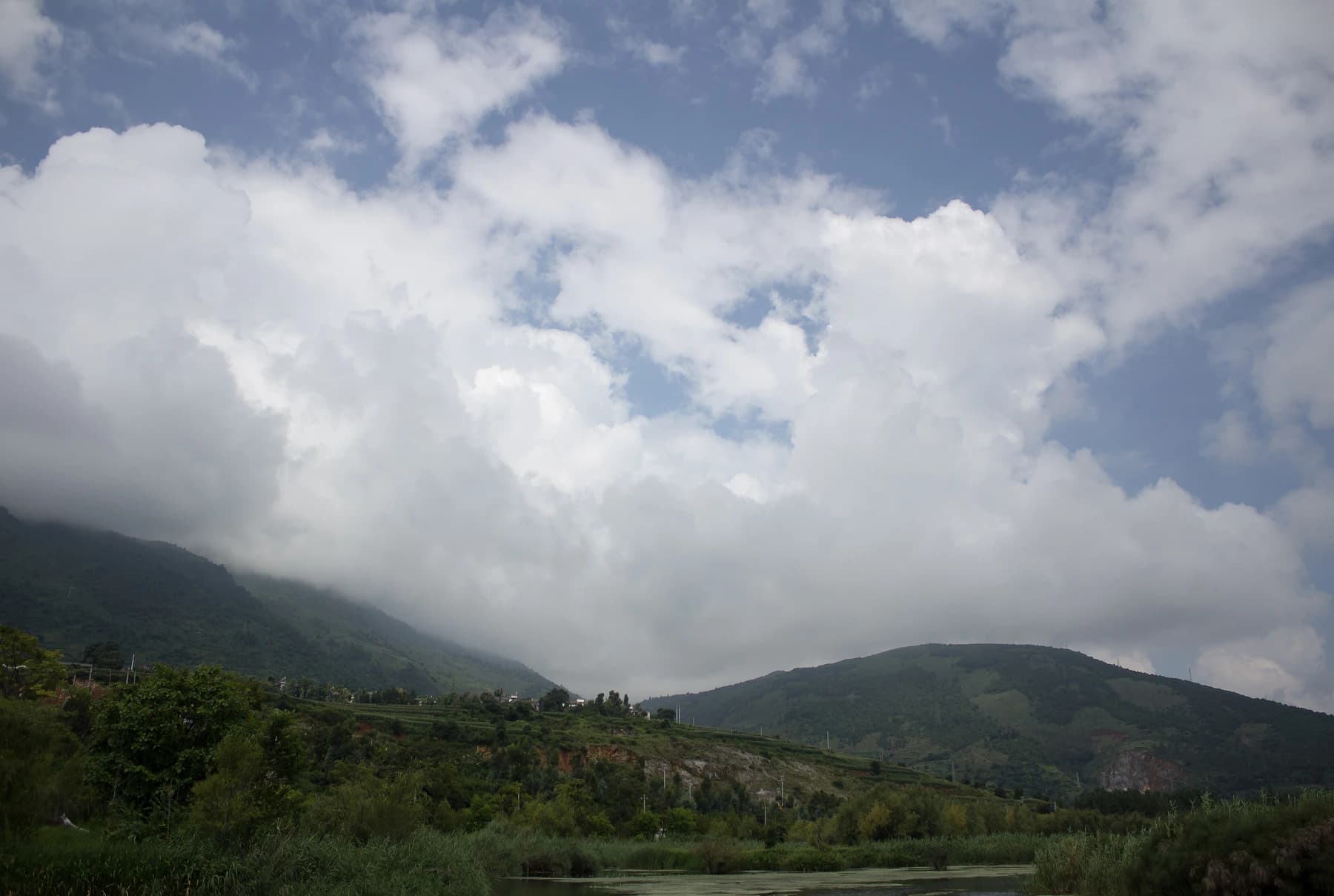
Photo: Jason Zhang · Source · CC BY-SA 3.0
During the wet season, avoid slippery, steep or flood-prone sections. During fire season, obey every ignition and access restriction. The correct Cangshan day is shorter than the mountain permits, not longer than conditions allow.
Allow at least half a day from the old town, even for a short upper walk: road transfer, ticketing, shuttle movement, cableway queues and the final descent all consume time. This choice suits travelers who value mountain geology and basin views; skip it when cloud hides the upper route, wind suspends the cableway, or anyone in the group is already unwell at Dali's elevation. Families and visitors with limited mobility should confirm lift, shuttle and toilet access for the exact operating section rather than treating “cableway” as proof of a step-free visit.