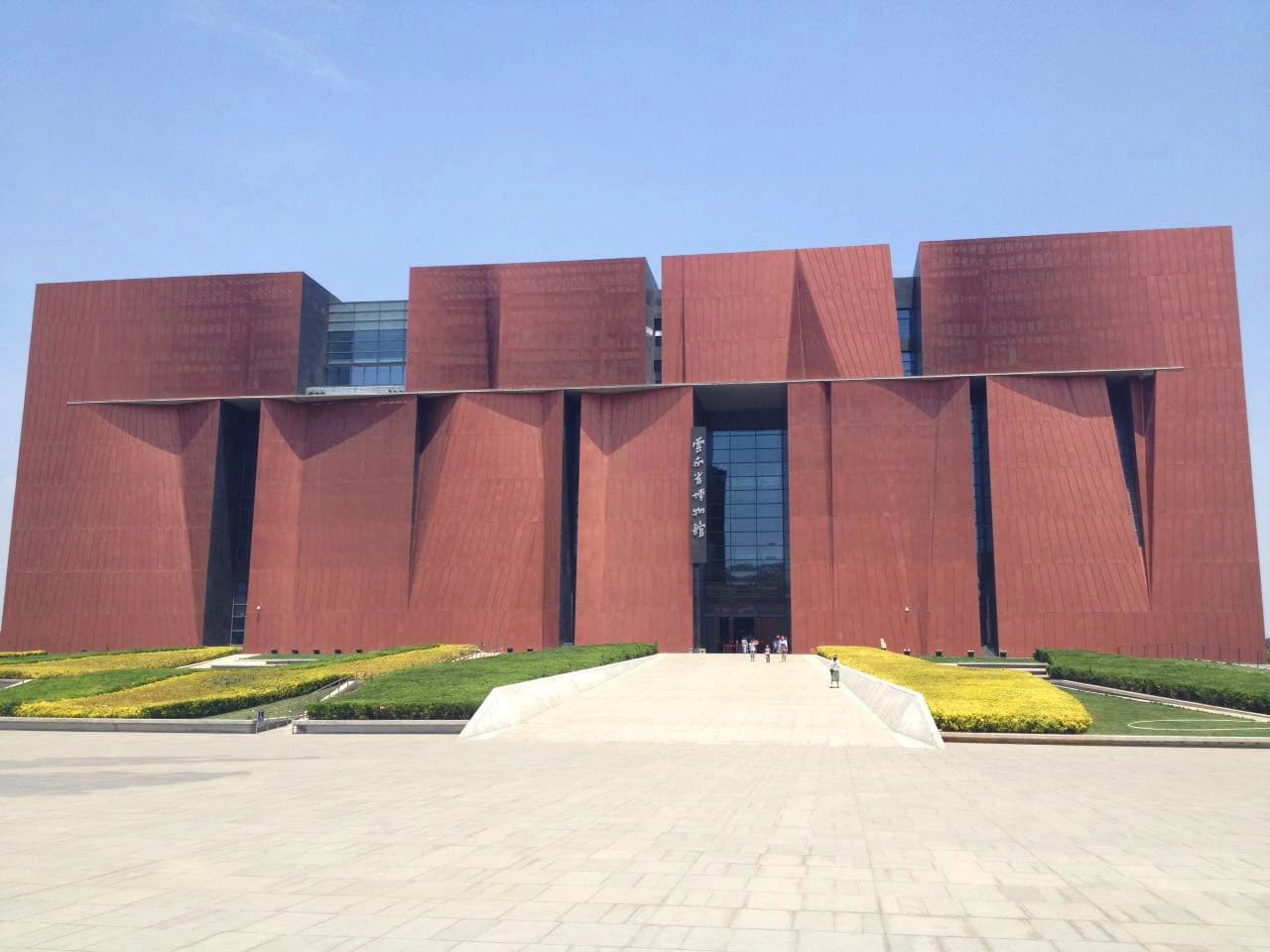
Western Hills and Dragon Gate
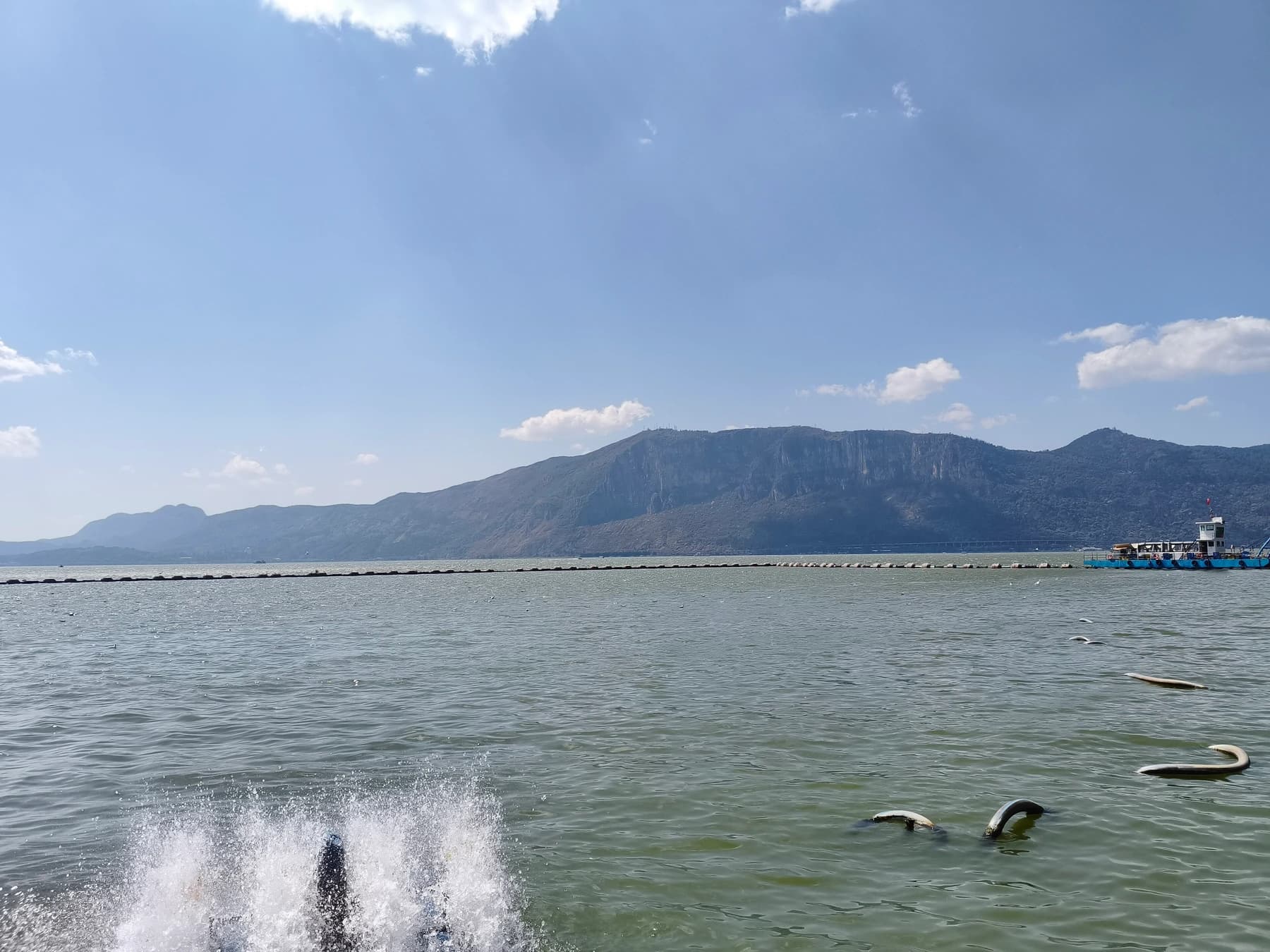
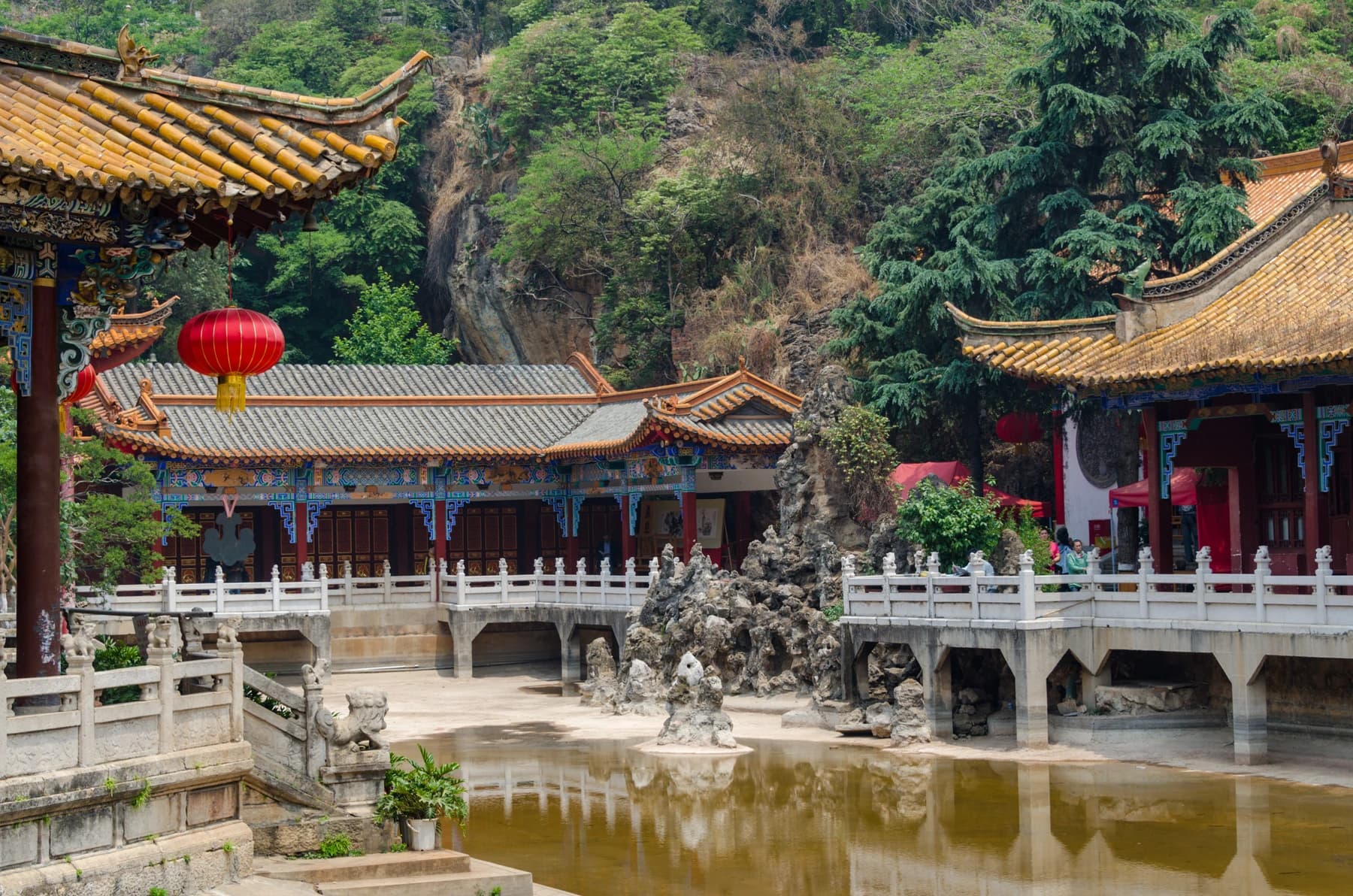
Western Hills rises along Dianchi's west side. The memorable core is the carved Dragon Gate cliff route and the changing view across the lake. Temples, forest roads, shuttle buses, cableways and chairlifts can make the attraction sound more complicated than it is. First decide whether you want the Dragon Gate core or a longer mountain day.
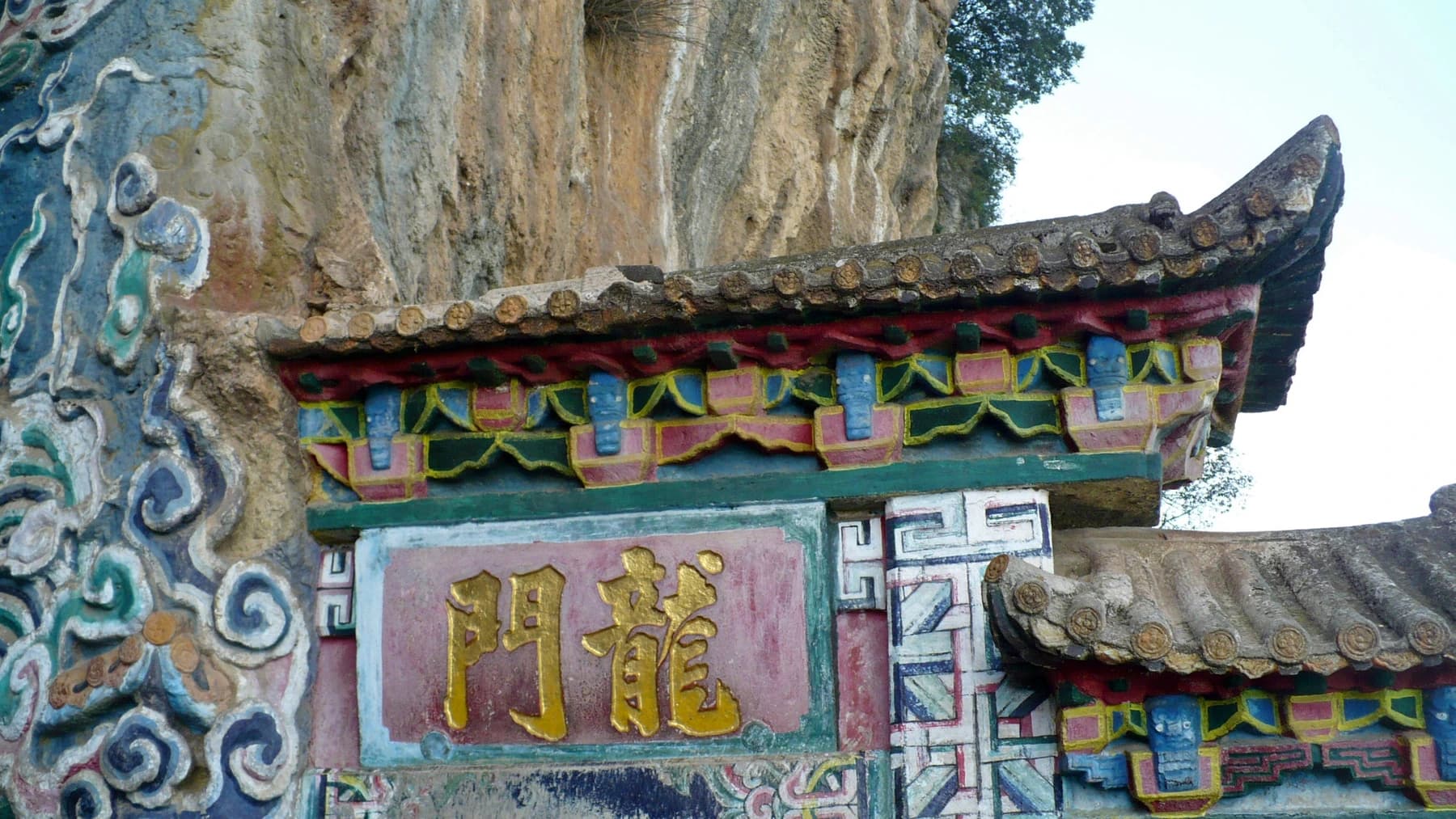
Photo: Colin W · Source · CC BY-SA 3.0
Two useful depths
Core visit, roughly 2–3 hours: use current permitted transport to reach the Dragon Gate area, walk the cliff sequence and descend or return according to the day's one-way controls.
Long visit, roughly 4–5 hours: add lower forest and temple sections only if you actively want a hike. Do not assume every named temple is open or that the same shuttle ticket covers every segment.
The 2026 scenic-area notices show why live checks matter: short maintenance closures, heavy-rain suspensions, fire-control measures and new shuttle operations can all change access. A saved blog route cannot override a current gate notice.
A south-gate option to discuss at the entrance
For less uphill walking, ask whether the South Gate (南门) → Lingxu Pavilion (凌虚阁) → Dragon Gate (龙门) descent is open in that direction. Use the South Gate ticket office as the destination when arranging a road transfer; the mountain-foot entrance is a different start. Confirm access before setting off, especially during cableway maintenance or rain controls.
When that route is permitted, make Lingxu Pavilion an optional panorama stop before descending toward the cliff core. At Dragon Gate, notice how the path and small chambers are cut into the rock, then look out over Dianchi from a designated stopping place. Let people pass before pausing for the inscription or lake view. This is a stair route even when most of the movement is downhill.
At the end of the core, choose the onward transport before committing to a footpath. Ask staff which shuttle serves the Nie Er memorial area and where to connect for either the lakeside cableway or the bus back toward the mountain-foot entrance. Walking every remaining segment can add descents, junctions and another climb; it is an extension for people who want more hiking, rather than an automatic shortcut.
Keep the Dragon Gate cableway (龙门索道) and Dianchi cableway (滇池索道) separate when discussing tickets: the mountain route and the onward lake crossing have different jobs. Confirm the departure terminal, destination and last service for the option you choose. Retain the road/bus return if the lake crossing is suspended.
What the path feels like
The Dragon Gate section uses steep stone stairs, narrow passages and exposed viewpoints. It is unsuitable for wheels and can be uncomfortable for severe vertigo. Move in the designated direction, wait at pinch points and do not stop the flow for a long photo session.
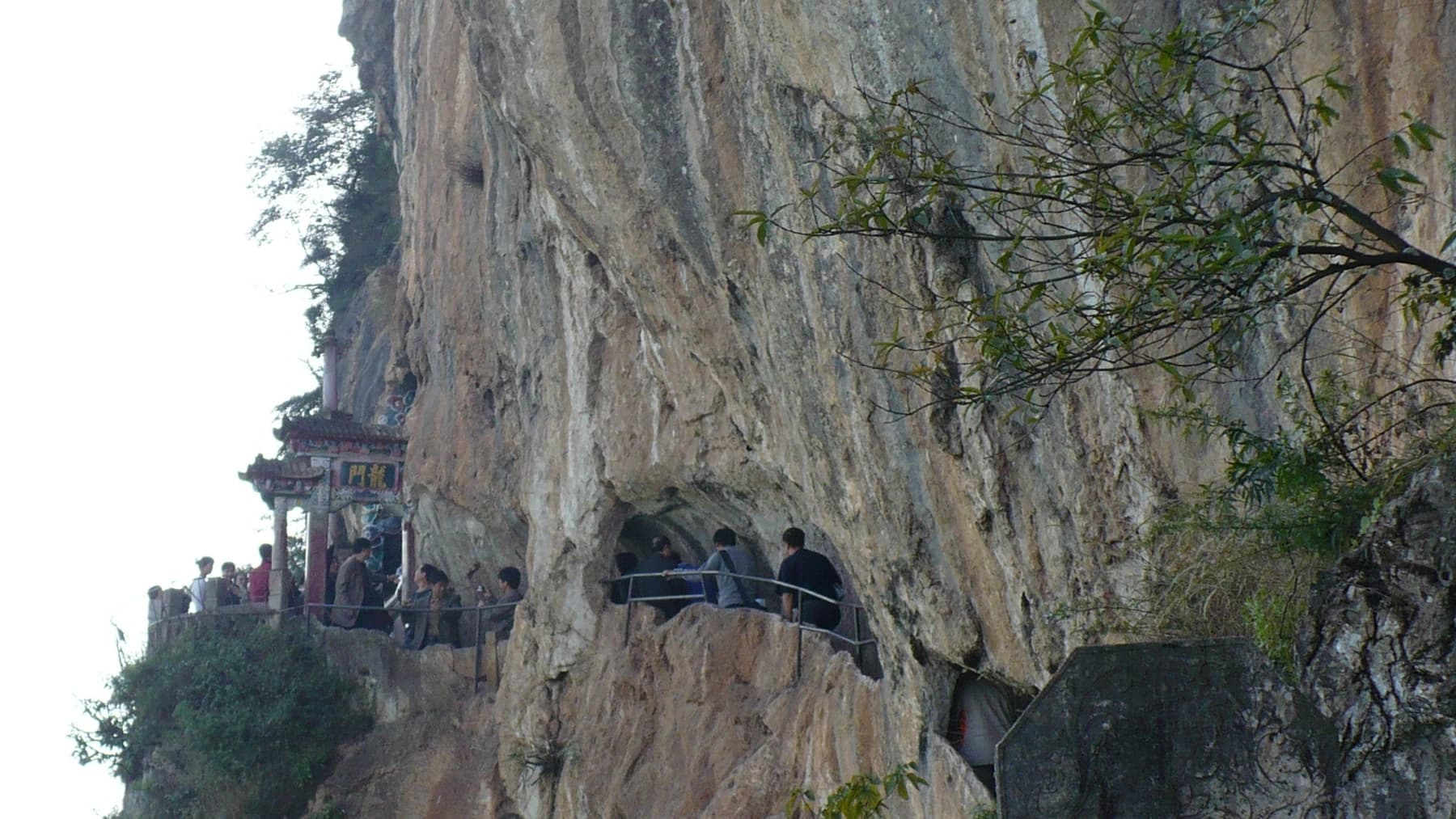
Photo: Colin W · Source · CC BY-SA 3.0
Grip matters more than speed. After rain, carved steps become slick; in strong sun, the exposed rock section feels hotter than the shaded forest approach. Carry water but keep hands free for railings.
Pairing and transport
Pair the hill with Dianchi Lake and Haigeng Park. The verified road estimate between Haigeng Park and the Western Hills scenic-area point is 6.5 km / 17 minutes. The straight-line gap across the lakeside does not describe the actual pedestrian route.
Some visitors cross by cableway when operating; others use metro, shuttle and road transfers. Check which station and ticket product is operating that day. “Western Hills,” “Xishan Park,” “Dragon Gate” and a cableway terminal are distinct map points.
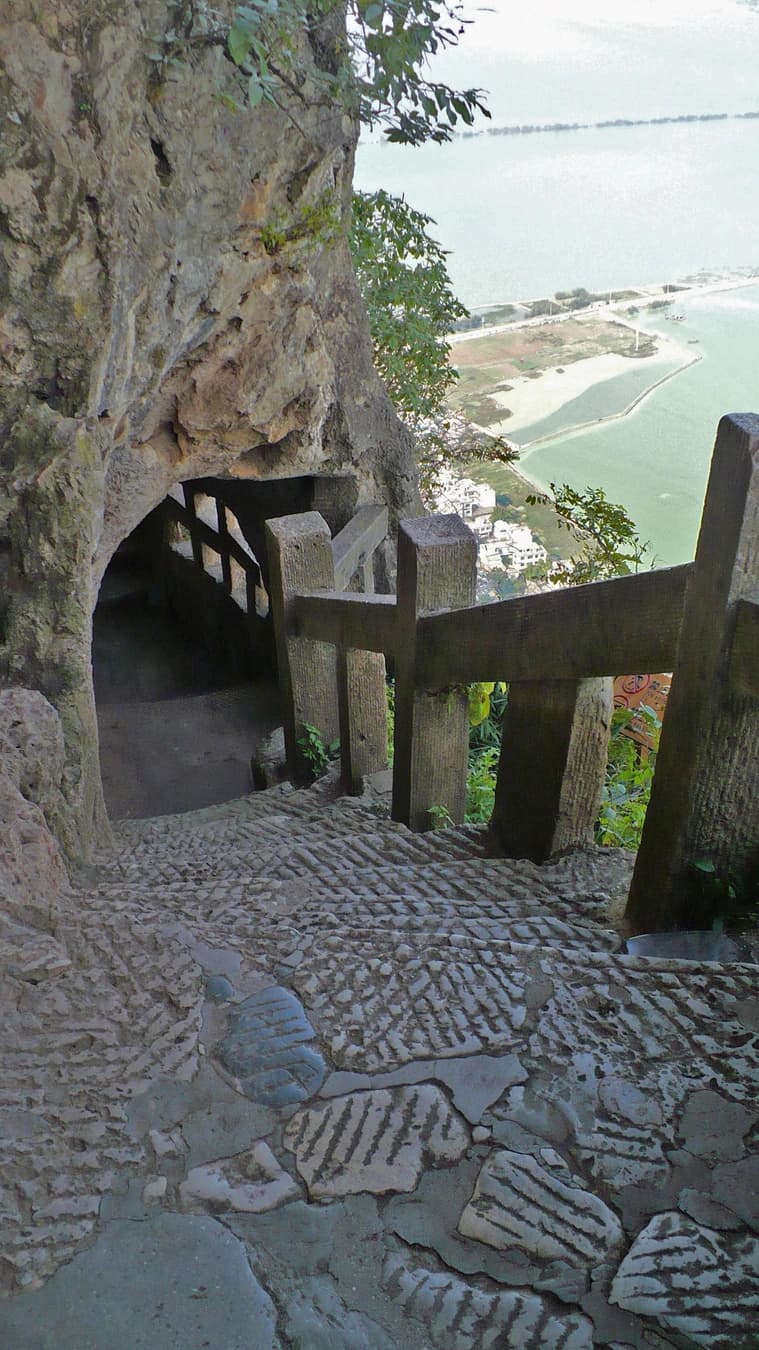
Photo: Colin W · Source · CC BY-SA 3.0
Go or skip?
Go when visibility is reasonable and you want an active half day. Skip the cliff core if rain, lightning, strong wind or mobility constraints make narrow stone stairs a poor trade. On a hazy day, the forest and temples can still work, but the main Dianchi panorama will be weaker.
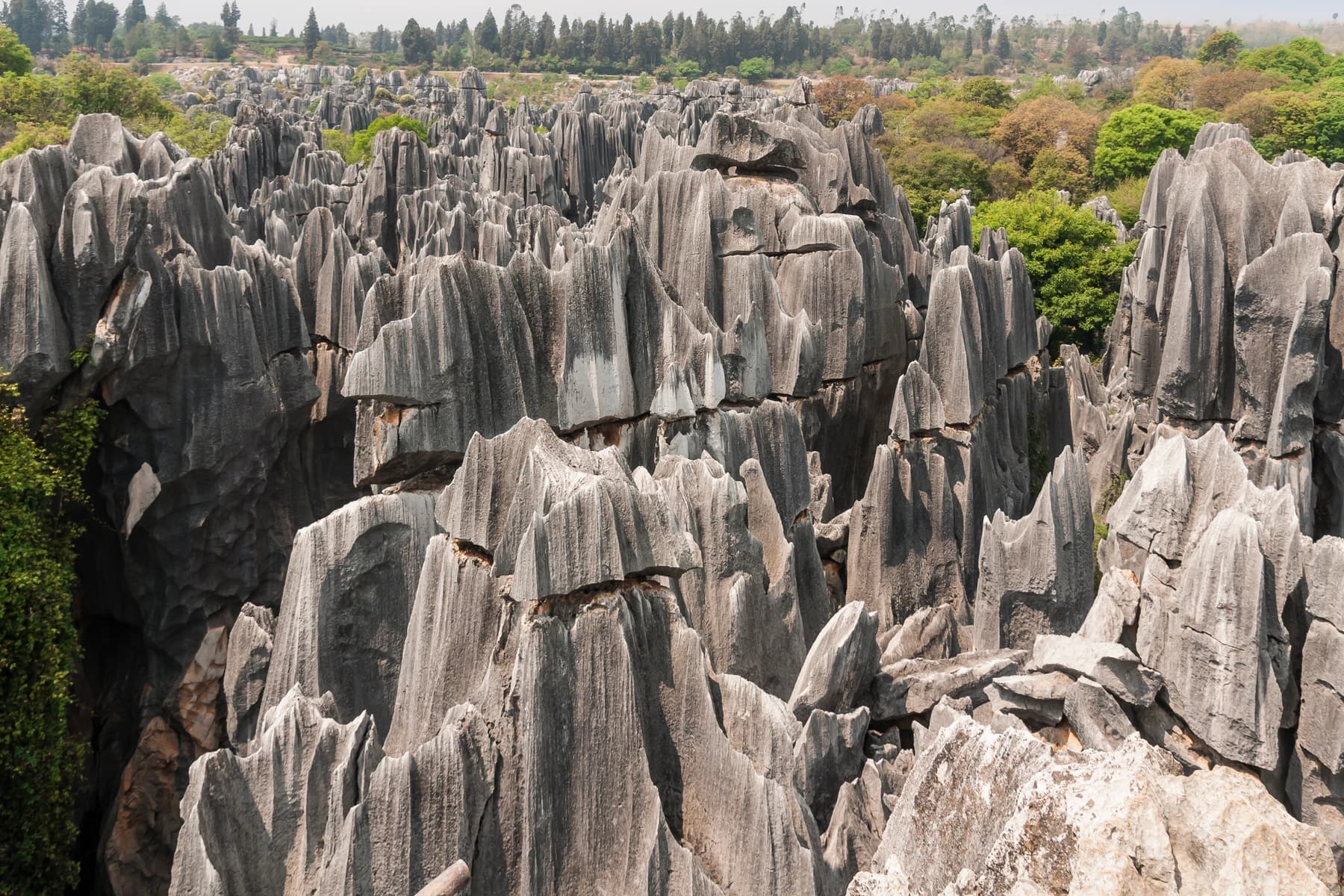
Do not stack this with Stone Forest. Keep the southwest lake-and-hill day coherent and give the eastern karst excursion its own day.
Carry drinking water before entering the cliff route because a closed kiosk should not determine whether you can finish safely.