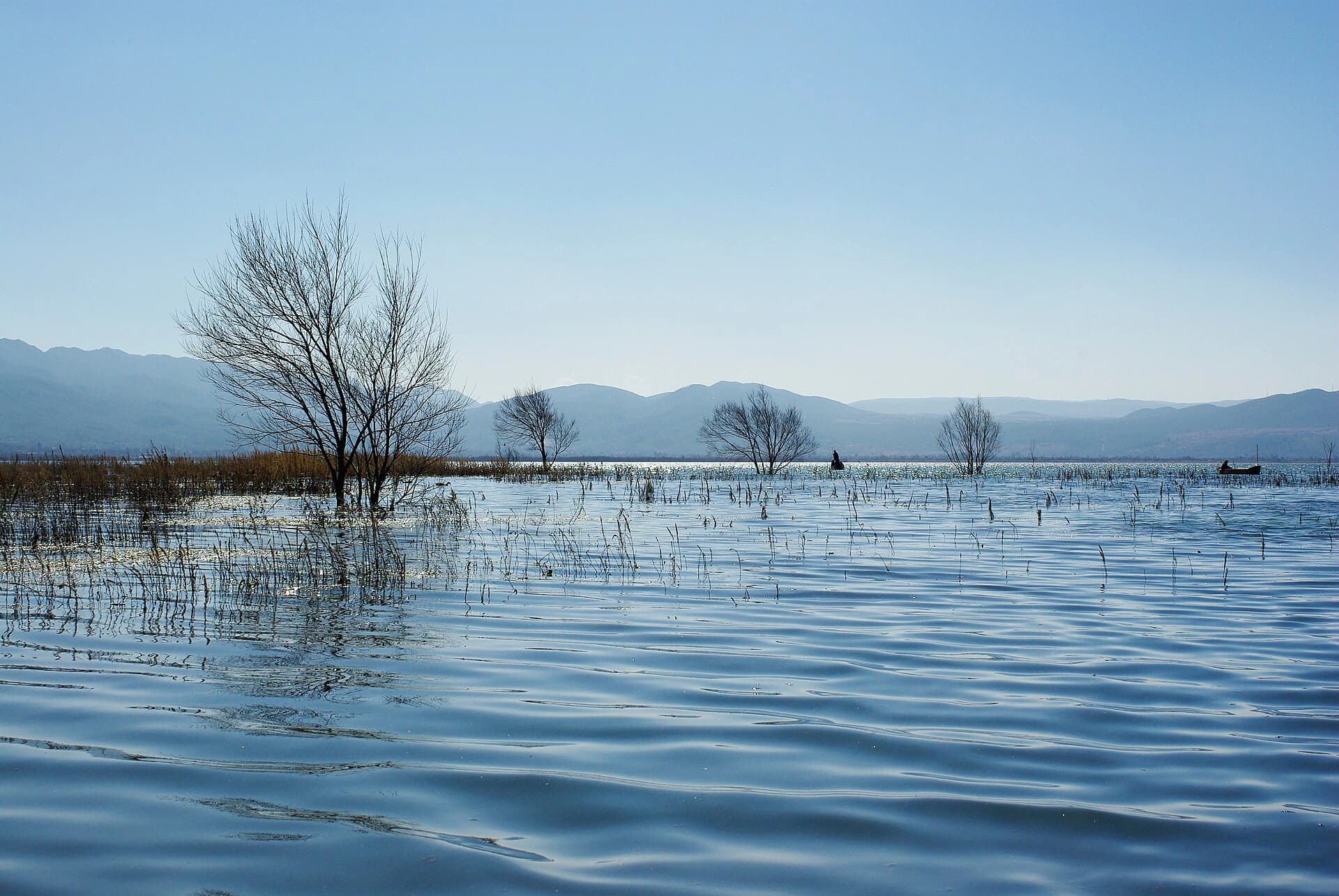
Lashihai Wetland
Lashihai is not one fenced attraction with one entrance fee. The name covers a protected wetland and surrounding village landscape mixed with separately operated horse rides, parks, cafés, photography sites and tour packages. Recent visitor reports repeatedly show that confusion between those layers causes poor decisions.
The official ecological baseline matters most: Lashihai includes a Ramsar wetland inside a larger provincial nature reserve and supports important wintering and stopover habitat. That does not make every shoreline publicly accessible or every nearby commercial park part of the reserve experience.
Choose your purpose before transport
Decide which of these products you actually want:
- Wetland and birds: strongest in the winter habitat season, subject to a verified public observation point and protection rules.
- Landscape detour: reasonable for a traveler already driving nearby, but only with a legal public stop.
- Horse ride: an optional animal-use product requiring total-price and welfare checks.
- Tour package: transport plus a written set of inclusions, not merely a low headline price.
Lashihai is not a default first-trip essential. Go only when one purpose is strong enough to justify uncertain first/last-mile logistics.
Discard stale “free entrance” routes
One social post praised a free wetland access point, but newer visible comments reported that the route had closed and visitors were turned away. That named route is excluded. Other posts describe fragmented signs, private fields and operator-controlled areas.
Do not follow a farm road, gap in a fence or old fish-farm pin because a creator once used it. Use the managed Lijiang Lashihai Wetland Park, or the separately mapped eastern ticket office, only after confirming which current product you are buying. A lack of a ticket booth does not prove public access.
AMap estimates 13.9 km / 42 minutes by car from Dayan; the returned public route takes about 1 hour 46 minutes with 3 km walking. Confirm the operator, exact entrance and return.
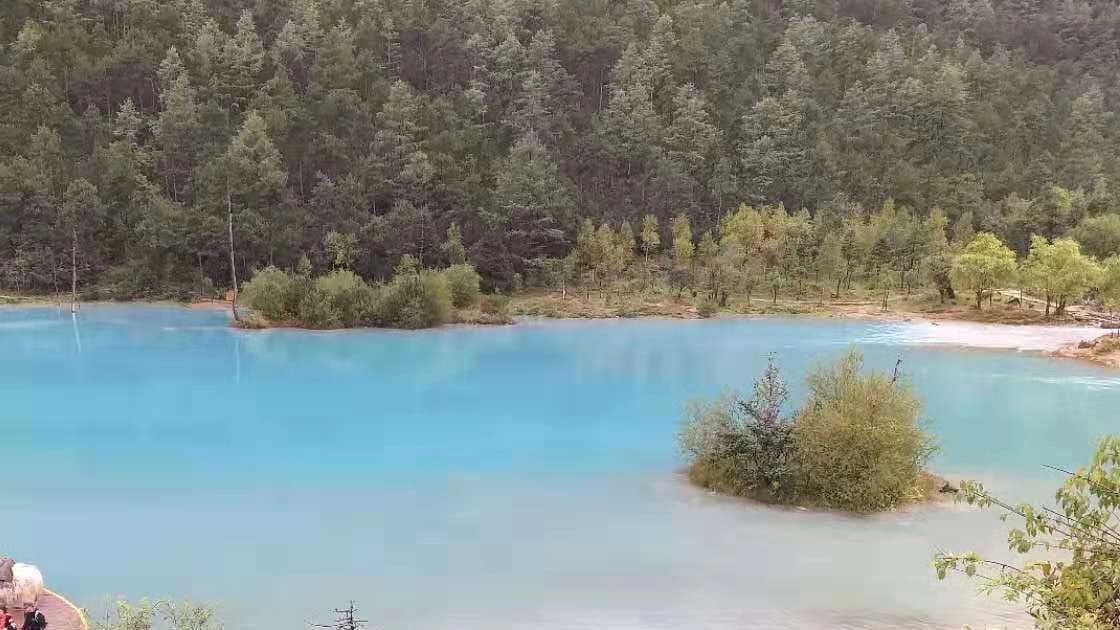
The provincial forestry authority records more than 340 bird species in the wetland system, but no visit can guarantee a specific sighting. The page's habitat photograph does not establish today's water level, bird presence or legal shoreline route.
Price the whole sales funnel
A cheap transfer or horse package can lead into sequential opportunities to buy food, tea, photographs, feed or upgrades. Even a positive recent tour report described optional spending far beyond the headline price.
Before boarding, ask for:
- the exact operator and destination map location;
- every included ride, meal, entry and transport segment;
- the total required price and which items are genuinely optional;
- the return time, pickup point and cancellation terms;
- confirmation that declining purchases will not change the return transport.
Do not repeat allegations about a named driver or operator without verification. The useful protection is a written product boundary.
Animal welfare comes before the photograph
If you choose a horse ride, inspect the animal and operation before paying. Decline overcrowding, rough handling, visible injury, poorly fitting tack or a route that appears unsafe for the animal or rider. Confirm ride duration, weight or age restrictions and helmet availability. Never treat horse riding as required to “experience” the wetland.
Final verdict
Choose Lashihai for verified winter habitat access or a deliberately selected commercial product. Do not let a cheap pickup choose the product for you, and never convert an old social-media access point into a route through protected or private land.