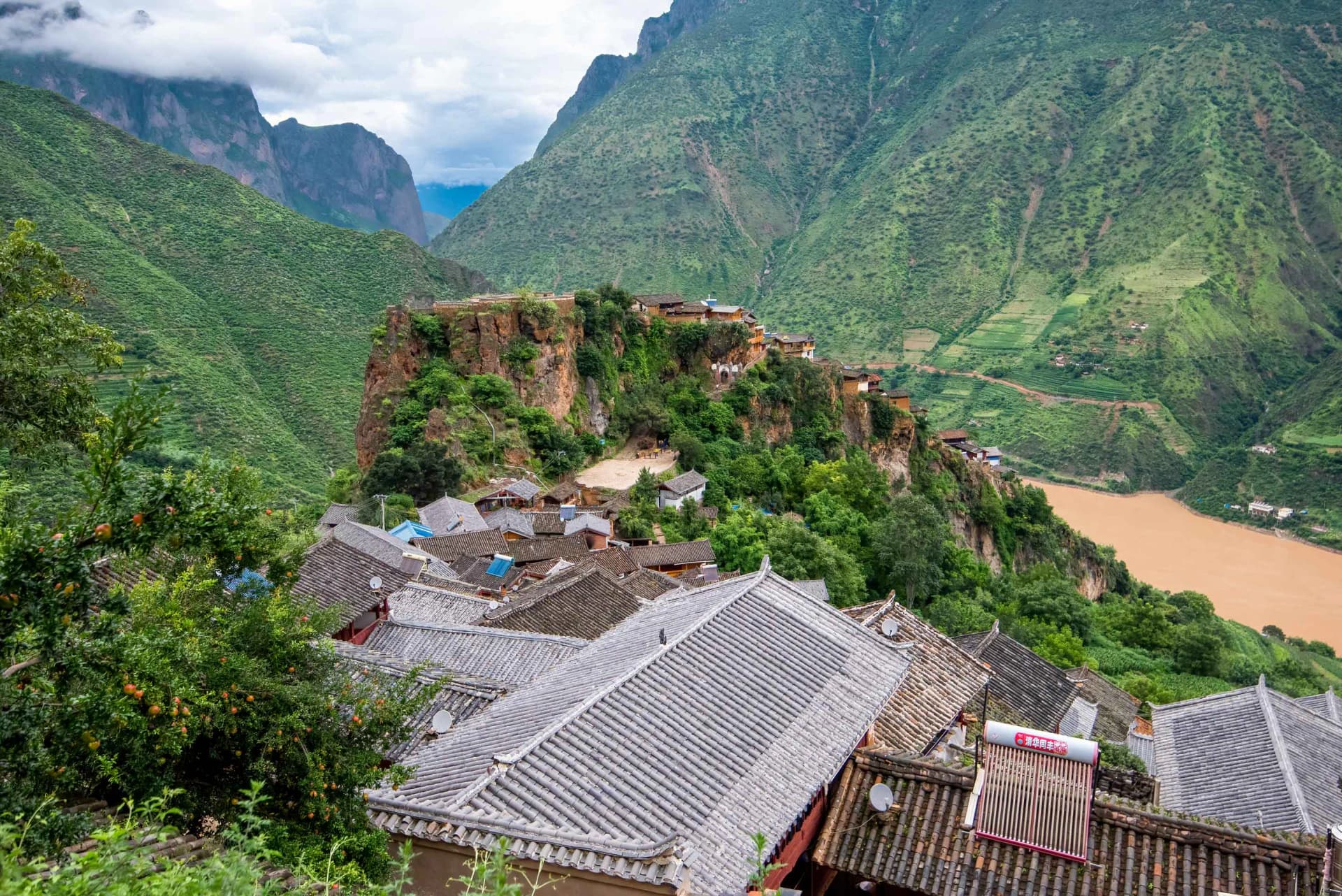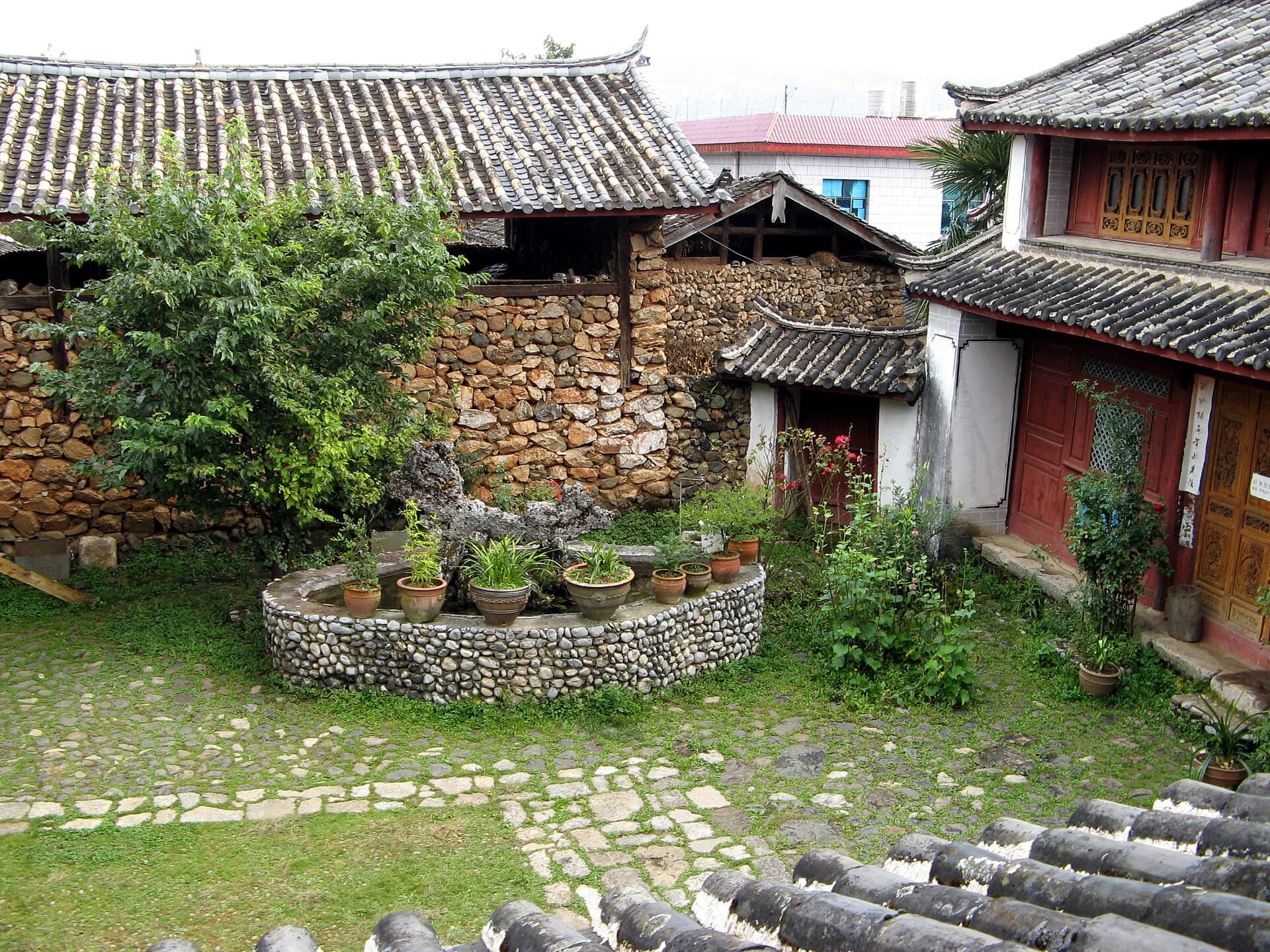
Shuhe Old Town
Shuhe is a separate component of the UNESCO-listed Old Town of Lijiang. It is also the most polarizing of Lijiang's three old-town stops in recent visitor reports. Some travelers value its quiet lanes and slower pace; others find repetitive retail, closed shops or too little reason to stay.
That disagreement is the guide. Shuhe is not required simply because it appears on a “three old towns” list.
Who will value Shuhe
Choose Shuhe if you have spare time, enjoy unhurried walking and do not need every lane to contain an attraction. It can work well after a crowded Dayan visit or as a deliberate pause between larger sightseeing days.
Skip it when:
- this is your only free half-day and Baisha's heritage focus fits better;
- quiet shops make a place feel empty rather than restful to you;
- rain makes uneven stone and bridge surfaces uncomfortable;
- you are trying to compress all three UNESCO components into one day.
Quietness varies with hour, season and business cycle. A recent traveler finding closed shops in the evening does not establish permanent opening hours, just as a crowded holiday does not define the town year-round.
Do not copy an unverified gate-to-gate route
One detailed visitor report proposed a southeast-to-north sequence and an onward transfer to Baisha. AMap now supports the southeast ticket-office edge, and the north ticket-office edge. The older South Gate office is marked suspended. Recheck both entrances and the current bus before travel.
For now, use a simpler method:
- Arrive at a verified public edge rather than a generic “Shuhe” pin.
- Walk one coherent loop through public lanes without forcing every named landmark.
- Turn back when paving, weather or fading light makes the route uncomfortable.
- Confirm onward transport before moving toward a distant exit.
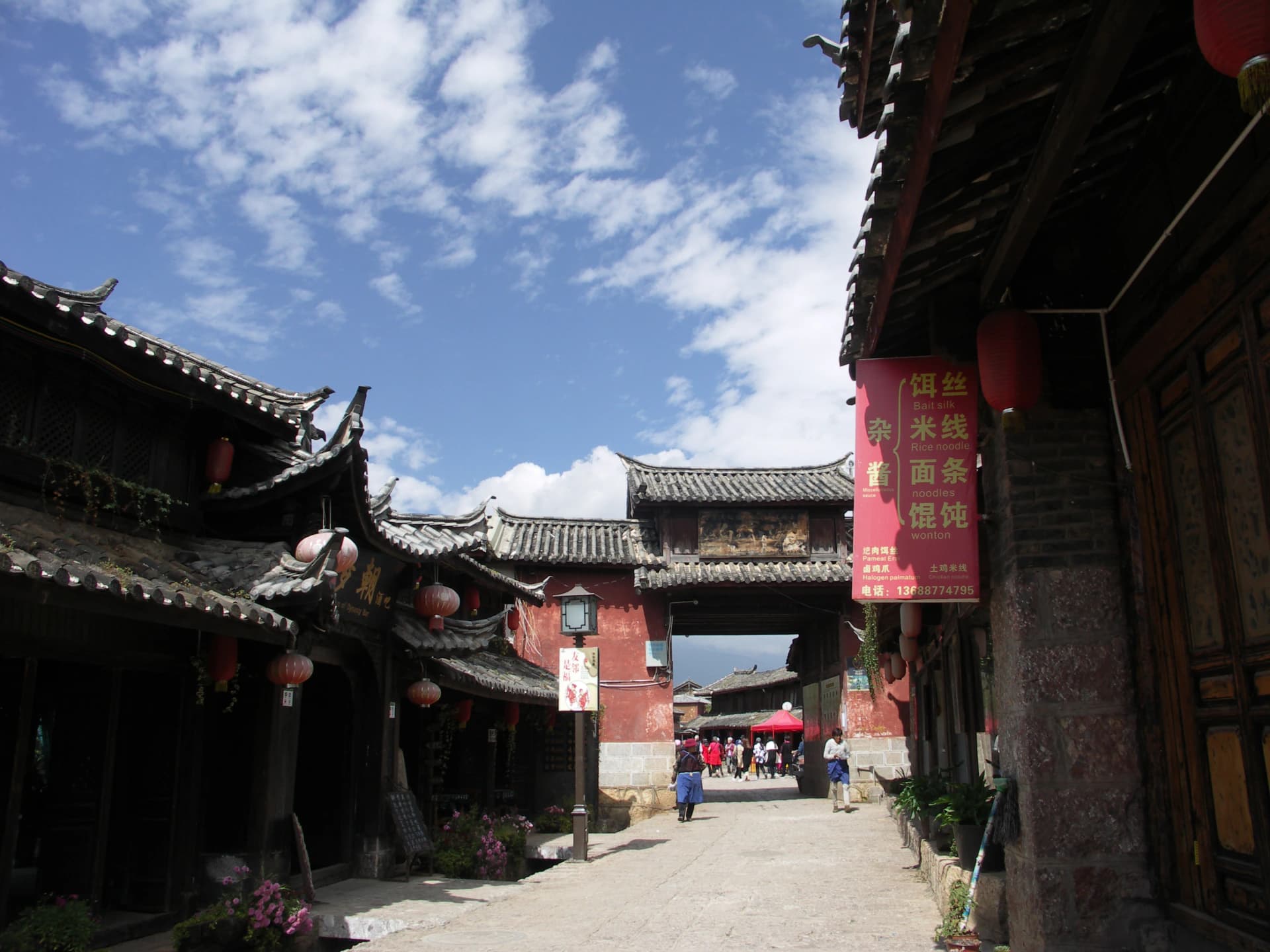
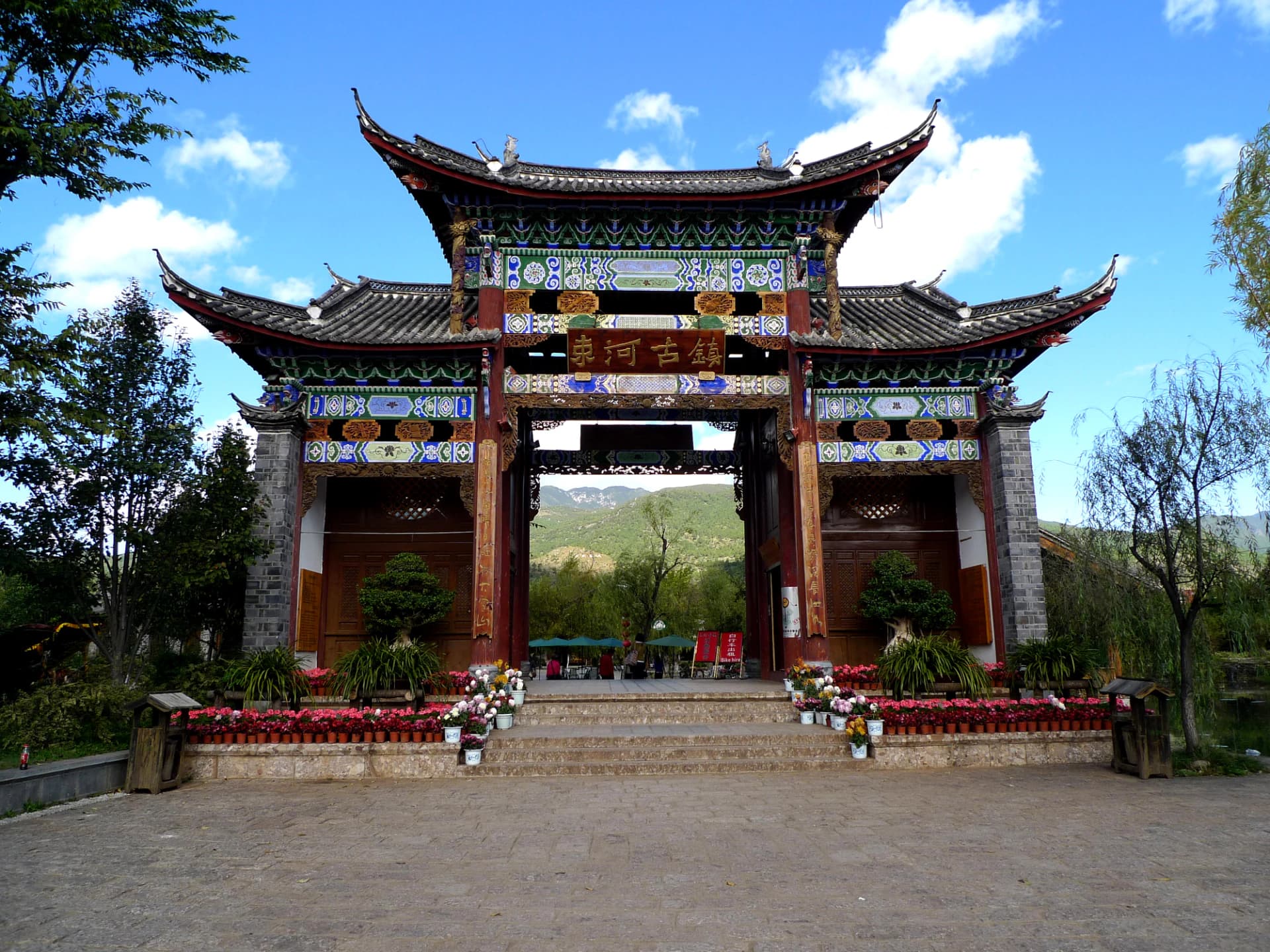
The page's gate photograph identifies Shuhe, but it does not prove today's entrance, ticket rule or transport arrangement.
Paving, bridges and horses
Recent reports repeatedly mention uneven stone, and one specifically found Qinglong Bridge slippery. Treat that as a weather-sensitive visitor signal, not a permanent engineering diagnosis. Wear shoes with grip, slow down in rain and do not step around barriers for a photograph.
Horse activity can bring manure, congestion and animal-welfare concerns. If you consider a ride, ask who operates it, where the route goes, what the total price includes and whether the animal appears fit, properly equipped and allowed to rest. Decline any product that relies on pressure, overcrowding or rough handling. A horse is not a required part of Shuhe's heritage story.
Commercial and residential boundaries
Shuhe is neither a pristine village nor merely a shopping set. Homes, accommodation, cafés, retail and heritage fabric overlap. Do not enter residential courtyards, photograph people without permission or assume that a timber storefront is historically original.
No individual shop is treated as a permanent recommendation. Some social posts contain strong praise or complaints about individual sellers, but neither is enough to establish current identity, fair pricing or general quality. Compare posted terms and leave any one-to-one sales conversation that feels uncomfortable.
Choose between the three towns
- Dayan: best for the water-system story and the strongest morning/evening contrast.
- Baisha: best second stop for a smaller-scale heritage half-day.
- Shuhe: best for travelers who actively want quiet, time and an open-ended walk.
The UNESCO record explains why all three belong to one property without making them interchangeable.
Final verdict
Shuhe can be rewarding when quiet is the purpose, not a failure of the itinerary. Give it time, retain an easy exit and skip it without regret when Baisha or a second Dayan walk better matches your priorities.