Manting Park and Grand Buddhist Temple
Updated September 11, 2026
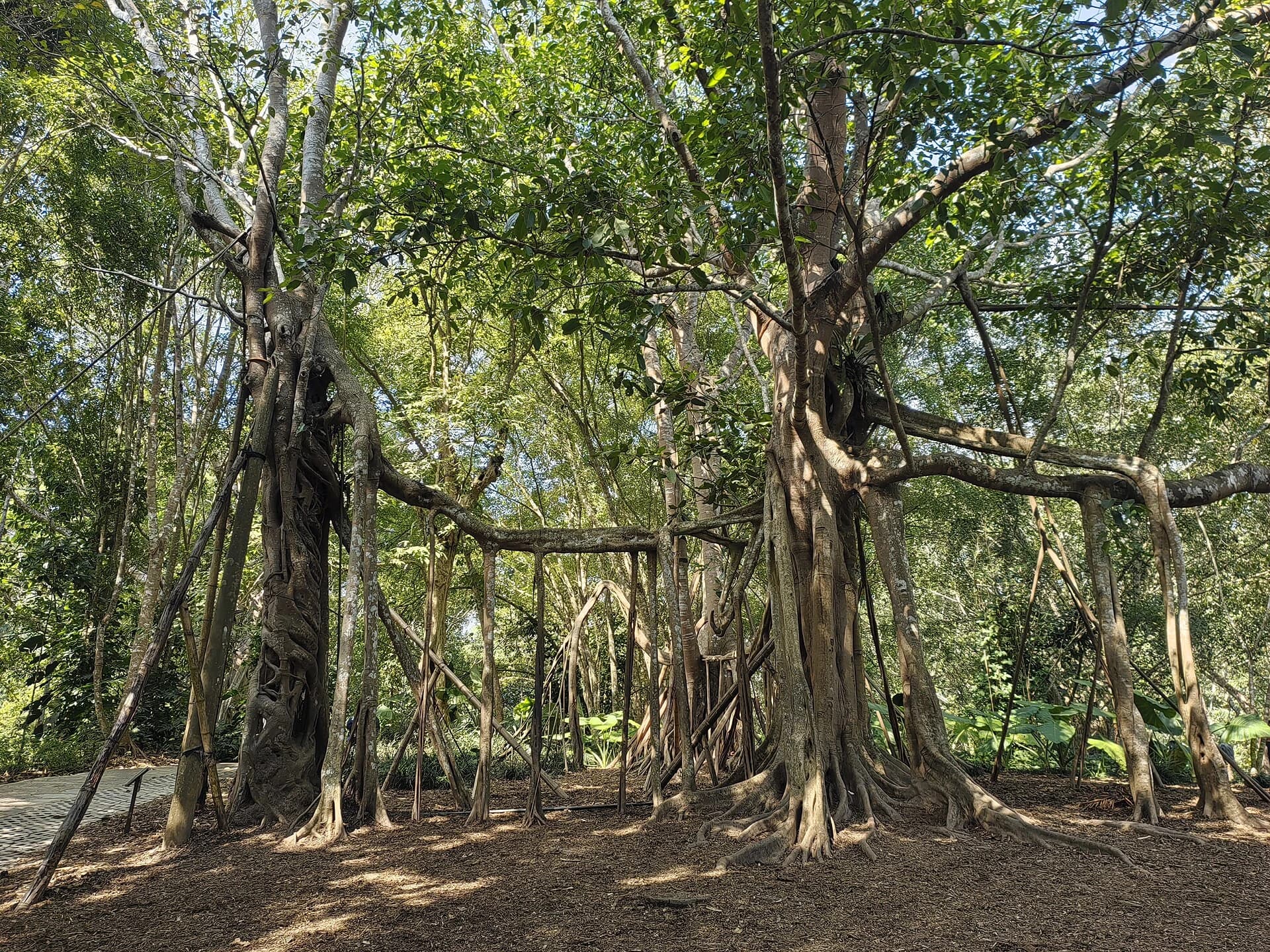
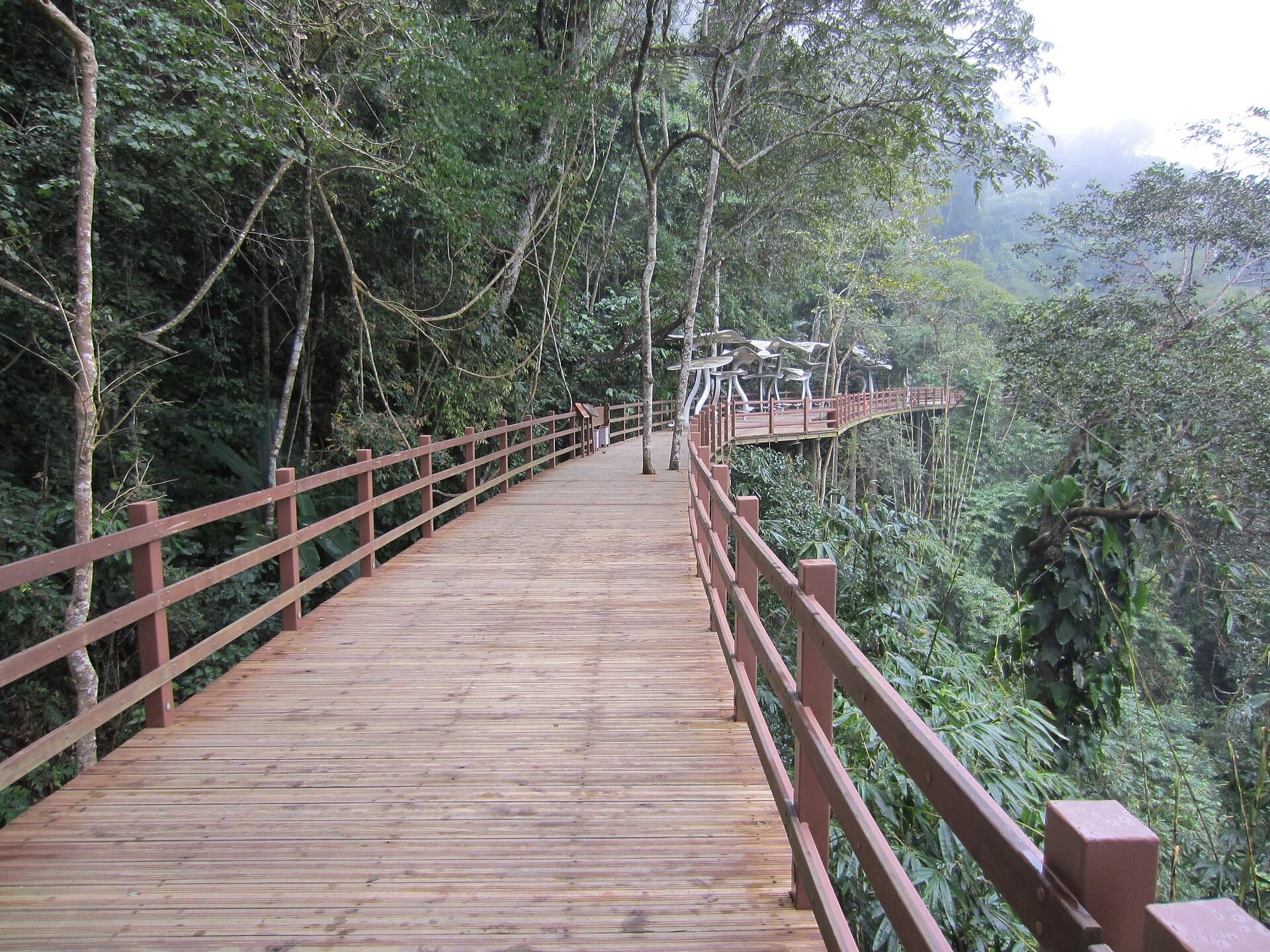
Manting Park and Xishuangbanna Grand Buddhist Temple make Jinghong's most satisfying half-day pairing. The park has tropical planting, Dai-style roofs and a historic garden setting, and the area next to it leads on to an active Theravada Buddhist temple. Their entrances are only about 200 metres apart, so the route is compact, but each has its own meaning and access rules.
Which version to choose
- Both: best for a first city half day, with garden architecture followed by quiet religious context.
- Temple only: better when worship, architecture and a compact city stop matter more than a paid park.
- Park only: best when gardens, Dai-style architecture and the historical landscape are enough for the half day.
Opinions on Manting divide: some value the greenery and the paired temple visit, while others find that portrait sessions take over the paths. Choose it as a compact cultural garden, not as a substitute for the larger tropical botanical garden.
Garden-to-temple route
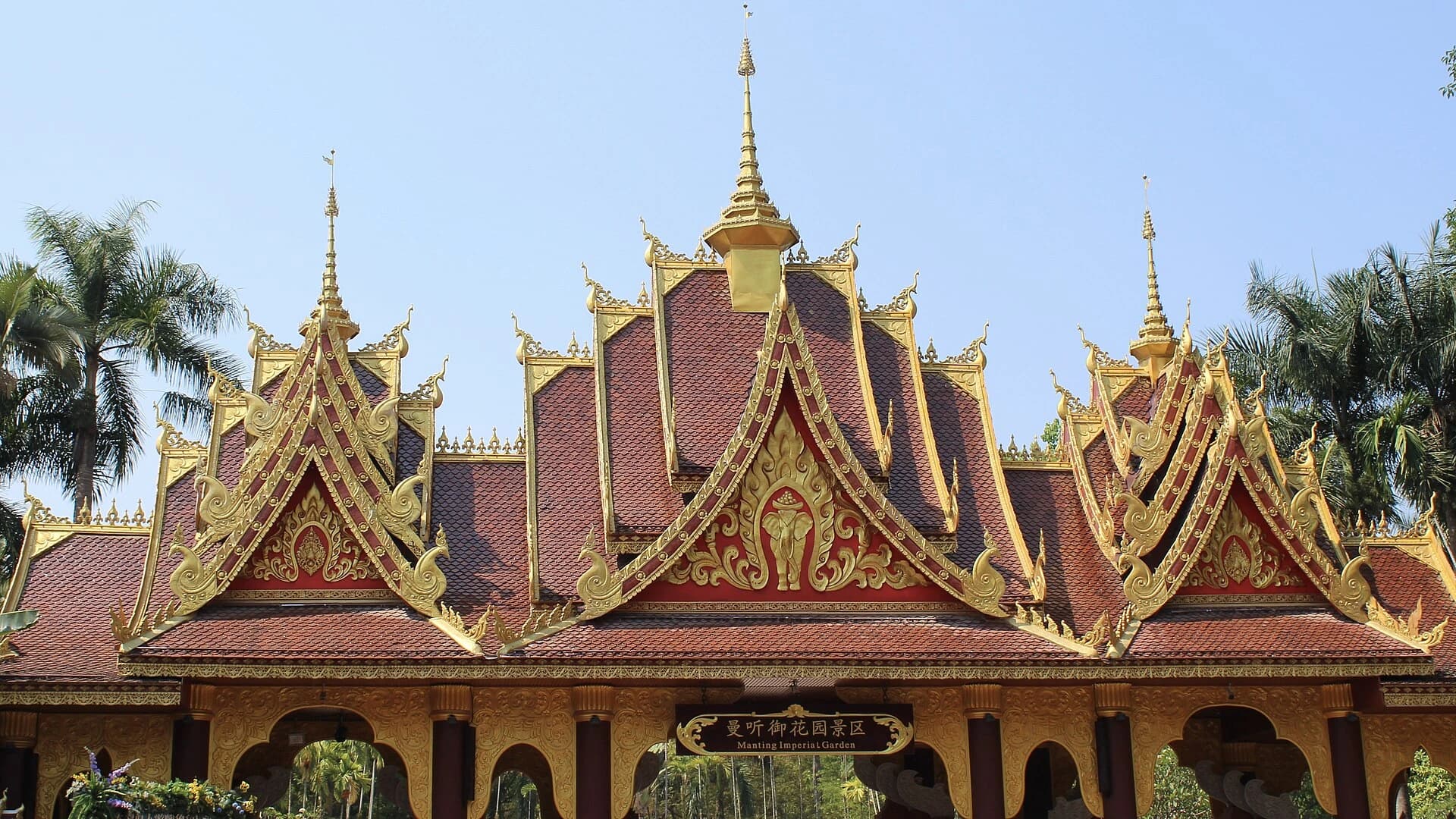
Use the main visitor entrance, pick one architecture and garden loop, and continue to the signed temple connection when it is open. Leave out the performances, portrait sets and other paid extras, and you have a clear two-hour garden route.
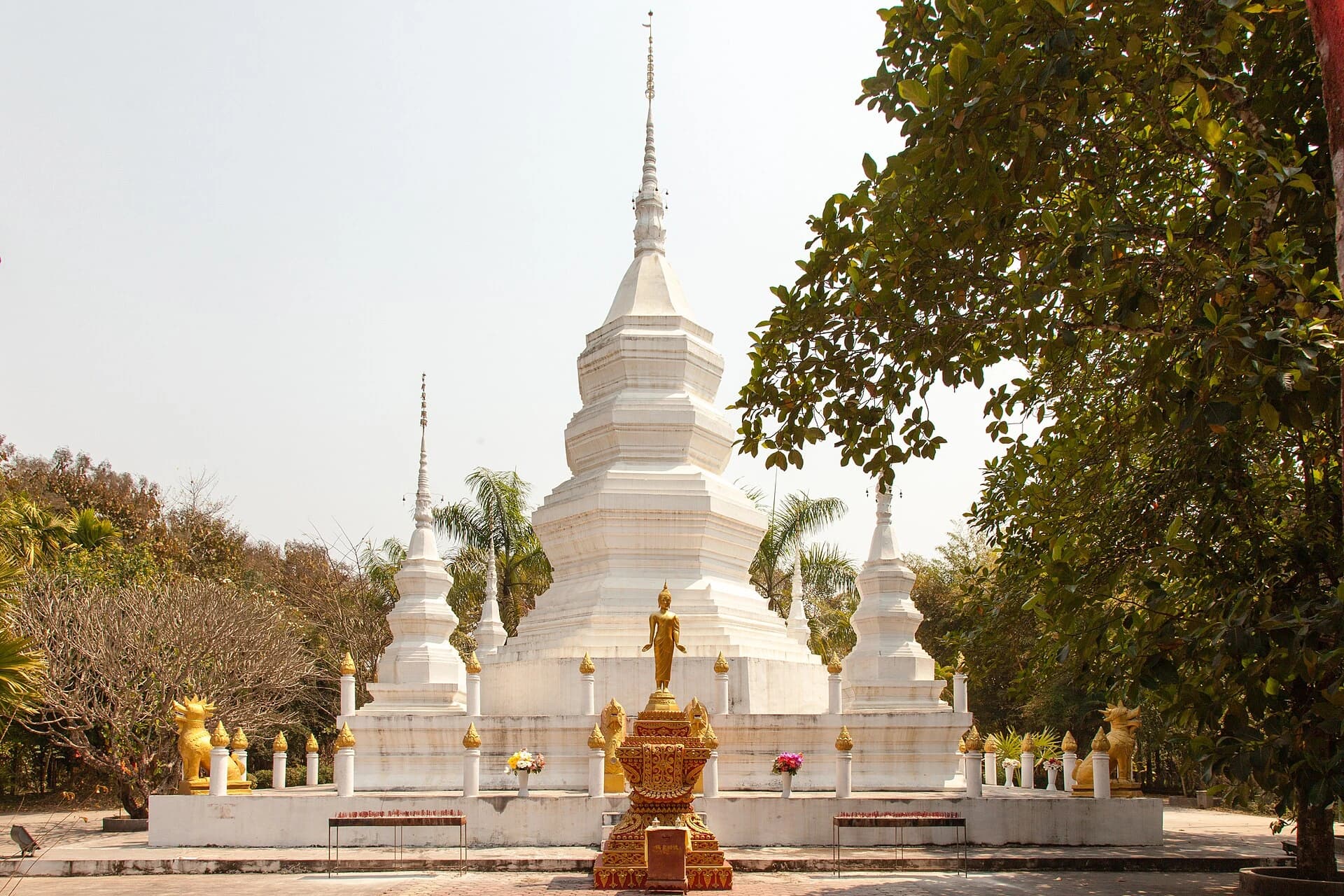
Aim the loop at two places: the Dai King’s Palace (傣王行宫) and the white pagoda (白塔). Find them on the entrance map before following the paths toward the temple connection.
- At the palace, stand far enough back to take in the roof silhouette and decoration.
- At the pagoda, compare the white forms with the tropical planting around them.
Both are good places to slow down, with or without a portrait session. Follow the signed paths instead of cutting through a photography setup.
Start the garden earlier in the day if midday heat tires you. Take a shaded break before moving into the temple, and leave time to see its public areas quietly instead of using it only as the park's exit. If you mainly want temple architecture, going straight to the temple is a complete visit on its own.
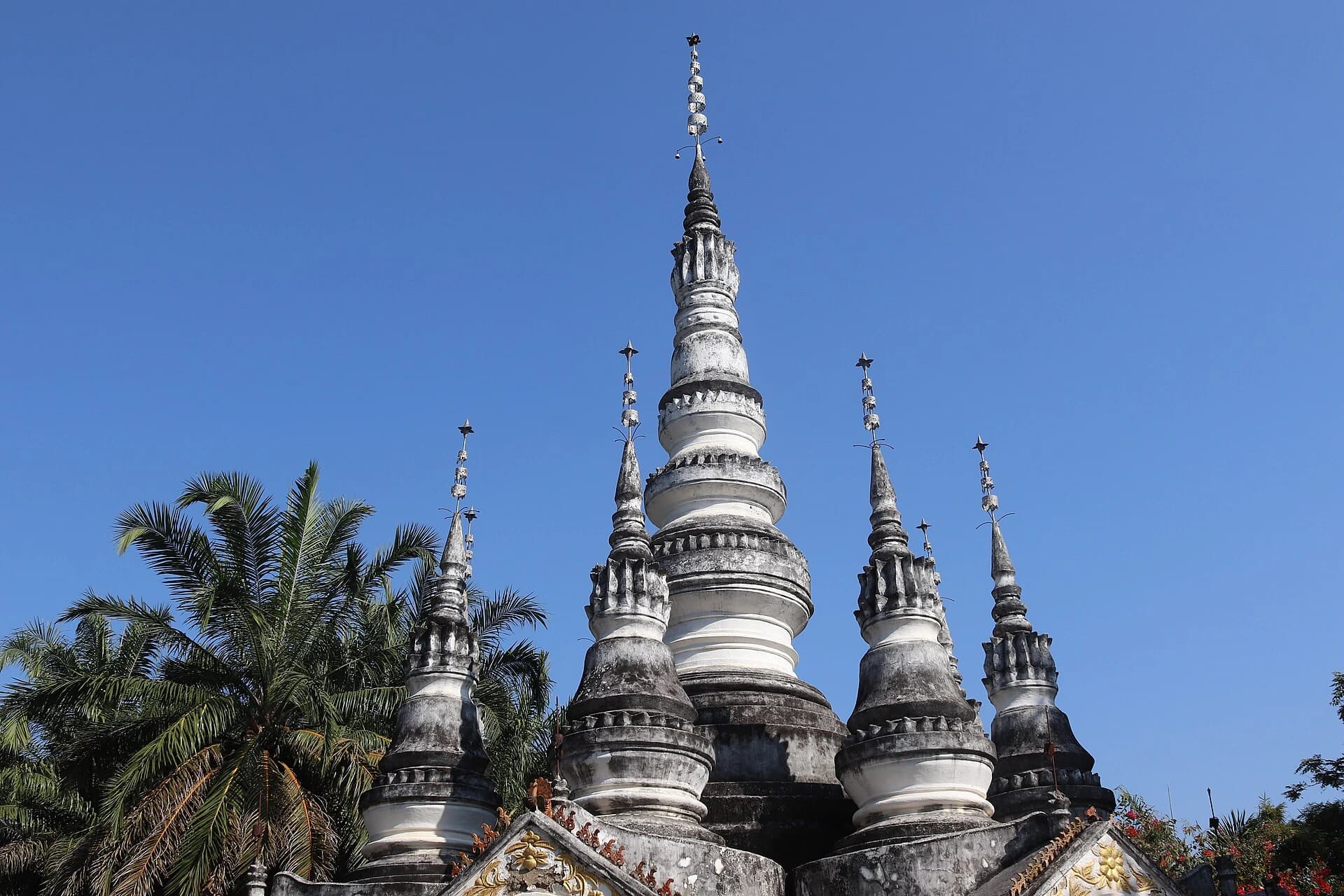
Photo: Liuxingy · Source · CC BY-SA 4.0
Tickets and evening shows
Day admission and any evening show are sold separately. Check the current opening hours, last daytime exit, re-entry and night-show rules directly with the operator. A night ticket doesn't necessarily include daytime park access.
Visiting the temple
The Grand Buddhist Temple is active. Wear clothing that covers shoulders and knees, speak quietly, remove footwear where signs ask you to and follow the current photography rules. Give worshippers and monks space, pause for rituals and keep costume photography to suitable secular areas.
Use the correct official admission for the park. When the internal connection is closed or one-way, take the short public-street route between the garden and the temple.
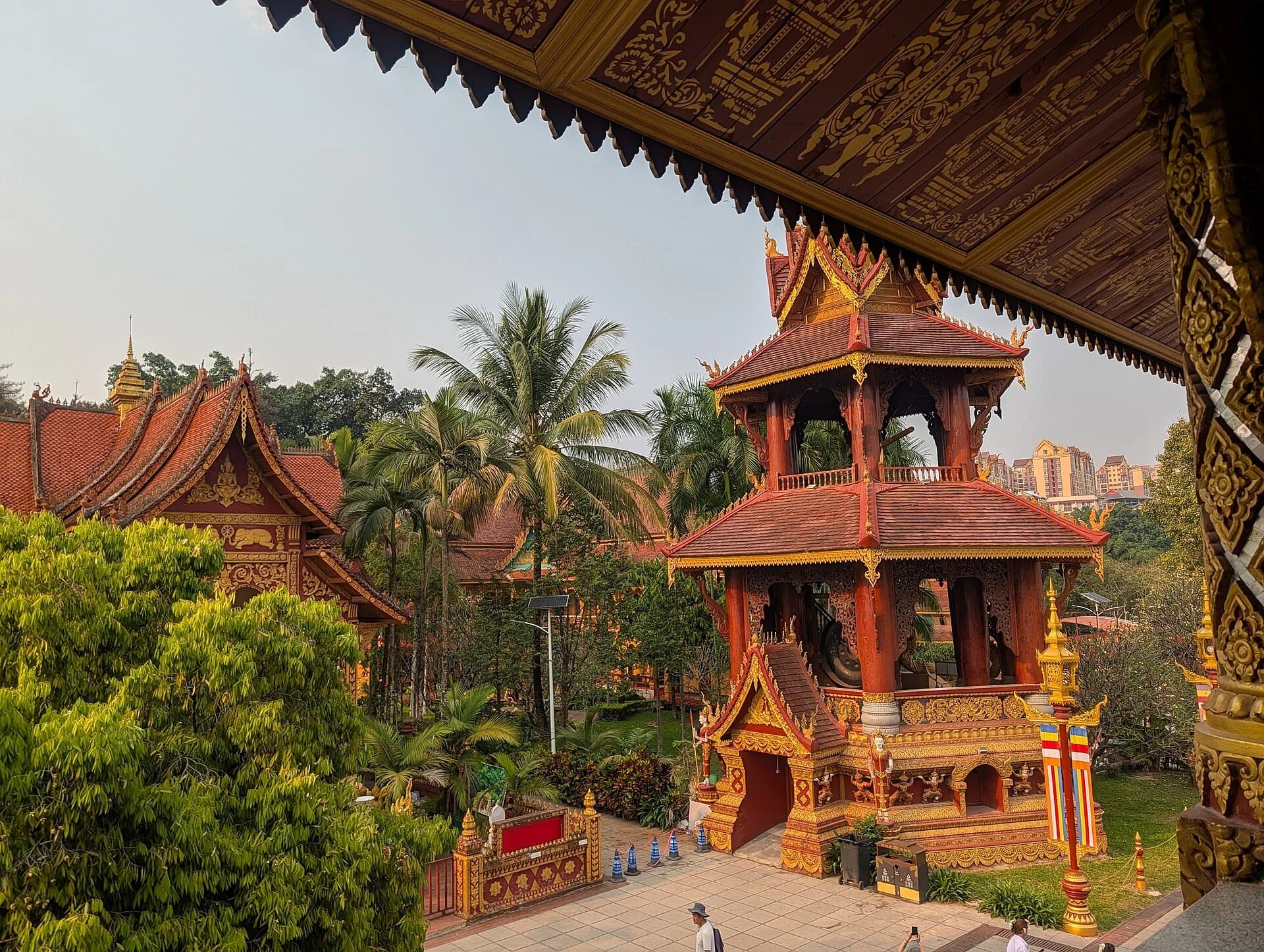
Optional extras
The route centres on tropical planting, Dai-style architecture and an active Theravada Buddhist temple. Animal shows, feeding, handling and portrait packages are separate commercial choices, and the best half day needs none of them.
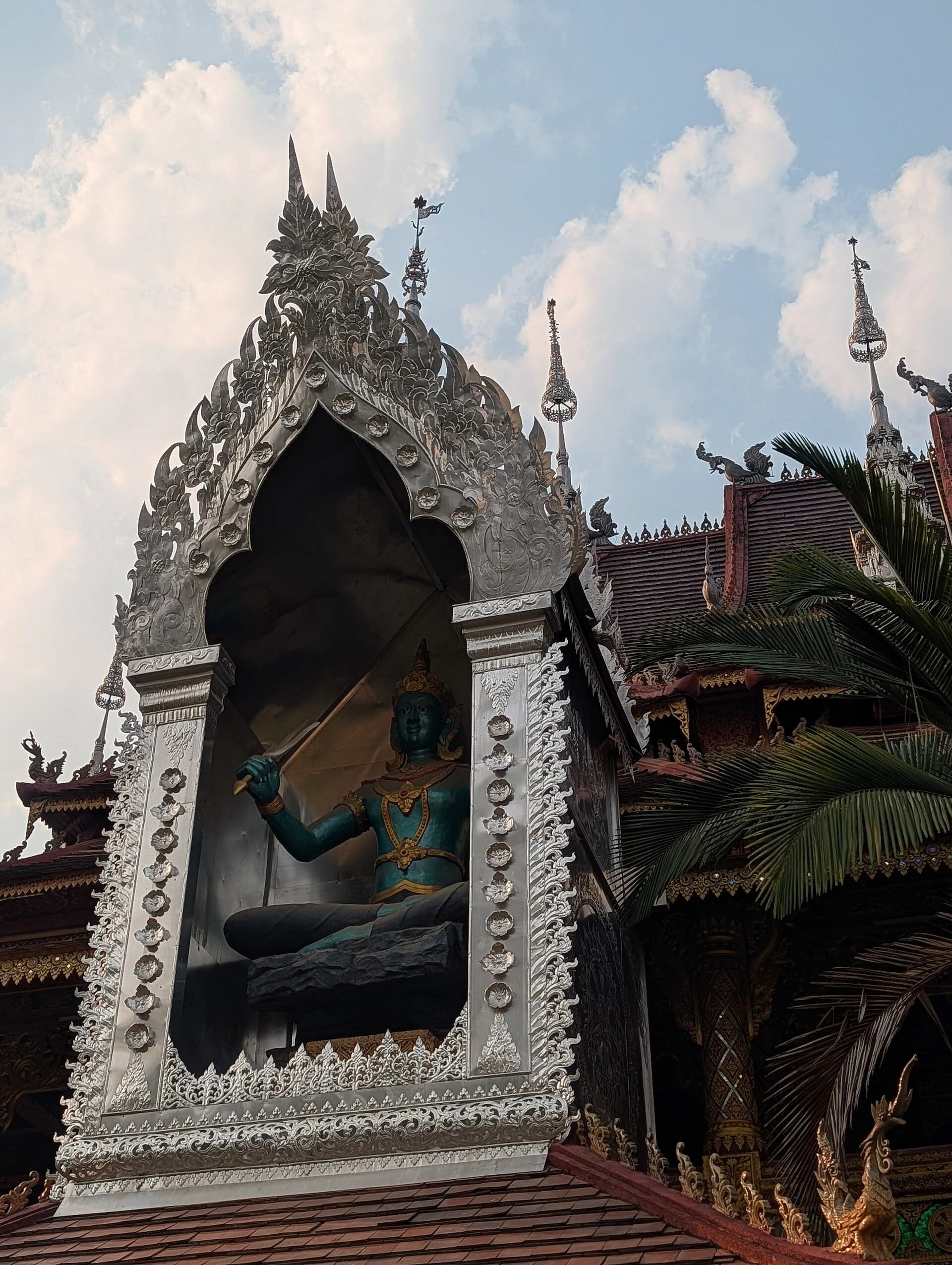
Getting there
Gaozhuang to Manting is about 4.7 km/12 minutes by car without live traffic. Walking is roughly 3.7 km and the bus option involves a lot of walking, so in heat or rain take a licensed taxi or ride-hail to get there. Once there, the garden and temple are easy to cover on foot.