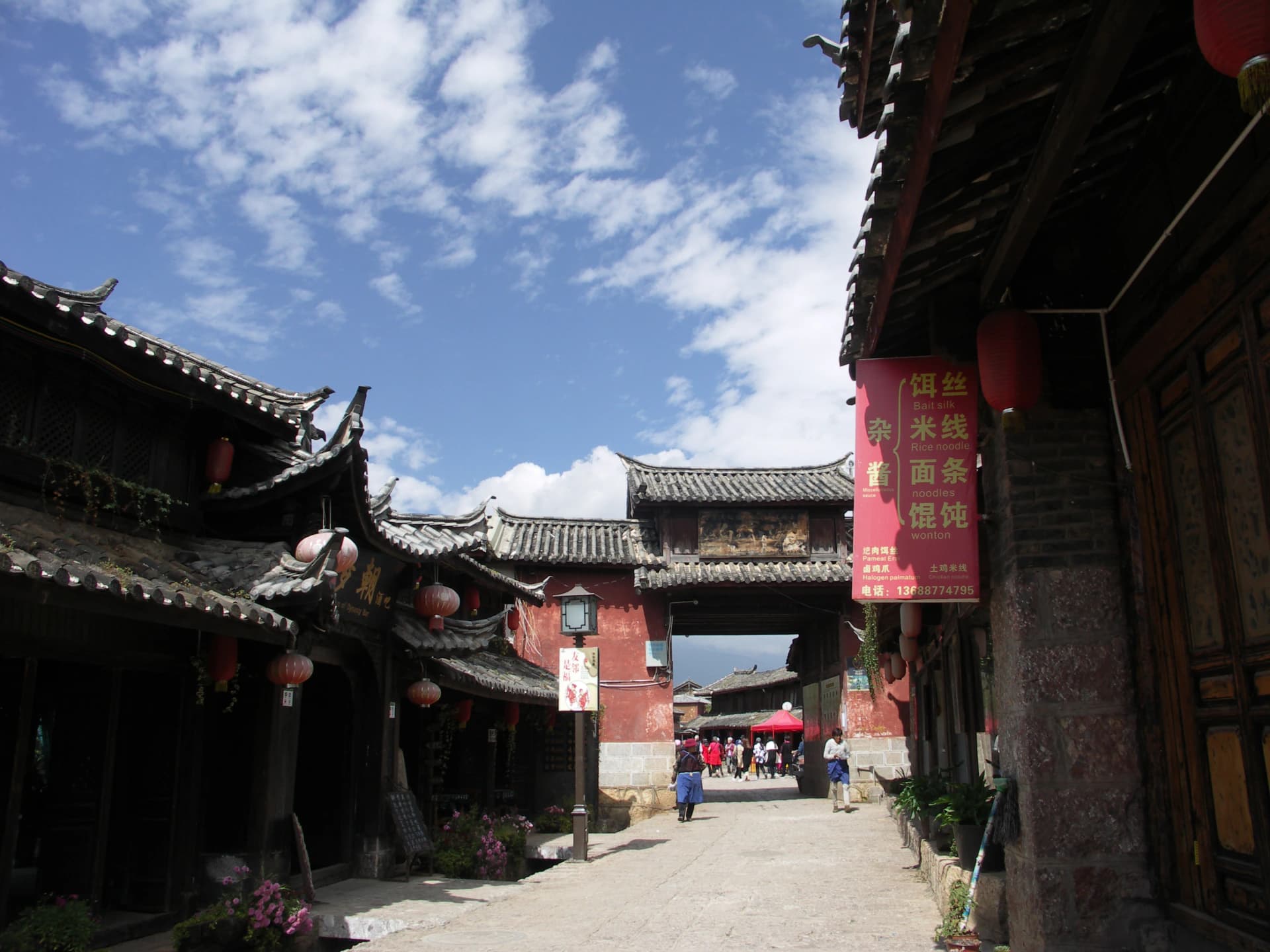
Baisha Old Town
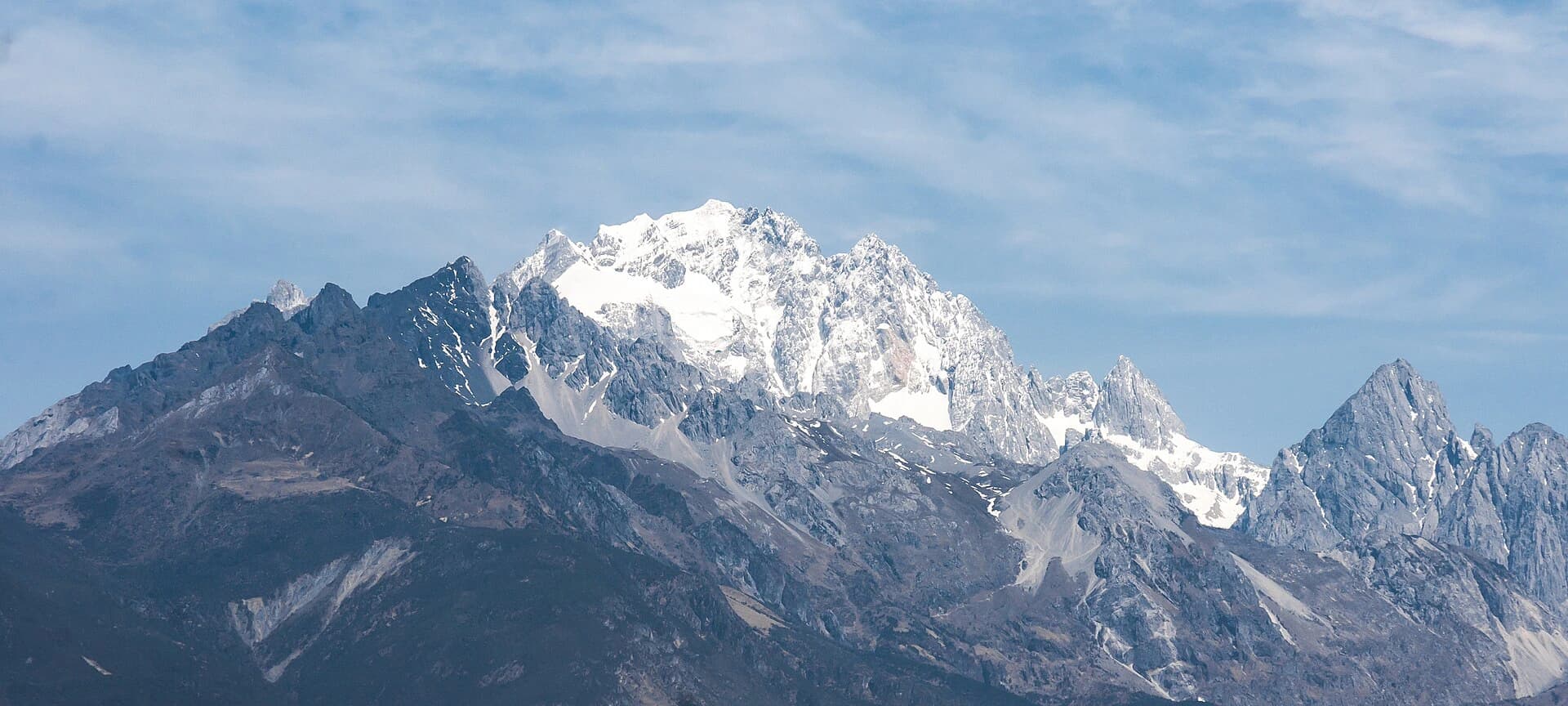
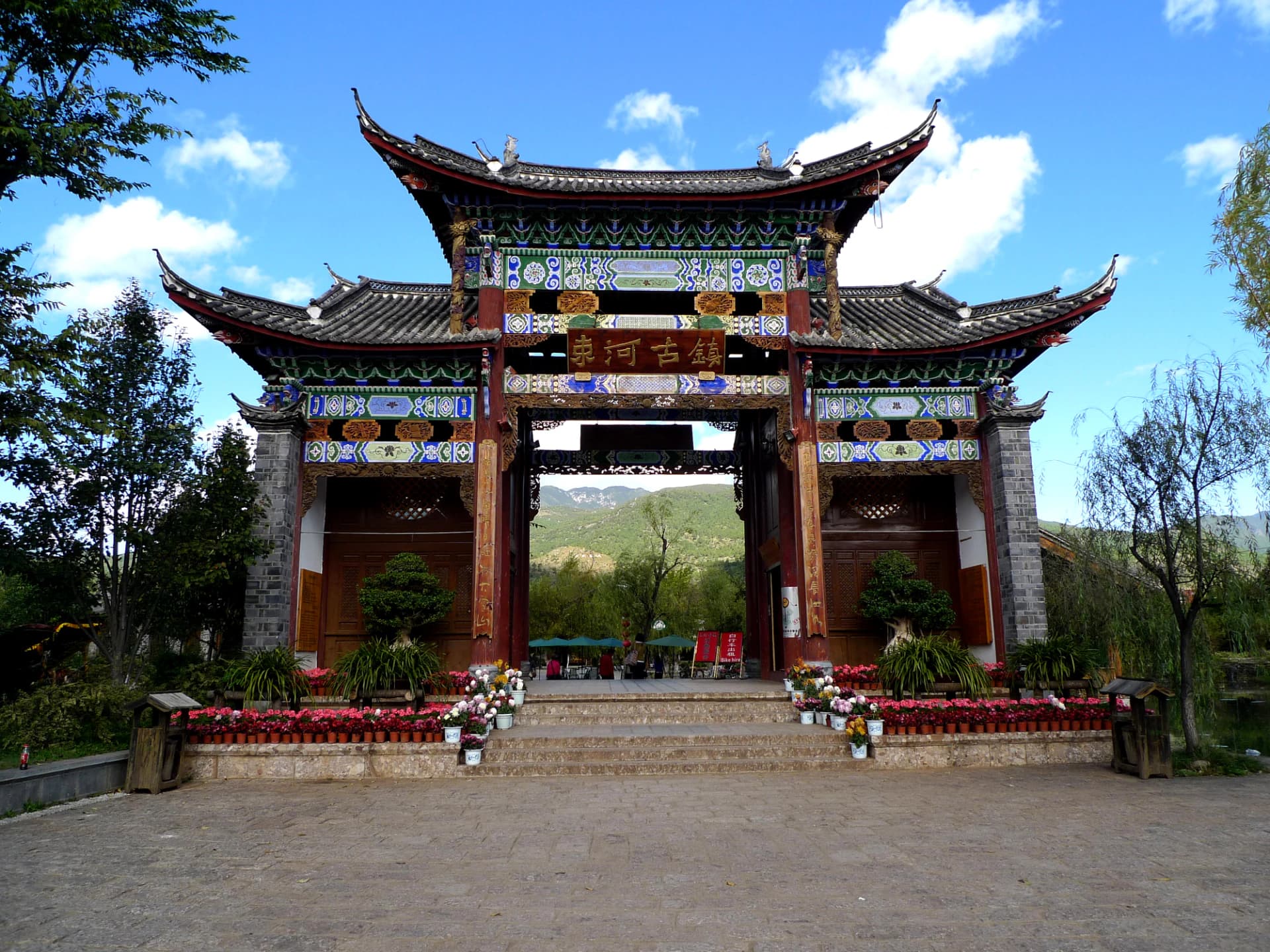
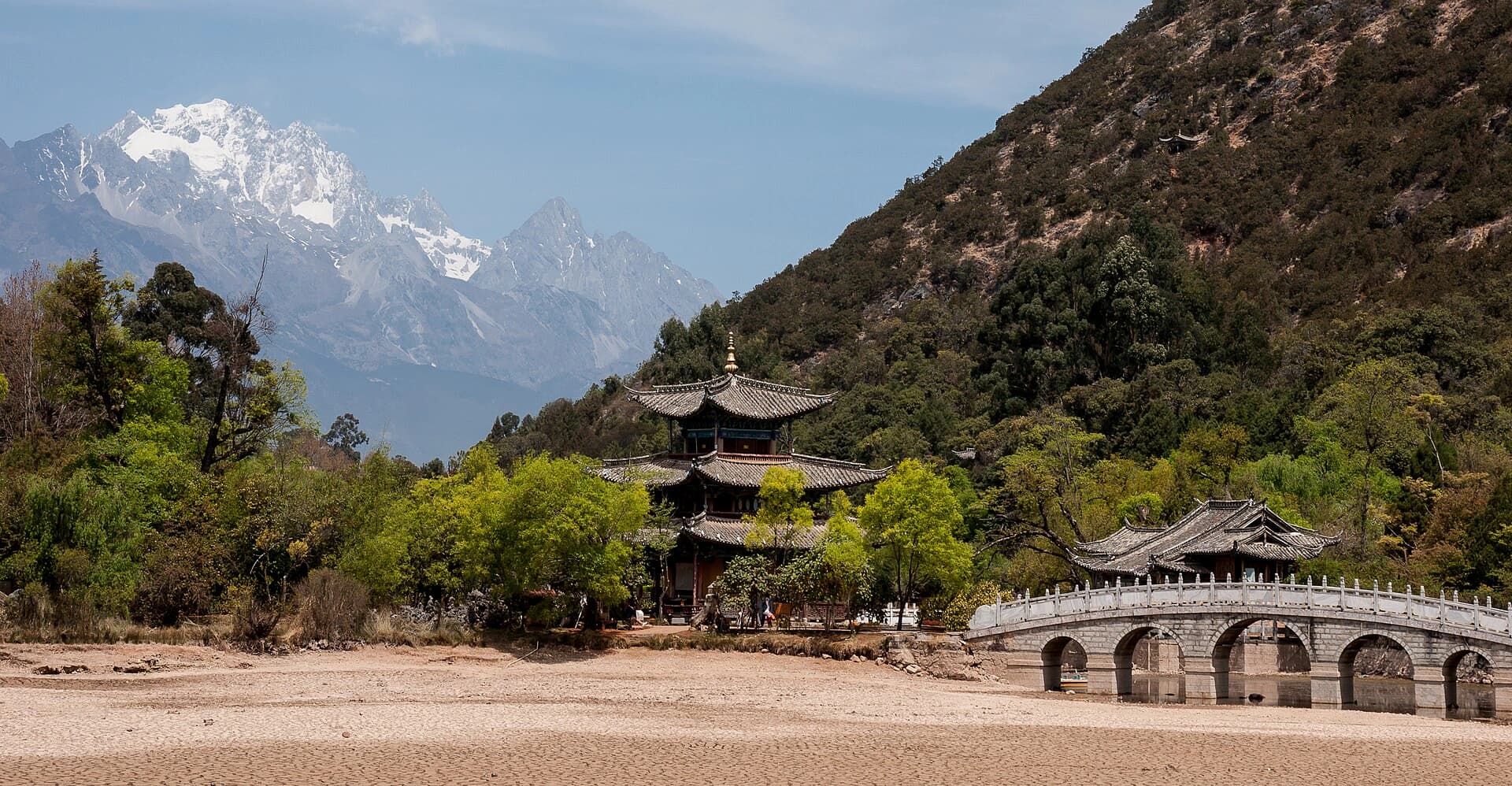
Baisha is a separate component of the UNESCO-listed Old Town of Lijiang, not a quieter corner of Dayan. It works best for travelers who want a smaller settlement, mountain context and time to examine streets and heritage interiors without turning three old towns into one rushed checklist.
Recent visitor reports often prefer Baisha to Shuhe as the second old-town stop. That is a useful decision signal, not an objective ranking. Baisha now contains tourism businesses, cafés and reconstructed or adapted spaces alongside residential life. Describe it as slower and smaller, not “untouched.”
Who should choose Baisha
Choose Baisha when you want:
- a half-day contrast with busy Dayan;
- vernacular streets and Naxi heritage to matter more than nightlife;
- time for one verified cultural interior rather than a shop checklist;
- a flexible stop that can be shortened when the mountain disappears into cloud.
Choose Shuhe instead when a longer, quieter wander matters more than a focused heritage stop. Do not attempt Dayan, Baisha and Shuhe as three rapid photo calls: the buildings begin to blur and there is no time to understand why each settlement is separately inscribed.
A flexible half-day route
Begin at Baisha Old Town on AMap, and orient yourself before entering the inner lanes. The separately managed Baisha Murals require their own live access check. From there:
- Walk one main street slowly enough to notice the relationship between shops, homes and courtyards.
- Choose only one heritage interior after confirming that it is open and that photography is allowed.
- Move into quieter side lanes without entering residential courtyards.
- Finish before the visit becomes a café checklist.
The Baisha mural complex is historically important, but current room access, conservation closures, ticketing and photography rules can change. Treat the murals as a live-check interior, not a guaranteed element of every visit. Never infer that a closed door is permission to enter through another courtyard.
Read the place honestly
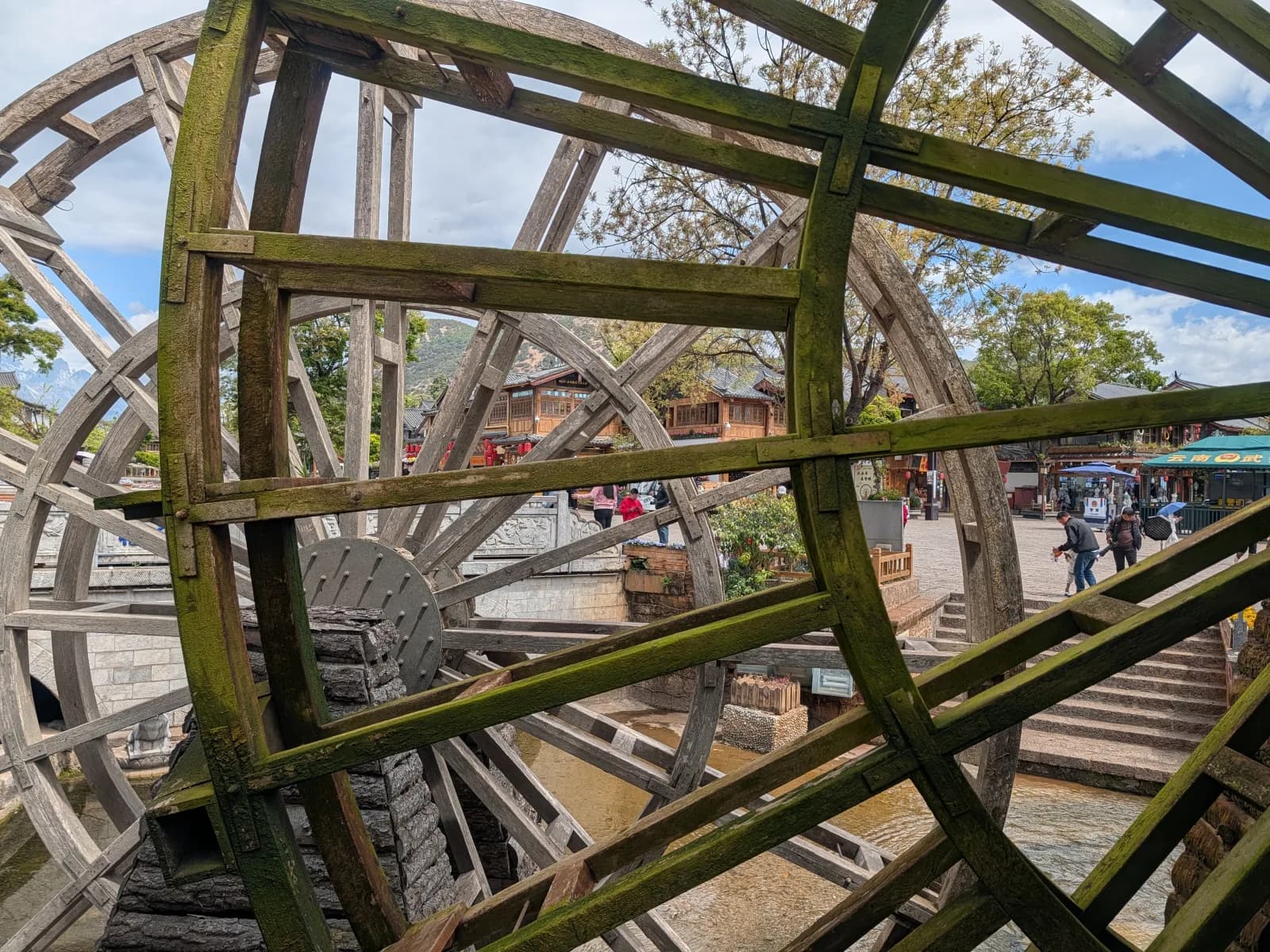
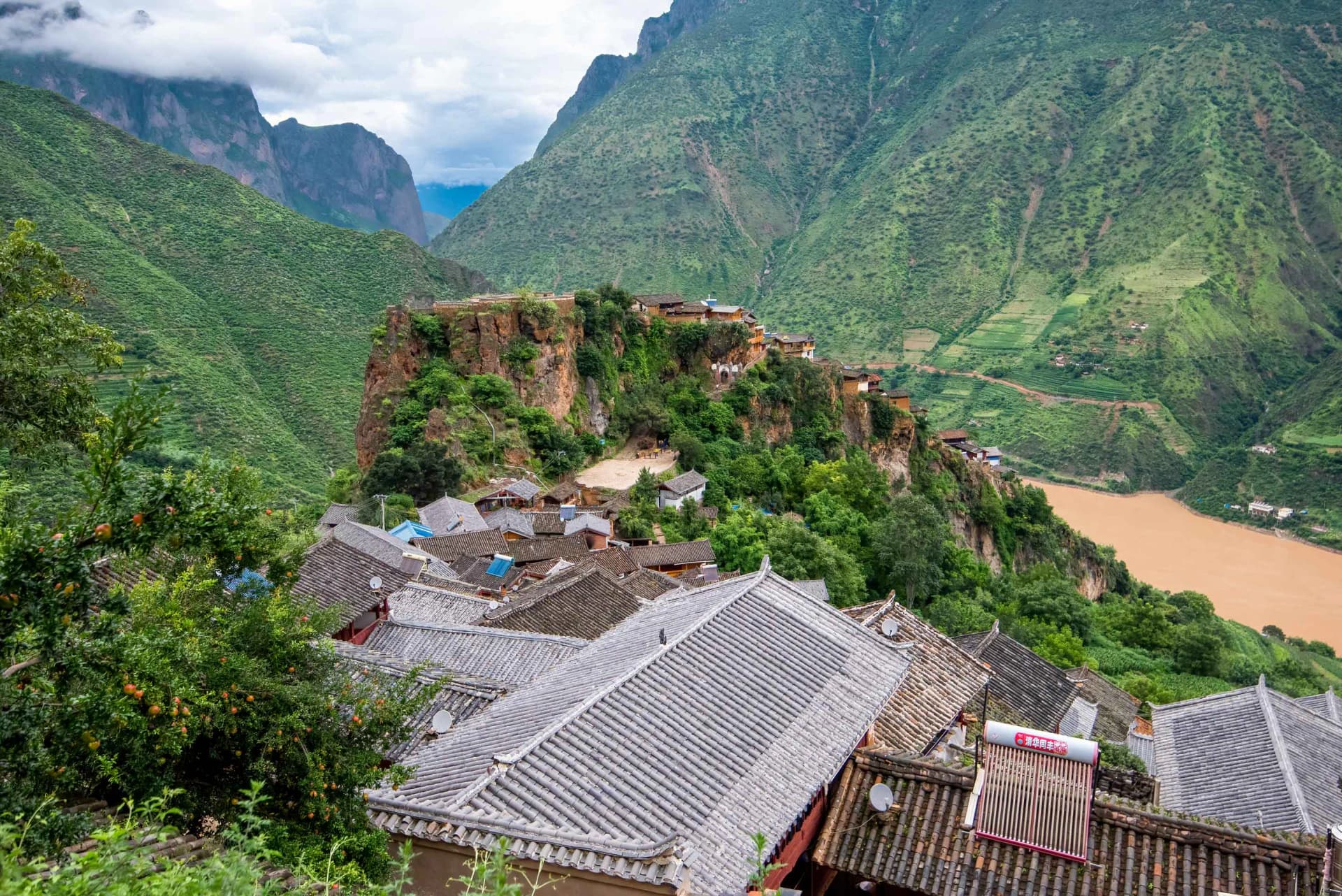
Baisha belongs to a living World Heritage property. Tourism, conservation, reconstruction and ordinary life coexist. Look for the scale of lanes, courtyard thresholds, water channels where visible and the mountain-settlement relationship, but avoid treating residents, religious practice or working homes as scenery.
Commercial change does not make the town “fake,” and quiet streets do not prove that it is “undiscovered.” UNESCO has long documented development pressure across the Lijiang property. The useful question is whether the visit still helps you understand a distinct component of that property.
Practical boundaries
- Hours: businesses and heritage interiors do not share one timetable. Confirm the specific interior on the day.
- Food and cafés: businesses change quickly. Check the current venue, menu, price and opening time on a live map before making it a trip anchor.
- Footwear: expect uneven stone and choose grip in wet weather.
- Photography: ask before photographing people, interiors or religious material; do not block a working lane for portraits.
- Transport: save 白沙古镇 and Baisha Old Town — open in AMap. From Shuhe's southeast edge, AMap estimates 6.7 km / 32 minutes by the current tourist-bus lead or 8.8 km / 33 minutes by car; recheck the line that day.
Pair it well
The strongest contrast is Lijiang Old Town early in the day, followed by a slower Baisha half-day. If Baisha is part of a Jade Dragon transfer day, keep the town optional: mountain ticket times and changing visitor-center operations should control the sequence, not an overloaded itinerary.
Use the UNESCO property record to understand why Baisha is a component in its own right. For mountain products, use the Jade Dragon Snow Mountain guide instead of assuming that the similarly named Baisha visitor center is the old town entrance.
Final verdict
Baisha is the strongest second-old-town choice for a first Lijiang trip when heritage, a smaller scale and a flexible half-day matter. Go slowly, verify any interior live and leave without pretending that a living tourism town is frozen in the past.