Fujian
For a first trip, Xiamen, Quanzhou and Fuzhou form the cleanest route. Enter through Xiamen, place Quanzhou in the middle and leave from Fuzhou—or reverse it. This avoids returning to the same airport and gives each city a distinct role: island and coast, Maritime Silk Road heritage, then lanes, museums and river hills.
Choose your region
- Coastal heritage line: Xiamen–Quanzhou–Fuzhou in 6–8 days.
- Tulou branch: Zhangzhou or Longyan as a separate overnight or full road day.
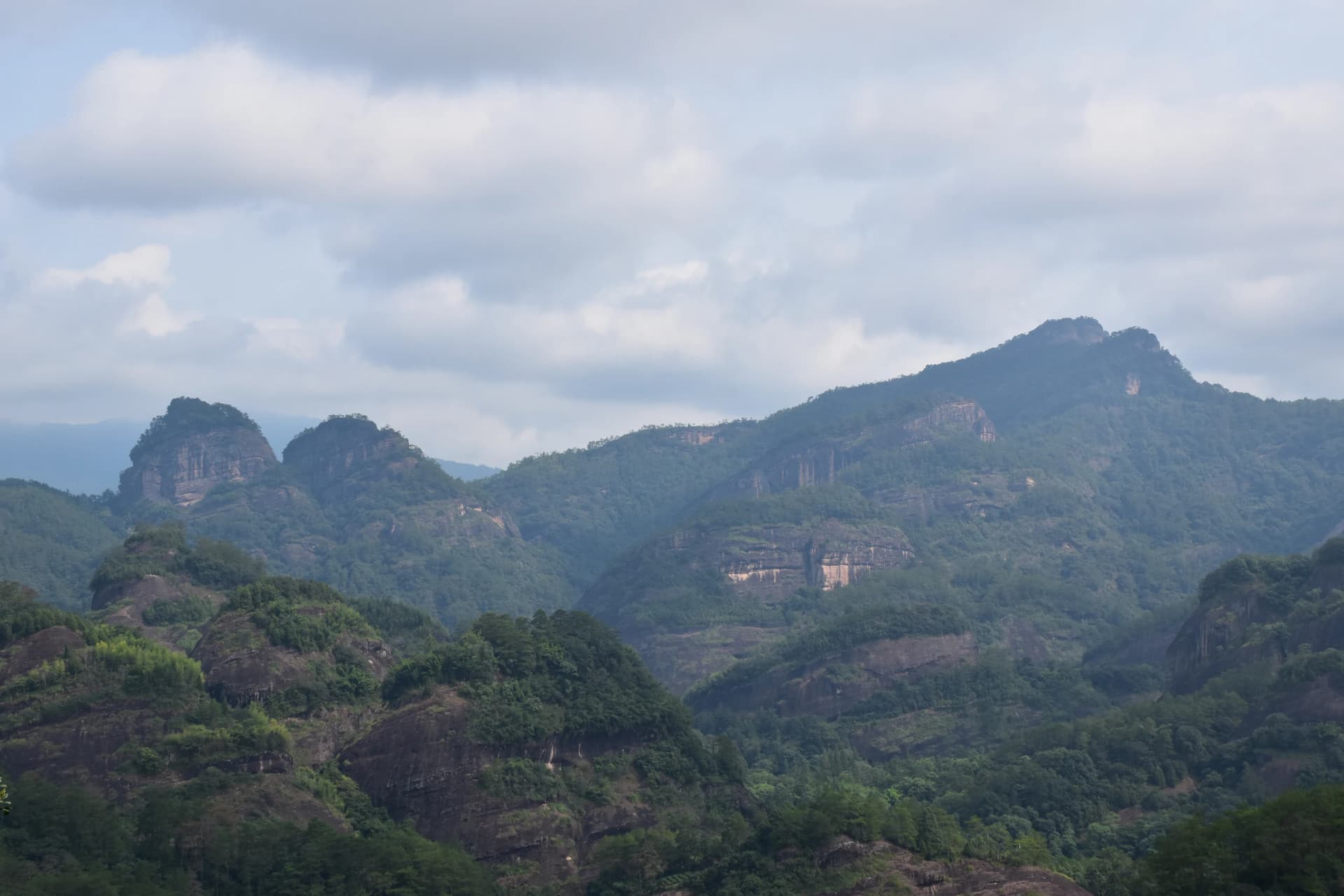
- Wuyi Mountains: Wuyishan for tea landscapes, rafting and trails; allow 3 days.
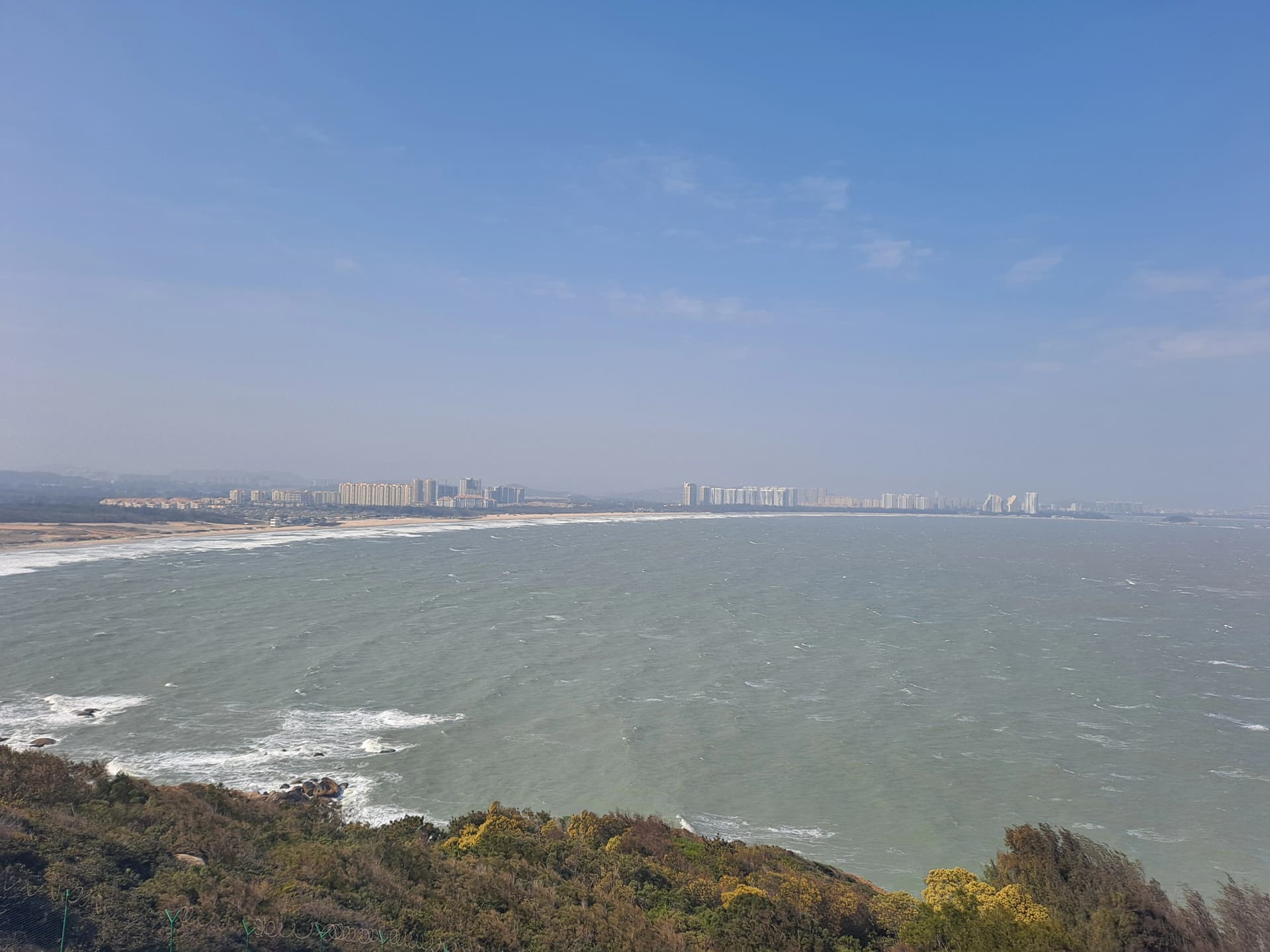
- Pingtan or another island: add only with suitable wind, ferry or road conditions and at least one night.
How many days
With four days, choose Xiamen and Quanzhou. Six days allow two nights in Xiamen, two in Quanzhou and one or two in Fuzhou. Eight days can include one tulou branch. Wuyishan belongs to a longer 9–11 day trip or a separate visit.
Cities and bases
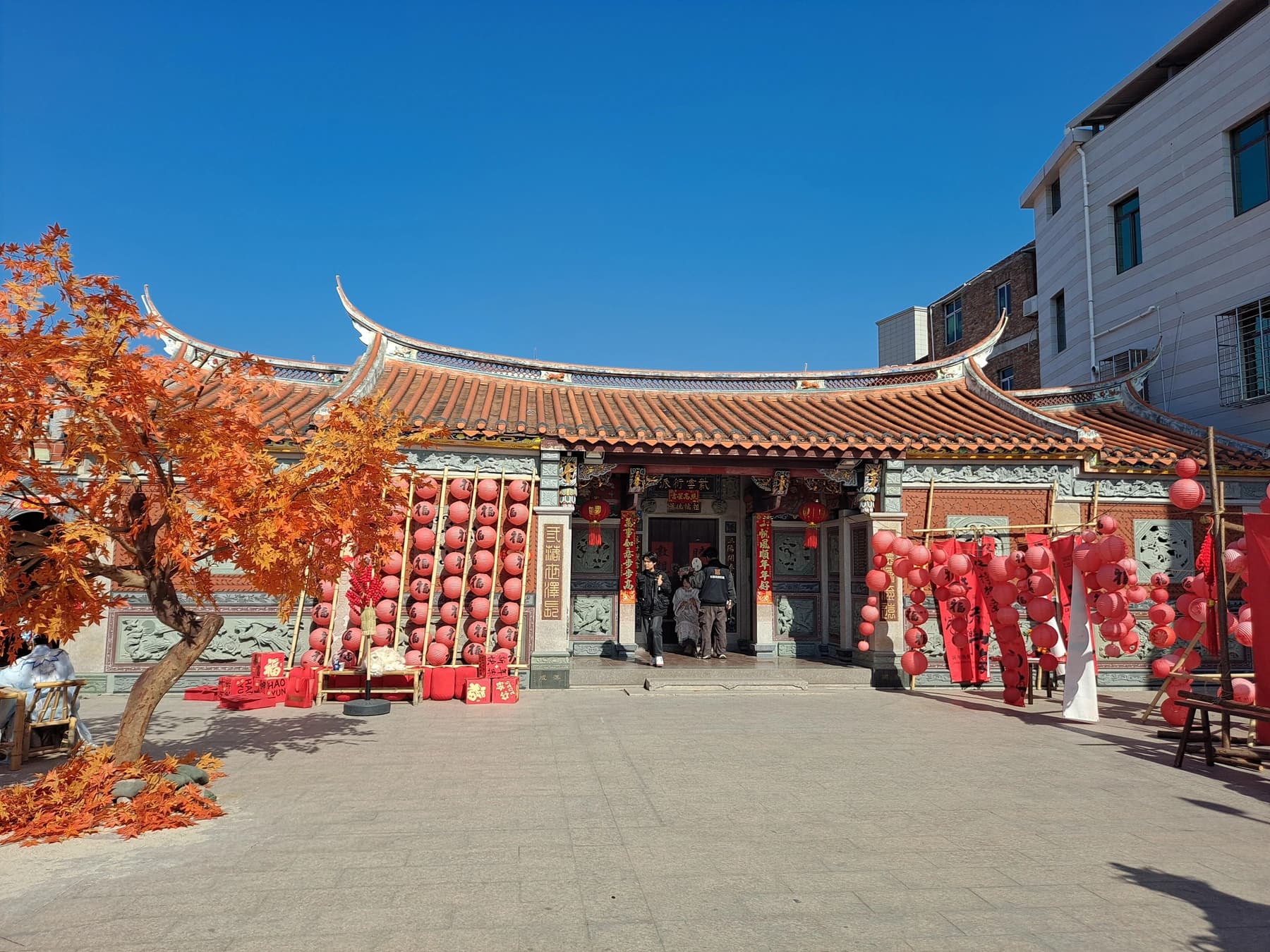
In Xiamen, stay on the main island and treat Gulangyu as a ferry day rather than a luggage base unless an island stay is the point. Quanzhou's old-city edge is ideal for temples, lanes and evening food. Fuzhou works best near a metro line connecting the old center and railway station.
Tulou areas are rural and spread across different clusters. “Fujian Tulou” is not one gate: decide between Nanjing and Yongding routes before booking a driver or hotel.
Routes through the province
Six-day coastal route
- Arrive in Xiamen; explore the south-coast or old-port area.
- Reserve Gulangyu ferry tickets and give the island a focused day.
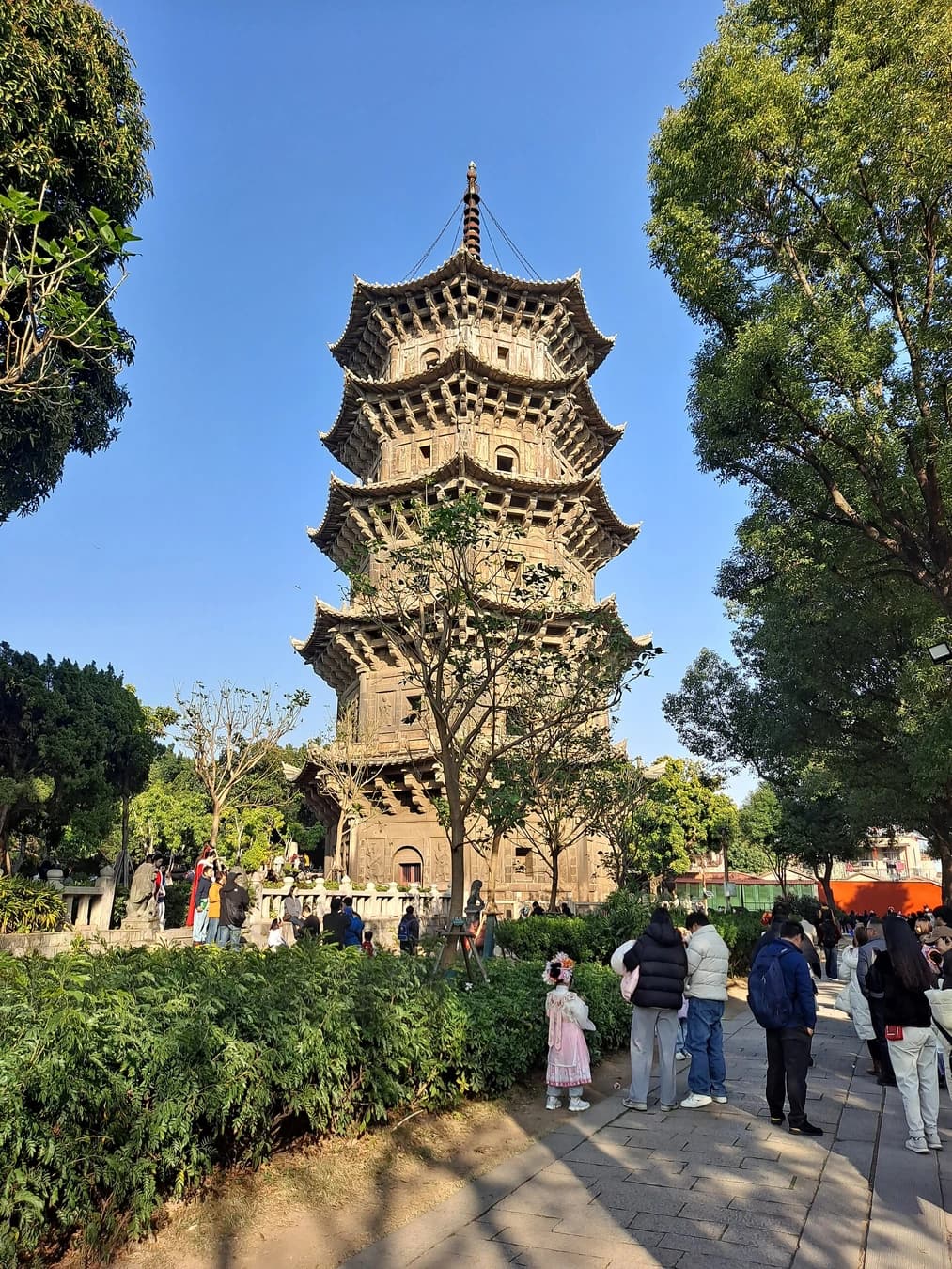
- Travel to Quanzhou; walk Kaiyuan Temple, West Street and nearby lanes.
- Continue with Quanzhou's museums, temples and living craft traditions.
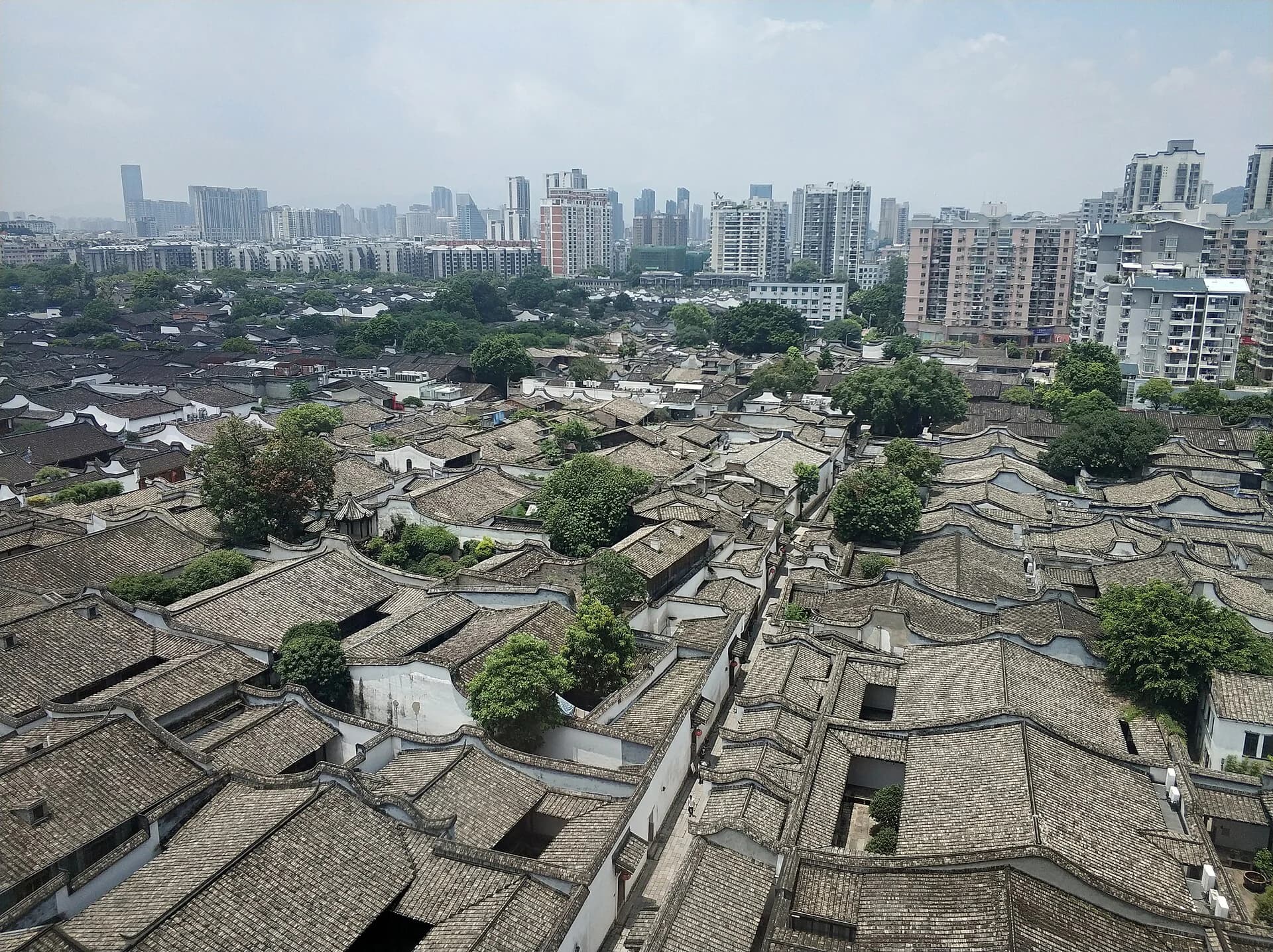
- Travel to Fuzhou; use Yantai Mountain or Shangxiahang for the evening.
- Walk Sanfang Qixiang and choose Gushan or a museum before departure.
For tulou, replace a city day and stay closer to the chosen cluster. A return drive from Xiamen plus several compounds can become a long photo stop with little interpretation.
When to visit
Spring and autumn are comfortable for city walking. Summer is hot, humid and exposed to typhoons; ferries, islands and mountain plans need alternatives. Winter is mild on the coast but can be damp. Tea and rural landscapes change with the agricultural season.
Getting there and around
Xiamen and Fuzhou are the strongest air gateways. Fast trains connect the coastal cities and Wuyishan. Rural tulou clusters need buses, drivers or tours; verify the exact cluster, pickup and return. Ferries and island access require current identity-document and weather checks.
Where to stay
Choose fewer hotel moves: two nights per coastal city creates a much better rhythm. Old-city edges offer atmosphere with vehicle access. In Wuyishan or tulou country, stay near the attraction planned for the next morning rather than near a vaguely named county center.
What to book first
Reserve Gulangyu ferry tickets, long-distance trains, limited performances or museums, and rural transfers first. Recheck typhoon, ferry and mountain notices shortly before departure.
Compare Fujian hotels on Trip.com and check China train tickets.