Kaiyuan Temple and West Street
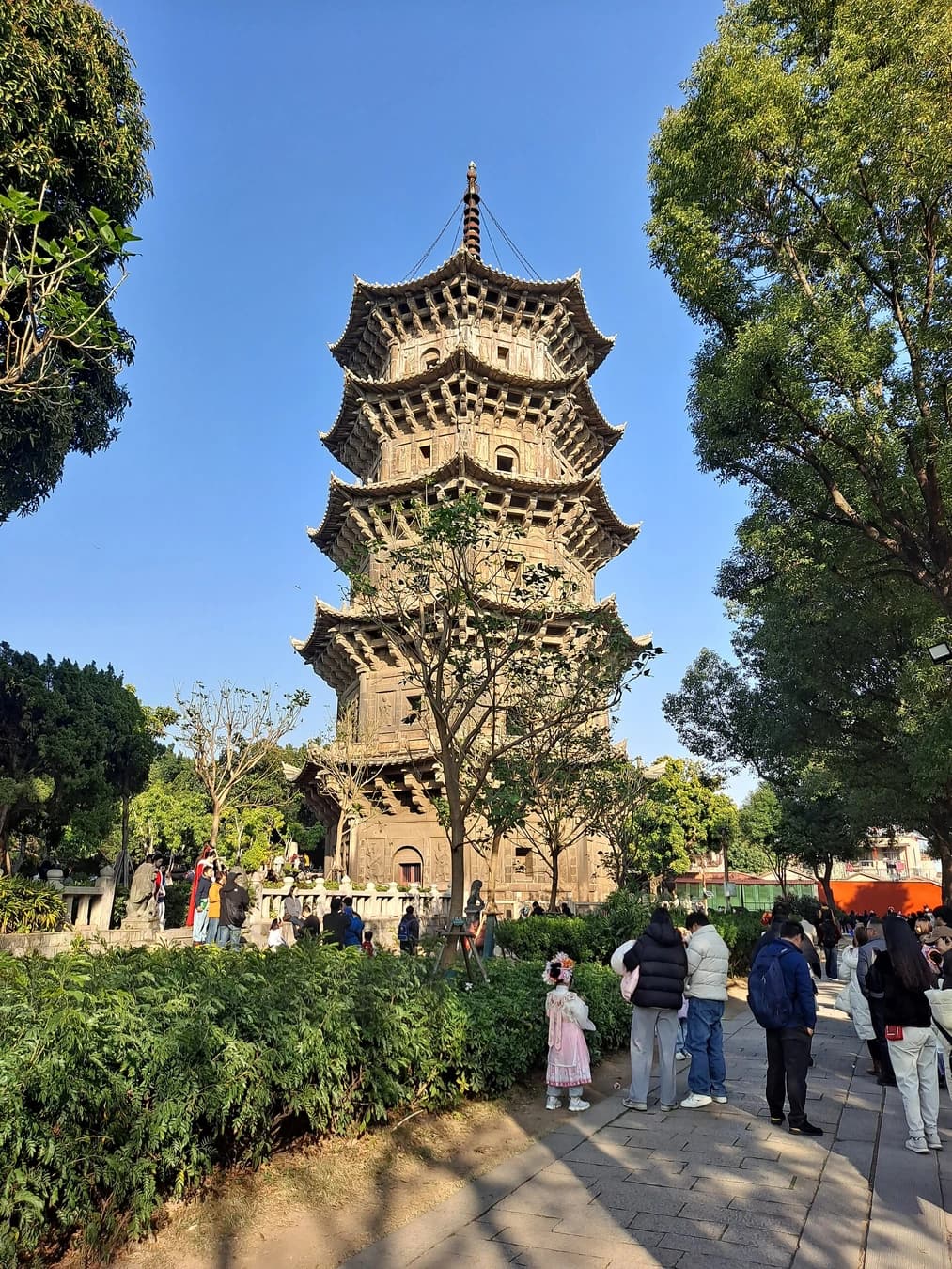
Begin at Kaiyuan Temple, the clearest visual anchor for Quanzhou's old city. Allow 90–120 minutes for the main axis, the twin stone pagodas and the courtyards; do not let West Street food queues consume the quieter temple window.
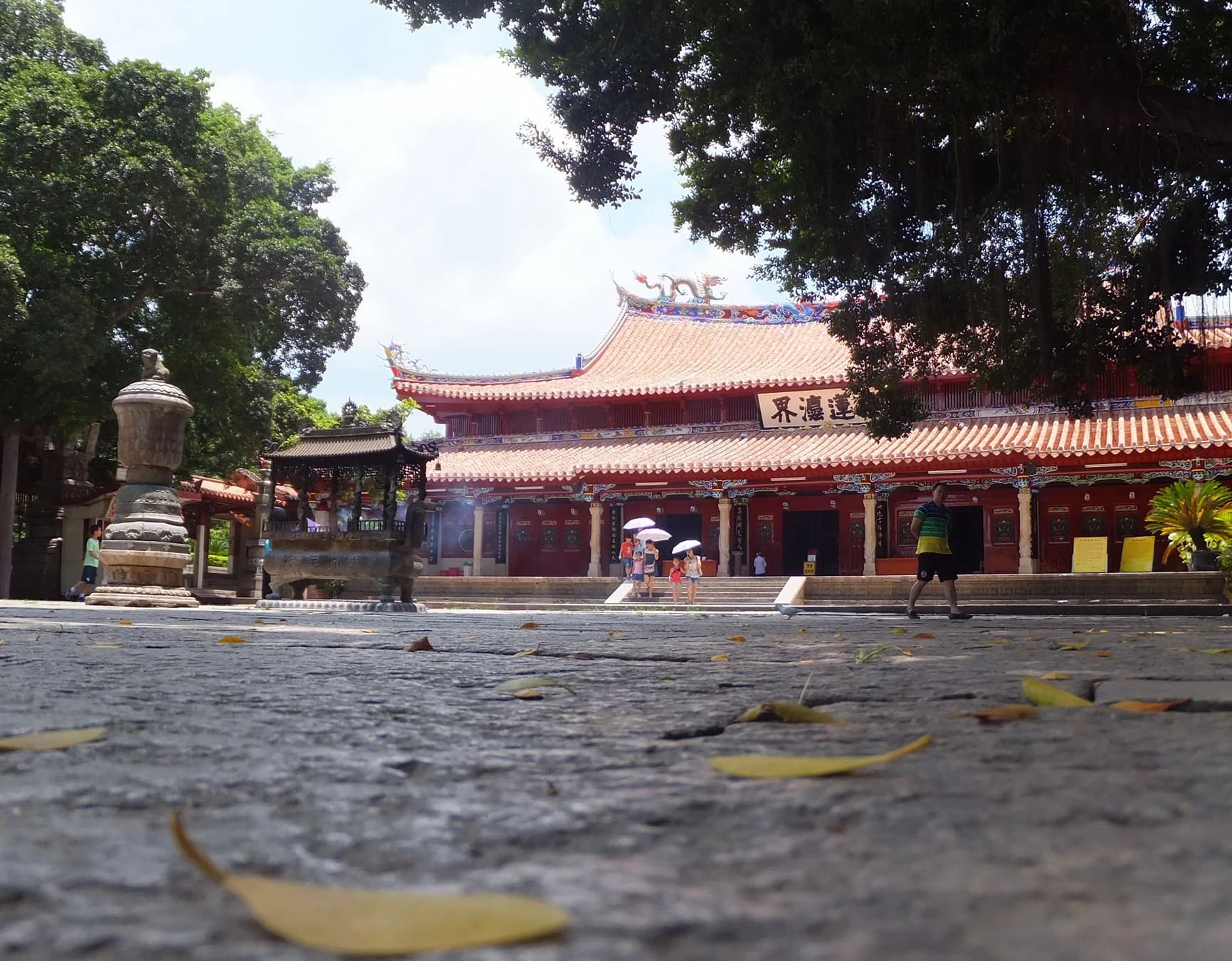
Photo: Jylqxgd · Source · CC BY-SA 3.0
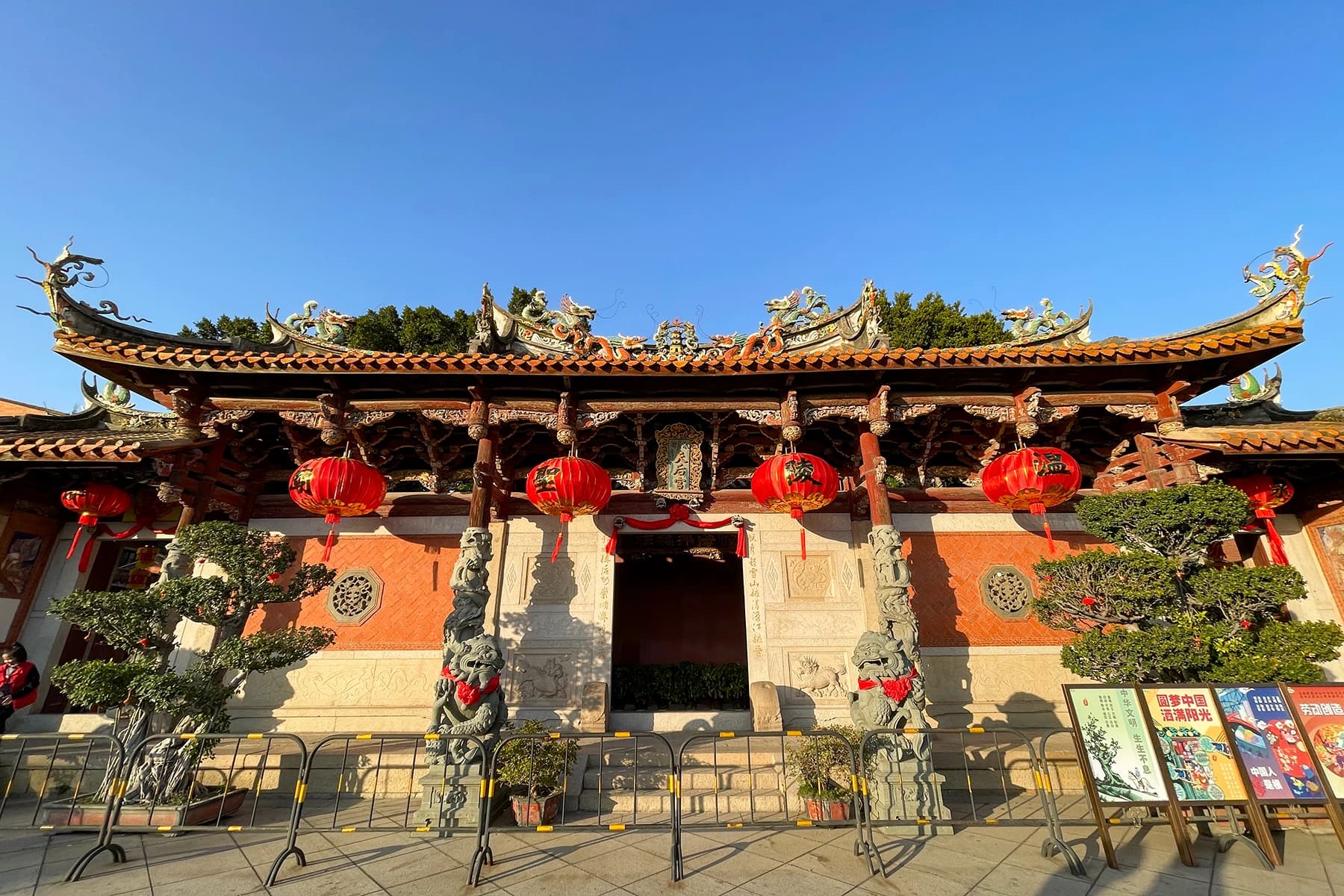
Read the site as a working Buddhist temple and a product of a cosmopolitan port, not as a decorative backdrop. Follow closure ropes, lower your voice near worship, and ask before photographing rituals. Exact halls can be restricted for ceremonies or conservation even when the grounds remain open.
The verified temple map location is at 176 West Street. Exit into West Street only after the temple, then use one short lane loop and stop rather than treating every shop as heritage. Prices, tenants and crowd controls change quickly.
A route that preserves the meaning
Enter Kaiyuan Temple with enough time to stop at the central axis, then compare the two stone pagodas from more than one angle. Read the English or translated interpretation before moving on: the value lies in the relationship between the temple, Quanzhou's long trading history and the surrounding city, not in collecting identical pagoda photographs.
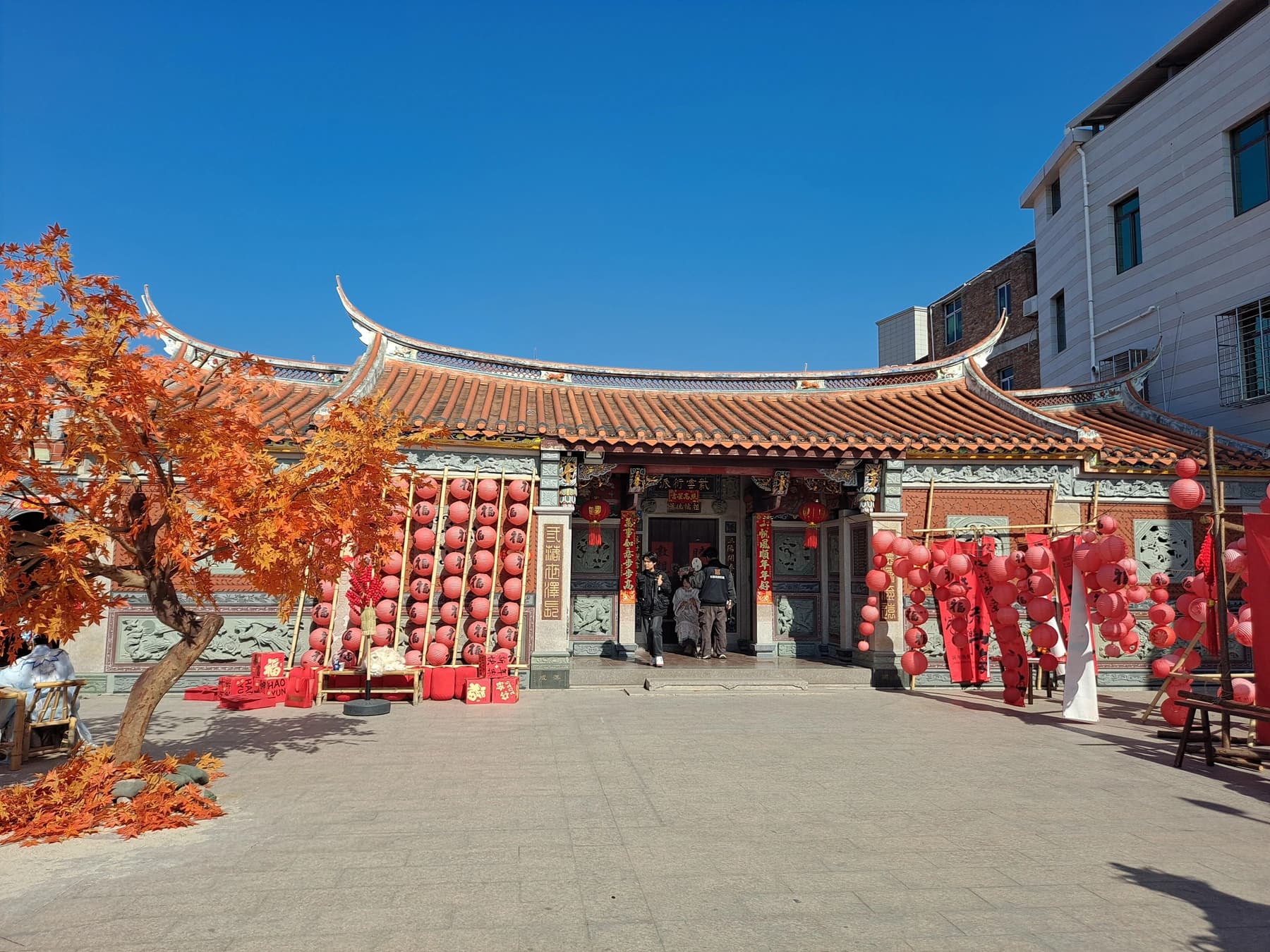
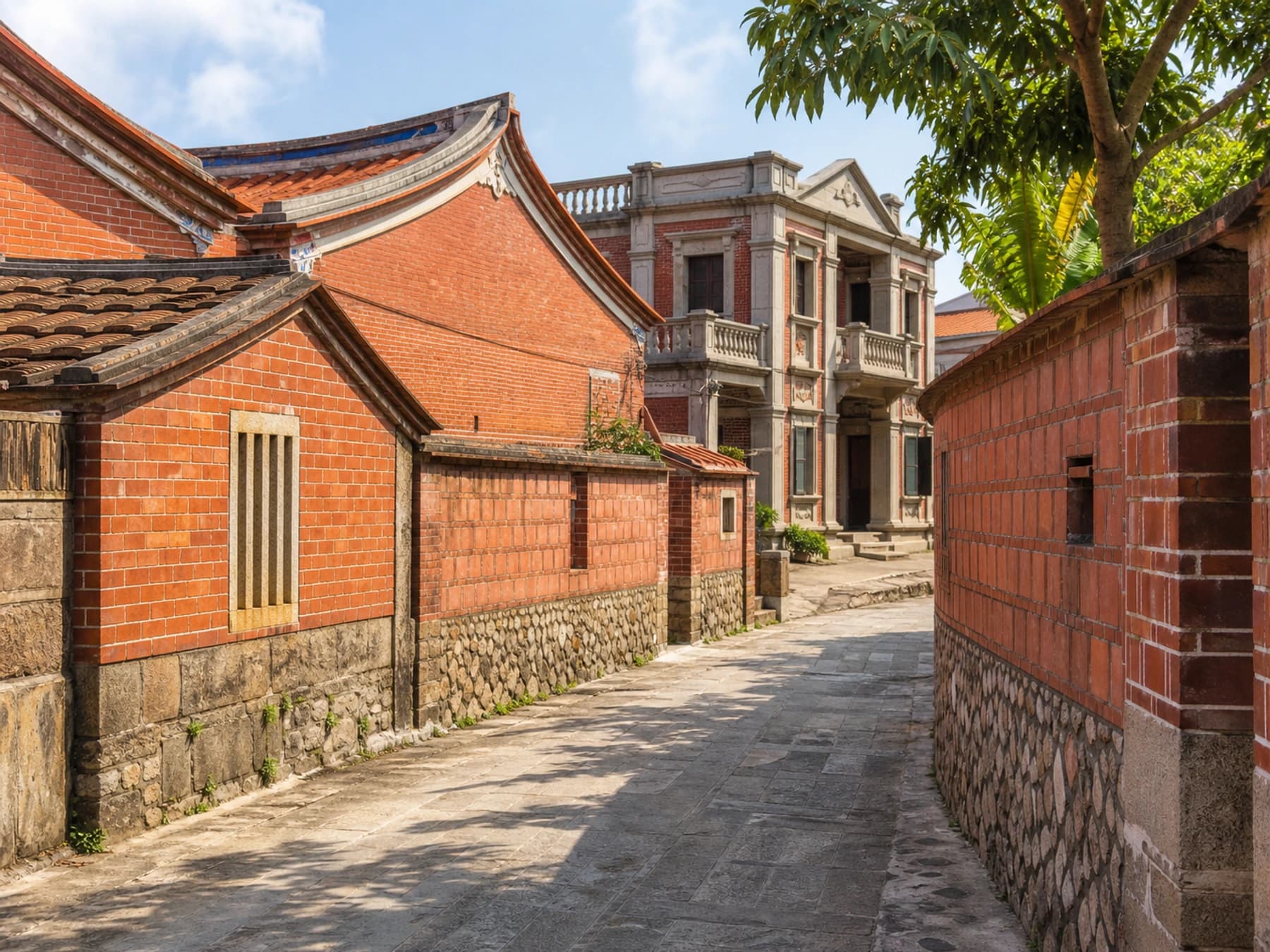
After the temple, walk east on West Street only as far as your interest lasts. The street is an active commercial corridor with historic fabric, not an open-air museum. Recent visitor reports repeatedly warn that weekend queues and near-identical snack shops can dominate the experience. Step into a public side lane, look back toward the pagodas above the roofs, and leave once the crowd is dictating your pace.
Three details worth slowing down for
On the main axis, make the Mahavira Hall (大雄宝殿) your first close-looking stop. Where public access permits, look up toward the carved flying musicians at the junction of columns and roof structure. Their role connects sculpture with the building itself; noticing that relationship is more revealing than counting every column.
At the rear colonnade, look for the stone pillars with Hindu imagery, using the site labels to identify the carvings. They give the port-city story a concrete form: material associated with another religious tradition survives within this Buddhist complex. Keep the interpretation tied to the objects rather than guessing a story for every figure.
Continue along the axis toward the Ganlu Ordination Platform (甘露戒坛), then compare the stone reliefs of the two pagodas from the permitted ground-level paths. You can appreciate the changing materials and detail without entering every hall or climbing a tower. If an area is closed for worship, use the next accessible courtyard and preserve the temple-first rhythm before West Street.
Best timing and fallback
Weekday morning is the cleanest default. Religious observances, festivals and school holidays can change access and crowd levels. In rain, keep the temple as the main visit and shorten the lanes; in strong heat, reverse any plan that places the unshaded street at midday. Wear shoes suitable for polished stone and bring a layer that covers shoulders and knees.
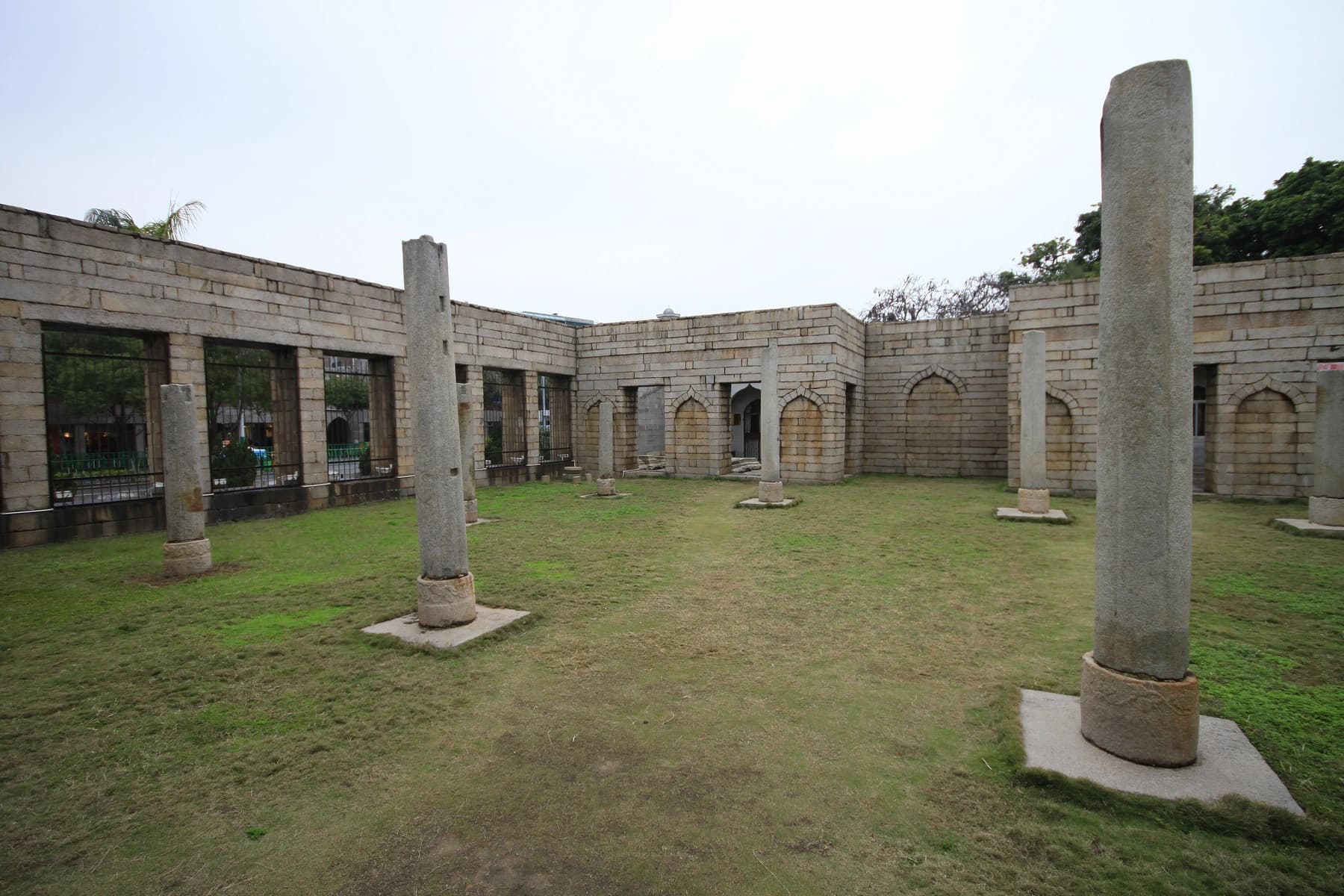
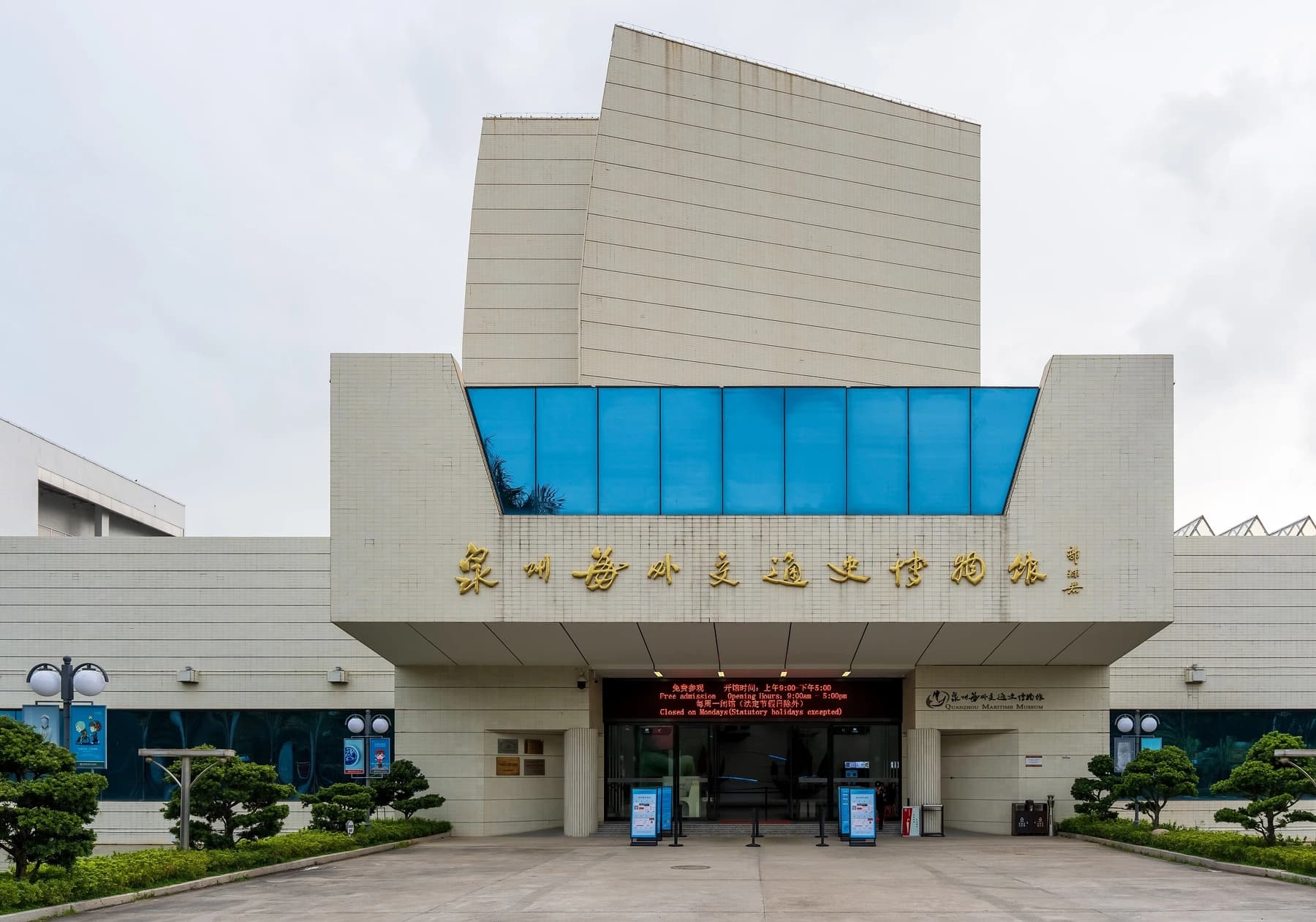
If the old city is too crowded, do not replace cultural context with more food queues. Continue to Qingjing Mosque and Tianhou Temple, or move the Maritime Museum to the front of the day. Together these sites explain why Quanzhou matters as a port city.
Current information
Check the official Quanzhou tourism portal for temporary controls. Temple entry, individual halls and West Street traffic management are separate questions; a street being open does not guarantee full access inside the religious complex.
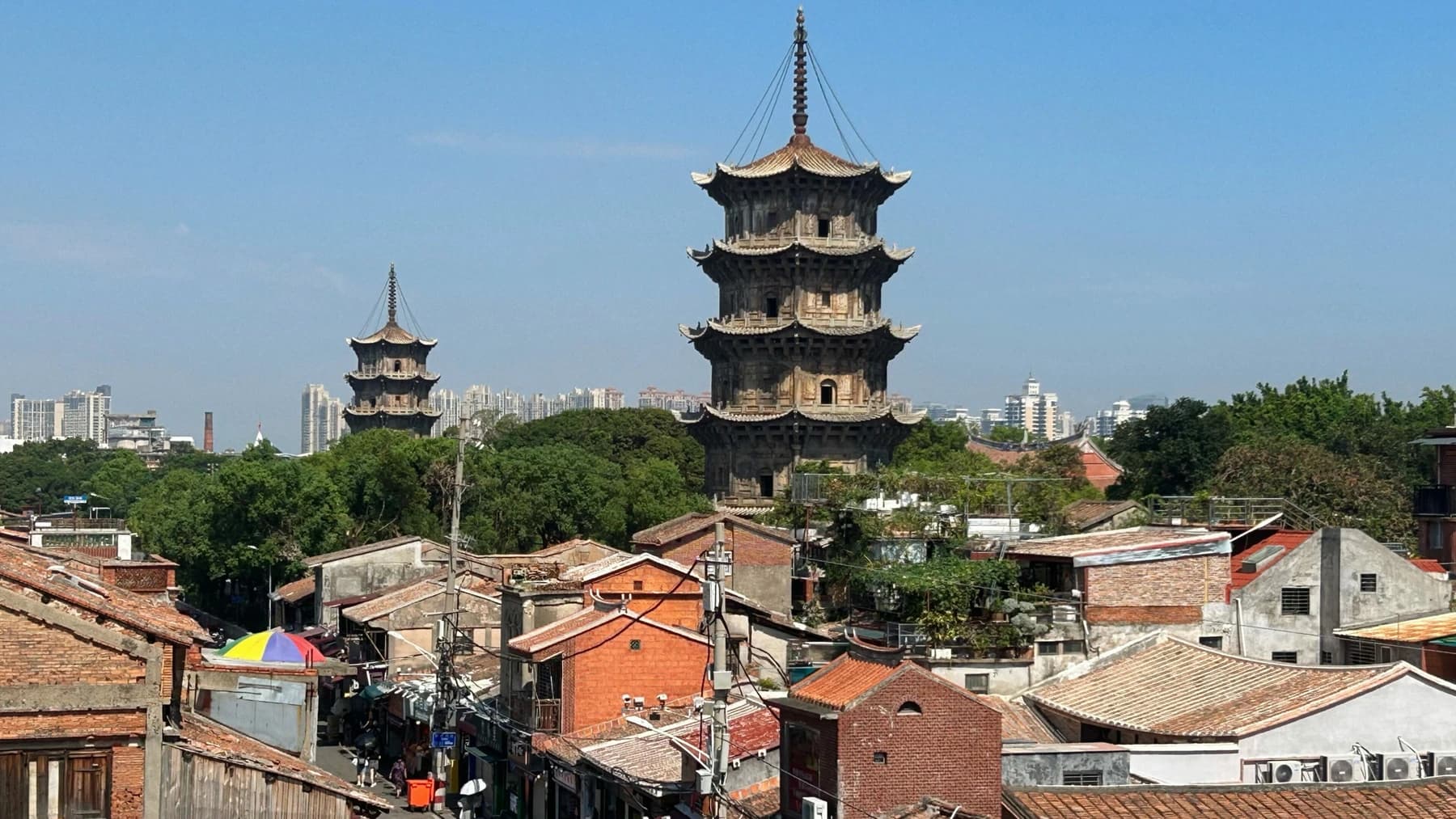
Photo: HMGiovanniV · Source · CC BY-SA 4.0
For the wider port story, continue by short ride or purposeful walk to Qingjing Mosque. Check the official Quanzhou tourism channel for current temple opening and festival access before leaving.