Tianhou Temple and Deji Gate
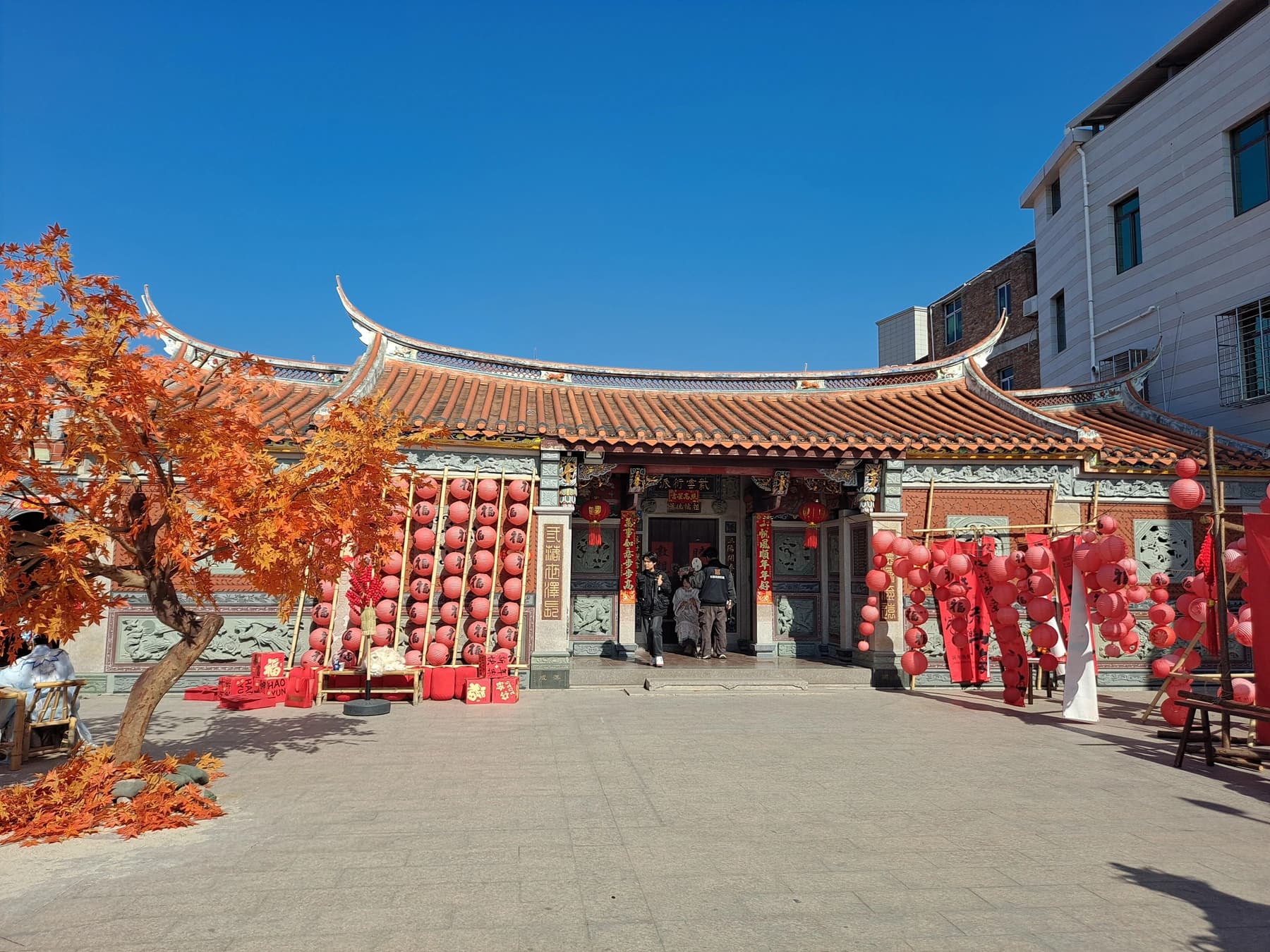
Tianhou Temple matters because maritime protection and seafaring networks were part of the port's operating culture. Visit the main axis respectfully, then walk the short distance to the archaeological remains of Deji Gate to restore the missing urban geography.
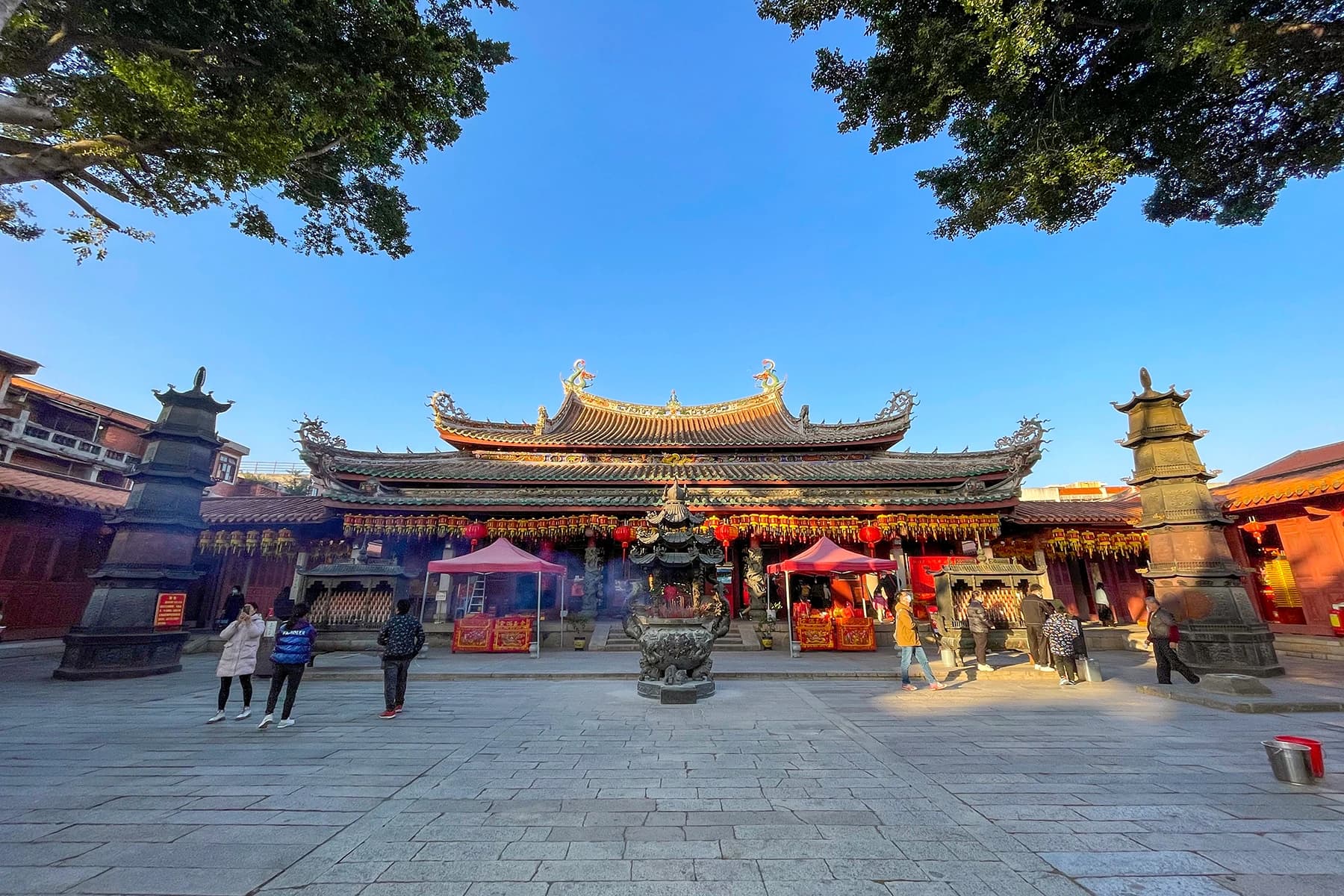
Photo: Windmemories · Source · CC BY-SA 4.0
Allow 60–90 minutes across both sites. Tianhou is active: do not block incense paths, photograph worshippers closely or enter roped rooms. Deji Gate is an archaeological site, so read the exposed foundations and signs rather than expecting a complete standing gate.
The verified map locations are adjacent near Tianhou Road. Current 2026 repair and fire-safety work means the open sector can change even while the complex remains visitable. Check the official Quanzhou notice or contact channel on the day and accept a grounds-only visit when required.
Read two sites as one argument
At Tianhou Temple, notice how maritime protection, ritual and community life are expressed along the temple axis. At Deji Gate, shift from belief to urban movement: the archaeological remains help locate the southern gateway and route toward historic port activity. The surviving evidence is different at each stop, which is why the pairing works.
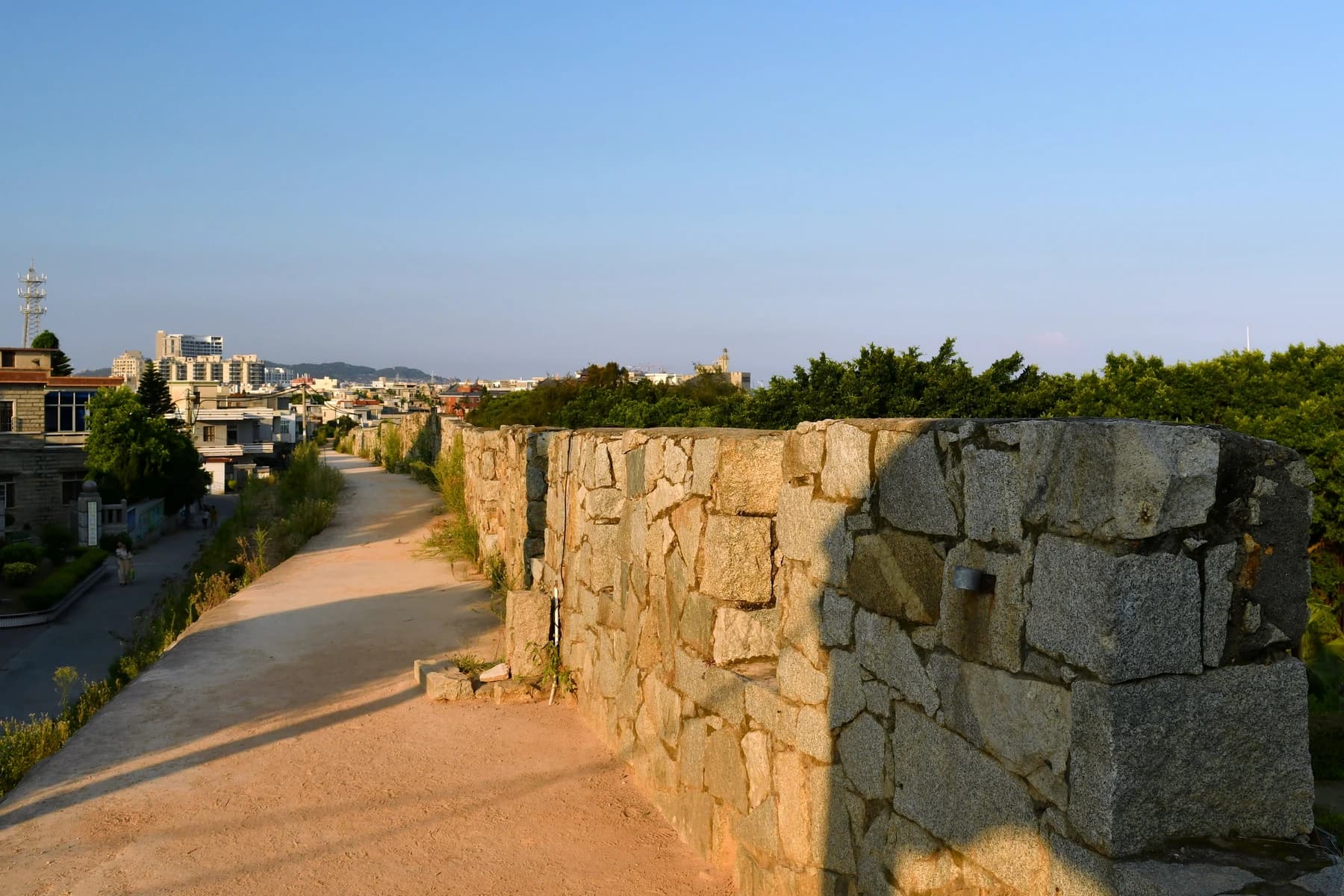
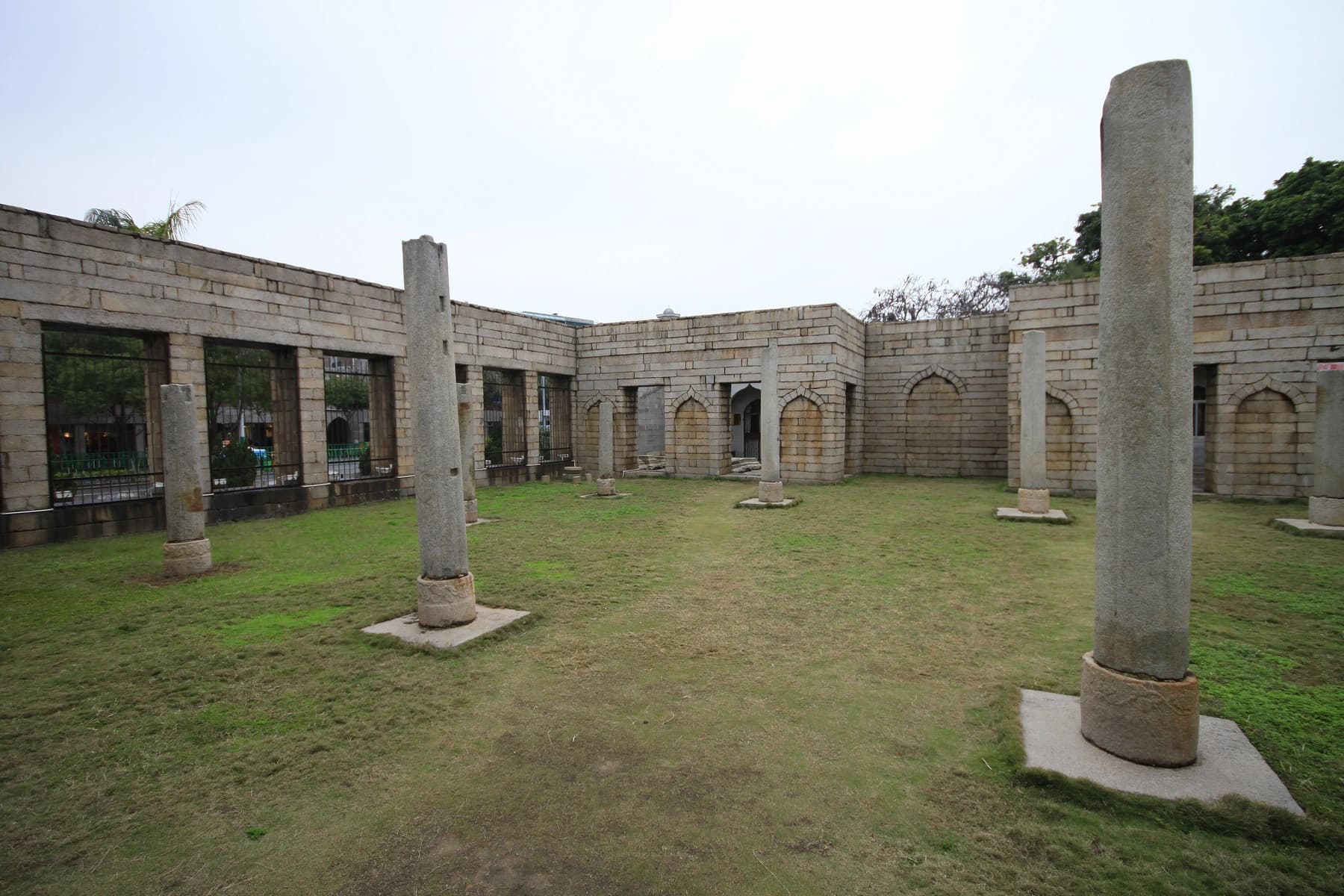
Do not judge Deji Gate by whether it provides a complete gate-shaped photograph. Foundations, paving and the relationship to the surrounding street are the point. Read the site plan first, then look back toward Tianhou Temple to connect ritual space with the former city edge.
A respectful, compact visit
Save 泉州天后宫 and 德济门遗址 as separate pins. Begin at the temple when the main axis is open, keep to the side of incense routes and avoid photographing faces. Continue on foot to Deji Gate, staying within marked public areas. One to two unhurried hours is enough for most visitors.
If a ceremony, maintenance barrier or fire-safety control limits access, do not search for an unofficial side entrance. The exterior, public courtyard and archaeological interpretation can still make a meaningful visit. For a deeper understanding, place the Maritime Museum earlier in the itinerary.
When this belongs in your trip
Choose this pair if the port's religious and spatial history interests you. Travelers mainly seeking shopping or a general old-street atmosphere can keep it brief, while architecture and history readers should continue to Qingjing Mosque. Check the official Quanzhou tourism portal before departure; on-site signs supersede older route posts.
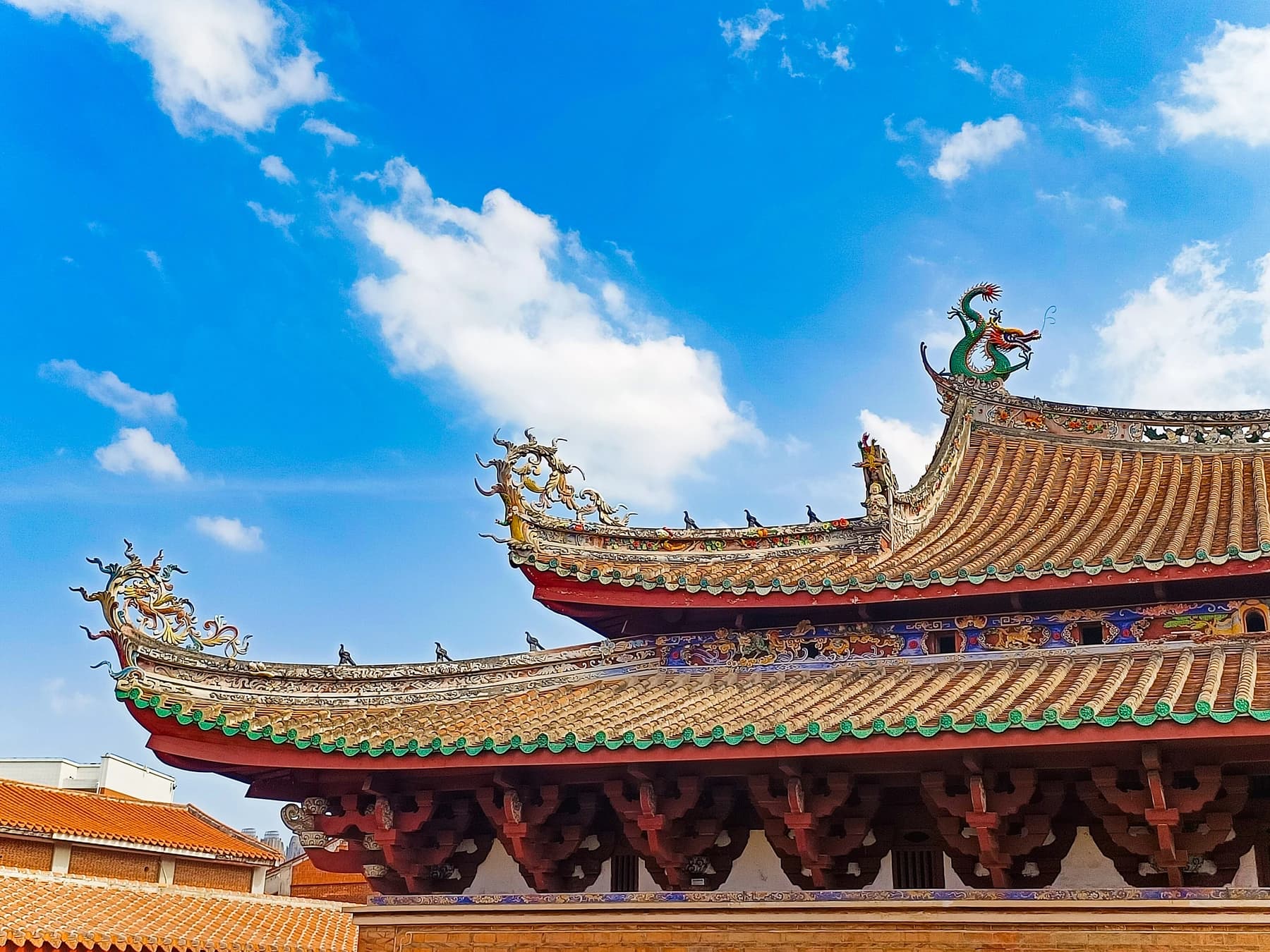
Photo: 阿今今的艺术札记 · Source · Public domain
Continue to the Maritime Museum on another day: it supplies the trade system that a religious site alone cannot explain.
Keep the final harbour-side walk flexible because worship, weather and local events can change the best sequence without closing the public streets.
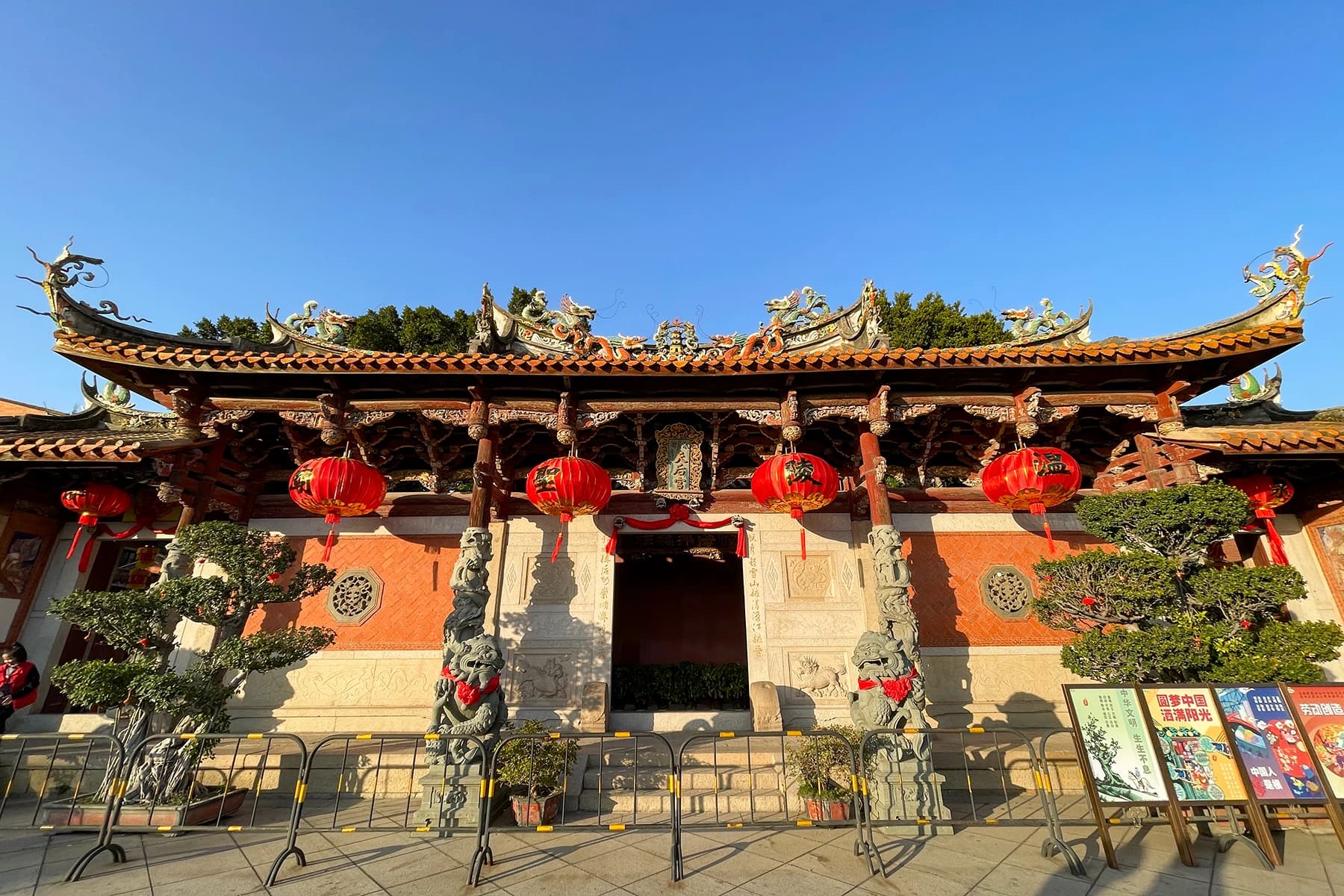
Photo: Windmemories · Source · CC BY-SA 4.0