Sanfang Qixiang
Sanfang Qixiang (三坊七巷), or Three Lanes and Seven Alleys, is Fuzhou's clearest introduction to domestic architecture, urban biographies and the scale of a historic neighborhood. Its essential experience is free: read the main street, turn into the quieter side lanes and notice how white walls, dark rooflines and deep compounds shape the district. Paid residences add depth; they are not an admission fee for the neighborhood.
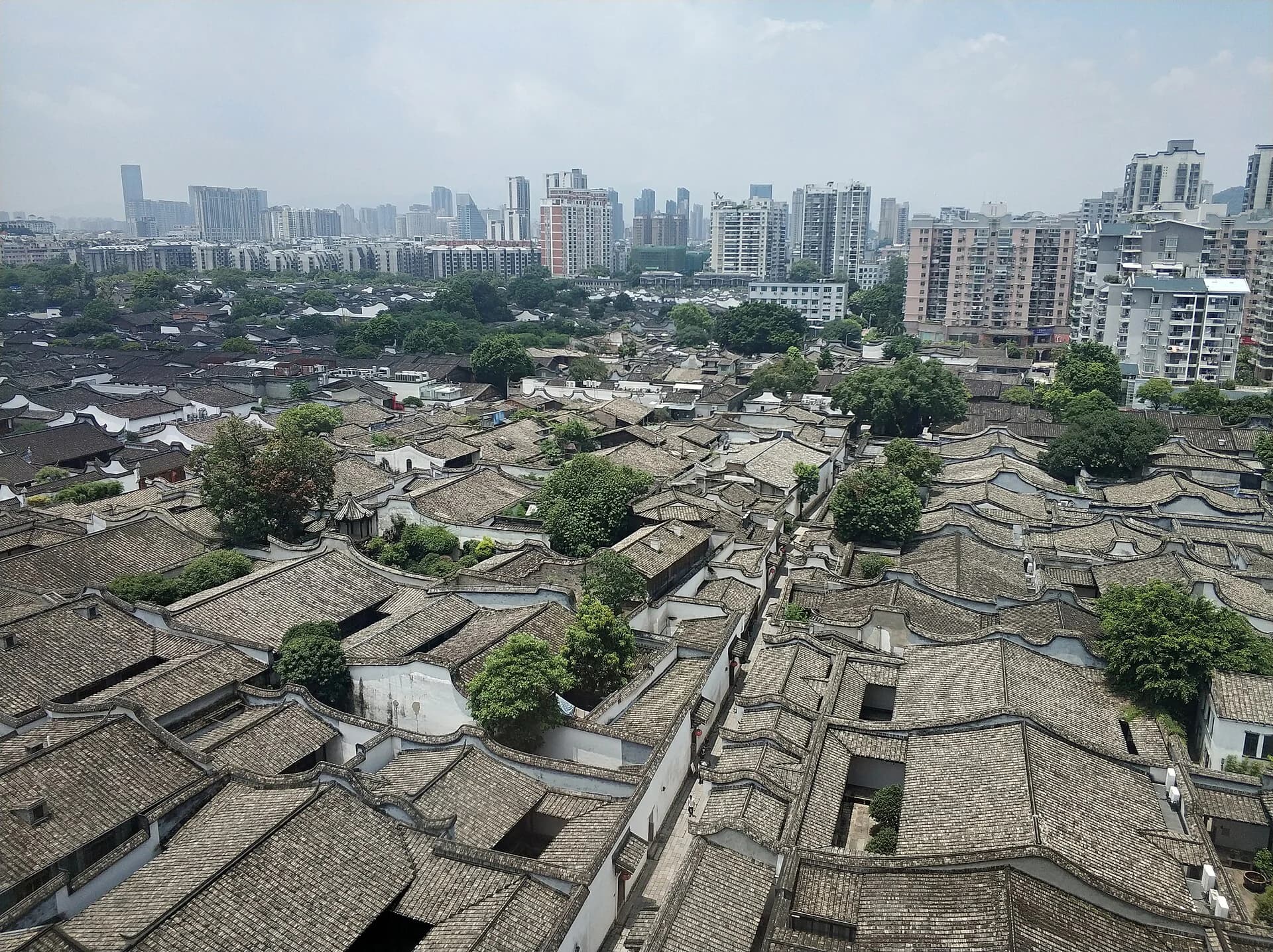
Photo: 董辰兴 · Source · CC BY-SA 4.0
Choose the depth, not just the duration
| Visit | Sequence | Best for |
|---|---|---|
| 90-minute sampler | Nanhou Street → two or three side lanes → Jibi Lane finish | Architecture and a first orientation |
| Two to three hours | Public-lane route + one or two selected interiors | Best balanced first visit |
| Half day | Slower lane reading + several biography or domestic-interior stops | Travelers who enjoy houses, social history and interpretation |
Arrive at the Sanfang Qixiang Visitor Centre on AMap on the north side. Use Nanhou Street as the spine, but leave it repeatedly for the lane fabric; finish around Jibi Lane on the south side. These are stable public landmarks, not promises that every courtyard forms one through-route.
Make the free walk visually specific
Look beyond the shopfronts. The district's value lies in the relationship between narrow lanes and deep residential compounds, fire walls, roof ridges, door surrounds and changing courtyard depth. A quieter side lane often explains more than another stop on the busiest commercial spine.
The area still contains conserved buildings, managed interiors and commercial public space. Treat closed doors as private or controlled unless signs clearly invite entry, and keep residents and worshippers out of close photographs. Current shops, performances and temporary displays can improve a particular visit, but they are not needed for the route to work.
Pick paid interiors by question
The operator's current baseline, checked in 2026, lists a CNY 70 joint ticket valid for two days, alongside individual tickets for selected residences and cultural interiors. The public lanes and specified public spaces remain free. Recheck the joint-ticket composition, re-entry method, opening time and any conservation closure for your date.
Choose one or two interiors rather than buying by quantity:
- Pick a domestic residence to understand room sequence, courtyards and family life.
- Pick a biographical residence when the figure's role in modern Chinese thought or public life matters to you.
- Pick an architectural performance space, such as the Water Pavilion Stage, for the relationship between courtyard, water and viewing space; current access does not guarantee a performance.
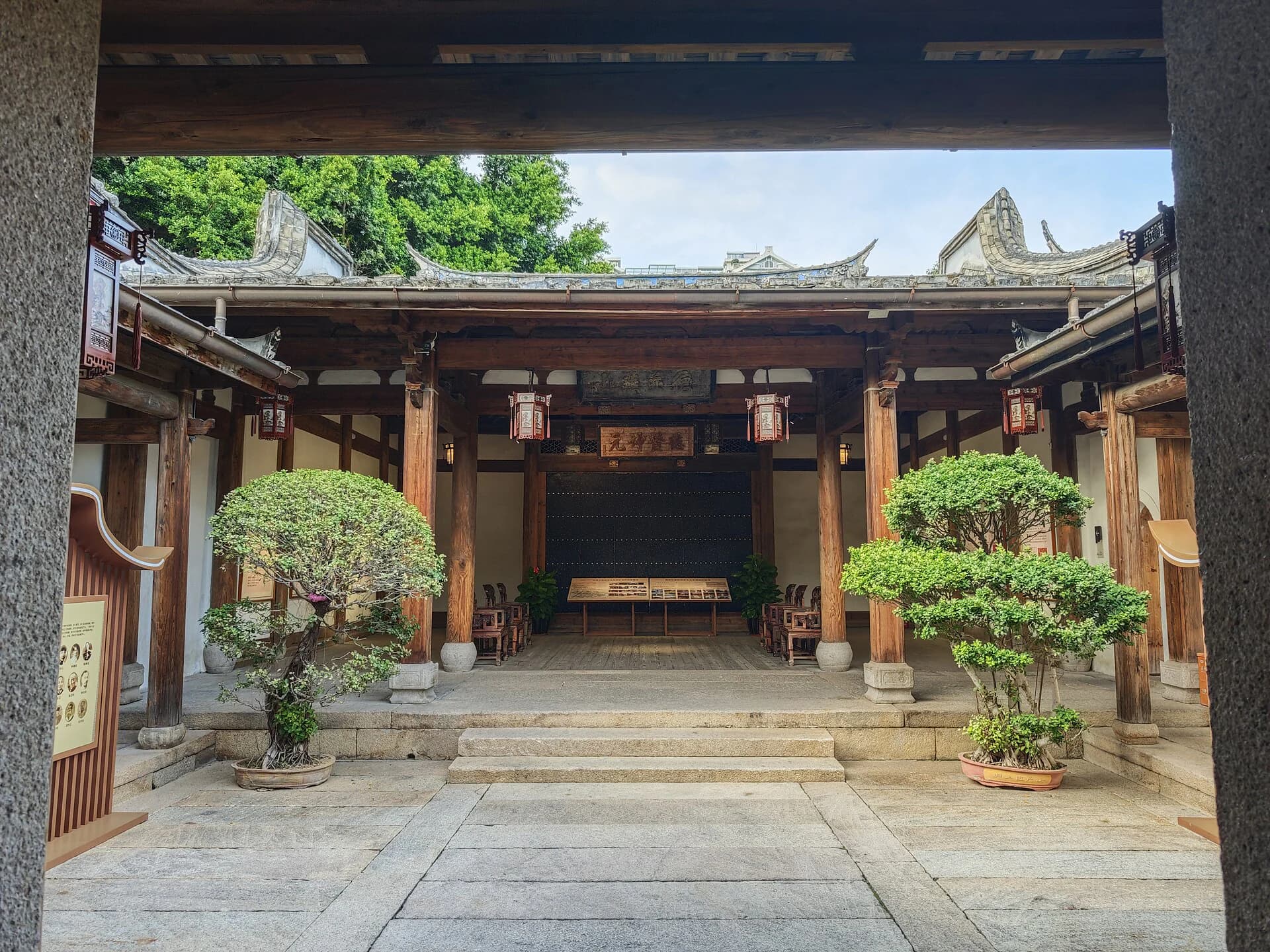
Photo: FradonStar · Source · CC BY-SA 4.0
Current international ticket listings do not provide a sufficiently clear passport-to-entry flow for these interiors. Carry the original passport and confirm at the visitor centre which paid interiors accept it at the window or through the current booking channel. Never enter placeholder identity details in a real-name system.
Fit it into the old-city day
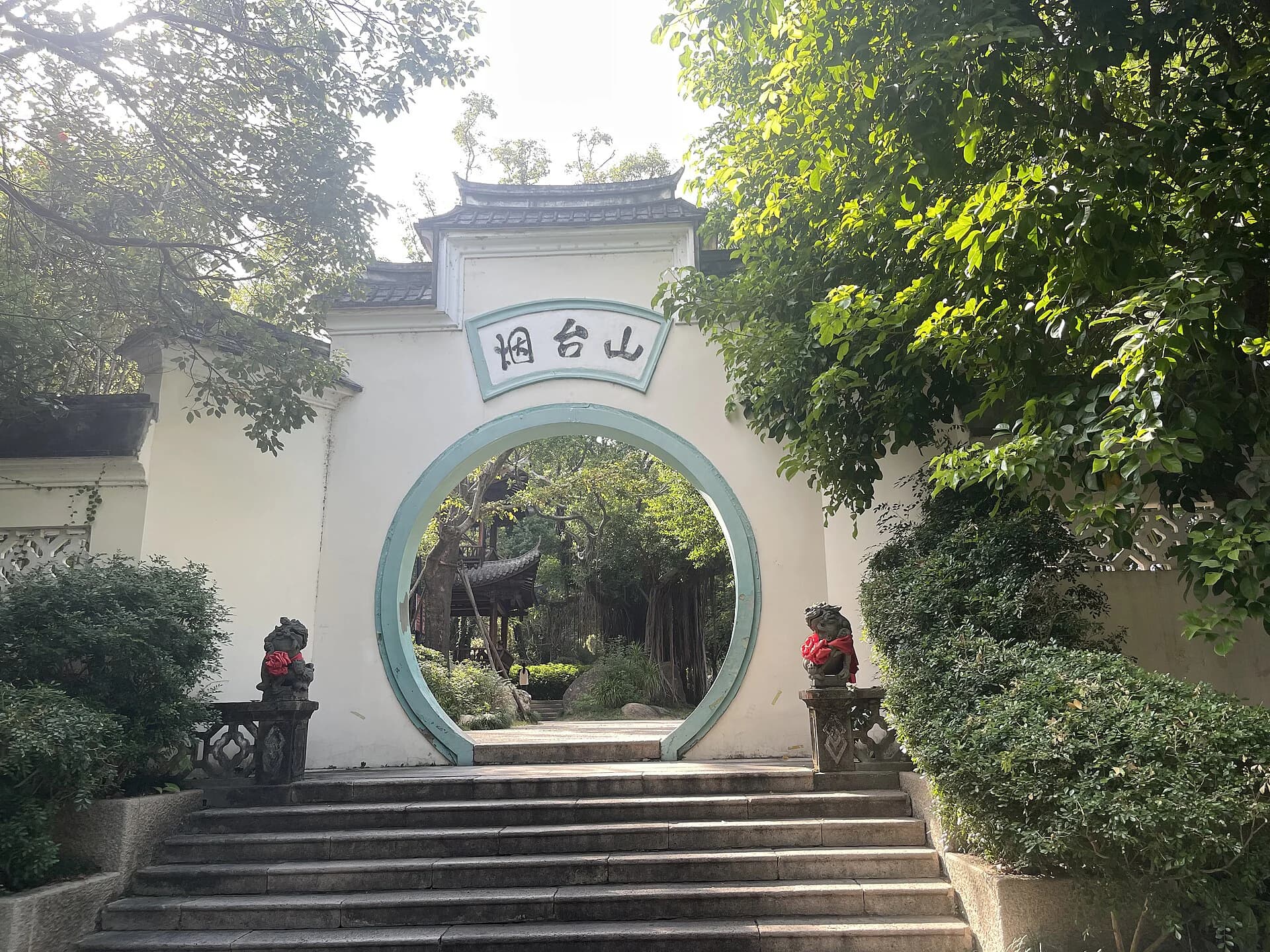
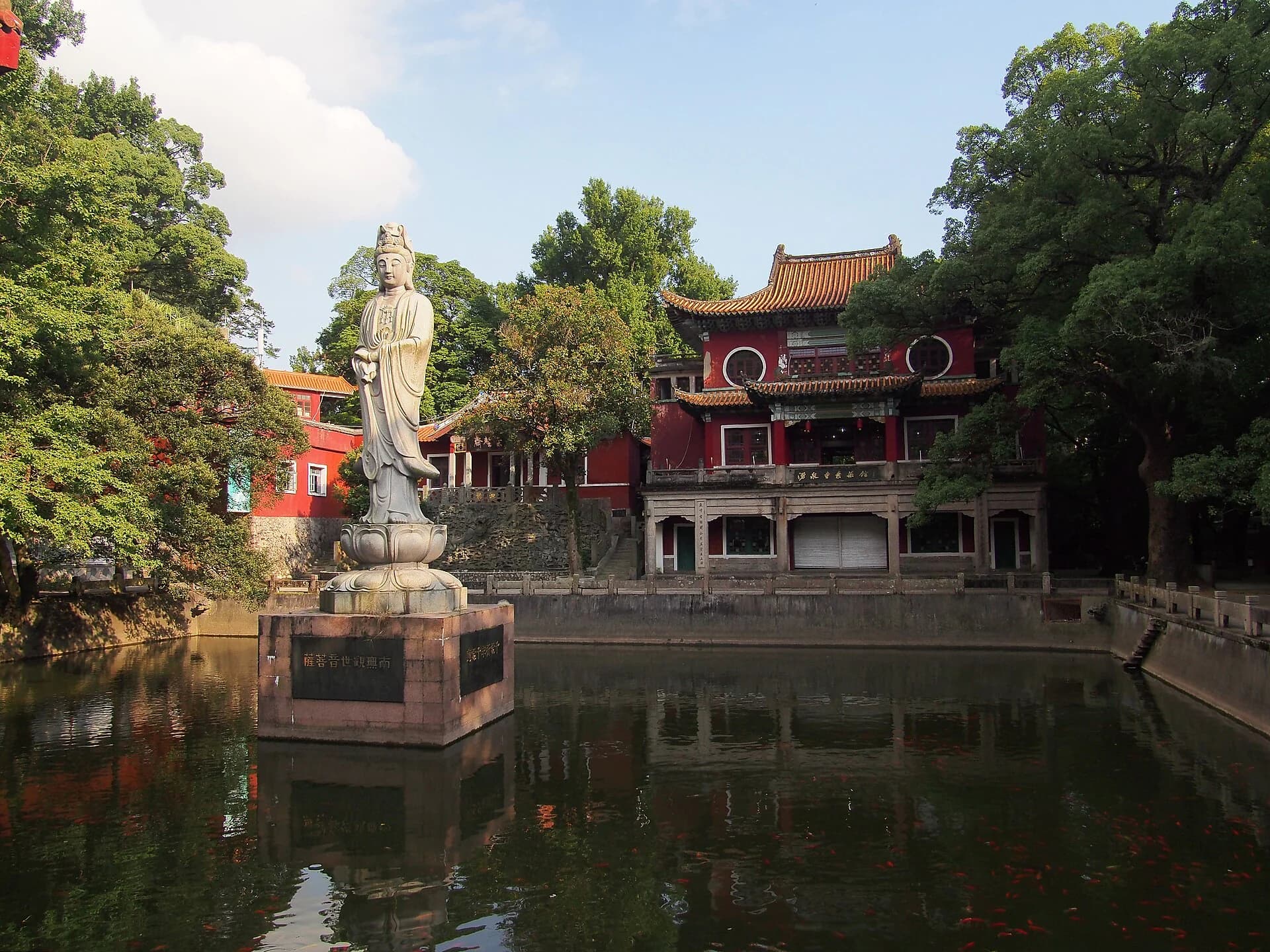
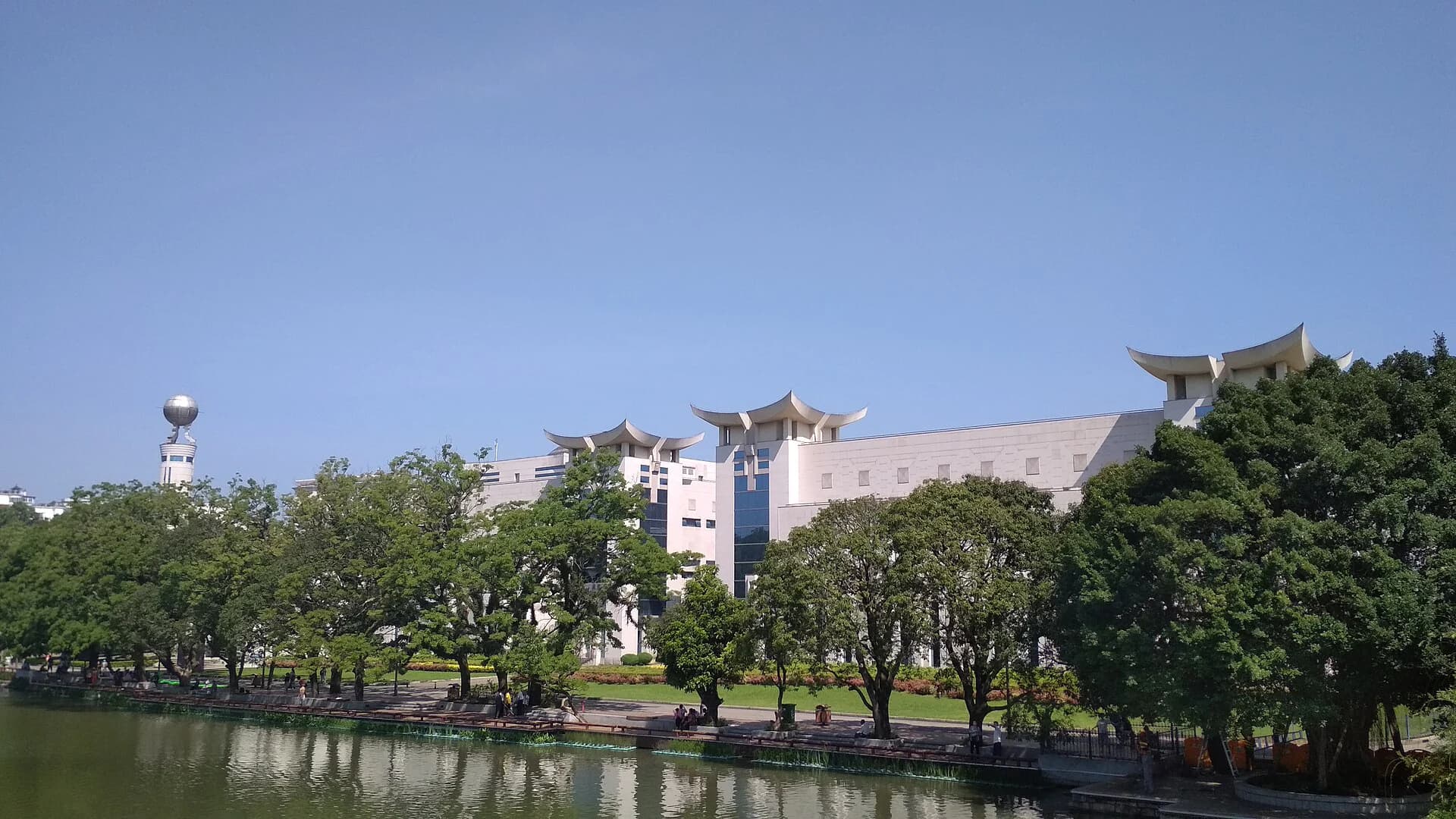
Fujian Museum is the easiest contrasting extension: AMap's model checked on 21 August 2026 put it about 1.5 km / 20 minutes on foot from the Sanfang visitor centre. Fuzhou Yantai Mountain is a separate river-slope cluster about 5.5 km away between visitor-centre nodes, so transfer rather than forcing an uninterrupted walk.
Use the Fuzhou guide to choose the wider two-day shape. In intense heat, put a paid interior or museum around midday; after heavy rain or a typhoon notice, confirm district and interior reopening before setting out.