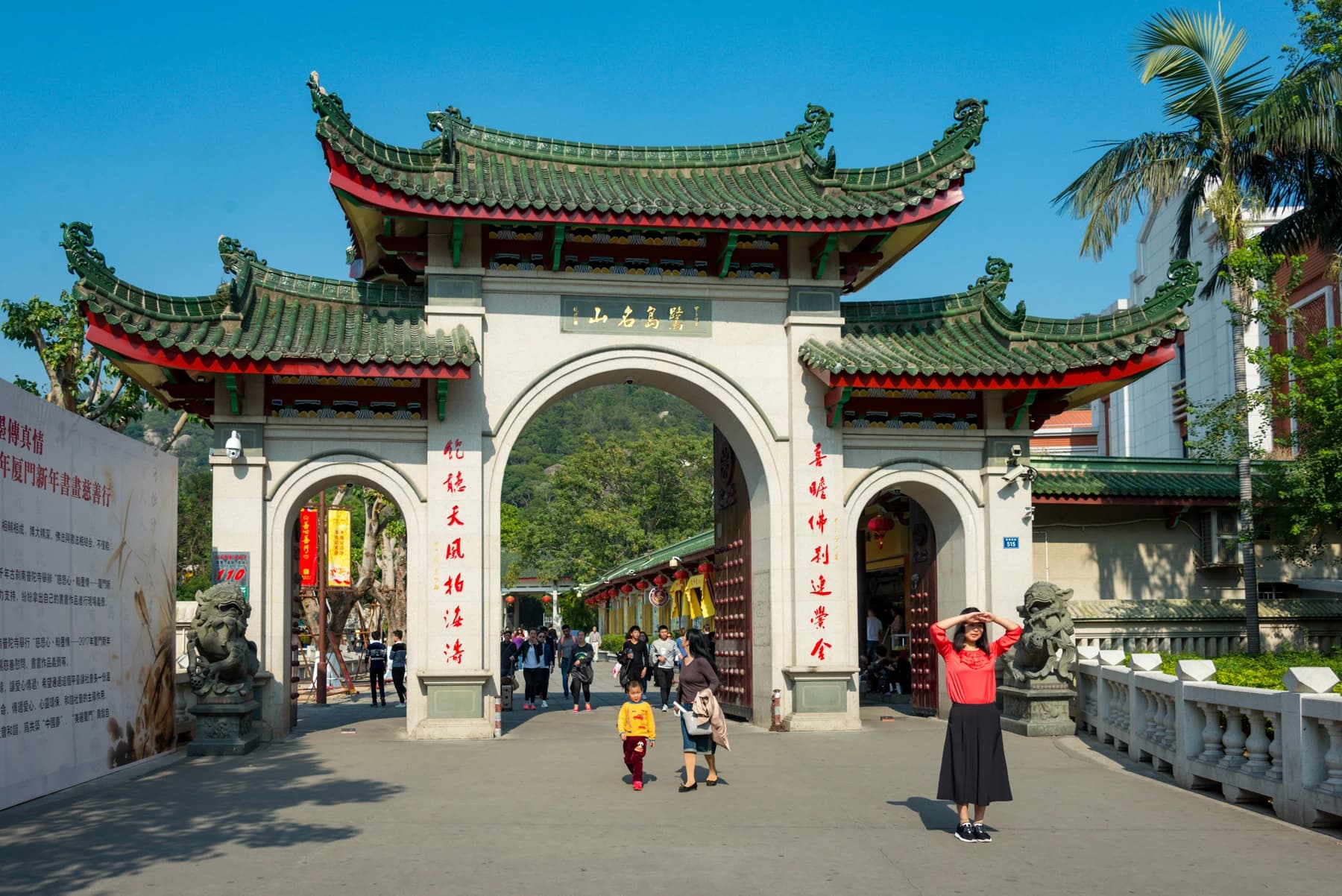
Hulishan Fortress
Hulishan is more useful than a single “giant cannon” stop. Its gun positions, walls, ammunition and observation relationship to the sea explain late-Qing coastal defence and the technologies entering Chinese maritime warfare.
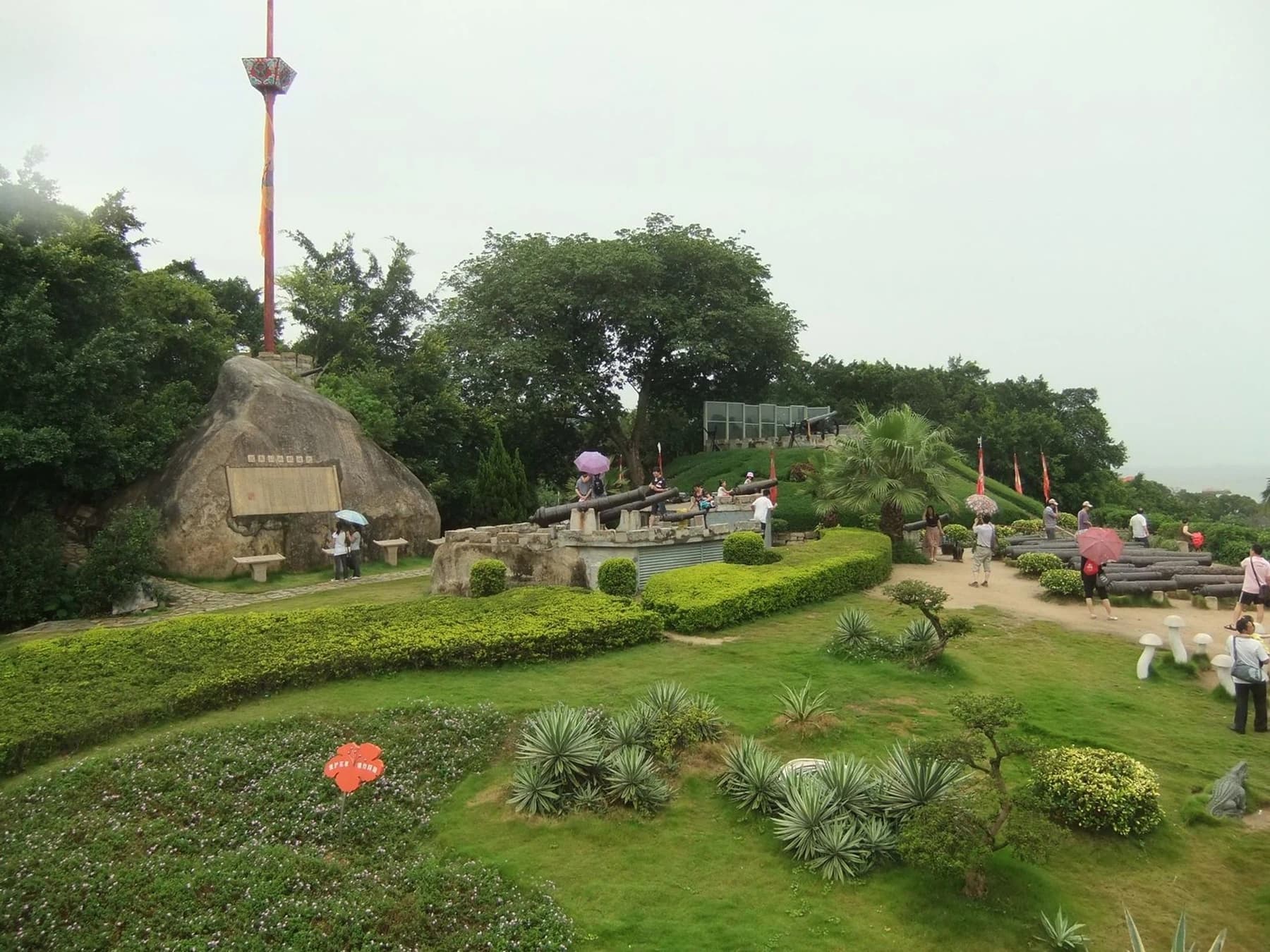
A focused 90-minute sequence
Begin with the site plan and coastline before approaching the major gun position. Ask what the weapon could see, how ammunition and personnel moved and where the fortification protected them. Then compare the surviving material with reconstructed or performance-oriented presentation.
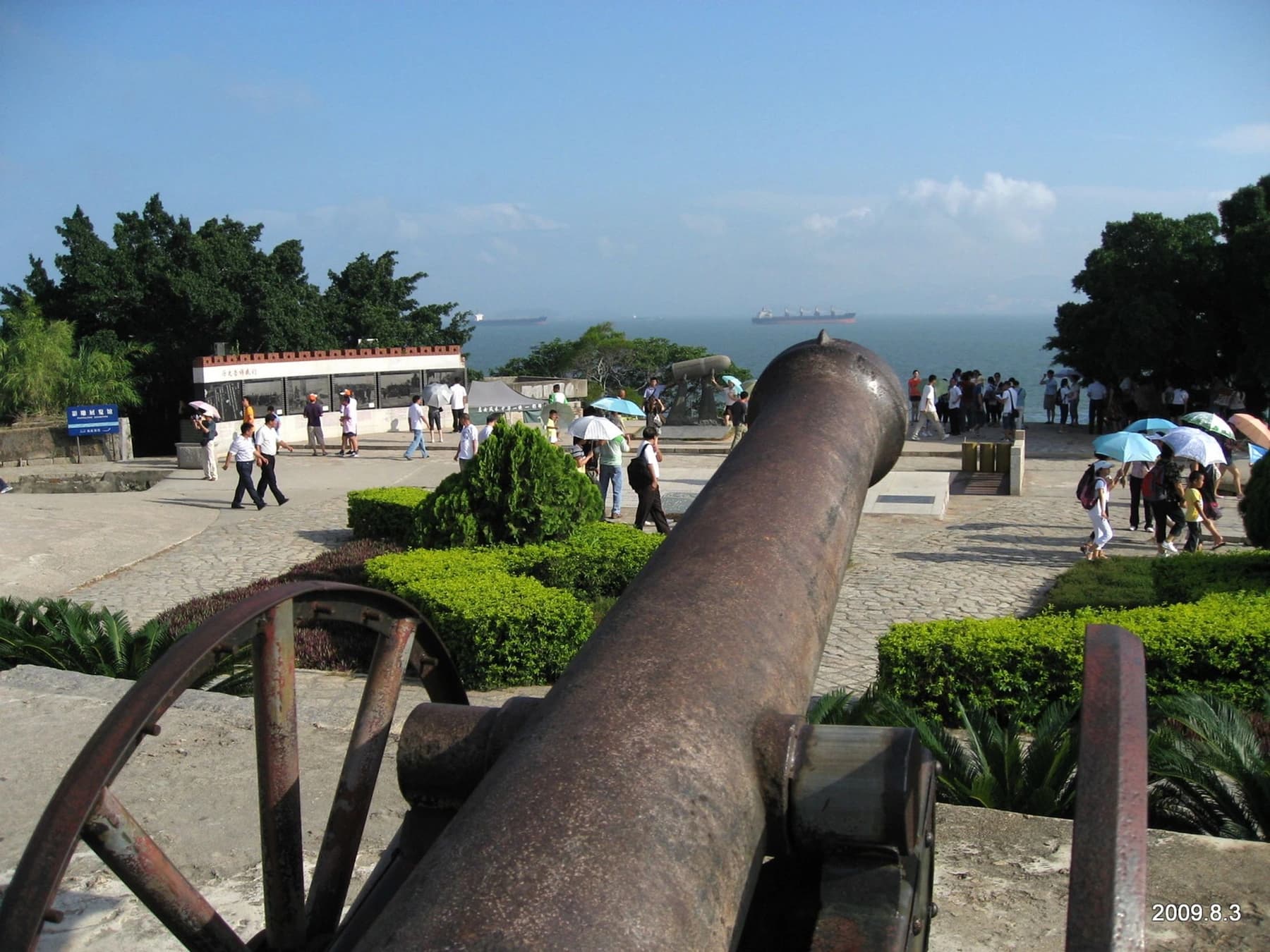
Photo: Tiger@西北 · Source · CC BY-SA 3.0
Live demonstrations and ceremonies can make the site accessible, but schedules change and performance is not primary evidence. Check the current venue notice; do not reorganize the day around an old show time.
The current live listing gives a useful seasonal baseline: 08:00–17:30 with ticket sales ending 17:15 from October through May, and 08:00–18:00 with sales ending 17:45 from June through September. It currently shows CNY 25 adult / CNY 12 student and 10:00 and 16:00 drill performances, which may be cancelled in rain or changed for events. Open the exact Hulishan Fortress listing on Trip.com and match the visit date before purchase.
Distinguish object, system and show
The large coastal gun is an object. The walls, magazines, movement routes and sight lines form the system. A staged ceremony is a modern interpretive product. Label each layer correctly and the visit remains useful even when no performance runs.
At the sea-facing positions, compare the historical field of view with today's buildings and coastal road. Use dated signs to understand installation, restoration and display history; weathering alone cannot establish authenticity. Avoid repeating precise range or battle claims unless the venue's current interpretation supports them.
Place it in the coast route
Arrive after Shapowei by a roughly 3.1 km / 8-minute vehicle transfer in route planning. After the fortress, continue east to Huangcuo—about 5.8 km / 12 minutes by car before traffic—or stop at nearby Baicheng for a shorter day.
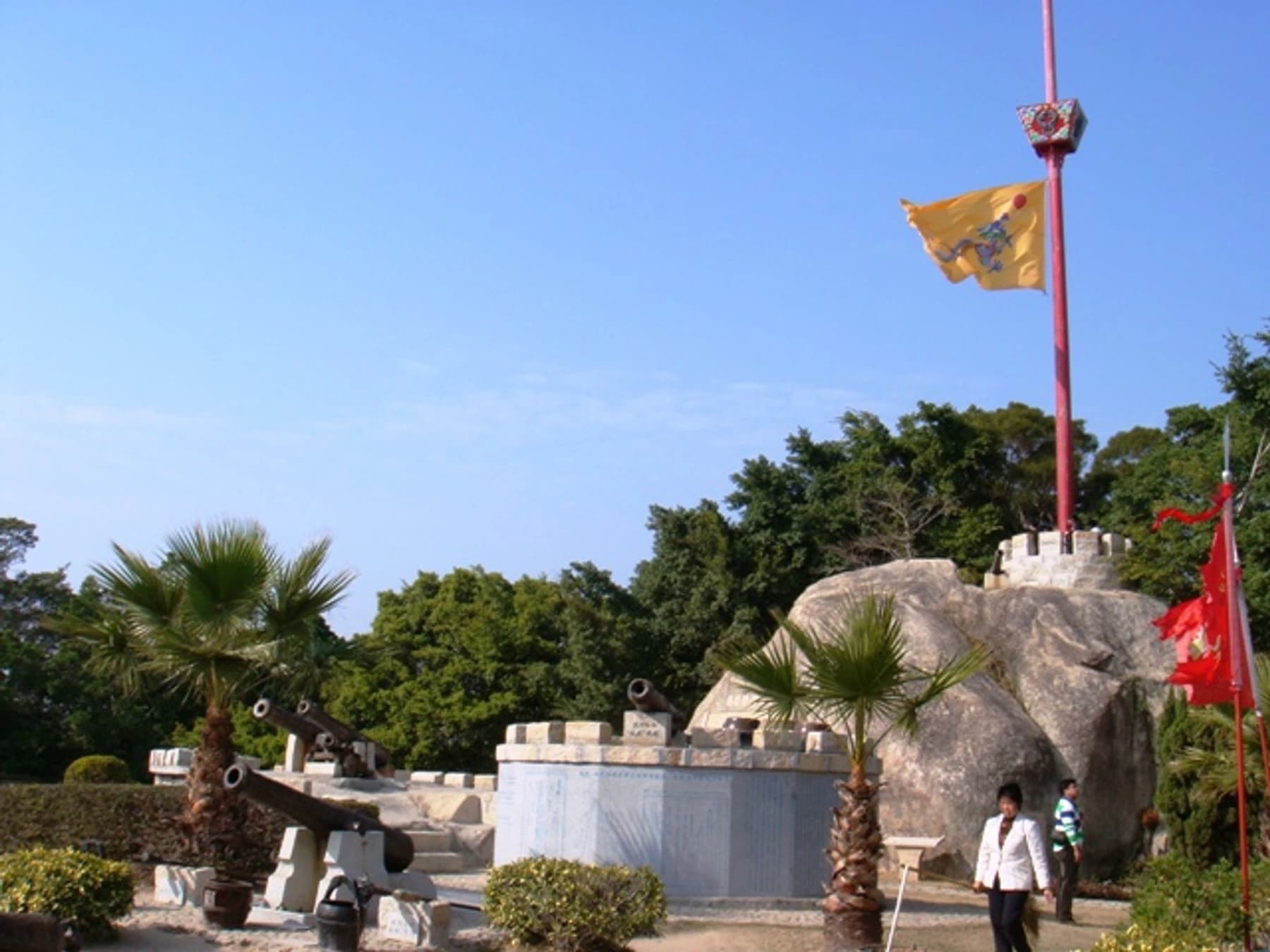
Photo: User: (WT-shared) Shoestring at wts wikivoyage · Source · CC BY-SA 4.0
Practical cautions
The site includes steps, exposed stone and limited shade. Heat and rain affect both comfort and grip. Check current admission, last entry, performance and controlled-area notices from the venue. Do not climb barriers for a sea view; use signed viewing areas.
Save 胡里山炮台 and use the staffed visitor entrance, not a beach-side map shortcut. Morning is cooler and leaves the coast flexible afterward. If rain closes exposed positions, keep the site plan and indoor interpretation, then move to Zhongshan Road's arcades.
For transport, Xiamen's metro and BRT are useful for city clusters, but the final coast connection may still require a bus or ride-hail. Do not accept a driver's claim that a shopping or boat stop is required. Set the exact next destination and compare the route in your own map.
If the performance is cancelled, the ticket still buys access to the fortification, gun, exhibition rooms and managed sea viewpoints; decide value on that basis. The posted phone 0592-2088313 is the practical check when late admission, accessibility or a controlled coastal section determines the route.