Qingjing Mosque Quanzhou
Qingjing Mosque is most useful as evidence of the Muslim merchant community within maritime Quanzhou. Start with the monumental stone gate, then look across the ruined open-air prayer-hall fabric before distinguishing the protected historic remains from present religious use.
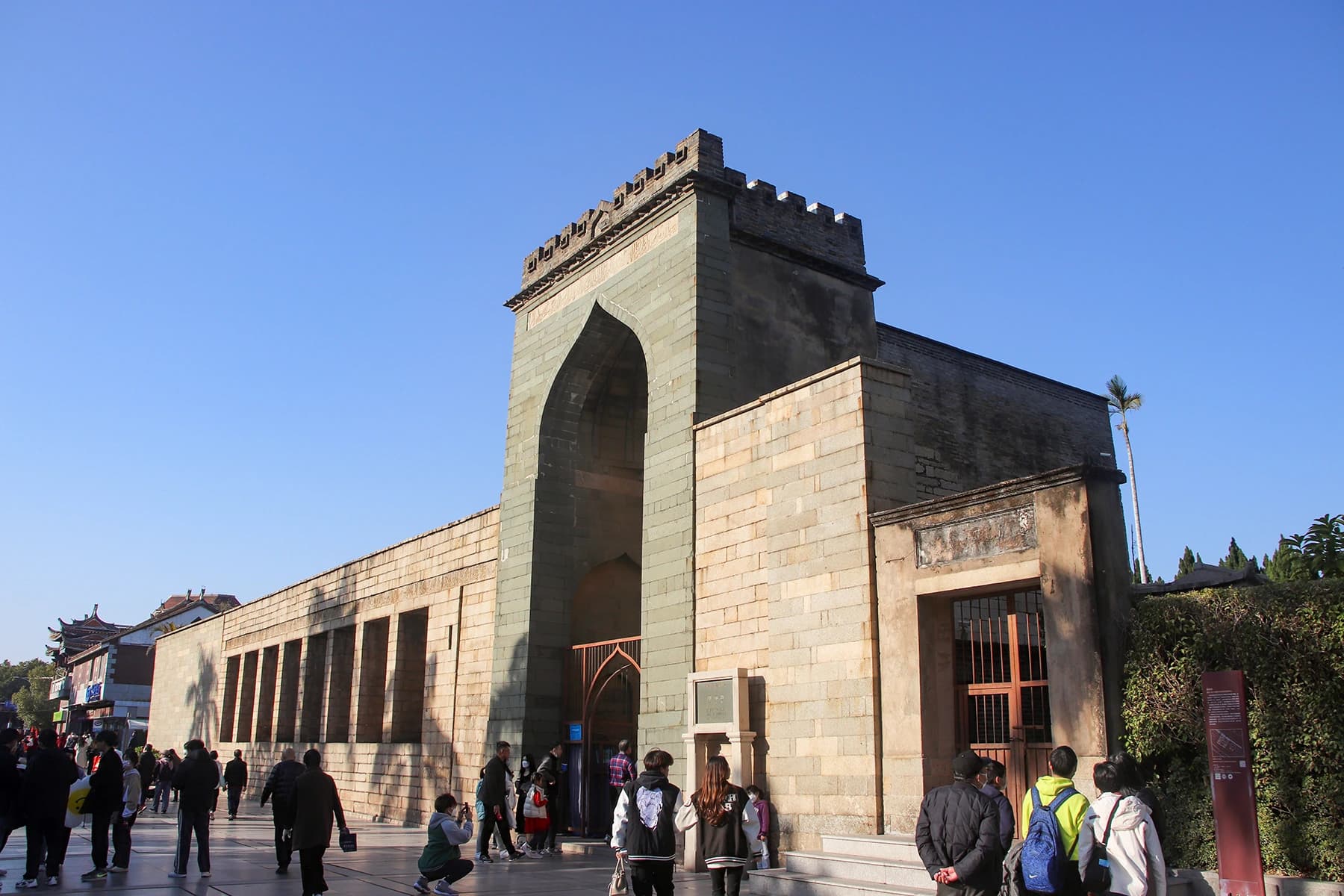
Photo: Windmemories · Source · CC BY-SA 4.0
Allow 45–75 minutes. Clothing should cover shoulders and knees; voices, tripods and posed photography should never interfere with worship. Access to an active prayer area can change by prayer time, religious event or site instruction. A general admission listing is not a promise that every section is open.
The verified map location is on Tumen Street. Pair it with Kaiyuan Temple to compare communities, then continue roughly 1.6 km by road to Tianhou Temple and Deji Gate. This sequence explains the port better than adding another unrelated shrine.
What to notice
Pause outside the main arch before entering. Its masonry and form create a different architectural language from the timber temple complexes elsewhere in the old city. Inside, use the surviving walls and courtyard plan to reconstruct the former prayer space, then let current labels separate protected remains from later additions and active facilities.
Quanzhou's value is the coexistence of communities connected through maritime exchange. A useful city walk therefore compares Qingjing Mosque with Kaiyuan Temple and Tianhou Temple without pretending that the traditions are interchangeable. Give each site its own etiquette, vocabulary and time.
Visit respectfully
Save the Chinese name 清净寺 and carry a light layer for shoulders and knees. Avoid prayer periods when possible, keep phones silent, and never photograph a person at worship without direct permission. If staff restrict a room or ask visitors to wait, treat that as normal religious-site management rather than a missing attraction.
Allow extra time to read the stone inscriptions and interpretation. A quick arch photograph misses the central question: how a Muslim merchant community became part of medieval Quanzhou's urban and commercial life.
Build an old-city sequence
Visit Kaiyuan Temple early, use Qingjing Mosque as the middle context stop, and finish at Tianhou Temple and Deji Gate. Short rides can preserve energy, but walking selected segments reveals the present-day street network. West Street is optional commerce within this route, not its organizing principle.
Before leaving, check the official Quanzhou tourism portal for current access. Do not rely on a social post for dress, ticket or prayer-area rules; staff instructions on the day are definitive.
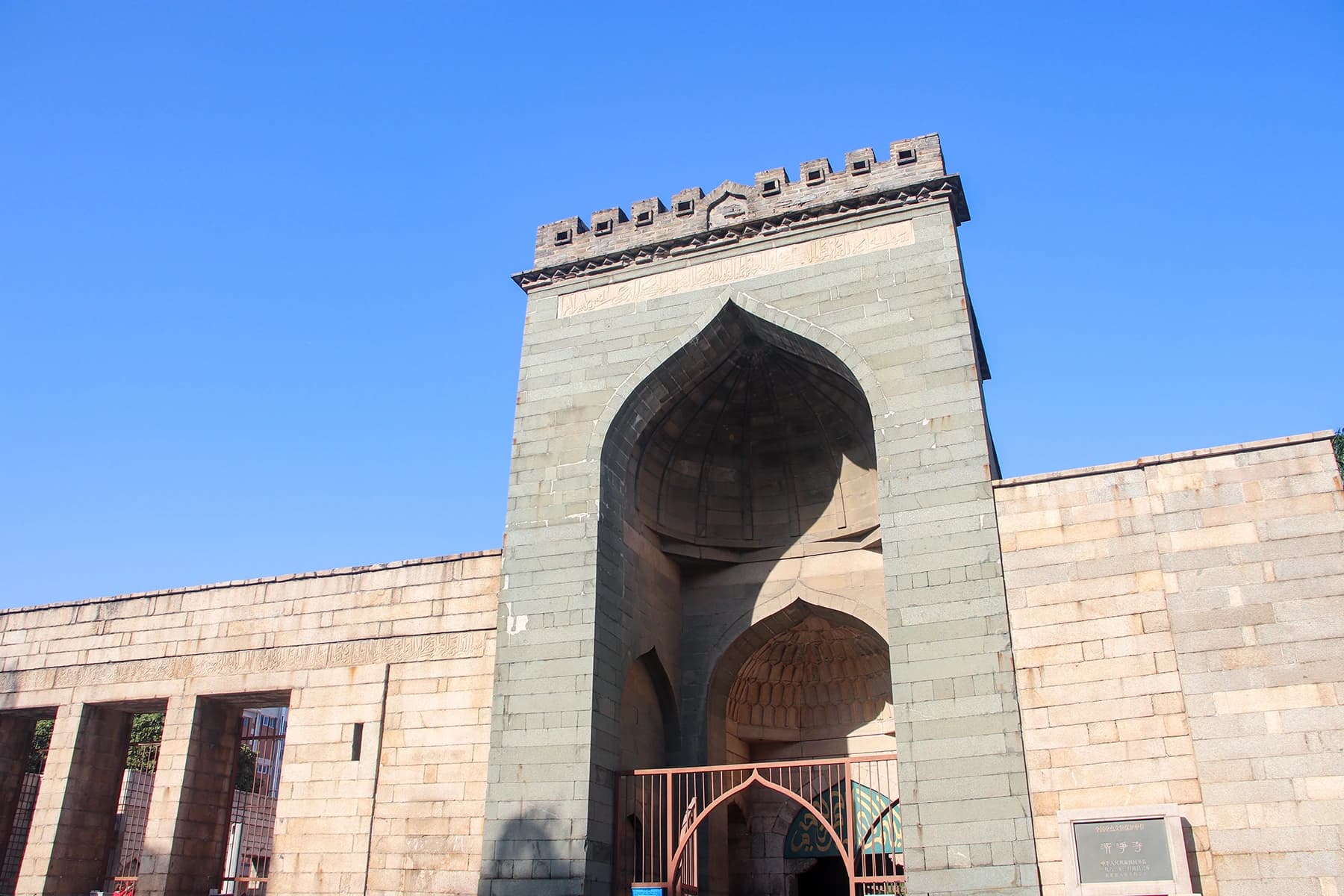
Photo: Windmemories · Source · CC BY-SA 4.0
Check the current official heritage or culture-and-tourism notice for opening, ticket and conservation restrictions. On-site interpretive labels take priority over social-media captions.
Choose Qingjing Mosque if Quanzhou's maritime exchange and religious diversity are central to your visit; skip it as a standalone detour if you only want a large intact prayer hall. The compact route includes old stone, thresholds and exposed courtyard space. In heavy rain or strong heat, shorten the exterior reading; visitors avoiding steps should ask staff which historic remains and active areas are reachable without crossing a restricted or uneven threshold.
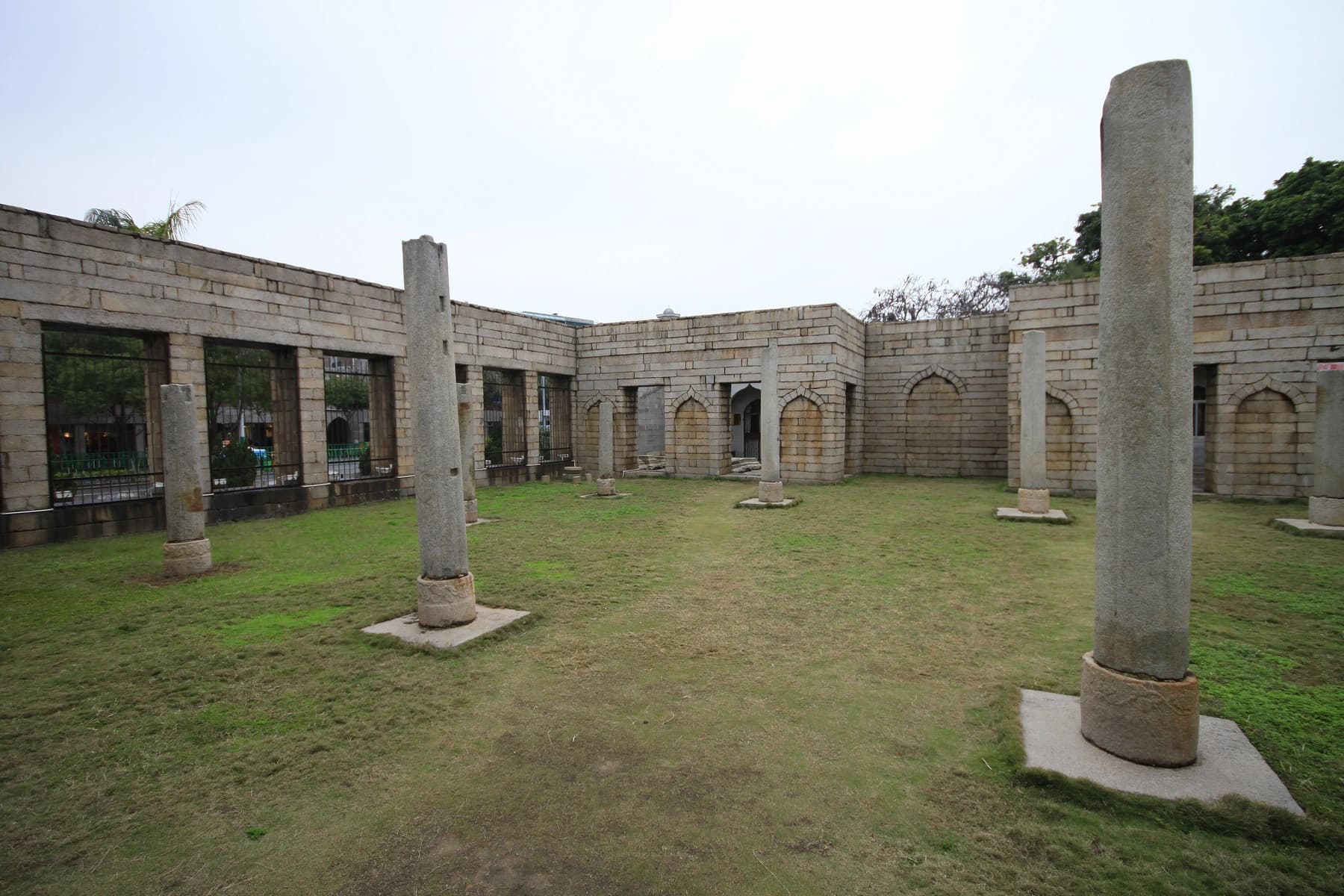
Photo: Zhangzhugang · Source · CC BY-SA 4.0