Quanzhou
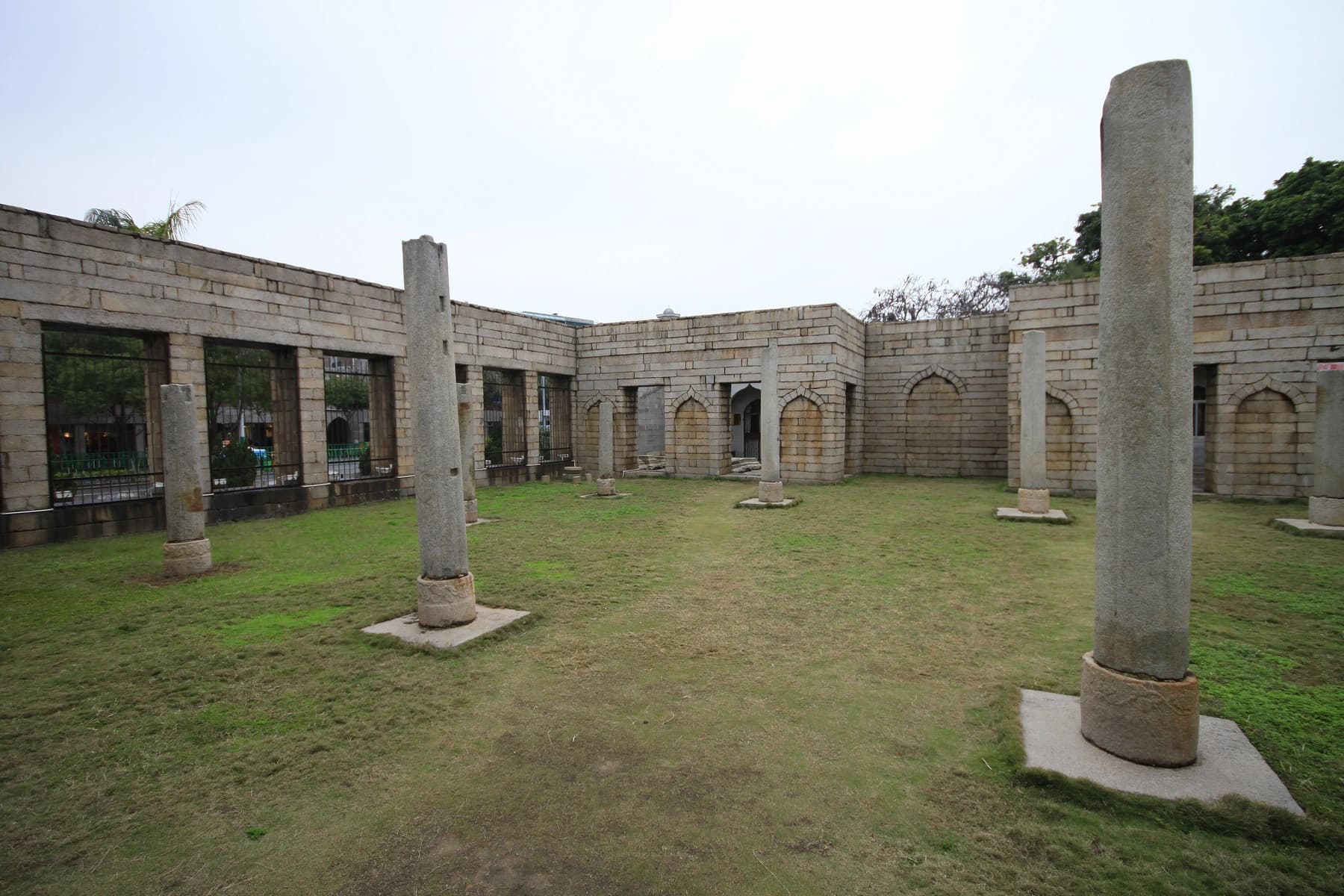
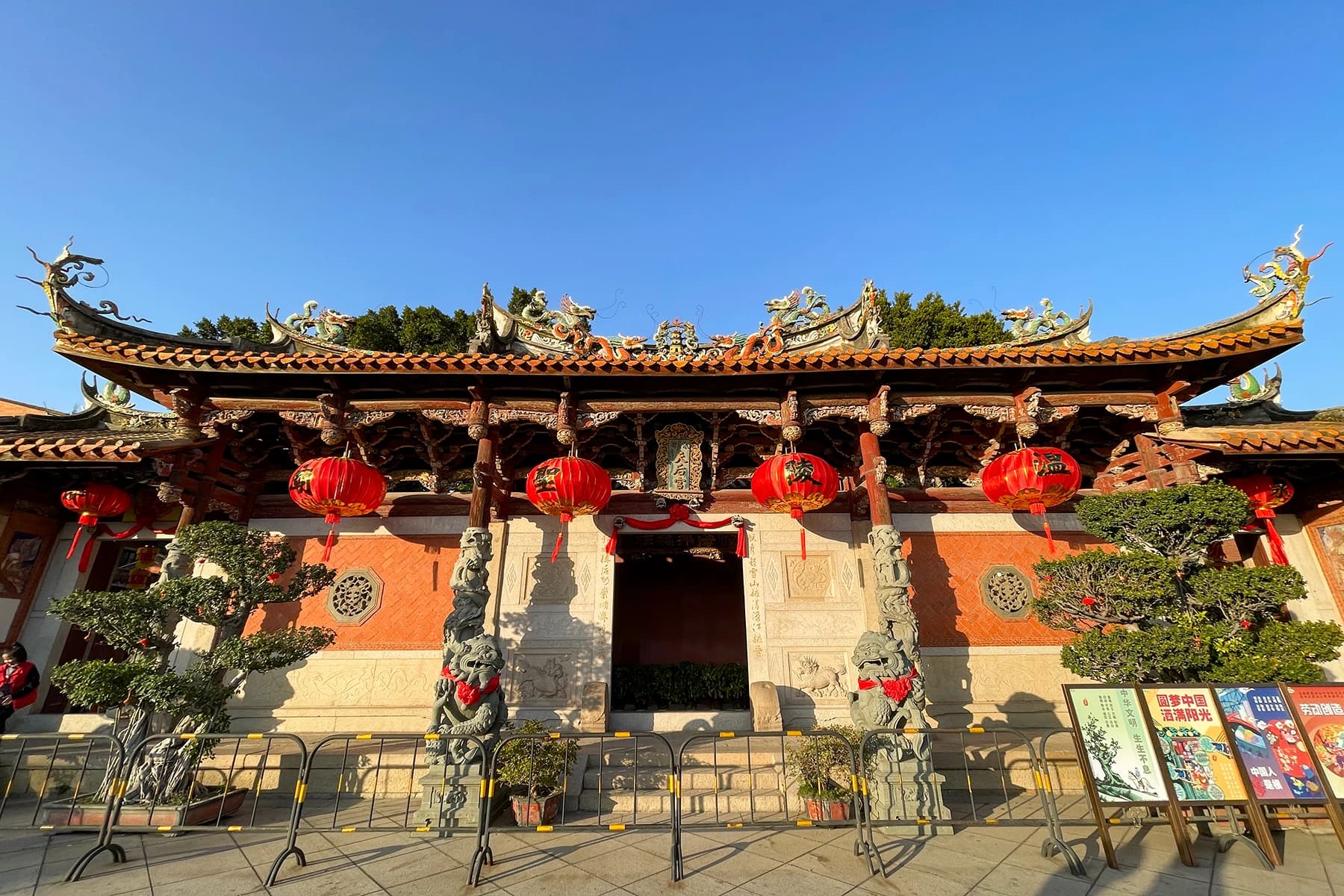
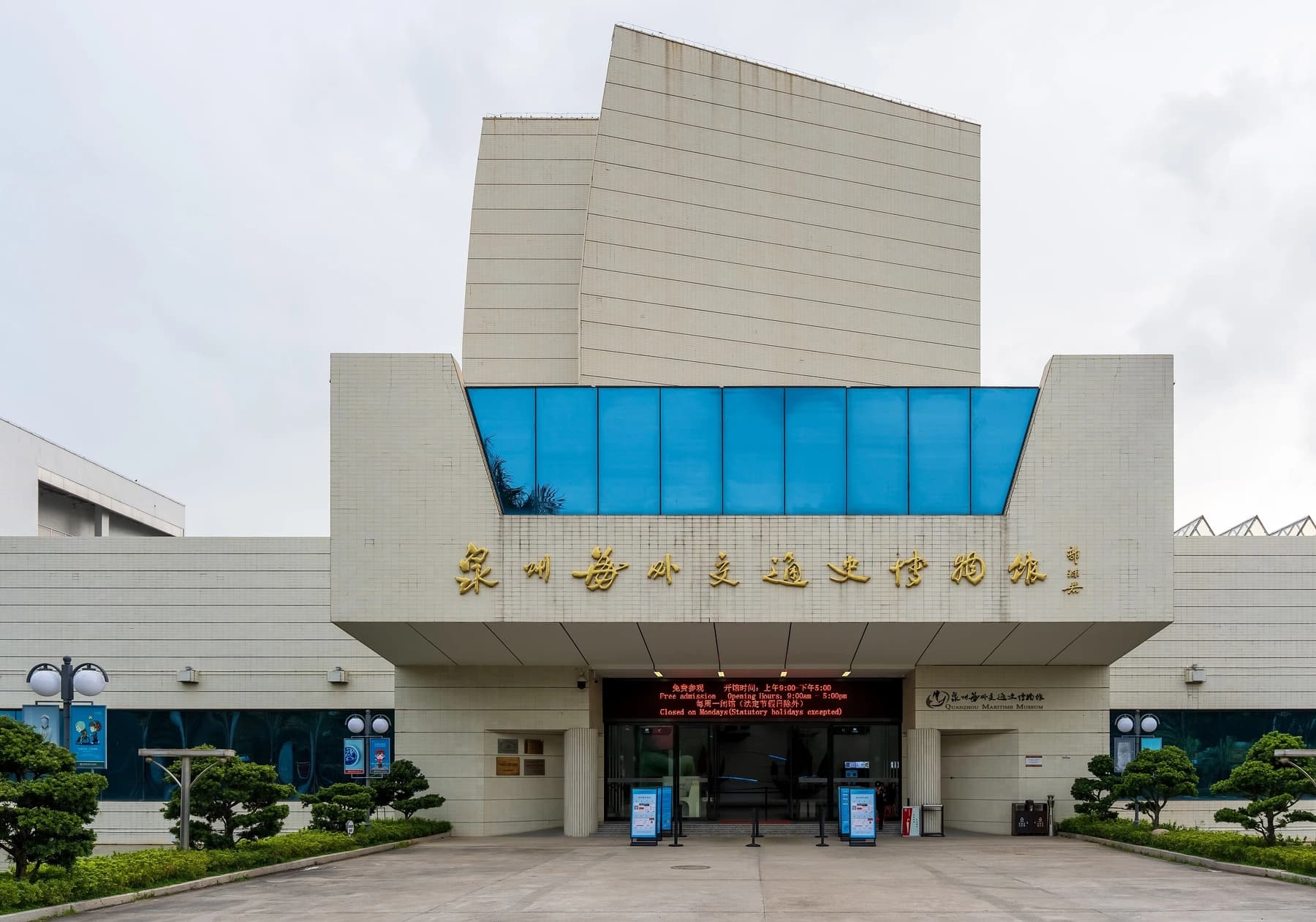
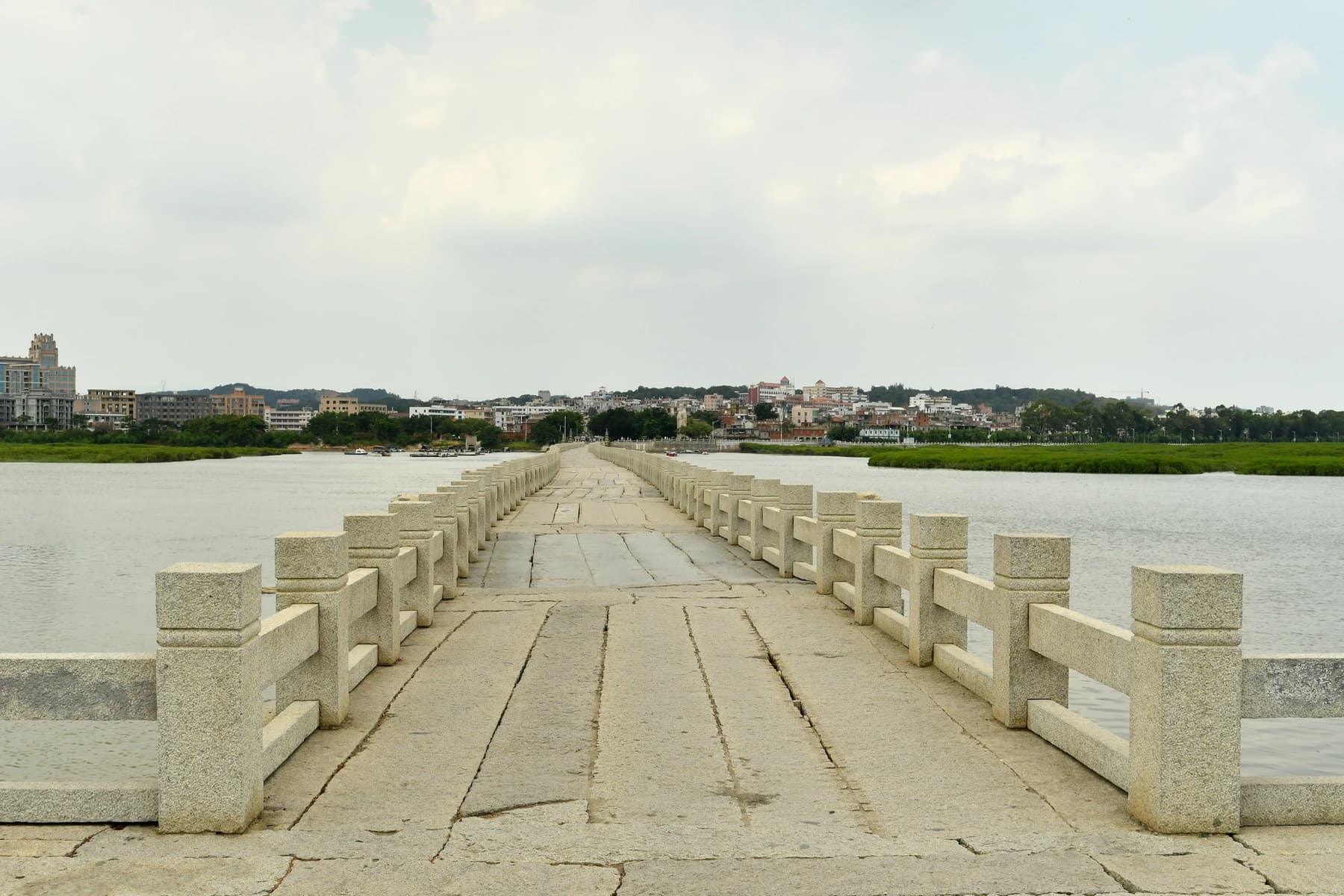
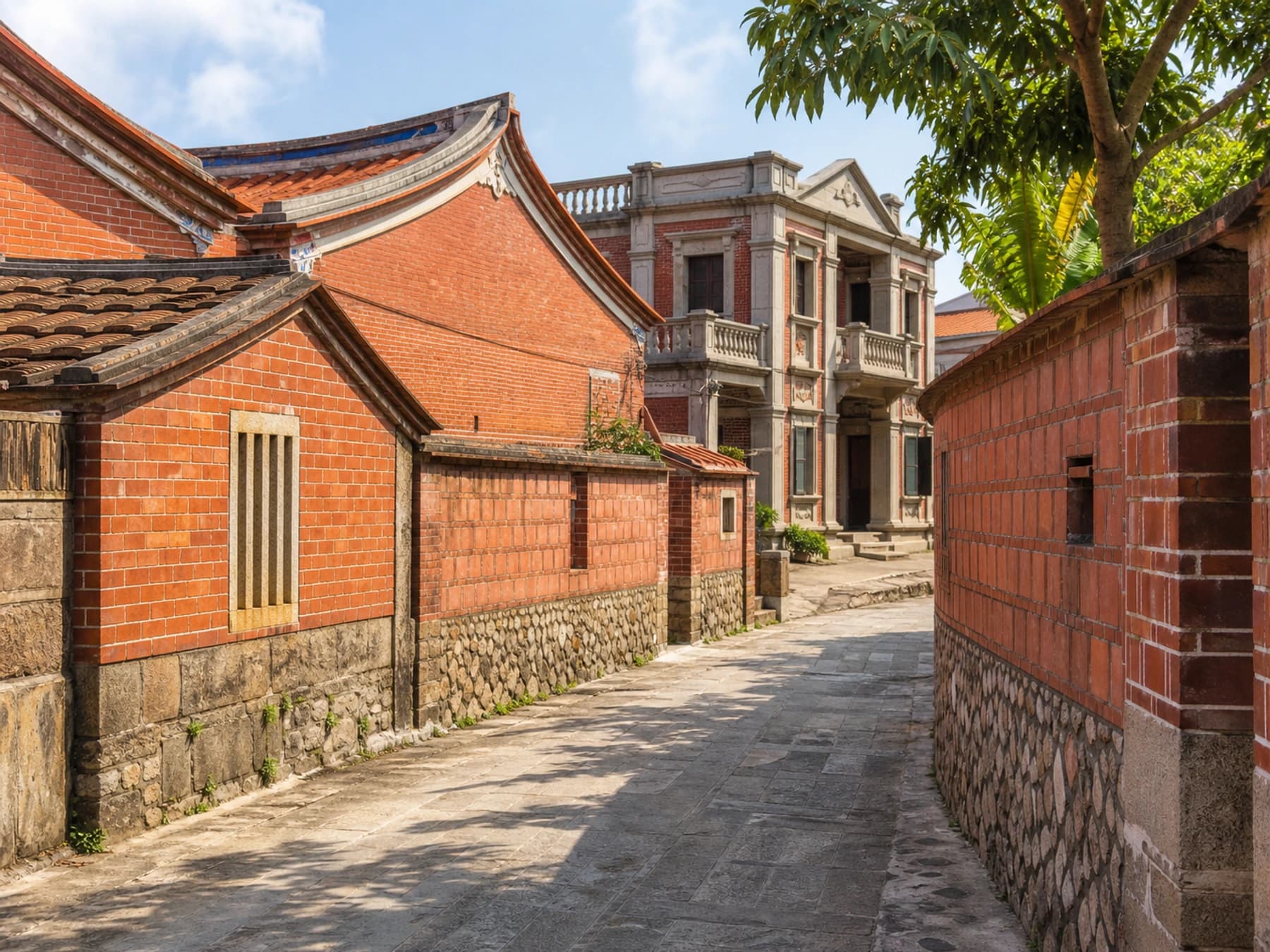
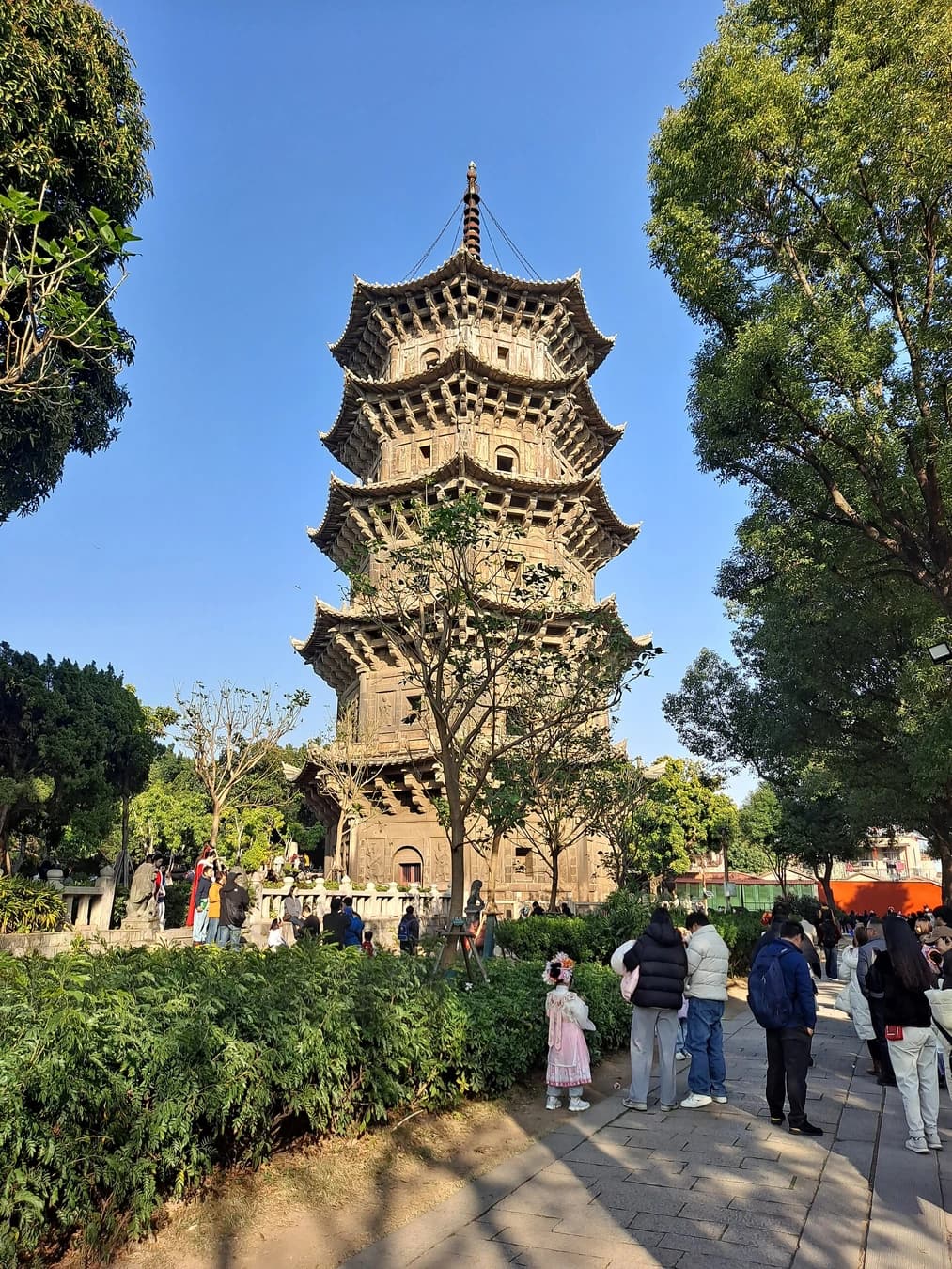
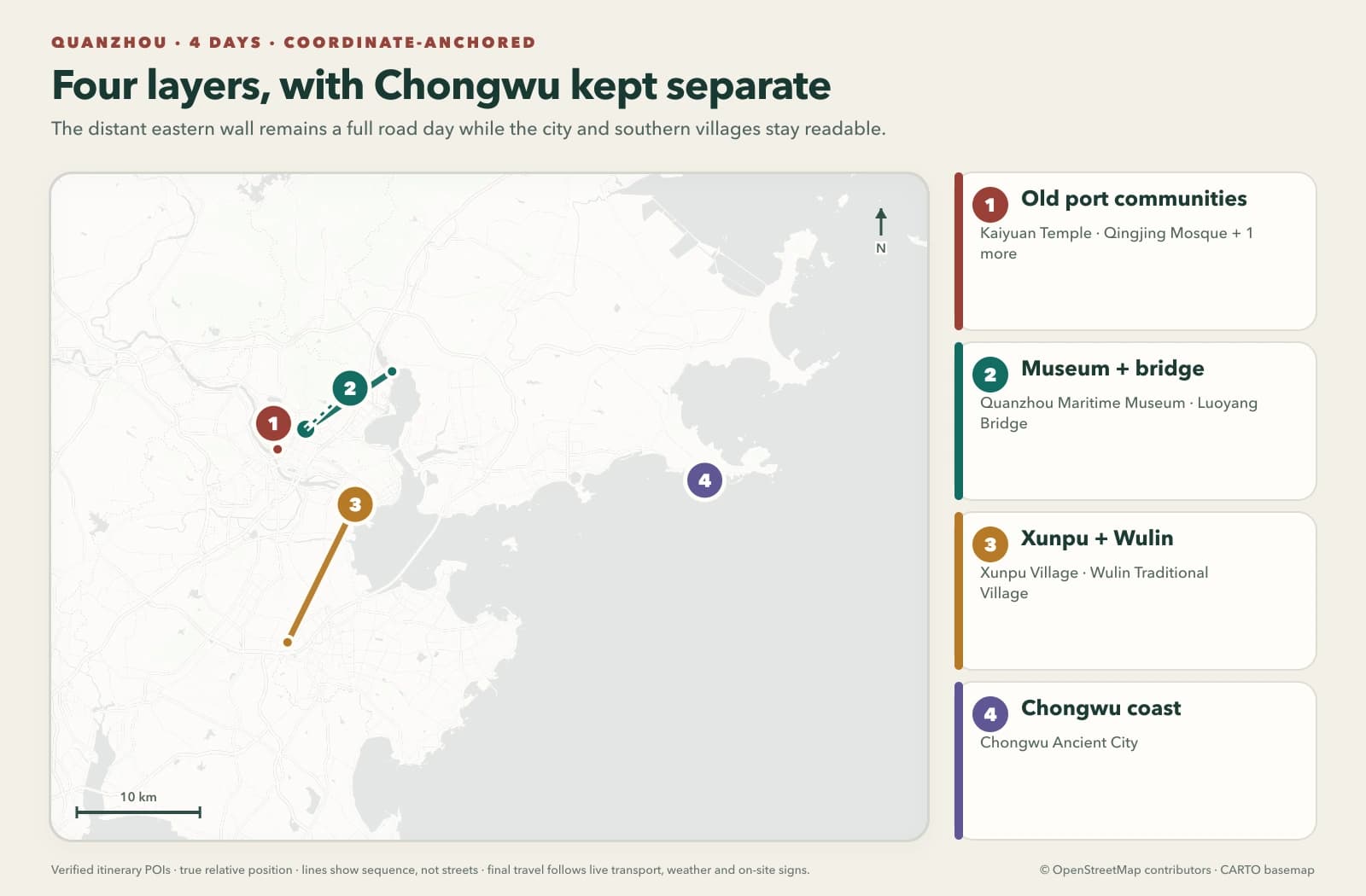
Quanzhou makes sense when each stop answers one question about the Song–Yuan maritime port. Kaiyuan shows Buddhist patronage and city scale; Qingjing Mosque and Tianhou Temple reveal different seafaring communities; Deji Gate marks the southern port corridor; the Maritime Museum supplies the missing trade context; Luoyang Bridge explains infrastructure. Xunpu, Wulin and Chongwu then extend that story into living coastal and overseas-Chinese landscapes.
It is strongest for architecture, religious history, food and slow street observation. Choose Xiamen instead if your first priority is a polished island break; choose Quanzhou if you want to understand how a trading port still shapes an ordinary working city. Two days cover the core. Three is the sweet spot. Four works only if the coast matters enough to justify another road day.
Choose the route
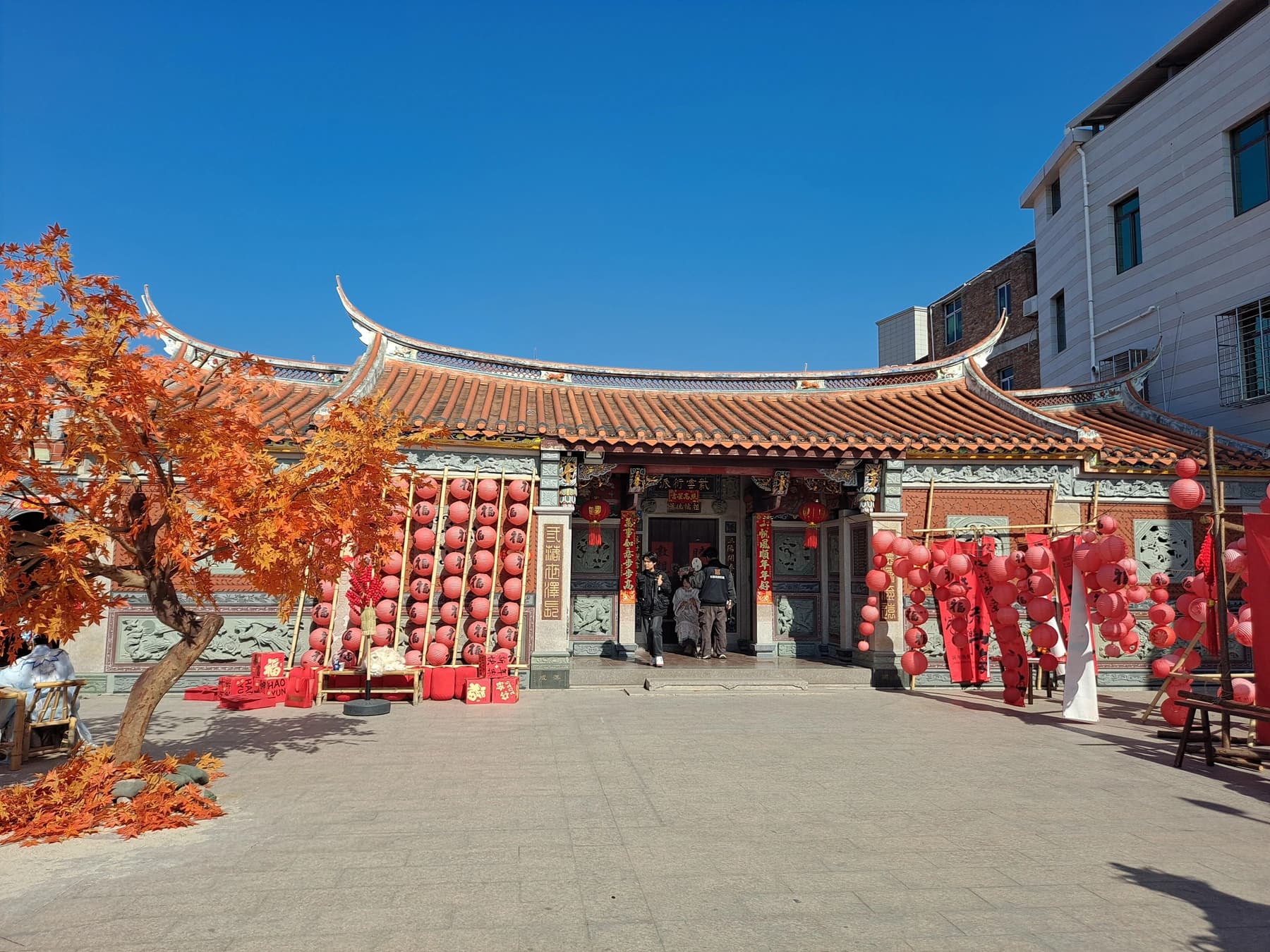
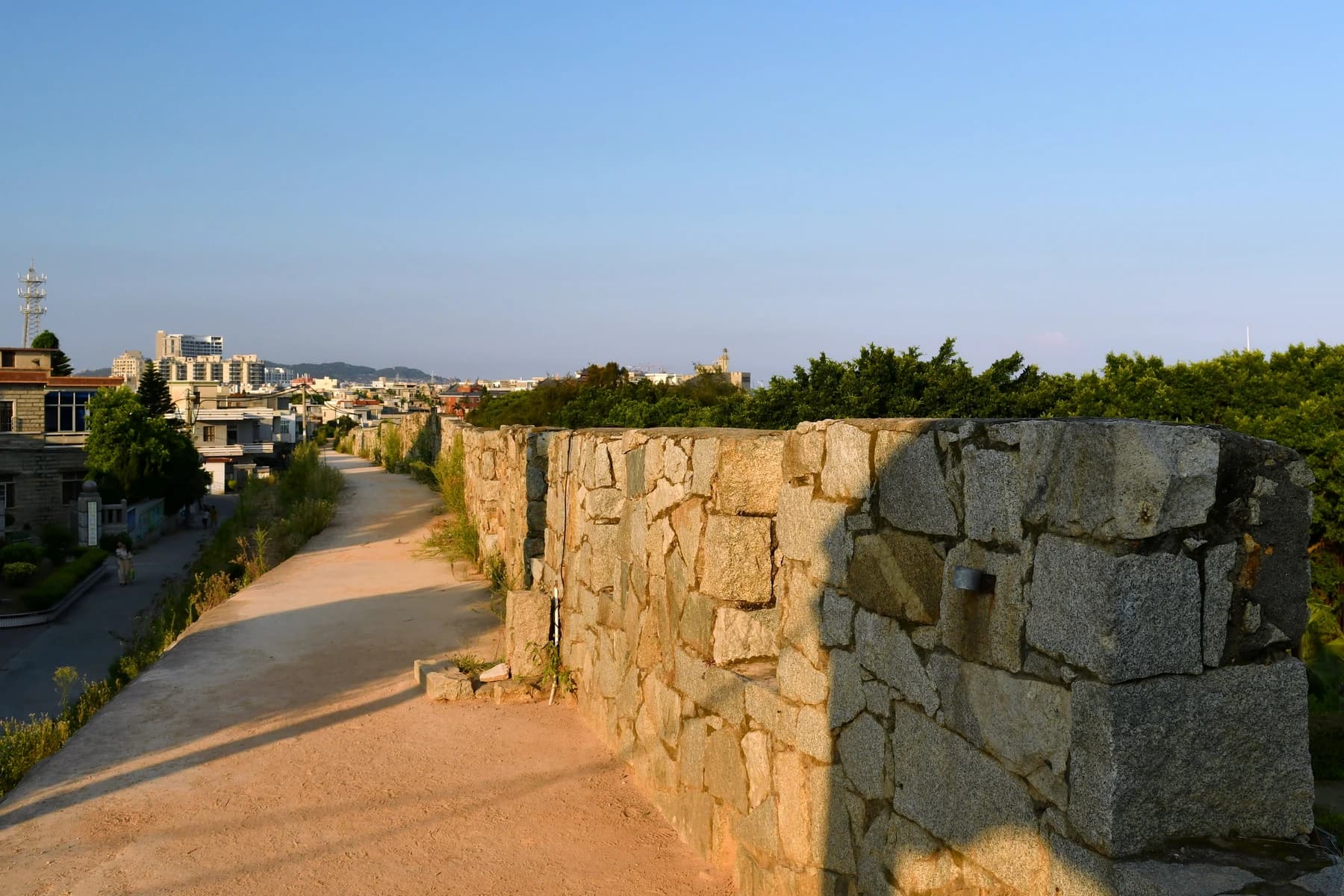
- 2 days: old-city faith and port institutions, then the Maritime Museum and Luoyang Bridge.
- 3 days: add Xunpu and Wulin as one southward road day.
- 4 days: add Chongwu as a separate eastern excursion rather than compressing the coast.
Use the old city as the base
Stay near West Street or the old-city edge for the strongest first visit: you can start before the day-trip crowds, return for a rest and walk out again for dinner. The station area is more convenient for an early train but less useful after arrival. A coastal or Jinjiang base only makes sense when business, family or a resort stay—not the old city—is the trip's anchor.
Quanzhou Railway Station is the practical arrival for most visitors. Use the Chinese name and pin for your hotel because similarly named properties and old-city vehicle restrictions can confuse a driver. Quanzhou Jinjiang International Airport is closer to Jinjiang than to the old-city core; allow a traffic buffer rather than planning a temple visit immediately after landing.
The verified Kaiyuan–Qingjing–Tianhou sequence is compact enough for one day with short rides or selective walking. The museum to Luoyang Bridge is about 10.2 km / 21 minutes by car before traffic. Xunpu to Wulin is about 21.1 km / 30 minutes; Wulin to Chongwu is about 47.1 km / 57 minutes, which is why Chongwu keeps its own day.
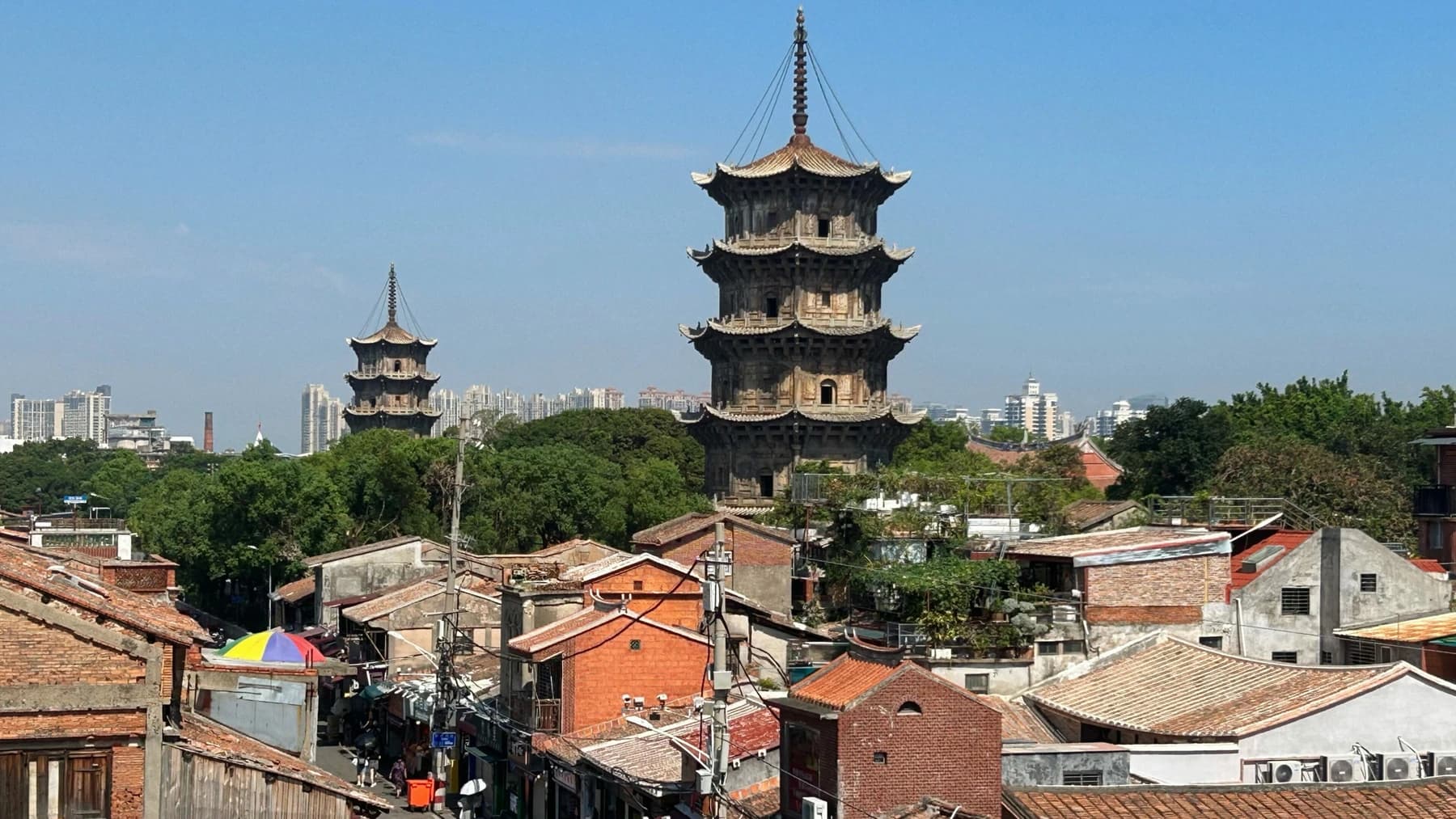
Photo: HMGiovanniV · Source · CC BY-SA 4.0
Walk the old city in story order
Begin at Kaiyuan Temple while its courtyards are still calm, then use West Street as a transition rather than the whole attraction. Continue south to Qingjing Mosque, the Confucian Temple area, Tianhou Temple and Deji Gate. The sequence moves from Buddhist and civic Quanzhou toward the former port corridor; reversing it is fine, but shuttling between isolated photo stops loses the geography.
For lunch or supper, look for a busy specialist making one Quanzhou staple well: mianxian hu (fine-noodle soup), rouzong (savory glutinous-rice parcel), beef soup or oyster dishes. Choose visible turnover, a posted menu and food cooked to order. For seafood, ask the unit price and total weight before cooking, then photograph or confirm the written total. This is more maintainable than a list of viral stalls whose queues and ownership can change.
Build the outer days deliberately
Pair the Quanzhou Maritime Museum with Luoyang Bridge: the museum explains the ships, faiths and trade systems before the bridge shows how infrastructure crossed a tidal estuary. Xunpu and Wulin form a different day—one is a living fishing-community landscape, the other an overseas-Chinese architectural village. Do not present hair ornaments, rented clothing or staged photographs as a complete account of Xunpu culture.
Chongwu is not a quick add-on. Confirm the exact drop-off, return vehicle and final transport time before leaving central Quanzhou. If rain, heat or a late start removes the coast's value, keep the day for the old city instead.
Verify living and working sites
Temples remain active religious spaces, villages remain residential, and small museums or protected interiors can close for ceremonies, repair, fire-safety work or staffing. Check the official venue or Quanzhou culture-and-tourism channel for the exact date. Dress respectfully, avoid worshippers in photographs and never treat a costume-rental lane as proof of local custom.
Summer is hot, humid and storm-prone; build a midday indoor break and keep a flexible coastal day. Winter is milder but wind makes exposed bridges and the shore feel colder. Carry your passport where a reservation or ticket requires identity verification, and keep Chinese place names saved offline—English signage is inconsistent outside the central heritage sites.
Book Trip.com hotels, trains and flights first. Only buy a transfer or day tour when the live product names the stops, pickup, return and cancellation terms; a generic “Quanzhou countryside” label is not enough.
Simple booking order
- Fix the arrival station and old-city hotel.
- Check official notices for museums, temples or repaired interiors on your exact dates.
- Reserve any venue that currently requires real-name admission.
- Decide on Xunpu–Wulin or Chongwu transport only after the weather forecast is useful.
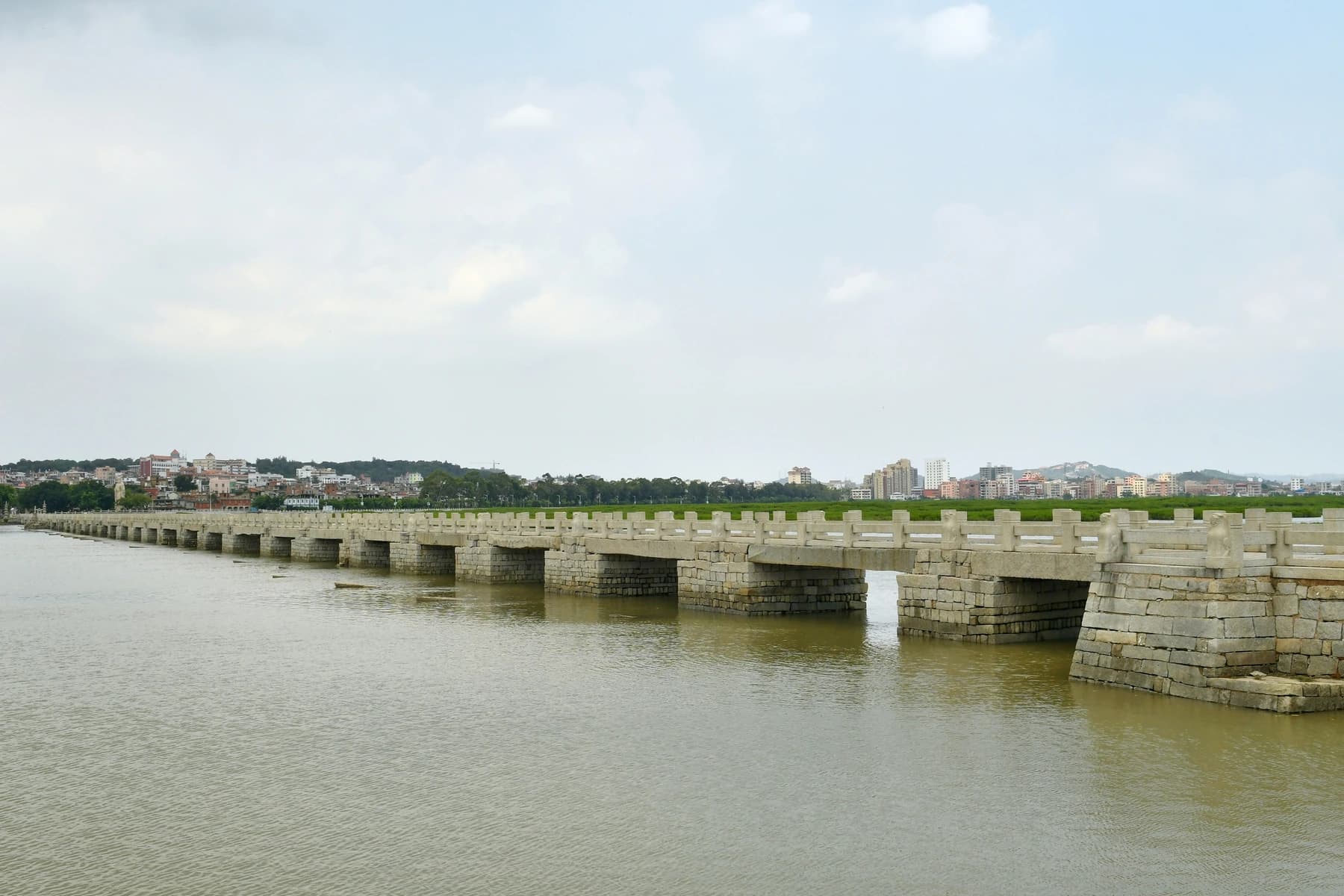
Photo: Tyg728 · Source · CC BY-SA 4.0