Fuzhou
Fuzhou rewards travelers who separate its experiences. Sanfang Qixiang is a lane-and-residence day; Fuzhou Yantai Mountain is a slower modern-architecture walk on a Min River slope; Gushan and Yongquan Temple combine cultural interpretation with a mountain choice; Fujian Museum and West Lake form the gentlest half day. Two days deliver a strong first visit. Three let Gushan breathe.
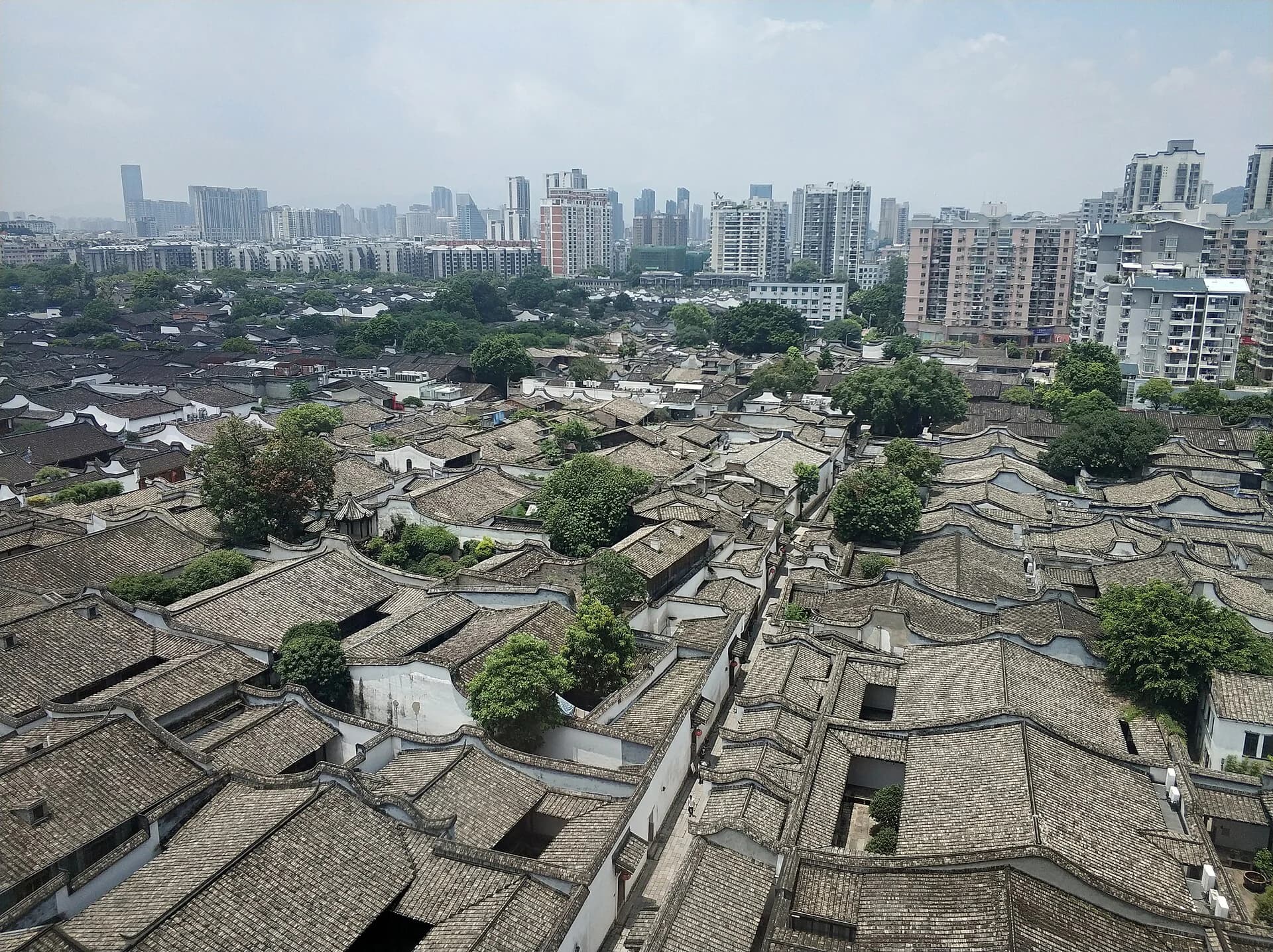
Photo: 董辰兴 · Source · CC BY-SA 4.0
The rooftops introduce the central heritage layer. The choices below give the riverside, mountain and museum products their own pace, so each side of Fuzhou remains distinct.
A complete two-day Fuzhou route
The flagship uses the strongest repeated first-trip shape: Sanfang Qixiang and Fuzhou Yantai Mountain form the urban day, while Gushan and Yongquan Temple keep a separate day whose walking, assisted and culture-led versions can respond to live conditions. Fujian Museum–West Lake remains the lower-effort or wet-weather replacement, not a padded third day.
Choose the first-visit product
| Product | Best for | Useful shape |
|---|---|---|
| Heritage lanes | Domestic architecture, biographies and a flexible free walk | Sanfang public lanes → one or two selected paid interiors |
| Riverside slope | Modern international architecture, mature trees and early evening | Fuzhou Yantai Mountain west-to-east walk |
| Gushan day | Old-path walking, Buddhist culture or an assisted mountain visit | Choose old-path, assisted or temple-first before departure |
| Museum and lake | Families, heat, rain or a lower-effort culture half day | Fujian Museum → West Lake, or reverse for better outdoor conditions |
The most convenient first base is around Dongjiekou and Sanfang Qixiang. It keeps the historic lanes close and leaves the museum only a short transfer away. Compare Dongjiekou and Sanfang Qixiang stays on Trip.com, then verify the exact property pin, room terms and international-guest policy.
Two days: central heritage, then one different product
Start with Sanfang Qixiang. The public streets and lanes are free, while selected historic interiors use individual or joint tickets. A satisfying first visit follows Nanhou Street into the side-lane fabric, then pays for only the residence or performance-space architecture that matches your interests.
Use the second half of the day for Fuzhou Yantai Mountain when river-slope streets and modern heritage appeal. It is a separate urban cluster: AMap's model checked on 21 August 2026 placed the two visitor centres about 5.5 km apart, or 7.1 km / 24 minutes by car. Move between them, then slow down for the slope rather than treating it as another shopping street.
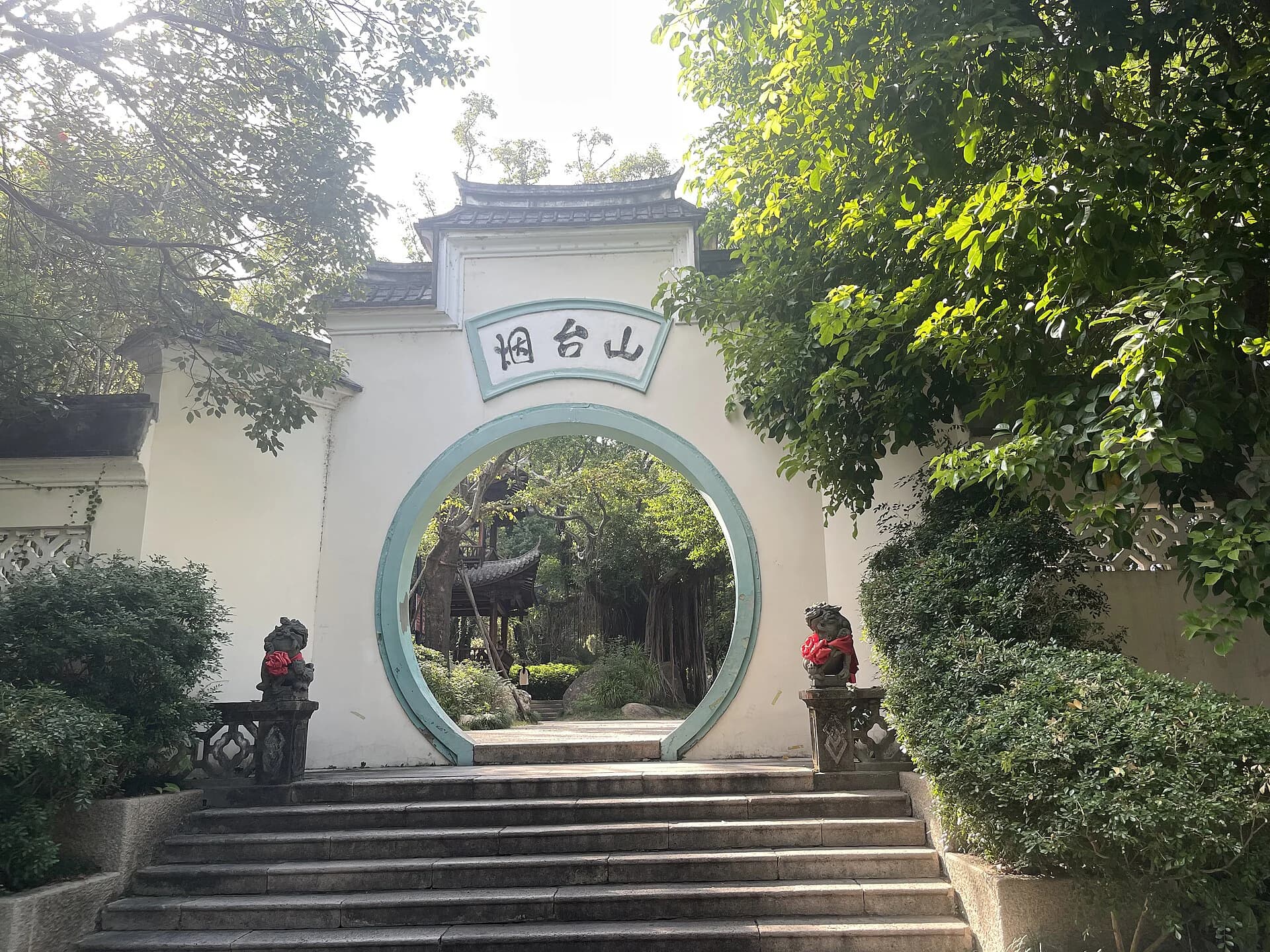
For day two, choose Gushan and Yongquan Temple when you want a real mountain-and-culture day. Choose Fujian Museum and West Lake instead when provincial history, archaeology and a flexible park walk suit the weather or your energy better.
Let Gushan be three different visits
Gushan is strongest when the product is chosen before transport: the old path for a walking-led day, an assisted ascent for selective walking, or a cultural visit centered on Yongquan Temple, Lingyuan Cave and cliff inscriptions. The last version remains worthwhile even when broad views are muted.
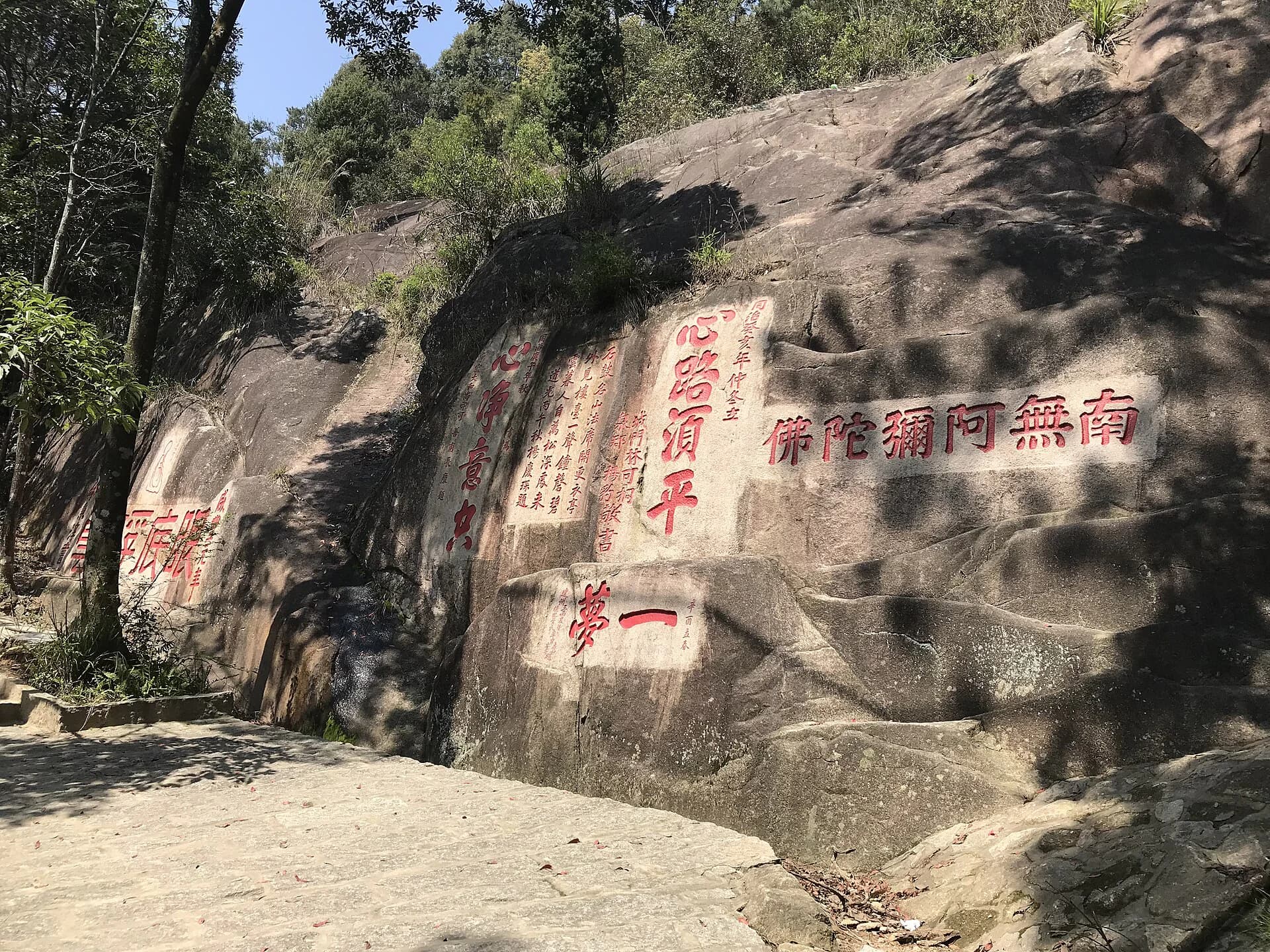
Photo: Zhangzhugang · Source · CC BY-SA 4.0
Route first to the foot-of-mountain Gushan Visitor Centre. Current trail access, cableway direction and hours, temple access and last descent are separate live fields. Check the operator notice on the day, especially after heavy rain, wind, lightning or a typhoon closure; a map pin or visitor-centre timetable does not prove that every ascent option is running.
Use the museum–lake pair as the flexible half day
Fujian Museum supplies the province-wide story that the lanes cannot: archaeology, maritime exchange, craft and regional cultures. West Lake adds a nearby open-air finish. AMap measured only 0.2 km / 3 minutes on foot between the museum and the park visitor centre on 21 August 2026, so the pair works without a vehicle once you arrive.
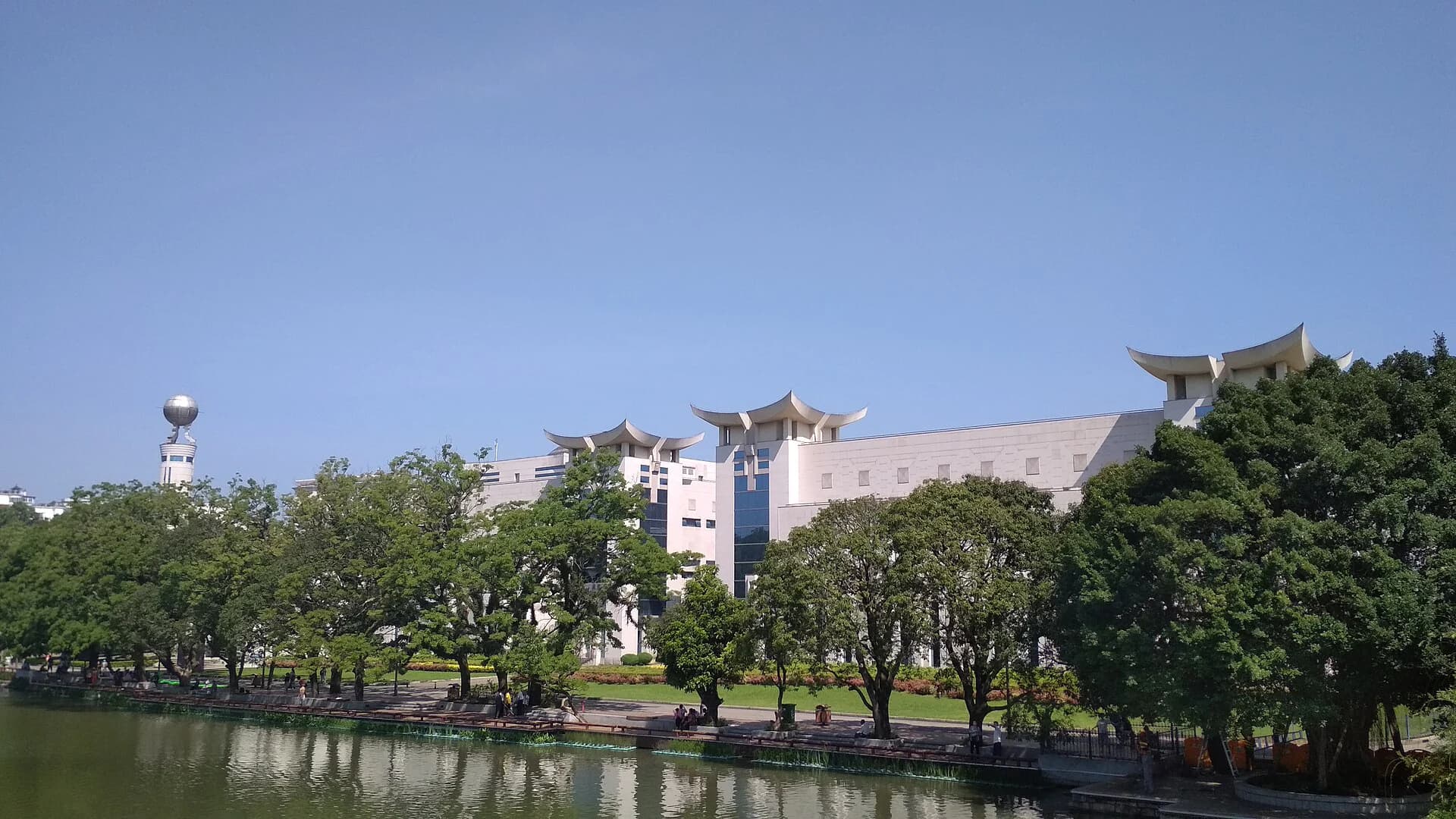
Photo: Cyclohexane233 · Source · CC BY-SA 4.0
Both are free public layers, but museum entry procedures, galleries and hours are distinct from the park, and any boat is another live product. Put the museum first in hot or wet weather; put the lake first when the outdoor conditions are the day's advantage.
Mawei: a specialist third-day branch
Mawei's China Shipping Administration Culture layer explains a different Fuzhou: modern naval education, shipbuilding and industrial history. Treat it as a separate excursion rather than a quick continuation from the old city. AMap's dated road model placed the museum about 23.7 km / 38 minutes by car from the Sanfang visitor centre and 11.9 km / 21 minutes from the foot of Gushan.
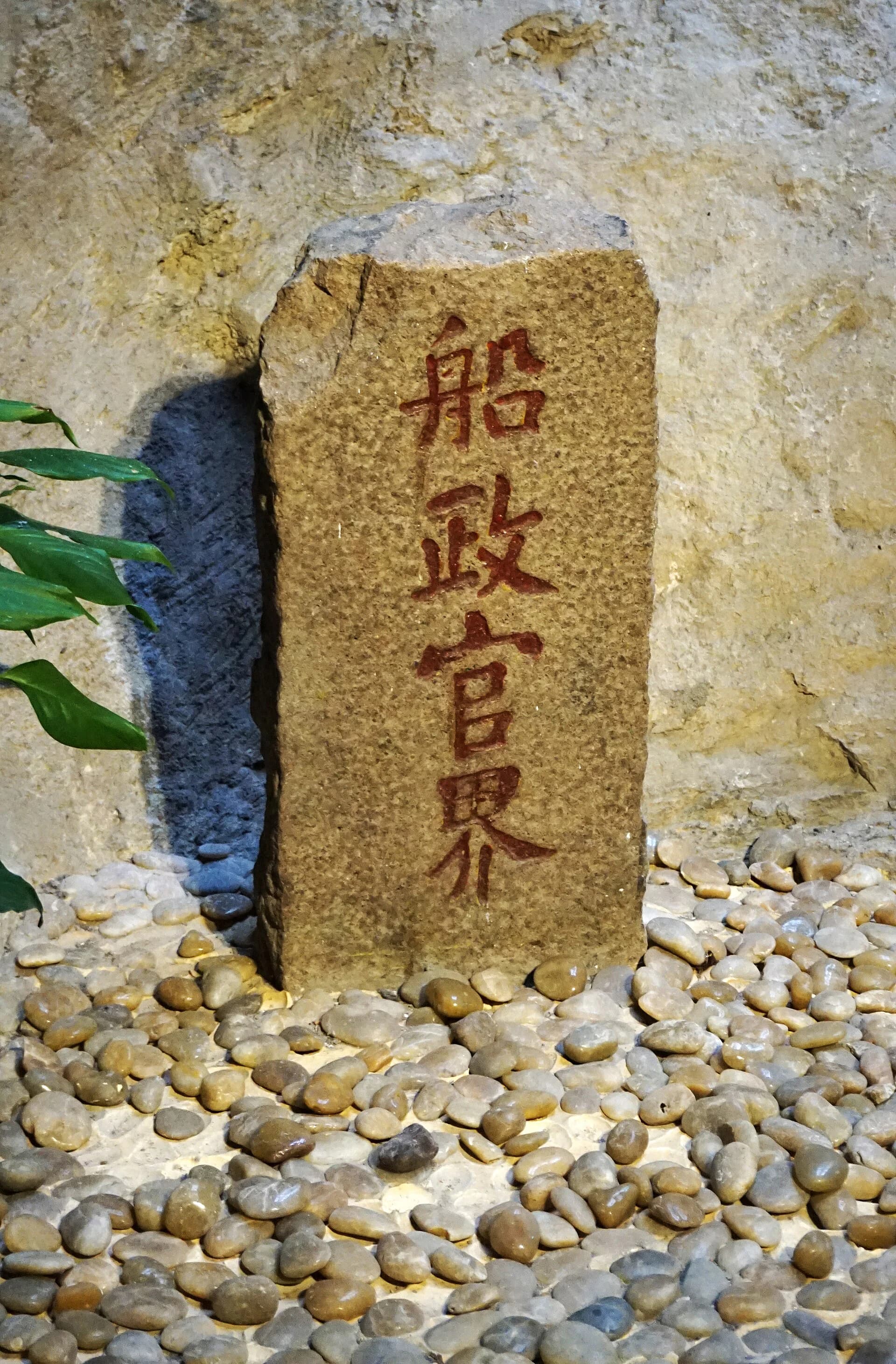
Photo: 三猎 · Source · CC BY-SA 4.0
Add Mawei only after confirming the current museum, open heritage buildings, weekly closure, return transport and free-versus-paid boundaries. The museum, industrial remains, working port and commercial performance are not one universal ticket or one freely accessible route.
Arrival and seasonal rhythm
AMap models checked on 21 August 2026 put Fuzhou Station about 6.4 km / 22 minutes by car from the Sanfang visitor centre, Fuzhou South about 23.3 km / 30 minutes, and Changle Airport about 52.5 km / 53 minutes. These are dated road estimates, not traffic or airport-transfer guarantees.
Fuzhou's heat and humidity reward an indoor midday block and a slower late-afternoon street walk. Heavy rain and typhoons can close mountains, heritage districts and river-facing spaces quickly. Keep Gushan and exposed outdoor layers movable, and check current venue and weather notices before committing the day.
Illustrated guides
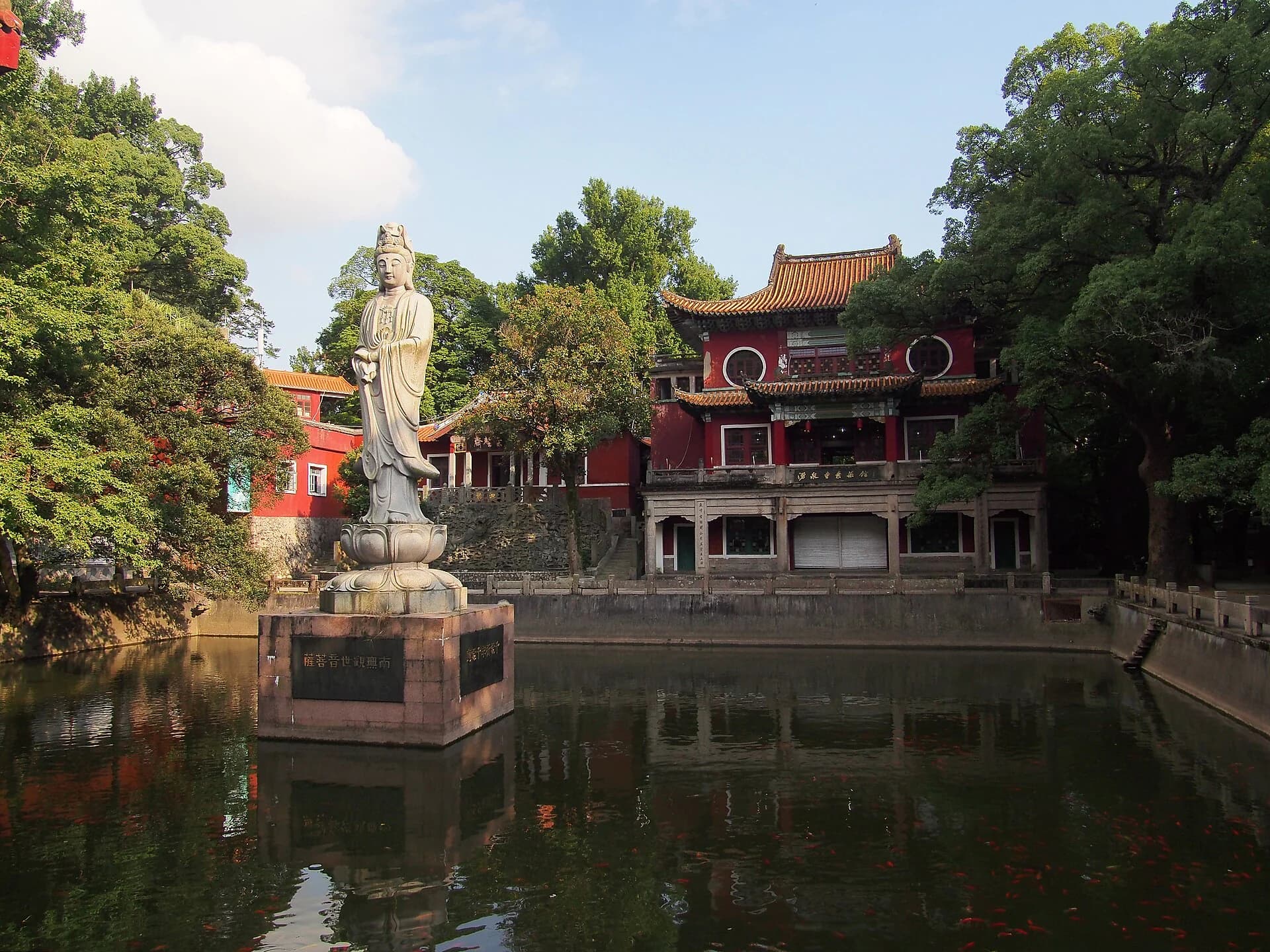
The most useful first plan is simple: one central heritage day, then one genuinely different choice—mountain culture or museum and lake.