Dongshan Island
Updated September 11, 2026
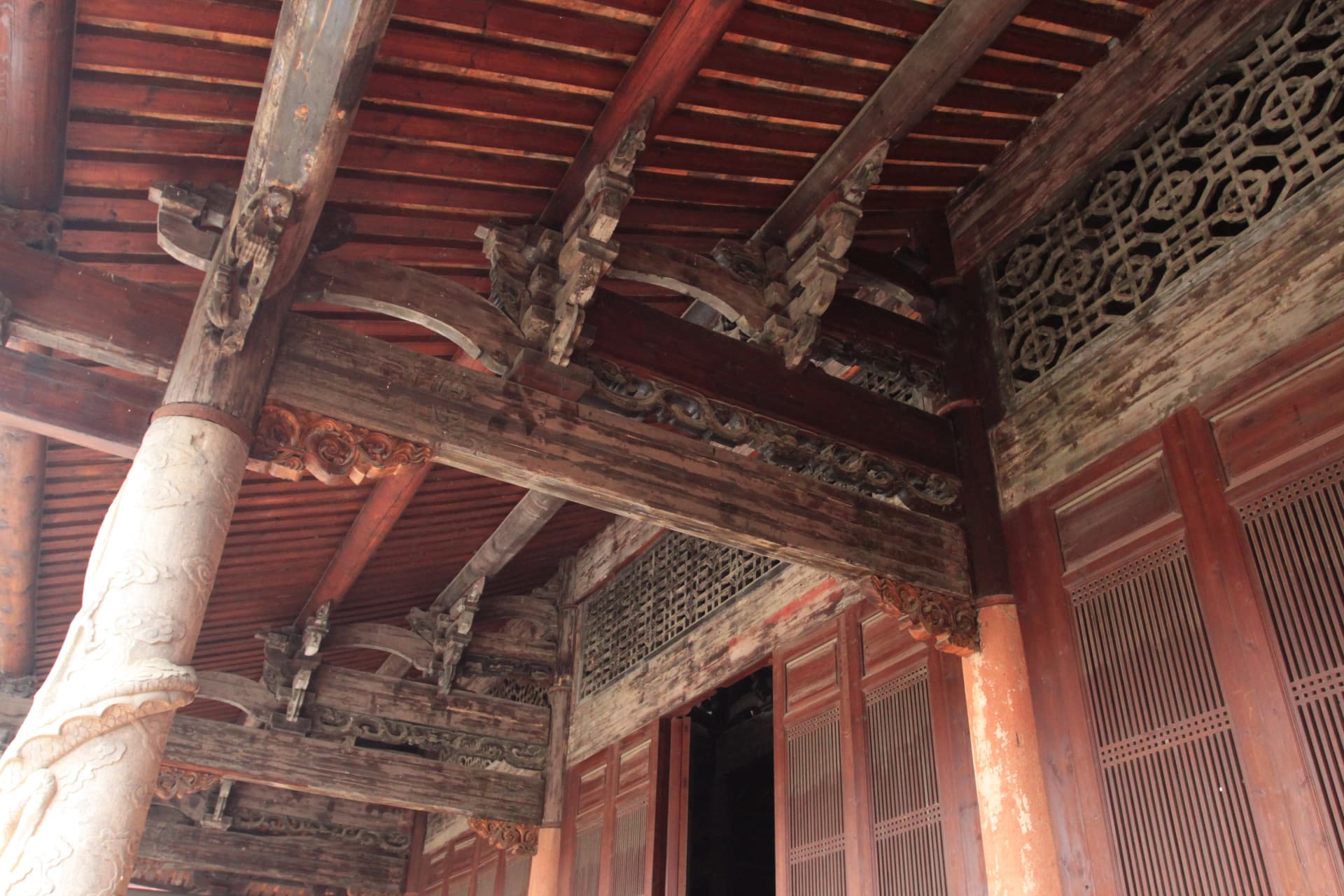
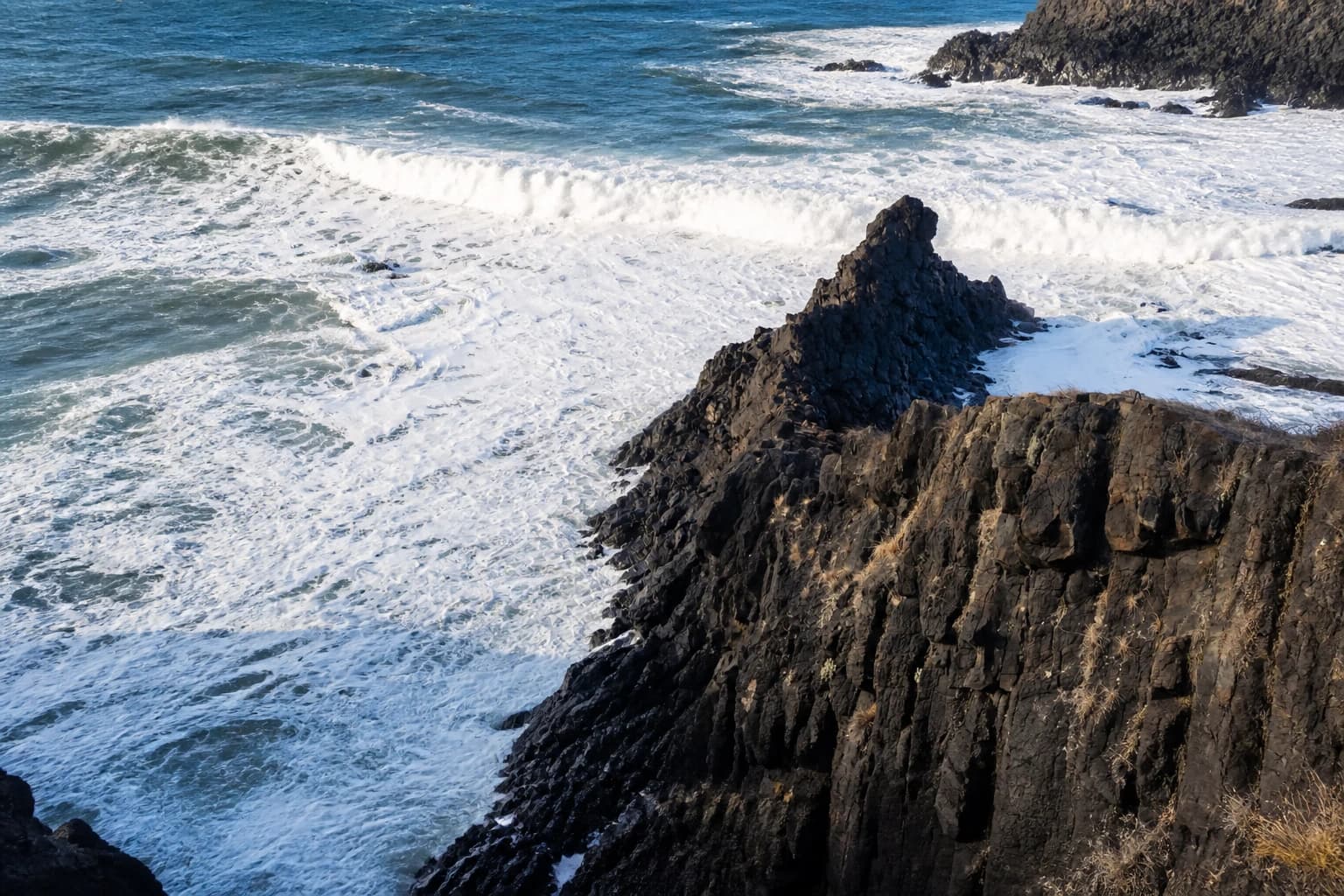
Dongshan Island (东山岛, Dōngshān Dǎo) combines coast and heritage. Tongling and Nanmen put old streets, Wind-Moving Rock and evening food close together; Maluan and Jinluan suit a slower beach-side stay.
One overnight is the balanced first visit. Two nights add weather flexibility and another bay of your choice.
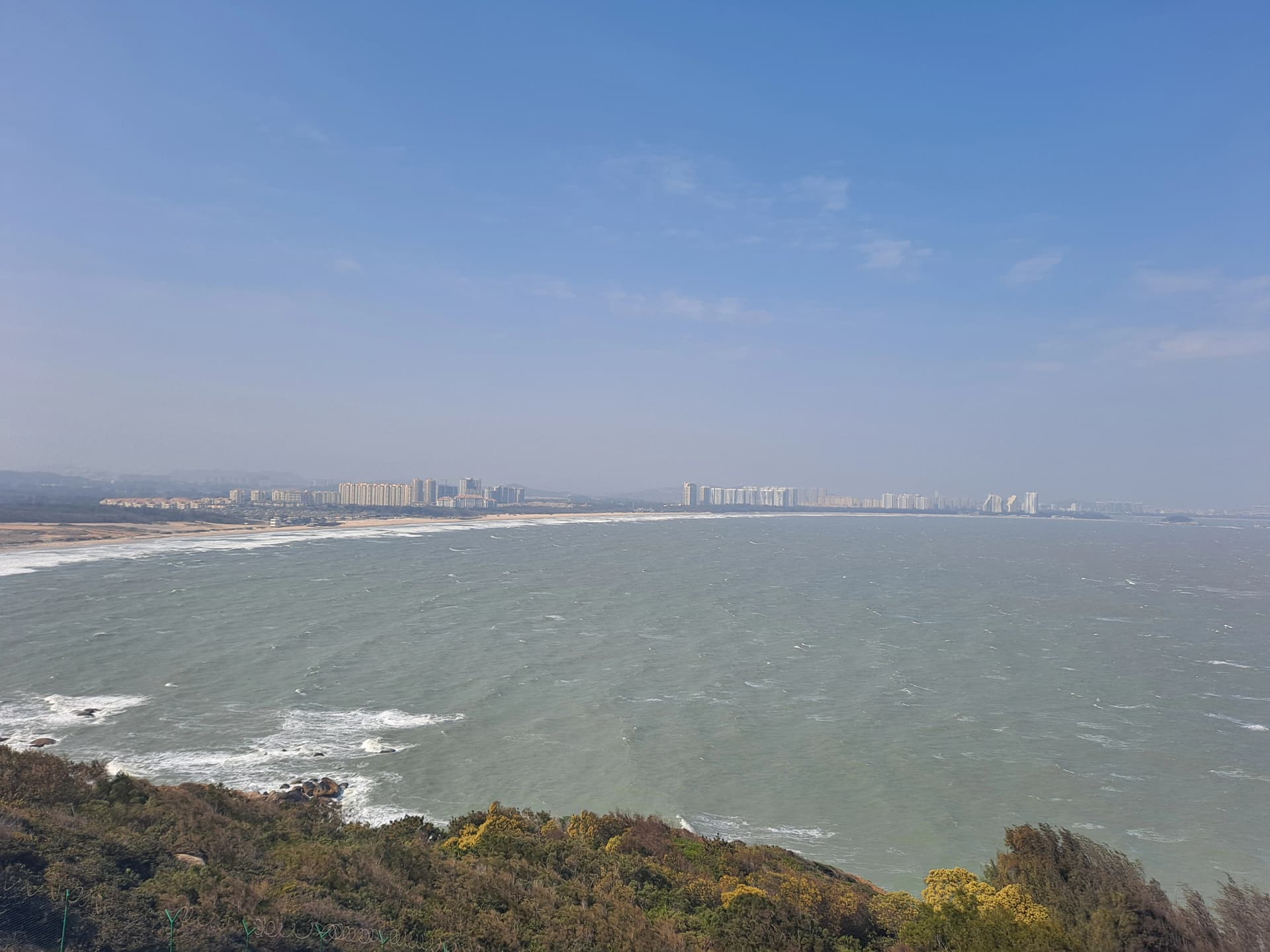
The Sufeng Mountain coast shows Dongshan's wider landscape.
Where to stay
| Base | Best for | Things to plan for |
|---|---|---|
| Tongling / Nanmen | Heritage streets, Wind-Moving Rock, Guandi culture, food and evening walking | Some lanes and lodging approaches are steep; confirm luggage access |
| Maluan Bay | A slower beach-oriented stay with easier road access to one chosen coast block | Beach operation, bathing areas and return transport remain live fields |
| Jinluan Bay | Quiet coast time and a conditional sunrise attempt | Fewer convenient food and heritage options; sunrise and reflective water are never guaranteed |
For the heritage side, compare Dongshan old-town stays on Trip.com. The search covers a lodging area in Dongshan County and includes no transfer or attractions. Confirm the property location, slope, luggage access and international-guest terms.
How long to stay
One day
Choose Tongling heritage + Nanmen Bay when architecture, food and walking are the priority. Alternatively, choose one beach or coast outing with return transport arranged before departure. Trying to see the whole island adds road time, tide timing and return pressure without improving the day.
One overnight
Use the arrival day for Tongling, the Wind-Moving Rock scenic area and Nanmen in the evening. Use the next morning for one chosen bay or coastal outing, then leave plenty of time for the return to the mainland.
Two nights
Add a slower morning and one bad-weather fallback. This suits travelers who want both Tongling heritage and time by a beach without relying on perfect tides, low wind or a guaranteed sunrise.
A relaxed arrival and departure plan
Arrival afternoon: leave luggage first, eat, then explore Tongling and Nanmen on foot. In the old streets, notice the change from closely packed houses to the open bay. If you reach the island too late for an unhurried Fengdongshi visit, keep that paid stop for the next day and enjoy the public streets and waterfront instead.
End with a sit-down meal near your base rather than another cross-island transfer.
The following morning: choose between heritage you have not yet seen and one beach bay. For a Jinluan sunrise attempt, arrange the early transport and return beforehand, then leave room for breakfast and rest. If the forecast is poor, a later shoreline walk is a perfectly good alternative. An early start doesn't mean you have to visit every other bay that day.
With a second night: keep the same base if convenience matters more than waking up beside another beach. Use one day for the heritage area and the other for your chosen coast excursion.
Treat Sufeng Mountain as a separate road trip with viewpoints when access is open. Its slopes and scattered stops make a casually rented bike a poor plan. Choose transport you are comfortable using and confirm the return.
Departure morning: stay near your accommodation for breakfast and a final short walk. Collect luggage before the mainland transfer, and put the train connection ahead of one last distant photo stop. That leaves time for what visitors often enjoy most: sitting by the sea without watching the clock.
Wind-Moving Rock
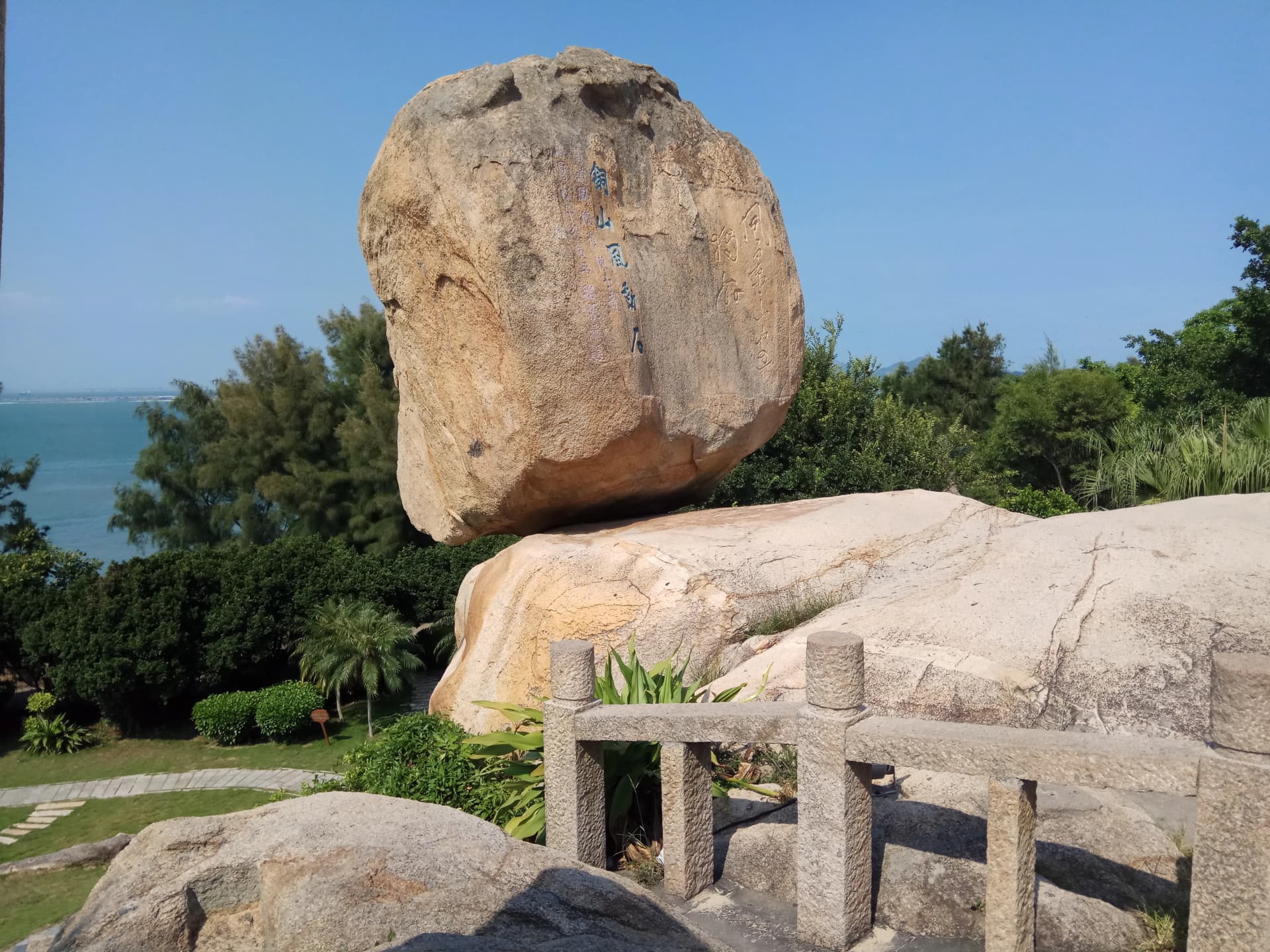
Wind-Moving Rock (风动石) is the island's main historic and geological landmark. Combine it with the open parts of the scenic area and the adjacent Guandi cultural sites. The ticket covers this scenic area only.
The Trip.com ticket is the exact adult Fengdongshi scenic-area admission. It does not include Yunxiao transfer, island transport, Sufeng Mountain, beaches, boats, meals or cultural events. Check the exact Fengdongshi admission on Trip.com, then confirm the price, cancellation, entry method and document terms at checkout.
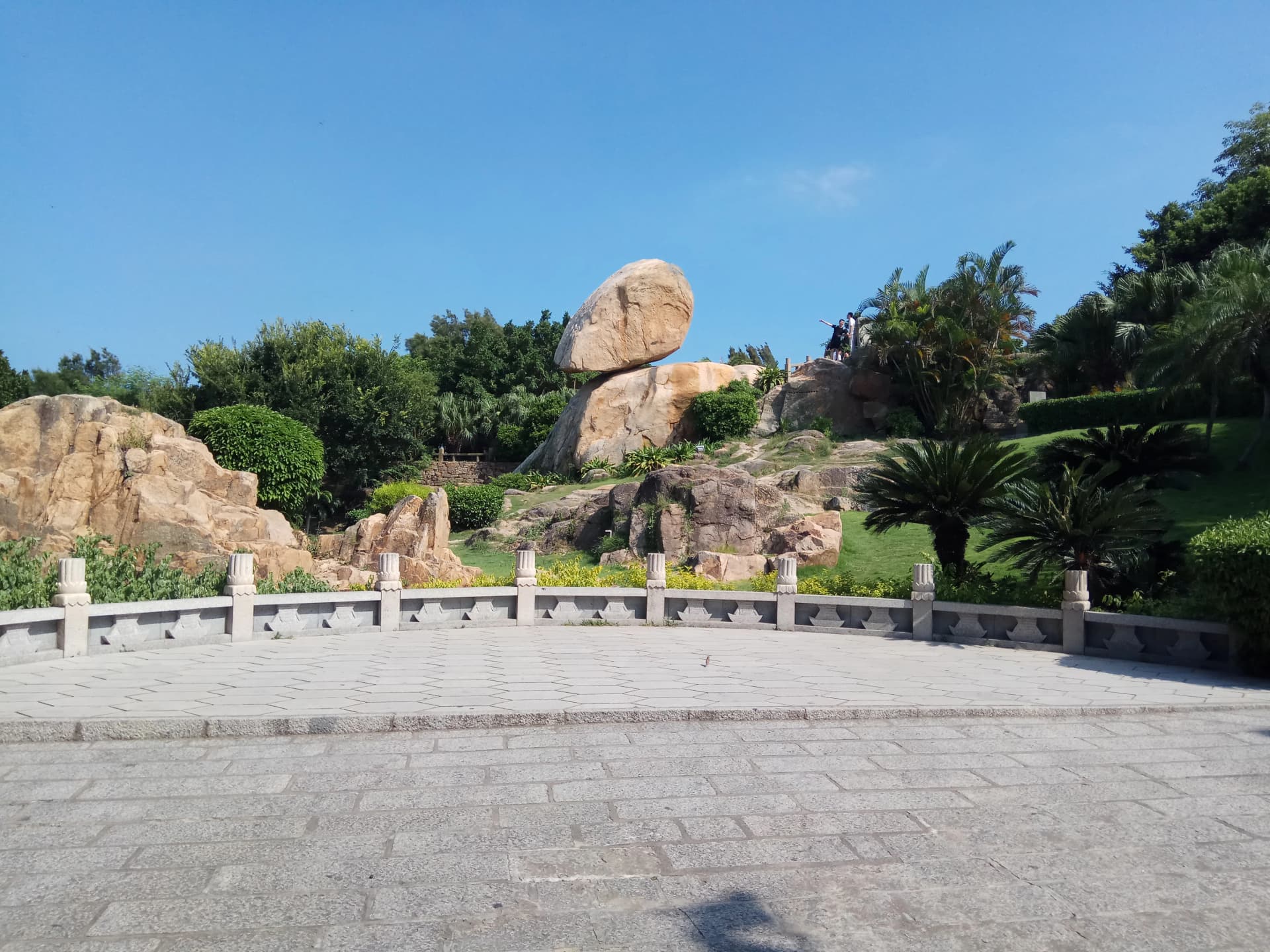
The wider view shows the landmark's garden and coast setting. Construction work, the escalator, internal paths, temple access and re-entry can all change, so follow the visitor-centre instructions on the day.
Getting there
Yunxiao Station (云霄站) is on the mainland. It is about 36 km / 41 minutes by car from the Dongshan tourism distribution centre in Tongling. The map's public-transport suggestions say nothing about timetables, fares, luggage rules or the last service.
From the Tongling distribution centre, the Wind-Moving Rock Visitor Centre is about 1.5 km / 20 minutes on foot in the same model. Tongling to Maluan Bay is a separate road move of roughly 3.2 km / 9 minutes by car; Maluan to Jinluan is another 6 km / 12 minutes. These figures give a sense of distance; they are not beach entrances or transport arrangements.
Weather and the coast
Wind, lightning, typhoons, heat, tides and waves can change exposed coast, swimming and marine products quickly. Check the beach boundary, lifeguard or closure notice before entering the water. Boats, sandbars and offshore islands require a licensed operator and a landing agreement; a map pin or social media post gives no such permission.
Road transport is the simplest way to move between bases. If you are considering a scooter or e-bike, check the licence, helmet, insurance, parking and rental terms first, and don't build the itinerary around an island loop.
Use the Zhangzhou guide for the wider base sequence. Keep Baitang Bay Ancient Crater as a separate Longhai geology day.