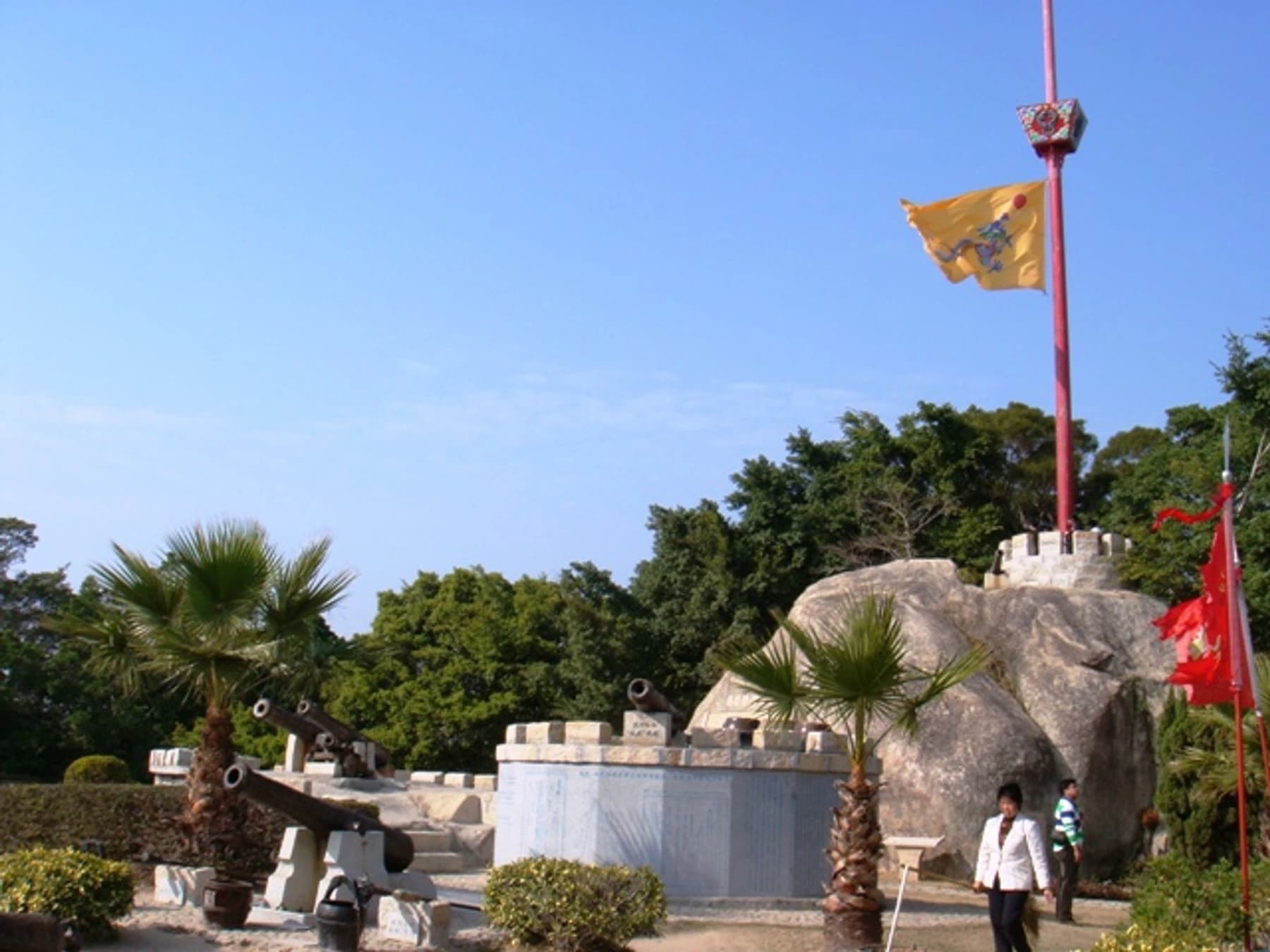
South Putuo Temple Xiamen
South Putuo is a functioning Buddhist institution beneath Wulao Peak. Its position beside Xiamen University makes it easy to misunderstand the visit as one campus-photo stop. Give the monastery its own 60–90 minutes and treat any hill extension separately.
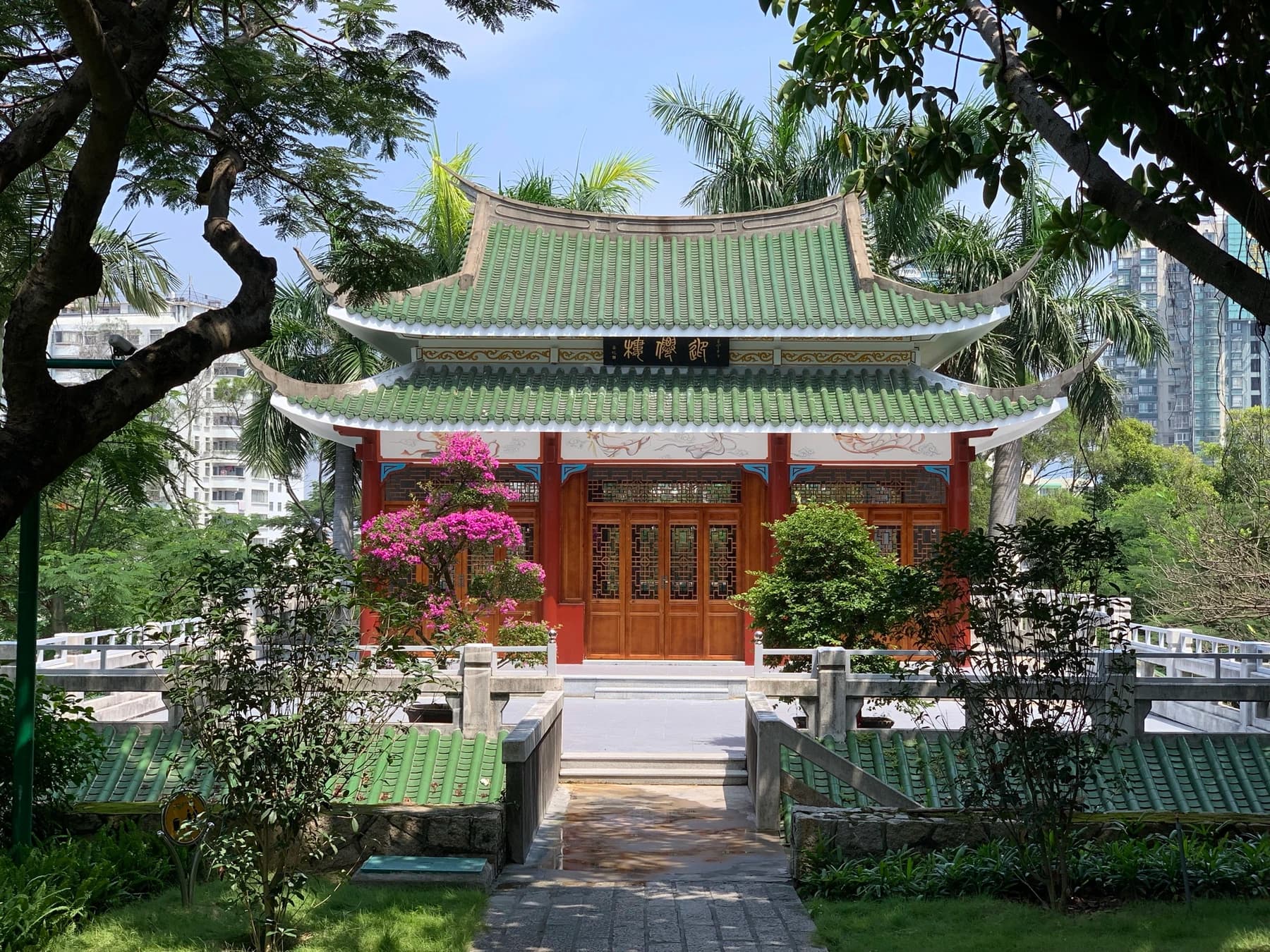
Photo: Slyronit · Source · CC BY-SA 4.0
A respectful sequence
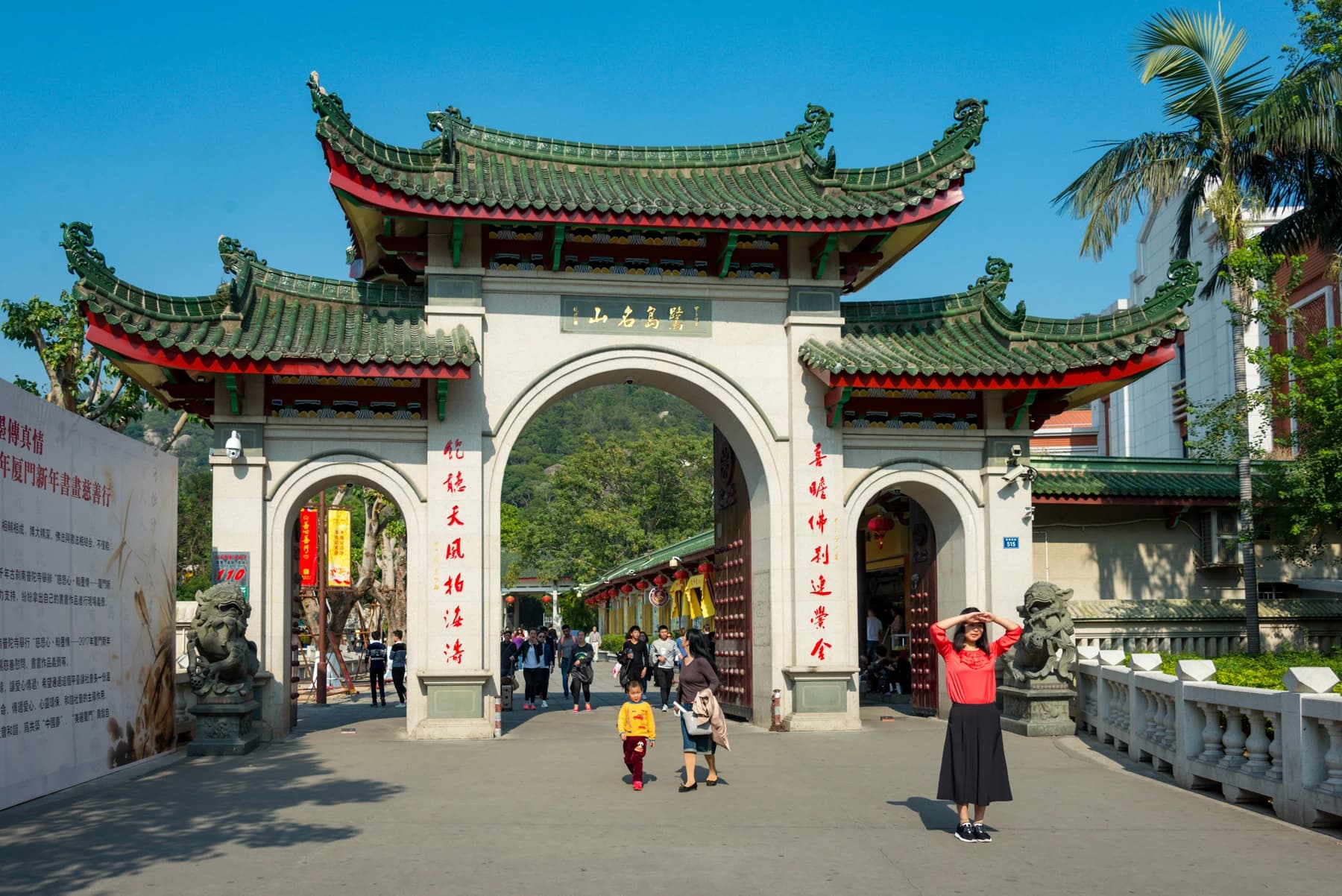
Enter through the current visitor route, lower your voice, keep out of worshippers' path and follow photography restrictions inside halls. Begin with the front courtyard and main axial halls, then observe how ponds, rock, incense space and the mountain edge organize movement.
Clothing should cover more than a beach outfit. Do not stage incense, touch offerings or photograph a person at prayer without consent. Vegetarian food is a meal choice, not a prop.
Follow four architectural anchors
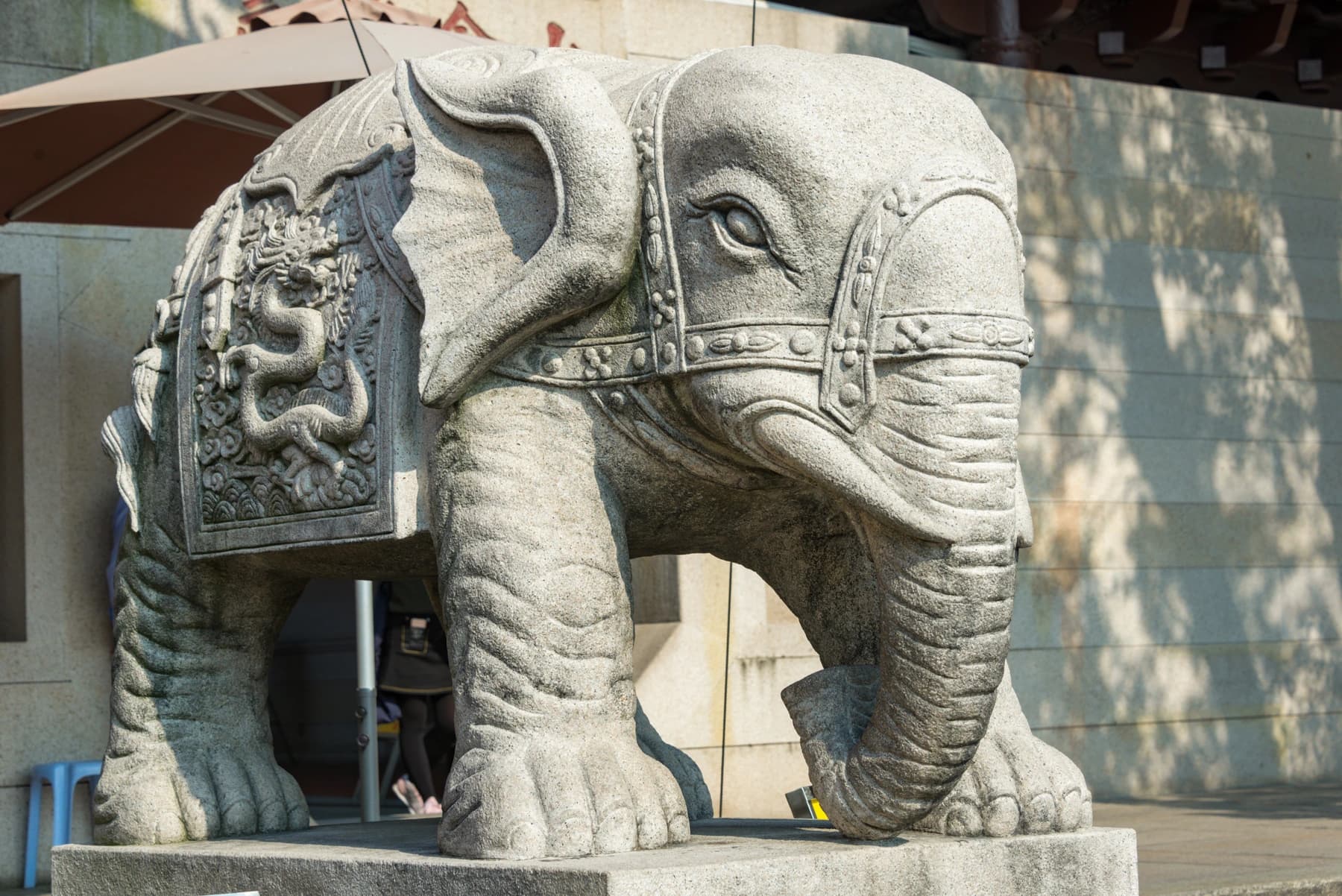
Use Tianwang Hall (天王殿) → Daxiong Hall (大雄宝殿) → Dabei Hall (大悲殿) → the Scripture Library (藏经阁) to understand the main axis, following the visitor circulation that is open on the day. These are orientation points, not a promise that every interior is accessible.
- Tianwang Hall: pause at the front approach to notice the roofline and how the hall introduces the courtyards behind it. Leave the central passage clear while you look.
- Daxiong Hall: this is the main hall. Compare its broad ceremonial frontage with the smaller spaces you passed on arrival; observe from the courtyard if worship or a restriction prevents entry.
- Dabei Hall: give the hall dedicated to Guanyin a separate stop rather than passing it on the way uphill. Compare its form and roof with the main hall, using the on-site labels for religious interpretation.
- Scripture Library: the rear part of the axis brings the temple's scholarly role into the visit. Look at the building from the permitted visitor area; collections and rooms may have separate access.
After the axis, choose a quiet pause or a vegetarian meal if service is available. A box of the temple's vegetarian pastries is an optional takeaway, not a necessary part of the route. Make the mountain decision only after this break: a temple-only visit already has a beginning, middle and finish. If you continue uphill, use a signed open route and retain enough energy to return by the permitted descent, without relying on a through-route into the Botanical Garden.
Do not assume university access
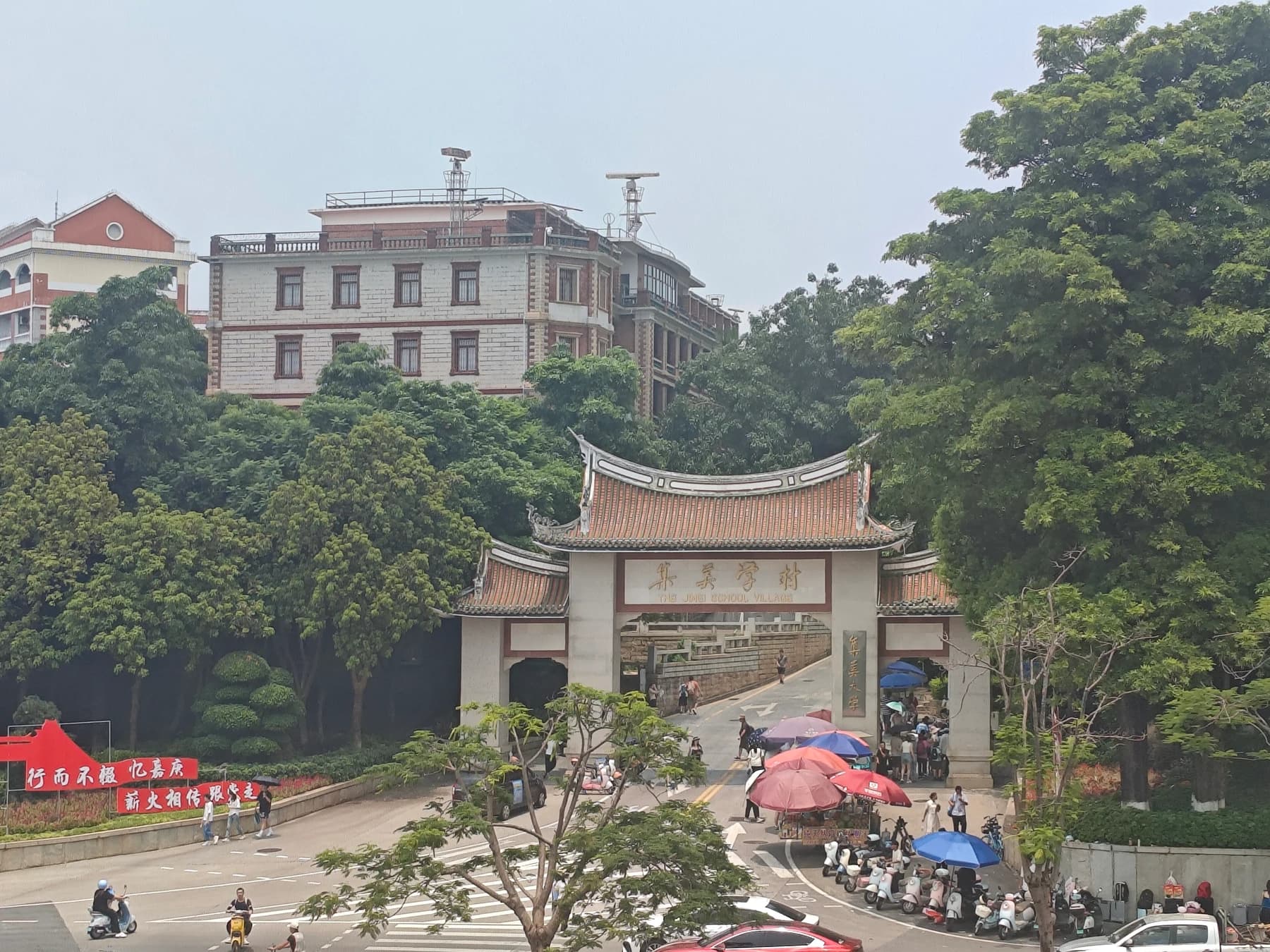
Xiamen University is a working campus with its own access controls. A temple visit does not create entry entitlement. Check the university's current official visitor rules separately and keep an alternative plan rather than negotiating at a gate.
Do not buy a “campus entry” from a street promoter or driver. Real-name visitor systems, when available, are controlled by the university. If the official channel has no valid slot for your passport and date, continue to Shapowei or the coast; no intermediary should need to hold your original document.
Pair it southbound and westbound
The verified walk to Shapowei is about 1.3 km / 18 minutes. Continue there, then use a short vehicle transfer to Hulishan Fortress. This preserves a coherent south-coast direction. The Botanical Garden is geographically close but substantial enough to deserve a separate morning.
Practical decisions
- Go early for cooler conditions and a calmer courtyard.
- Check current reservation, closure and controlled-area notices before travel.
- Carry water, but eat and drink only where permitted.
- Treat the mountain climb as weather-dependent; wet stone and humid heat change the effort.
- For an onward destination, save 沙坡尾艺术西区 rather than a generic “Shapowei” pin.
Choose grounds or mountain
For most first visits, the temple grounds are the complete experience. Add a signed Wulao Peak section only when the path is open, footwear is suitable and heat or visibility supports it. The climb should not compress worship spaces into a rushed pre-hike gate stop.
Morning is calmer, but religious events can change the flow. Stand to the side when groups enter, keep incense out of photography setups and follow any request to stop recording. A working monastery may restrict a hall while the rest remains open.
Leave in a clear direction
Walk to Shapowei for harbor and city change, or use a vehicle toward Hulishan for coastal-defense history. The Botanical Garden deserves its own half-day and Gulangyu requires a ferry buffer. This directional choice avoids the common Xiamen mistake of crossing the island repeatedly because attractions look close on a tourist map.
Check the Xiamen culture and tourism authority and the temple's current official notice before departure. Opening, reservation, mountain trail and university access are four separate conditions.