Shanghai
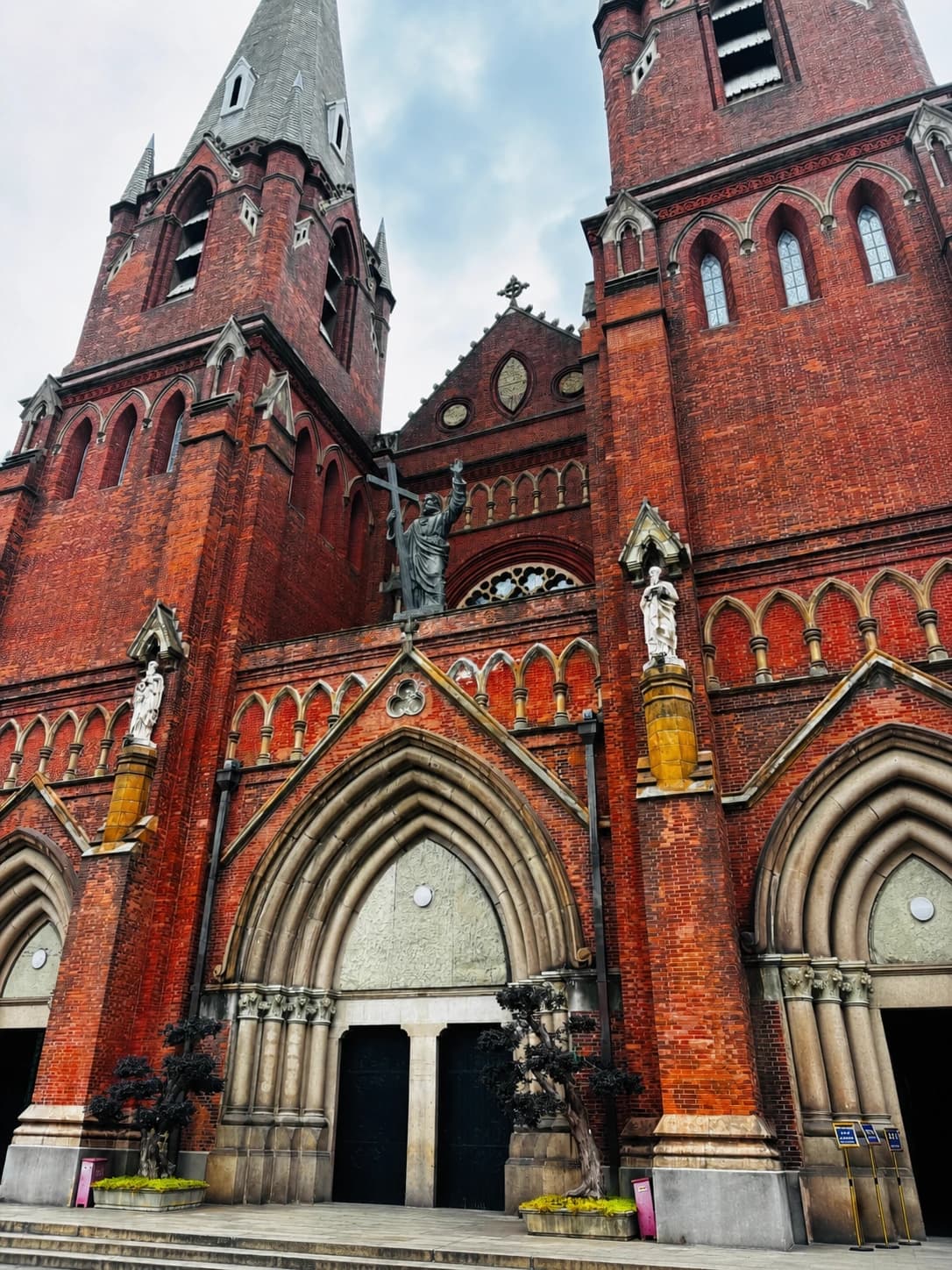
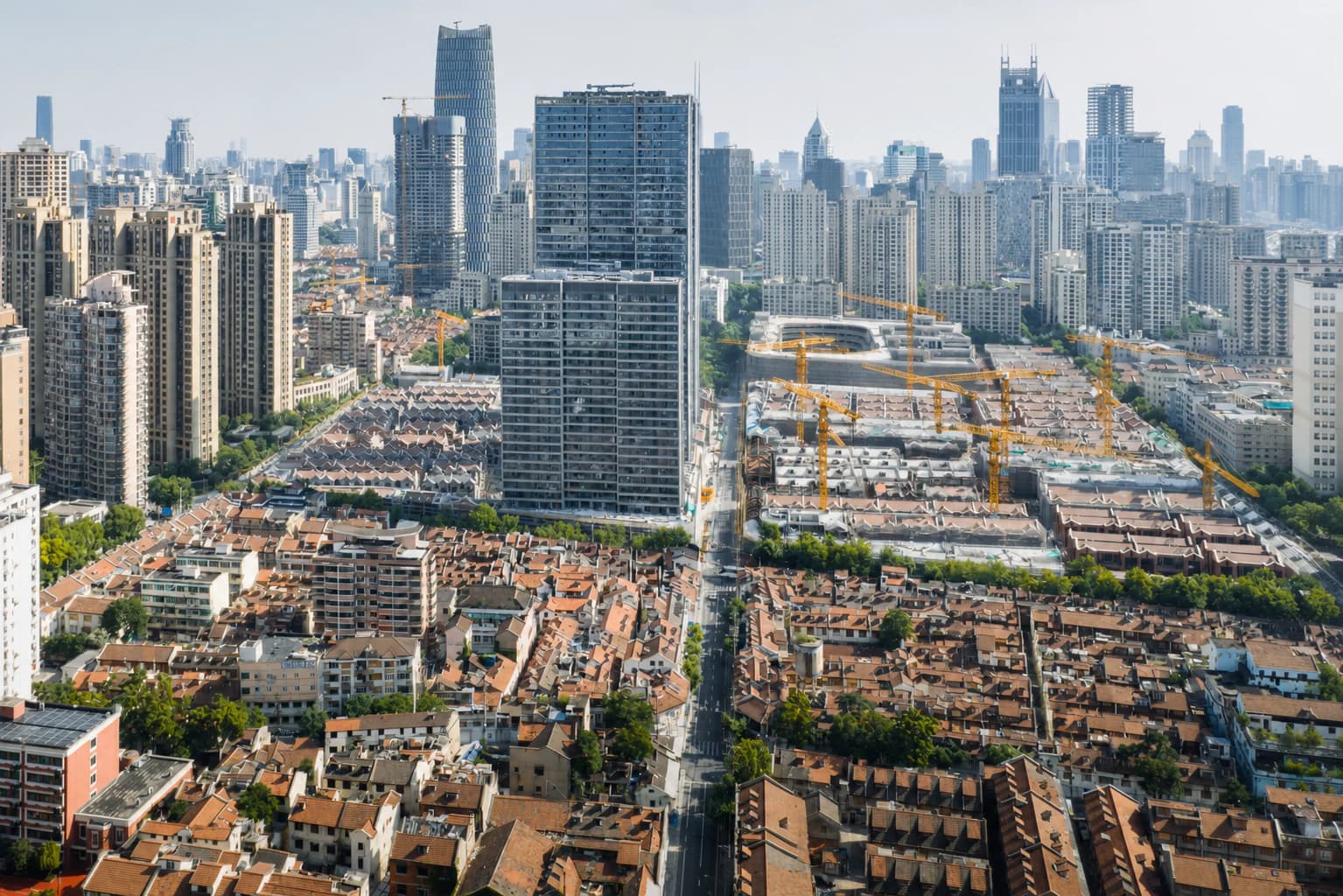
Shanghai is not one sightseeing center. It is several different trips connected by an excellent metro: riverfront history at the Bund and Old City, lane-house architecture west of the center, industrial heritage along Suzhou Creek, high-rise Pudong, major museums, and full-day family attractions far outside the core. A good plan groups these worlds instead of crossing the city for isolated photo stops.
First-time visitors need three days for the strongest central clusters. Two days can cover the Bund–Old City and one western walk. Four or five days allow a museum, Zhujiajiao or one full theme-park day without sacrificing ordinary Shanghai street life.
Pick the version of Shanghai you want


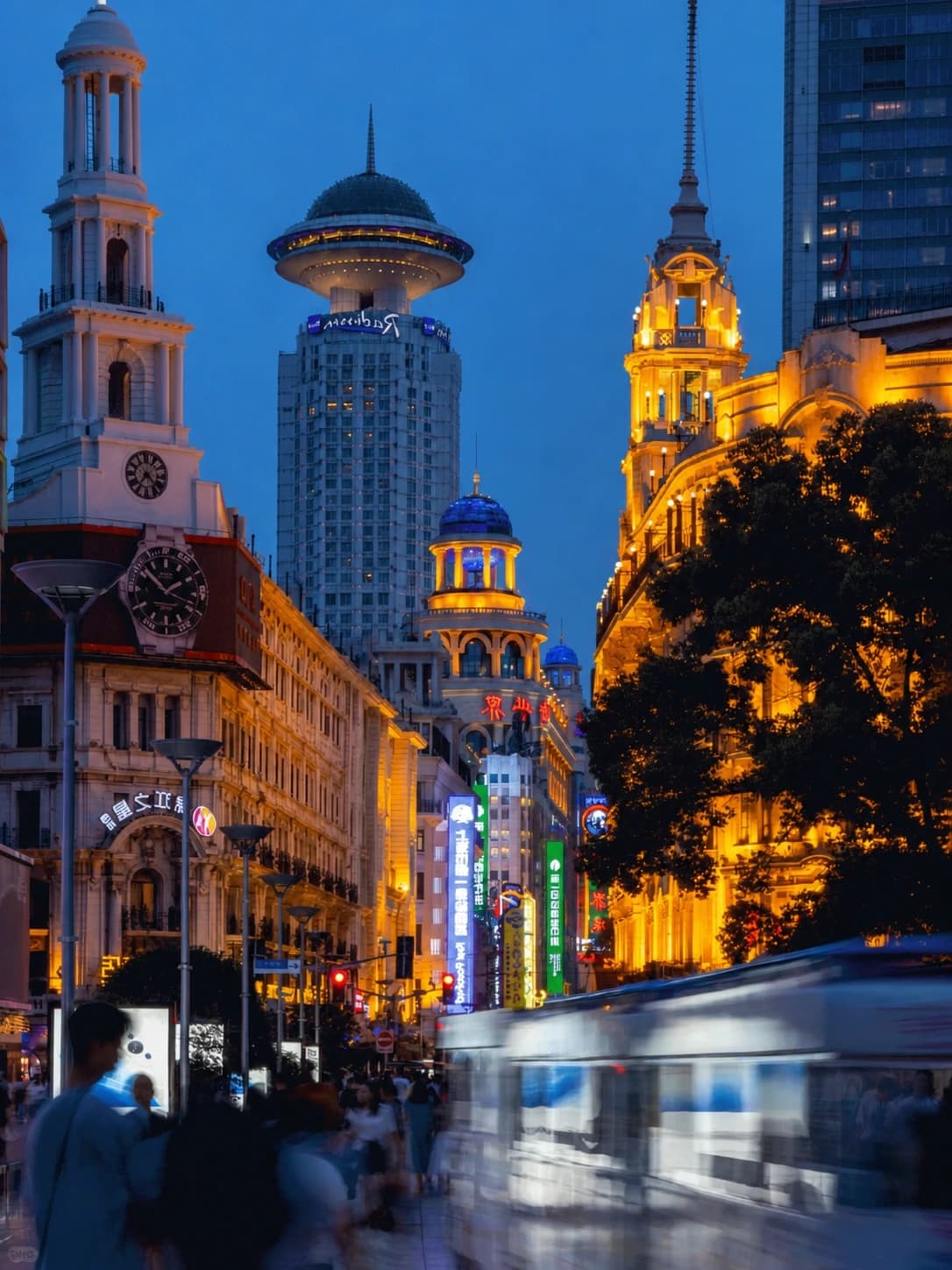
- Classic first visit: Old City, public Huangpu ferry, Lujiazui, Nanjing Road and the Bund, then a former French Concession walk.
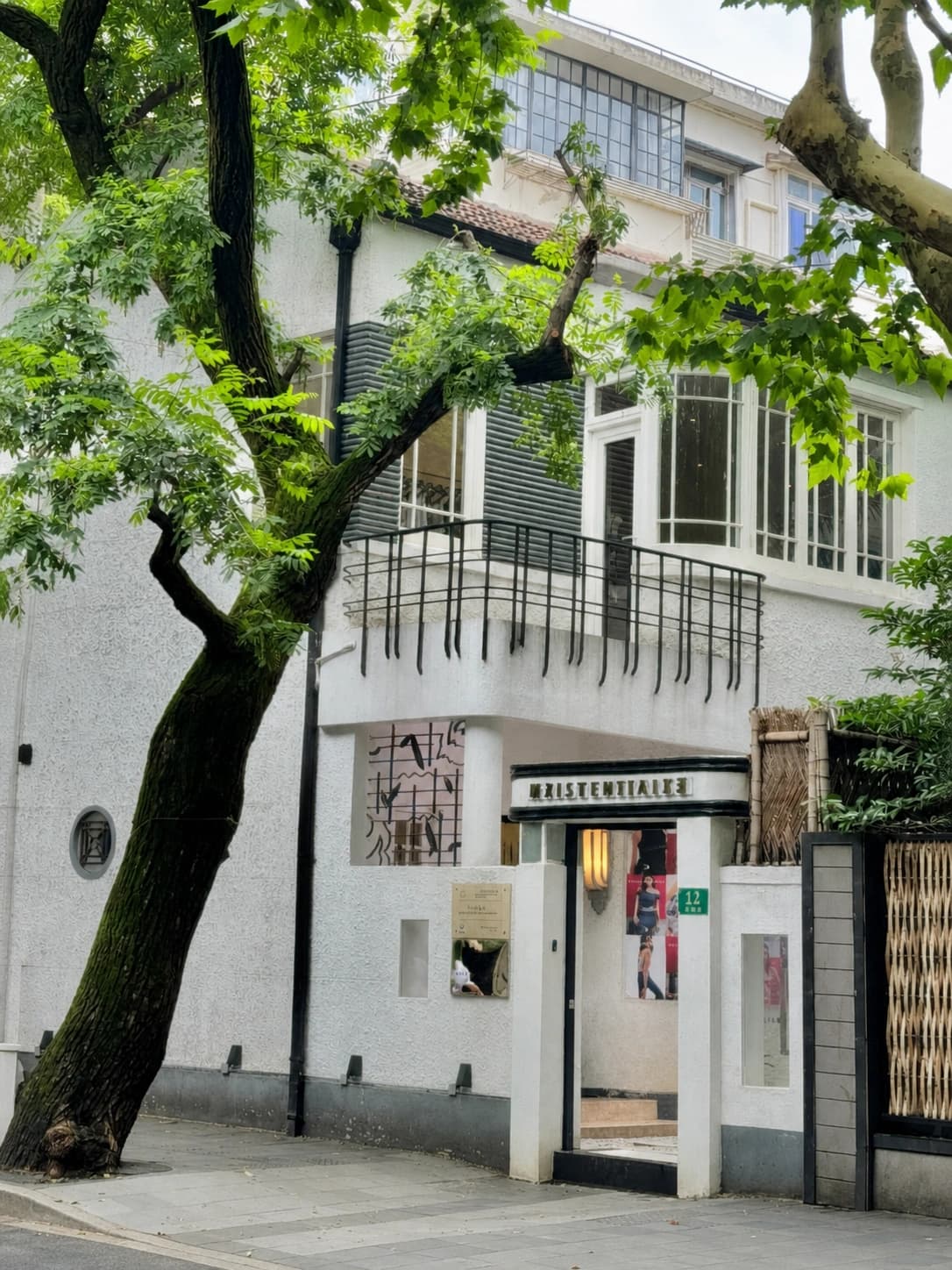
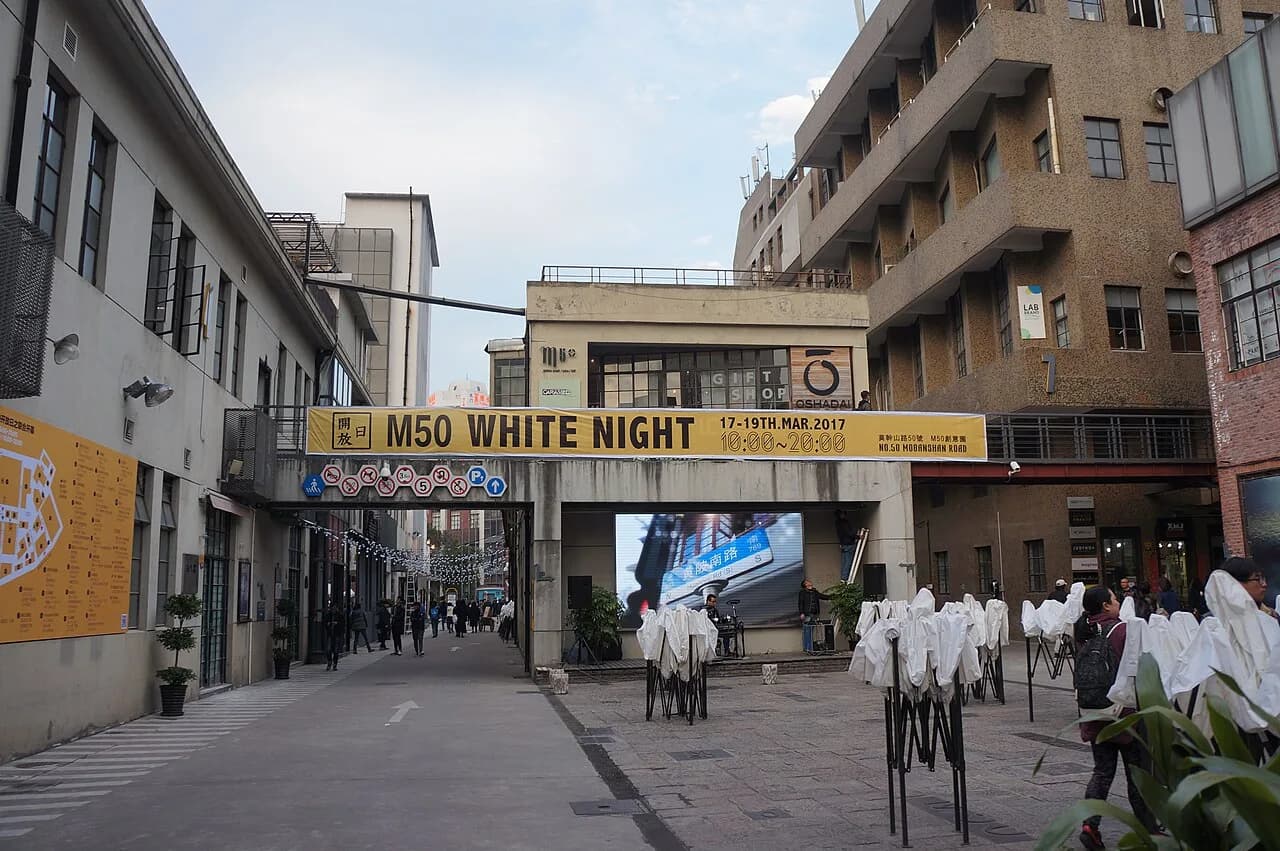
- Architecture and local pace: Wukang–Anfu–Yongjia–Sinan on one day; Suzhou Creek and North Bund on another.
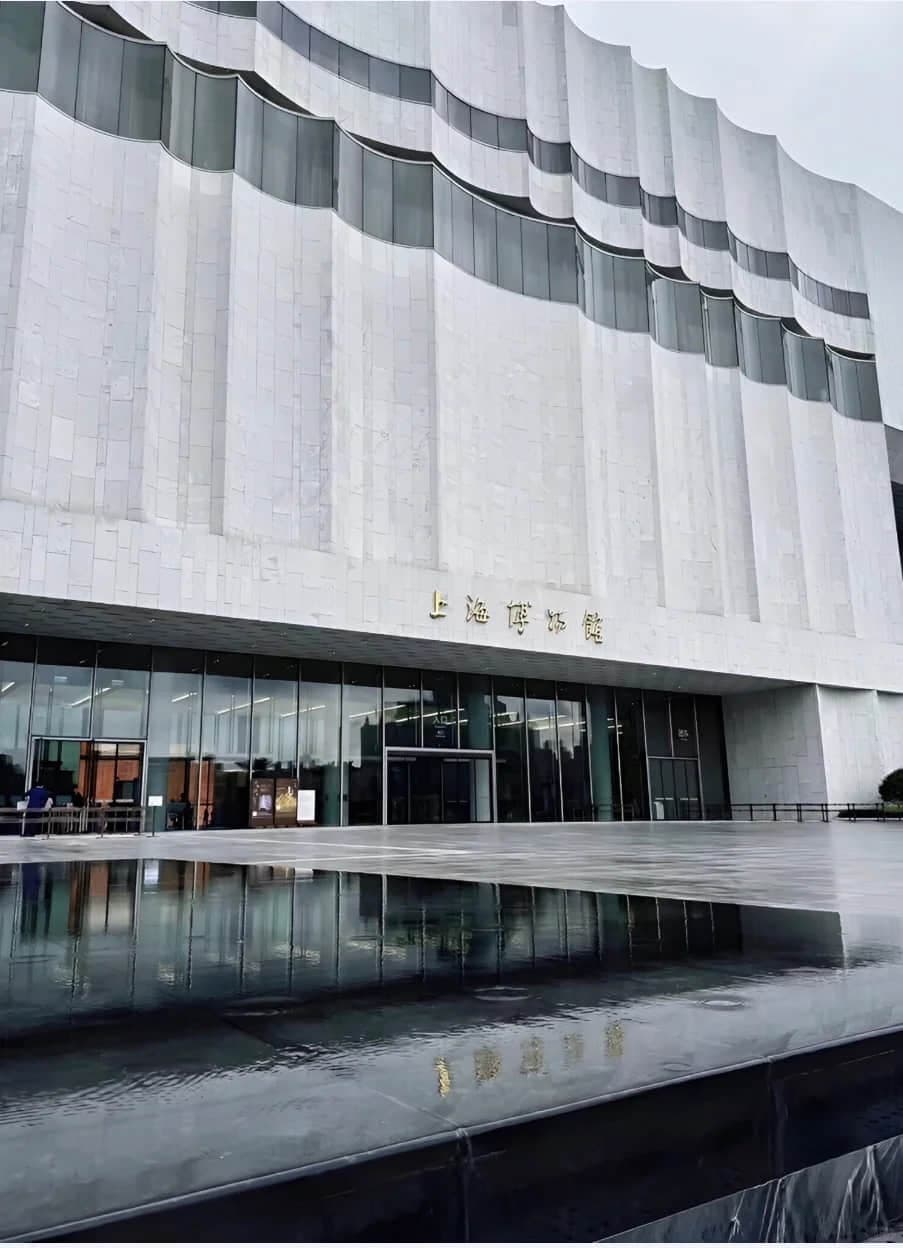
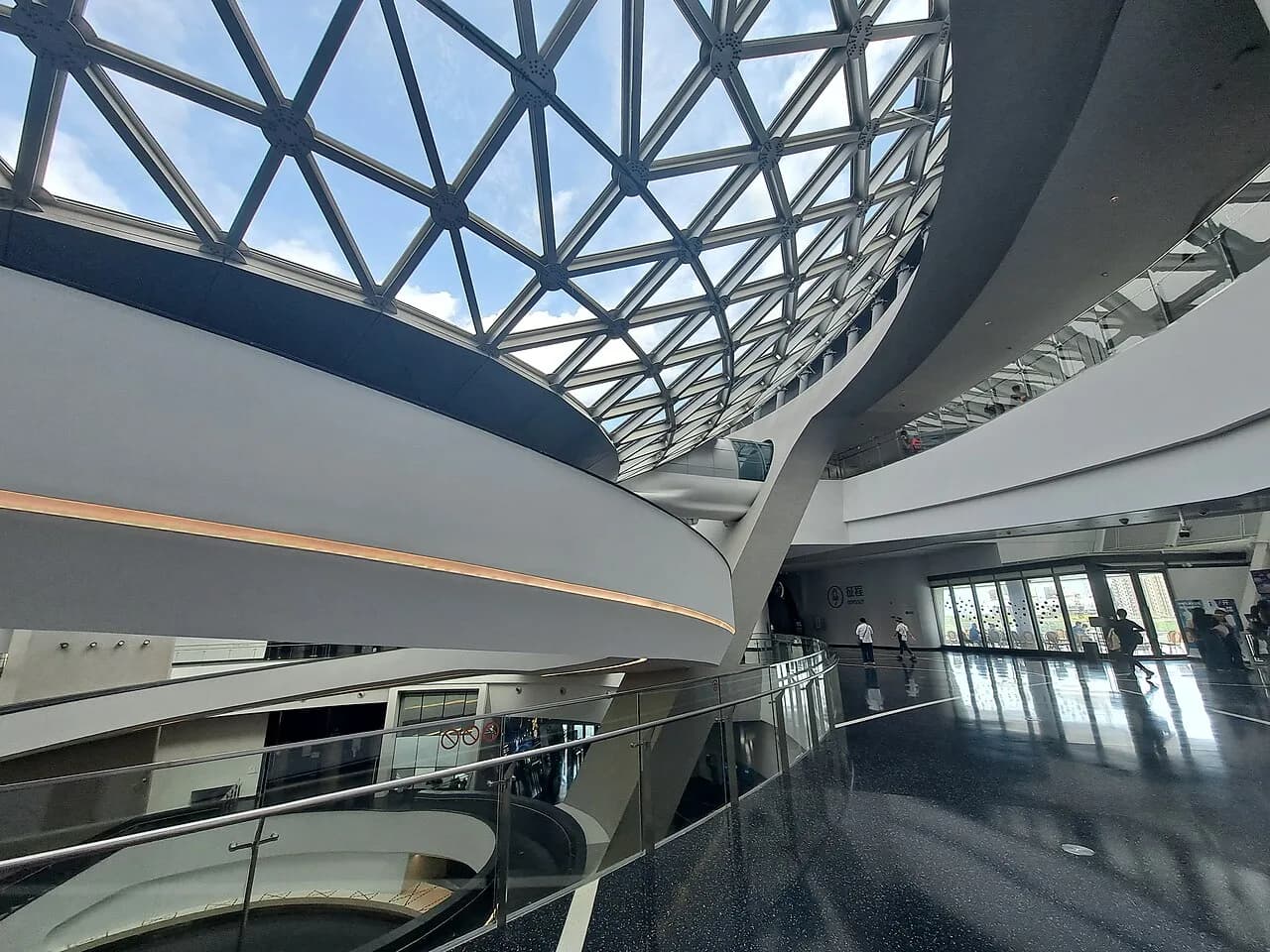
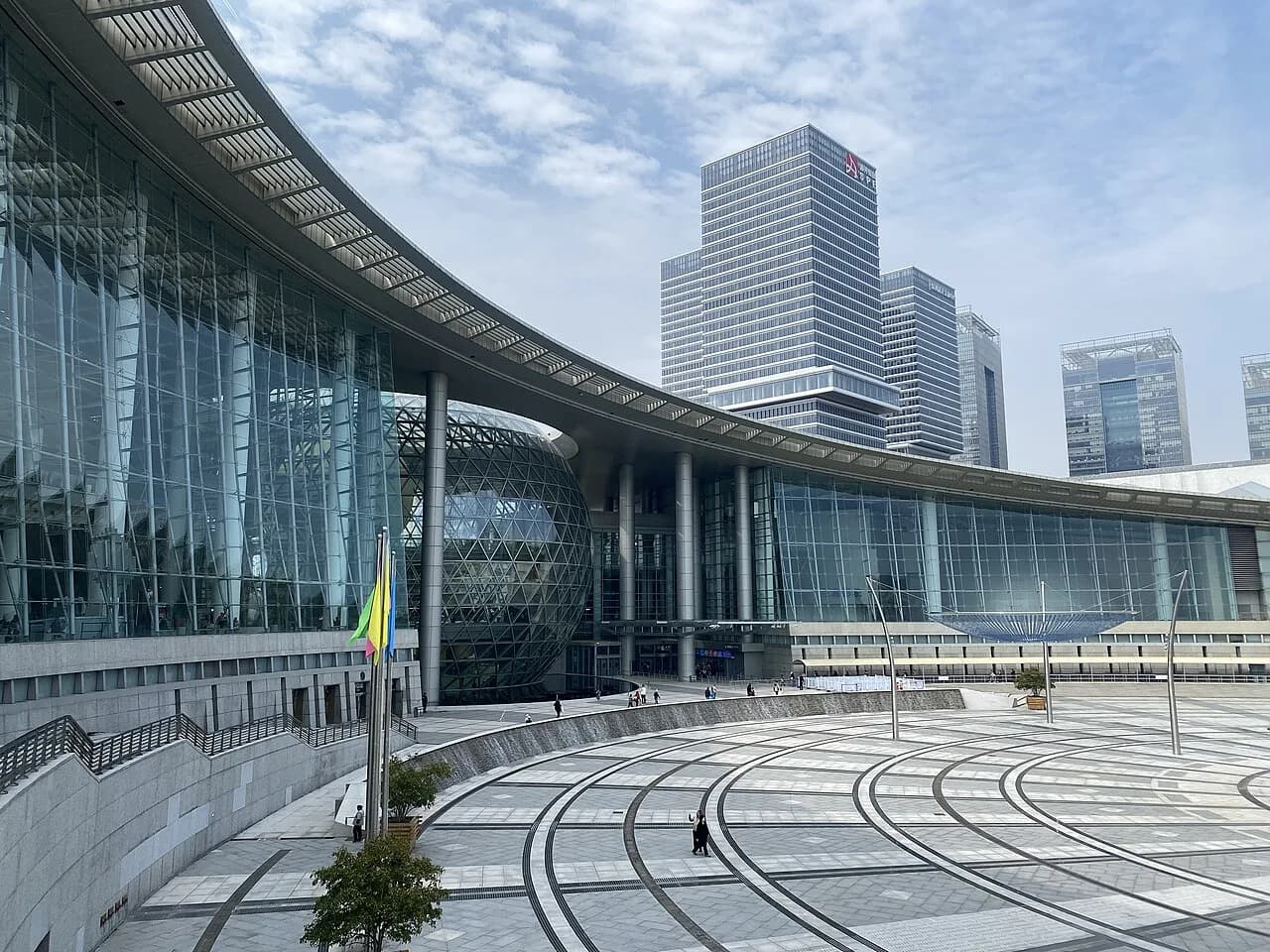
- Museums and design: choose one major museum for a half day, then pair it with its own district rather than collecting institutions.
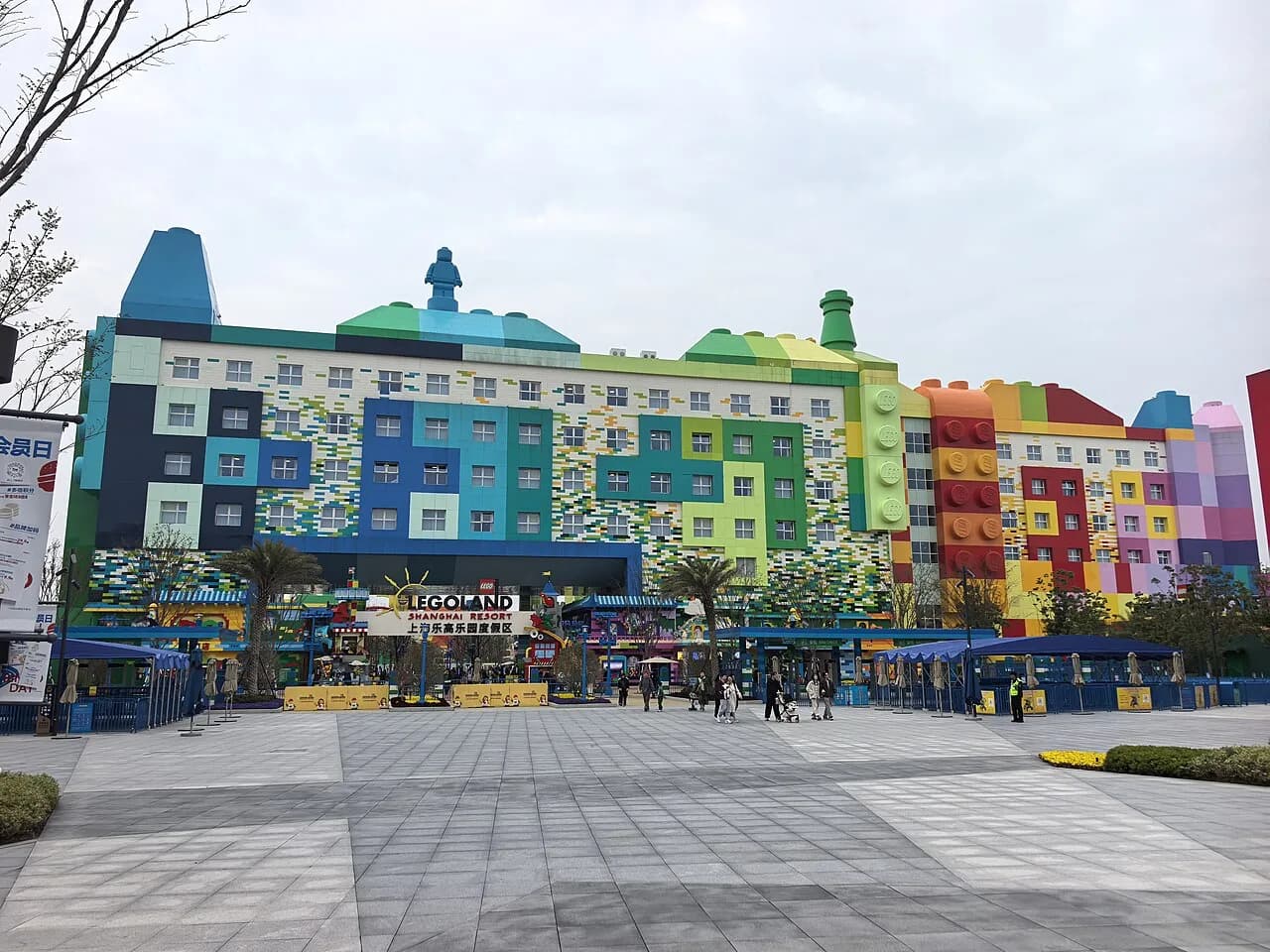
- Family trip: keep Shanghai Disneyland, Lingang astronomy/snow venues or the wildlife park as separate outer-city days.
Choose where to stay by your late-day plan
- People's Square / East Nanjing Road: easiest for a short first visit, the Bund, museums and broad metro access. Expect crowds and a more commercial atmosphere.
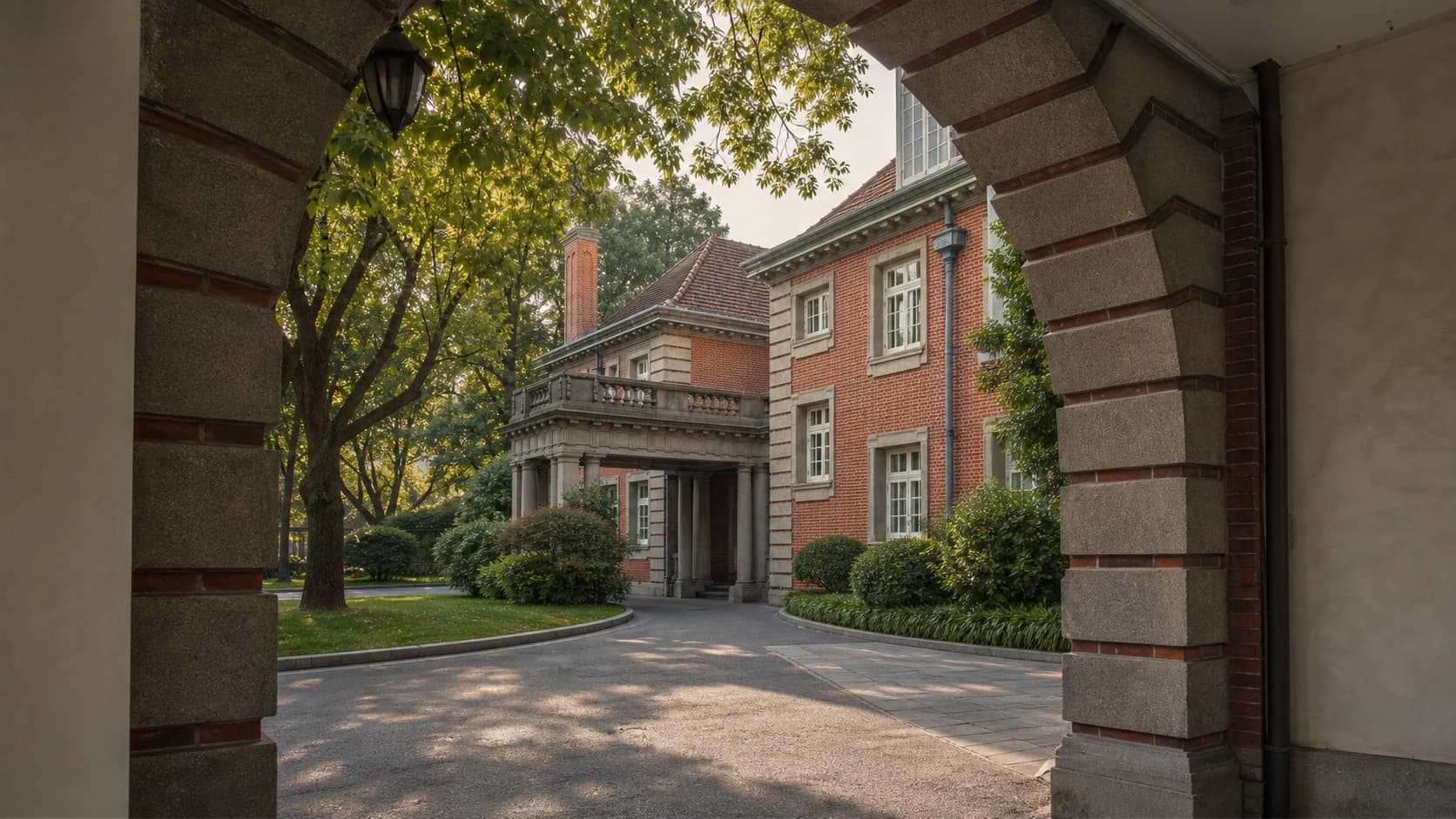
- Jing'an / west of Huaihai Road: better for restaurants, lane-house walks and evenings that feel less like a landmark circuit.
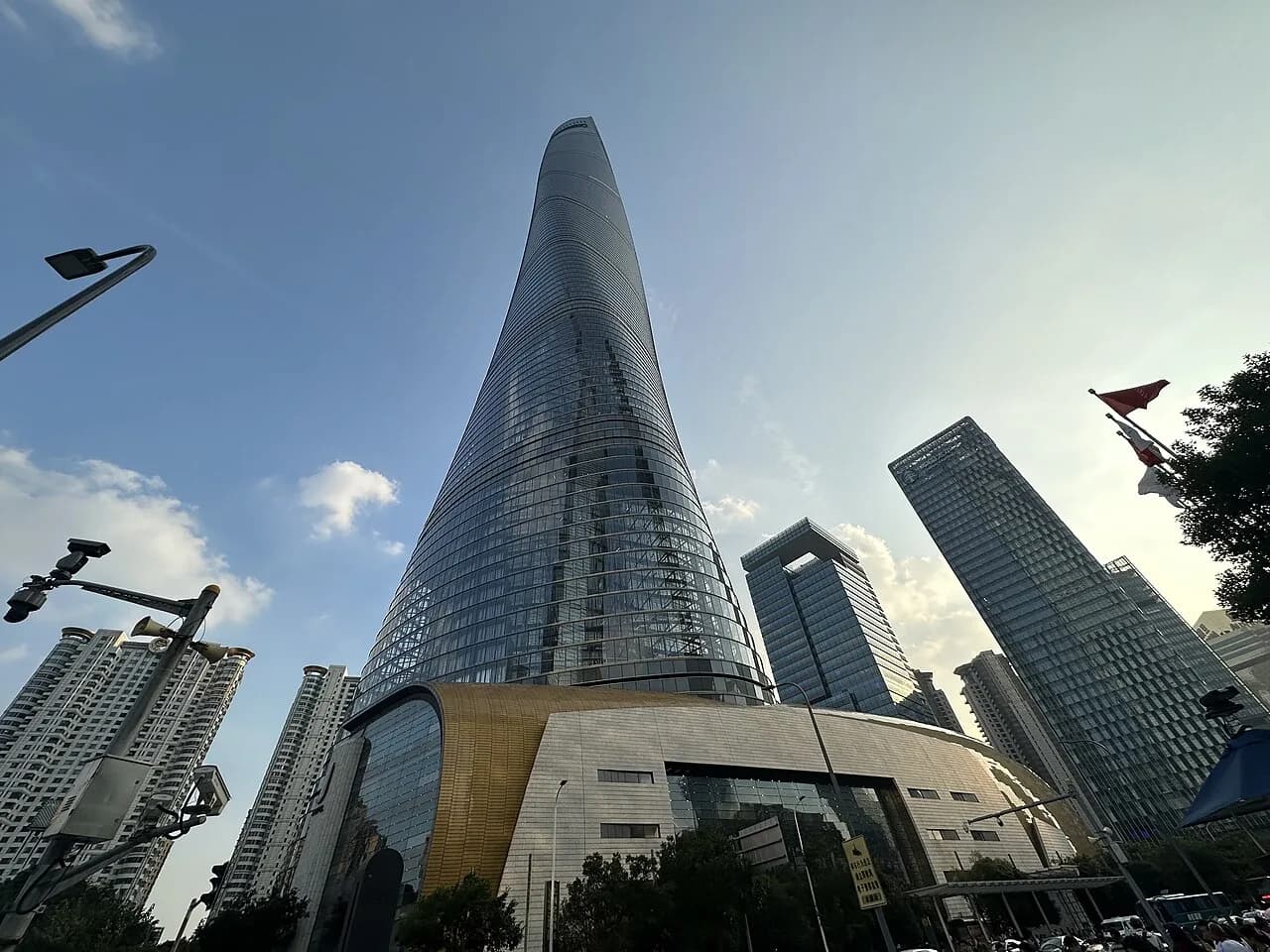
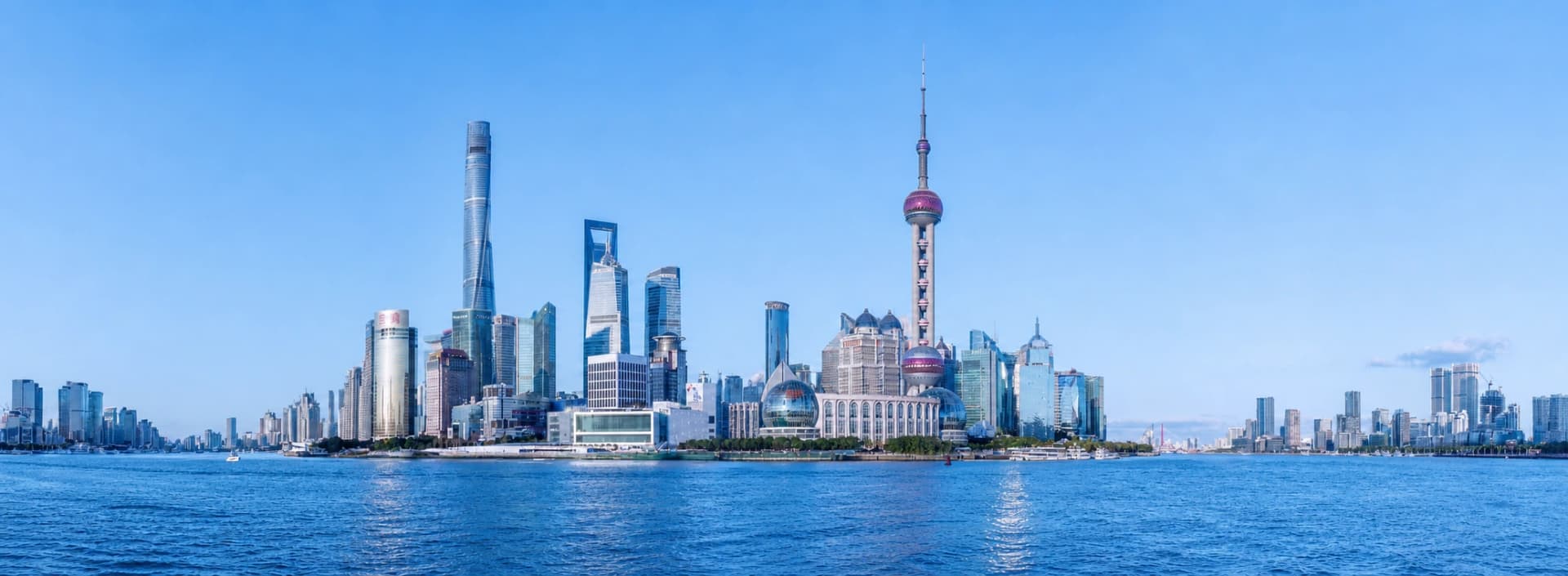
- Lujiazui: convenient for Pudong business and skyline attractions, but the river separates it from most historic walks.
- Disney Resort / Lingang: only for an early gate or a trip centered on outer Pudong; it is not an efficient general base.
Book Trip.com hotels, trains and flights after fixing the district, not just the city. In a large metropolis, a cheaper room can cost more in daily cross-city travel and lost morning time.
Treat arrival as part of the itinerary
Hongqiao Airport and Hongqiao Railway Station suit many domestic and regional arrivals and are closer to western central Shanghai. Pudong Airport handles most long-haul traffic and is much farther east. Check the live airport route for your arrival hour: metro, airport rail, Maglev and buses have different endpoints and last-service times. A taxi or ride-hailing car is sensible late at night or with several bags, but save the hotel name, Chinese address and map pin.
Shanghai Station, Shanghai Hongqiao and Shanghai South are different rail terminals. Never navigate using only “Shanghai station.” Identity checks and large concourses make a generous departure buffer worthwhile.
Build central days as coherent walks
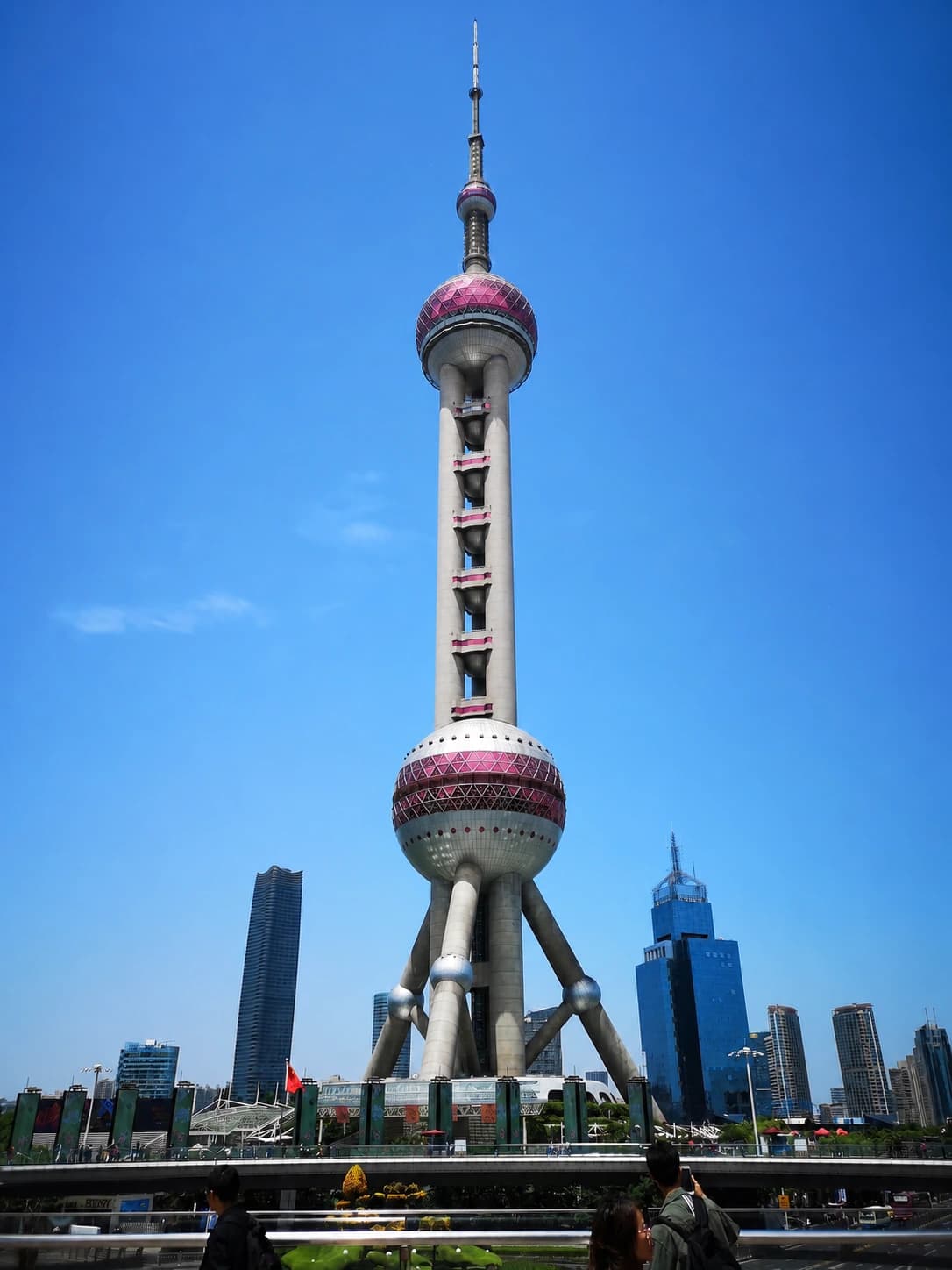
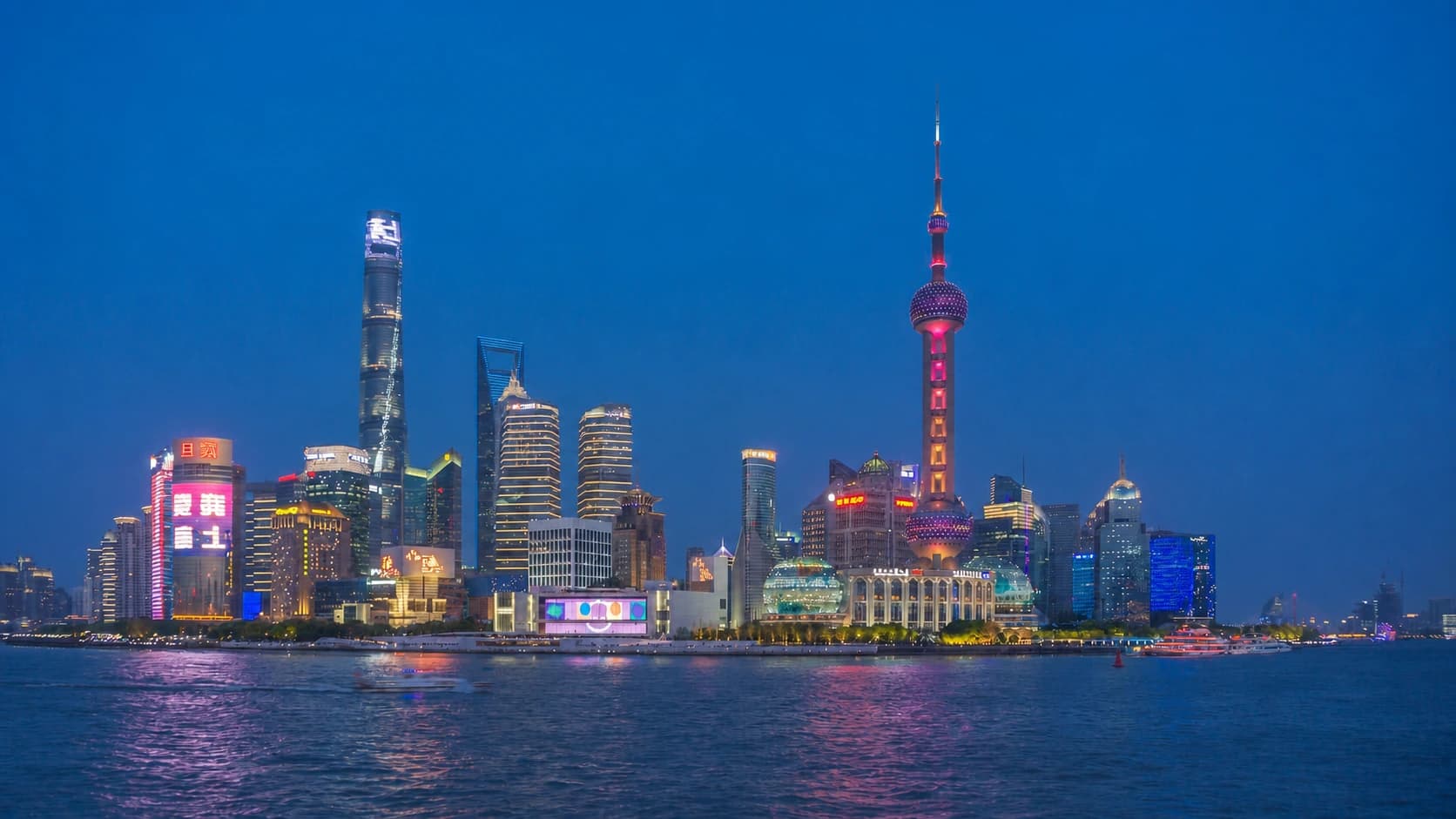
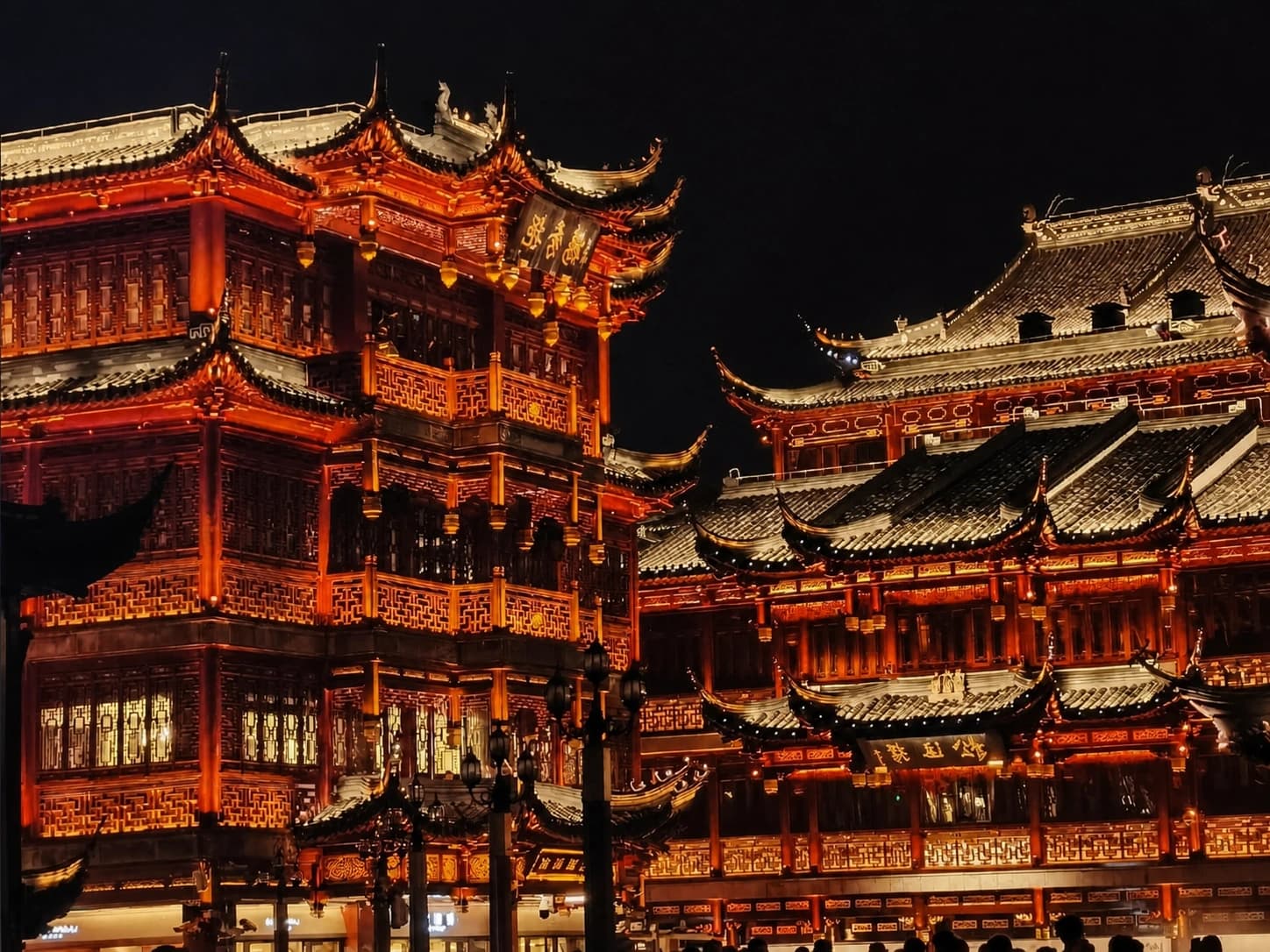
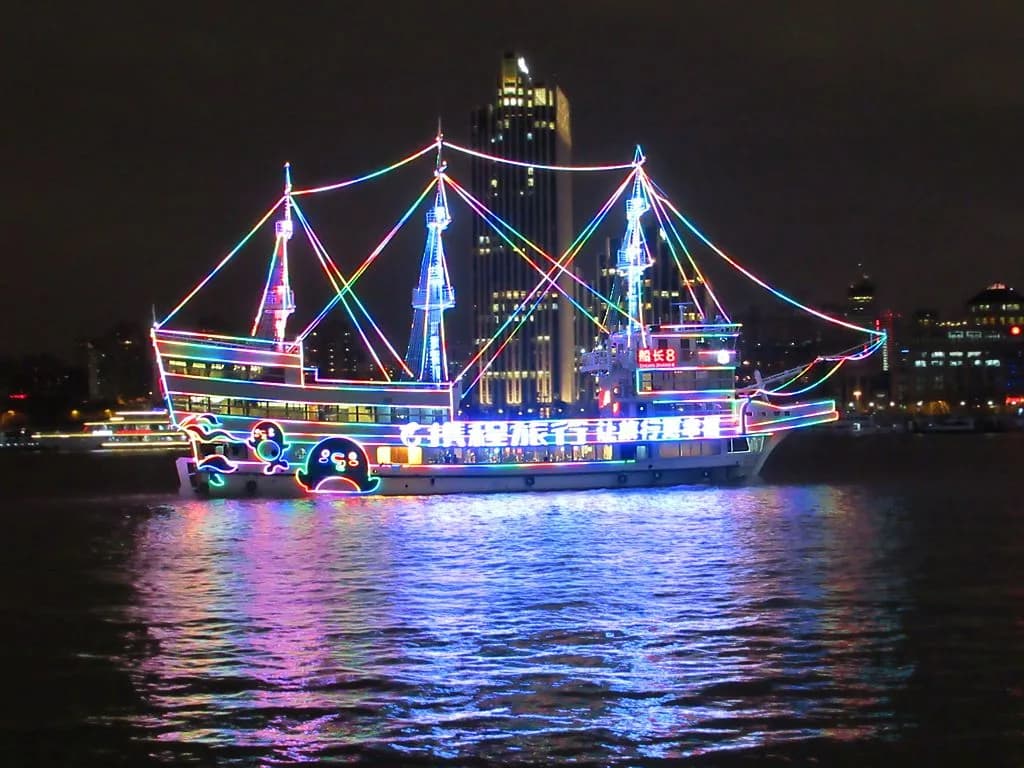
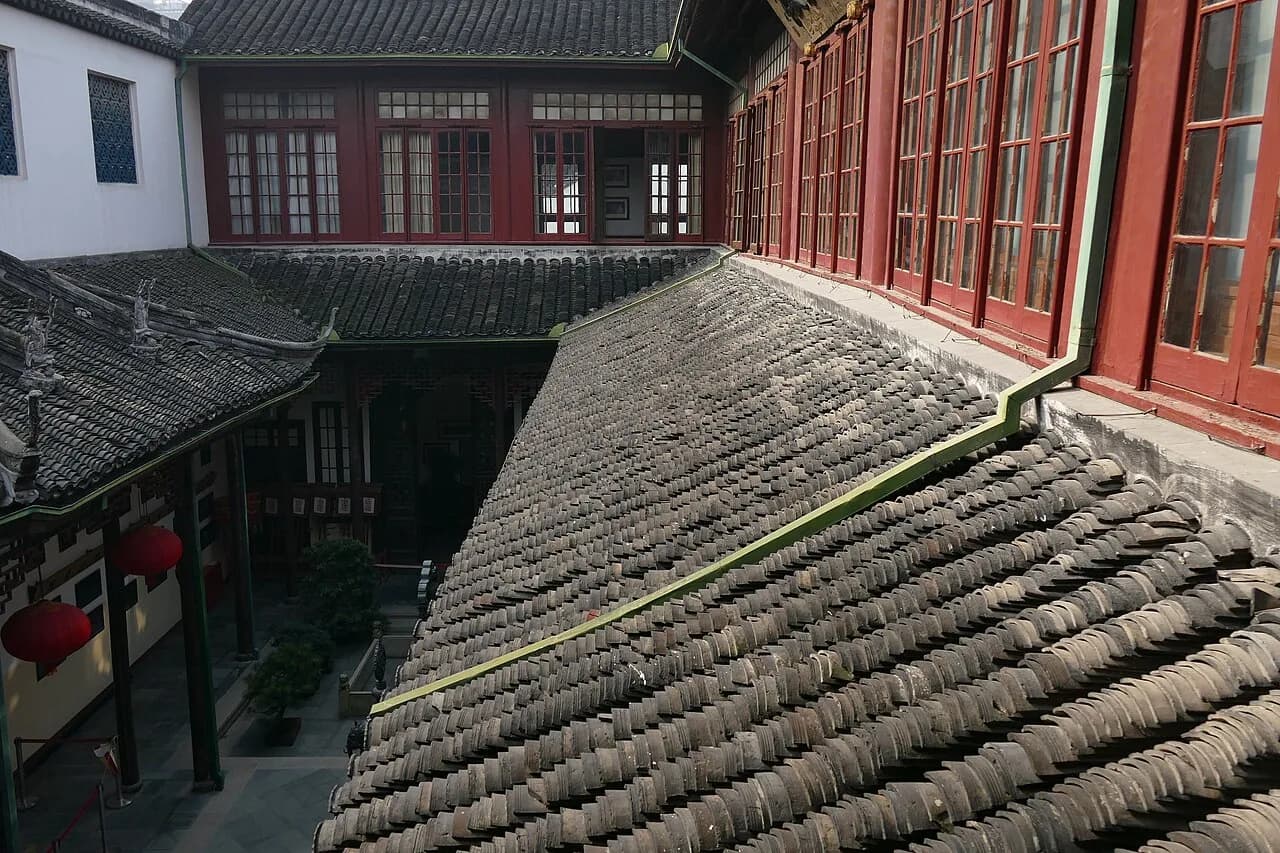
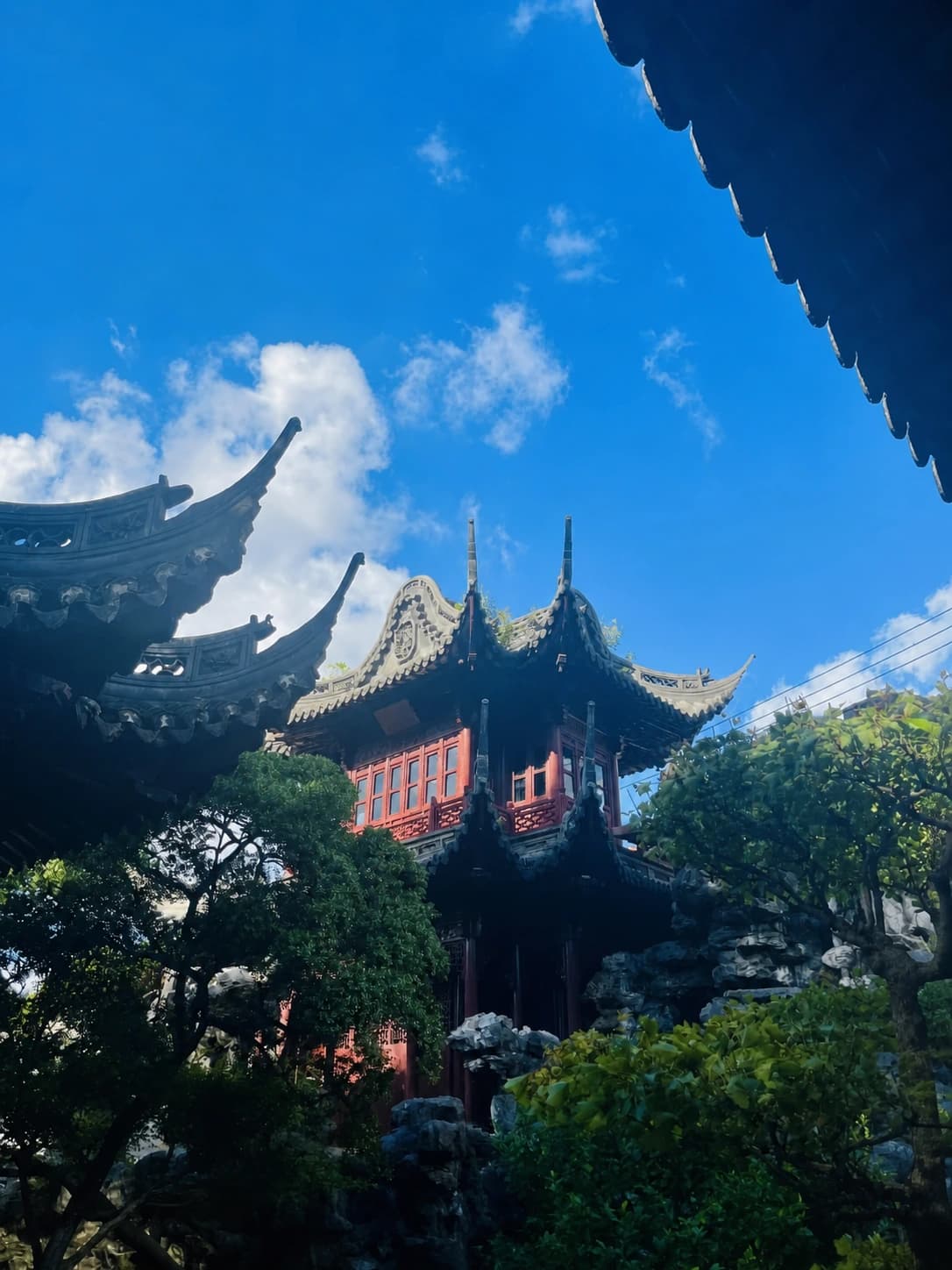
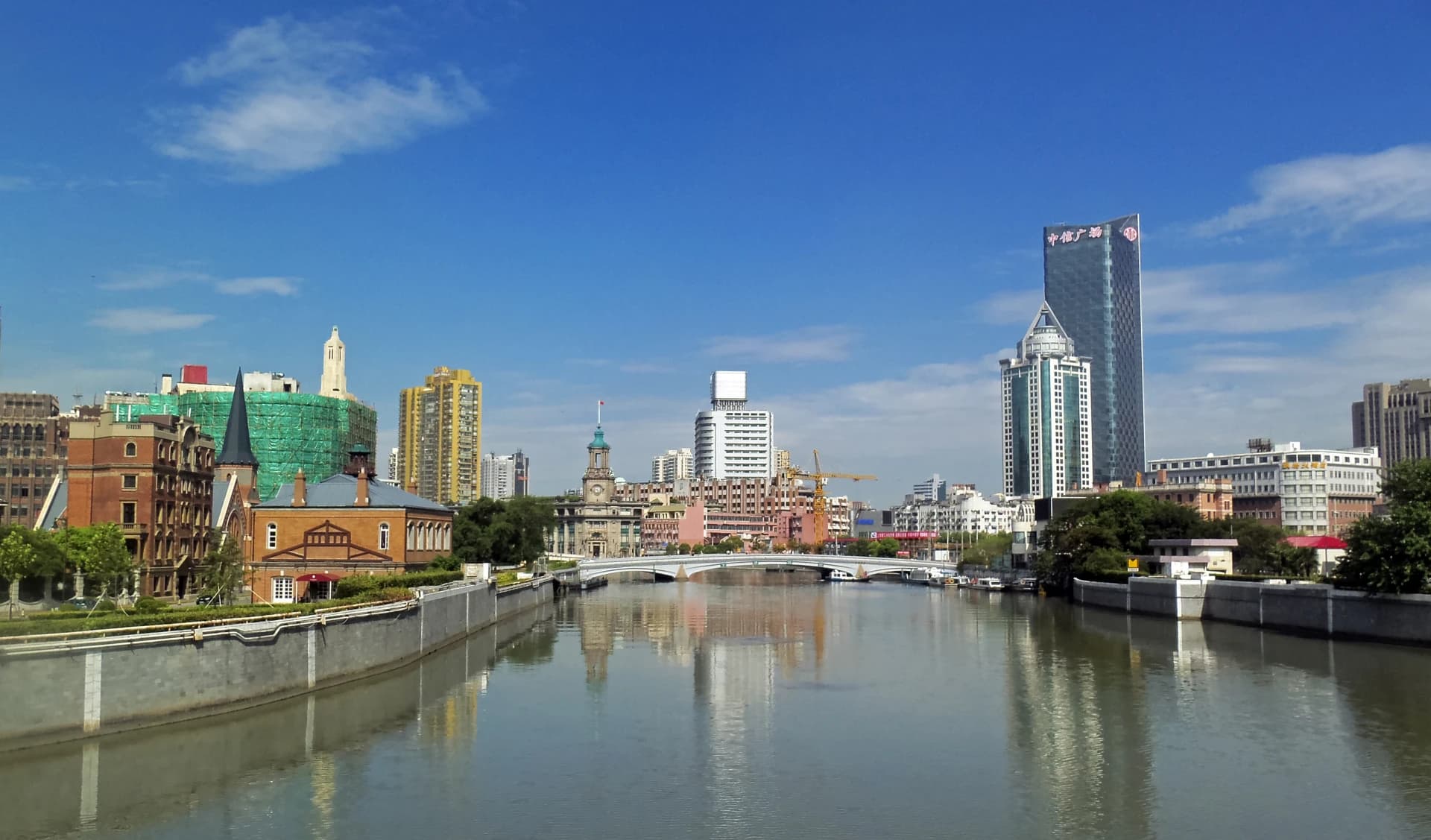
Start the classic day in the Old City and Yu Garden, cross the Huangpu on the public ferry, choose one Pudong viewpoint, then return for the Bund near dusk. The ferry is transport, not a substitute for every cruise; a Huangpu River cruise adds value only if you want a longer after-dark river view.
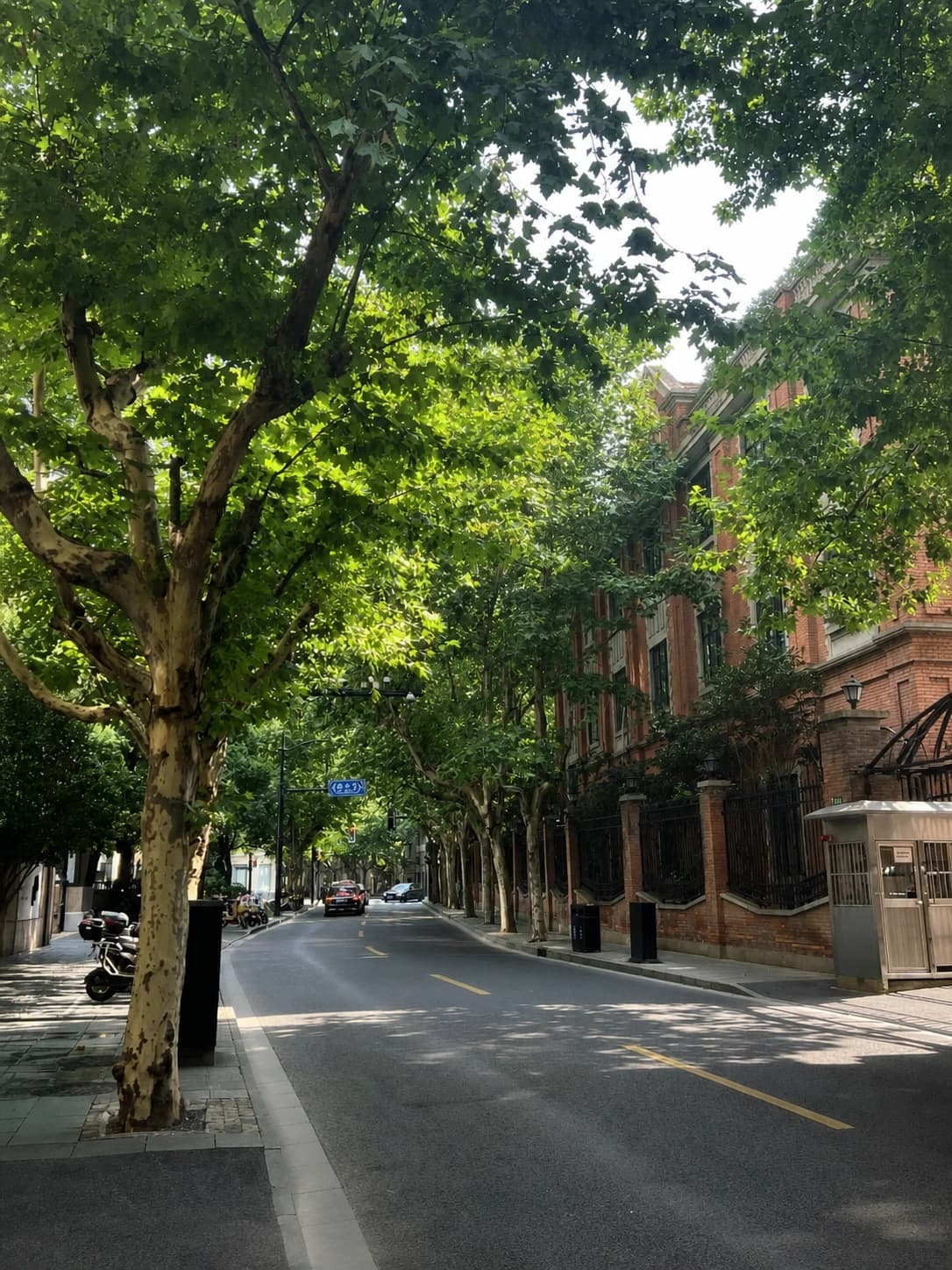
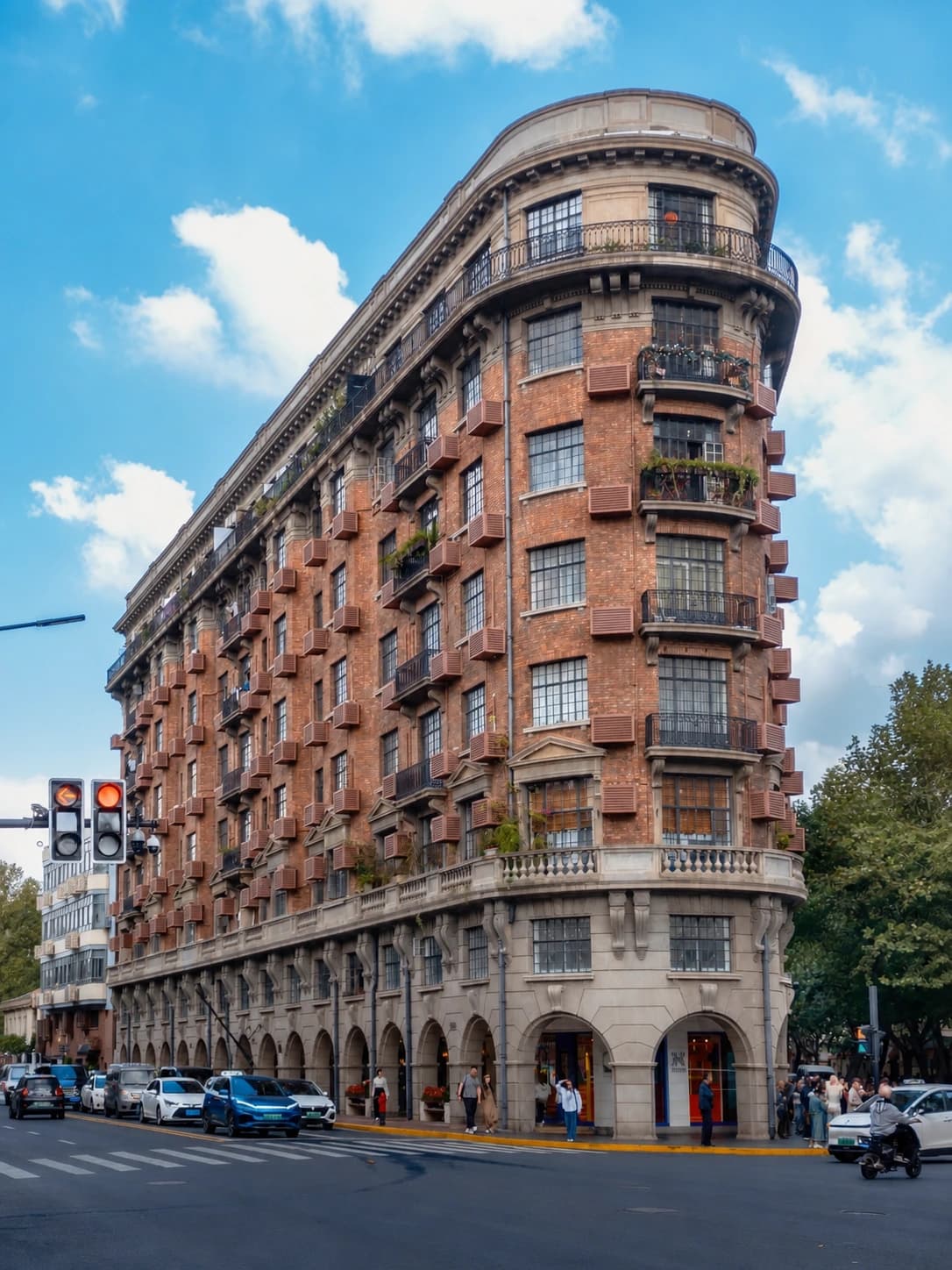
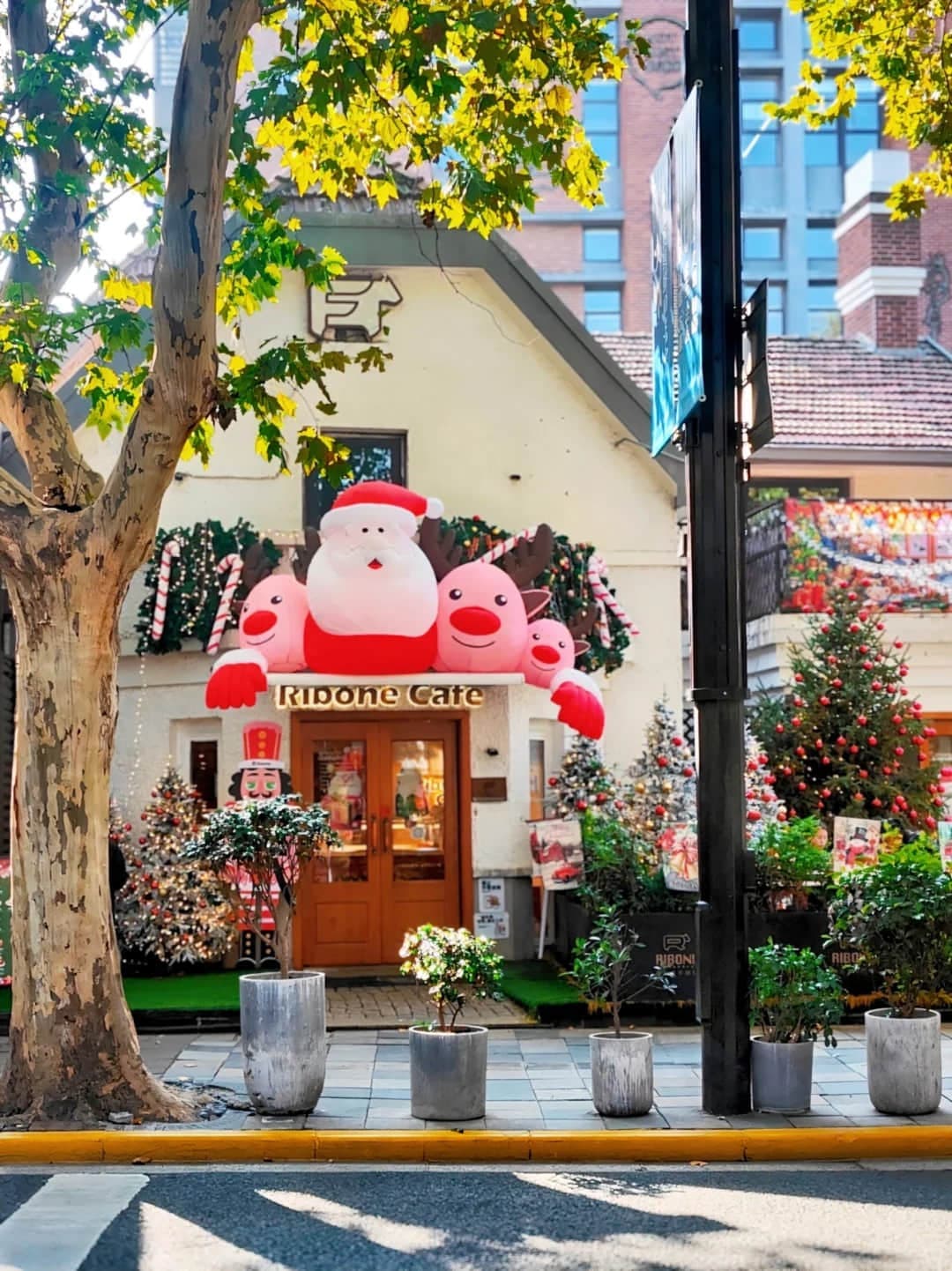
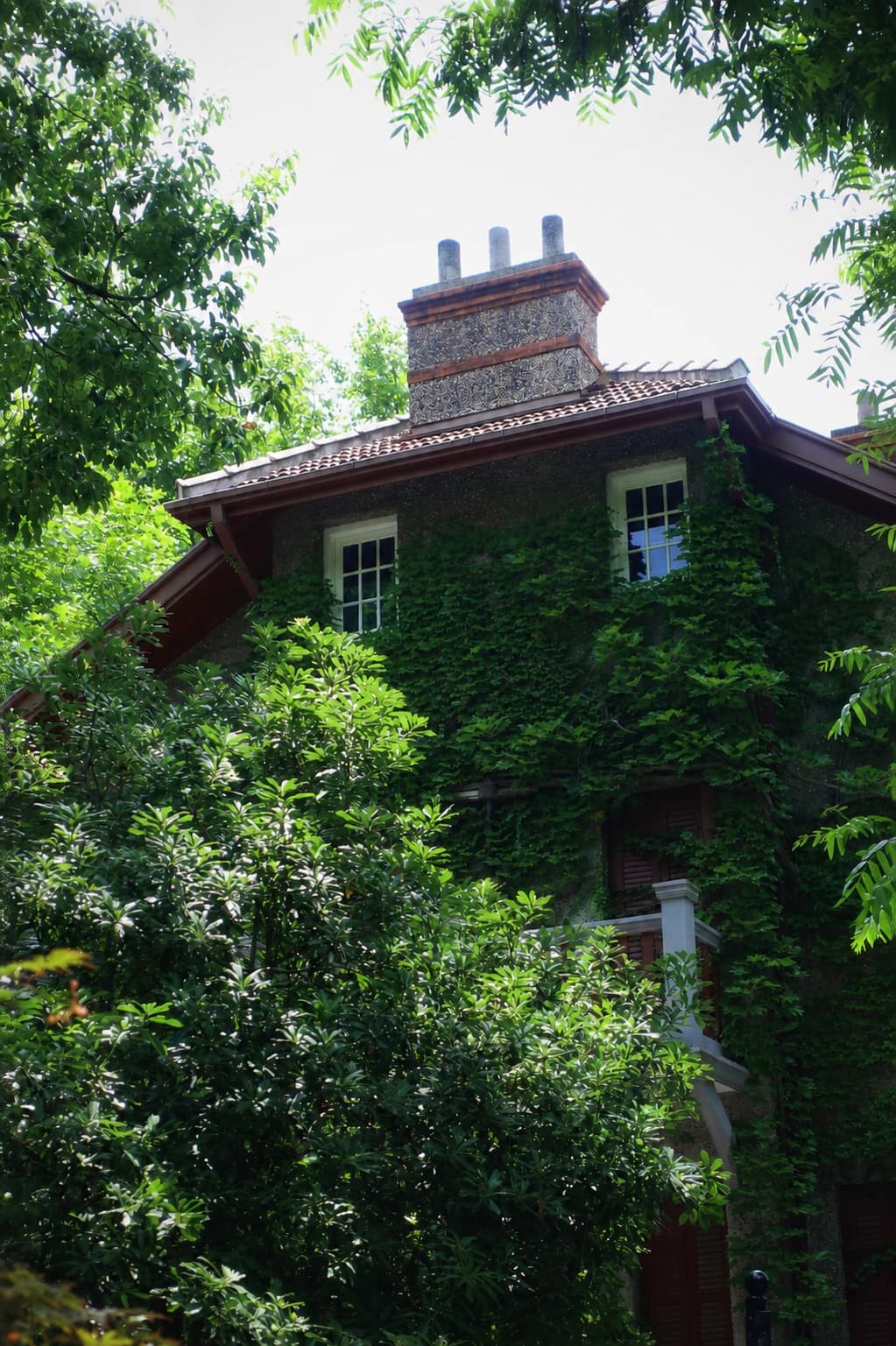
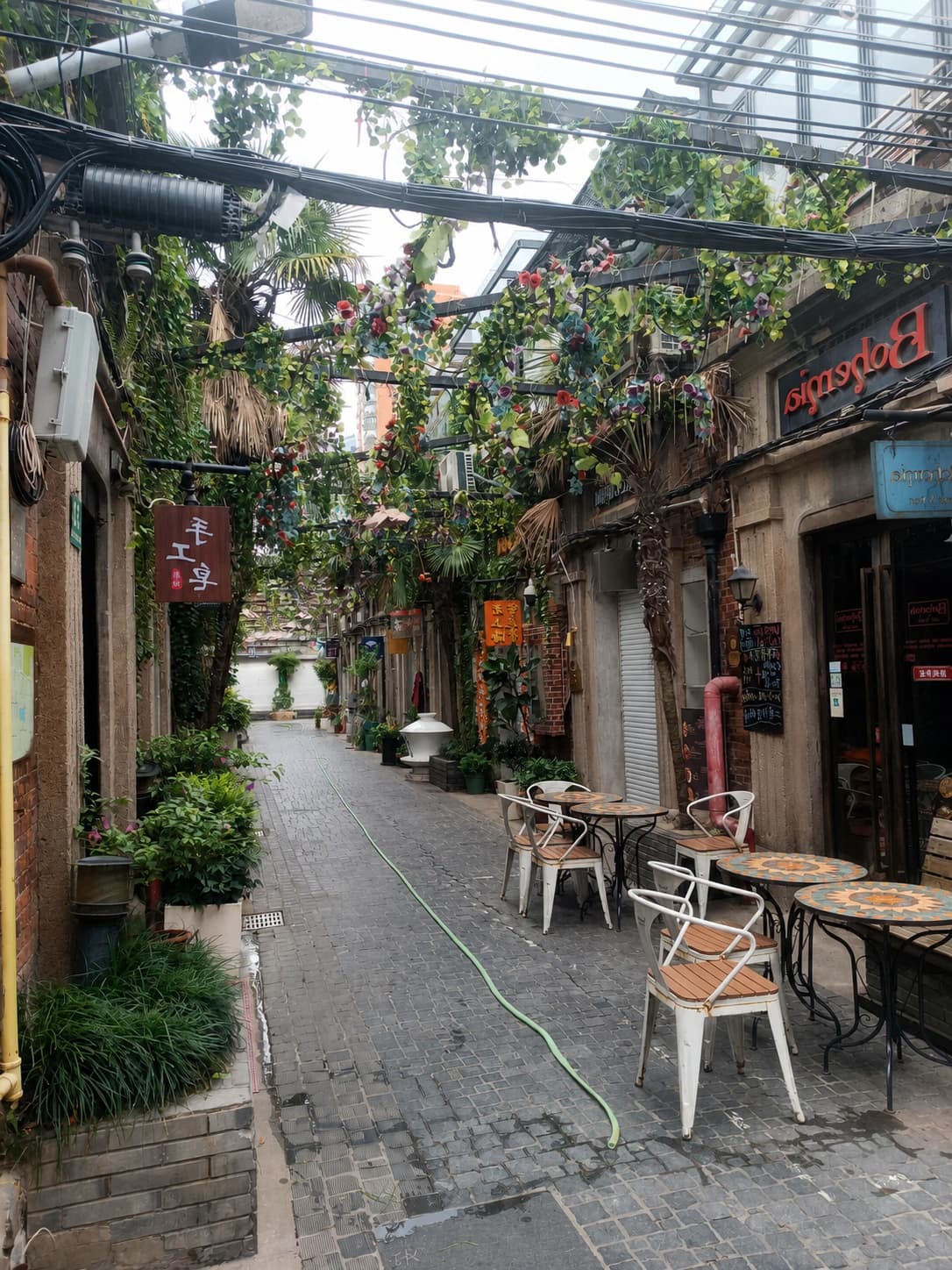
For western Shanghai, use Wukang Road, Anfu Road, Yongjia Road, Sinan Mansions and Xintiandi as a sequence. Look up at lane entrances, brickwork, additions and street setbacks; the district becomes shallow if reduced to café queues. Residents still use many lanes, so do not block doors or photograph through windows.
Reserve the things that can actually sell out
Major museums, observation decks, theme parks and special exhibitions can use real-name, timed or date-specific admission. Check the venue's maintained official channel and live checkout for your exact date; do not rely on an undated opening-hour snippet. Book the hardest fixed day first, then leave free neighborhoods flexible. Carry the passport or identity document used for the reservation.
Outdoor streets, the Bund and public parks rarely need a tour. Before buying any product, check that it solves a real problem—a valid dated ticket, useful transfer, after-hours access or interpretation—and that the named venue and inclusions match your plan.
Eat by format, not a stale restaurant ranking
Try xiaolongbao for thin-skinned soup dumplings, shengjian for a crisp-bottomed bun, scallion-oil noodles, braised pork and seasonal river or hairy-crab dishes. Choose specialist shops with visible turnover and an itemized menu. Soup dumplings are hot inside: lift one onto a spoon, open the skin and let the broth cool. For crab or seafood, confirm size, unit price and total before ordering; seasonal availability matters more than a famous name.
Weather changes the order
Spring and autumn are comfortable but not guaranteed dry. Summer brings heat, humidity, downpours and possible typhoon disruption; plan an indoor midday and monitor live transport notices. Winter is damp and can feel colder than the temperature suggests. On hazy, rainy or low-cloud days, postpone a paid observation deck and use a museum or neighborhood instead.