Shanghai City God Temple
Shanghai City God Temple (上海城隍庙, Shànghǎi Chénghuángmiào) is an active Taoist temple inside a much larger Old City shopping and food precinct. Many visitors use “City God Temple” to mean the whole commercial area, which causes the main planning mistake: the temple halls, Nine-Turn Bridge, Yu Garden and surrounding shops are separate experiences with different access rules. Allow 45–60 minutes for the religious compound or 2–3 hours for the temple, bazaar and one additional Old City stop.
Choose the visit you actually want
- Temple only: best for Taoist religion, local civic history and a quieter architectural sequence.
- Temple plus bazaar: add the Nine-Turn Bridge and one deliberate snack stop, accepting heavier crowds and commercial atmosphere.
- Old City half day: add ticketed Yu Garden or a walk toward the city-wall remains. Do not treat Yu Garden as a courtyard included with temple admission.
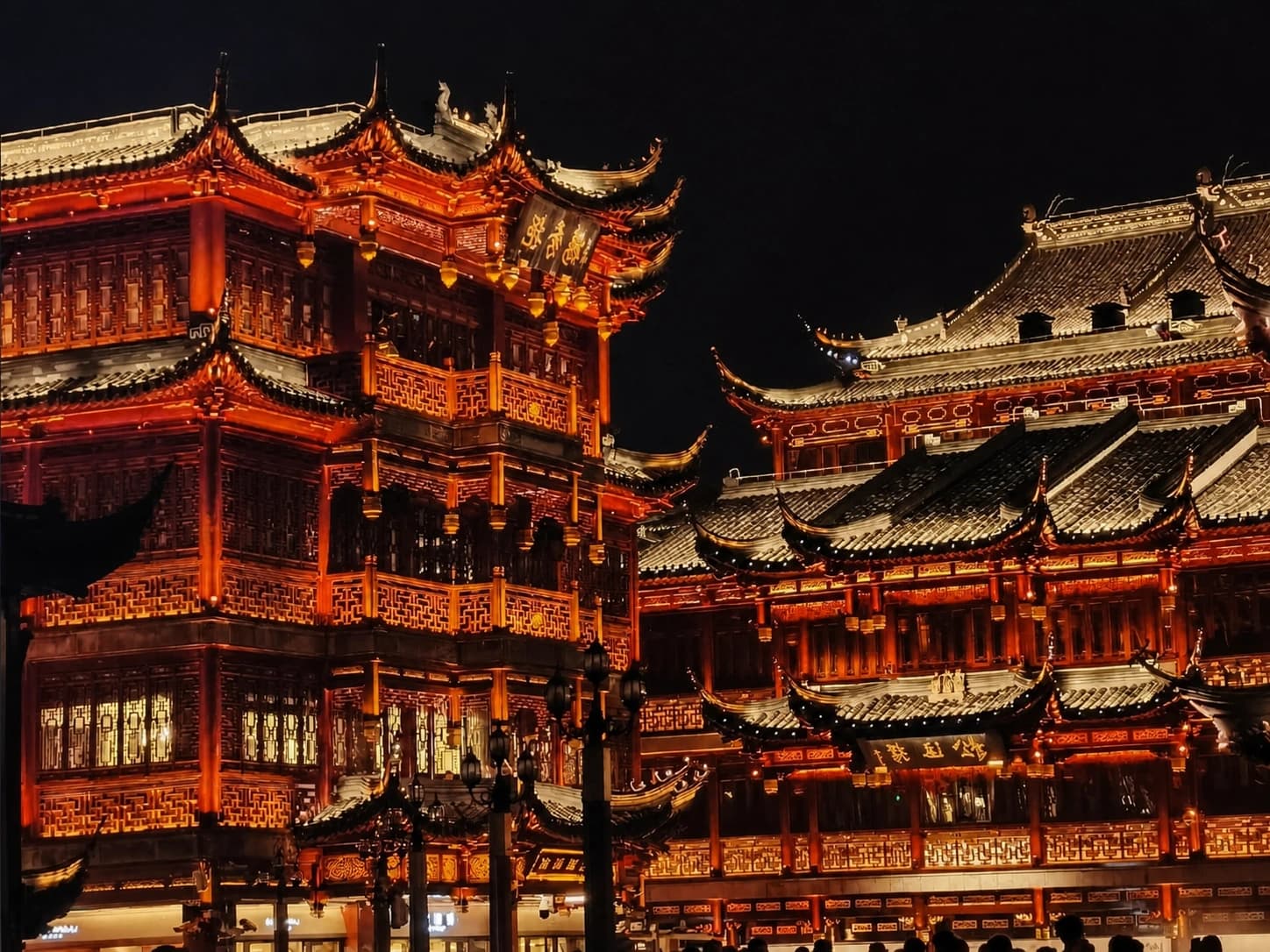
Historical Origins
The City God Temple of Shanghai stands as a historic landmark along the Huangpu River, with a history dating back to the Tang Dynasty. Originally established in the Huating County area, it began as a small temple dedicated to the local City God.
In 1292, when Shanghai County was officially established, residents initially worshipped at the Danjing Temple in the suburbs. During the Yongle period of the Ming Dynasty (1403-1424), as Shanghai's population grew, the local magistrate Zhang Shouyue converted the Jinshan Shrine into the Shanghai City God Temple, dedicating it to Qin Yubo, who became Shanghai's City God.
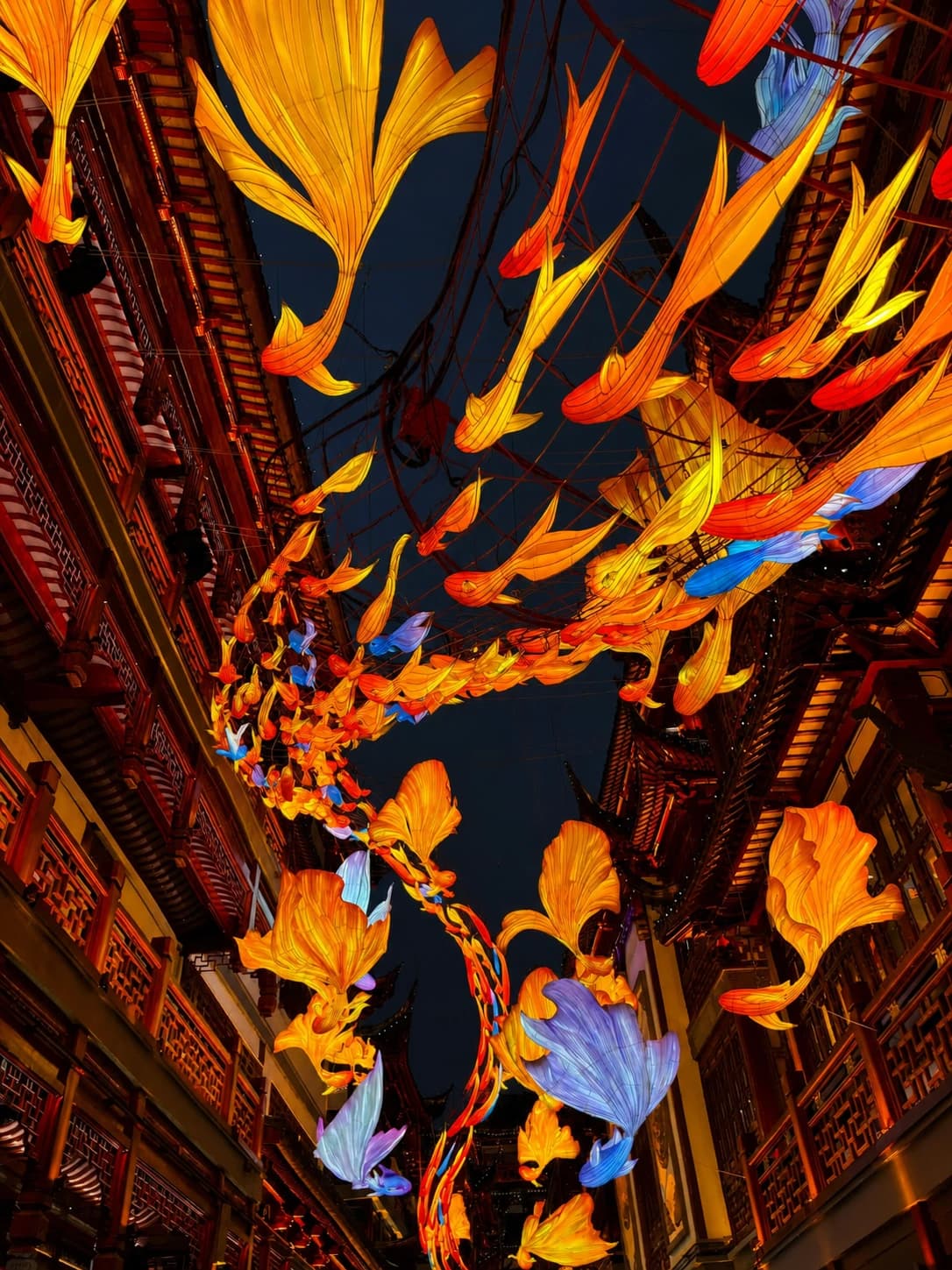
The temple features a unique "one temple, three City Gods" arrangement, honoring three historical figures:
- General Huo Guang from the Western Han Dynasty
- Qin Yubo, a respected scholar from the late Yuan and early Ming periods
- Chen Huacheng, a national hero from the late Qing Dynasty
During the Qianlong period of the Qing Dynasty, Yuyuan Garden was designated as the temple's western garden. The area flourished as a commercial center, attracting merchants from all around. Despite suffering fire damage during the Republican era, the temple was rebuilt in 1926 and continues to stand as a prominent landmark.
Architectural Features
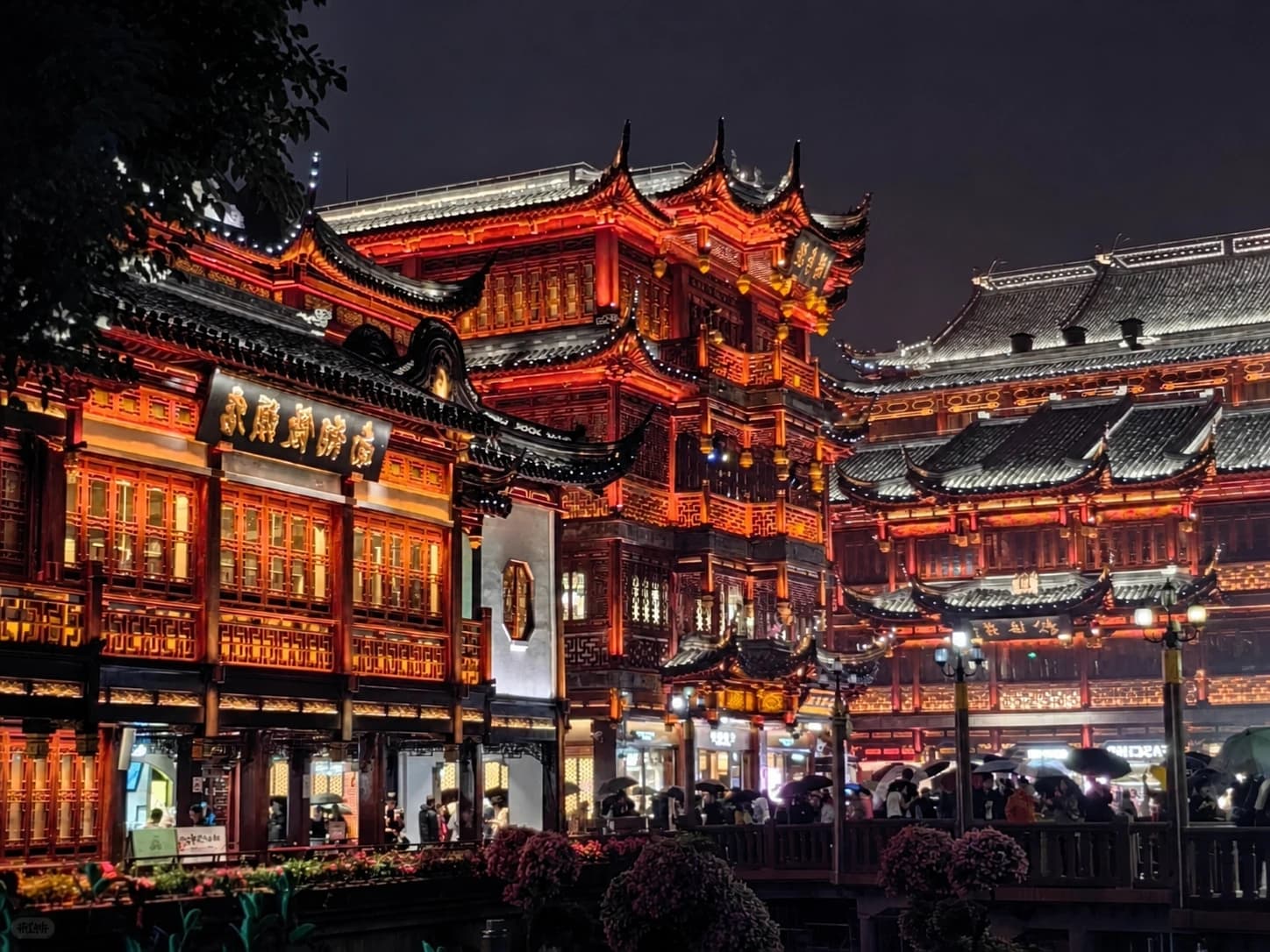
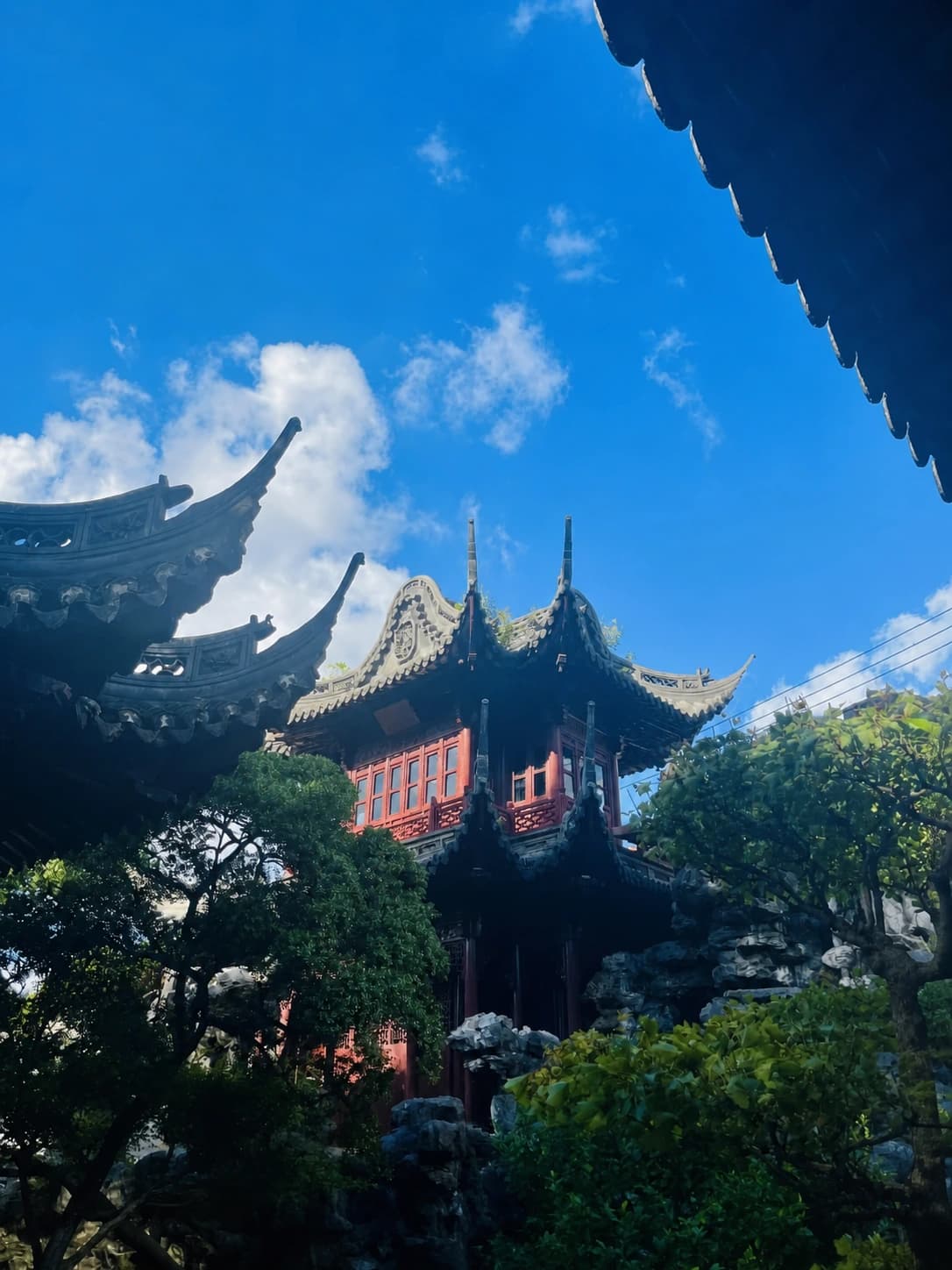
The City God Temple exemplifies traditional Chinese architecture with its north-south orientation and symmetrical layout. The main features include:
The Main Gate:
- Features impressive flying eaves and bracket sets
- Displays the temple's name in bold calligraphy
- Second gate includes an abacus with the inscription "Man has a thousand calculations, but heaven has only one"
The Opera Stage:
- Distinctive architectural style with layered eaves
- Four stone pillars decorated with dragon and phoenix patterns
- Bears the inscription "One Song of Peace" above the stage
The Main Hall:
- Built in the Southern Chinese architectural style
- Single-eave gabled roof with gentle slopes
- Features black-based golden characters on the plaque
- Houses the City God statue with attendant figures
Additional Structures:
- East and West corridors connecting various halls
- Decorated walls featuring murals of mythology and historical stories
- Specialized halls including:
- Yuan Chen Hall (元辰殿) for the God of Time
- Parents Hall (父母殿) for ancestral worship
- Fortune God Hall (财神殿)
- Compassion Hall (慈航殿)
Traditional beliefs without a scripted ritual
The City God Temple remains an important center for traditional beliefs in Shanghai. The three enshrined City Gods represent different aspects of protection and blessing:
- General Huo Guang: Protects against natural disasters
- Qin Yubo: Represents justice and local governance
- Chen Huacheng: Symbolizes patriotism and sacrifice
Religious practice and festival arrangements change with the lunar calendar. Observe what worshippers are doing, keep altar approaches clear and follow current temple instructions if you choose to offer incense. Do not copy a blessing sequence from social media or assume a historic procession takes place on your visit.
Culinary Delights
The temple area is famous for its traditional Shanghai snacks and dishes:
- Xiaolongbao (小笼包):
- Soup-filled steamed dumplings are the area's most famous order.
- Queue length is not a guarantee of quality; check portion size and price before joining.
- Wine-Soaked Rice Balls (酒酿圆子):
- Originated in the early 20th century
- Made with glutinous rice and sweet rice wine
- Served with osmanthus syrup
- Pan-Fried Buns (生煎包):
- A crisp base and hot filling make these better as a shared snack than another full meal after xiaolongbao.
- Other Notable Dishes:
- Eight Treasures Rice (八宝饭)
- Crab Shell Pastry (蟹壳黄)
- Chicken Blood Soup (鸡鸭血汤)
- Sweet Bean Soup (桂花赤豆糖粥)
Visitor Information
Location and Access:
- Use Yuyuan Garden Station on Line 10 or 14, then follow live signs toward the temple entrance. Search 上海城隍庙 in Amap; a search for “Yu Garden” can lead to the separate garden gate.
Live Access:
- The temple is open year-round. Its current seasonal schedule is 09:00-17:00 from May 1 to September 30 and 08:30-16:30 from October 1 to April 30; on the 1st and 15th days of the lunar month it opens from 06:00. Special Spring Festival notices override these hours.
- No advance reservation is required. August 2026 listings conflict on whether the former ¥10 incense voucher is still charged, so check the posted gate notice rather than treating either “free” or “¥10” as universally current.
- Temple halls, worship areas and the surrounding commercial district follow different operations.
- Yu Garden is a separate ticketed attraction; do not assume temple access includes it.
For guided historical and religious context, compare the multilingual Trip.com Yu Garden and City God Temple experience, then verify the guide language, meeting point, tea option and admission inclusions before booking.
Temple-first route
- Enter the religious compound and pause at the first courtyard to identify the open halls and active worship zones.
- Follow the central axis through the main City God hall, then choose one side hall whose deity or civic function you want to understand.
- Look back through the courtyards at the rooflines and the compression of the surrounding city before leaving the temple.
- Decide only after exiting whether the group still wants the commercial precinct. Cross Nine-Turn Bridge before the busiest meal period, choose one snack, and add Yu Garden only when you have a separate ticket and at least another hour.
Keep the temple halls distinct from nearby Yu Garden and the surrounding shopping streets. Follow the temple's current signs for circulation and any areas closed to visitors.
Nearby Attractions:
- Yu Garden for a ticketed classical-garden visit
- Shanghai Old Street and the surviving city-wall/Dajing Pavilion area for an Old City walk
- Jinling East Road ferry or the Bund for a later waterfront chapter, rather than adding another snack street