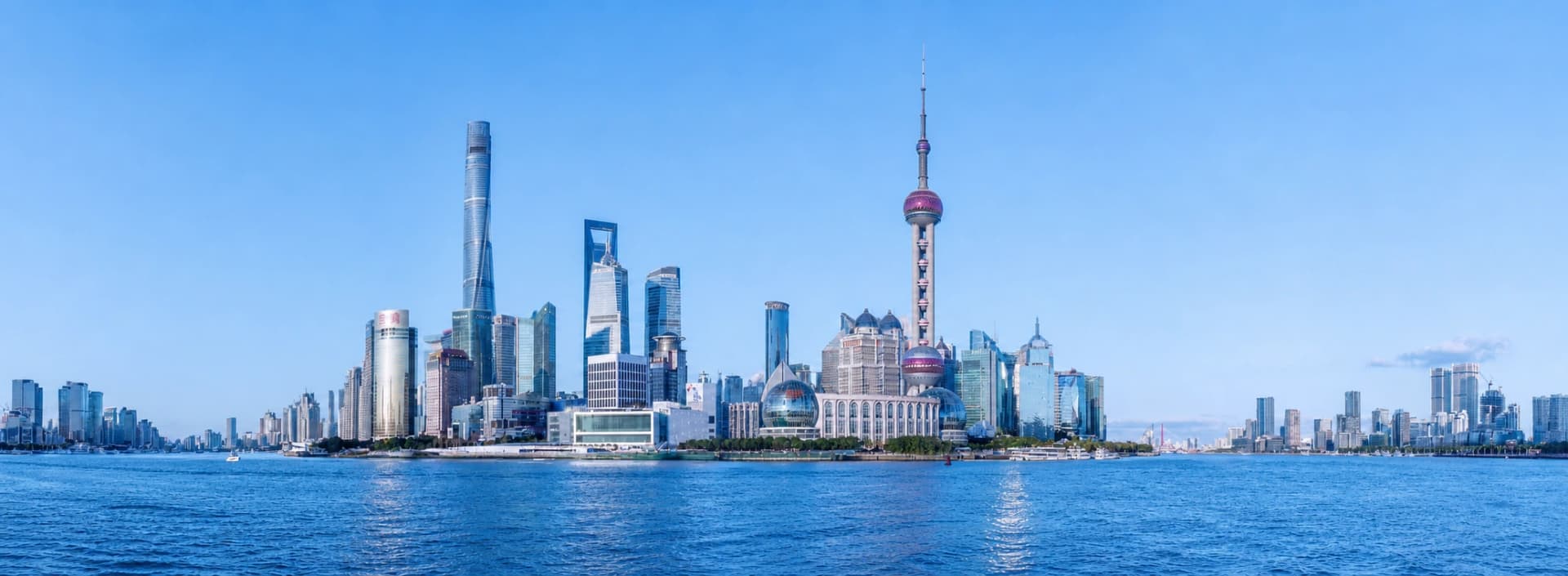
Xintiandi
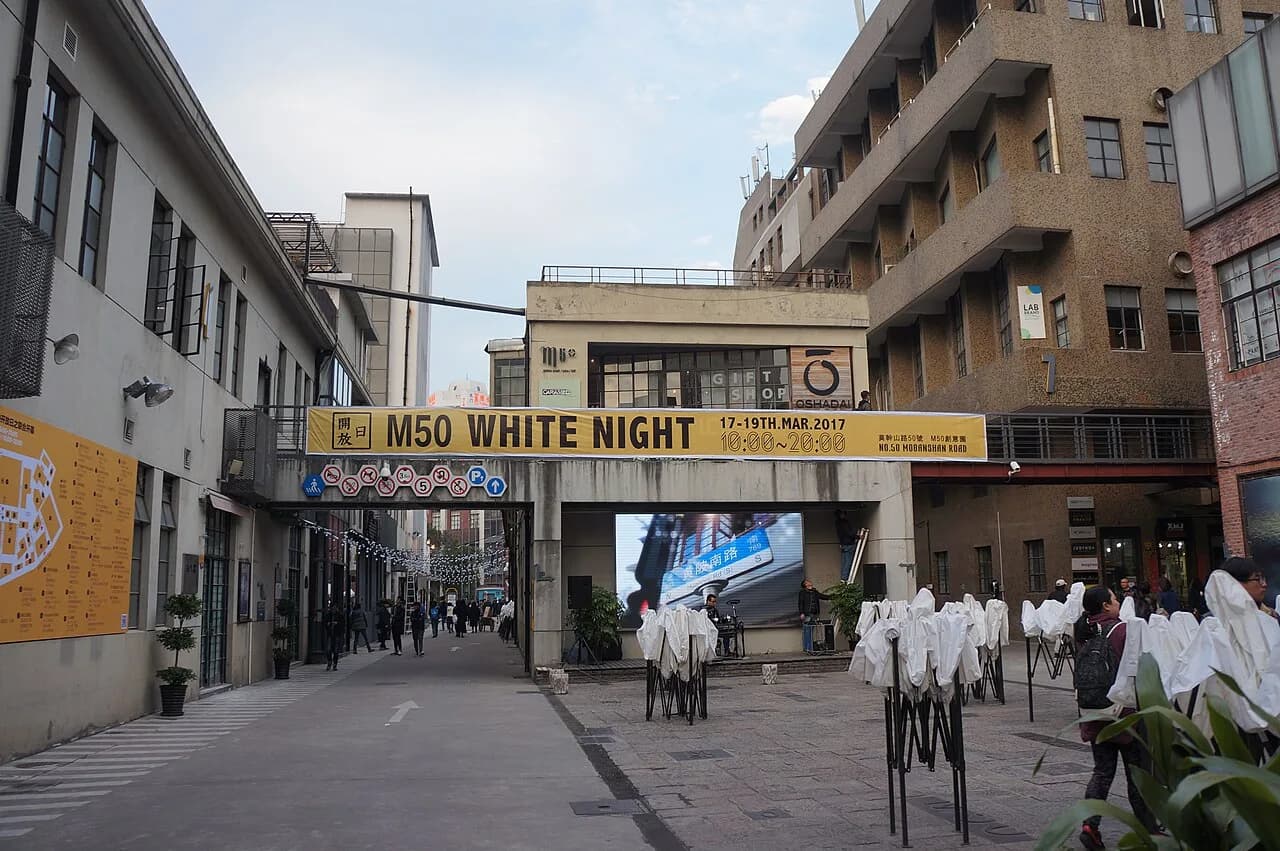
Xintiandi (新天地, Xīntiāndì) is a polished commercial district built around restored and reconstructed Shikumen forms, with restaurants, retail, museums, plazas, and towers packed into one central walk. It is useful precisely because it is not an untouched old neighborhood: Xintiandi shows how Shanghai converted historic urban form into a contemporary lifestyle product.
Decide Whether You Want History, Architecture, or Evening Energy
For history, visit the Site of the First National Congress and its museum before entering the commercial lanes. Checked August 18, 2026, the maintained museum information lists the normal baseline as 09:00–17:00, last entry 16:30, free, usually closed Monday except legal holidays; a 2026 summer notice temporarily opened Mondays, so use the current museum notice for your exact date. General individual entry is currently described as no-reservation, while the newly opened delegates' dormitory uses a separate real-name reservation. Do not assume all three related sites share one rule.
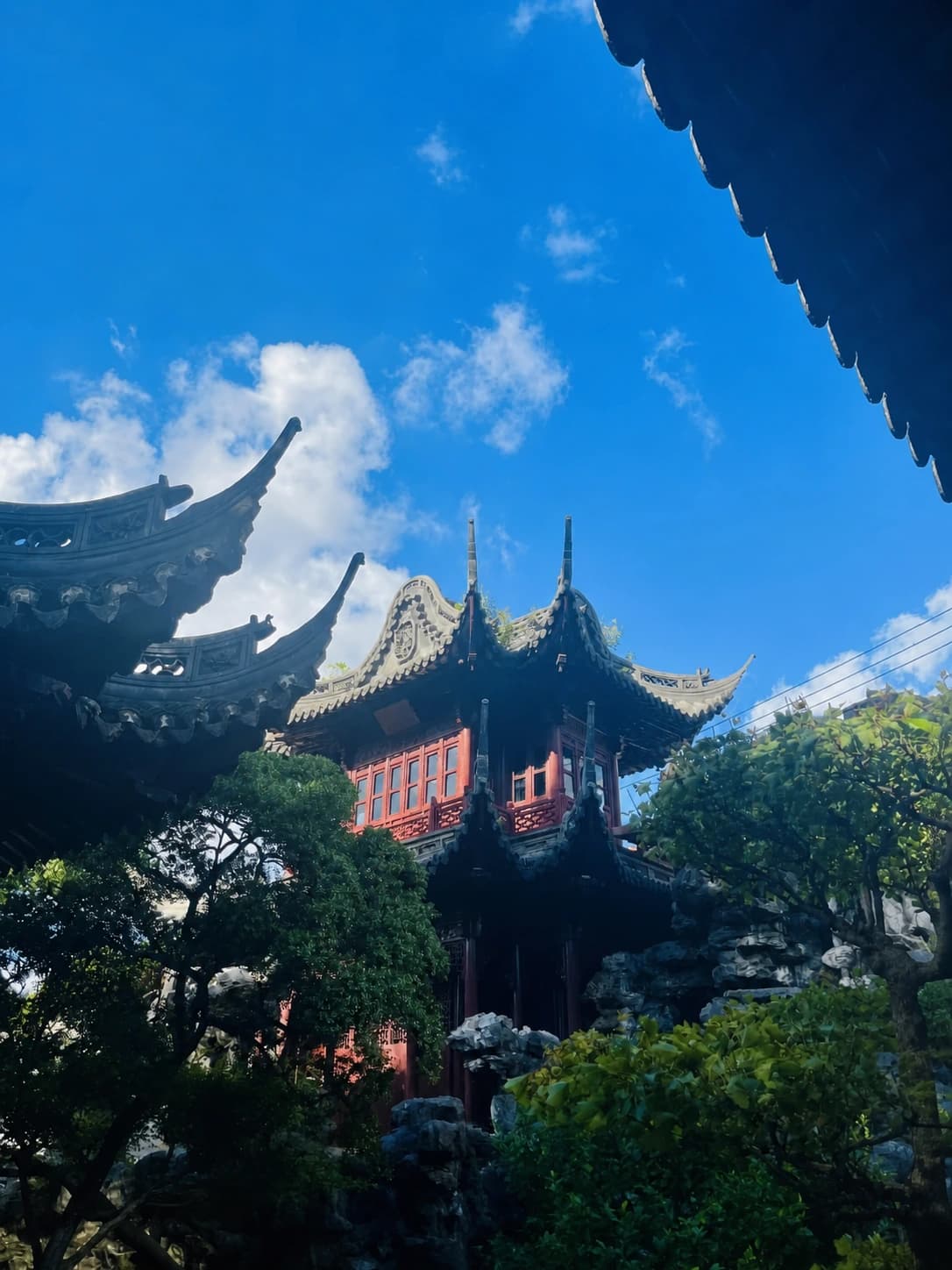
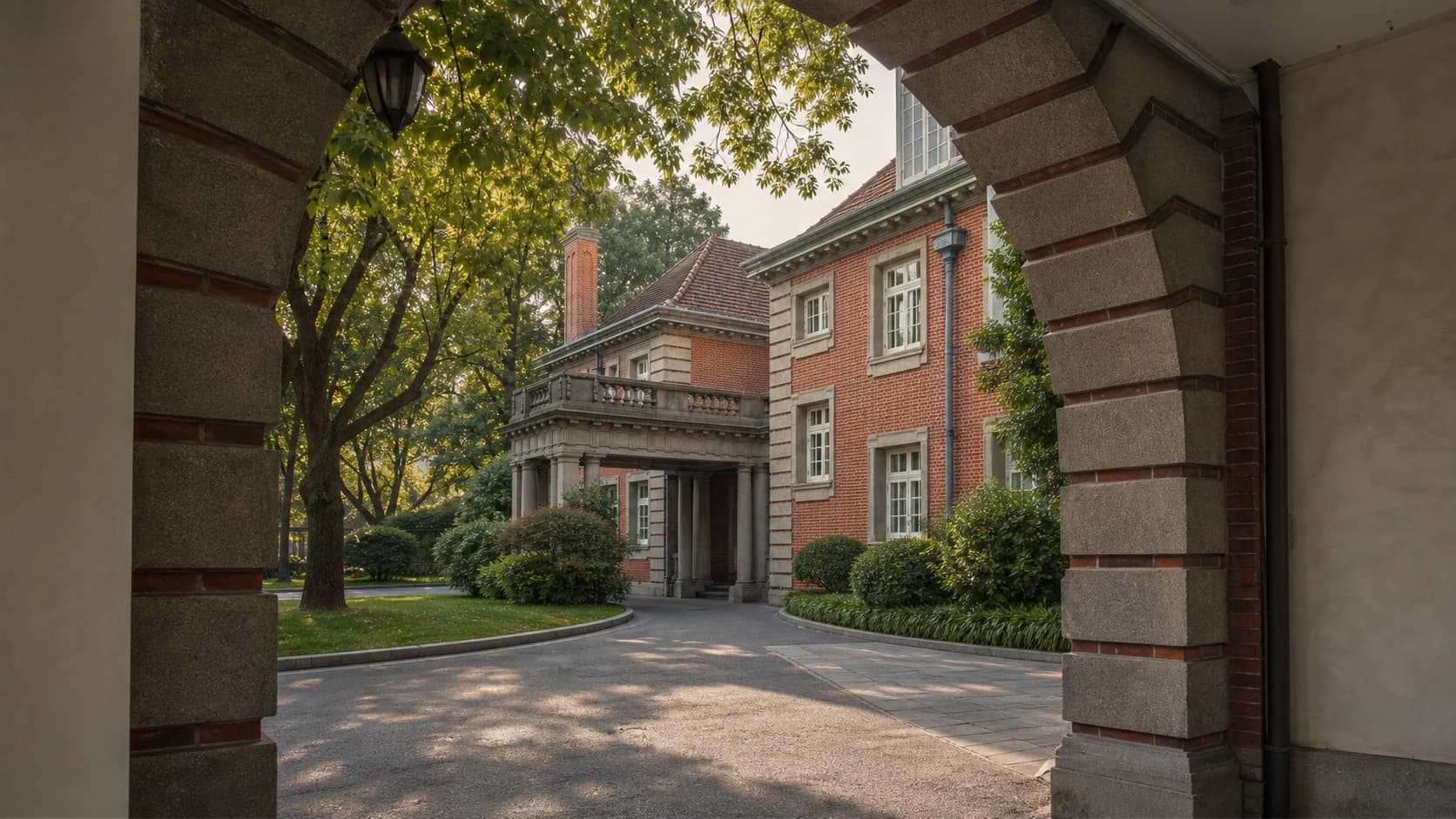
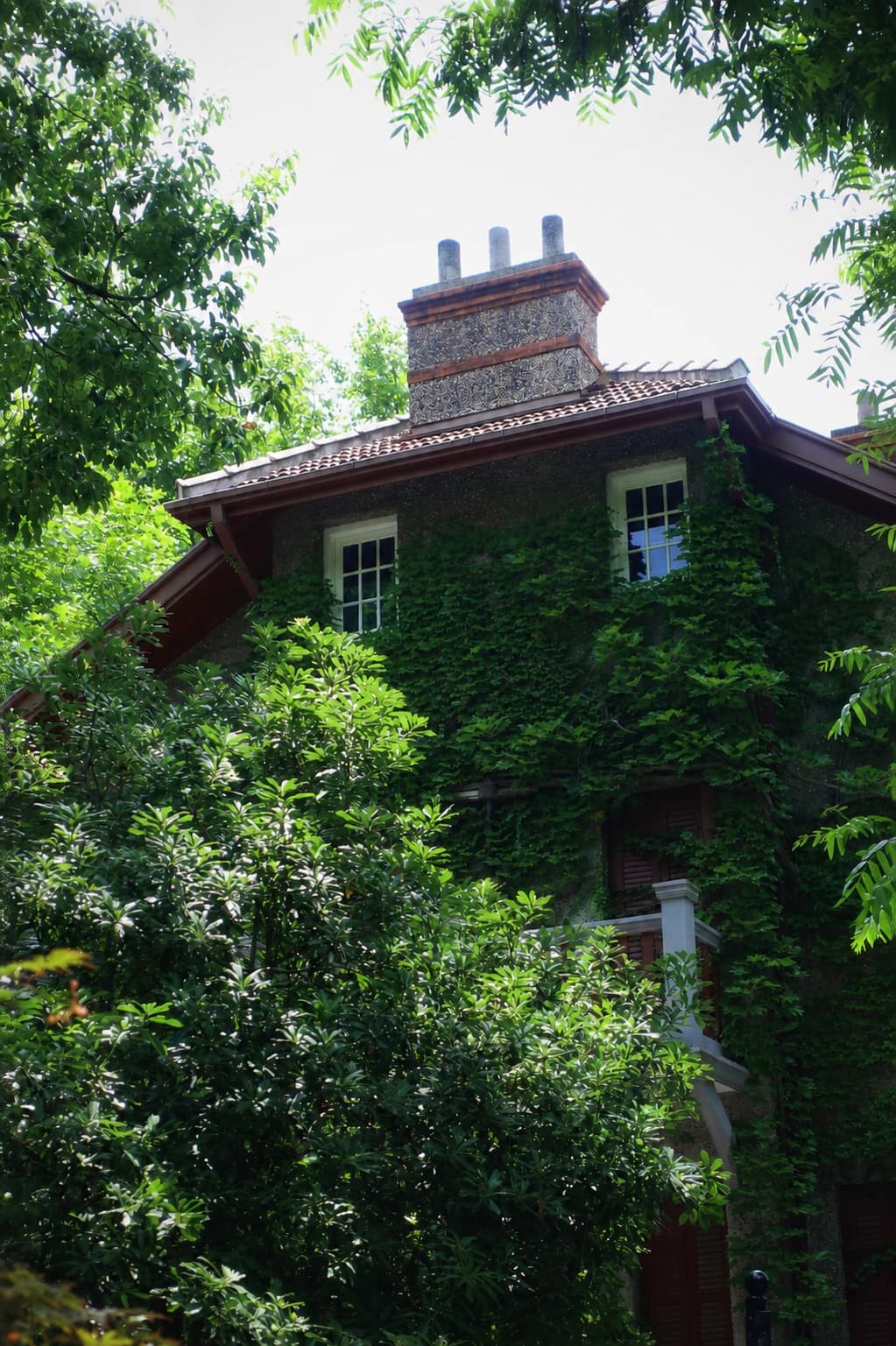
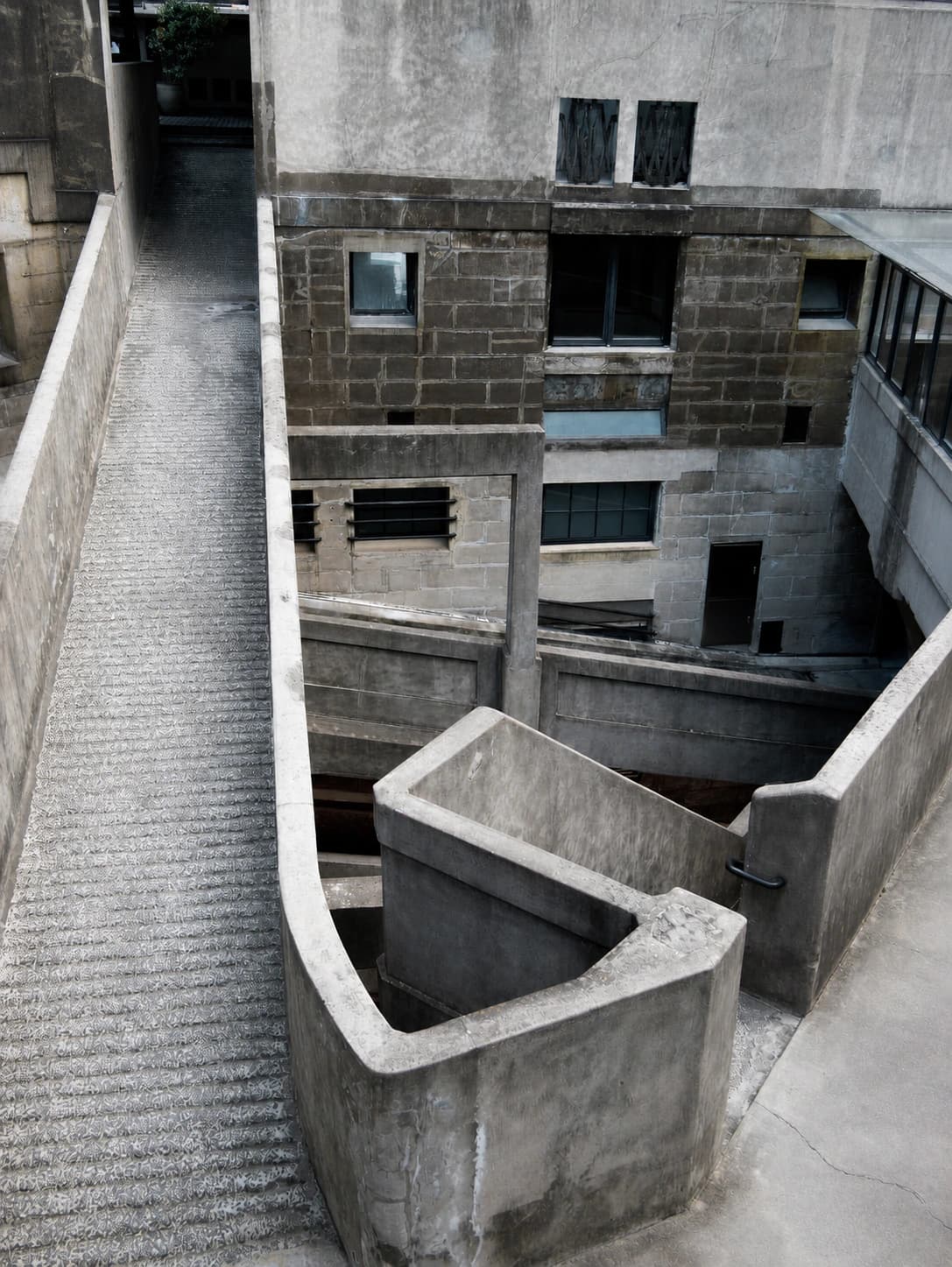
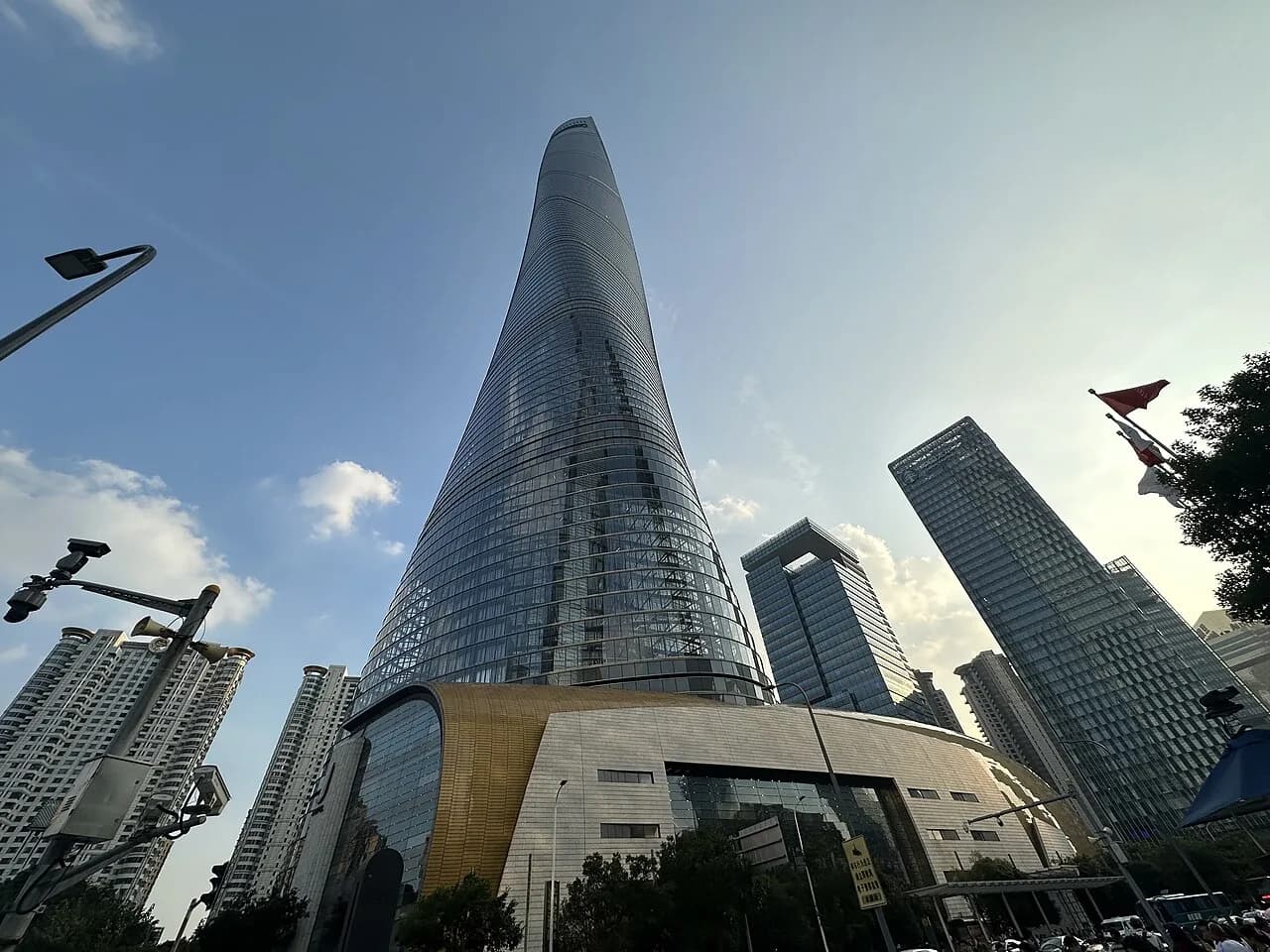
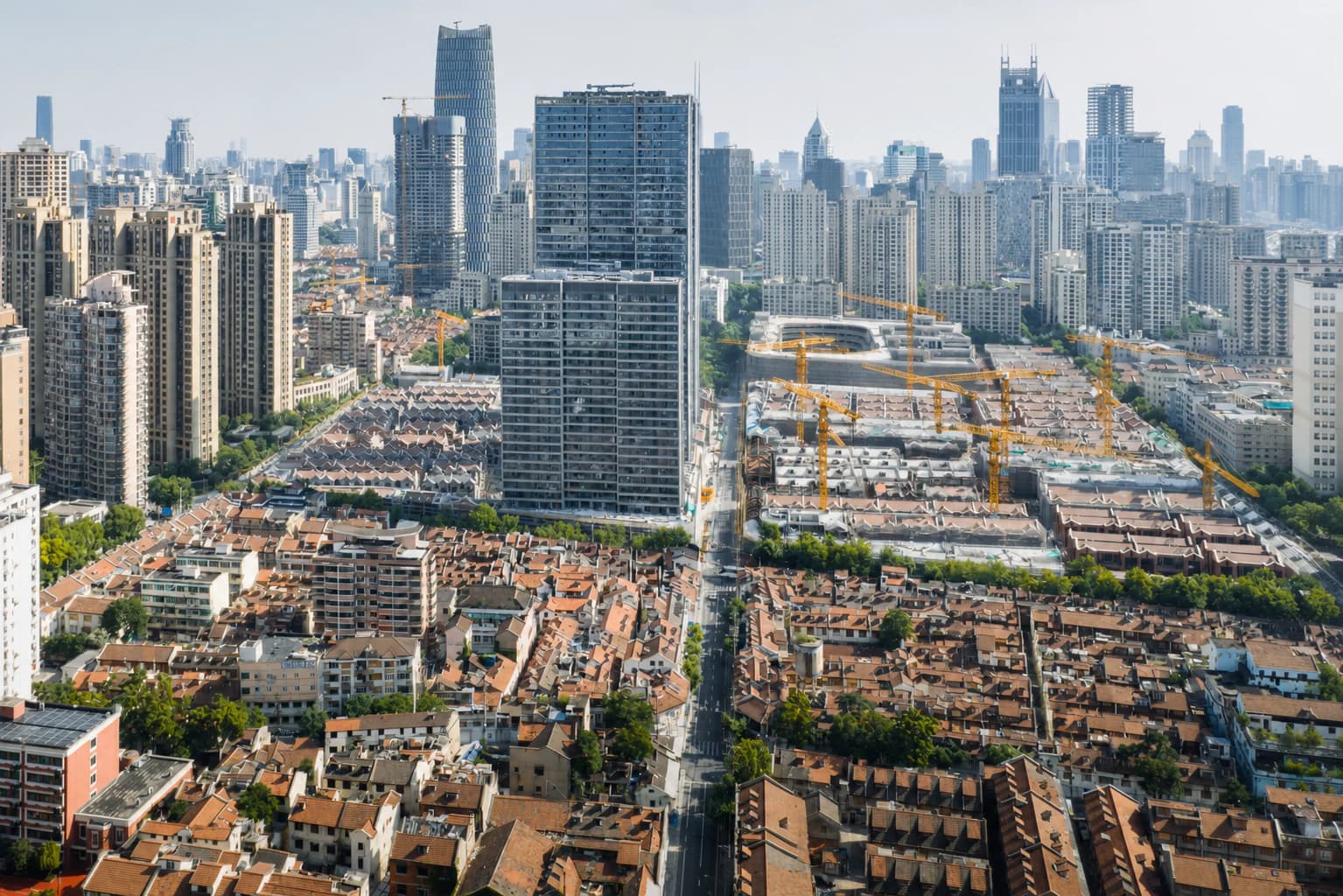
For architecture, focus on how stone gates, grey brick, lane widths, and rooflines meet modern plazas and towers. For atmosphere, arrive in late afternoon and stay as terraces and lighting become active.
If you want inexpensive food or everyday residential life, keep Xintiandi short and continue elsewhere. The restaurants are convenient and often good, but prices reflect a high-end central district and many brands are not unique to Shanghai.
A 60-Minute Route, or a Full Evening
Start at Site of the First CPC National Congress · Xintiandi Station on Lines 10 and 13. Visit the historic site first if planned, then enter the low Shikumen-scaled lanes. Move through the main plaza toward the modern retail blocks and finish where towers rise directly behind the brick facades. The edges explain the redevelopment better than any one shop.
Allow 45–75 minutes for the public route, 2–3 hours with a museum, meal, or shopping. The open-air district is free; individual venues set their own tickets and hours.
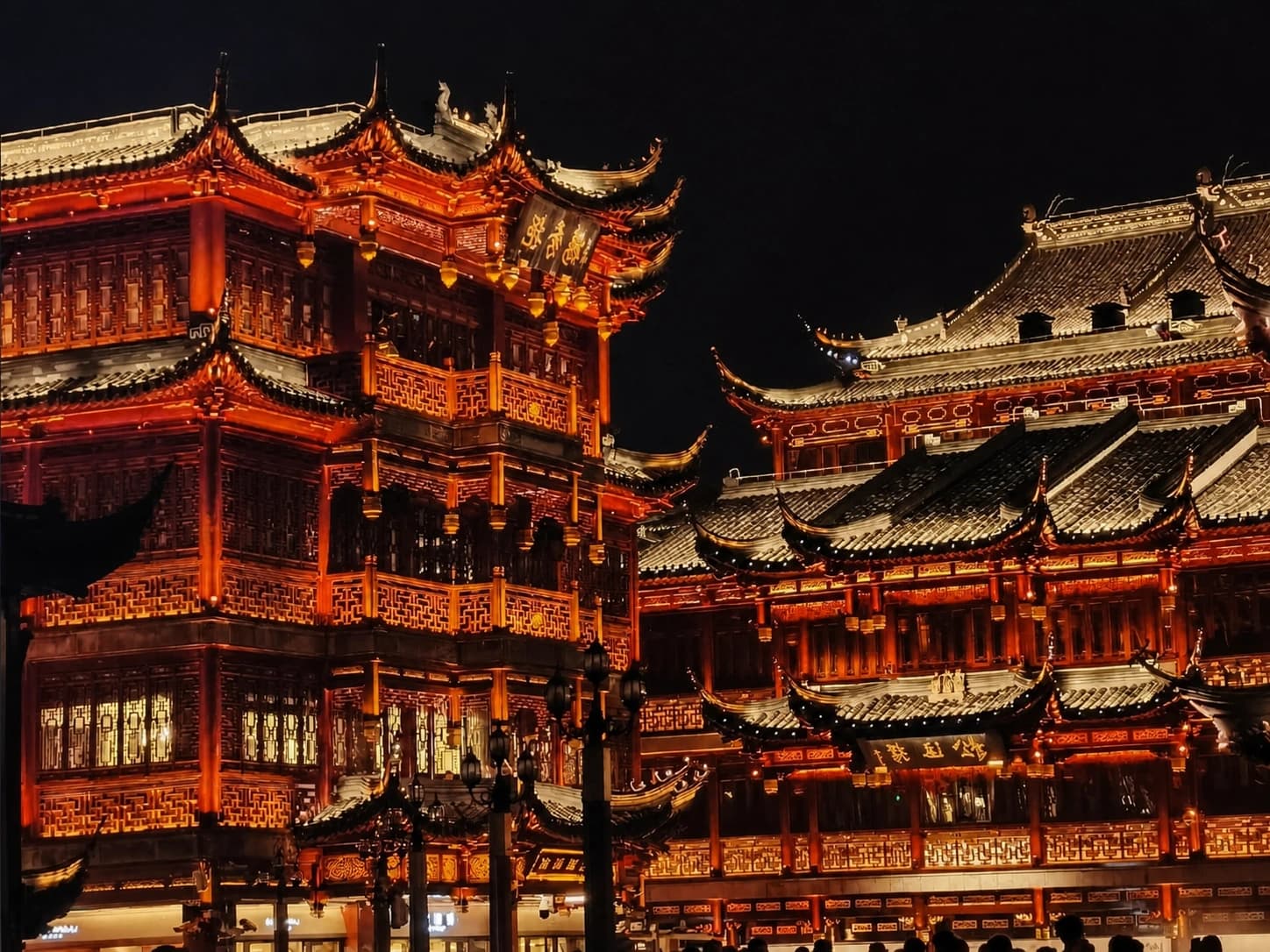
Weekend evenings bring dense foot traffic and restaurant tables into attractive spaces. Main outdoor paths are generally accessible, though old thresholds and individual interiors can create steps.
Read the Shikumen honestly
At each lane, separate surviving or reconstructed house form from present-day use. A stone gate frame, brick party wall and narrow circulation can communicate the original residential type even when the interior has become a restaurant. Look for the transition at the district edges, where towers and broad plazas make the redevelopment logic visible. This is more useful than searching for a supposedly untouched photo angle.
For a meal or drink, inspect the menu and minimum spend before taking a terrace table. Many venues sell location and evening atmosphere as much as food; that can be worthwhile, but it should be a conscious purchase. If the goal is Shanghainese snacks rather than a polished night out, eat elsewhere and keep the free architecture walk.
Continue west to Sinan Mansions for quieter garden houses or south to Tianzifang for a tighter lived-in commercial maze. The contrast is the real lesson: Xintiandi is not definitive old Shanghai, but it is a revealing version of what the city chose to preserve and sell.