Tianzifang
Tianzifang (田子坊, Tiánzǐfāng) is a tight network of Shikumen residences, former workshops, small factories, studios, cafés, and tourist shops behind Taikang Road. It is simultaneously a lived-in neighborhood, a creative-reuse story, and a commercial maze. Visitors disappointed by one of those layers often expected only another.
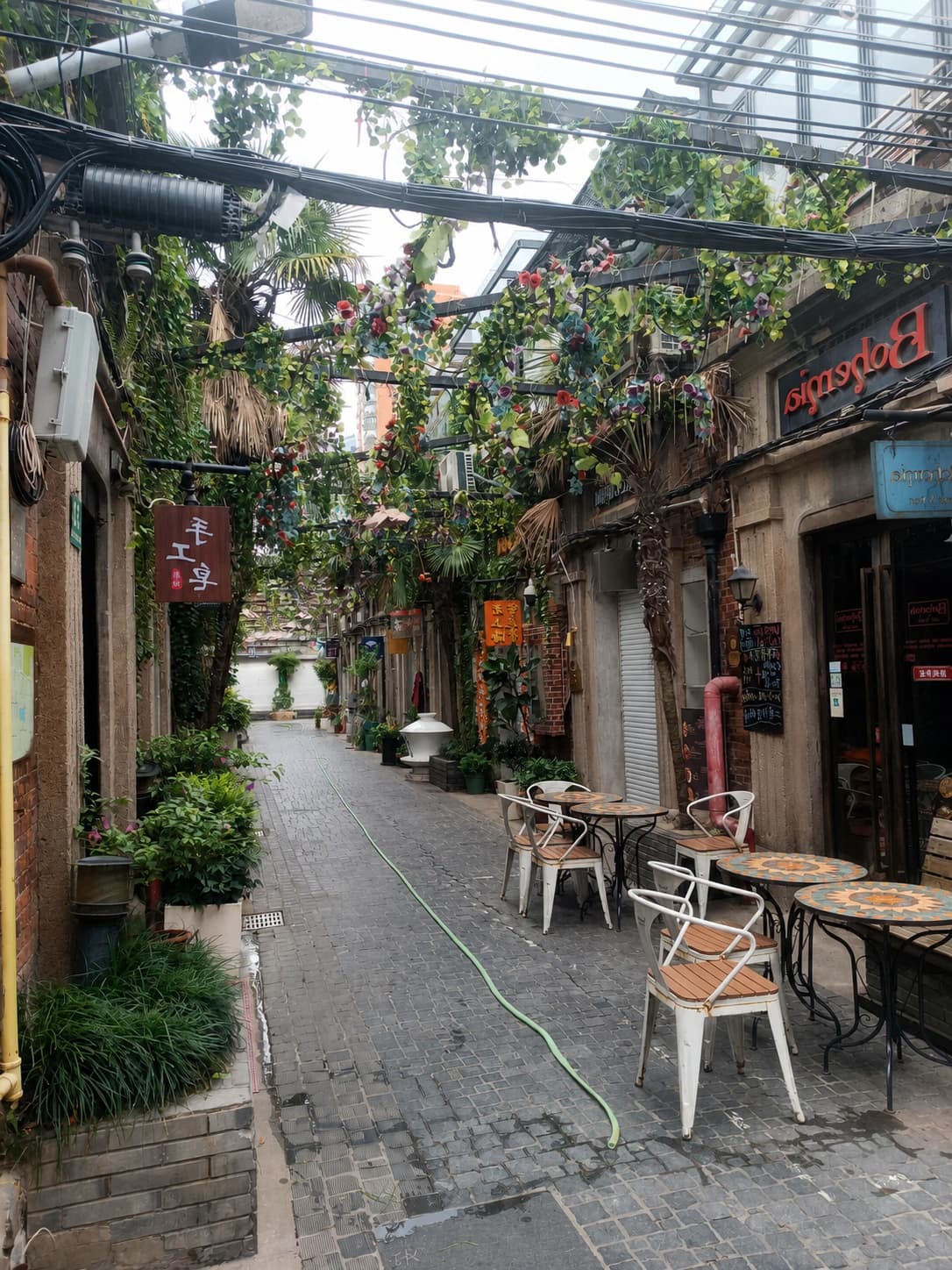
Go for the Layers, Not a Shopping List
Visit if you like cramped urban form, old services and balconies above new storefronts, and the friction between residents and tourism. Skip it if souvenir retail, tight crowds, or uneven access irritate you. It is optional for a first Shanghai trip and rarely needs more than 45–75 minutes.
Enter through Lane 210, Taikang Road and follow the main passage to the first junction. Choose two side branches, looking above shop height for stone-gate frames, shared stairs, balconies, exposed pipes, and workshop structures. Exit by a different Taikang Road lane instead of repeatedly crossing the congested center.
There is no durable “top ten shops” list. Buy or eat only when the specific product interests you and the price is clear. A heavily photographed snack is not automatically traditional or good value.
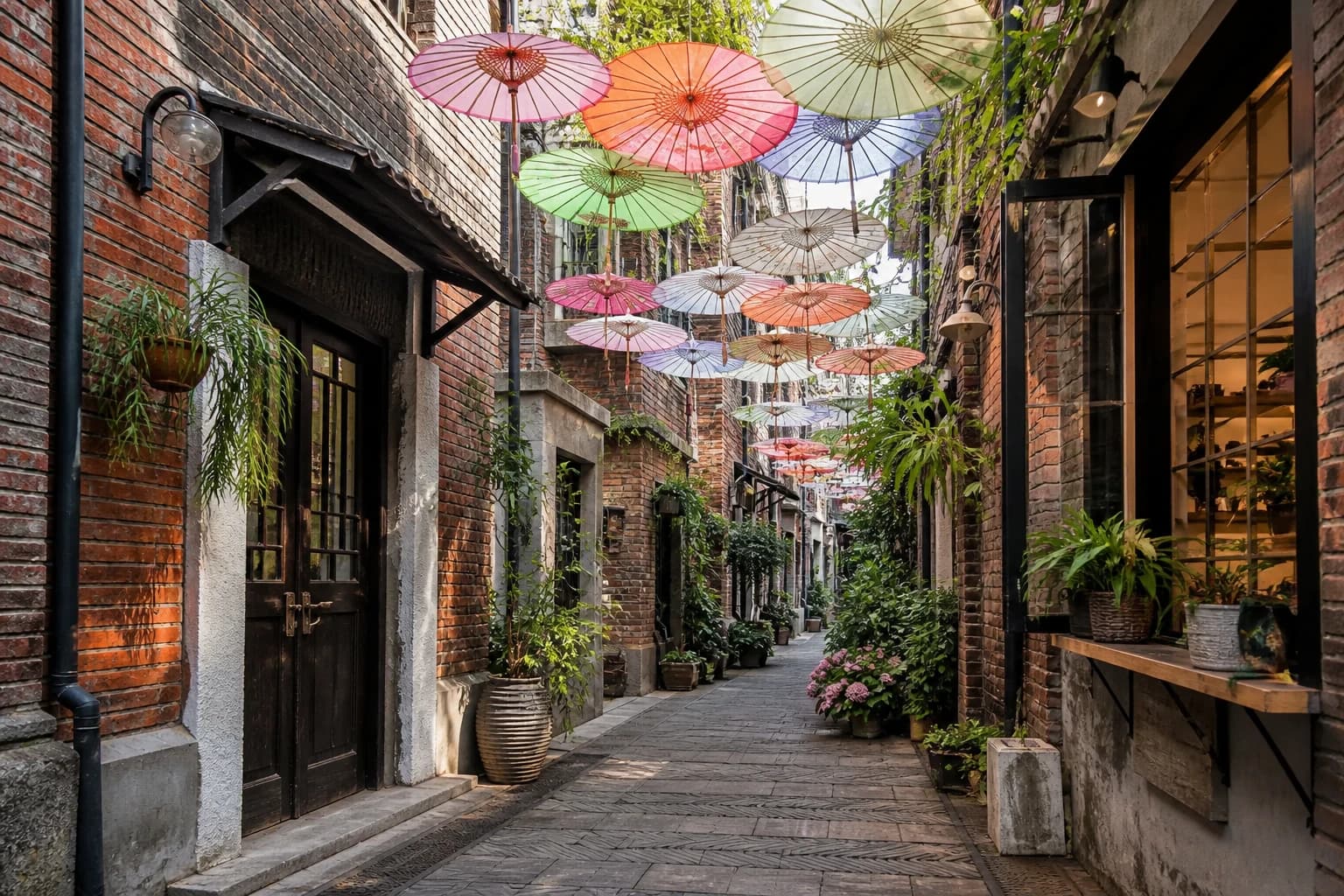
Choose One Stop That Proves Its Value
Instead of collecting souvenirs, look for one shop or studio where the maker is present, the material or process is visible, the product's origin can be explained, and the price is posted before any demonstration begins. A short workshop, conversation, or participatory detail can justify the stop; shelves of identical “Shanghai” objects that appear in every tourist street cannot. This test survives tenant changes better than a ranked shop list.
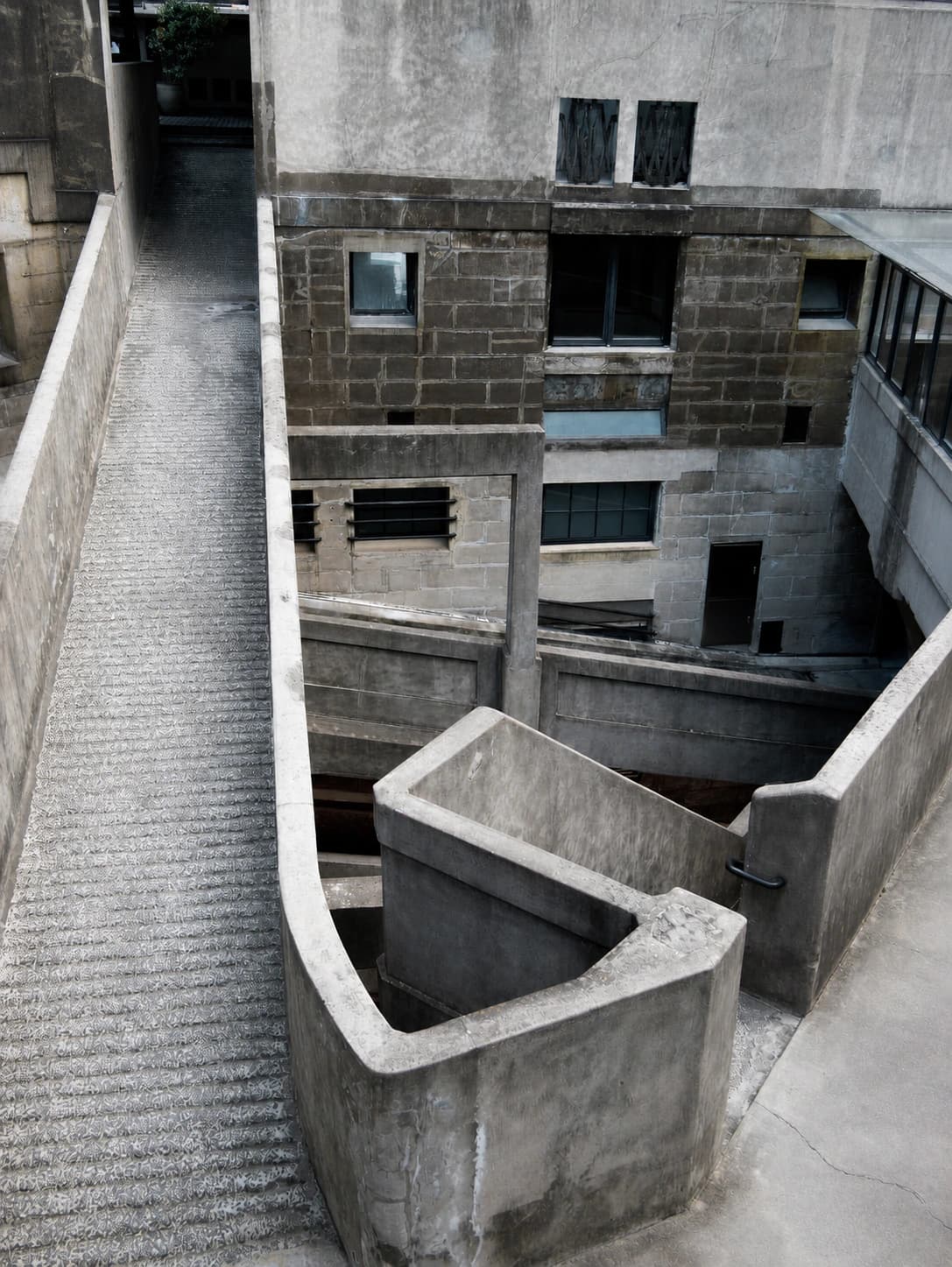
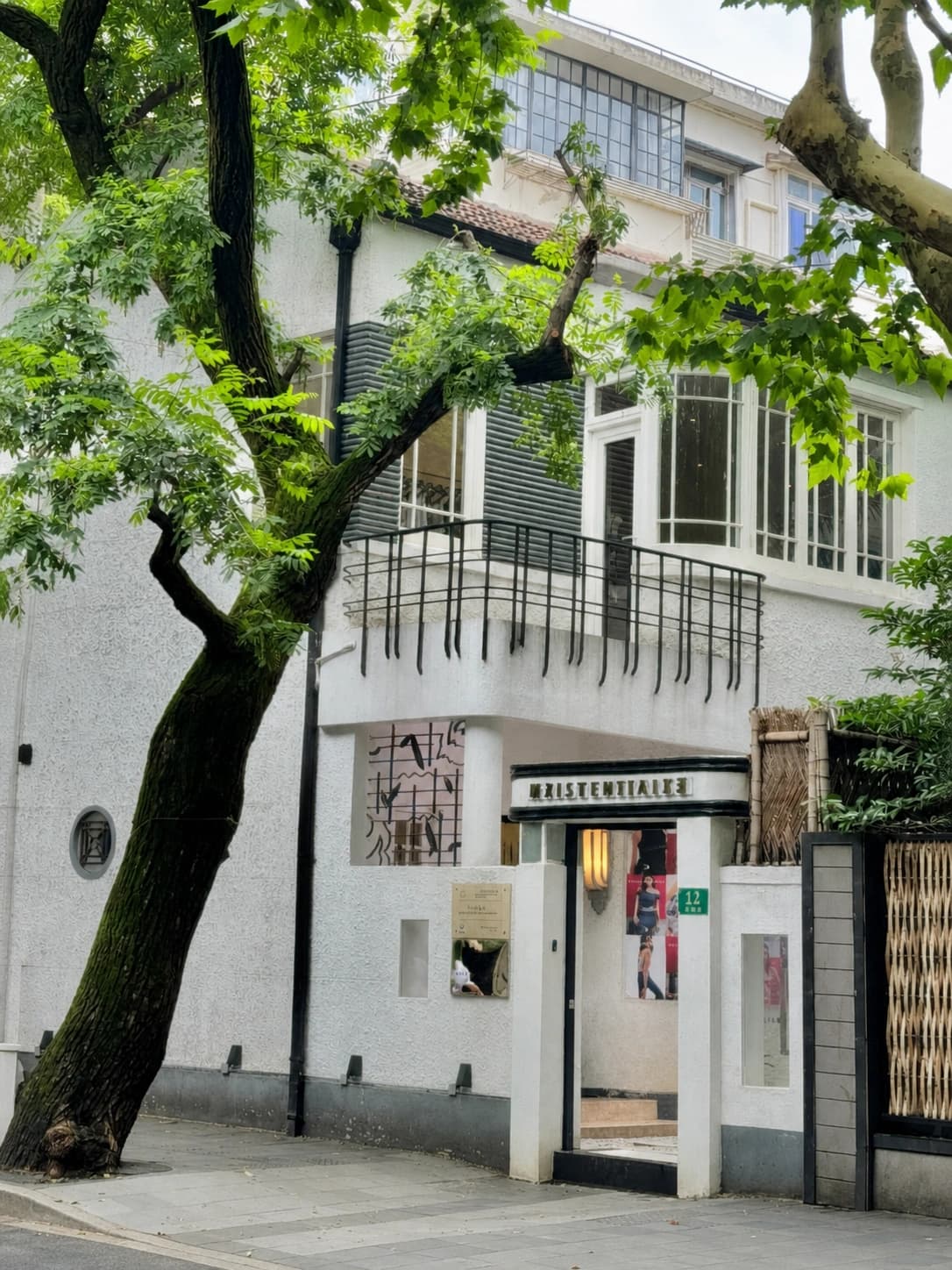
Keep looking above the retail layer. Old stone gate frames, patched brick, shared stairs, exposed wiring and pipes, laundry, and later workshop additions show how residences and small industry were repeatedly adapted. Those imperfect overlaps—not a photogenic drink—are Tianzifang's distinctive subject. Observe them without blocking a doorway or turning a resident's home into an exhibit.
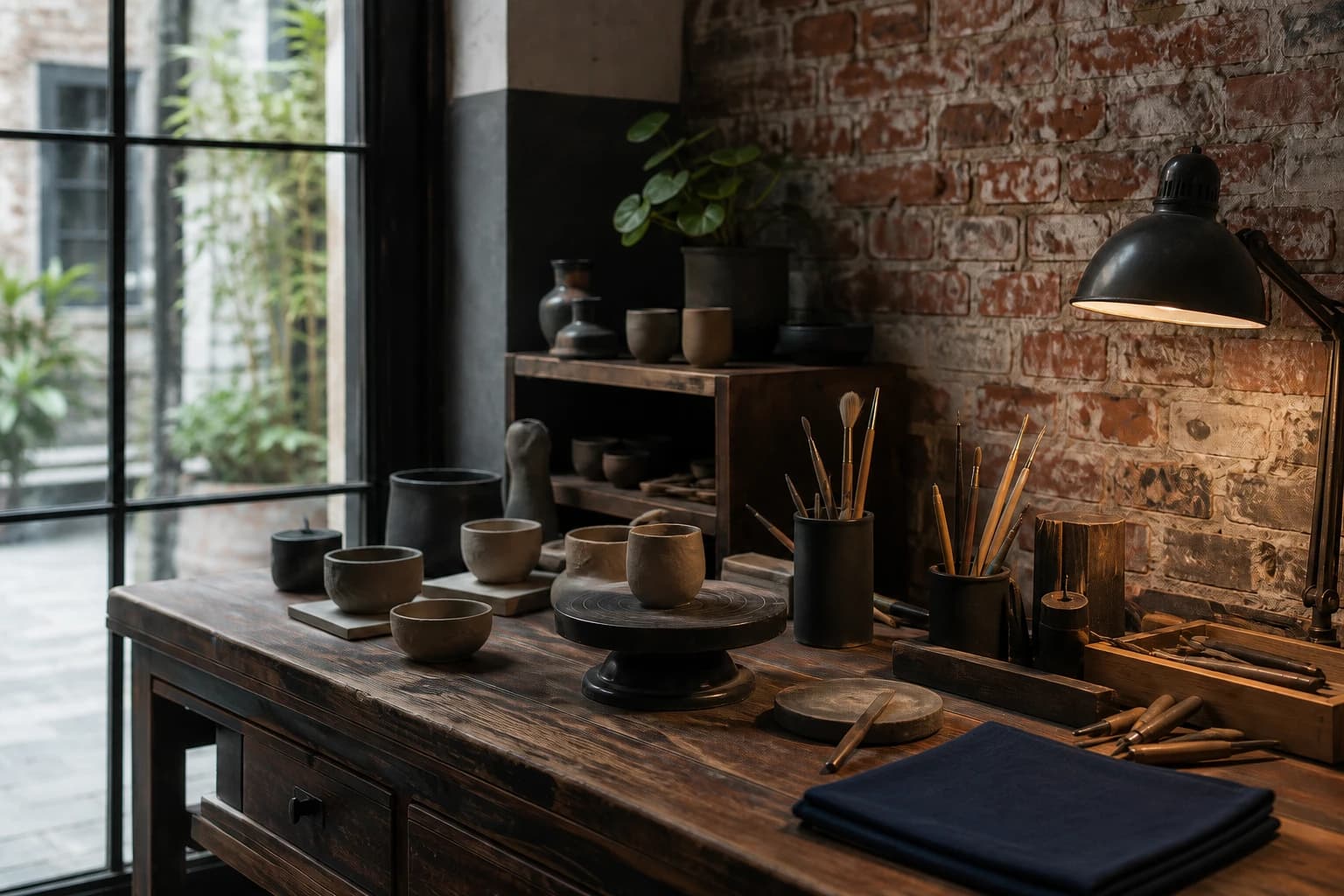
Ask Four Questions Before Buying a “Handmade” Object
What material is it? Who made it? Is the work completed here? Can the seller explain why two pieces differ? You do not need a formal interrogation, but specific answers help separate a working studio from imported stock with a craft story attached. If a demonstration becomes a sales pitch before the price is clear, step away.
Small ceramics, prints, textiles, leather goods, and photographs can all be meaningful purchases when authorship and price are transparent. Avoid assuming that “old Shanghai” packaging proves local origin. For fragile work, ask about protective packing before paying and consider whether it can survive the rest of your trip.
Choose the Time by What You Want
A weekday morning shows the architecture with fewer bodies but many closed shops. Late morning balances open businesses and manageable lanes. Evening adds lights and dining but compresses crowds into passages that were never designed for them.
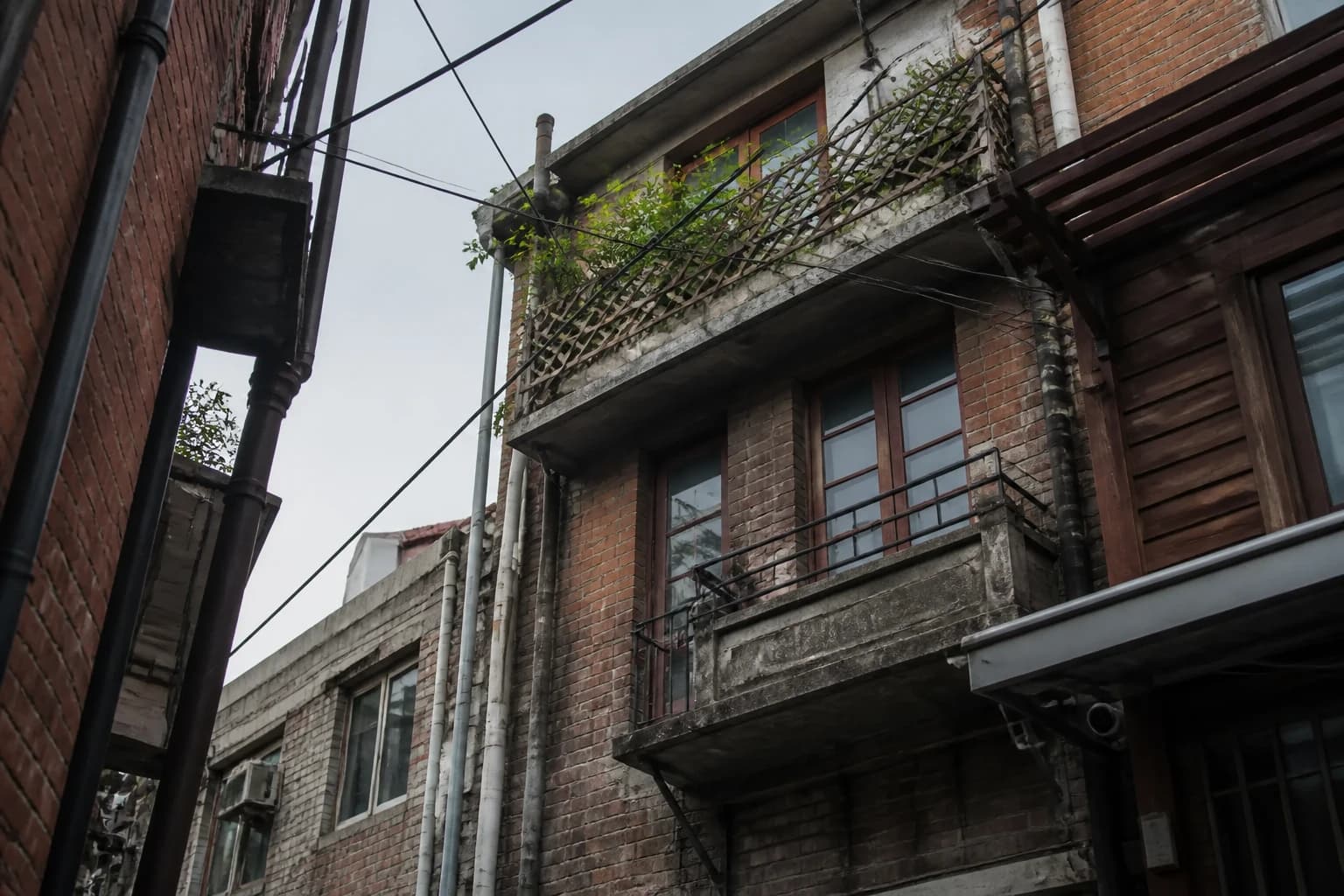
Looking upward reveals what retail-level photographs miss: balconies, additions, pipes, air-conditioning units, old windows, and the narrow slice of sky that explains why the lanes feel so compressed. Keep moving after the photograph; doorways and junctions are circulation space, not tripod positions.
The lanes are free and technically accessible at all hours, while shops and studios keep independent schedules. Use Dapuqiao Station, Line 9.
Remember That People Live Here
Keep doorways and stairs clear, never photograph residents at close range without permission, and do not point cameras through windows. The lanes contain steps, covers, wet paving, and narrow turns; wheelchairs, strollers, and luggage are difficult during busy periods.
Continue north to Sinan Mansions and Xintiandi. Together, the three stops reveal lived-in commercialization, protected garden-house reuse, and polished redevelopment more clearly than any one place alone.
Food, Nearby Stops, and Where to Stay
Use Tianzifang for a drink or one clearly appealing snack, not as proof of traditional Shanghai food. For a full meal, the wider Dapuqiao area usually offers more space and clearer value; Huaihai Road and the Former French Concession add a broader evening choice. Check the menu and total price before sitting in the most congested lane, where atmosphere often costs more than the food earns.
A strong walking comparison continues to Sinan Mansions and Fuxing Park, then reaches Xintiandi only if your feet and schedule allow. The route moves from lived-in shikumen, through garden-house streets, to highly polished redevelopment. It is better as a half-day urban reading exercise than as three separate shopping stops.
Stay in the Former French Concession or Xintiandi when this cluster is central to the trip. The Former French Concession offers quieter streets and more neighborhood texture; Xintiandi offers easier late-night dining and interchange. People's Square remains a more neutral citywide base. There is little reason to choose a room immediately beside Tianzifang unless you specifically value the Dapuqiao area after the visitor lanes close.