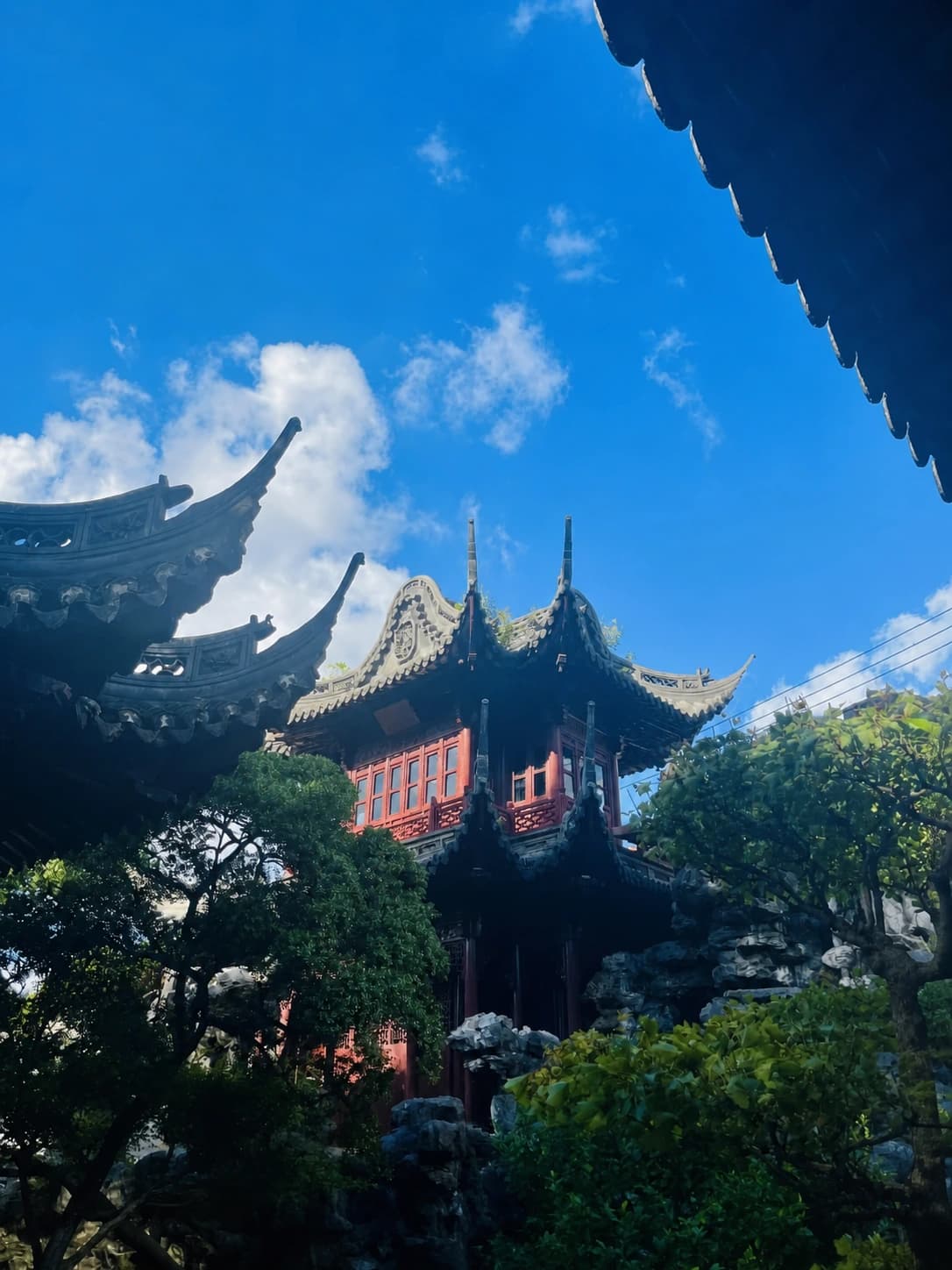
M50 & Suzhou Creek Art Walk
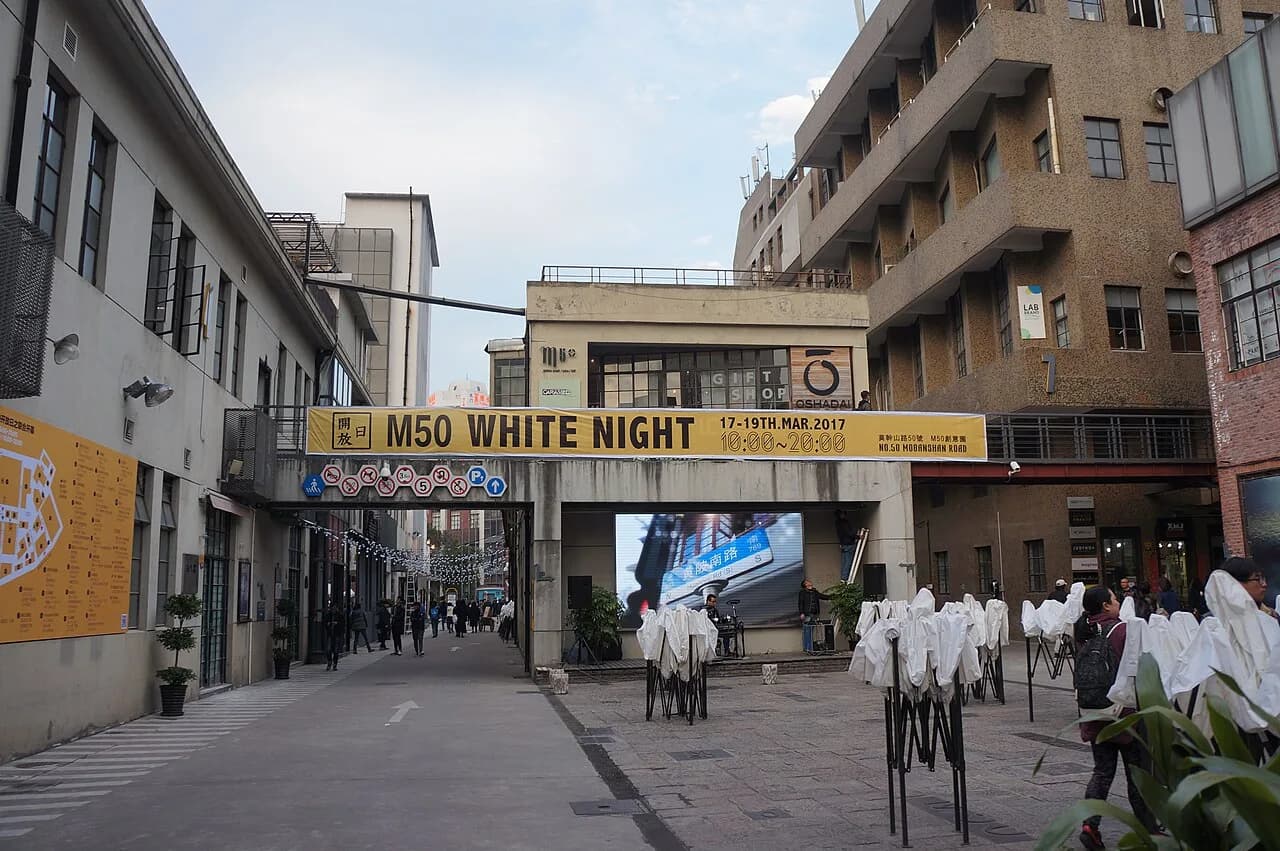
M50 Creative Park (M50创意园) is a cluster of galleries, studios, design businesses, cafés, and old factory buildings at 50 Moganshan Road. It works best as the changing middle chapter of a Suzhou Creek walk—not as a museum with a guaranteed collection or a flawless “Instagram location.”
Decide What Counts as a Good Visit
Go if you enjoy small contemporary-art spaces, industrial reuse, and the uncertainty of seeing what is open. Skip it if you need a famous permanent collection, English interpretation in every room, or pristine photo backdrops. Recent reports split sharply: some visitors find a relaxed concentration of free exhibitions; others see narrow lanes, parked vehicles, closed doors, and less visual polish than online photos suggest. Both can be true on the same day.
The compound itself is free. Individual exhibitions and events set their own prices, photography rules, and closing days.
A Three-Hour Route
Start from Jiangning Road Station and, if industrial history interests you, stop first at Shanghai Textile Museum. Continue to M50 in the early afternoon, when more galleries are open. At the entrance, read the current posters and select three to five exhibitions instead of following an old list of tenants.
Use the old factory lanes as the route spine: enter one building, cross the compound, then change building rather than repeatedly circling the same courtyard. Give a gallery ten focused minutes before deciding whether to stay. Allow 90–120 minutes in M50.
Read the Factory Before the Art
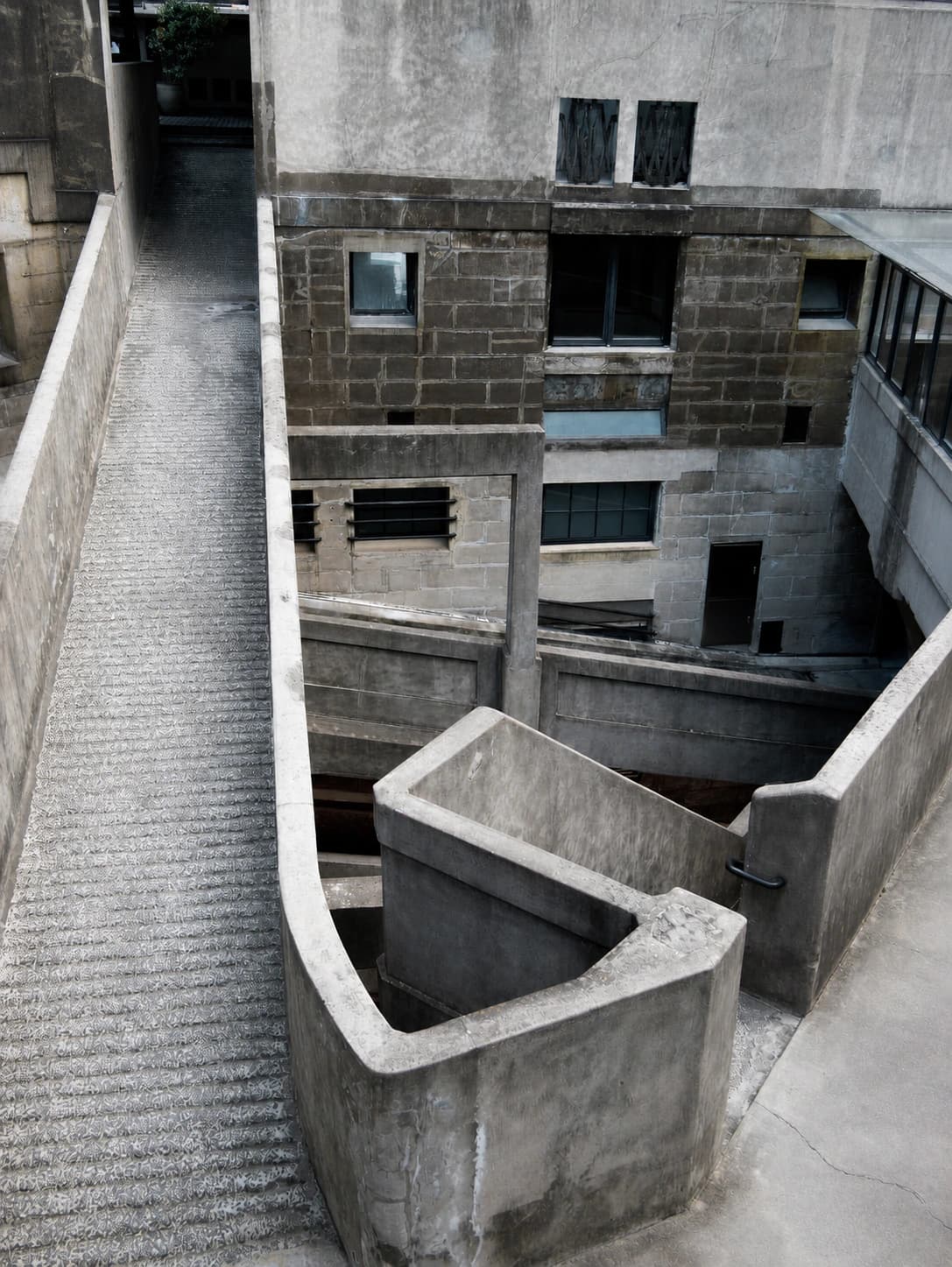
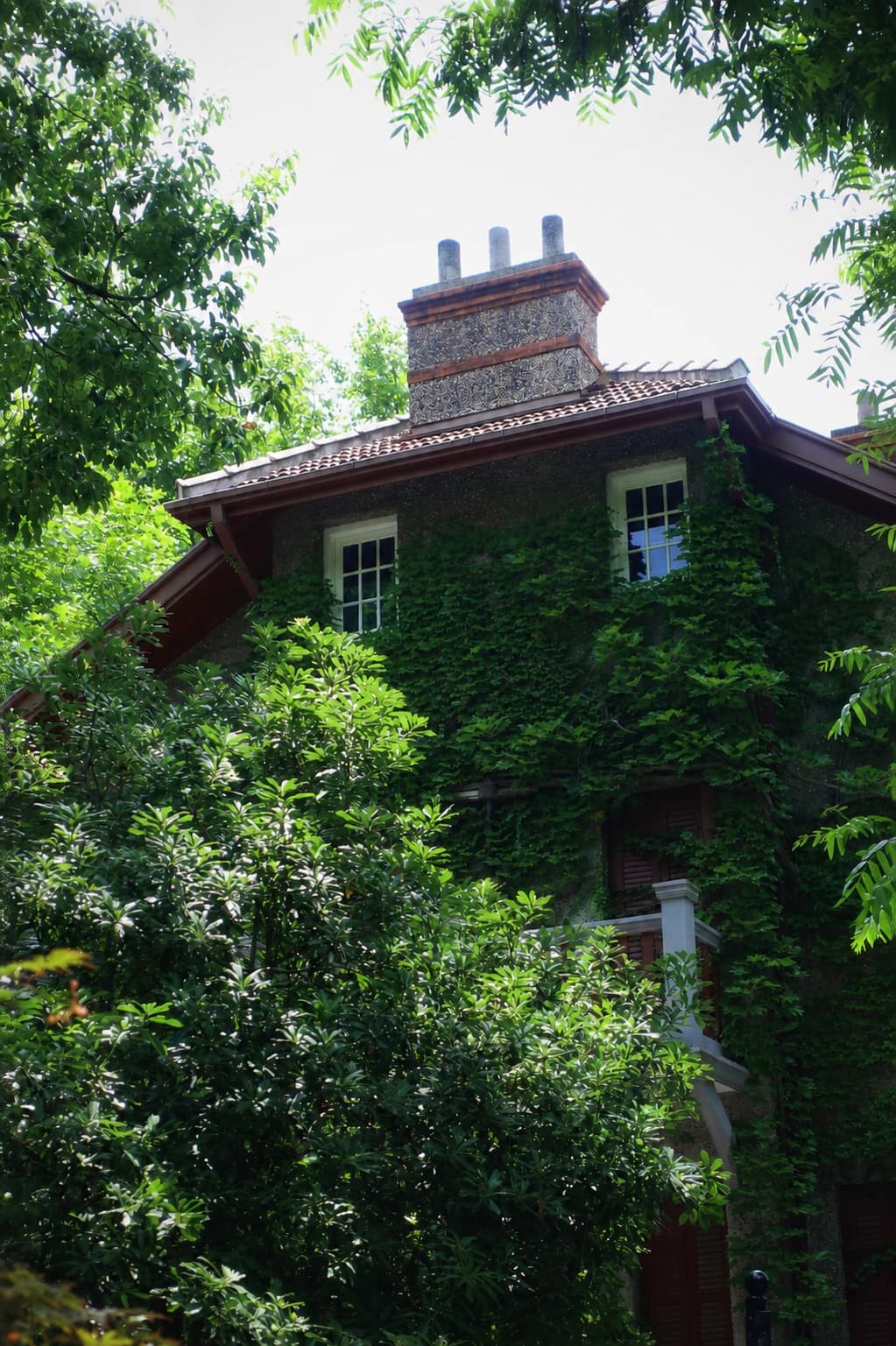
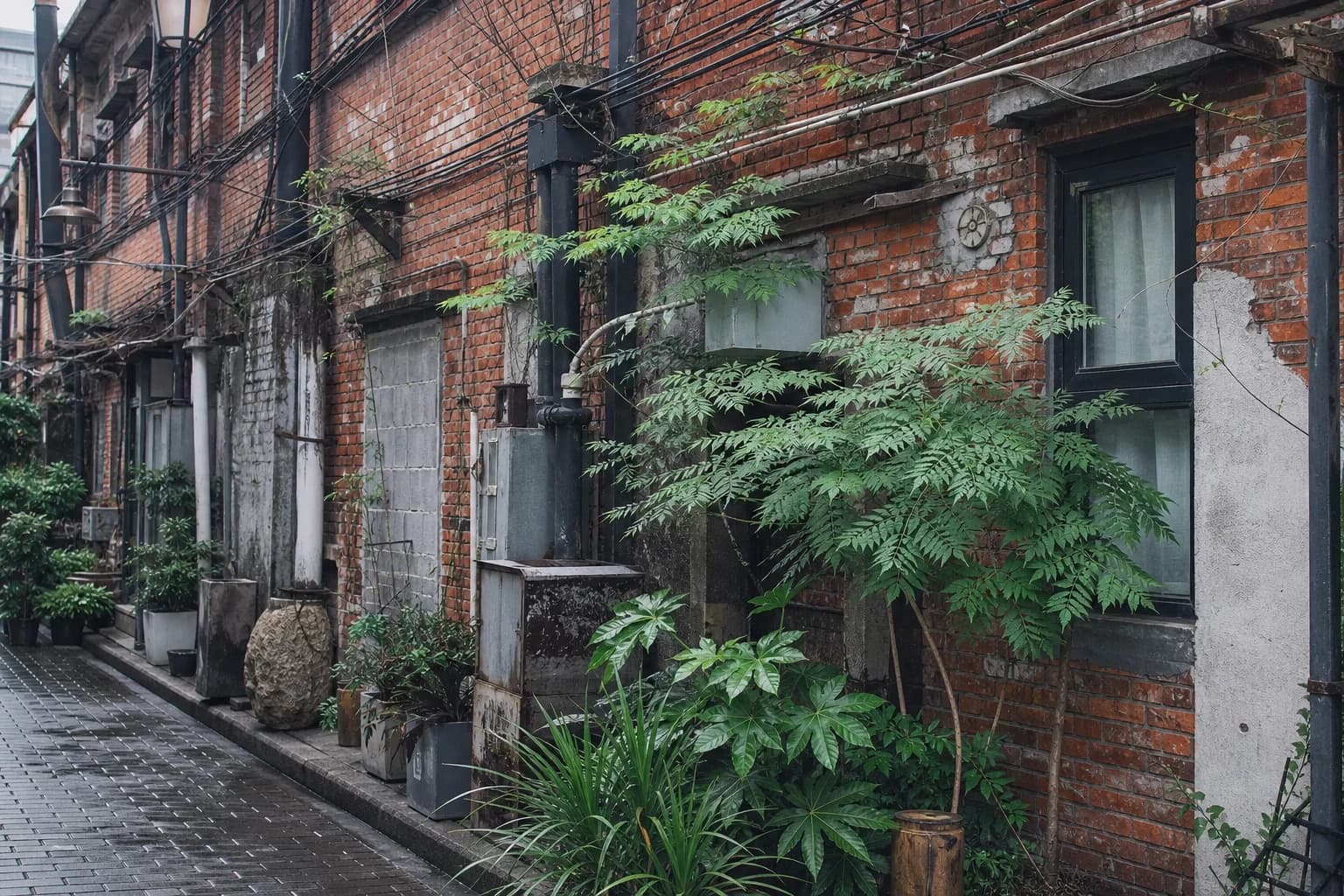
The old industrial shell keeps the visit coherent even when exhibitions disappoint. Look for patched brick, large north-facing windows, loading doors, exposed service lines, and the different ways studios have occupied former production rooms. A polished gallery and an untidy working threshold can sit a few meters apart; that unevenness is part of M50 rather than a flaw to crop out.
Never assume an open door is a public exhibition. A working studio may contain unfinished art, client material, tools, or the artist's personal space. Enter only when signs or staff make access clear, and ask before photographing work. The best visitor behavior is curiosity with a light footprint.
Build a Live Art Layer
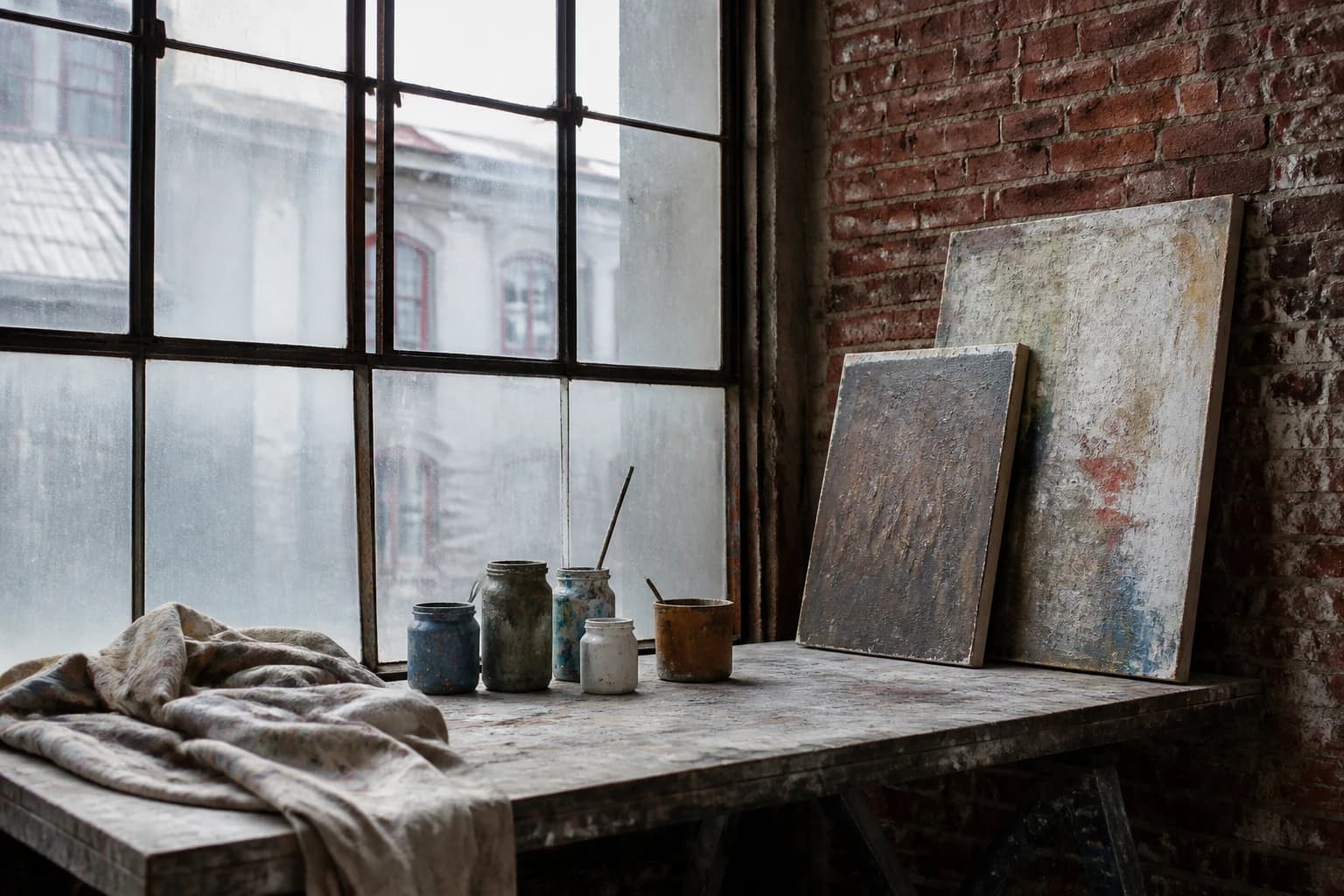
Do not arrive with a months-old “must-see exhibition” list. Photograph the current entrance poster, choose three to five shows that differ in medium or scale, and give each about ten minutes before deciding whether it earns more time. This turns changing programming into the point of the visit rather than a maintenance problem.
Brownie Project is a useful named gallery to check because it provides a concrete starting point inside the compound, but verify its current show and opening status on the day. If you need a pause, nodcafe in Building 22 is a practical route stop rather than a destination in itself. Either can change independently of the park, so the factory lanes and creek remain the durable spine.
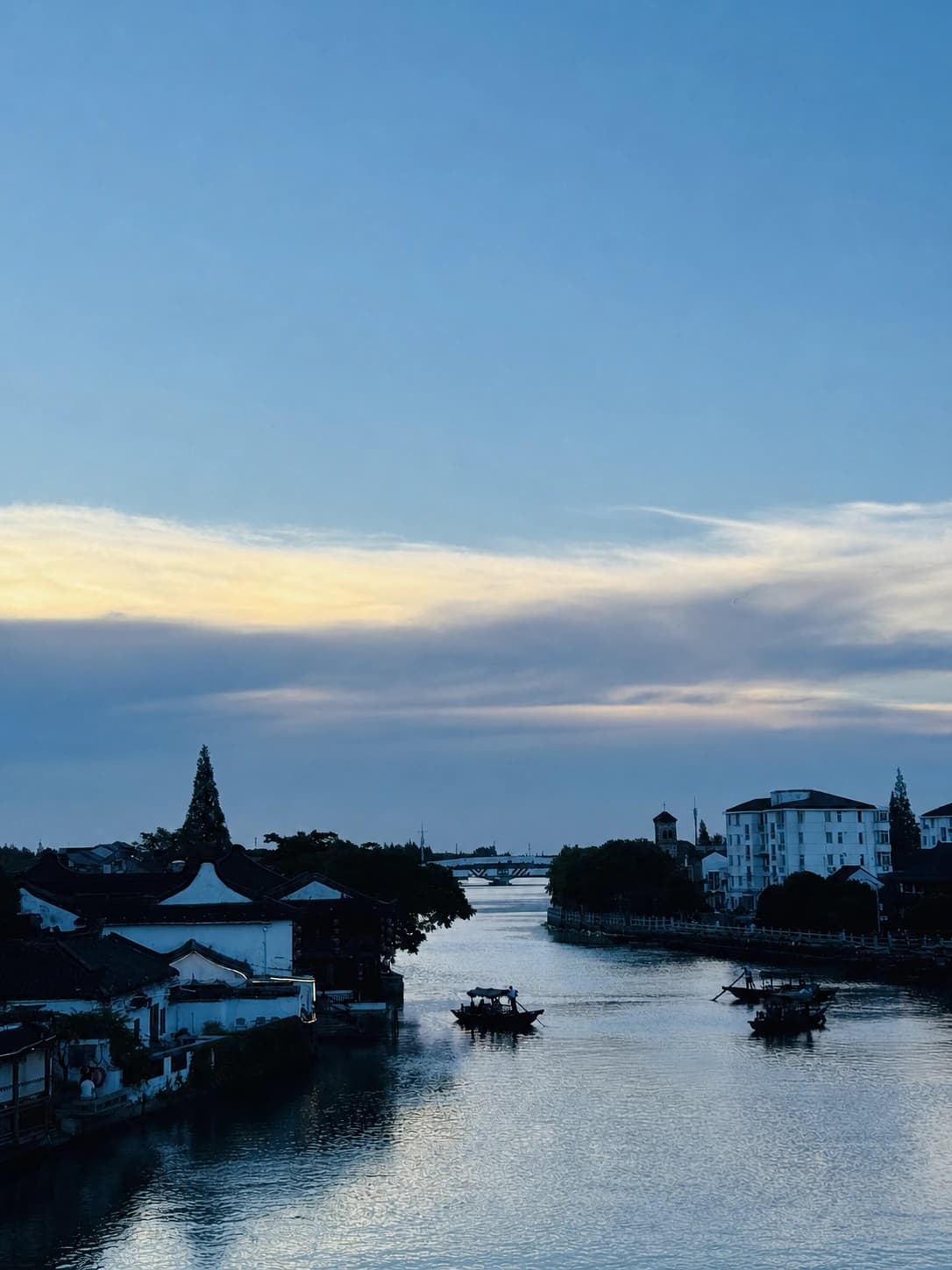
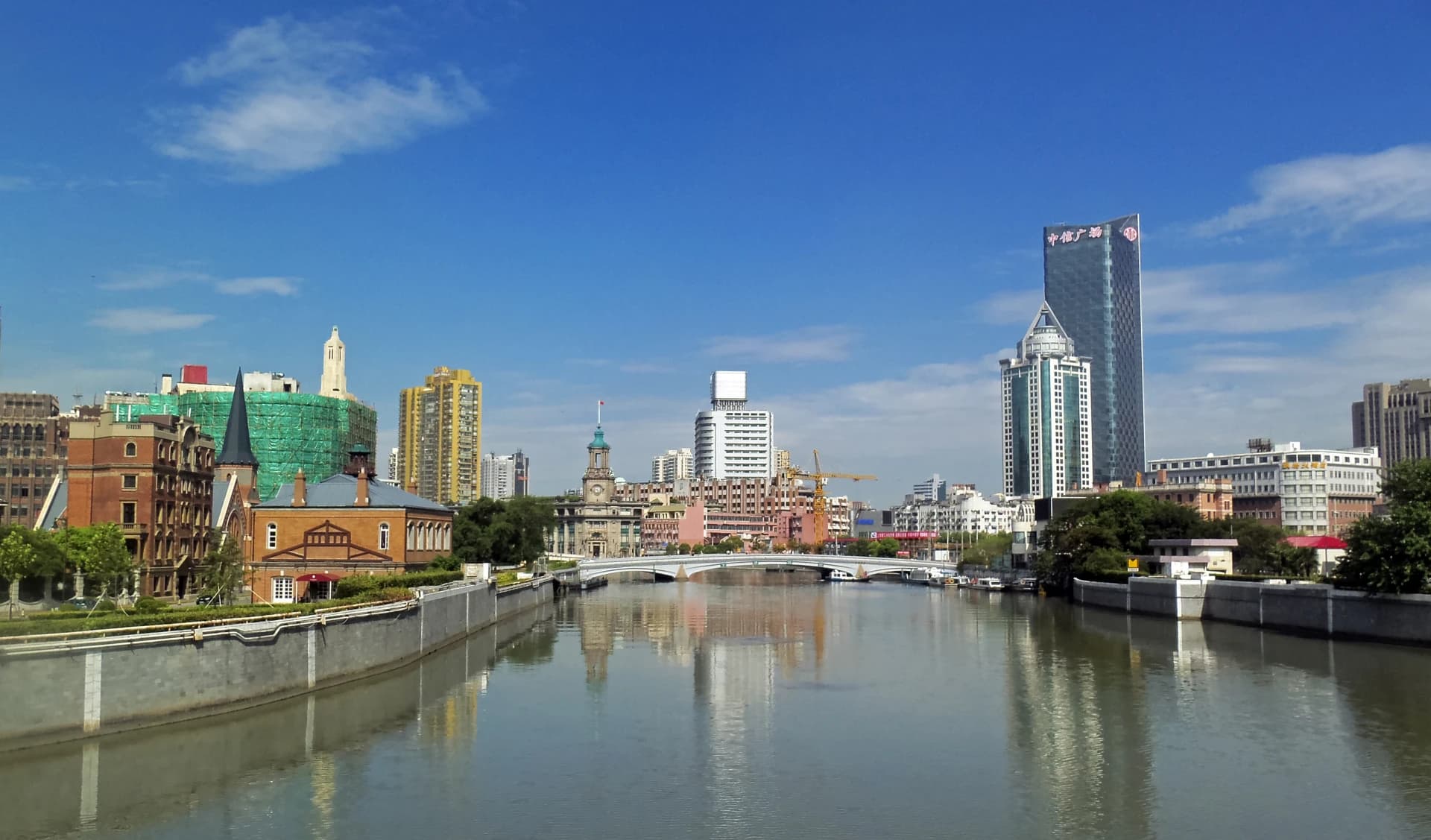
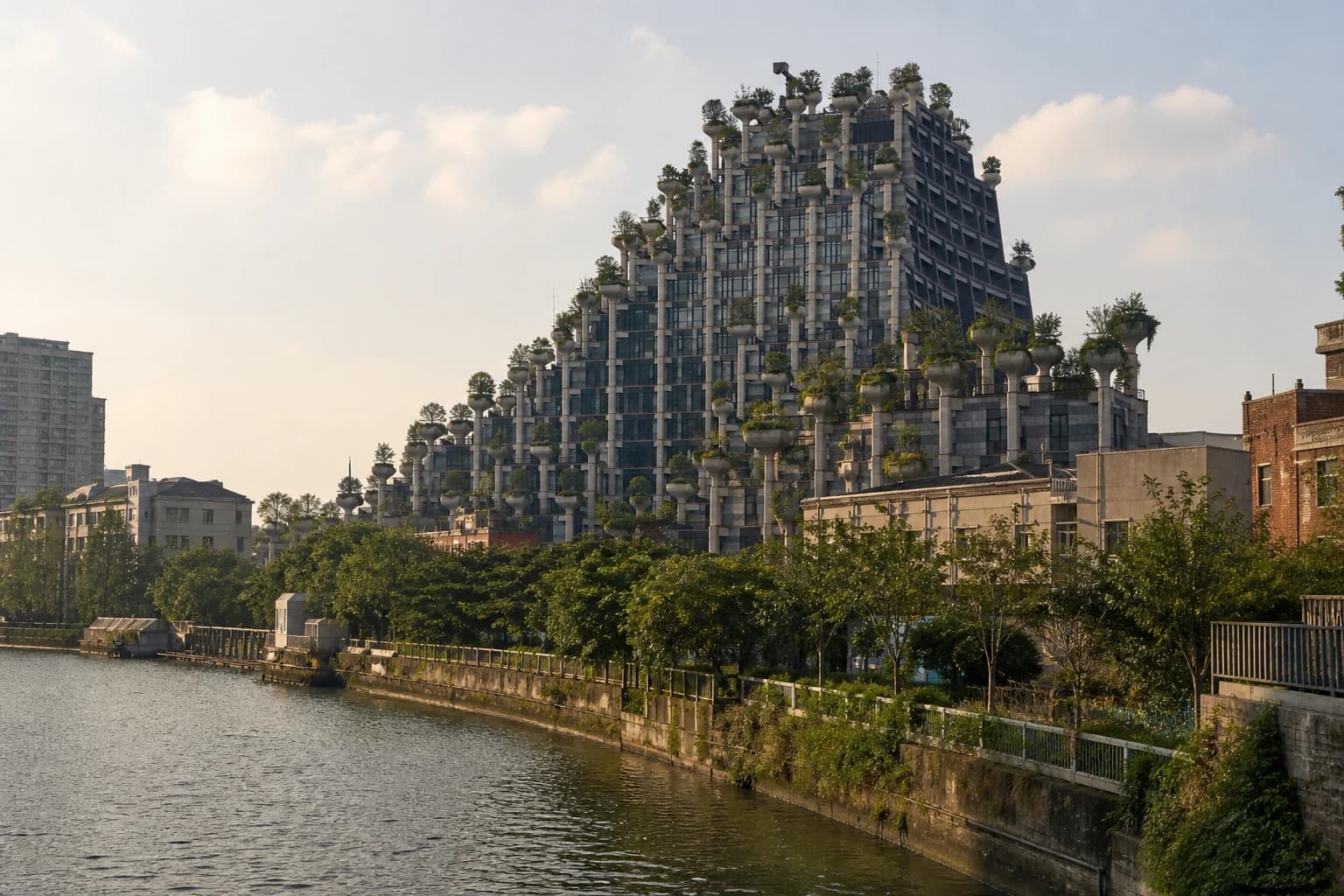
Exit toward Suzhou Creek and continue west to Changhua Road Bridge for views of the planted terraces of 1000 Trees, or east along the public path if the weather is better than the shopping-mall finish. This river section gives the outing shape even when the exhibitions are weak.
Food, Weather, and a Better Finish
M50 cafés are useful for a pause, but they should not determine the route. If the compound is busy or a venue is closed, eat around Jiangning Road or continue toward the larger commercial areas near the creek. Choose by current menu and opening status rather than an old studio-café list. Carry water in summer: the lanes can feel hotter than the shaded river path, while rain makes the older paving and thresholds awkward.
The creek is the reset button. Walk west for the most direct 1000 Trees view, or choose an eastward section when your next stop is central. Sunset light can improve the river edges, but the public path remains the subject; do not enter construction or residential access to chase a cleaner angle.
What Changes Fast
Exhibitions, opening days, and even recognizable murals change. Check the park's current posters or official social channel on the day; never travel across Shanghai for one show without confirming it directly. Most gallery activity begins later than a normal museum morning, and Mondays produce the highest closure risk.
Ask before photographing artworks, studios, or staff. A public lane is not permission to open a private studio door. Older buildings have steps and uneven surfaces; the creek path is flatter, but bridge ramps add distance.
Navigate to M50创意园, 莫干山路50号 in Amap. Pair it with Jade Buddha Temple in the morning, then switch from a quiet religious visit to a looser art-and-river afternoon.
Where to Stay
Stay in Jing'an, Jiangning Road, or People's Square if this northern-central cluster matters. Jing'an offers the strongest mix of dining and citywide connections; Jiangning Road is closer to the temple–M50–creek sequence; People's Square remains the simplest first-trip base. Do not choose accommodation for a specific M50 exhibition, because programming and opening days change much faster than hotel plans.