Wukang Road
Wukang Road stands as one of Shanghai's most captivating historical streets, offering visitors a glimpse into the city's rich past through its remarkable architecture and cultural heritage. Originally named Ferguson Road, this 1,180-meter thoroughfare was established in 1907, stretching from Huashan Road in the north to Middle Huaihai Road in the south.
A mansion-to-Anfu walk
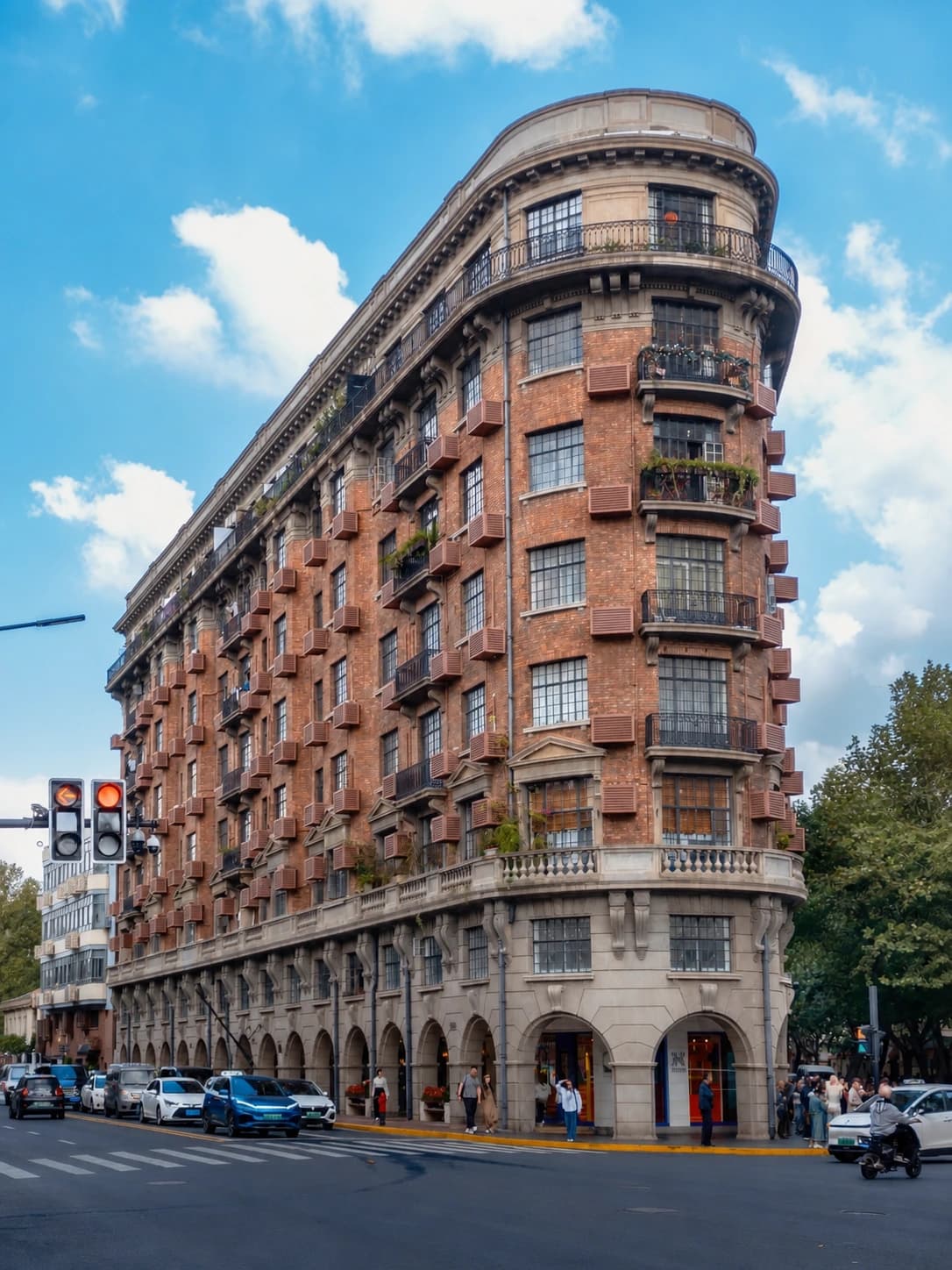
Begin at Wukang Mansion, take in the wedge-shaped facade from a legal pavement viewpoint, then walk north along Wukang Road. Leave the busiest corner behind before settling into the slower part of the route. Compare whole buildings with smaller details such as gates, balconies and the spacing of houses behind garden walls.
Continue to the Anfu Road junction and turn east if you want shops, a bakery or a café break. This makes a useful finish to an architecture walk. You can also do the route in reverse, but there is no need to double back simply to repeat the mansion photograph.
Choose one sit-down stop and keep the remaining shop visits optional. If you add a former residence, verify its own opening and entry arrangements first; viewing a facade from the pavement does not give access to its interior. For the next part of the walk, see the Anfu Road guide.
Historical Significance
The road's history dates back to the early 20th century when it was built by John Calvin Ferguson, an American educator at Nanyang Public School (now Shanghai Jiao Tong University). In 1914, it became part of the French Concession, where the first French consul in Shanghai implemented modern urban planning principles, transforming the area into a prestigious French neighborhood.
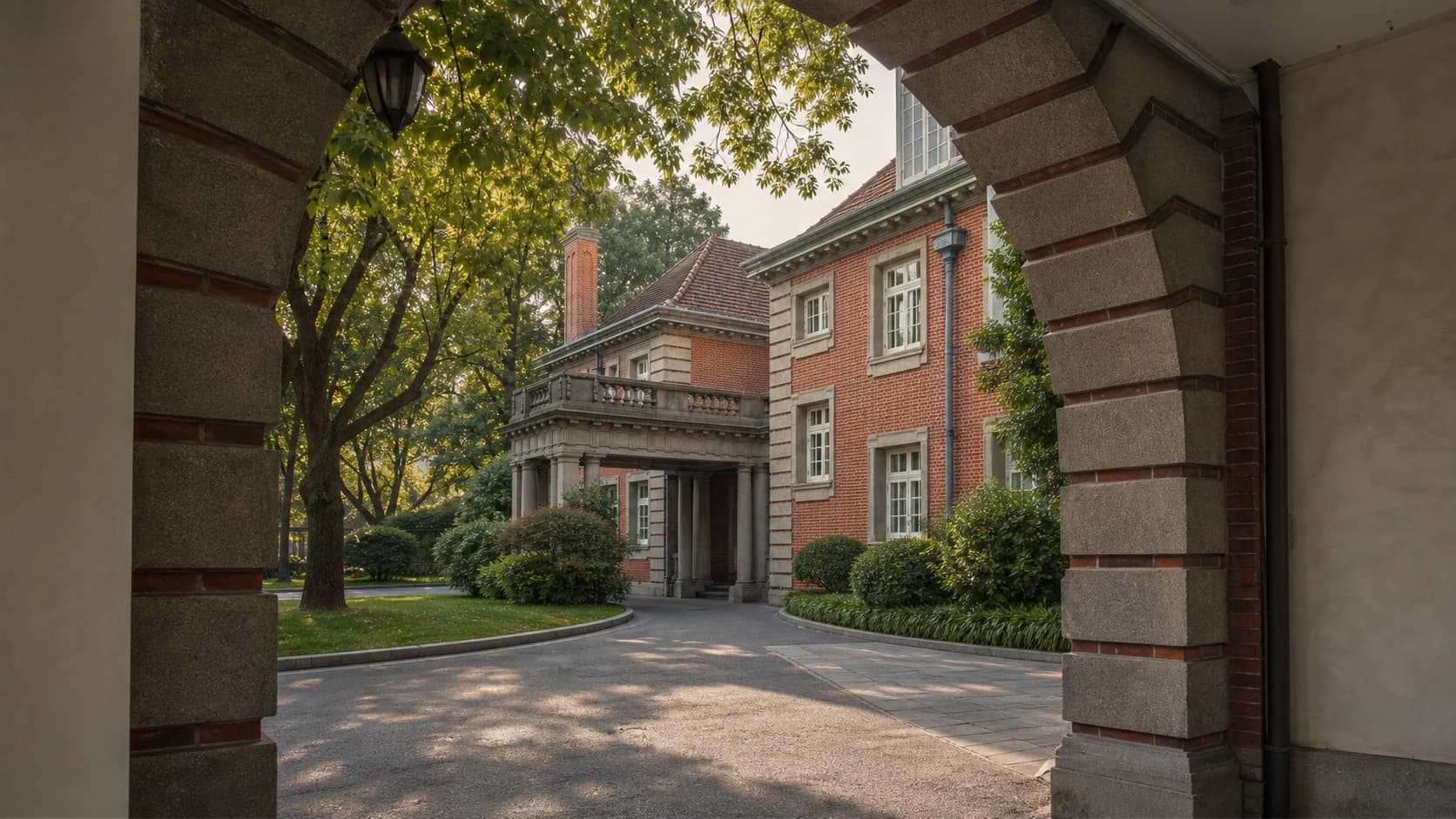
Today, Wukang Road showcases over 50 outstanding historical buildings, each representing different architectural styles from Spanish garden houses to English country villas and French apartments. The street is lined with magnificent French plane trees, providing shade in summer and creating a spectacular golden carpet of leaves in autumn.
Architectural Landmarks
Wukang Mansion (武康大楼)
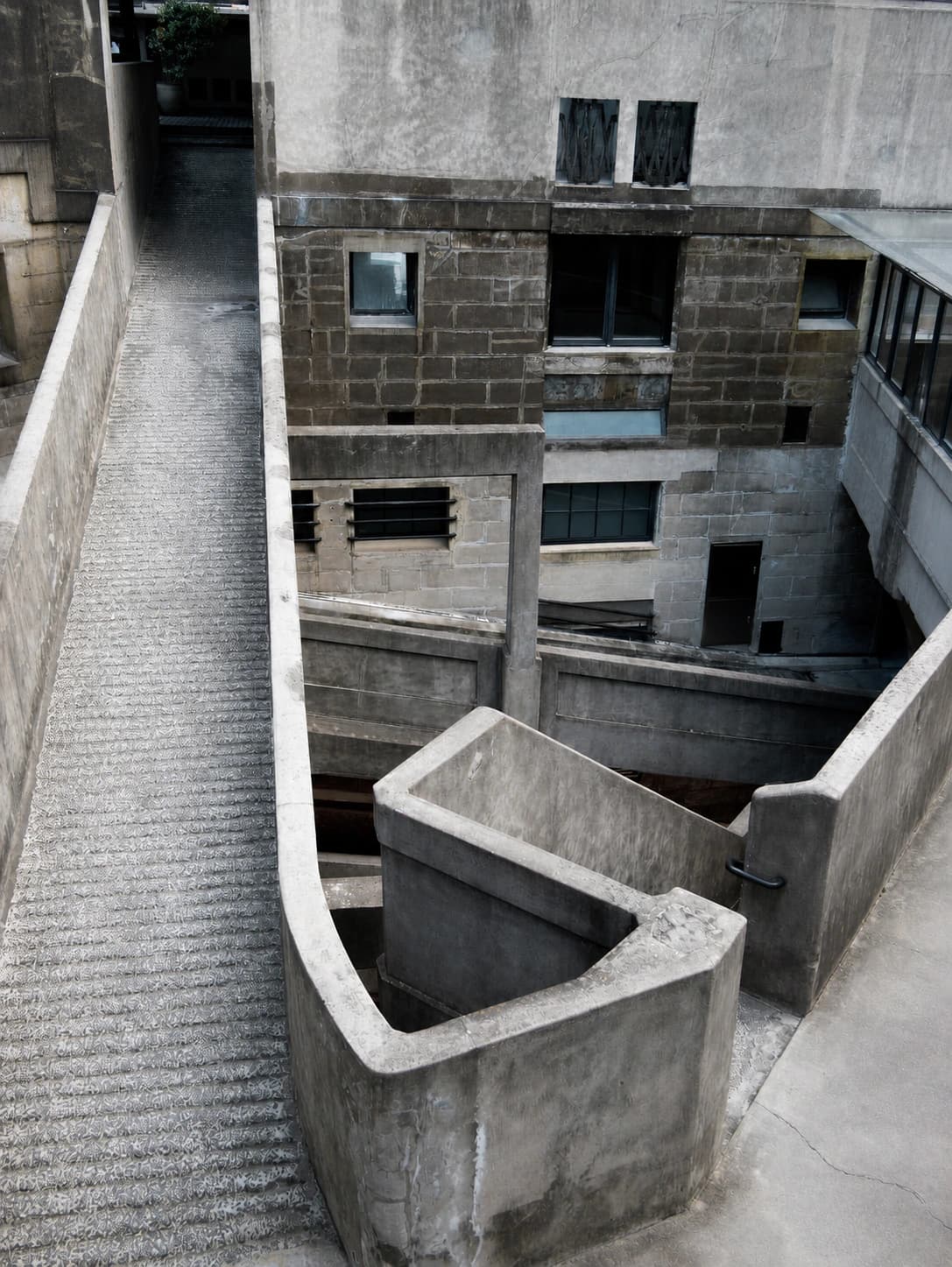
Originally known as Normandie Apartments, this iconic building was designed by Hungarian architect László Hudec in 1924. Standing at the intersection of five roads, it resembles a ship with its distinctive wedge shape. The building features French Renaissance style architecture with a three-tiered facade and detailed craftsmanship in its interior marble floors and decorative elements.
Soong Ching-ling's Former Residence (宋庆龄故居)
Located at 1843 Middle Huaihai Road near Wukang Road, this European-style mansion served as Soong Ching-ling's home from 1948 until her passing. The residence is surrounded by century-old camphor trees and maintains its original furnishings, offering visitors insight into her life and contributions to China.
Ba Jin's Former Residence (巴金故居)
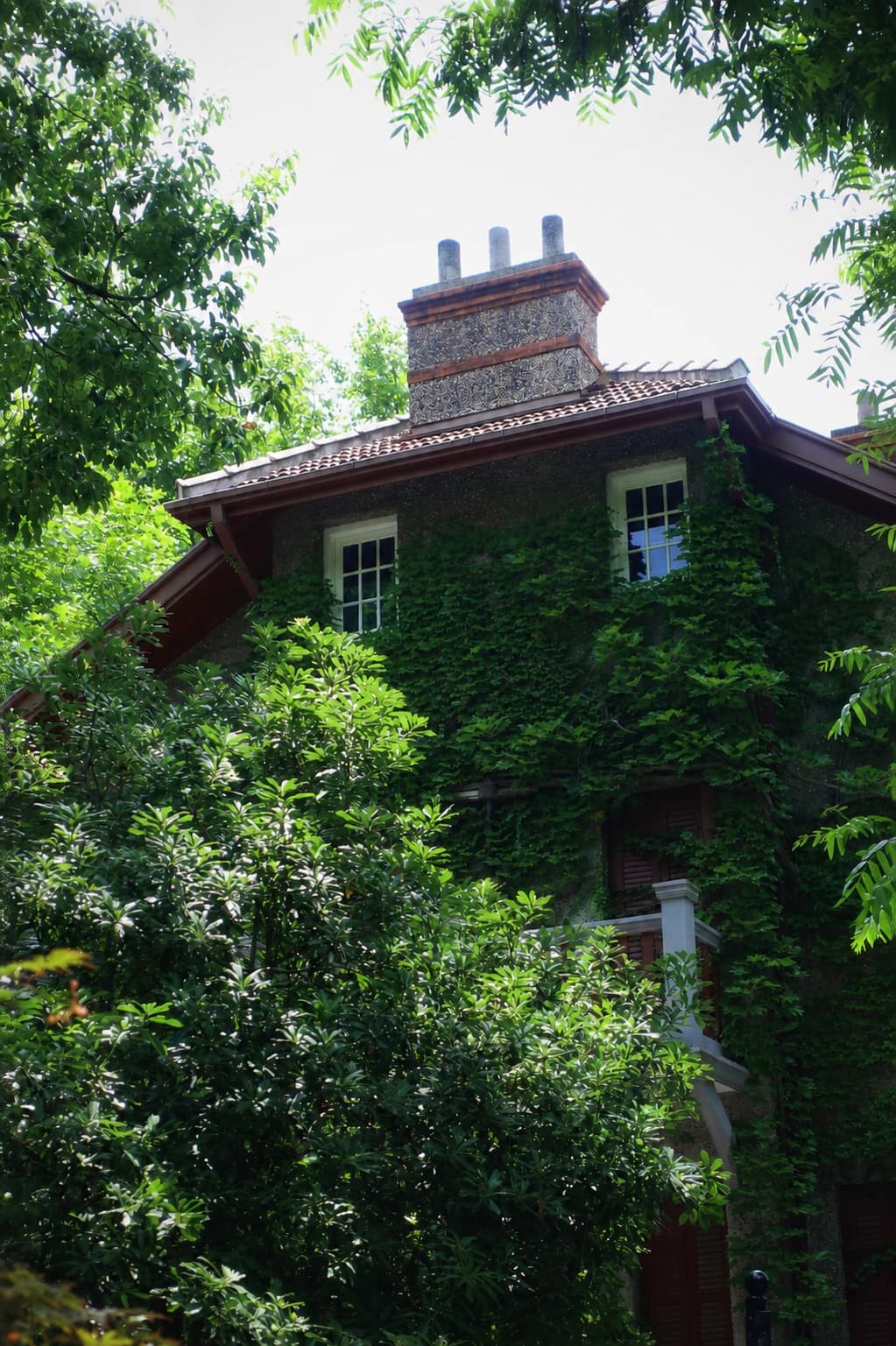
At 113 Wukang Road stands the former home of renowned writer Ba Jin. This English garden-style house, built in 1923, is where he spent nearly half a century and wrote his famous "Random Thoughts." Though currently closed to the public, a bronze statue of Ba Jin stands in the front yard.
Cultural Experience
Bookstores and Cafes
- Daxin Bookstore (大隐书局) at Wukang Mansion offers a curated selection of Shanghai-themed books and cultural creative products
- Hengshan Hejii (衡山·和集) combines a bookstore, cafe, and creative space, popular among art enthusiasts
Dining Highlights
- LOKAL: Famous for its brunch and afternoon tea in a garden setting
- New Lee's Restaurant (新利查西菜馆): A century-old establishment known for its curry chicken and Western cuisine
- % Arabica: A Japanese coffee chain offering premium coffee in an elegant environment
- Rainbow Smoothie (彩虹昔): Popular for its coconut bowls and healthy smoothies
Creative Shops
- Three Thousand Vintage (三千vintage): A hidden gem featuring Pokemon collectibles and retro photography
- Fangjike Living Room (梵几客厅): Showcases traditional Chinese furniture and home accessories
Visitor Information
The best time to visit is during spring or autumn when the weather is pleasant and the plane trees are at their most beautiful. The street is easily accessible via public transportation, with several metro stations nearby.
For those interested in photography, early morning or late afternoon provides the best lighting for capturing the street's architectural beauty. Many buildings are still private residences, so visitors should be respectful when taking photos.
Wukang Road represents more than just a historic street; it's a living museum of Shanghai's architectural heritage and cultural evolution. Whether you're interested in history, architecture, photography, or simply enjoying a peaceful stroll, Wukang Road offers a unique glimpse into Shanghai's past while embracing its present.