Shaoxing
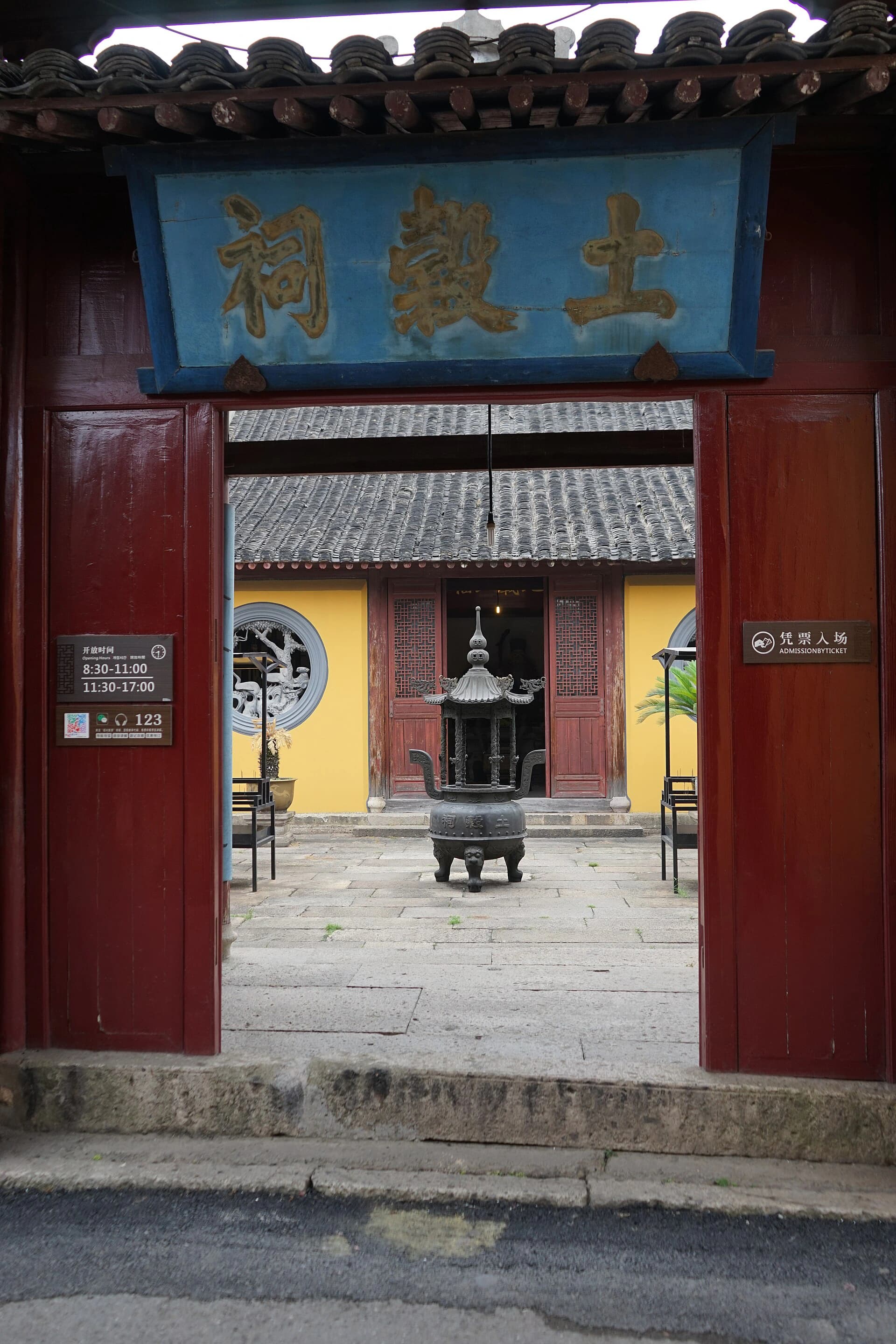
Shaoxing is a Jiangnan water city, but it is not best understood as a smaller Wuzhen. Its character comes from ordinary canals threaded through an inhabited old centre, the homes and texts of writers such as Lu Xun, the calligraphy tradition of Wang Xizhi, yellow-wine culture, and outward landscapes where boats, quarries and mountains do different jobs.
The central mistake is to treat every famous name as part of one “ancient town.” Lu Xun Native Place, Shen Garden, Cangqiao Street and several northern heritage stops can form a walk. East Lake, Keyan–Jianhu, Orchid Pavilion, Anchang and Kuaiji Mountain are separate sectors. A strong trip gives the old city one unhurried day, then chooses one outward experience instead of spending the whole visit in traffic.
A complete two-day first route
The flagship uses the walkable Lu Xun–Shen Garden–Cangqiao sequence on day one and protects Keyan–Jianhu–Luzhen as one outward landscape product on day two. East Lake, Orchid Pavilion, Anchang, Dayu, Bazi Bridge and the Shusheng area remain replacements or later additions—not points to force into the same forty-eight hours.
Who will enjoy Shaoxing?
Come for literature, calligraphy, canal-side neighbourhoods, fermented flavours and small architectural details. It suits travellers who enjoy reading context and leaving time for an unscheduled bridge or riverside meal.
It is less suitable if you want a single monumental attraction, nonstop nightlife or a perfectly preserved pedestrian showpiece. Much of the appeal is subtle, and some literary sites become commercial and queue-heavy at peak times.
Choose the right Shaoxing
Old-city Shaoxing combines biography, gardens, bridges and lived streets. It is the best first-day choice and the easiest area for independent walking.
Water-landscape Shaoxing means choosing a specific boat environment: narrow quarry cliffs at East Lake, a larger scenic circuit at Keyan, Jianhu and Luzhen, a central canal product, or a town boat in Anchang. A black-awning boat is a vehicle type, not one citywide route or ticket.
Intellectual Shaoxing links Lu Xun, Wang Xizhi at Orchid Pavilion, Wang Yangming and the literary reception of Shen Garden. These visits become much stronger with basic reading beforehand.
Outward Shaoxing means a deliberate half day at Anchang, Keyan, Orchid Pavilion or Dayu Mausoleum and Kuaiji Mountain. Do not market them to yourself as effortless extensions of the centre.
The best plan by trip length
One day: the compact literary and canal route
Start at Lu Xun Native Place near opening. Two hours can work off peak, but weekends and holidays produce building-by-building queues. Walk roughly five minutes to Shen Garden; decide whether you want the daytime garden or a separately operated night performance rather than assuming one ticket covers both.
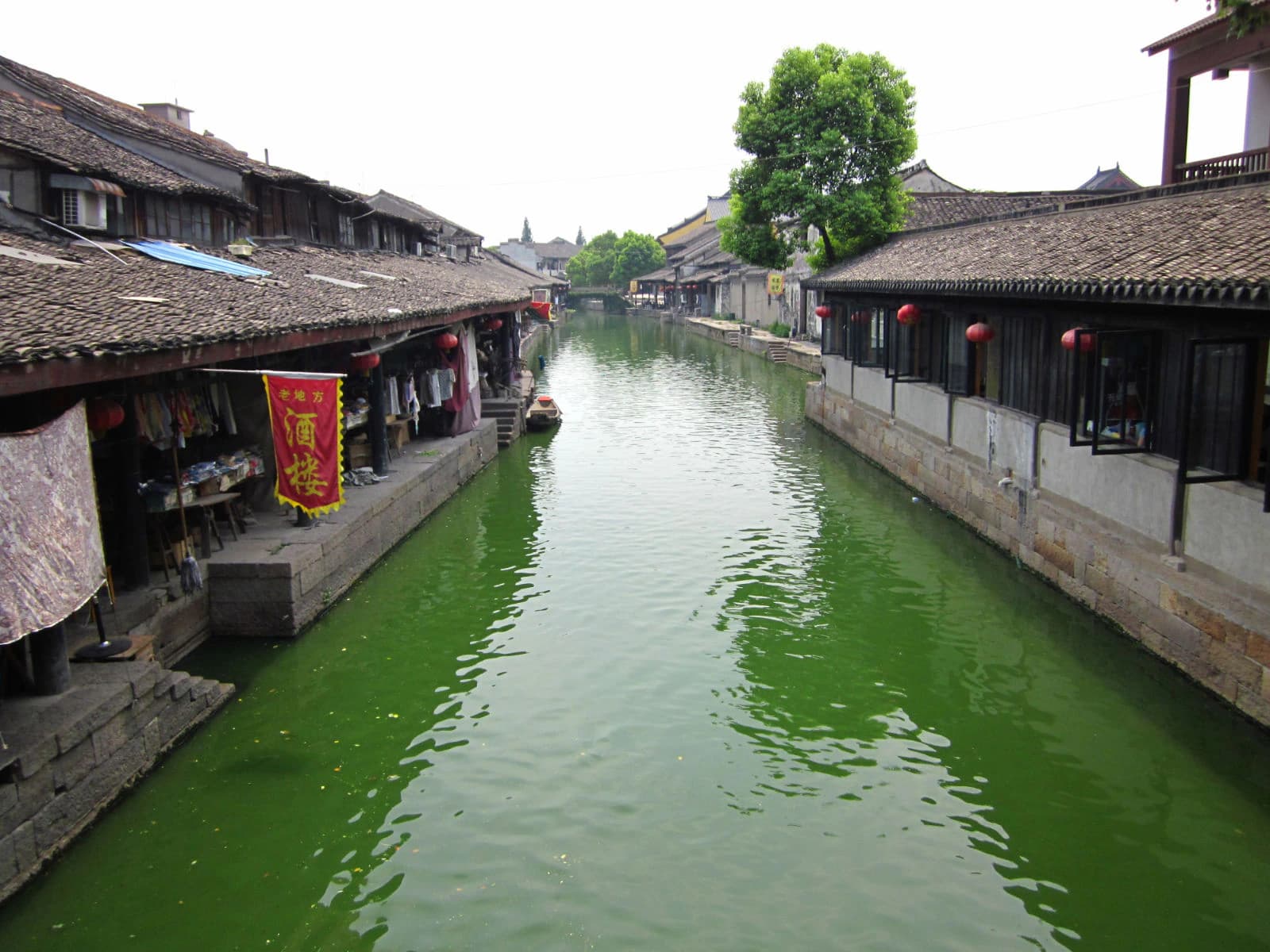
After lunch, continue about ten minutes to Cangqiao Street. Treat it as a canal-side connector, not a compulsory snack market. Extend north through public lanes toward the Wang Yangming area or the Yellow Wine Museum only if energy and current access allow.
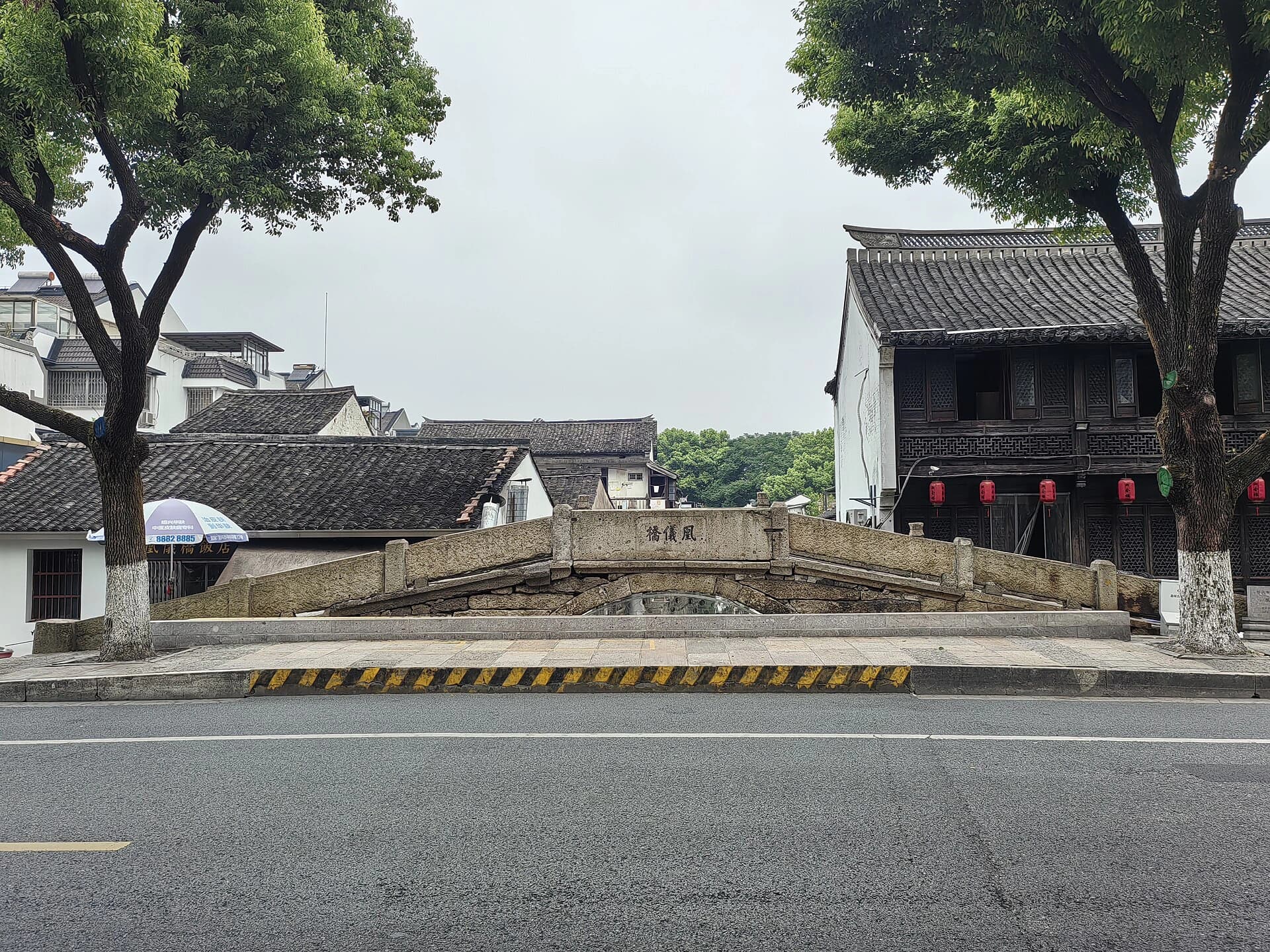
Photo: Yumeto · Source · CC BY-SA 4.0
Two days: add one landscape
Choose according to the experience you want:
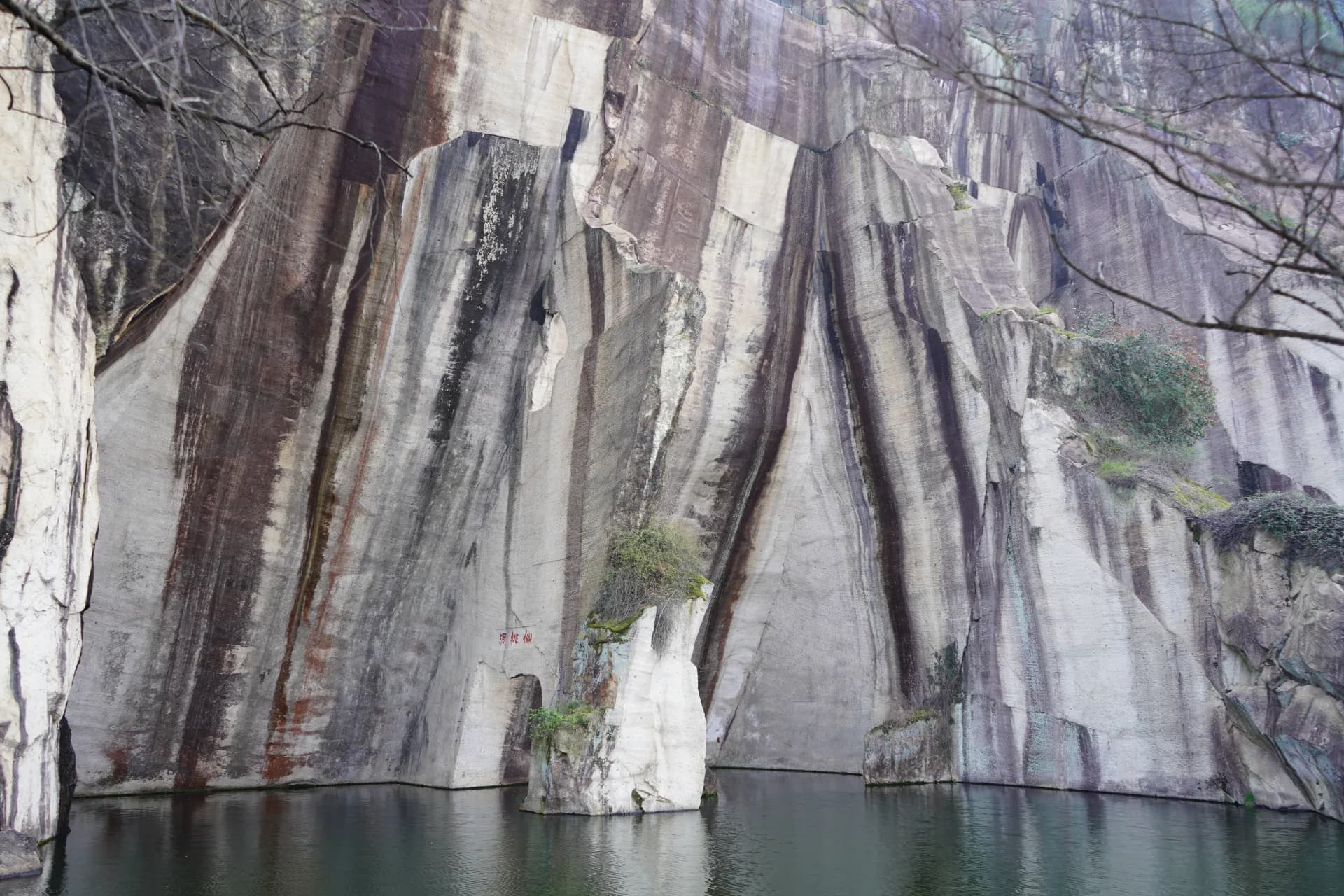
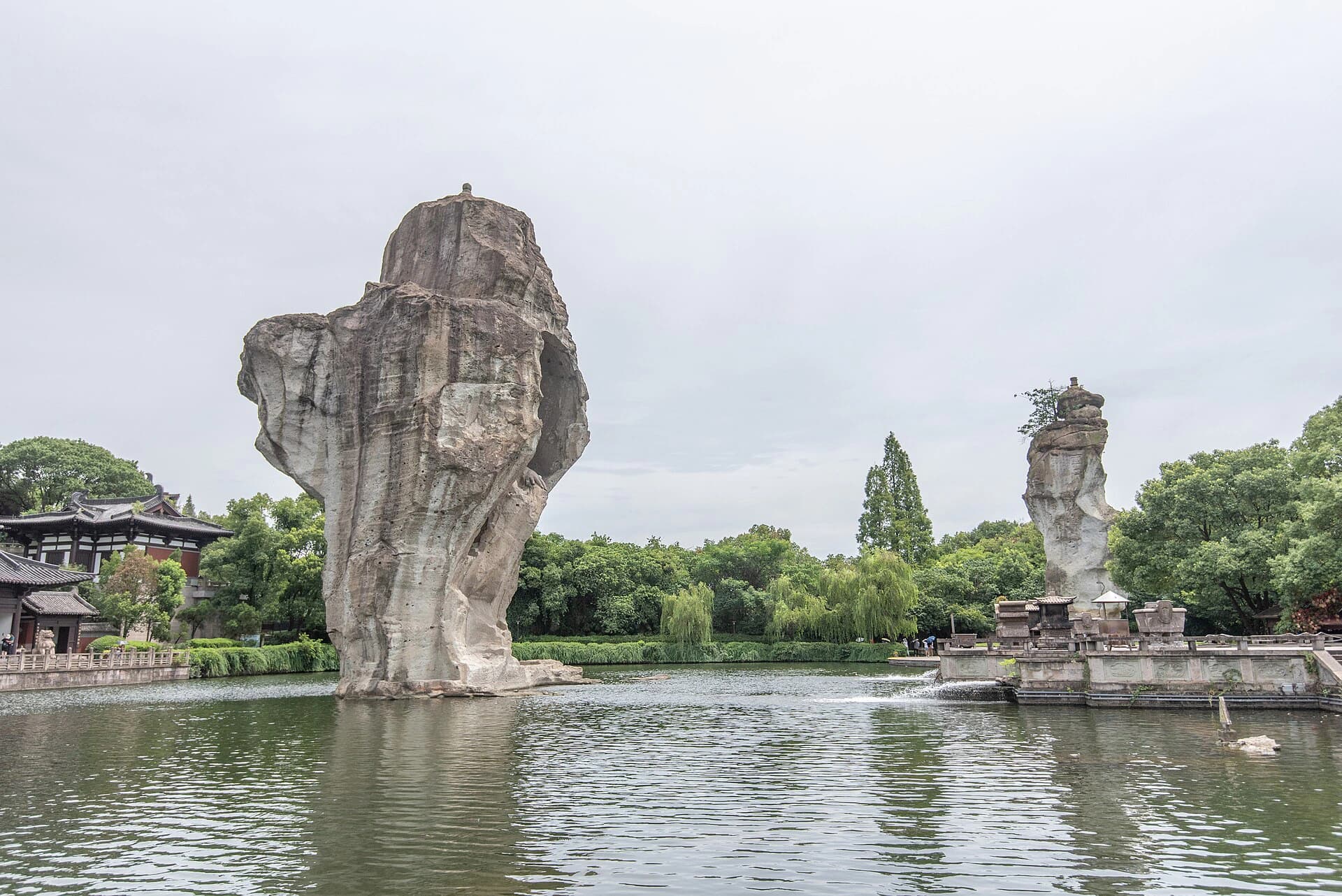
- East Lake — 2–3 hours: a compact former-quarry landscape. Walking shows the cliffs and water, but the boat supplies the narrow water-level perspective many visitors consider the main experience. Queue, duration and value divide opinion.
- Keyan–Jianhu–Luzhen — half to full day: a large combined product joining quarry heritage, lake movement and a modern literary-themed town. Internal boats can prevent a long return walk, but inclusions and last transfers must be checked. Compare the current Trip.com Keyan product with the official operator's live sequence.
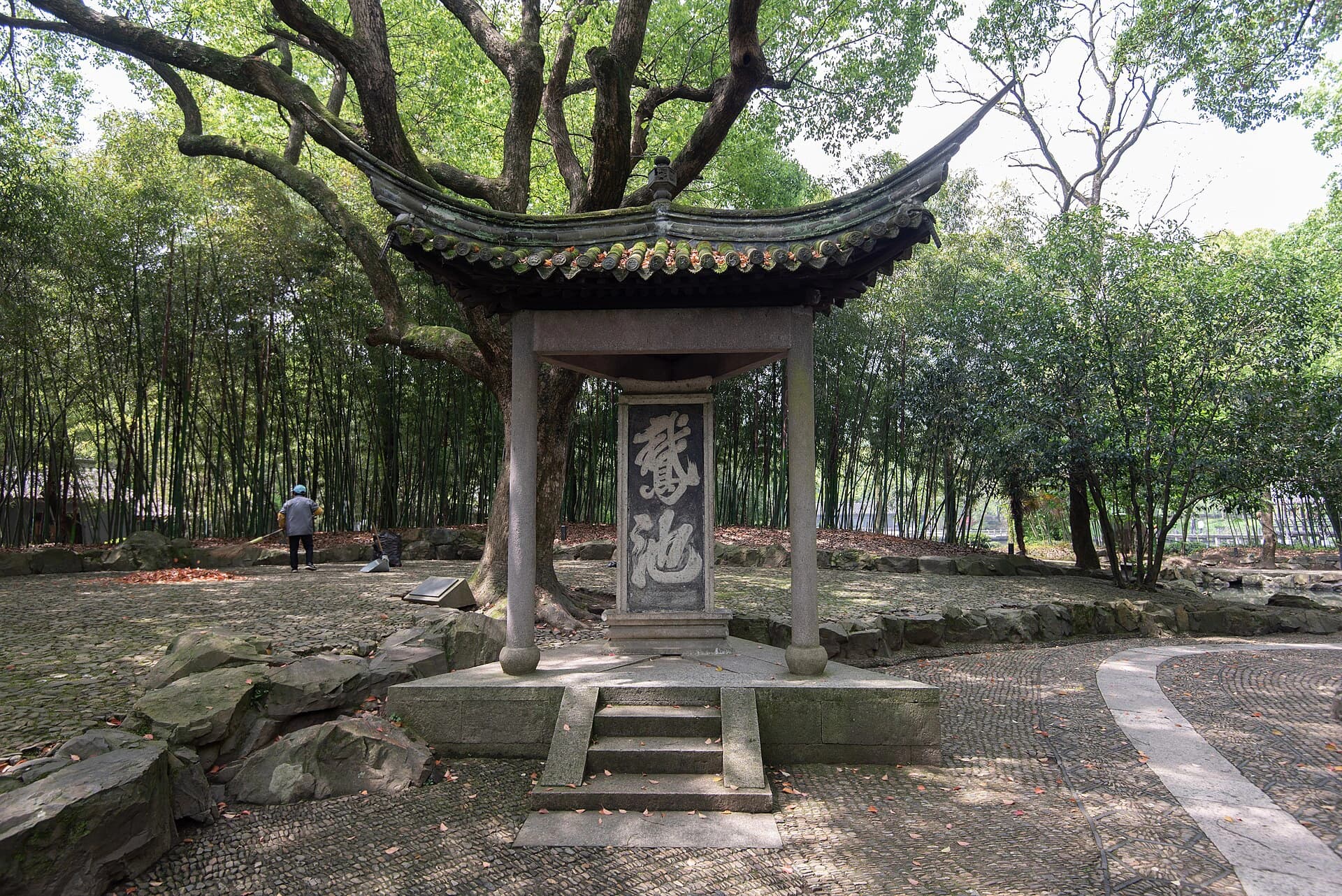
- Orchid Pavilion — about 2 hours: best for calligraphy, Wang Xizhi and quiet memorial landscape. It can feel slight to visitors expecting activities, food or an untouched fourth-century site.
From Lu Xun Native Place, the checked road baselines are about 5.3 km to East Lake, 17.4 km to Keyan and 13.5 km to Orchid Pavilion. They are alternatives, not a three-stop day.
Three days: Anchang, Dayu or a specialist culture day
Choose Anchang Ancient Town for a half-day of canal streets, cured foods and residential texture, strongest in cooler weather outside major holidays. It sits conveniently closer to Shaoxing North station than to the central old-city route.
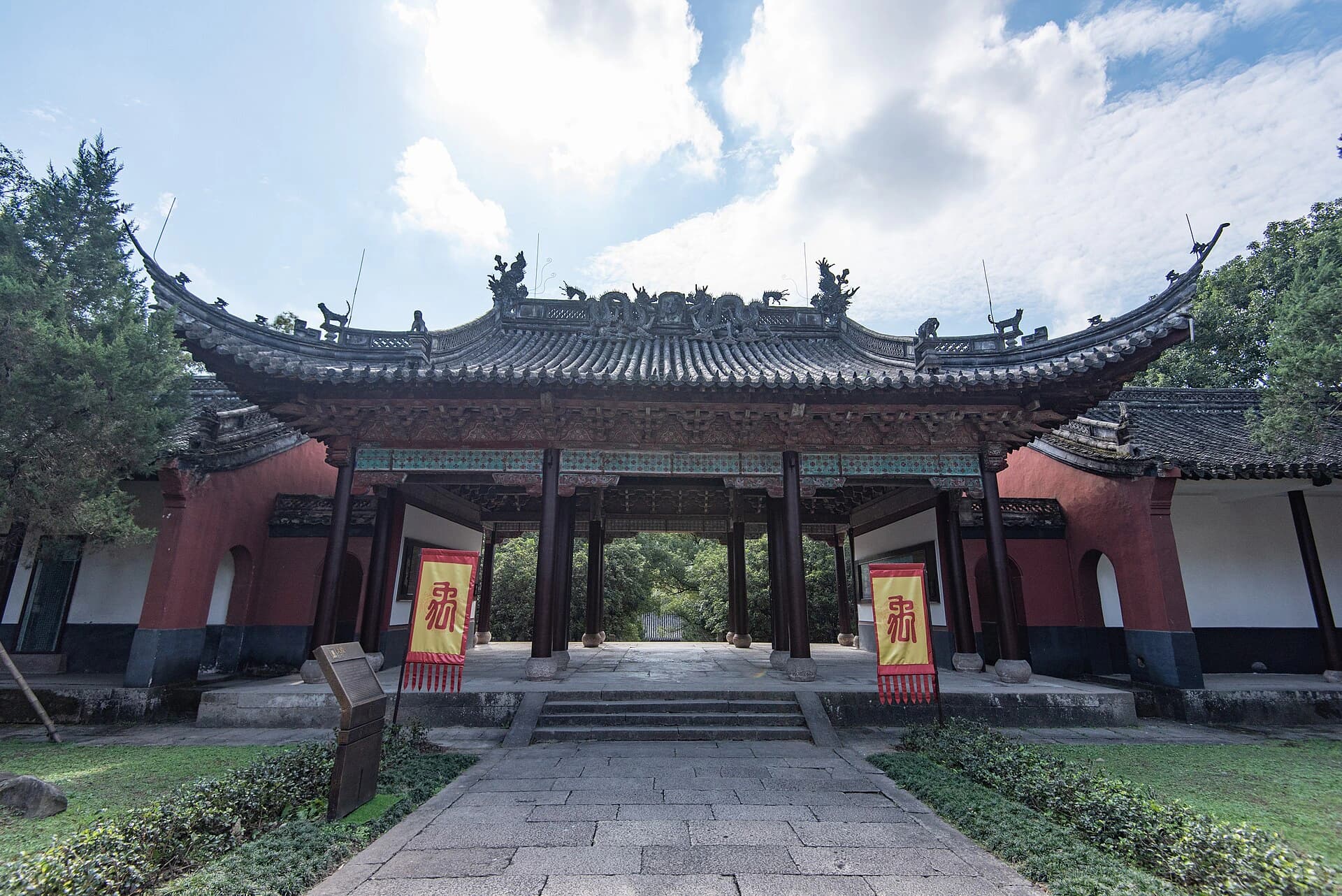
Choose Dayu Mausoleum and Kuaiji Mountain for ritual history, modern memorial architecture and quiet landscape. Separate the lower complex from the long stair climb toward the large statue; the latter adds heat and physical load without guaranteeing a dramatic summit reward.
A specialist culture day can instead pair the China Yellow Wine Museum with the Wang Yangming heritage walk. The museum has value beyond tasting, while the Yangming area mixes historic association, later commemoration and reconstruction. Neither should be reduced to alcohol shopping or inspirational slogans.
How to choose a boat without disappointment
Ask six questions: Which pier? Which exact route? Is the fare per boat or per person? How many passengers? Are life jackets provided and required? What happens in wind, rain or high water?
East Lake, Keyan–Jianhu, central canals and Anchang use different operators and settings. A short boat is not automatically poor value if it enters a space inaccessible on foot; a longer ride is not automatically better if it duplicates the view from your hotel or scenic-area transfer. Never combine alcohol tasting with boating or driving.
Where to stay
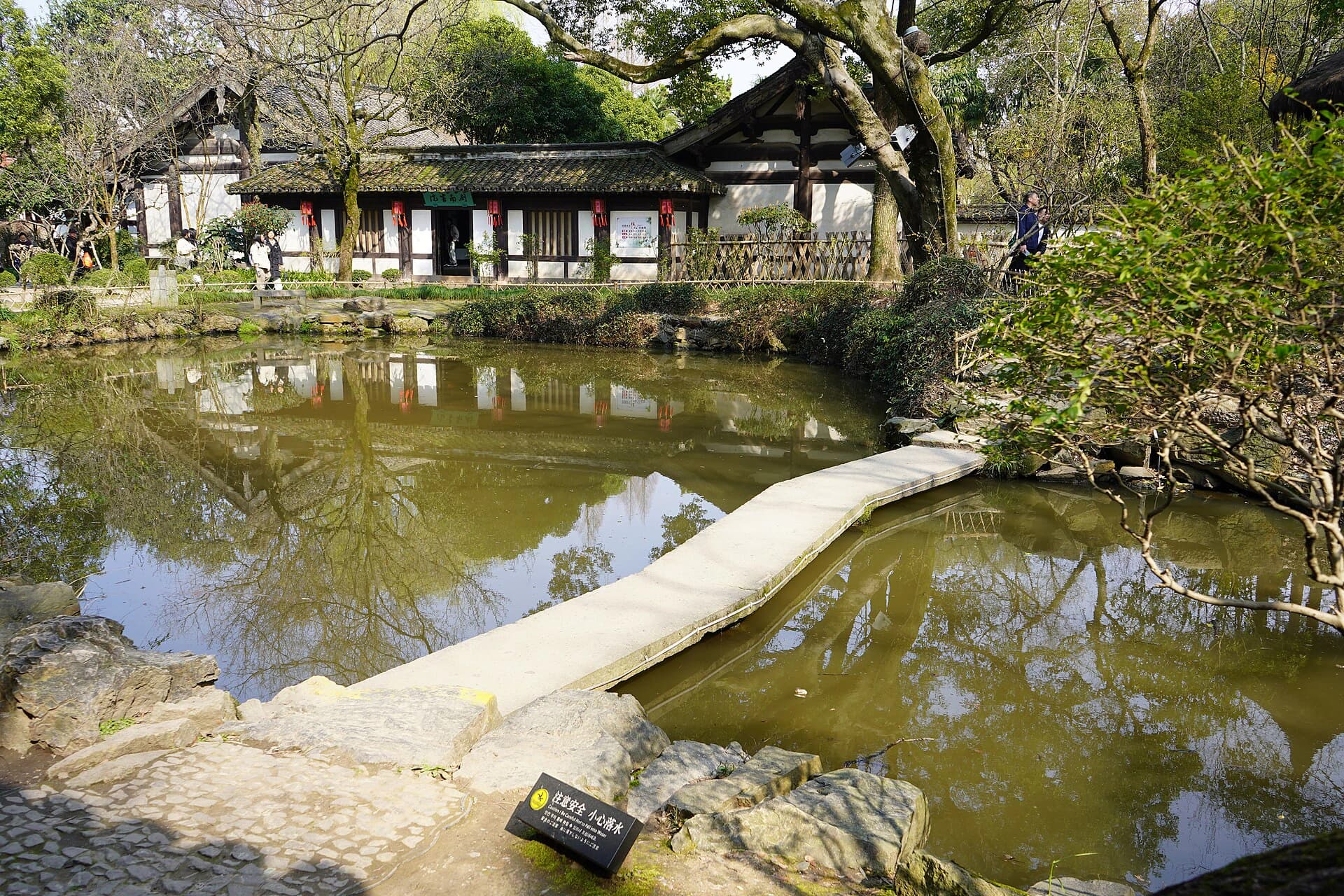
For a first visit, use the old city near the Lu Xun, Shusheng, Cangqiao or Bazi Bridge areas. You gain early access to popular sites, easy evening walks and short rides to the railway station. A courtyard stay can offer atmosphere but weak soundproofing, hard mattresses, stairs or limited vehicle access; read the newest room-specific reviews rather than relying on heritage branding.
Keyan and Jianhu resorts make sense only when the lake landscape, theatre or a slower second base is central to the trip. Check whether paid hotel boats merely repeat a scenic-area ride and whether the actual room has been renovated. Grounds and room hardware can differ sharply.
Shaoxing North is the principal high-speed rail gateway and lies north of the old city; central Shaoxing Station is a different stop. The checked North-station route to Lu Xun Native Place is about 17.4 km by road or around 53 minutes by metro plus access walking. Compare Shaoxing hotels on Trip.com, filter the exact Yuecheng old-city area, and check China train tickets using the exact station.
What to eat—and why some visitors dislike it
Shaoxing flavours can be salty, fermented, wine-scented and rich. Sample stinky tofu, fennel beans, cured meats, steamed cakes, fermented-rice drinks and shared dishes in small portions. Ask whether a dish contains yellow wine, pork, offal or strong fermented vegetables if these matter to you.
Do not build the day around a viral snack list. Several “must-eat” items are common across Jiangnan or adapted for tourist streets, and queues do not prove local origin. Choose a clean shop with a visible menu, order one unfamiliar item at a time, and explore a residential street meal after the busiest heritage zone closes.
For yellow wine, distinguish museum interpretation, tasting, restaurant cooking and bottle retail. Confirm alcohol level, producer, vintage claim, seal and transport rules before buying. Non-drinkers can still learn about fermentation, storage vessels, trade and food culture without taking a sample.
Crowds, heat and respectful old-city travel
Lu Xun's small rooms and lanes become uncomfortable when each doorway forms a queue. Start early, avoid Sundays and national holidays when possible, and do not schedule a fixed performance immediately afterward. In summer, shift outdoor streets and gardens to morning or evening; East Lake and Dayu have exposed sections with limited shade.
Cangqiao and Anchang remain lived places. Do not photograph residents through doorways, block bridges for portraits or enter a workshop because the door is open. Ask before photographing food production or people. The best Shaoxing images come from patience, not turning ordinary homes into a set.
Illustrated guides
Five rules that make the city easier
- Give the walkable old city one day and choose only one outward sector per additional day.
- Treat every black-awning boat as a separate operator, pier, route and safety decision.
- Distinguish historic fabric, restored room, reconstruction, museum object and works-inspired scene.
- Let first-party notices control passport booking, construction, performances, boats and closures.
- Prefer slow canals, selective tasting and early starts over a long checklist of internet-famous stops.