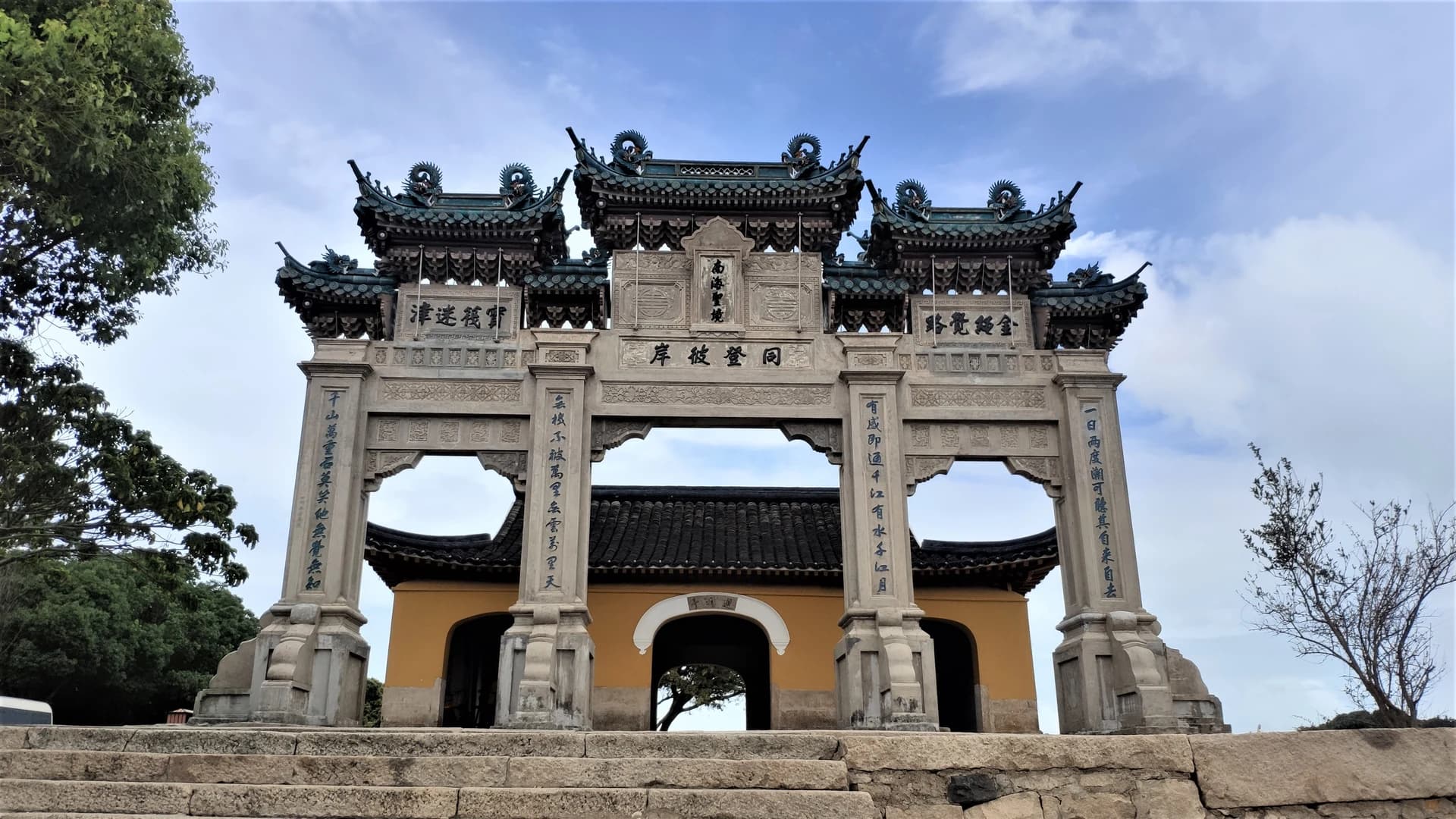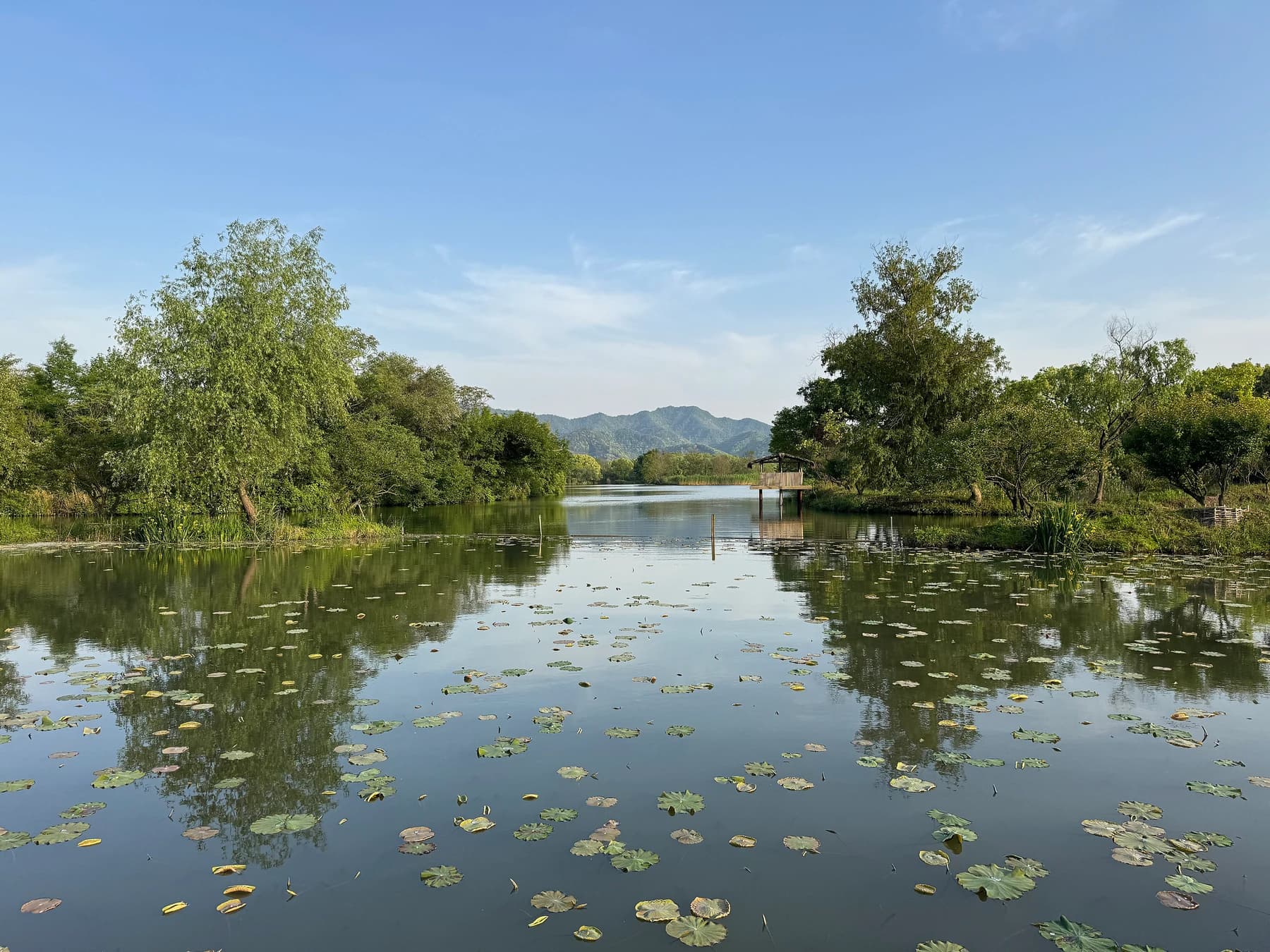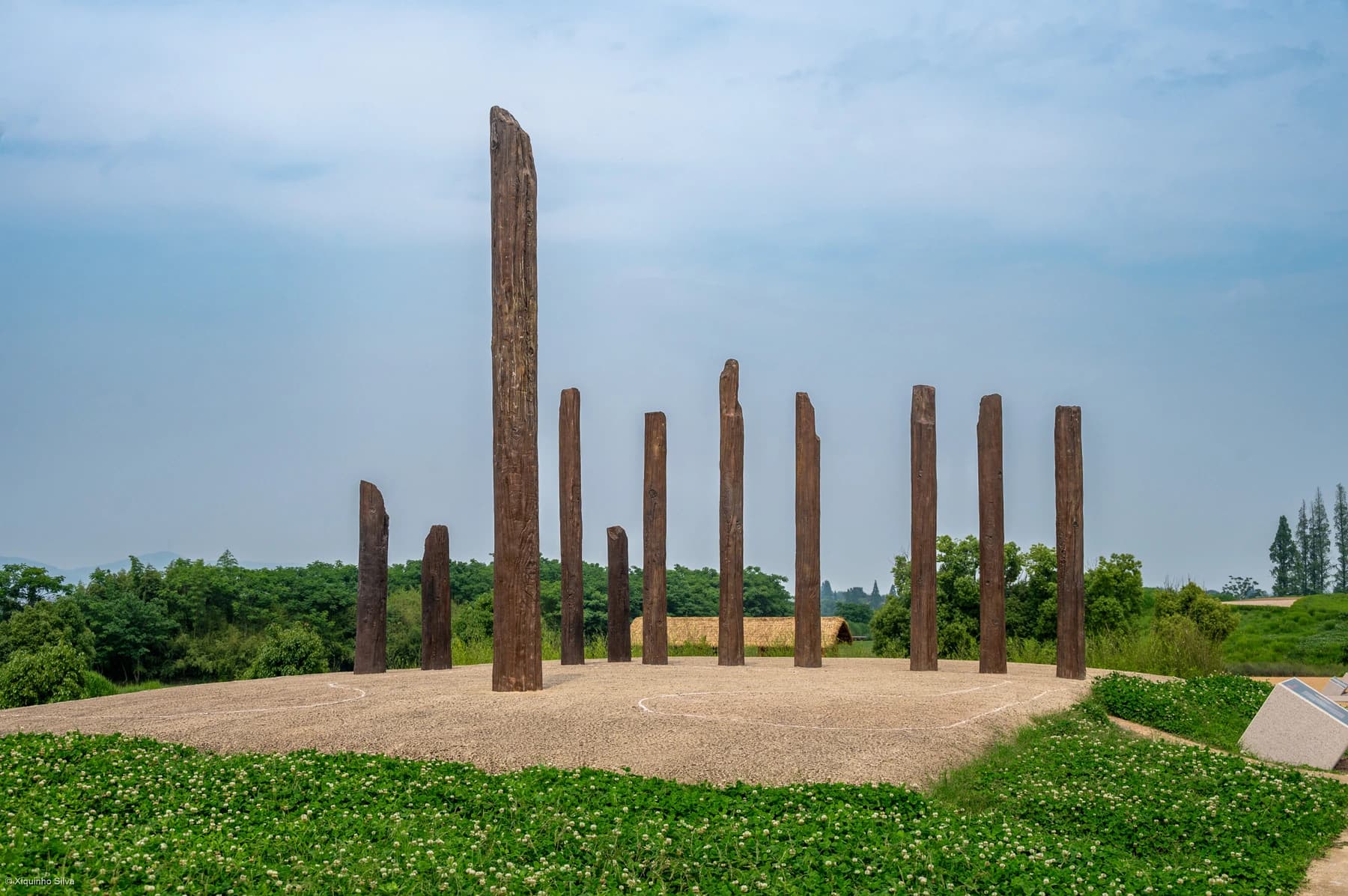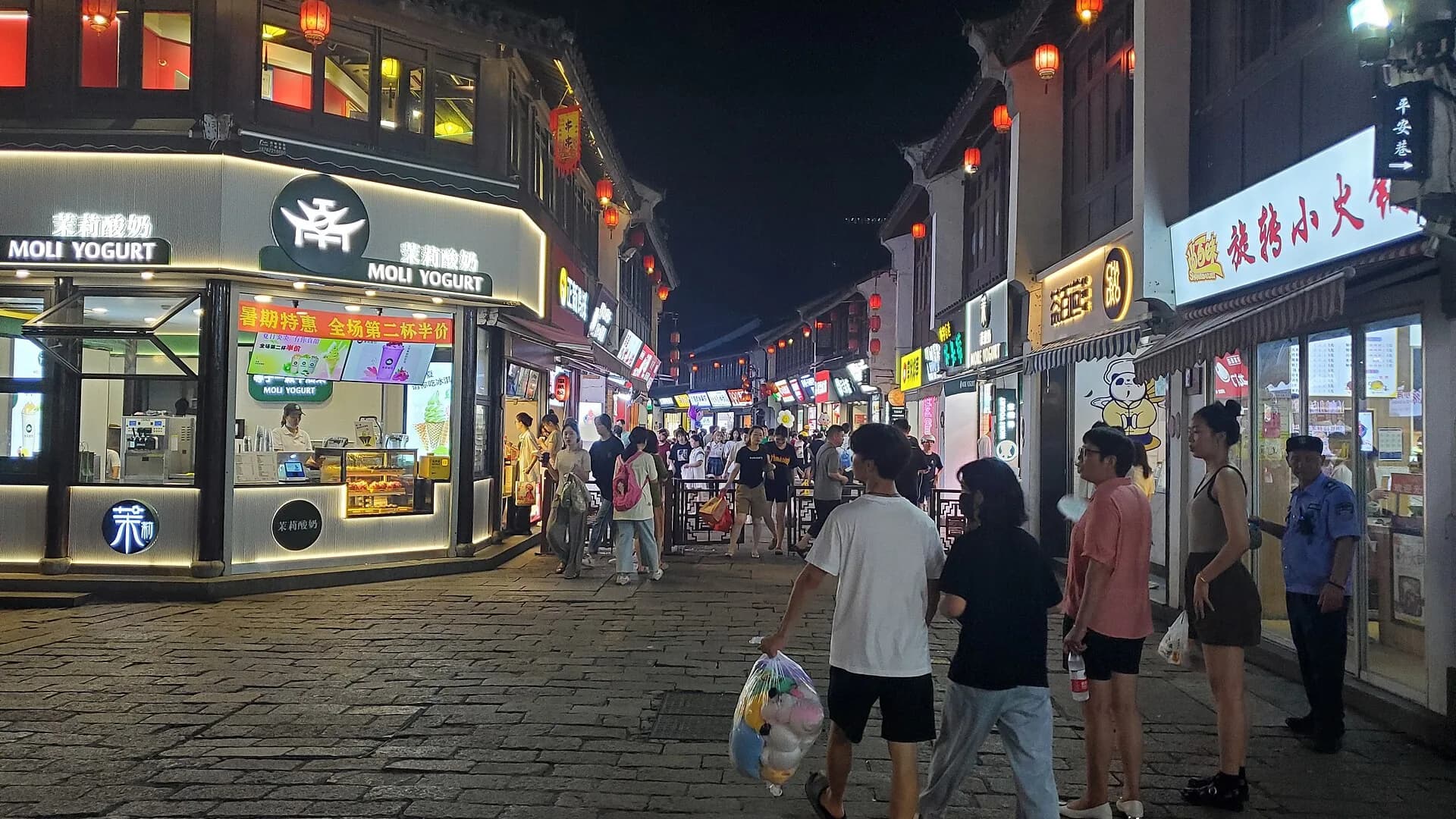
Zhejiang
Hangzhou, Shaoxing and Ningbo form Zhejiang's easiest first route. Fast trains link the cities, and the sequence moves from West Lake and canal culture to literary old neighborhoods and a historic port. Water towns, mountain villages and islands should be deliberate extensions rather than extra boxes on the same day.
Choose your region
-
Classic eastbound route: Hangzhou–Shaoxing–Ningbo in 6–7 days.
-
Water-town route: Hangzhou plus Jiaxing or northern Huzhou. Stay overnight in one town if evening atmosphere matters.
-
Coast and islands: Ningbo plus Zhoushan. Ferry and weather conditions set the pace.
-
Inland culture and mountains: Jinhua for villages, film culture or mountain landscapes; give it a separate branch.
-
Lake-and-mountain route: Qiandao Lake for a cruise, cycling segment or quiet resort stay, with a possible onward connection to Huangshan.
How many days
Three days belong to Hangzhou alone. With five days, pair Hangzhou with Shaoxing or one water town. Seven days allow three nights in Hangzhou, two in Shaoxing and one or two in Ningbo. Add Zhoushan only with at least two more nights and a weather buffer.
Cities and bases
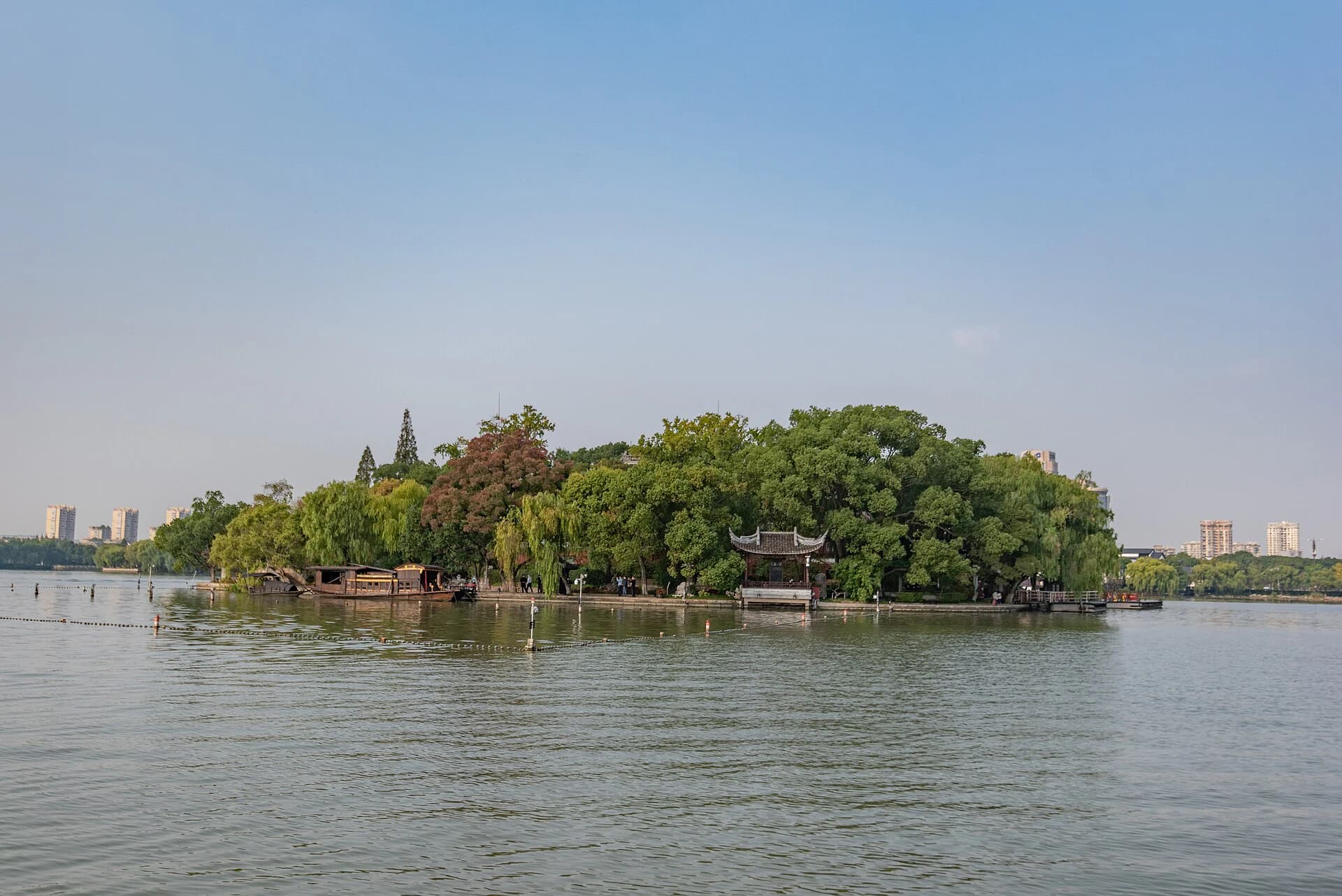
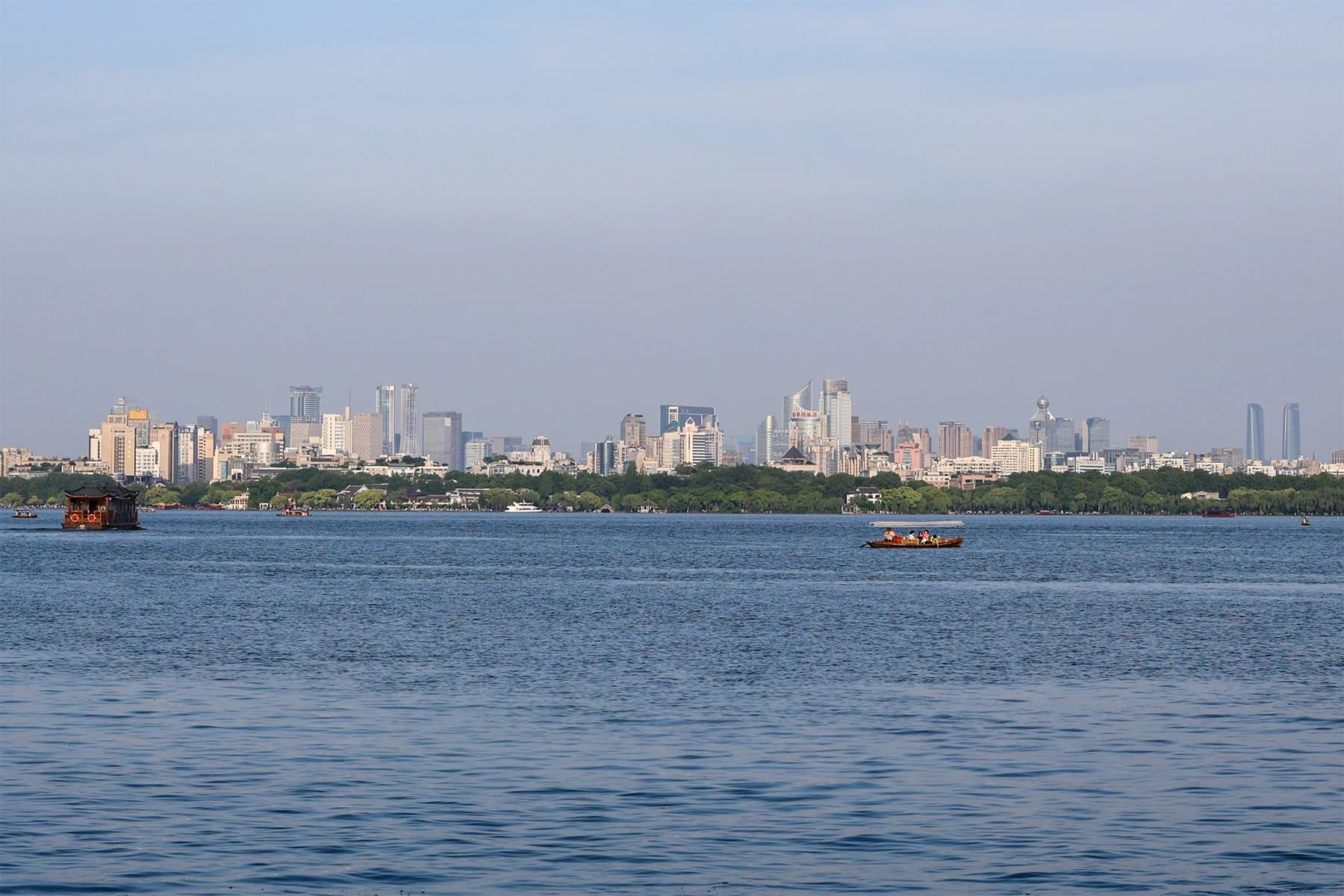
Use central Hangzhou for West Lake, temples and the Grand Canal. Shaoxing's historic core is compact enough for walking, but two nights let you separate Lu Xun heritage from canals, bridges and residential lanes. In Ningbo, stay near the rail station for a short stop or near the old center and riverfront for evening access.
Routes through the province
Seven-day first route
- Arrive in Hangzhou and walk one section of West Lake.
- Give West Lake a full day rather than circling it mechanically.
- Choose Lingyin and the tea-hill side, or the Grand Canal museums and neighborhoods.
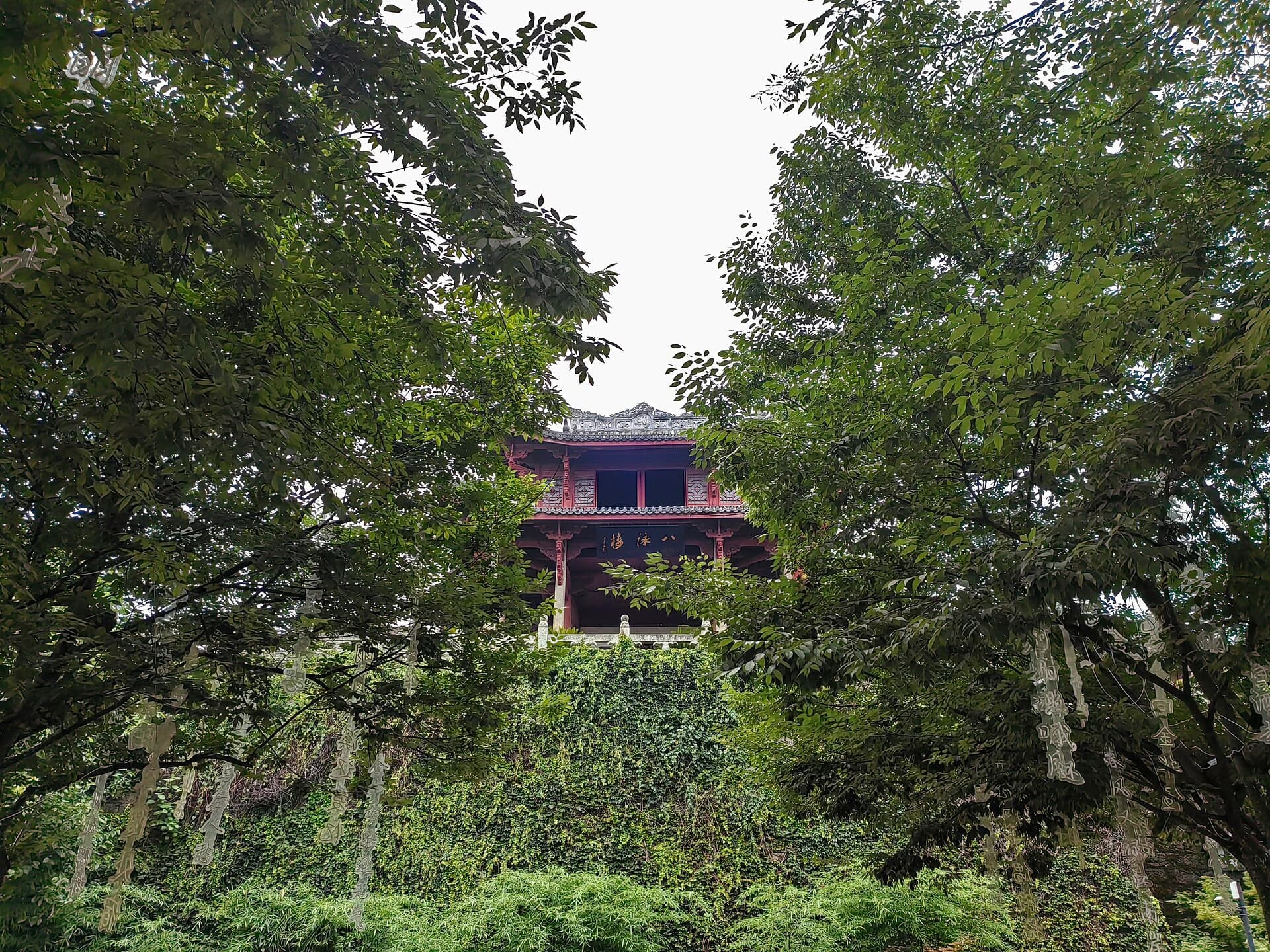
- Take the short train to Shaoxing; explore the Lu Xun area.
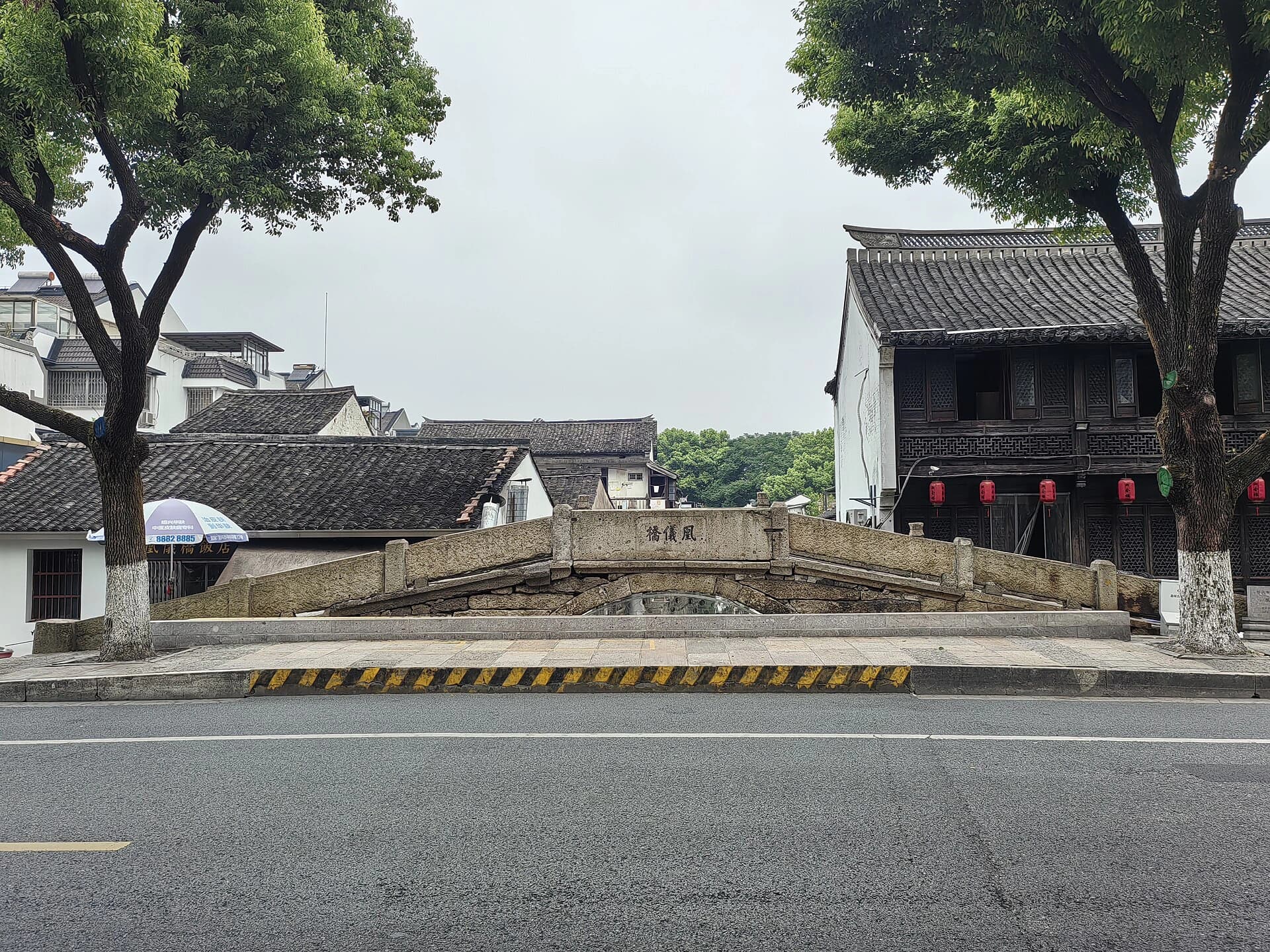
- Walk Bazi Bridge, Shusheng neighborhood and the old canal streets.
- Continue to Ningbo for Tianyi Pavilion and the historic center.
- Explore the port-city riverfront and depart.
For Wuzhen or another water town, replace a city day instead of squeezing it between hotel changes. Similar bridges and lanes become more meaningful when each stop has a distinct historical reason.
When to visit
Spring and autumn are comfortable but popular. Early summer rain creates the classic misty Jiangnan atmosphere and also complicates outdoor plans. Summer is hot and humid; typhoons can affect the coast and islands. Winter is quieter and often damp, so choose hotels with reliable heating.
Getting there and around
Hangzhou is the strongest gateway, with Shanghai providing another practical international entry. Rail handles the main city line. Buses, taxis or drivers cover the final water-town and village segments; islands add ports and ferry schedules. Confirm whether a place name refers to a city, district, scenic gate or station.
Where to stay
Near West Lake, balance lake access against weekend congestion. In pedestrian old towns, stay near a vehicle-accessible edge if carrying luggage. For Zhoushan, book the island that matches the actual activity; “Zhoushan” is not one compact resort area.
What to book first
Reserve popular museums, limited-entry cultural sites, intercity trains and any island transport first. Then lock hotels around the route. Recheck ferry and coastal weather notices before a Zhoushan segment.
Compare Zhejiang hotels on Trip.com and check China train tickets.