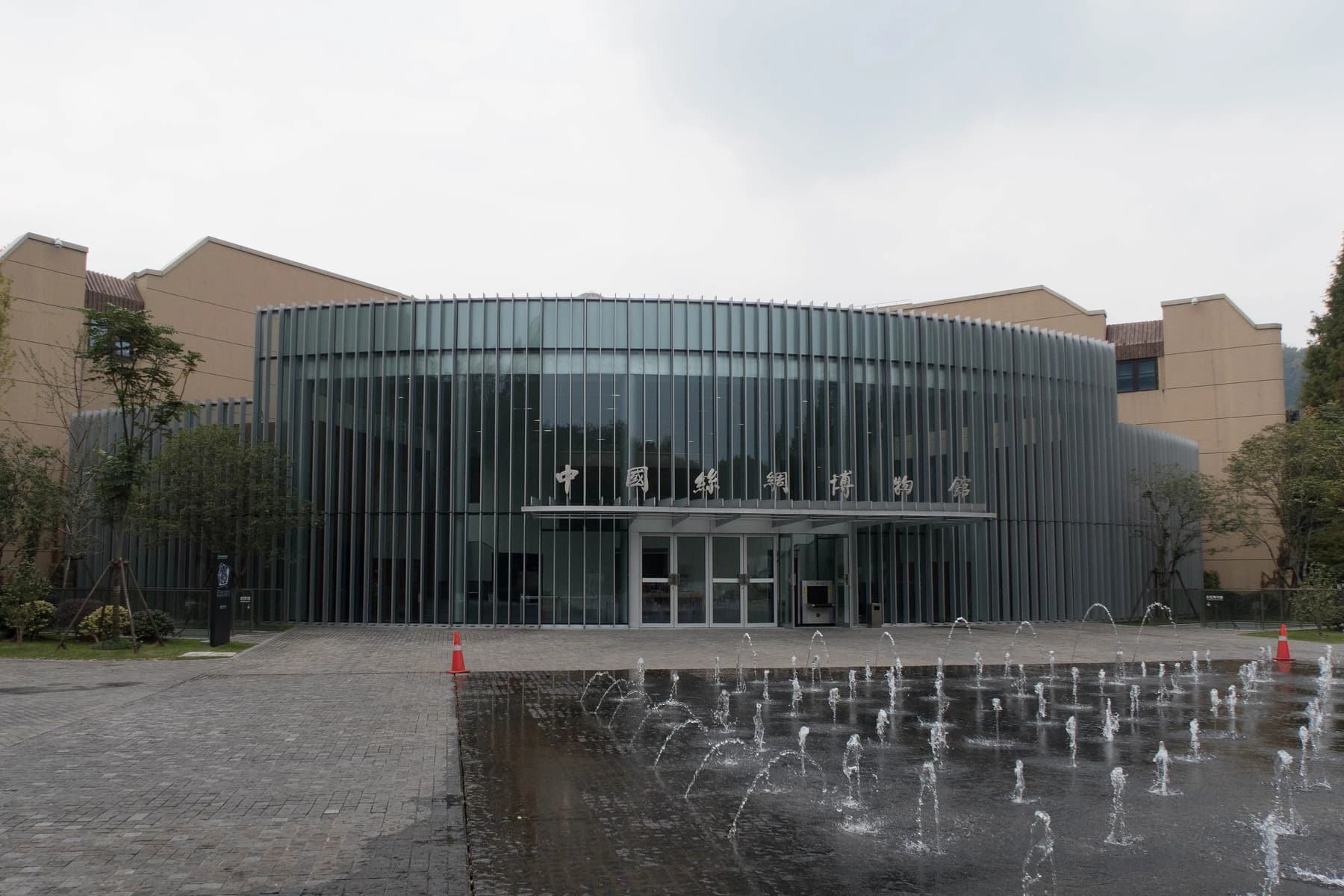
China National Silk Museum
The China National Silk Museum is most useful as the indoor anchor for West Lake's south shore. It explains fibre, weaving, dyeing, dress and exchange at a depth that a souvenir street cannot. The risk is trying to absorb every gallery after an already long lake walk.
Choose your depth
75–90 minutes
Follow the textile-history spine: silk production, weaving technology and representative historic textiles. Add one object group that shows technique clearly. This is the best choice after a substantial West Lake morning.
Two to three hours
Add one current exhibition on dress, conservation, archaeology or global textile exchange. The exact programme changes, so check the official museum website and current visitor rules rather than planning around an old exhibition title.
Specialist visit
Researchers, designers and textile enthusiasts can spend half a day, but should identify the relevant galleries and any reservation or photography restrictions before arrival. More time does not help if the desired hall is between exhibitions.
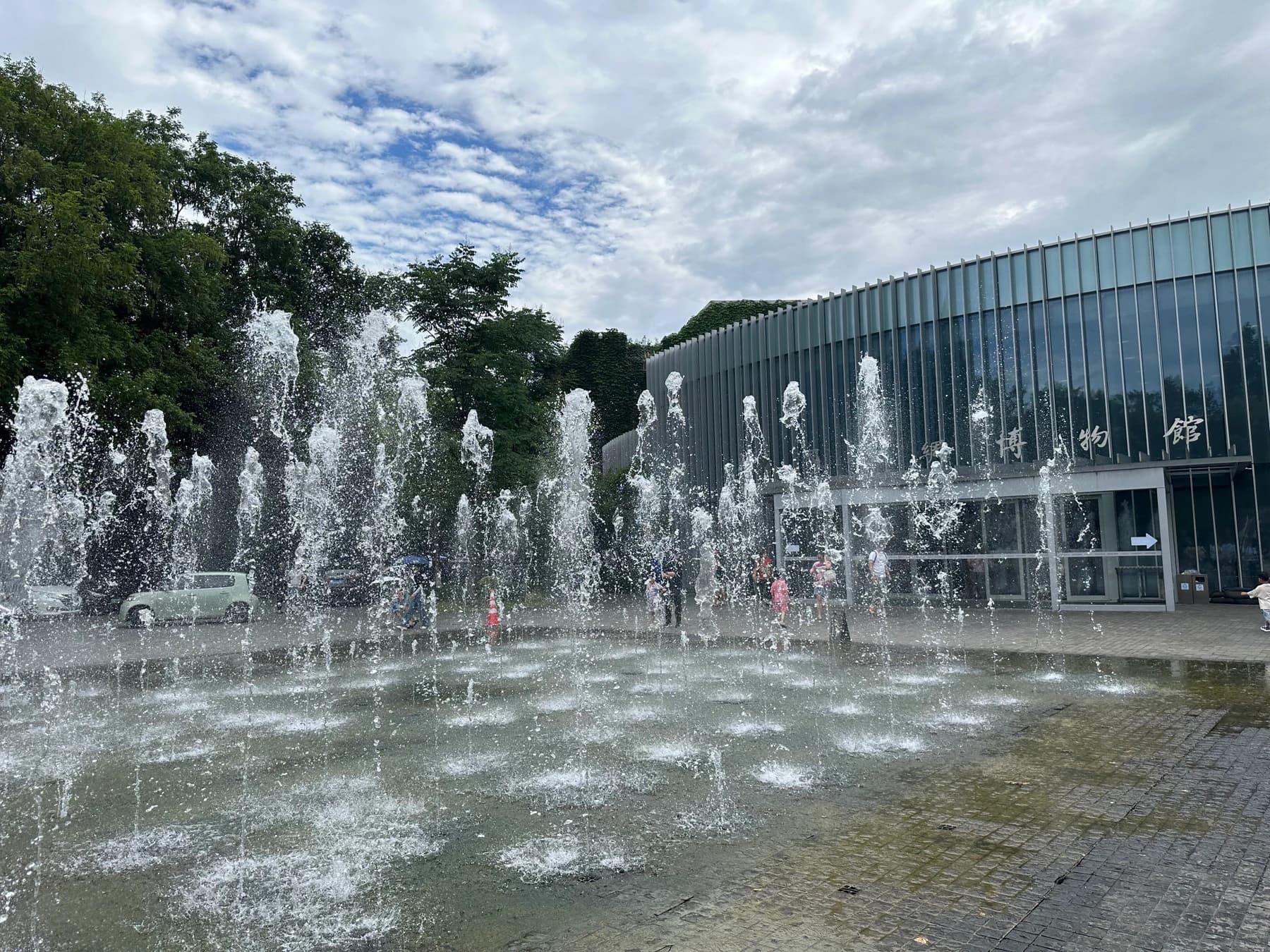
Photo: Nat4Eben · Source · CC BY-SA 4.0
What to look for
- From fibre to cloth: understand reeling, thread preparation and loom structure before comparing finished garments.
- Weave and pattern: look at how technical constraints shape visual design.
- Archaeology and conservation: fragile textiles survive through unusual conditions and complex conservation; display is never neutral.
- Dress as evidence: garments express body, status, trade and changing design, not only decorative beauty.
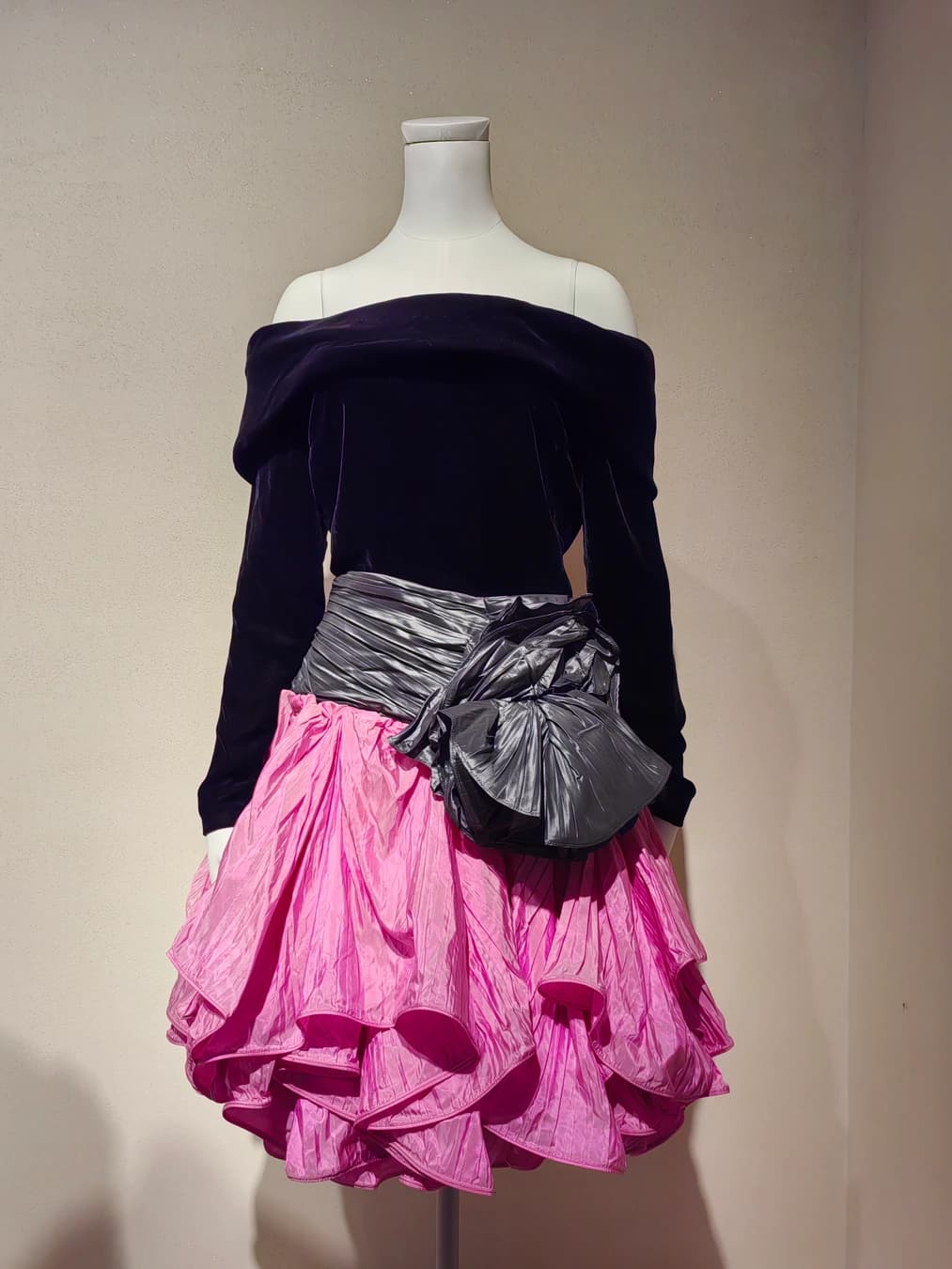
Photo: Yumeto · Source · CC BY-SA 4.0
Displays and temporary exhibitions rotate, so check the current gallery list instead of assuming that a particular object will be on view.
Pair with West Lake
Flower Harbor to the museum is about 1.9 km or 26 minutes on foot in route planning. That makes the museum a useful weather and fatigue checkpoint after the south shore. Continue by taxi or ride-hail roughly 3.5 km to Hefang/Southern Song Imperial Street rather than walking another exposed urban segment by default.
Use the West Lake guide to decide whether the museum belongs in a full-day route. Do not add it to a Lingyin–Longjing day simply because “silk and tea” sound thematically Chinese; the geography is worse.
Buying silk afterward
The museum teaches you to ask better retail questions. For any product, ask fibre composition, construction method, lining, care and maker. “Silk style,” “silky” and a brocade-looking pattern do not prove pure silk or hand weaving. Inspect labels and seams, compare weight and finish, and avoid destructive burn tests in a shop.
Museum shops and independent sellers serve different purposes; neither is automatically authentic or good value. Buy because the product information and quality are clear, not because the sales story invokes imperial history.
Common mistakes
- Assuming every gallery is always open.
- Spending the whole visit in temporary fashion displays and missing production technology.
- Treating photographs of textiles as colour-accurate evidence; lighting and screens shift appearance.
- Pairing the museum with too many distant attractions.
- Buying an expensive “silk” item without a fibre label or care instructions.
Practical behaviour
Follow current bag, food, photography and flash rules. Textile galleries often use lower light for conservation; do not compensate with prohibited flash. Carry the original passport if the reservation system requests identity verification, and check the official closure calendar immediately before travel.