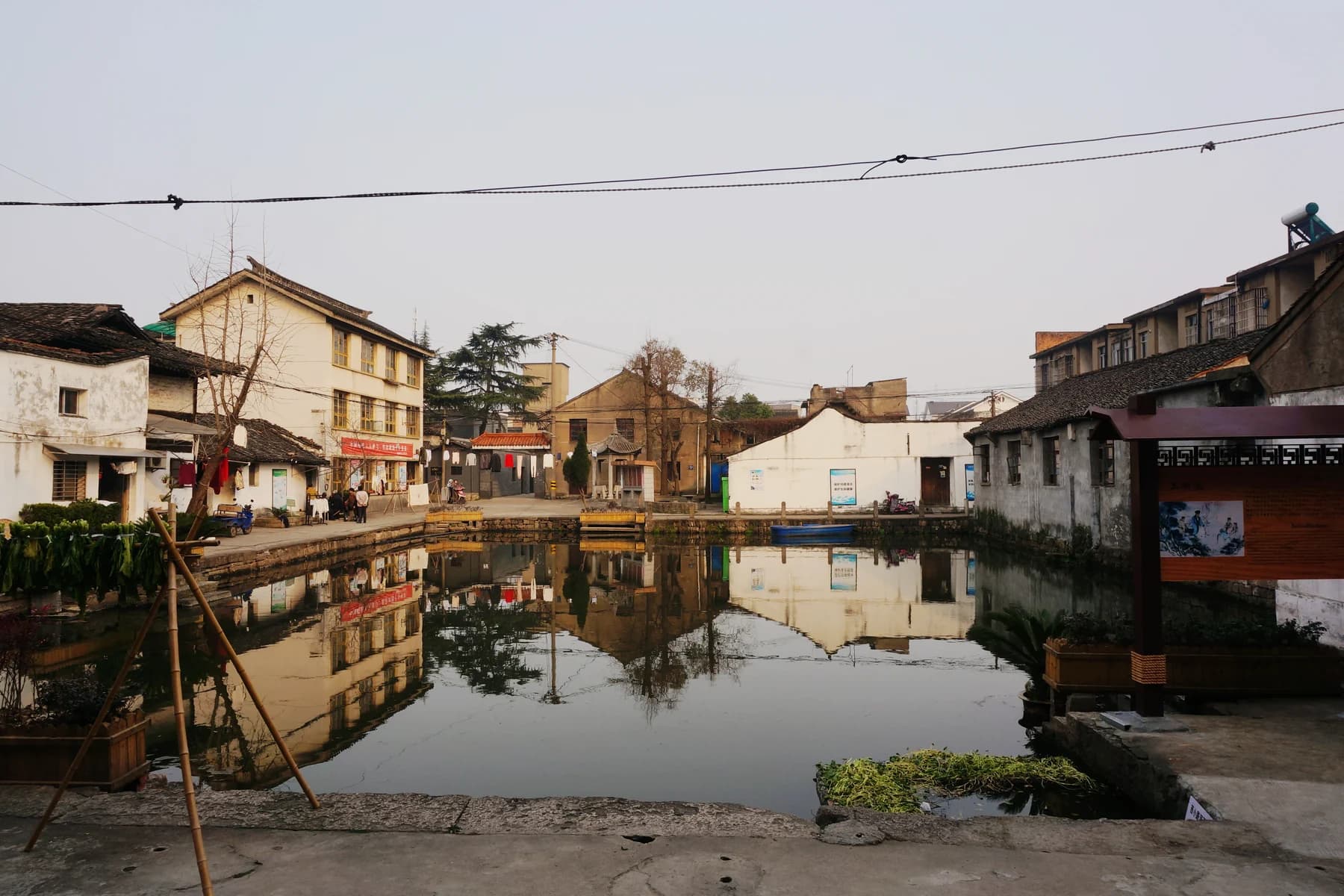
Lu Xun Native Place
Lu Xun was one of the most influential writers of modern Chinese literature, and his Shaoxing childhood supplied places, social types and sensory details that later entered his essays and fiction. This precinct brings together family residences, Sanwei Study, Baicao Garden and museum interpretation—but the wider visitor area also includes restored, reconstructed, commercial and works-inspired spaces.
The best visit is not “see every Lu Xun attraction.” It is a short biography-and-reading route that asks what happened here, what Lu Xun later wrote about it, and what the site has reconstructed for present-day visitors.
Who should prioritize it?
It is essential for readers of Lu Xun and useful for anyone trying to understand twentieth-century Chinese intellectual history. Without that interest, the small rooms and dense labels can feel repetitive, especially when every doorway has a queue.
Read one short work or a reliable biography before arrival. Even a basic understanding of his childhood, education and later critique of society makes Sanwei Study and Baicao Garden more than photo names.
A two-hour route—off peak
Follow the official one-way or timed route in force that day rather than an old map. A sensible reading sequence is:
- Begin with the family setting. Establish household scale, social position and the difference between an ancestral residence and the rooms associated with his own childhood.
- Continue to Sanwei Study. Treat the school as evidence of education and discipline, not simply a desk-photo stop.
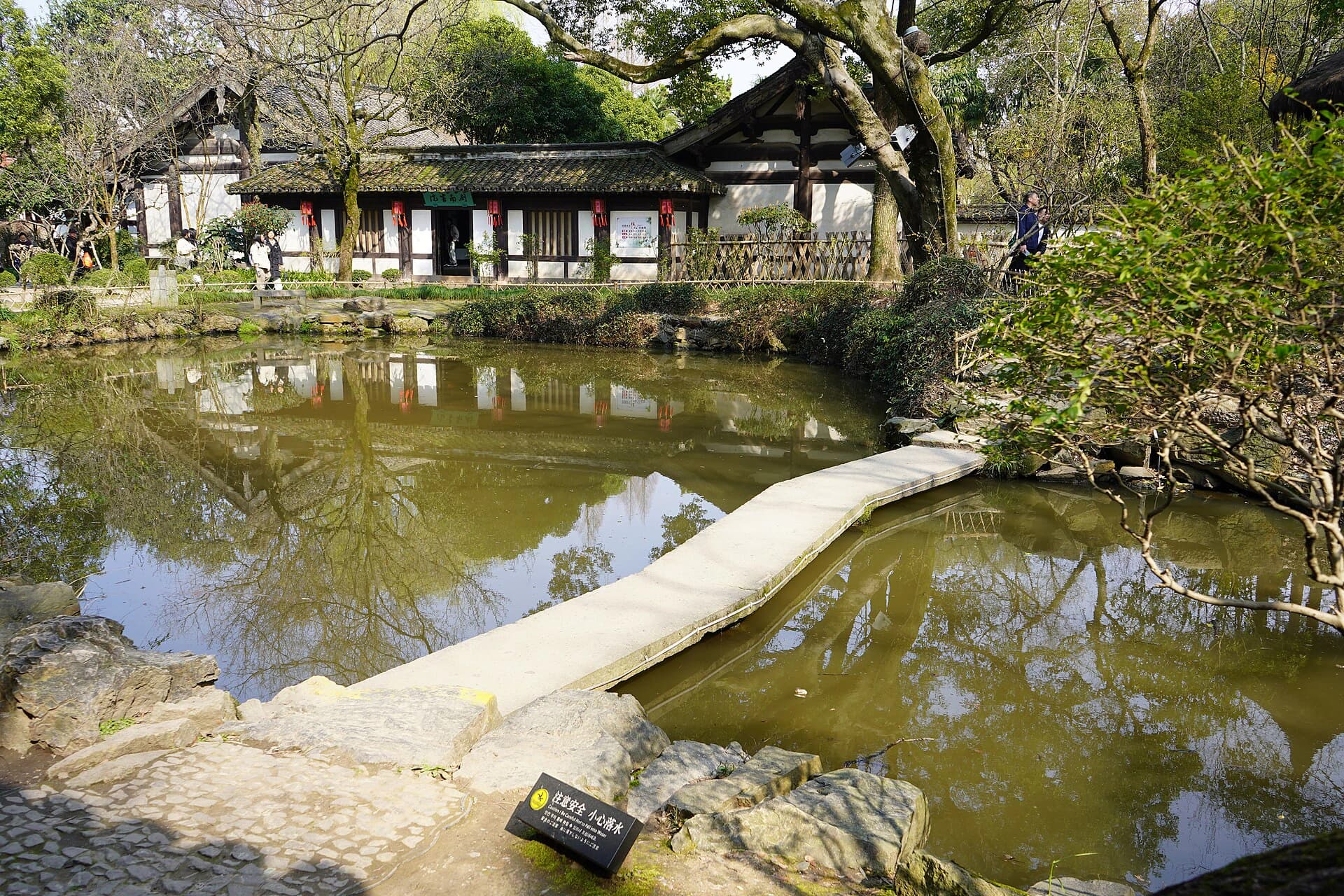
- Pause at Baicao Garden. Compare the physical space with its literary memory; the garden in a text is not a documentary floor plan.
- Use the museum to correct the story. Objects, chronology and interpretation help separate biography from scenes borrowed from fiction.
- Choose the expanded precinct last. Costume, performance, shops and immersive settings are optional and should not displace the historic core.
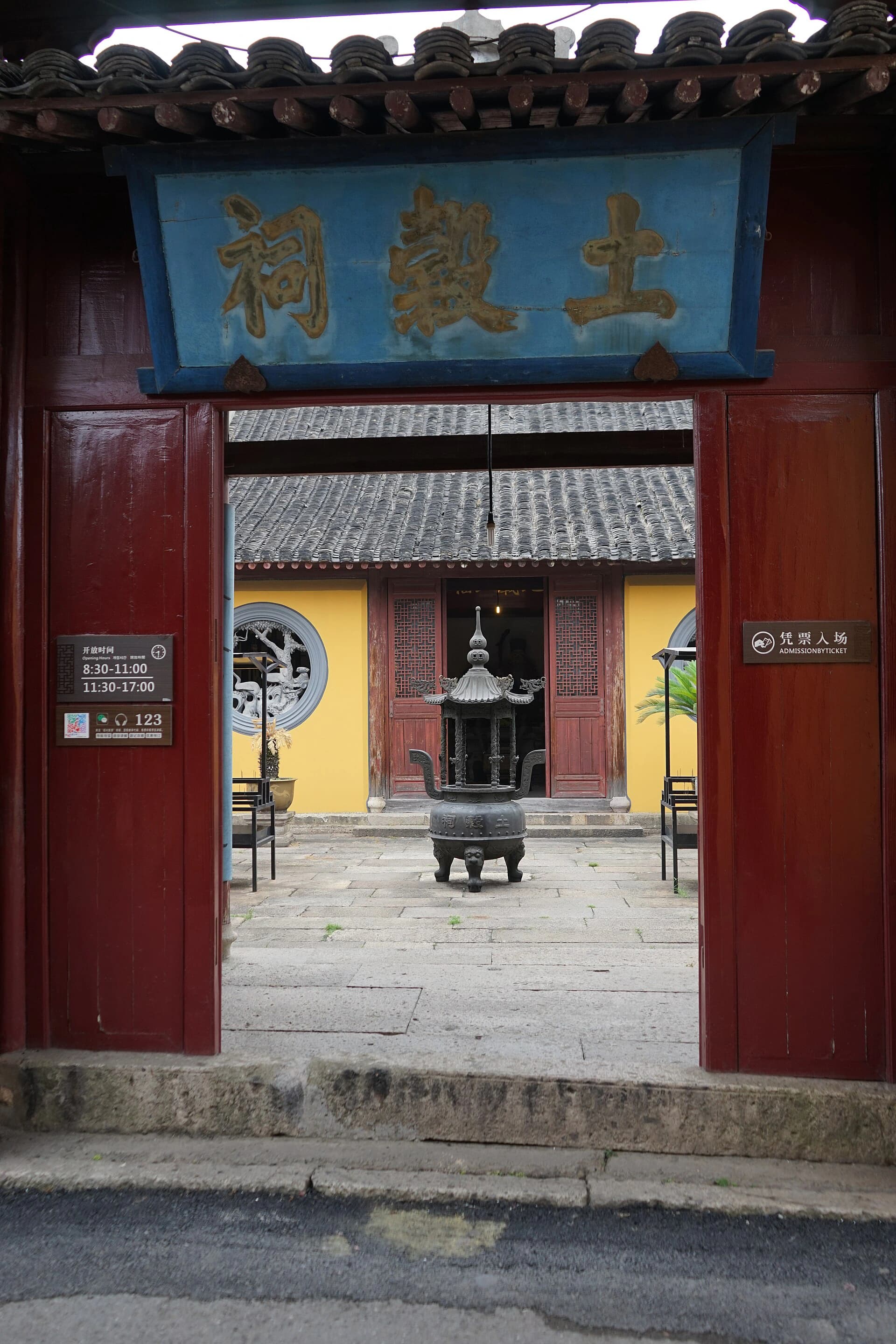
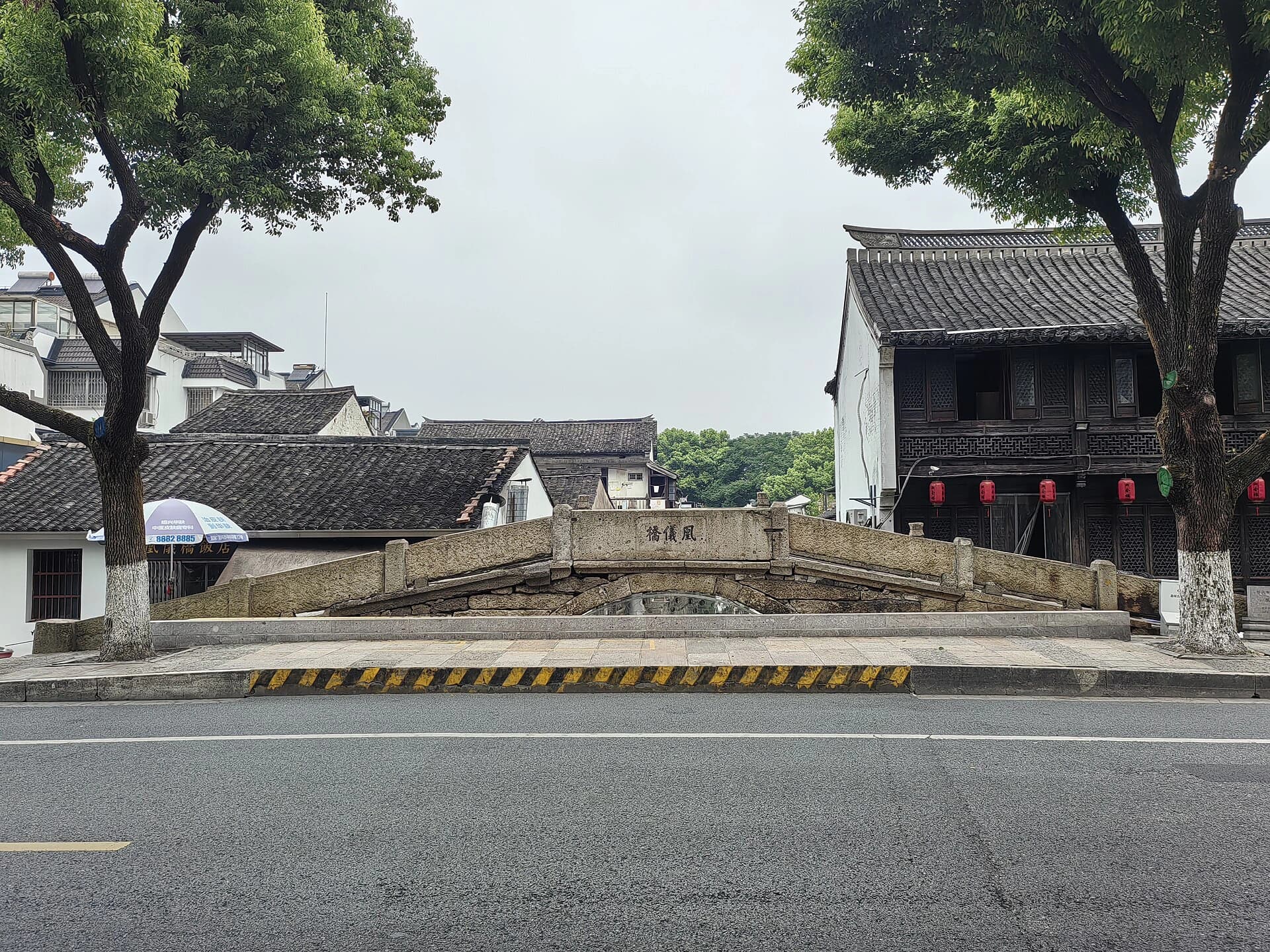
Photo: Amarespeco · Source · CC BY-SA 4.0
Two hours is plausible on a quiet morning. Sunday and holiday visitors repeatedly describe much longer queues and a commercial atmosphere that overwhelms the small buildings. Add buffer and never book a fixed show immediately afterward.
How to tell what is authentic
Look for precise labels. An original or documented family building, a restored room, a reconstructed setting, a museum reproduction and a scene inspired by a literary work are five different things. A convincing period interior is not automatically the room exactly as Lu Xun used it.
The precinct has expanded in recent years with new interpretation and commercial activity. That can make the writer accessible to more visitors, but it also makes source awareness more important. Spend your attention first on the protected core and museum chronology; use newer experiences only when they deepen a text you know.
Booking, passports and current access
The core has used advance reservation and free-entry arrangements, but channel, time slot, passport field, entrance and included buildings can change as the precinct develops. Use the venue's live first-party channel. If a Chinese ID field blocks an ordinary passport, confirm the manual or on-site process instead of entering false information.
Check whether every intended building is open, whether the museum has a separate closure day, and whether the current route permits re-entry. A reservation for the precinct does not guarantee access to every performance or commercial product around it.
Beat heat and queues
Arrive close to opening, especially in summer. Several queues are exposed, and the comfort difference between the first hour and midday can be substantial. Carry water within current security rules, use the museum or a proper lunch break during the hottest period, and cut the newest commercial layer before rushing the historic rooms.
Small thresholds and narrow interiors also create accessibility friction. Ask about the current step-free route, accessible toilets and whether a companion can wait outside a congested room without losing the route. A wheelchair user can still gain value from museum interpretation even if every historic threshold is not accessible.
Getting there and building an old-city day
Use Lu Xun Native Place in AMap. From Shaoxing North, the checked baseline is about 17.4 km and 30 minutes by car, or around 53 minutes by metro plus roughly 1 km of access walking. Luggage and summer weather may make the car route worth the cost.
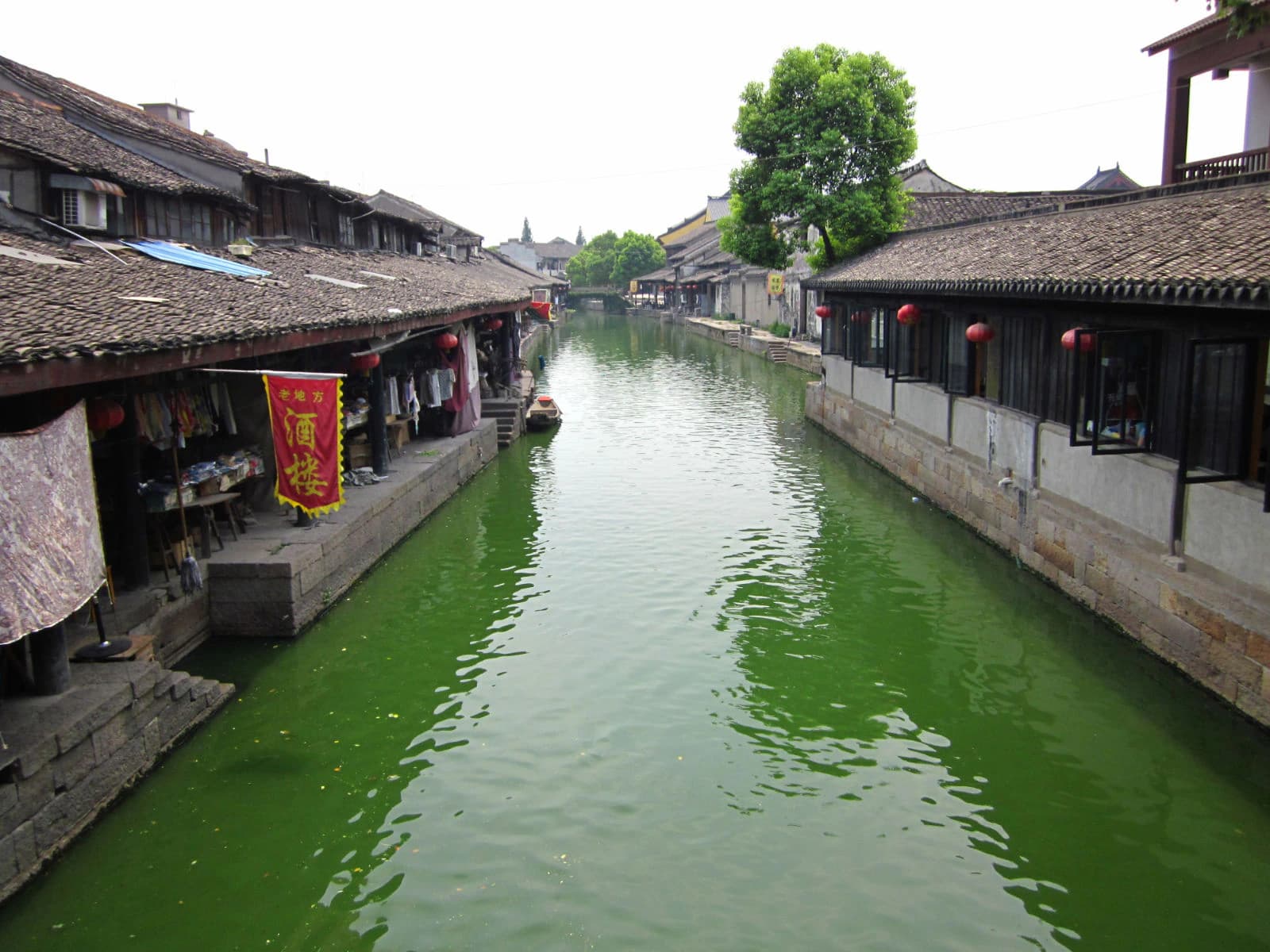
Shen Garden is only about 0.3 km away. Treat its daytime garden and night production as separate choices. Cangqiao Street is roughly 0.7 km away and works as an unhurried canal walk after lunch.
On a crowded day, add only one. On a quiet day, the three form a coherent literature–garden–canal sequence without a paid transfer.
Final verdict
High priority if you will read the place, not just photograph its names. Go early, protect two flexible hours, distinguish biography from fiction, and let the expanded commercial precinct remain optional.