Moganshan
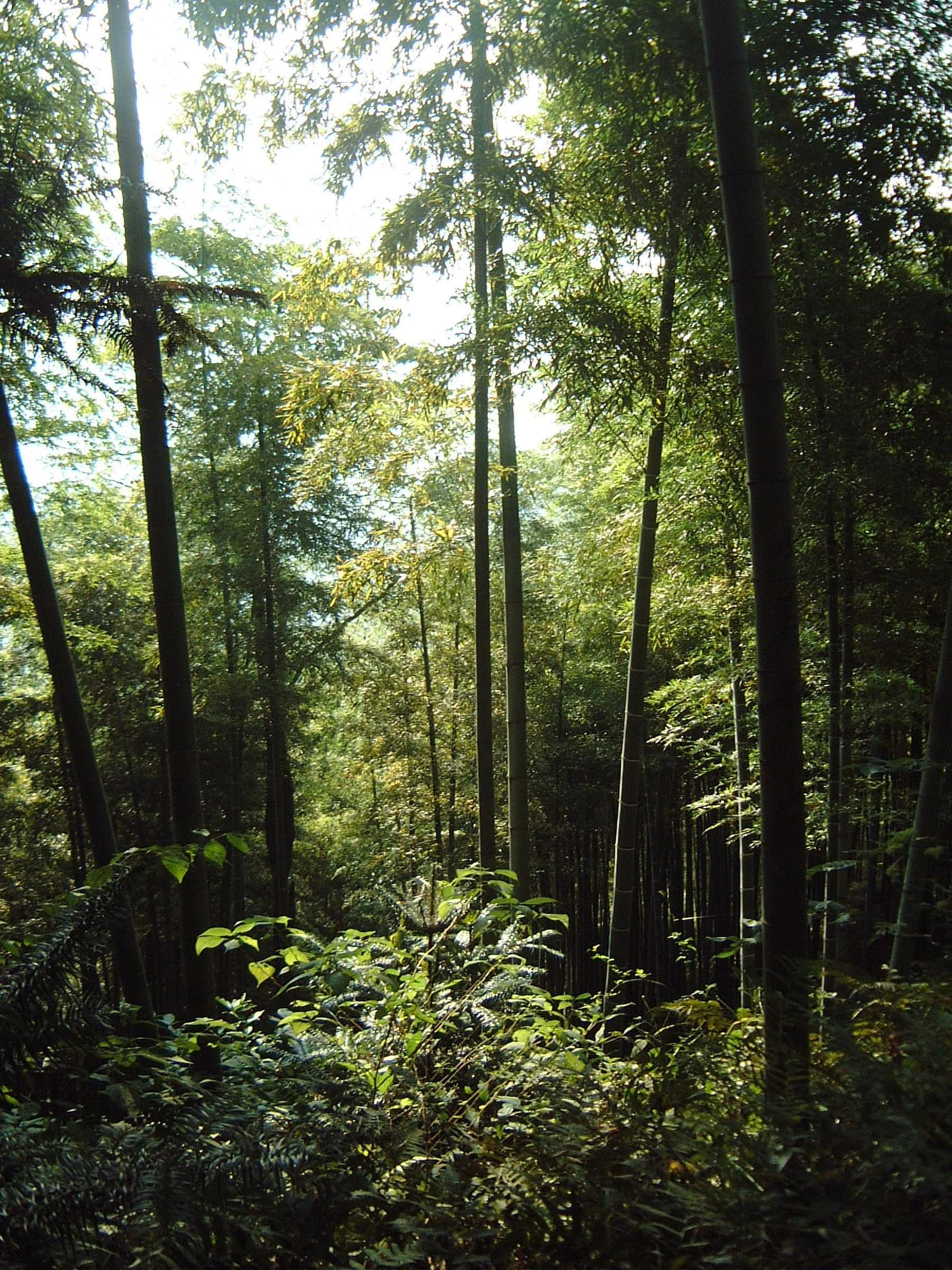
Moganshan (莫干山, Mògānshān), also called Mogan Mountain, combines bamboo-covered slopes, mountain villas and a long tradition of retreat from the lowland heat. A rewarding visit begins with one choice: explore the managed scenic core, use Yucun as a lower village base, or make a wider private resort the purpose of the stay. The shared name does not make those products interchangeable.
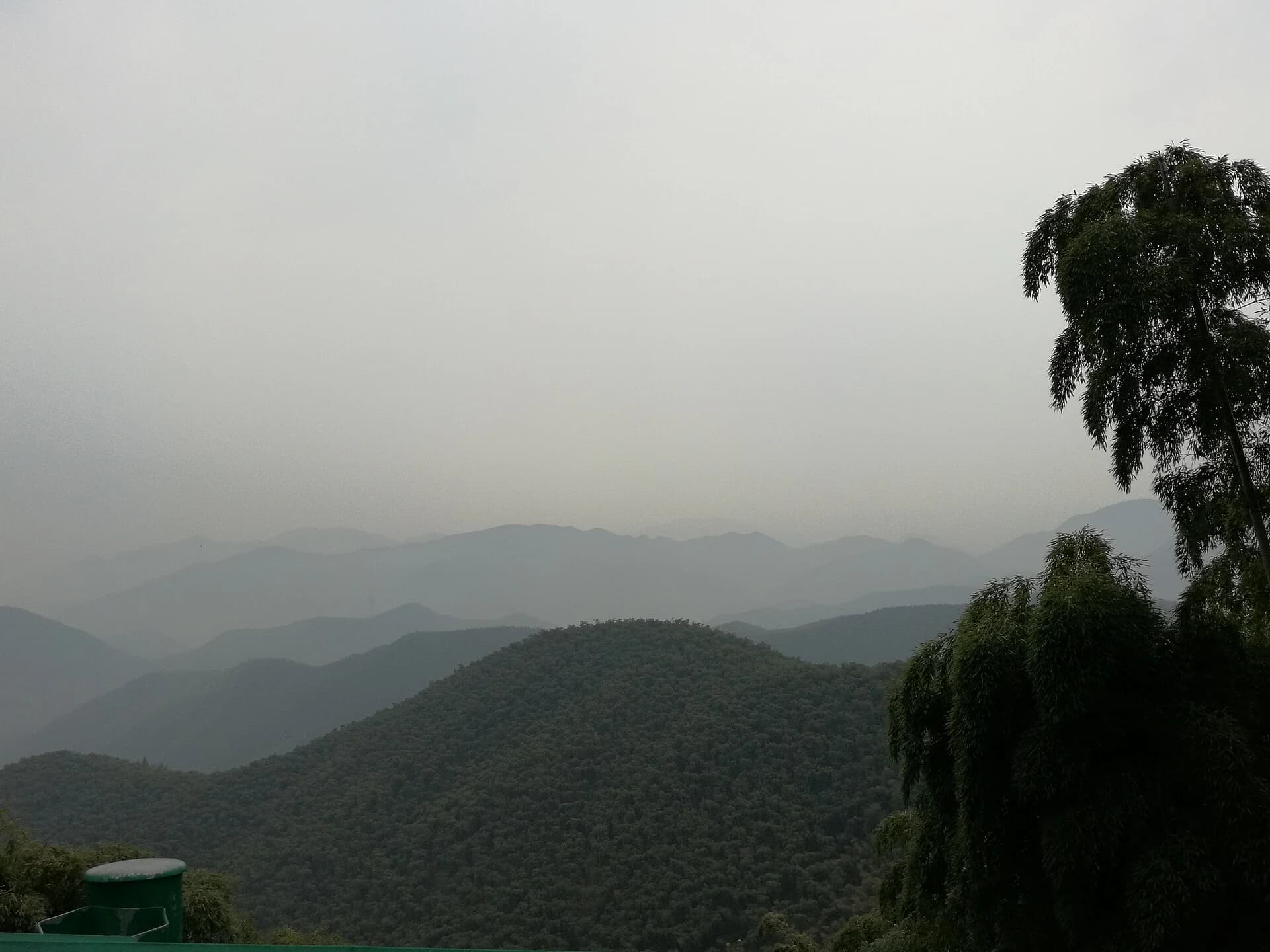
Mist can make the ridges atmospheric, but it is not an opening or visibility forecast. Build the day around the current weather and managed access rather than a fixed postcard view.
Three Moganshan products
| Product | Best for | What must be confirmed |
|---|---|---|
| Managed scenic core | Bamboo landscape, historic villas and a selective mountain day | Current admission, external transfer, internal vehicle, open stops and last descent |
| Yucun / lower village | Easier base, food and a slower block around a core visit | Exact distance to the transfer point, luggage and onward pickup |
| Wider private resort | A stay-led retreat where the property is the main experience | Exact pin, room inclusions, road access and whether any core visit is separate |
The officially described Moganshan International Tourism Resort covers 58.77 square kilometres, includes Yucun and ten villages, and adjoins the scenic area. That scale explains why a room branded “Moganshan” may be far from the managed core.
Use the Moganshan resort-area search on Trip.com only after choosing the product. Check the property pin, international-guest policy, pickup, luggage, meals and cancellation. The zone label does not include scenic admission, a transfer, vehicle permission or trail access.
A selective managed-core day
Assisted overview
Start by routing to the Moganshan Scenic Area Yucun Distribution and Transfer Centre on AMap as the external planning anchor. Then follow the operator's current admission and transport instructions for that day. Once inside the managed core, choose a small number of open history and landscape stops and let the current signed circulation determine their order.
This version is not “no walking.” It simply uses the operating transport where available and spends energy on the stops that matter rather than trying to complete every branch.
Assisted plus one walking segment
Add one currently open, signed segment through bamboo, villa terrain or a viewpoint area. Decide before leaving the assisted circuit, because steps and return climbs can be much greater than a downhill-looking path suggests. Keep enough time to rejoin the current exit transport.
Walking-depth day
Choose a deeper walking day only after confirming the official open route, surface condition, turnaround point and last transport. A race course, a map road or an old visitor route is not ordinary trail permission. This guide therefore does not prescribe a wilderness track or fixed scenic-vehicle sequence.
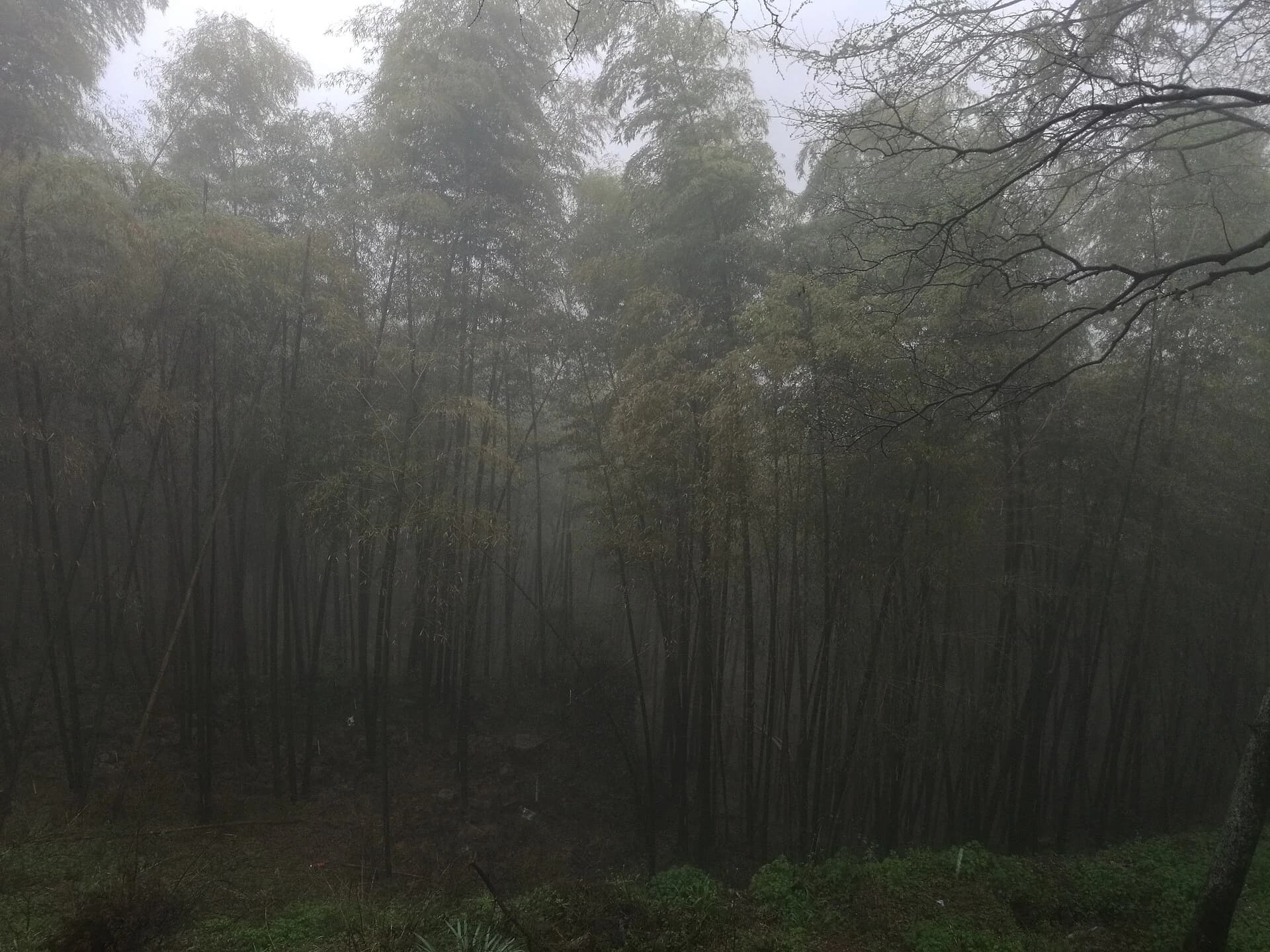
Photo: Walter Grassroot · Source · CC BY-SA 4.0
Read villas and bamboo together
Moganshan's distinctive layer is the meeting of wooded mountain and retreat architecture. At an open villa or interpretation stop, look at how broad windows, terraces, stonework and hillside position respond to shade, air and views. Then return attention to the bamboo canopy and changing terrain rather than treating each building as an isolated photo stop.
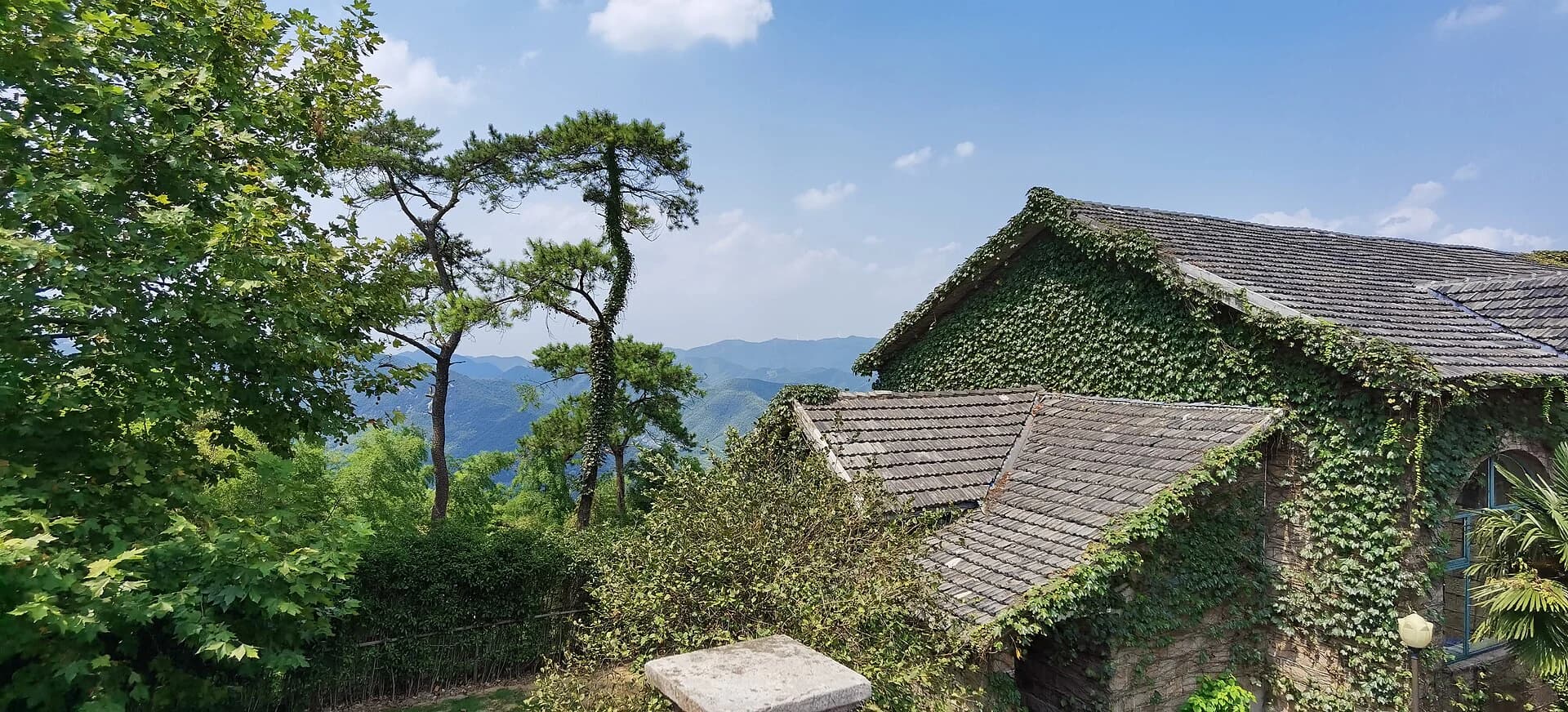
Photo: CatOnMars · Source · CC BY-SA 4.0
The photographed villa represents the architectural layer; it does not imply that this exact property or interior is currently open. Follow on-site signs and conservation barriers.
Yucun or a private resort can be the slower second day
Use Yucun (庾村) for a lower village block, meals and easier orientation around the current transfer process. It works well after the managed core when you want a gentle finish rather than a second mountain route.
A wider private resort stay is a different decision. Choose it for the property, landscape and downtime it actually includes, then treat Yucun and the scenic core as separate transfers. Properties using the same destination label can still be a substantial road transfer from Yucun, so the exact pin—not the name—should control the plan.
Arriving from Deqing or Hangzhou
Deqing has two distinct rail stations. In AMap models checked on 21 August 2026, Deqing West Station (德清西站) was about 10.5 km / 21 minutes by car from the Yucun transfer anchor; Deqing Station (德清站) was about 19.2 km / 31 minutes. The shorter road model does not make Deqing West the best rail choice on every date—compare live train inventory and the onward transfer together.
For a private Hangzhou return, the exact Hangzhou–Moganshan vehicle product on Trip.com is transport-led. Its selected package included a driver and vehicle, while scenic admission, internal transport, guide, meals and outside-zone pickup were excluded. Recheck the pickup district, luggage, language label, cancellation and selected-date terms. It does not prove that the car can enter the scenic core.
Tickets, documents and mountain conditions
No qualifying general-adult third-party Moganshan admission is linked here. Use the current scenic operator or staffed channel and verify admission, opening, last entry, external transfer, internal vehicles, private-car rules, open walking segments and fire or weather closures for the date.
The available evidence did not establish a dependable foreign-passport online or gate workflow. Carry the original passport and allow time for staffed handling. Rain, fog and low cloud can reduce visibility; wet stone, mud and bamboo-leaf surfaces can become slippery. Wear shoes with grip, keep one flexible indoor or village layer, and shorten the walk before risking the last descent.
Use the Huzhou guide to decide whether Moganshan deserves its own base or should replace, rather than follow, a full Nanxun day.