Liangzhu
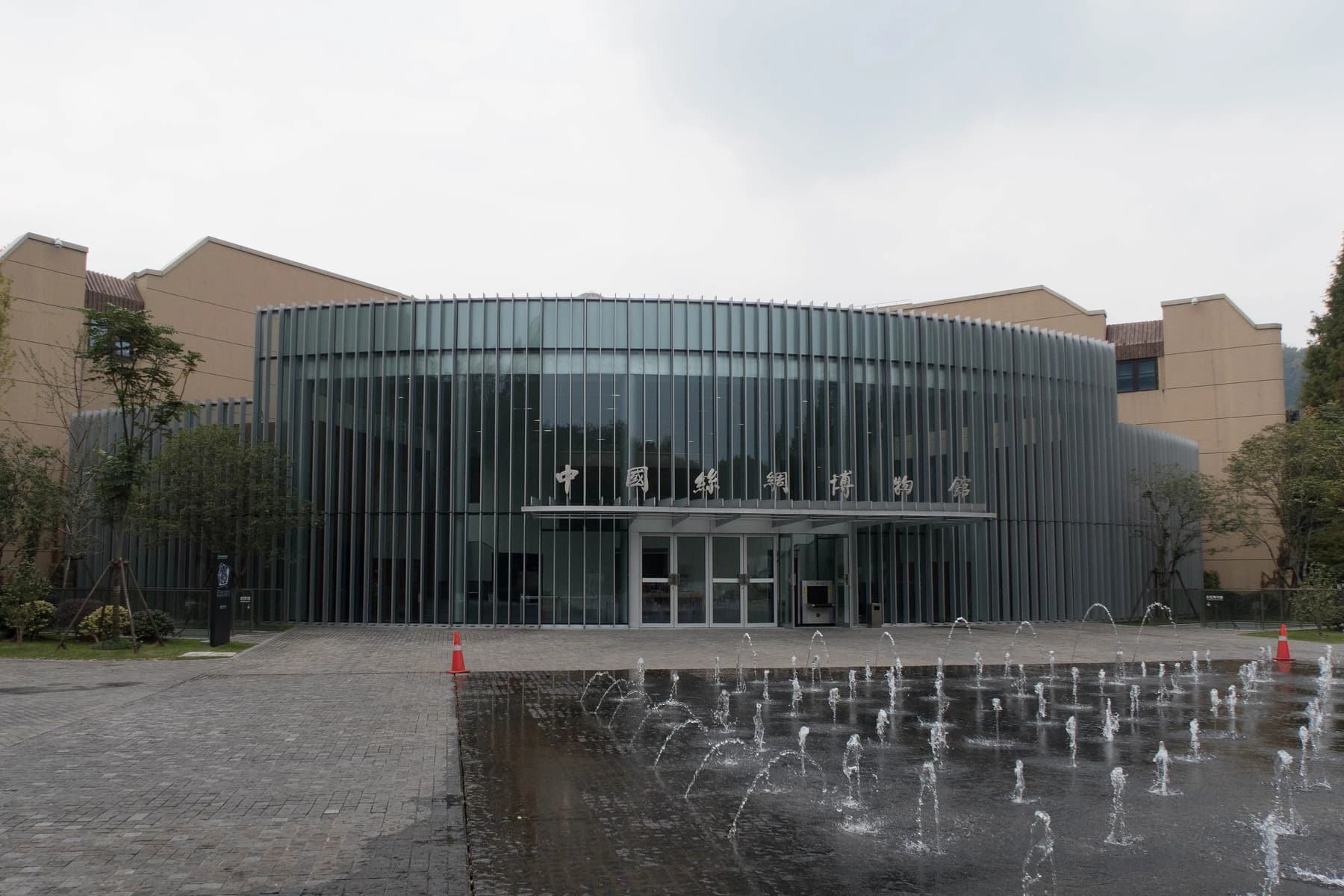
Liangzhu is most rewarding when the museum comes first. The galleries explain chronology, rice agriculture, jade ritual, social difference and water management. The archaeological park then turns those claims into spatial questions: how large was the city, where were elite platforms, and how did the hydraulic system shape the settlement?
Trying the park first can make a subtle landscape feel empty. Treating the museum as a substitute loses the scale that made Liangzhu internationally significant.
Reserve two different visits
The official Liangzhu visitor page lists the current arrangements for Liangzhu Museum and the Archaeological Ruins Park. They have different admission and reservation logic. The official page currently describes the museum as a free real-name reservation and the park as a separately ticketed, capacity-controlled visit, but prices, opening days and booking windows must be rechecked on the travel date.
Use the passport selected during booking, carry the original and save both confirmations. A museum reservation is not evidence of park entry.
Morning: Liangzhu Museum
Begin with the chronological spine, then focus on three evidence groups:
- Jade and ritual: look beyond craftsmanship to standardization, symbolic authority and burial context.
- Agriculture and settlement: understand how rice production supported a large community.
- Social and hydraulic organization: connect differentiated burials, platforms and water engineering to the idea of an early regional state.
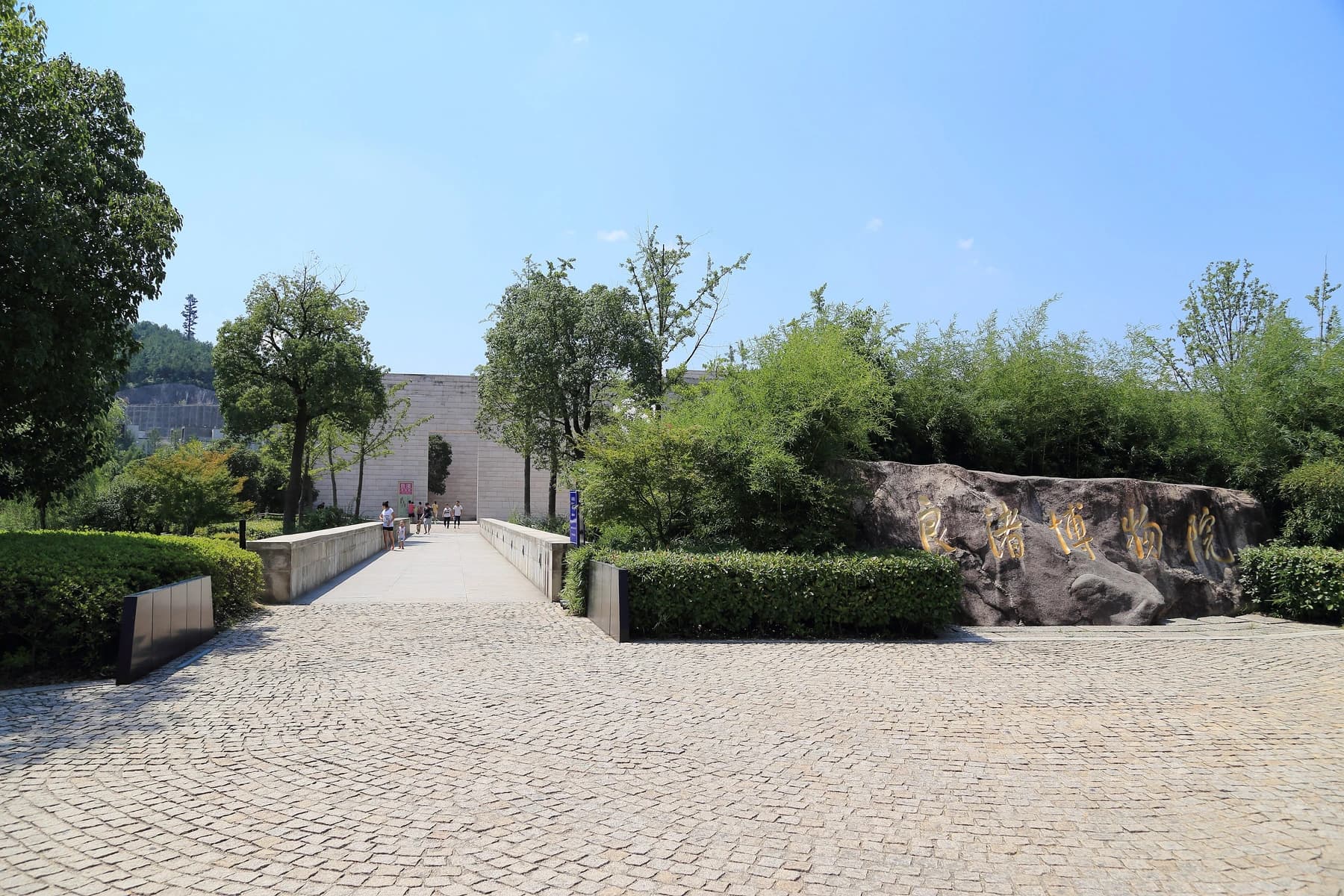
Photo: Zhangzhugang · Source · CC BY-SA 4.0
Allow about two hours, more if archaeology is a primary interest. Do not spend the entire morning photographing individual jades without reading their excavation and burial contexts.
Transfer to the archaeological park
Route planning gives about 5.2 km and ten minutes by car from the museum to the park's south visitor centre before traffic and gate checks. Use the exact Chinese destination 良渚古城遗址公园南游客中心. A generic Liangzhu pin can send a driver to another park edge or cultural facility.
Afternoon: Archaeological Ruins Park
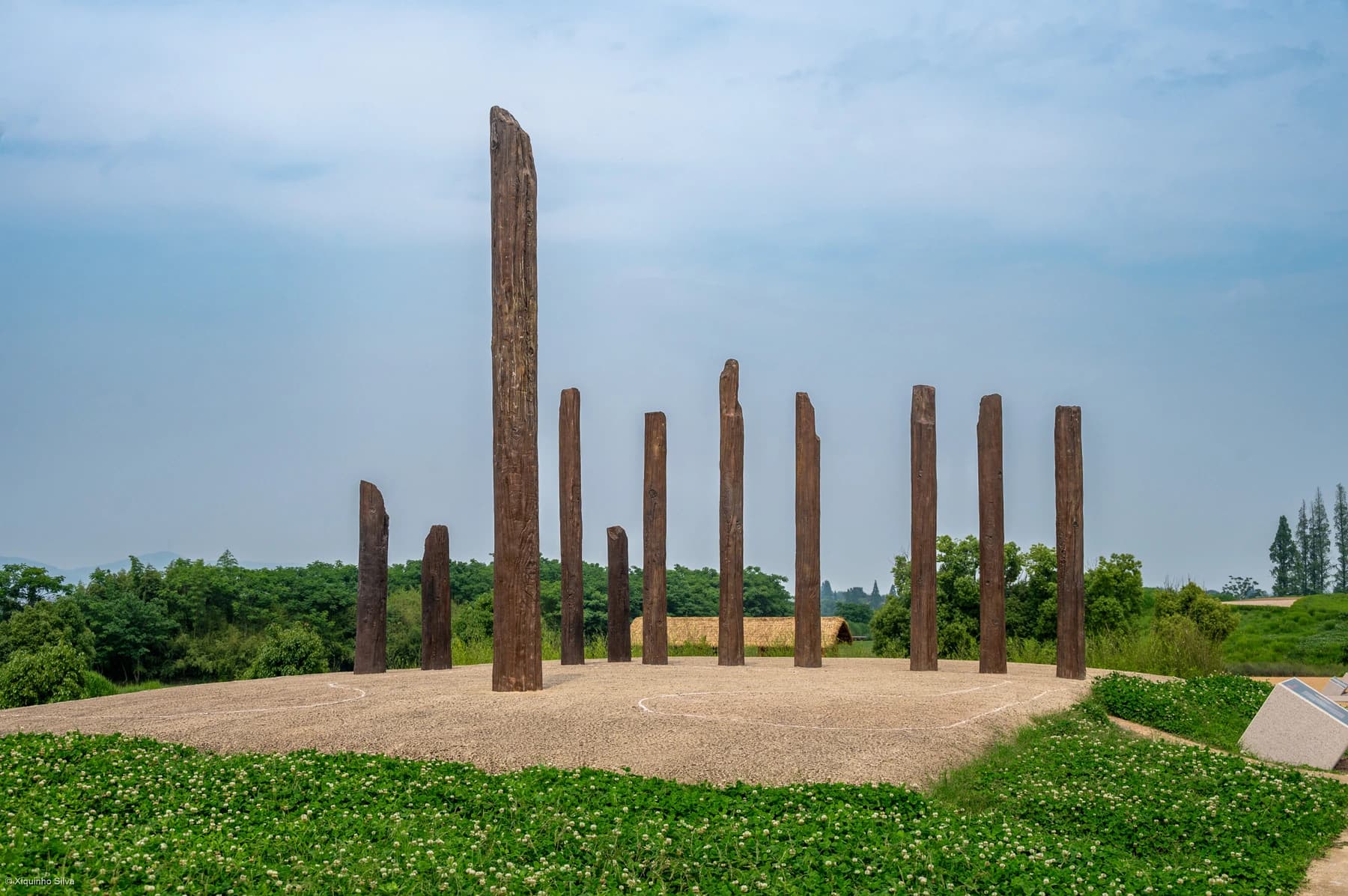
The official visitor information recommends roughly 3–3.5 hours. Use current internal transport and select a limited evidence route: palace/platform area, a city-wall or gate context, and one component of the water-management landscape. Seasonal vegetation and preservation controls affect what is visually legible.
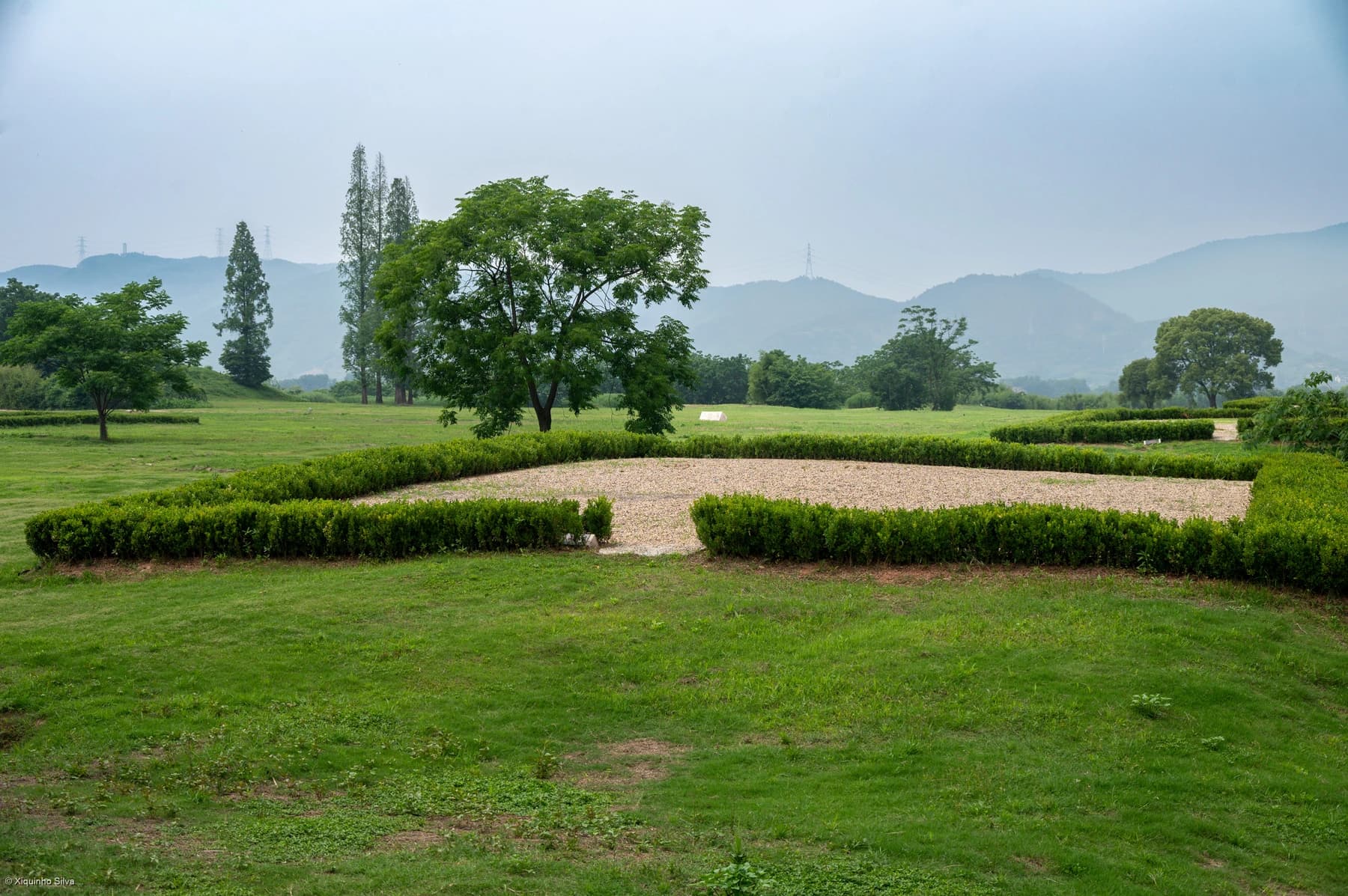
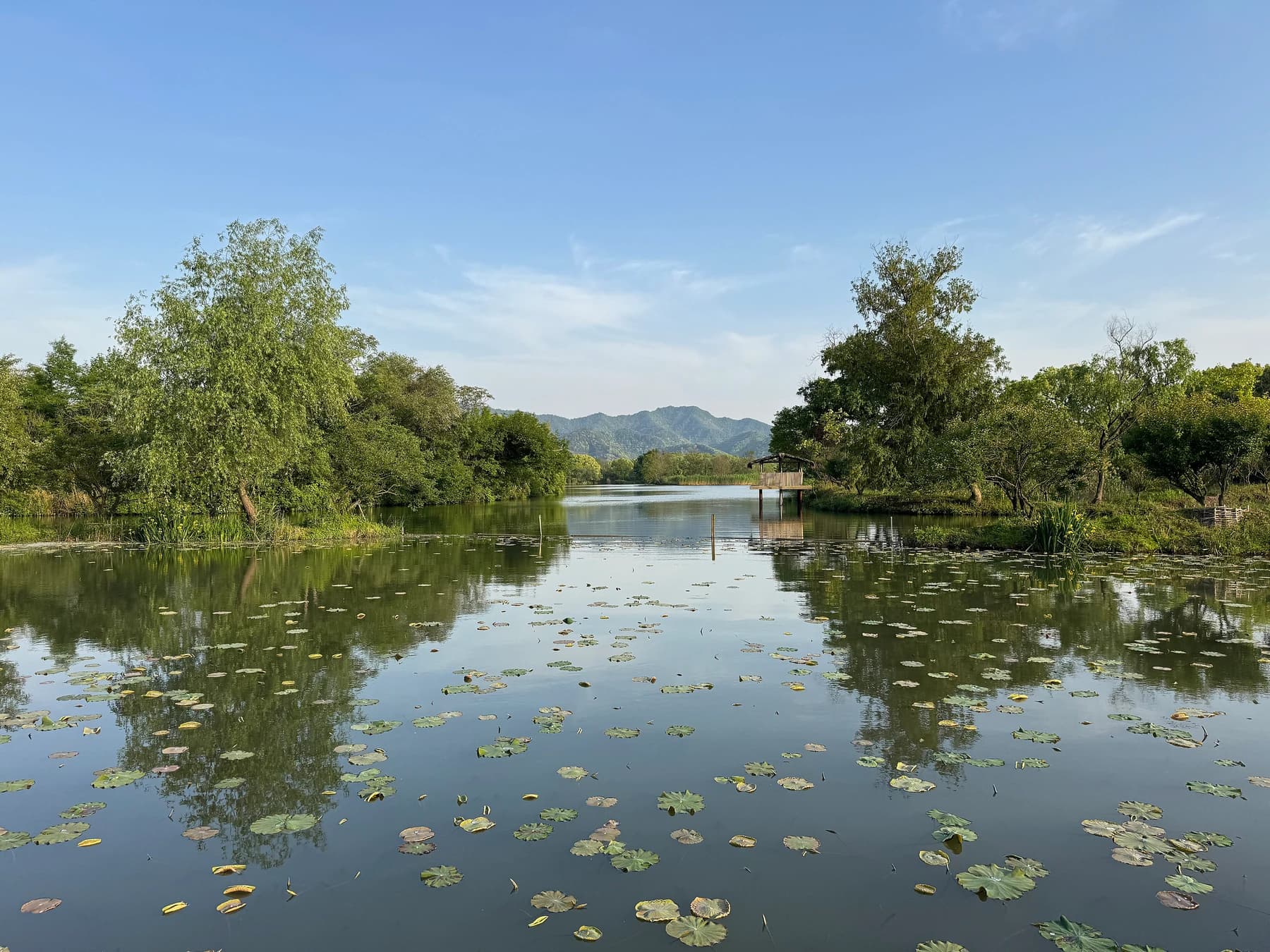
The park is not a reconstructed palace attraction. Its value lies in terrain, dimensions, archaeological interpretation and the relationship between city and water. Read the signs and models before judging the site by the amount of architecture standing above ground.
Getting there and back
Liangzhu is northwest of central Hangzhou. Use metro plus taxi only if the transfer and station exit are clearly better for your date; a direct taxi or ride-hail is often simpler for two or more travelers. Keep a written Chinese destination and a return plan because ride availability can vary around closing time.
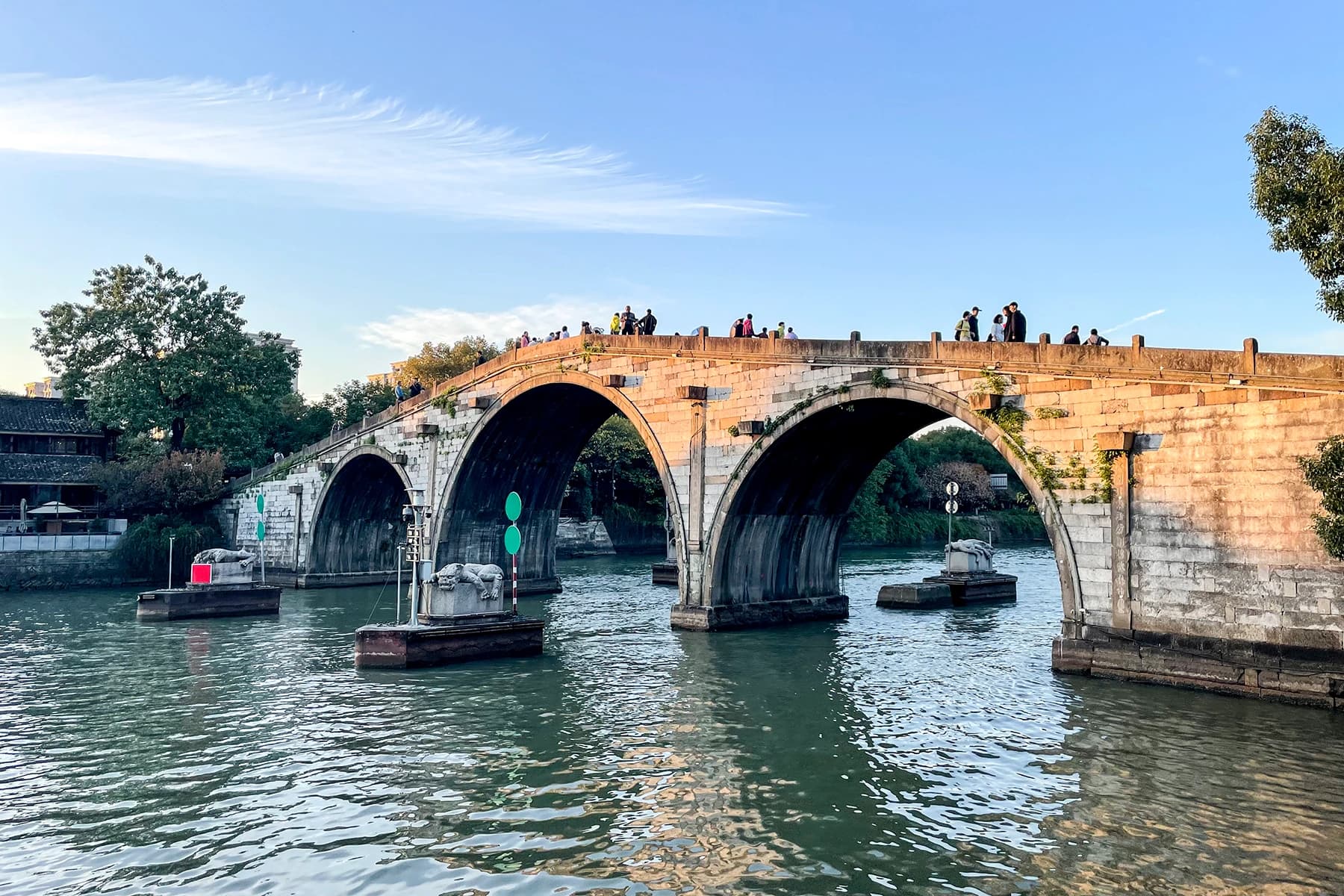
The archaeological park to Gongchen Bridge is about 21.7 km and 36 minutes by car in planning, not live traffic. Add the Grand Canal only as an optional dinner area, not a timed final attraction.
Weather and comfort
The museum is climate controlled; the park is exposed. Carry sun protection, water and rain gear. In extreme heat, thunderstorms or typhoon-related weather, prioritize the museum and follow official park closures. Visitors with limited mobility should verify the current shuttle stops, platform surfaces and distance from drop-off to exhibits.
Common mistakes
- Booking one site and assuming it covers both.
- Going to the park without museum context and expecting monumental ruins.
- Using an imprecise map pin.
- Underestimating outdoor time and returning to the city without transport buffer.
- Presenting a ticket seller's description as the official archaeological interpretation.
Compare the exact Liangzhu listing on Trip.com for current product context, but use the official site for admission, document rules and closures.