Jiangxi
Jiangxi is easiest to understand as a north–south rail spine with slower branches. Nanchang is the main gateway, Lushan is a mountain stay, Jingdezhen tells the complete porcelain-production story, and Wuyuan is a county of dispersed villages rather than one old town. A good first trip selects three of these jobs instead of collecting every scenic name.
Choose your region
- Northern first route: Nanchang–Lushan–Jingdezhen–Wuyuan in 8–10 days.
- Porcelain focus: three days in Jingdezhen plus one rural kiln or raw-material day.
- Mountain and city: Nanchang with Lushan in 4–5 days, keeping weather flexible.
- Southern Jiangxi: Ganzhou and the Hakka round-house region are a separate 4–6 day journey.
How many days
Three days suit Jingdezhen alone. Seven days can combine Nanchang, Lushan and Jingdezhen. Add Wuyuan with two more nights; its villages need road transport and should not be compressed into the transfer between two rail stations.
Bases and route
Use Nanchang for arrival and provincial history. Stay on or near Lushan according to the exact gate and transport product; a city hotel in Jiujiang is not the same experience. Jingdezhen needs two urban days for museums, kilns and contemporary studios. In Wuyuan, choose an eastern or northern village cluster and stay near it rather than returning across the county each night.
Nine-day northern route
- Arrive in Nanchang and explore one riverfront and historic cluster.
- Visit a provincial museum or city-history site, then move toward Lushan.
- Use a full weather-dependent day on Lushan.
- Keep a second mountain morning or descend and travel to Jingdezhen.
- Follow Jingdezhen's museum-to-kiln production story.
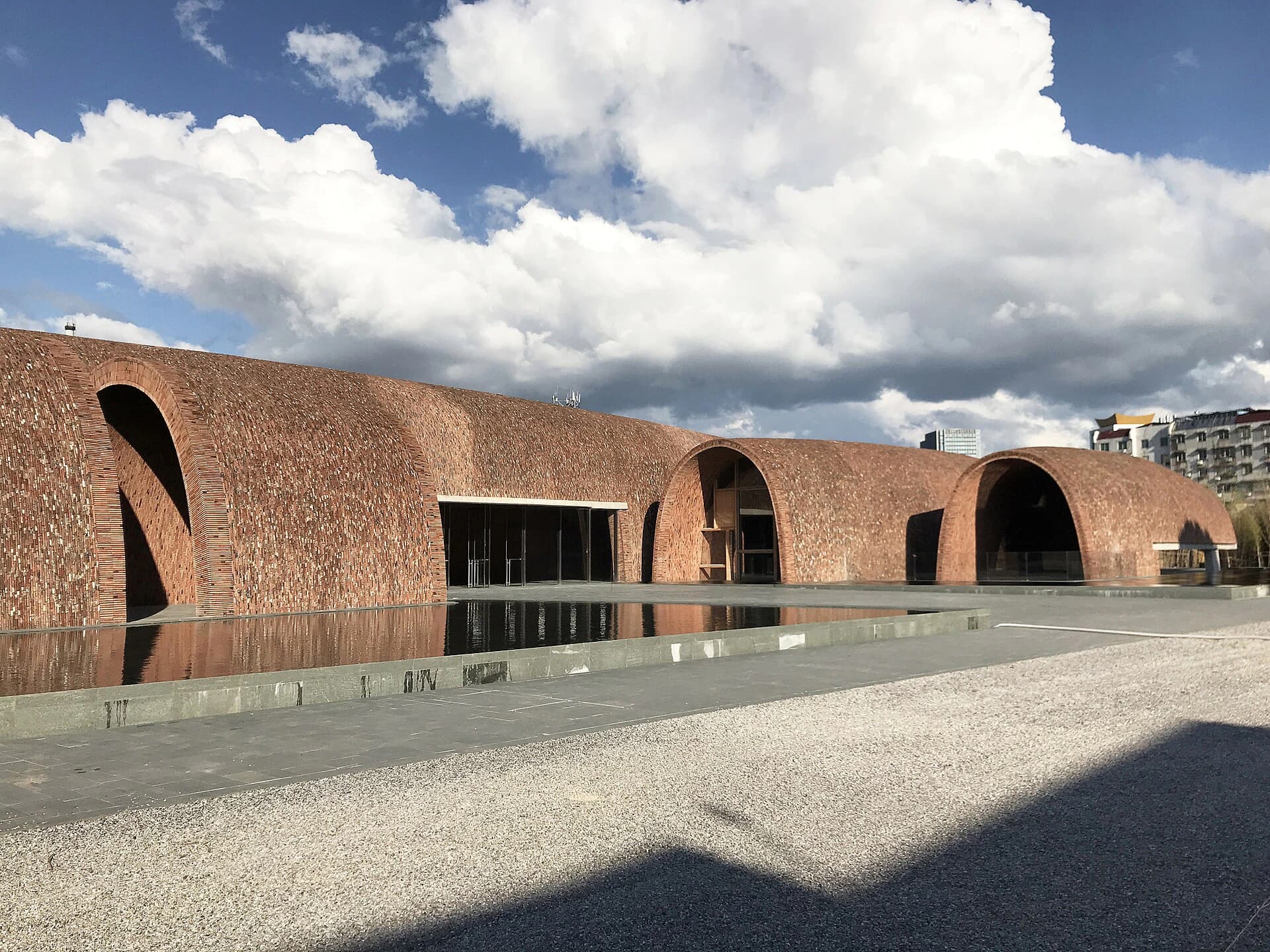
- Pair the imperial kiln area with contemporary Taoxichuan or Sculpture Factory.
- Choose one verified rural Jingdezhen extension, then travel to Wuyuan.
- Explore one Wuyuan village cluster without chasing every viewpoint.
- Add a second distinct village or depart by rail.
Seasonal flower fields are working farms, and popular villages can be crowded. Architecture, waterways and local life remain worthwhile outside one short blossom window.
Lushan needs a deliberate walking plan. A one-day visit forces real trade-offs, and the long stair sequence around Sandiequan (Three-Step Waterfall) can be hard on knees in both directions. In Jingdezhen, holiday traffic can make short taxi rides slow; use legal shared e-bikes only when you are comfortable in local traffic, and keep ceramics shopping separate from museum time.
When to visit
Spring is famous for flowers and rain, with crowds and mist. Early autumn often brings clearer mountain walking and agricultural color. Summer is hot and humid, while storms affect Lushan and rural roads. Winter is quieter and damp; mountain ice can change access.
Getting there and around
Nanchang is the strongest air and rail hub. Fast rail reaches Jiujiang/Lushan, Jingdezhen and Wuyuan, but station names do not identify the scenic gate or village. Mountain shuttles, buses and drivers complete the final segments. Confirm rural return transport before leaving the city.
Where to stay
In Jingdezhen, choose Taoyangli for the imperial-production story or Taoxichuan for contemporary design. Near Lushan, select the base that matches the route and luggage plan. In Wuyuan, a scenic village stay gives early and late access but may involve stairs, narrow lanes and limited evening transport.
What to book first
Reserve mountain transport, rural drivers, popular spring accommodation, high-demand museums and long-distance trains first. For Jingdezhen markets and studios, verify the exact date and appointment instead of assuming daily opening.
Compare Jiangxi hotels on Trip.com and check China train tickets.